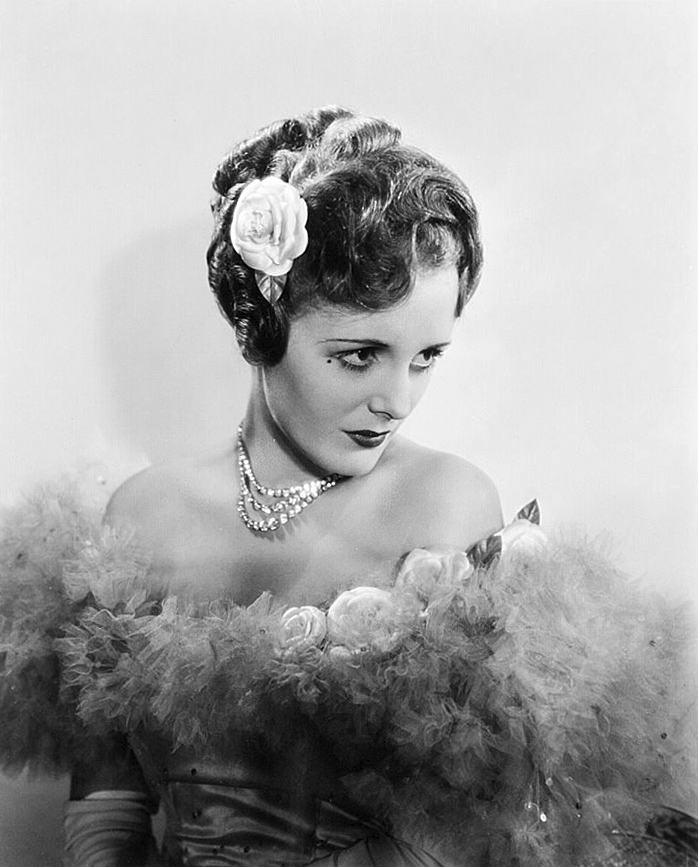
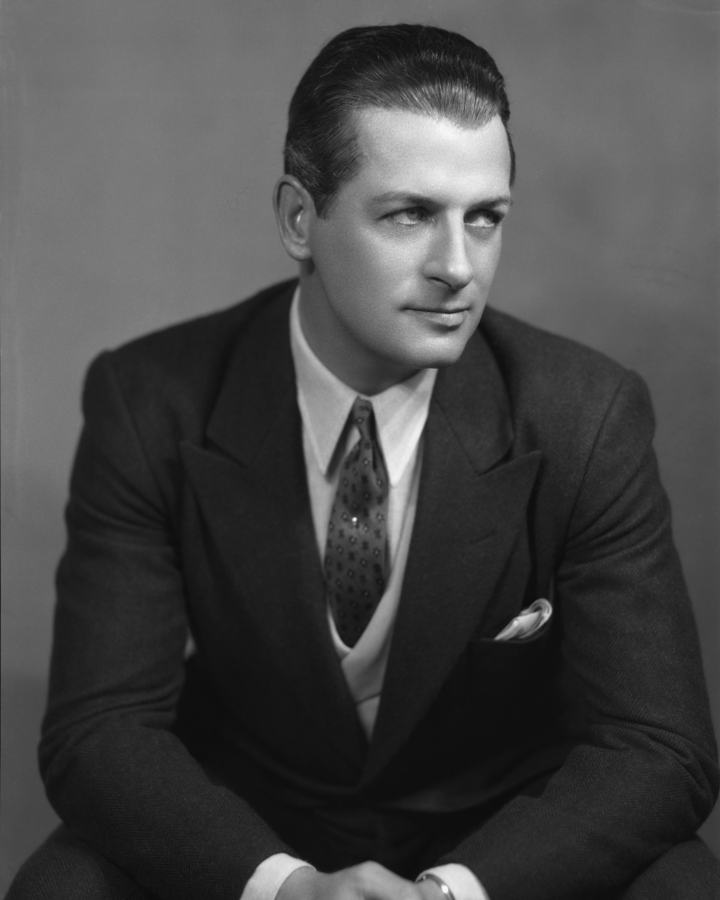
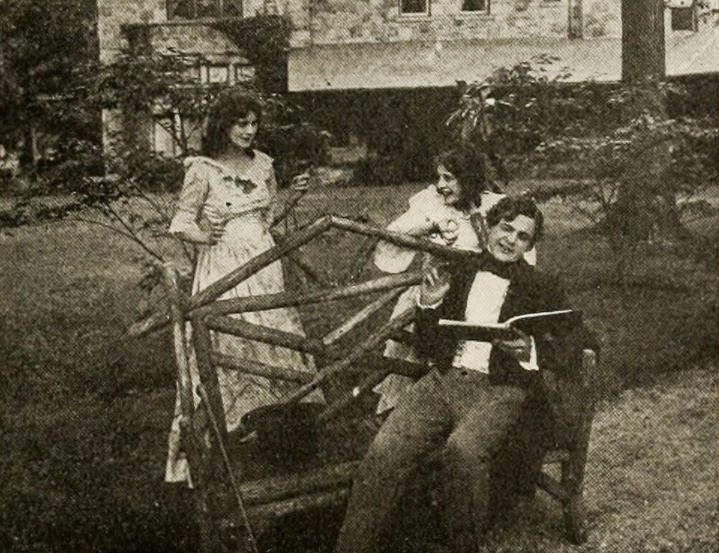
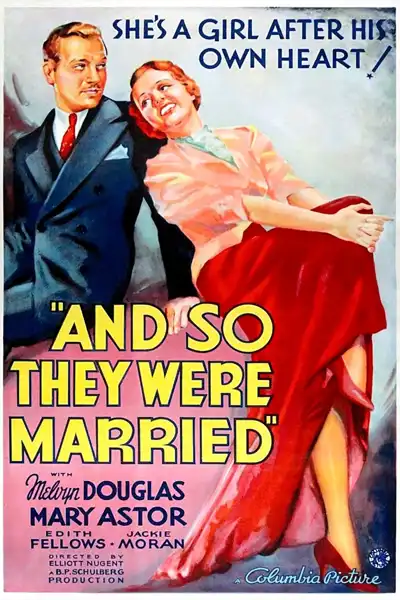
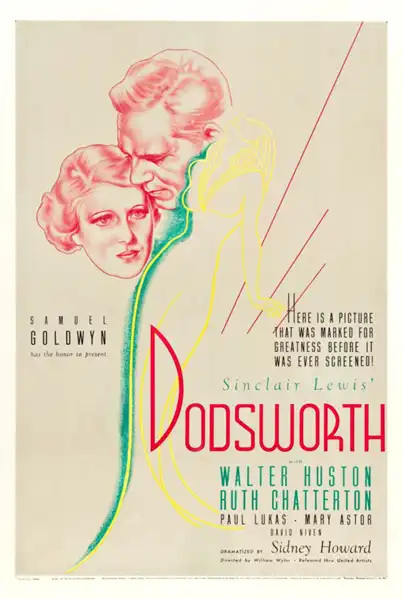
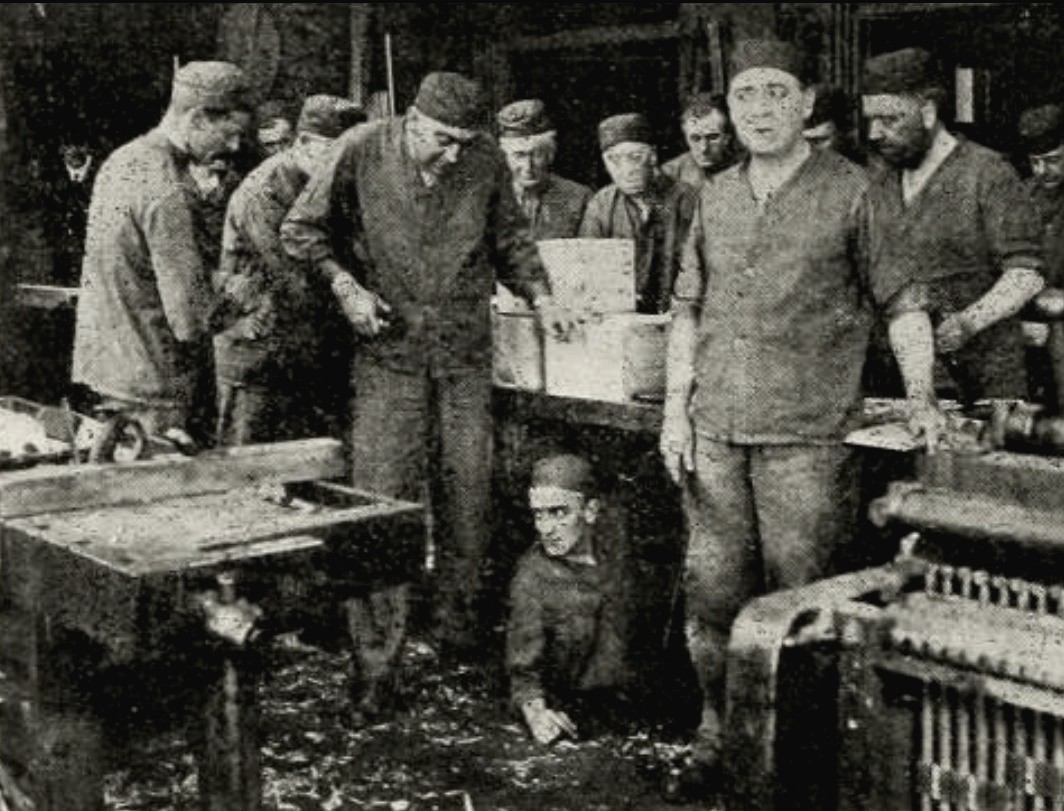
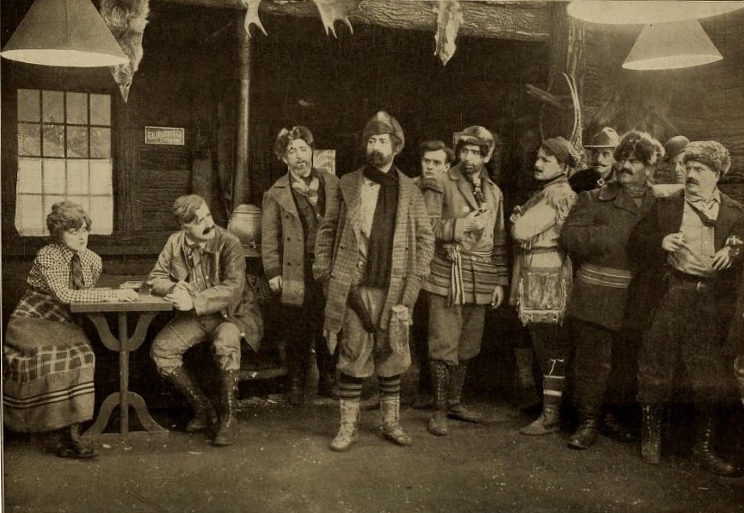
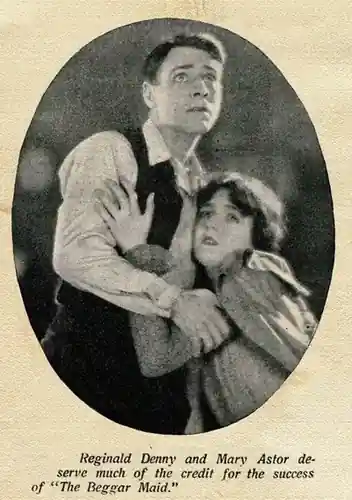
The painter Burne-Jones and his famed painting "The Beggar Maid" are depicted in this speculative drama about the creation of the painting. Burne-Jones plays matchmaker for a young British nobleman who has fallen in love with a servant girl on his estate.
Reginald Denny, Arthur Maude
United States
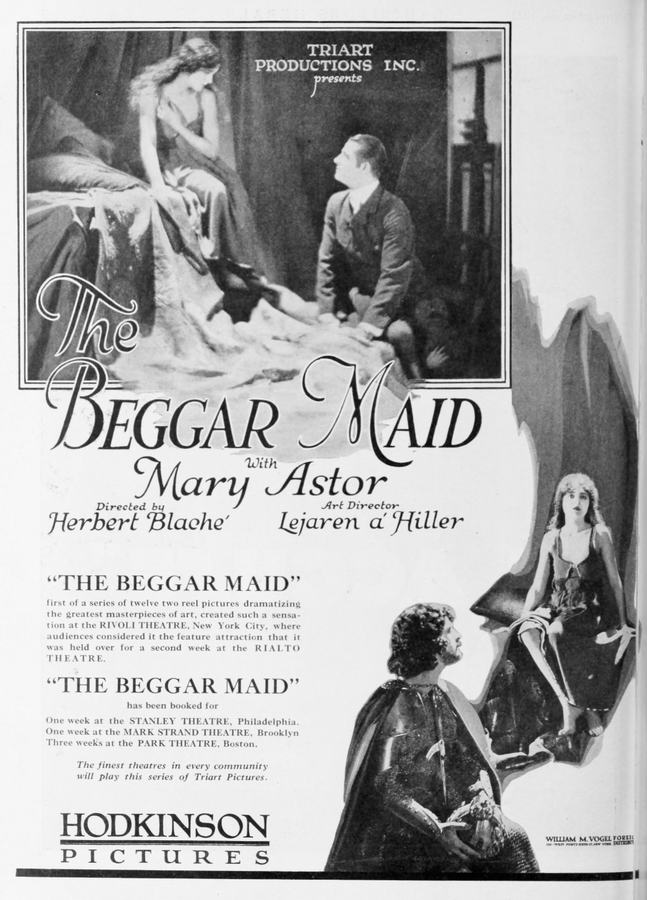
Torchlight scrapes across oak panels; shadows jitter like gossip. That first glimpse of The Beggar Maid feels less like entering a film than trespassing a half-remembered Pre-Raphaelite hallucination. Reginald Denny—who also co-wrote—casts himself as the love-struck earl with the fervor of a man decoding hieroglyphs ...
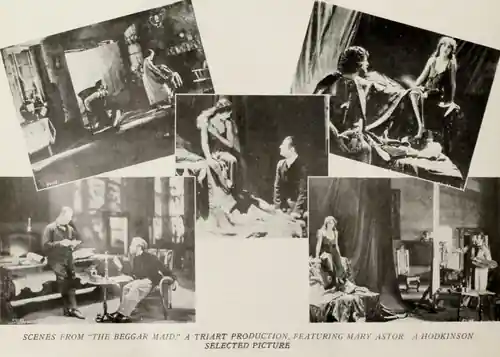
still_frame
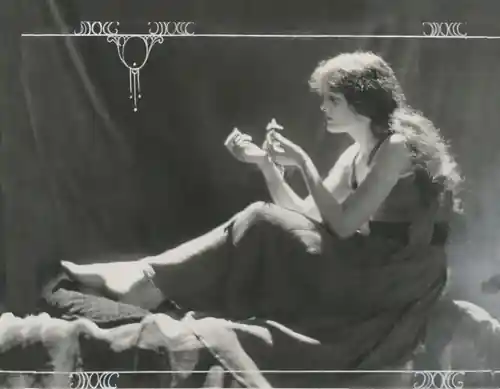
still_frame
production_art
Comparing the cinematic DNA and archive impact of two defining moments in cult history.
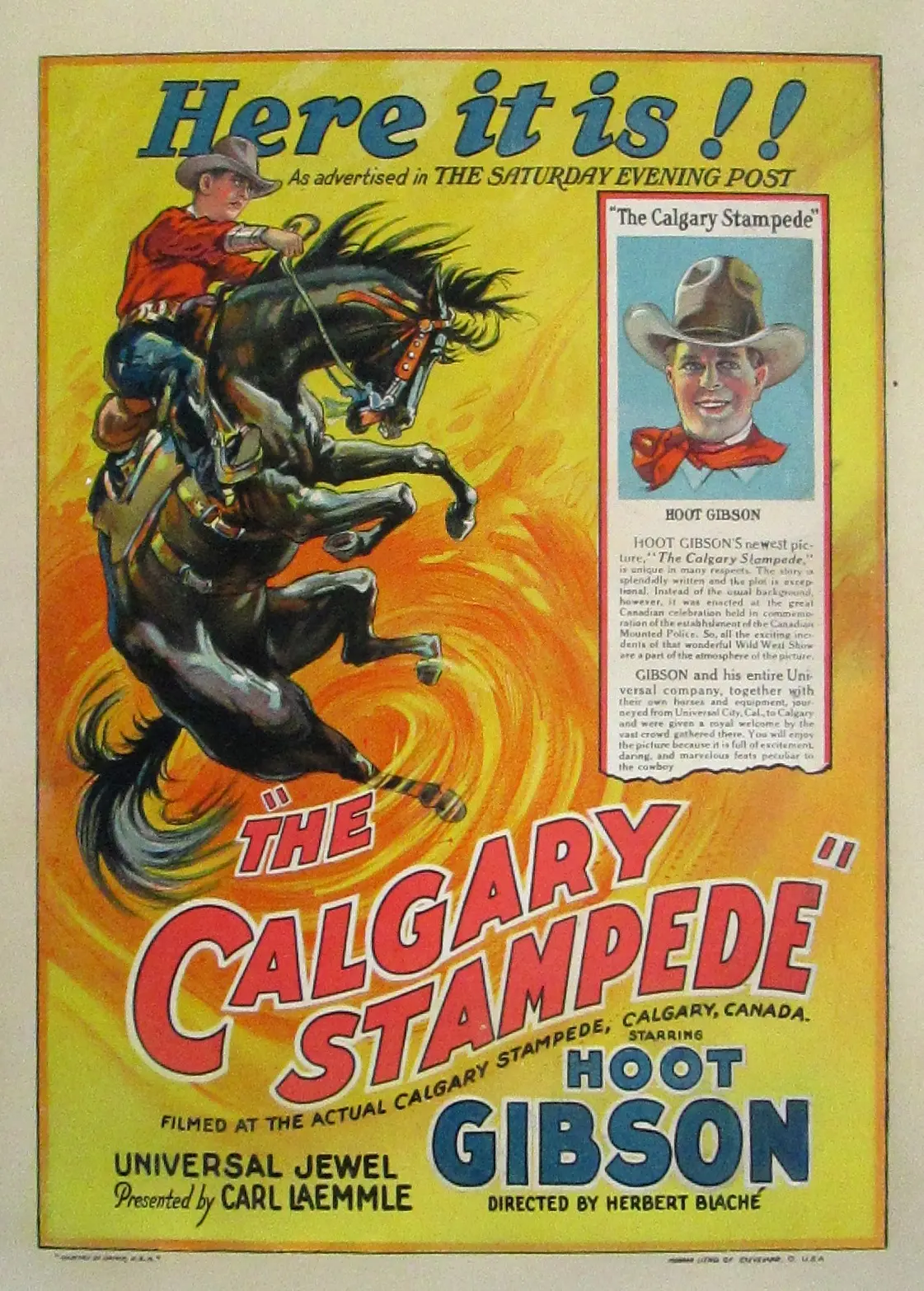
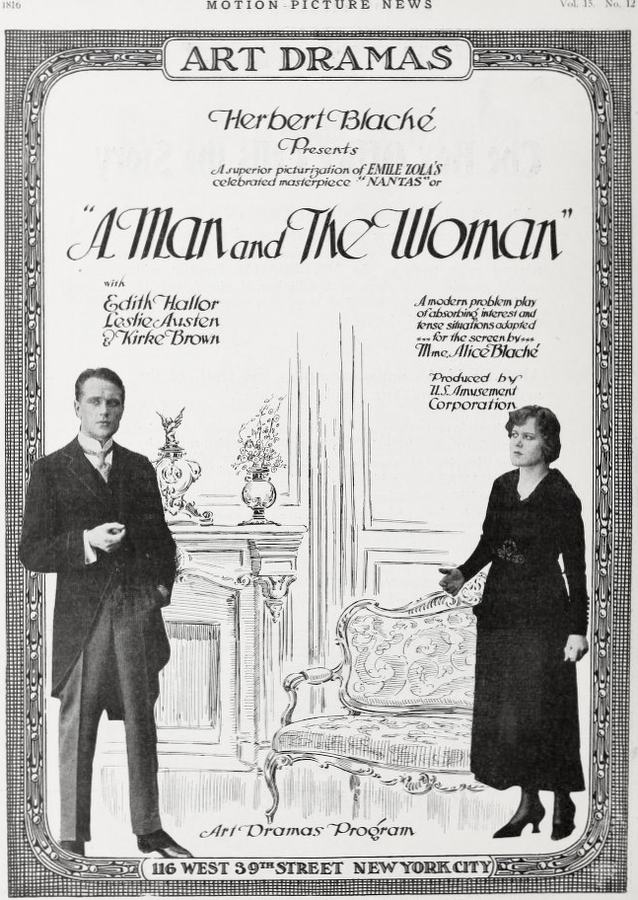
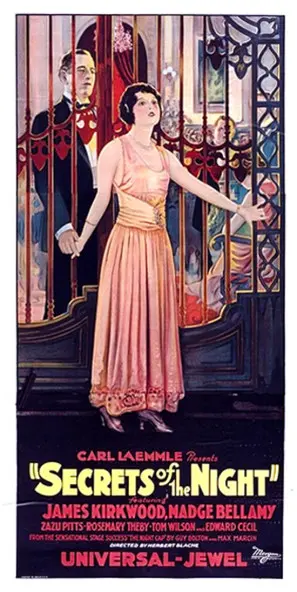
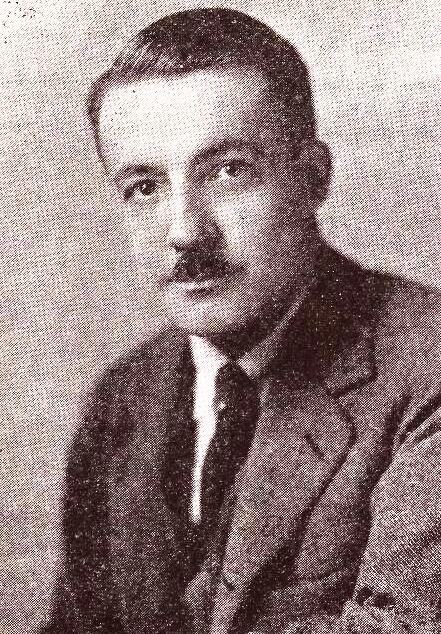
Herbert Blaché
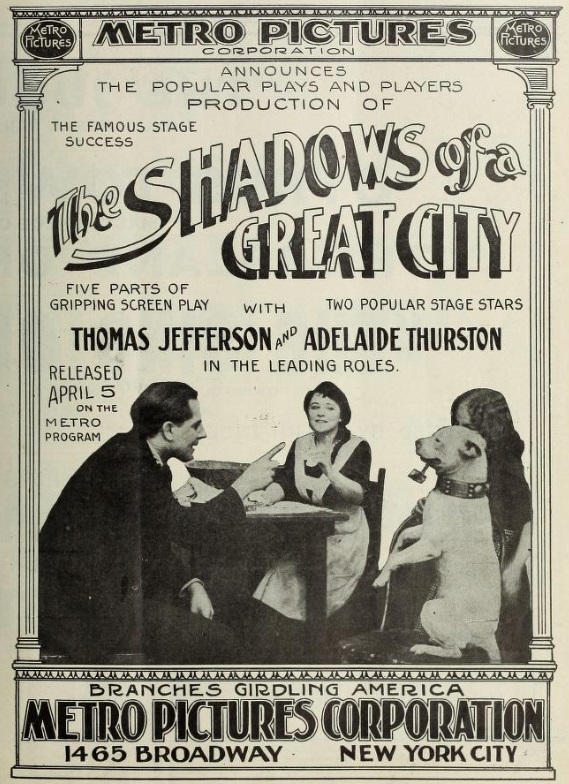
Herbert Blaché
Community
Log in to comment.
" Torchlight scrapes across oak panels; shadows jitter like gossip. That first glimpse of The Beggar Maid feels less like entering a film than trespassing a half-remembered Pre-Raphaelite hallucination. Reginald Denny—who also co-wrote—casts himself as the love-struck earl with the fervor of a man decoding hieroglyphs in heartbeats. Opposite him, Mary Astor, barely twenty yet already carrying storms behind the eyes, plays the servant girl as though humility were merely a silk cloak she could shr..."
Deep dive into the cult classic
Discover similar cinematic experiences
A Directorial Spotlight on Herbert Blaché