
DbcultAccessing Vault...
Recommendations
Senior Film Conservator
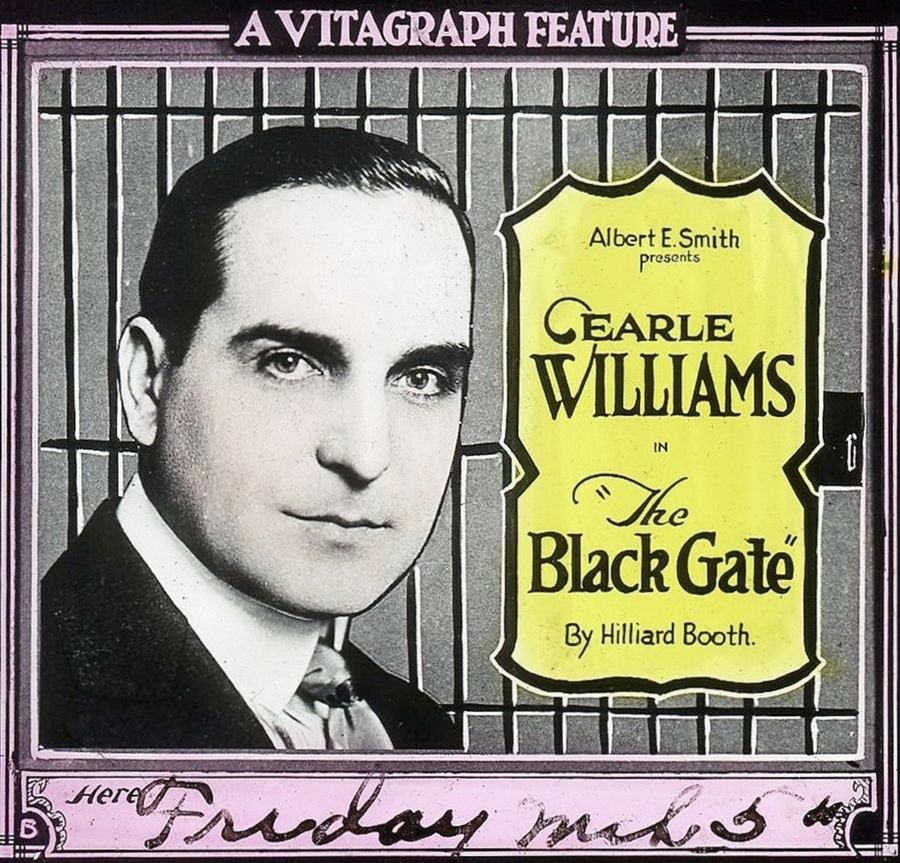
For those who were mesmerized by The Black Gate, a true cult masterpiece from 1919, the quest for comparable cinema becomes a journey through the fringes of film history. Our curated selection of recommendations echoes the very essence of The Black Gate.
The legacy of The Black Gate is built upon its ability to create a hauntingly beautiful cinematic landscape.
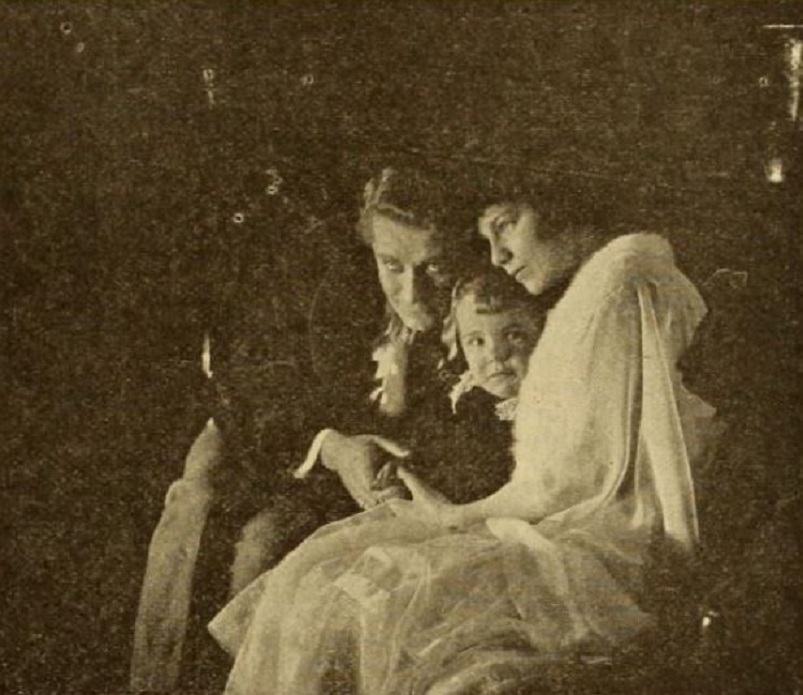
Lecherous theatrical manager Allan Bowen is shot and killed while attempting to rape Vera Hampton. Wade DeForrest, the son of a wealthy woman, is charged with murder. Wade's companion that evening, Shaler Spencer, once a prominent lawyer but now an idler who has squandered his brother Rod's inheritance, decides to confess to the killing if Wade's mother will pay Rod $100,000 the day Shaler enters "the black gate" - the door to the death chamber. Mrs. DeForrest agrees, but when Vera, who earlier was Shaler's lover, visits him and they reconcile, he announces his innocence. When he sees Mrs. DeForrest's tears, however, he admits that he did fire at Bowen. Later, Shaler discovers that the bullet in Bowen could not have come from his gun, then Wade confesses that he killed Bodwen out of jealousy because he had fallen for Vera after she left Shaler. In the end, Shaler and Vera decide to marry.
Based on the unique cult status of The Black Gate, our vault has identified these titles as the most compelling follow-up experiences for fans of cult cinema:
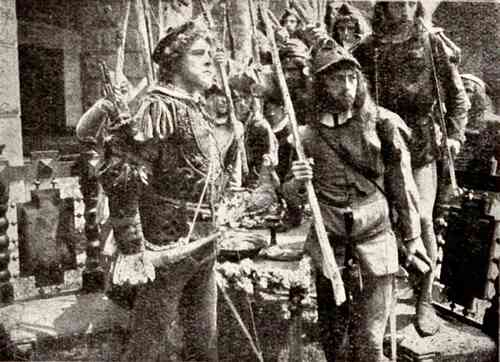
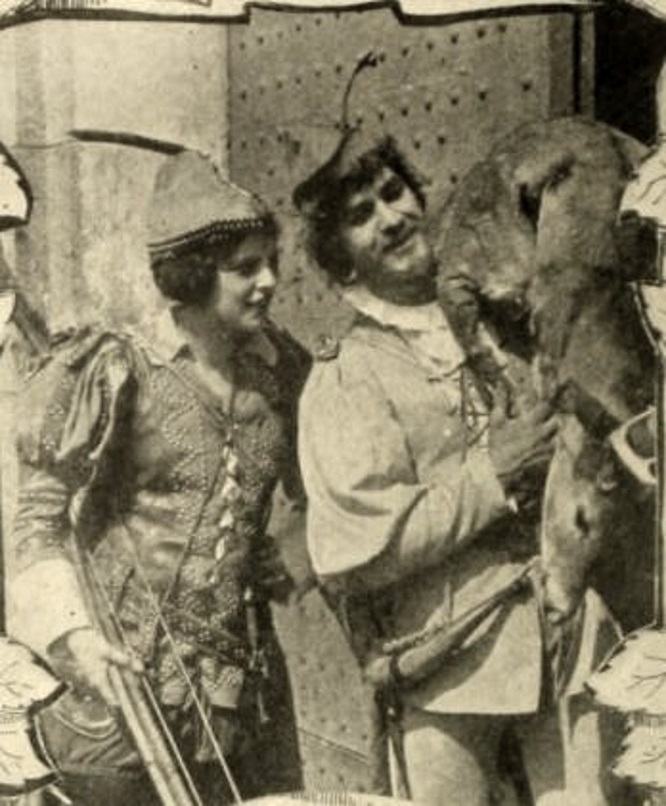
Dir: Theodore Marston
Robin Hood and his followers aid the poor and oppressed from their hideout in Sherwood Forest, pursued by the Sheriff of Nottingham.
View Details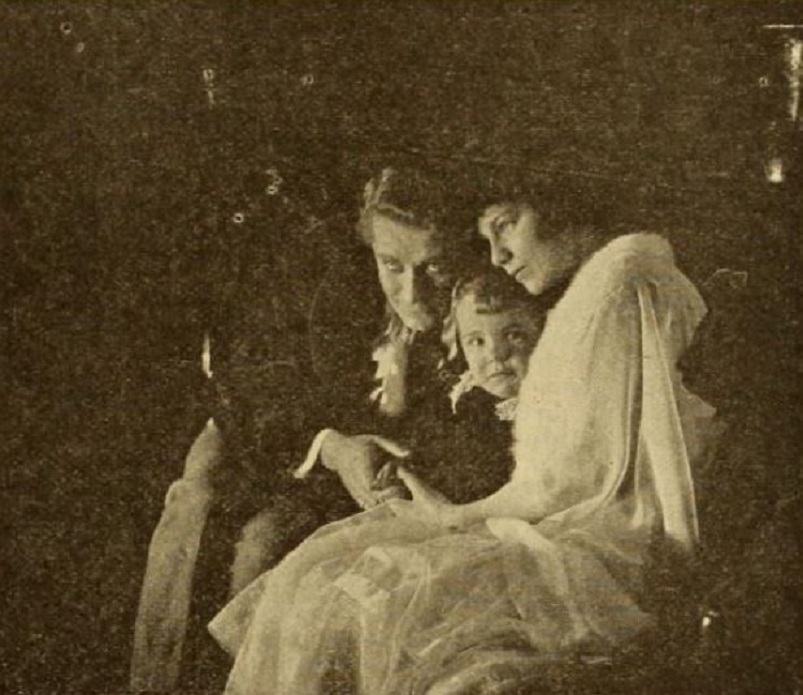
Dir: Theodore Marston
A fascinating piece of cinema that shares thematic elements.
Dir: Theodore Marston
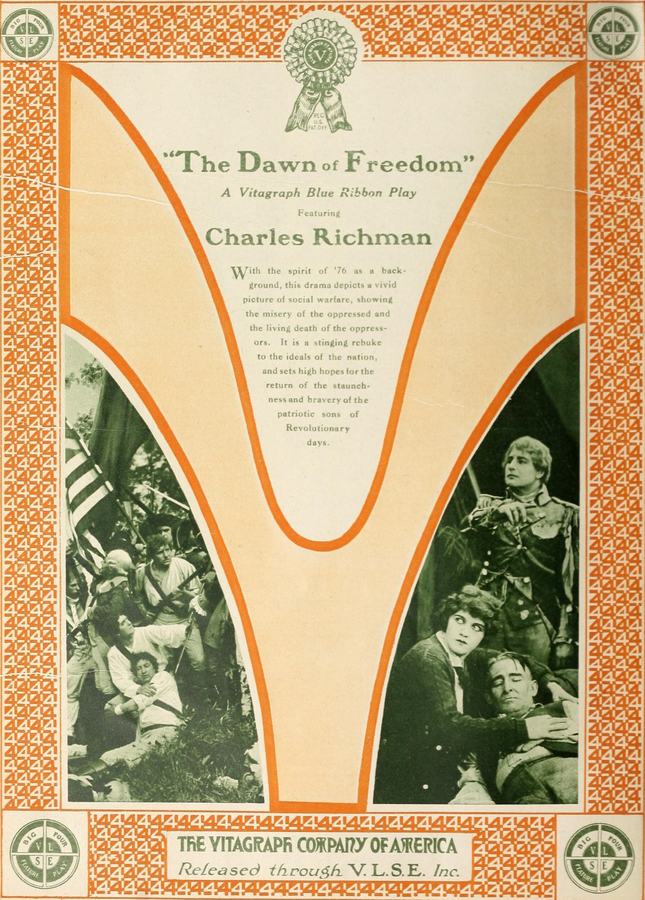
"The Dawn of Freedom" is a stinging satire on the death of those ideals that prompted the founders of the United States. It contrasts in bold outline the spirit of '76, when every American worked for the welfare of the new-born country, with the attitude of the modern-day American who looks only to his personal gain with no thought of his country. Richard Cartwright, a revolutionary patriot, like hundreds of others, was granted a plot of land in the Alleghenies. Cartwright was engaged to wed Elizabeth Bradbury, and in company with a small party, he left for his plot of land, promising to return in the fall. Arriving at the land, he was captured by Indians. Later he was rescued by Ambrose, a missionary, who had spent many years in India. Ambrose's efforts to save Cartwright came to naught. Ambrose was versed in Eastern hypnotism, so he decided that rather than to have Cartwright tortured and probably burned at the stake, he would put him in a trance and have him buried, after which he would exhume him and bring him out of the trance. But after the burial, Ambrose himself was killed. Before being put under the spell Cartwright wrote his will, giving his land half to his brother and half to his fiancée. One hundred and thirty-nine years afterward we find Cartwright's little plot of land is made up of coal mines worth millions, with a descendant of Philip Cartwright, brother of Richard, in sole control and with Elizabeth McLean, great granddaughter of Elizabeth Bradbury, the daughter of one of the miners, dependent upon the scant wages of a miner. In his grasp for power Cartwright has frozen McLean out of what was his half of the property and the latter is now living in poverty. The miners go out on strike. Cartwright refusing both demands, violence is resorted to and one of the coal mines is blown up. In the terrific explosion, the aluminum casket holding the body of Richard Cartwright is blown to the surface, where its top is blown off. Dick, son of the coal baron, encounters the casket just as Cartwright, delivered from his trance by the impact of the explosion, steps out of it. He is emaciated and has much the same appearance as a butterfly emerging from its chrysalis. The patriot is taken to Dick's home, where is witnessed the insidious inroads of a war, not the Revolutionary War, but a war of a social kind, where each individual is engaged in waling on the necks of his brethren. He learns from Dick of the rapid growth of the United States and of the marvelous inventions. These are He also learns that McLean, whose ancestors owned half of the property, now is poverty-stricken. Confronted by the patriot and by the rioting strikers, Cartwright dies of heart failure and the patriot, attempting to quiet the strikers, is mortally wounded, but his courage and spirit, that of '76, is transfused to Dick, the son, and everything ends happily for the workers.
View Details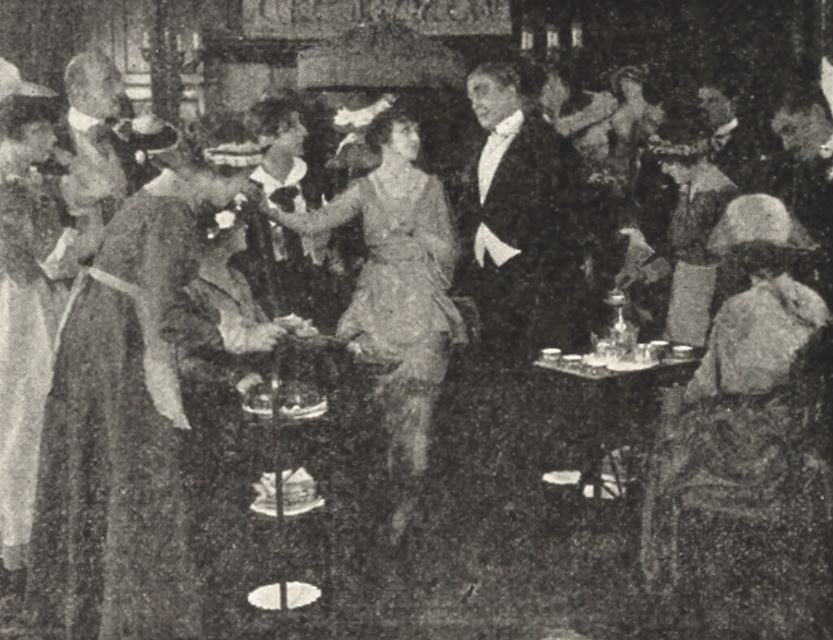
Dir: Theodore Marston
Realizing the folly and superficiality of society, Madeline Mischief, in the spirit of a wager, claims she could choose at random any man from the streets and make of him in a very short time a leader of society. Her friends laugh at her, but she determines to prove her contention and places one-half of a $100 bill in an envelope with a note reading: "If the finder of this is a woman, give it to the nearest man; if a man, call at Room 1798, Clarion Hotel, at once, for the other half of enclosed bill." Hanlick Smagg, a burly coal-heaver, finds the envelope and, after some hesitation, goes into the fashionable apartment house, still carrying his shovel. Then follow many amusing Incidents of Hanlick's introduction to society as a sociologist, for, although Hanlick proves very tractable, he is like a bull in a china shop. However, a barber, haberdasher and the necessary accoutrements of a gentleman convert Smagg into a very passable type, but his temporary breaks are only put down as eccentricity, for is he not studying the life of the "submerged tenth"? When he passes upon a painting, all listen breathlessly, and under Madeline's coaching he soon becomes a social lion. But the inevitable follows. Hanlick falls in love with Madeline, and Dolly Van Dream, her friend, falls in love with him. But Hanlick breaks up threatened complications by reverting to the old type and going back to the "submerged tenth," and coal-heaving. Finally he gets a job at the steel works, turns out a valuable invention and gains a fortune. Now a genuine man of the world, he once more meets Madeline, who has never forgotten him, and the joyful outcome is that he elopes with her, without opposition in the old caveman fashion and romantic way.
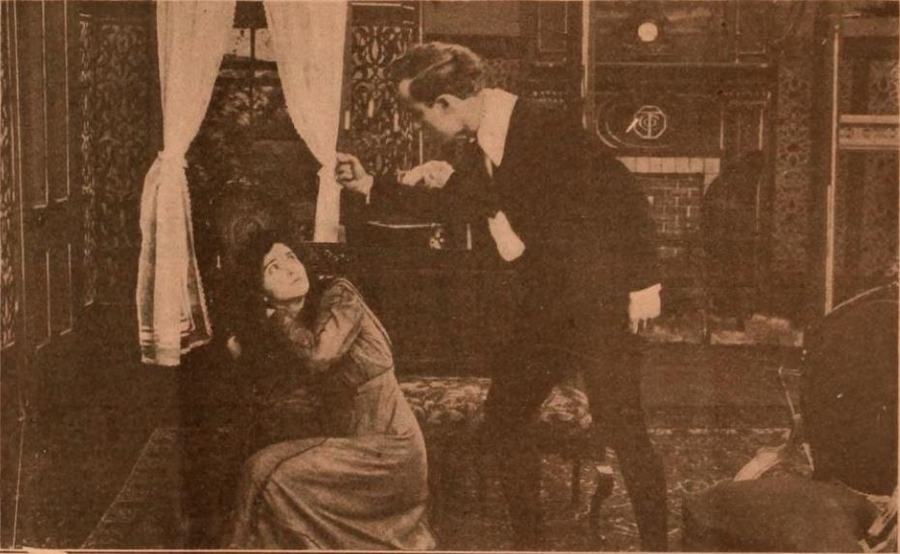
Dir: Theodore Marston
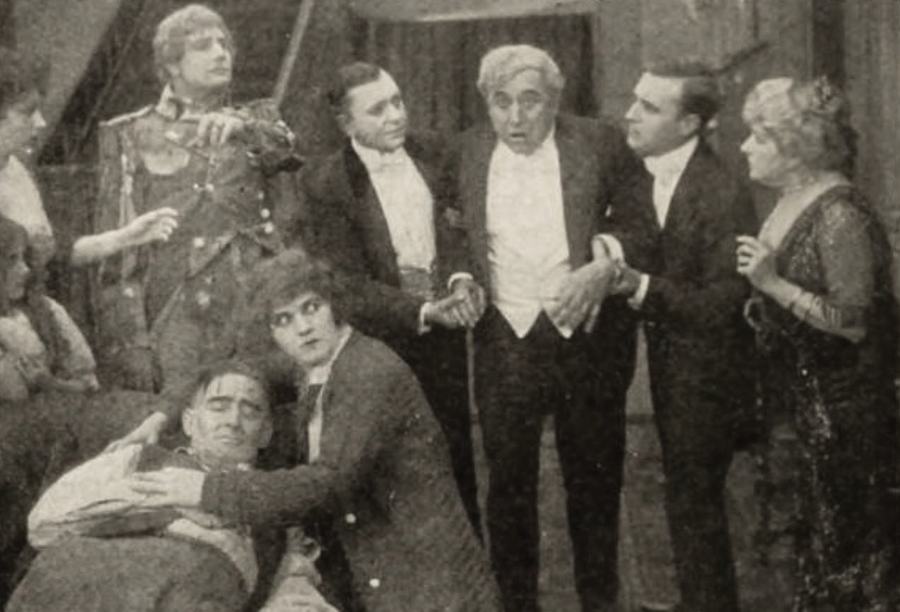
First adaption of the 1847 Charlotte Brontë novel of the same name about a woman through stages of her life, from her abusive childhood at Gateshead Hall until she is able to marry her beloved.
View Details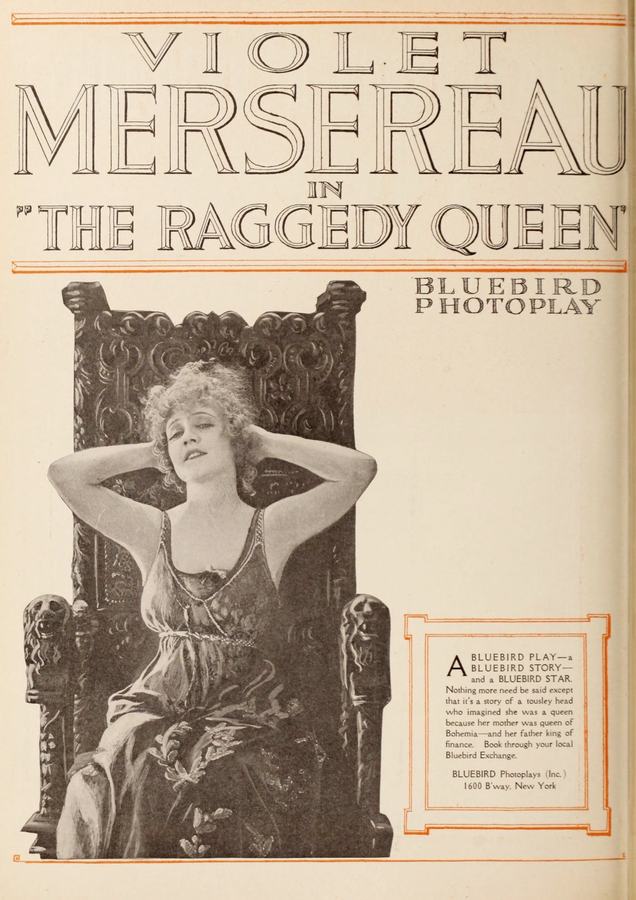
Dir: Theodore Marston
Tatters holds court in a rundown little village at the mouth of the main shaft of the Tilson iron mines. The court consists of miners' children. Tatters firmly believes that she is descended from royal blood, for had not "Crazy Anne" told her that her mother was a queen and her father was a king? In the days of prosperity Anne had been Tatters' mother's maid, but the only proof she had of Tatters' royal lineage was a trunk full of regal gowns and a newspaper clipping. Old man Tilson was so busy with other matters that the little iron mine which bore his name interested him little, and the complaints and pleading of his manager, Tom Brennon, interested him still less. It was not until he received a frank letter from the village priest that he even condescended to send his secretary, Daniel Grant, to make the best terms possible with the men who had been incited by Lem Braxton to threaten a strike. Braxton was a sorehead, and had vowed to get even with the whole outfit for fancied wrongs. His first meeting with Grant resulted in a combat, and Grant was speedily added to Braxton's list of undesirables. In fact, he went after him first, and while Grant was fishing in an interval of work at a stream which had pointed out to him by Tatters, Braxton stole up behind him, and after a fight threw him over a cliff. Little Tatters found the secretary more dead than alive, and with Crazy Anne's help she brought him to her own little hovel and nursed him back to health. In the meantime, Grant's disappearance had alarmed Tilson, and ho had come on personally to search. Braxton soon found an opportunity to revenge himself upon Tilson and Brennon together by undermining the shack in which the iron mine's office was located, and allowing it to drop two hundred feet into the mine below. Just as he was about to pull this terrible trap, Tatters and Grant come up behind him, on their way to the office, and Tatters engaged the giant long enough for Grant to warn Tilson and Brennon of their danger. Though badly hurt she made her way to Anne's home, and Anne put her to bed. Tilson and Grant visit the hovel to thank the little girl for her brave deed, and what is Tilson's surprise to find on the little trunk over which Anne has erected a ridiculous throne, the word "Corinne." Like a flash his memory goes back to the actress wife with whom he had quarreled, and he rushes into the bedroom to unravel the gnawing tangle which his memory has conjured up. To his amazement he discovers in the child a replica of Corinne Tilson, his wife, and he explains to the surprised priest and his secretary how it was possible for the little girl to think that she was of royal parentage. The newspaper clipping declares Corinne to be Queen of Bohemia, and Tilson, King of Finance.
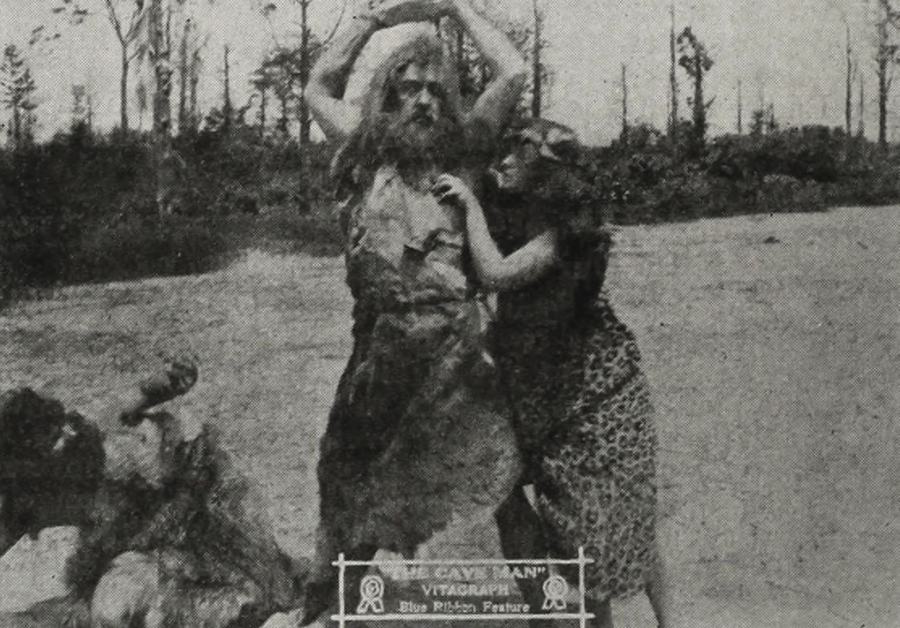
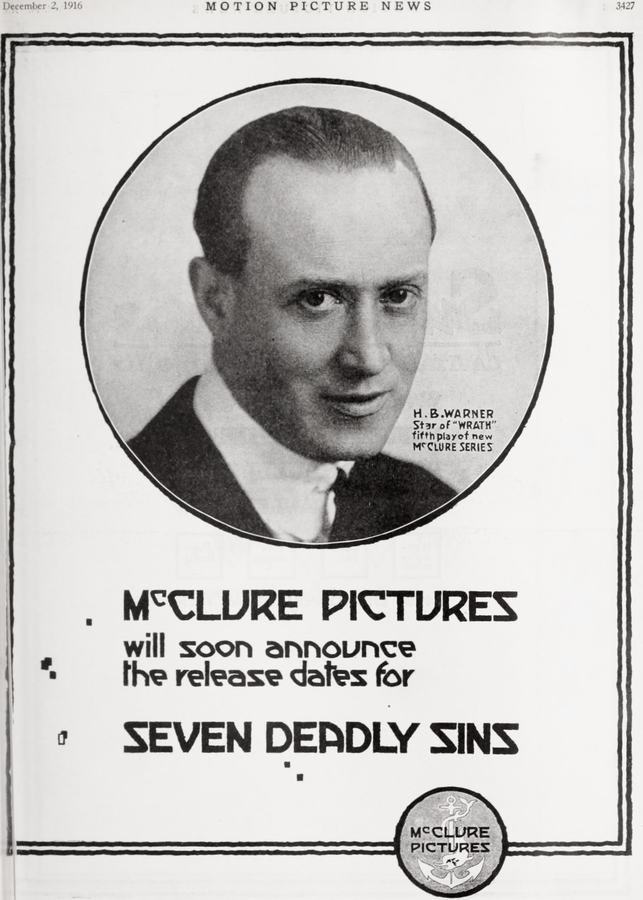
Dir: Theodore Marston
The Grand Duke is governor of Transcaspia, a Russian province, bordering the desert of Kara-Koom. His son Feodor, spurning Count Nikolai's daughter, Olga, loves Evelyn Burnham, an American girl whom he rescues from Abdallah, a Turk, who has kidnapped her. Evelyn and Feodor are married, and trying to escape, are captured. Feodor is sent to prison for trying to desert his post and Evelyn is sent to New York, where a child is born to her. Sixteen years later the great war is on. Feodor believes his wife is dead. He is sent to New York to buy ammunition and there meets Eve Leslie and Adam Moore. Eve has just learned that all her fortune comes from the manufacture of munitions. She does not believe in war and shuts down her enormous plant, depriving the Russians of one of their chief sources of supply. Feodor returns to Russia. While he was in the United States his wife, who had been told he was dead, had seen him with Olga and believed he had married Olga. Eve hears of Evelyn and of the child. She and Adam have heard from Feodor his story. All messages to Feodor are intercepted and Eve and Adam, with Evelyn, go to find him in Transcaspia. There exciting events occur. Feodor is about to wed Olga. Eve learns that Evelyn is her own mother. The Turks attack the Russians. Eve is near death, but Adam and Feodor, coming to the rescue in an armored motor with machine guns, save the day, and in the end love triumphs over wrath.
View Details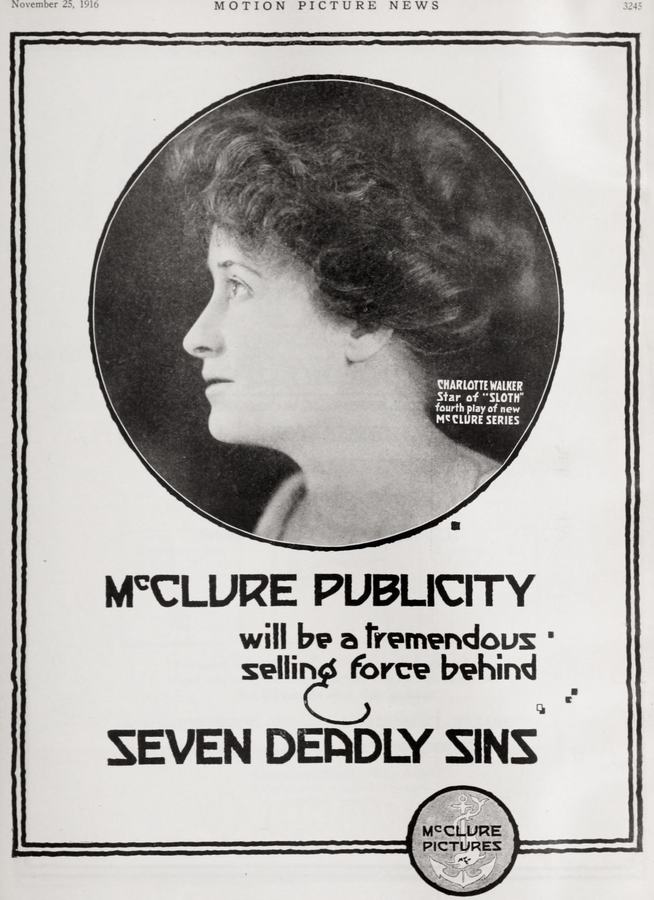
Dir: Theodore Marston
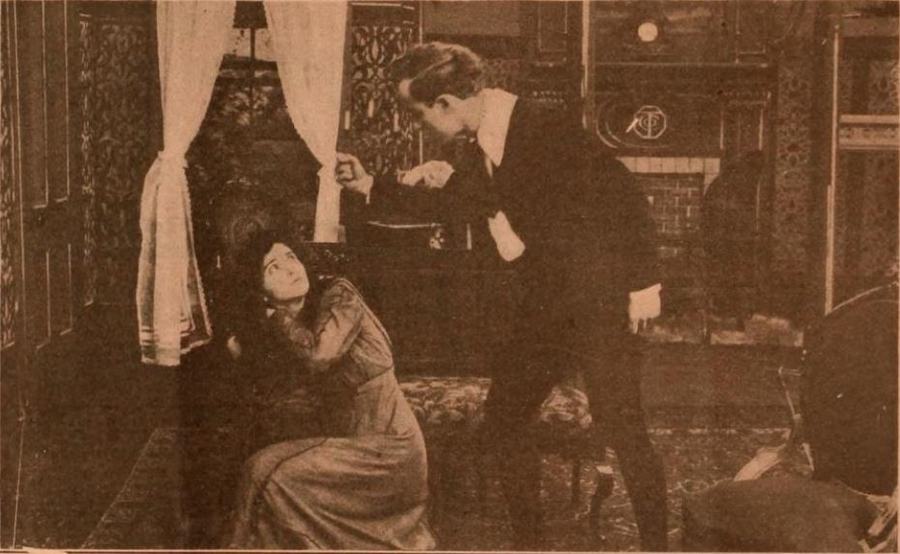
Eve Leslie is becoming indolent. The fortune she has inherited has made her unwilling to stir about any more than is necessary. Adam Moore, a member of the National Guard, is called out to help defend the country. Eve doesn't want him to go. She doesn't see any sense in his going to the front, especially since he will be away from her and will not be able to take part in a number of parties that have been arranged. Petulantly, she sits down to read. One after the other come before her the exciting stories of heroines of the past. Comes the story of Sally Wells who braved Indians and wild animals to preserve a claim for her family. Sally Wells is followed by Margaret Brent, whose home was captured by pirates, bold men who fought first against her, then for her. Next follows the thrilling tale of Molly Pitcher, in all the glory of the battle of Monmouth, in which she manned a cannon herself and turned the tide of battle against the British. Eve finishes reading. Inspired by the actions of these great women she conquers the sin of sloth, cheers Adam as he leaves with his regiment and follows him to the battlefield as a Red Cross nurse. There she is tested, as were the brave women she read about, and she proves as true as they had been.
Dir: Theodore Marston
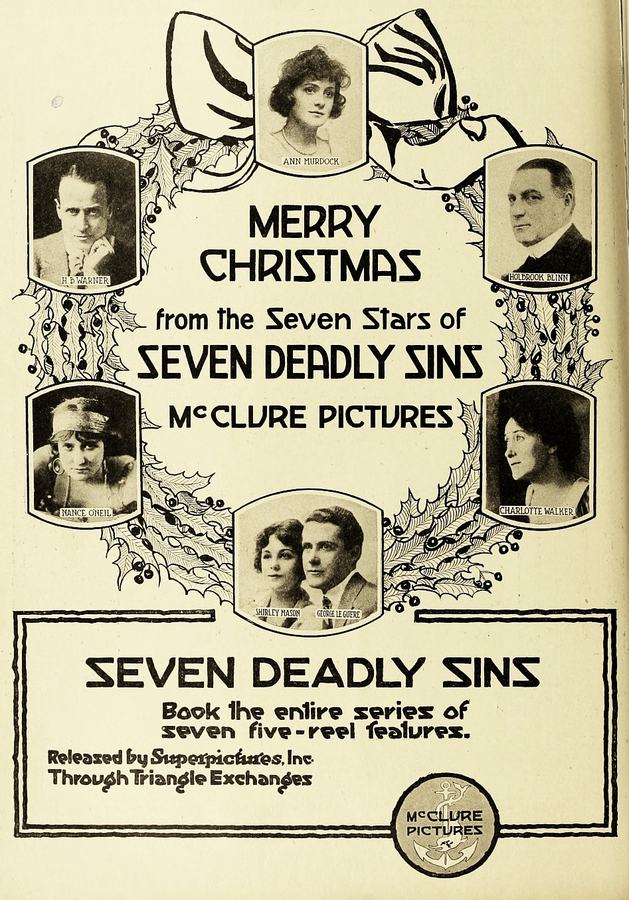
A series of seven 5-reel features (q.v.), based on stories published in The Ladies World, a McClure publication, depicting each of the Seven Deadly Sins: (1) Envy (1917), (2) Pride (1917), (3) Greed (1917), (4) Sloth (1917), (5) Passion (1917), (6) Wrath (1917), and (7) The Seventh Sin (1917). The characters of Adam and Eve, portrayed by George Le Guere and Shirley Mason, were represented in some capacity within each story. The films were cut to two reels and re-released in 1918.
View Details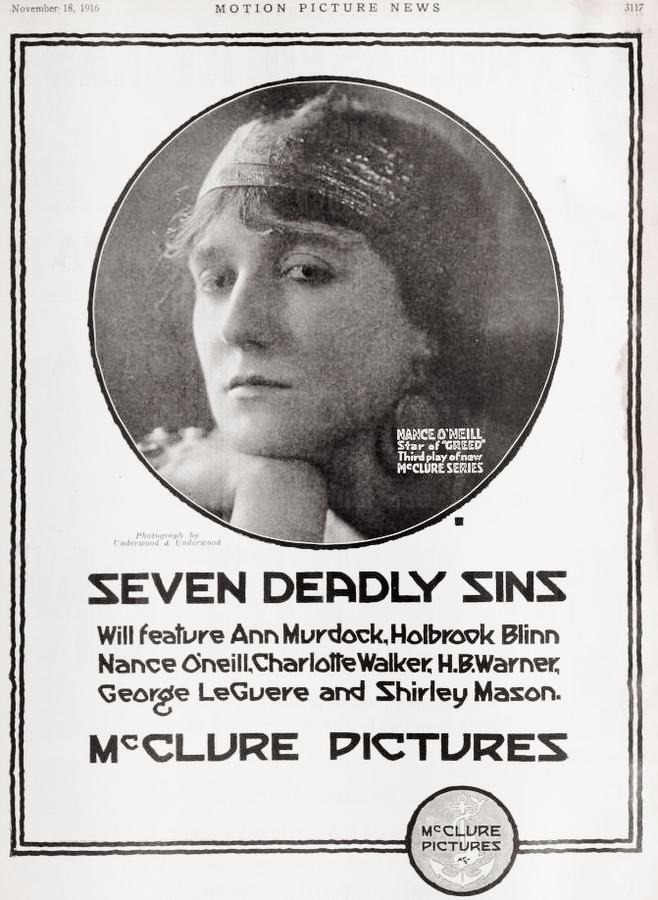
Dir: Theodore Marston
Eve Leslie and Adam Moore become interested in the stock market. Eve decides to try to add to her fortunes by plunging. Tempted by the sin of greed, Eve becomes reckless. At first she wins, then she begins to lose, and desperately tries to recover her losses. She meets Alma, who formerly was a party to illegal stock transactions, but who is now living an honorable life. Alma is discovered by Denton, who formerly was connected and who knows her history. Denton is wanted by the police. He blackmails Alma. Eve and Adam become involved with their friend, Alma, who hates Denton. Denton wants her to marry him and after she refuses, finally turns to Eve. Denton gives a sensational party, during which the men, as a stunt, put aside all their money and choose partners. Each couple is given a dime and told to go out into the city, spend it as adventurously as possible and return to tell their experiences. Eve is paired with Denton and Alma with Adam. The novel plan develops exciting incidents. Denton traps Eve. Alma and Adam return to rescue her. In the excitement, Denton is killed and Alma is wounded so that she loses her mind. Adam is arrested. Alma is the only person who saw the crime committed, but she is unable to testify. Adam is sentenced to death. In the denouement, after Adam seems to have been proved guilty, his life is saved and he returns to Eve, who forever is cured of the sin of greed.
View DetailsAnalysis relative to The Black Gate
| Film Title | Atmosphere | Complexity | Similarity |
|---|---|---|---|
| Robin Hood | Gritty | Layered | 85% Match |
| The Seventh Sin | Surreal | Layered | 92% Match |
| The Dawn of Freedom | Tense | Layered | 95% Match |
| The Cave Man | Gritty | Layered | 98% Match |
| Jane Eyre | Gritty | Linear | 94% Match |
This guide was algorithmically generated using the cinematic metadata of Theodore Marston's archive. Last updated: 6/26/2026.
Back to The Black Gate Details →