
DbcultAccessing Vault...
Recommendations
Senior Film Conservator
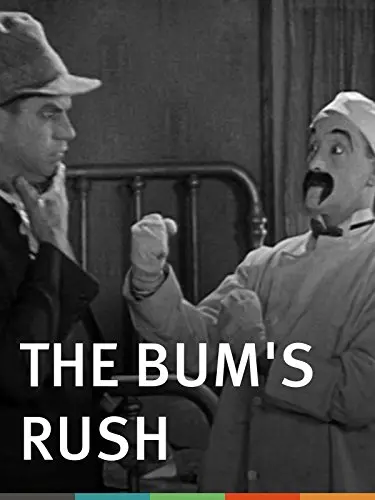
The evocative power of The Bum's Rush (1927) continues to haunt audiences with its cinematic excellence, its status as a United States icon makes it a perfect starting point for discovery. The following gems are essential viewing for anyone captivated by The Bum's Rush.
The visceral impact of The Bum's Rush (1927) stems from to serve as a cornerstone for Short enthusiasts worldwide.
A bum and an escaped convict find a kidnapped boy and try to bring him home.
Critics widely regard The Bum's Rush as a cult-favorite piece of Short cinema. Its cinematic excellence is frequently cited as its strongest asset, solidifying its place in United States's film legacy.
Based on the unique cinematic excellence of The Bum's Rush, our vault has identified these titles as the most compelling follow-up experiences for fans of Short cinema:
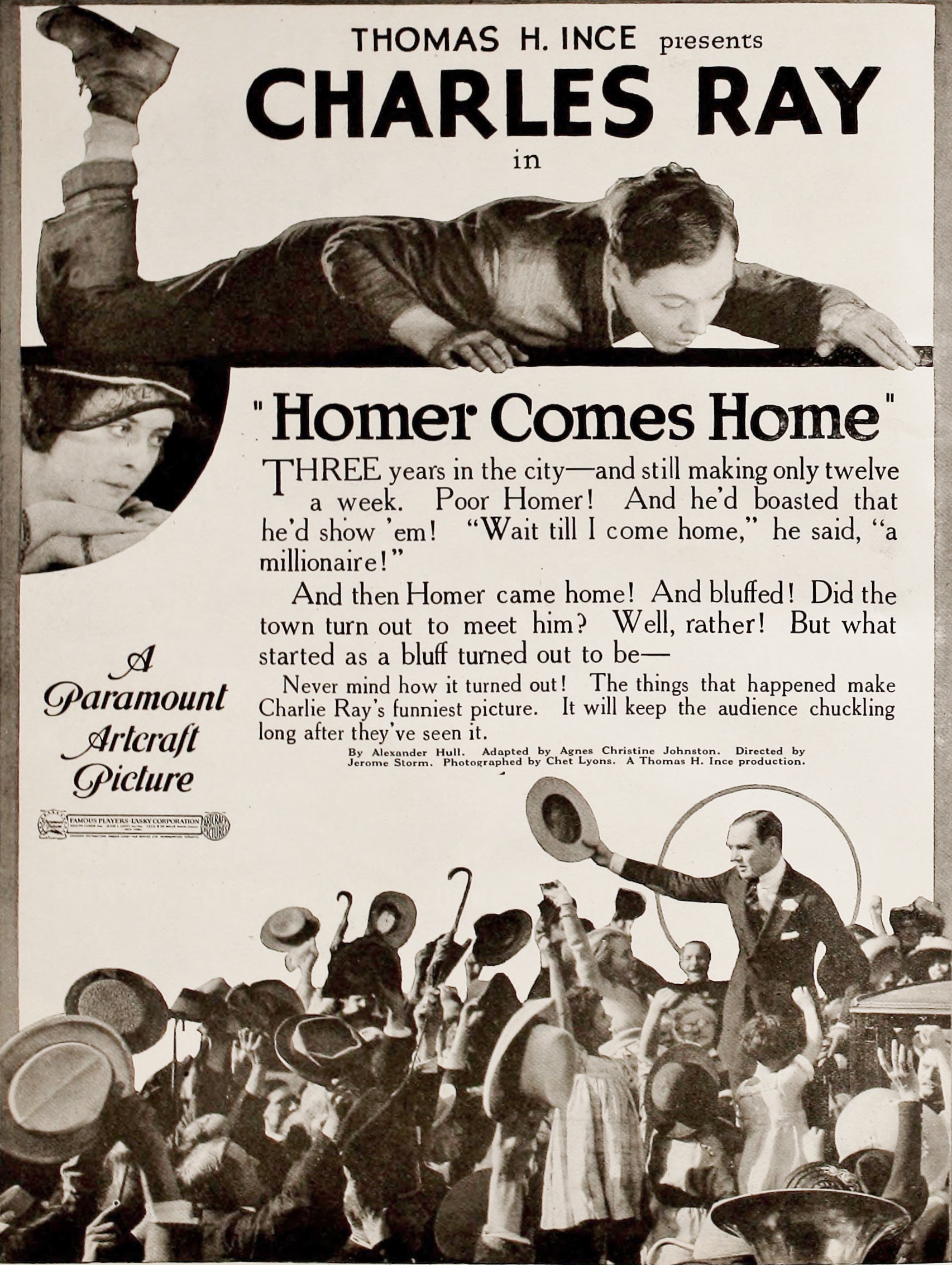
Dir: Jerome Storm
Ne'er-do-well Homer Cavender ventures to the city from Mainsville in an effort to find fame and fortune. Both elude him, and after clerking for two years, Homer returns home for a vacation. Impressed by his flashy clothes, the townspeople assume that Homer has achieved success. Attempting to win Rachel Prouty from his rival, Arthur Machim, Homer continues the deception by announcing that his employer, Kort and Bailly, has dispatched him to enroll stockholders for a proposed new plant to be built in Mainsville. Machim discovers the sham and denounces Homer as a crook. Meanwhile, Homer returns to New York, convinces his employers of the merits of his plan and comes home triumphant, with a proposal for both the new plant and for Rachel's hand in marriage.
View Details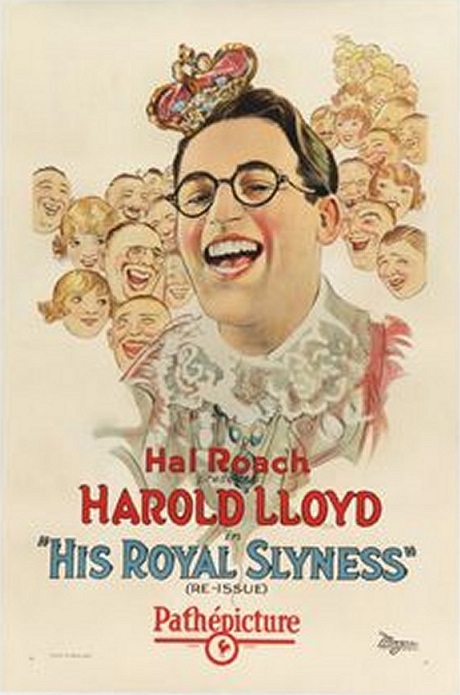
Dir: Hal Roach
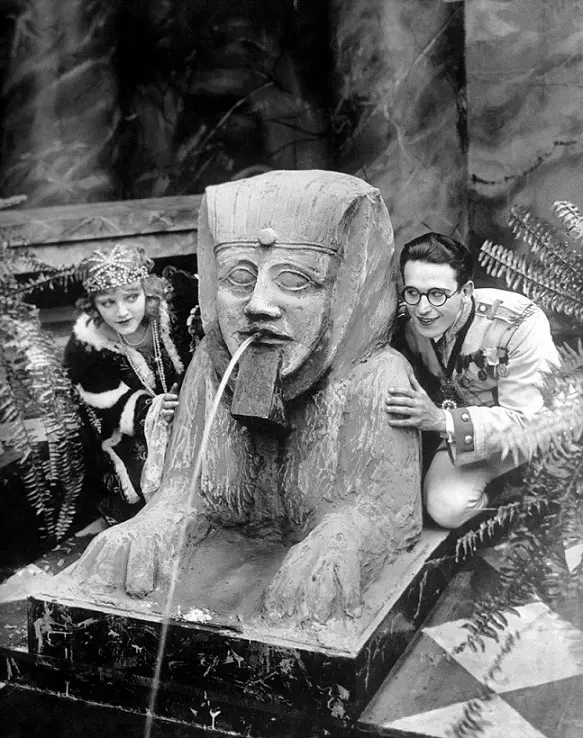
An American book salesman (Lloyd) is persuaded to go to the kingdom of Thermosa to impersonate the Prince. He is greeted by a peasants' revolt before the real prince shows up to claim his throne and princess. The revolution succeeds, and the American is elected president of the new republic.
View Details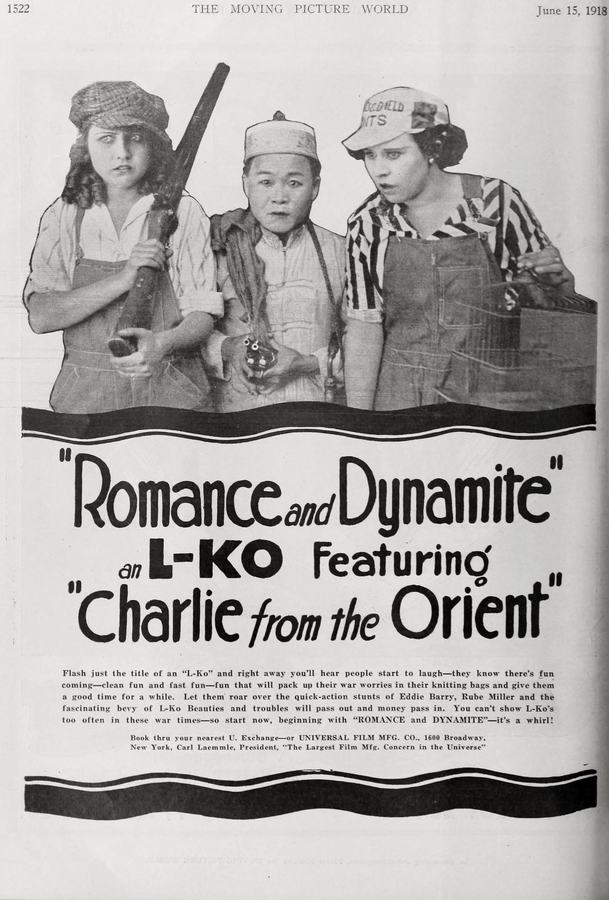
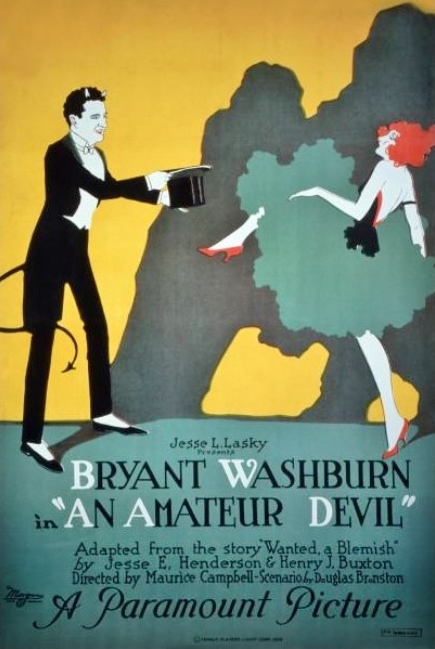
Dir: Maurice Campbell
Carver Endicott, a young sophisticate, is rejected by his fiancée for being too foppish and dull. When she feigns an interest in his father, Carver attempts to disgrace his family name by working as a farmhand and later as a busboy in a hotel. However, the newspapers only praise him for his self-sacrificing principles; and finding that he cannot bring shame to the family through menial labor, he takes up with a notorious actress. But when this maneuver also fails, he returns to his former fiancée, who has no further complaint about his being an inexperienced dullard.
View Details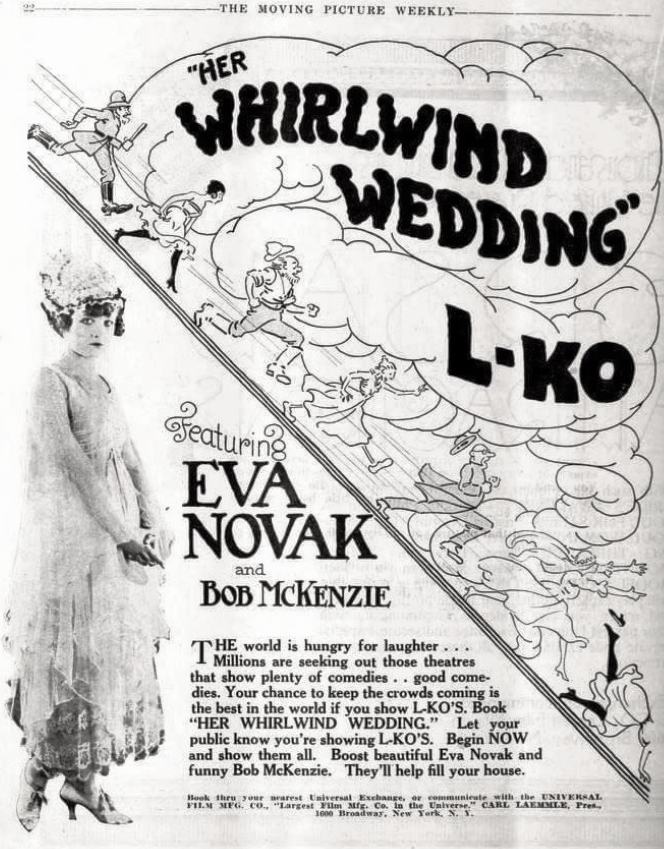
Dir: James D. Davis
Two men who seek the same girl are switched back and forth in the wedding ceremony.
View Details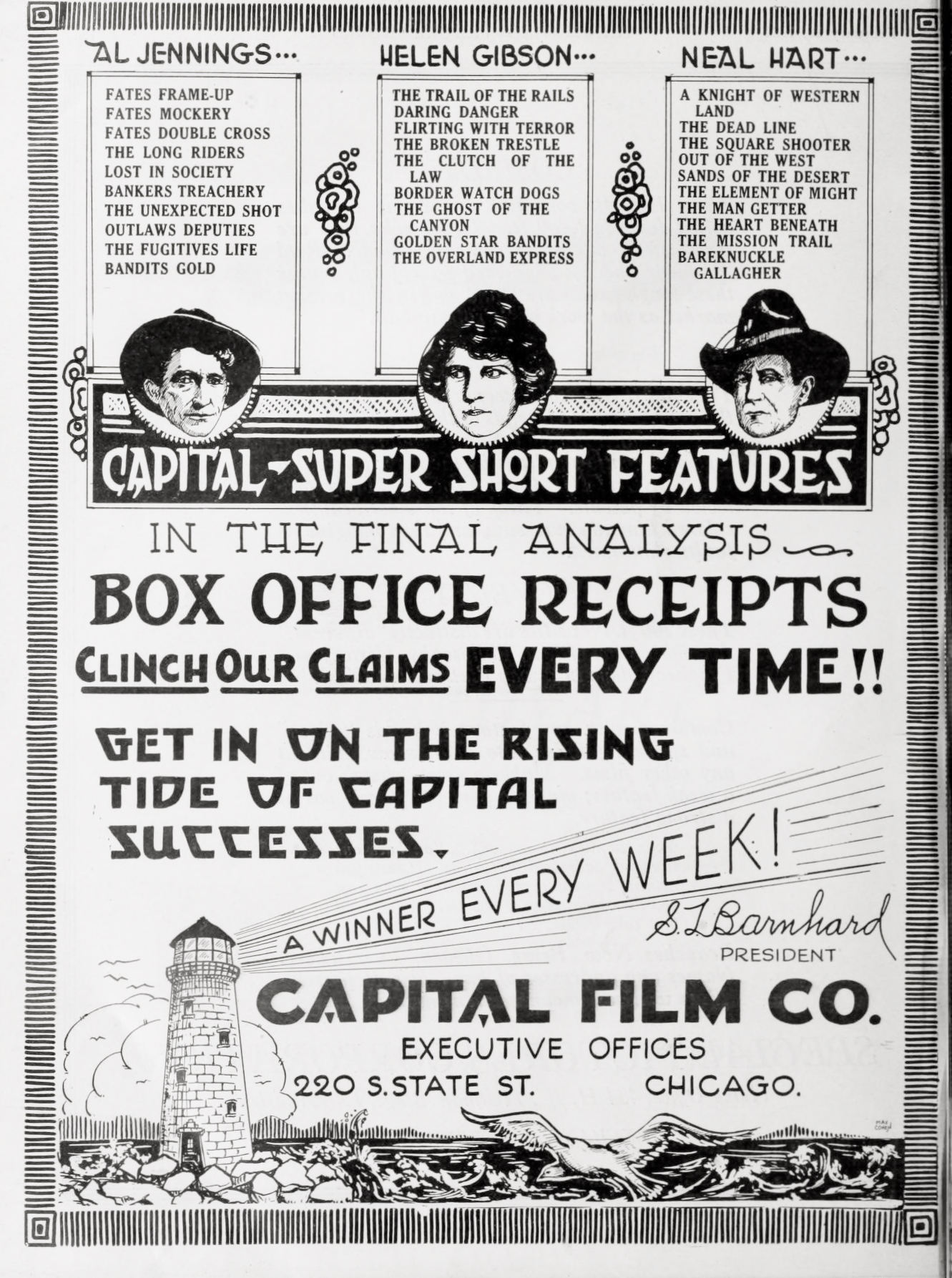
Dir: Unknown Director
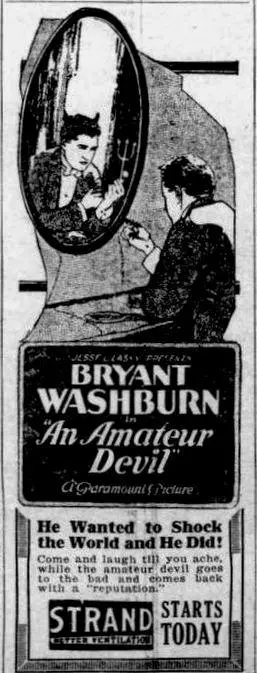
A fascinating piece of cinema that shares thematic elements.
View Details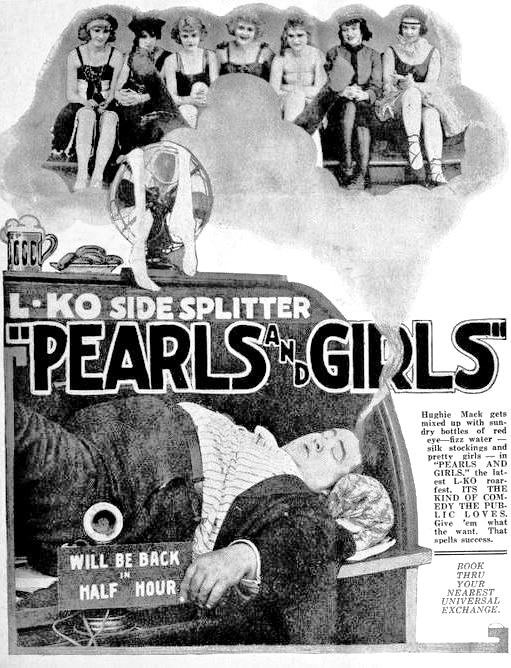
Dir: James D. Davis
An office boy is in love with his employer's daughter. A stolen necklace, a masquerade ball, and chase scenes at the close are some of the ingredients.
View Details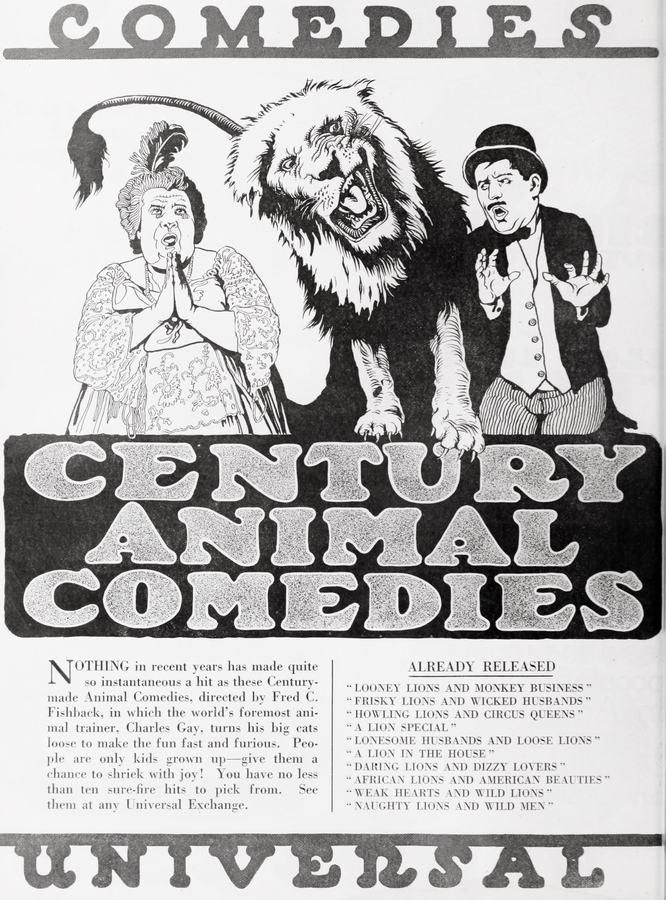
Dir: James D. Davis
Down on the farm old Pop Hebenezer had his troubles keeping his two daughters from spooning with his hired help. Luke loved Lucy, the younger daughter, and Billy loved Sally, the older one. The girls were serving their sweethearts with food but they forgot the food and made love. In the meantime the animal family, consisting of a goat, a donkey, a dog and a pig, were hungry, too. The dog spied the tray of food on the table, jumped through the window, grabbed the food and, ran away. Charlie, the oriental cook, the greatest little K. P. that ever was. He happened to pass outside of the window where the lovers were deeply engrossed, when they suddenly discovered the loss of their food, and blamed Charlie. They threw a pail of water over him for revenge. Pop invented a Nutt motor that would make anything on wheels stand as permanent as rock. The girls are keen about this, invention and all have a hand in perfecting it. When Pop looks around for his help he discovers Luke and Lucy on top of the barn on a see-saw. They had assigned the goat to beat the carpet and water the lawn, the donkey to put the hay in the loft, and the dog to mow the lawn. Sally and Billy camouflaged themselves like trees and were having a wild time all by their lonesome. Pop chases the lovers back to work and all is peaceful again. Two crooks are on their way to steal Pop's new invention, but the chief of police advises Pop of their arrival. The daughters put a lion in the case where the Nutt motor originally was, and the crooks steal this case and are very much surprised to find a not too loving lion staring them in the face. An uproarious chase follows, wherein the lion scares nearly everybody half to death.
View Details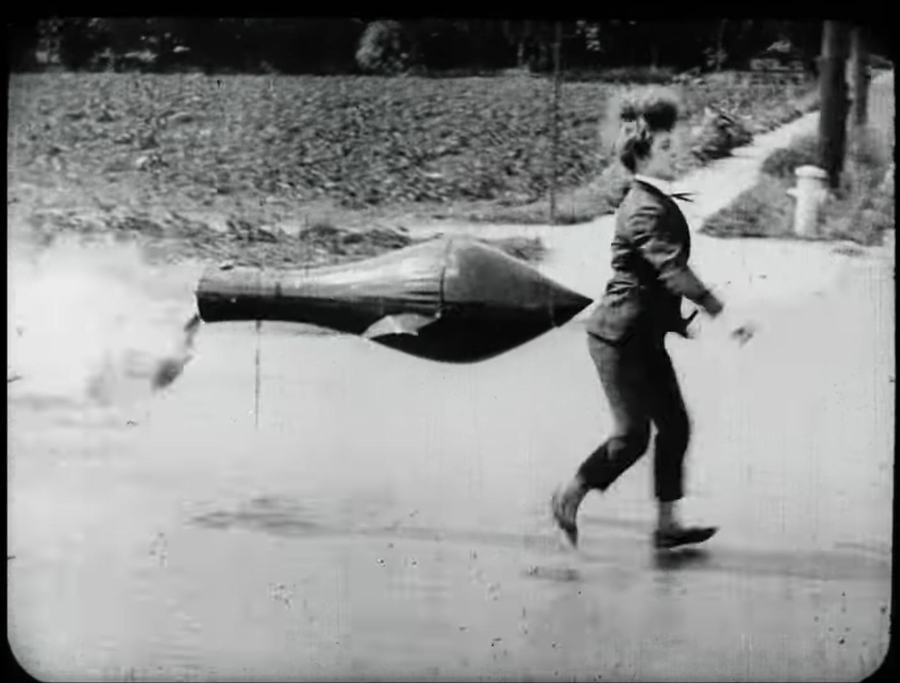
Dir: James D. Davis
Magnolia Milkshake wants to help the war effort to compensate for her husband who is exempt for being overweight. She tries to join the Red Cross, then the rifle corps.
View Details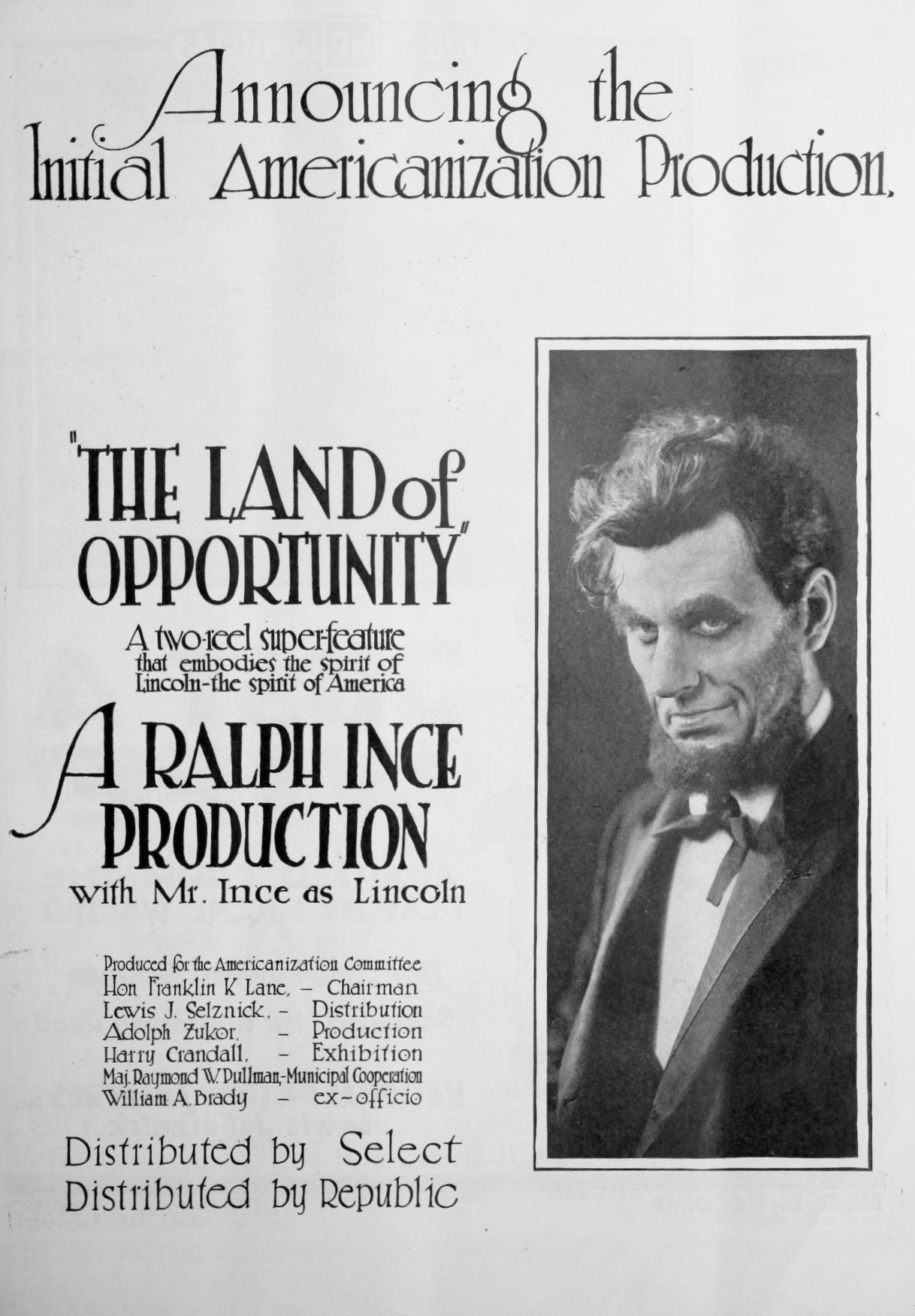
Analysis relative to The Bum's Rush
| Film Title | Atmosphere | Complexity | Similarity |
|---|---|---|---|
| Homer Comes Home | Ethereal | Linear | 93% Match |
| His Royal Slyness | Gothic | Layered | 92% Match |
| Romance and Dynamite | Gothic | High | 89% Match |
| An Amateur Devil | Tense | Linear | 98% Match |
| Her Whirlwind Wedding | Tense | Dense | 97% Match |
This guide was algorithmically generated using the cinematic metadata of James D. Davis's archive. Last updated: 6/27/2026.
Back to The Bum's Rush Details →