
DbcultAccessing Vault...
Recommendations
Senior Film Conservator
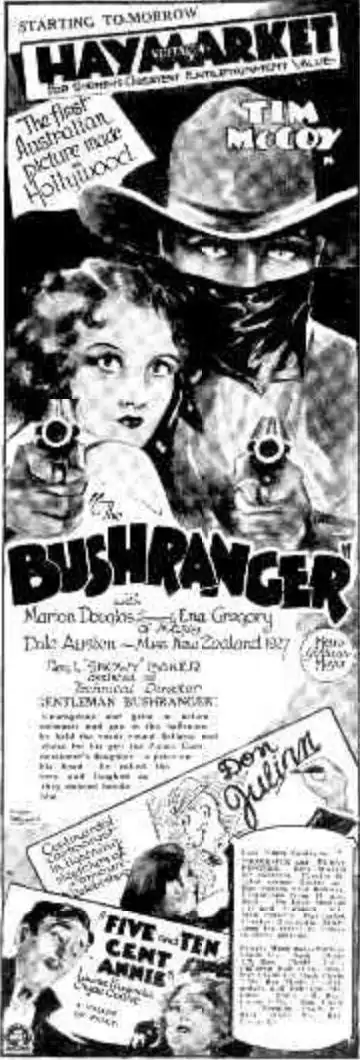
Looking back at the 1928 milestone that is The Bushranger, the cinematic shorthand used by Chester Withey is both ancient and revolutionary. Dive into this collection and find the spiritual successors to Chester Withey's vision.
As Chester Withey's most celebrated work, it defines to articulate the unspoken anxieties of United States's 1928 era.
Based on the unique character-driven intensity of The Bushranger, our vault has identified these titles as the most compelling follow-up experiences for fans of Drama cinema:
Dir: Chester Withey
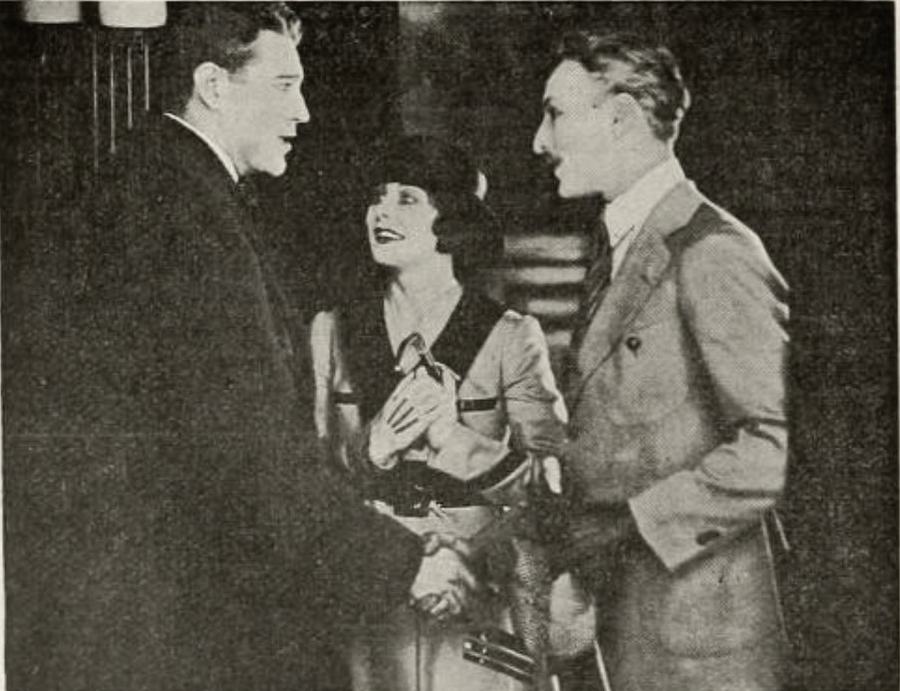
When innocent country girl Paula Letchworth comes to the big city she foolishly allows herself to be influenced by her superficial friends while ignoring the wise counsel of Allen Cotter who truly cares for her. Paula's frivolous life leads her into a marriage with Lawrence Topham, a worthless louse who abuses her and squanders her money. Desperate, Paula offers to buy a divorce from Topham, and turns to Allen for the money. After Topham spends his fee, however, he refuses to go through with the deal, and Paula's invalid mother, unable to endure further cruelty to her daughter, shoots him. Paula and Allen both have reason to believe that the other is guilty of the murder, although the evidence points to suicide. Realizing that the lovers' suspicions are keeping them apart, Paula's mother confesses to the shooting shortly before her death, thus eliminating the barriers between Allen and Paula.
View Details
Dir: Chester Withey
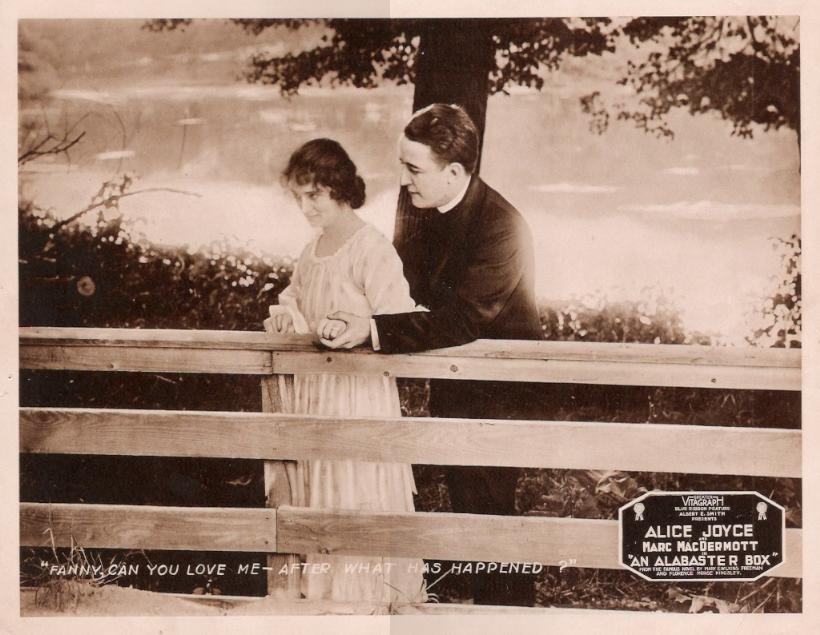
Lydia Bolton is only a child when financial difficulties overtake her father. His fellow townsmen do not give him support and he goes to the wall. Andrew Bolton goes to prison an embezzler, cursed by everyone. Lydia is taken in charge by an uncle and the old Bolton mansion, once a proud landmark, is left to neglect. Time has not tempered the disposition of the community when Lydia Bolton comes back, her identity hidden in the name of Lydia Orr. She opens her purse first at a church festival, but her generosity is rewarded only by disparaging remarks and open hints of ulterior motives. She lives at the same boarding house as the young minister and tongues of scandal are at once loosed. Then she purchases the old Bolton mansion, her childhood home, and offers to buy at unreasonably high prices all antique furniture in the town. There is a rush to get all the girl's money, but a few decent folks seek to protect her and at once the town is split in two hostile camps. The minister has a sweetheart and she is jealous of Lydia, which adds to the complexity of her troubles. And in the midst of it all, Bolton, his prison term ended, steals back to town. Lydia and a few loyal friends seek to hide his identity, for a time, at least, but the senile old man eludes them and goes to the country store and proclaims himself. All the pent-up hatred against him now is turned against the daughter and the townspeople utterly blind to all she has done for them and the town, rush to the old Bolton home to wreck it and lynch Bolton. The old man, aided by the minister and Lydia's sweetheart, are striving to protect the girl when Bolton falls dead. This tragedy disperses the mob and finally Lydia's enemies come to see her and her efforts in their true light.
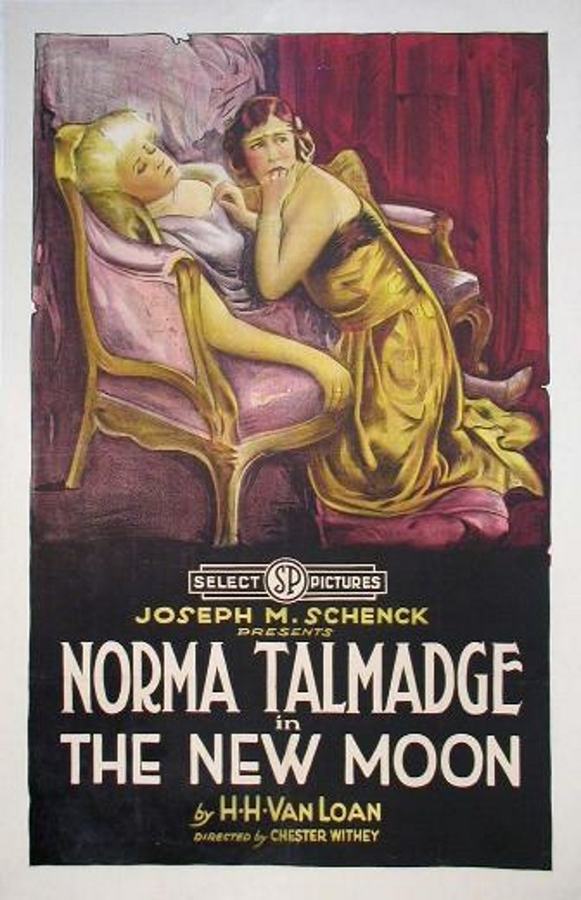
Dir: Chester Withey
When anarchist bombs disrupt the engagement ball of Princess Marie Pavlovna, her fiancé, Prince Michail Koloyar, helps her to escape in a carriage. Then Theo Kameneff, secretly in the pay of a foreign government, becomes dictator and, desiring the princess, issues an edict that all women between the ages of seventeen and thirty-two must register and become state property. Outraged, Marie, disguised as a shopkeeper, organizes women to refuse the order. After she is discovered by Orel Kosloff, Kameneff's henchman, Marie declines Kameneff's offer to repeal the edict if she will live with him. Kosloff then initiates mass brutality, killing women who do not register, including to Kameneff's dismay, his beloved sister, whom he tried to save. Meanwhile, Michail, who has infiltrated the Bolshevik ranks, is found out and narrowly escapes a firing squad. After he stops Kameneff's attack on Marie, Kameneff is shot by a potter, revenging his daughter's ravishment. Marie and Michail finally escape across the border.
View Details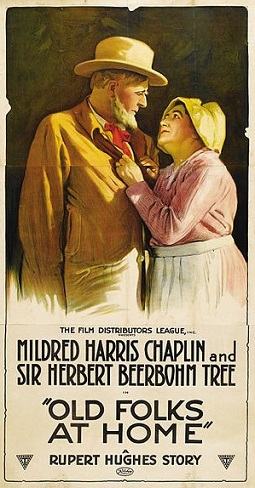
Dir: Chester Withey
Senator John Coburn's son Steve, who associates more with gamblers, criminals and drug addicts than with his father's congressional cronies, impulsively murders his mistress' new lover. The senator tries to use his influence to have Steve acquitted, but all of the evidence firmly and correctly implicates him, and so the jury prepares to find Steve guilty without much deliberation. Before the verdict can be announced, however, Steve's mother rises in court to make an impassioned plea for her son. As a result, moved by the mother's grief, the jurors choose to ignore all of the evidence, and declare that Steve is not guilty.

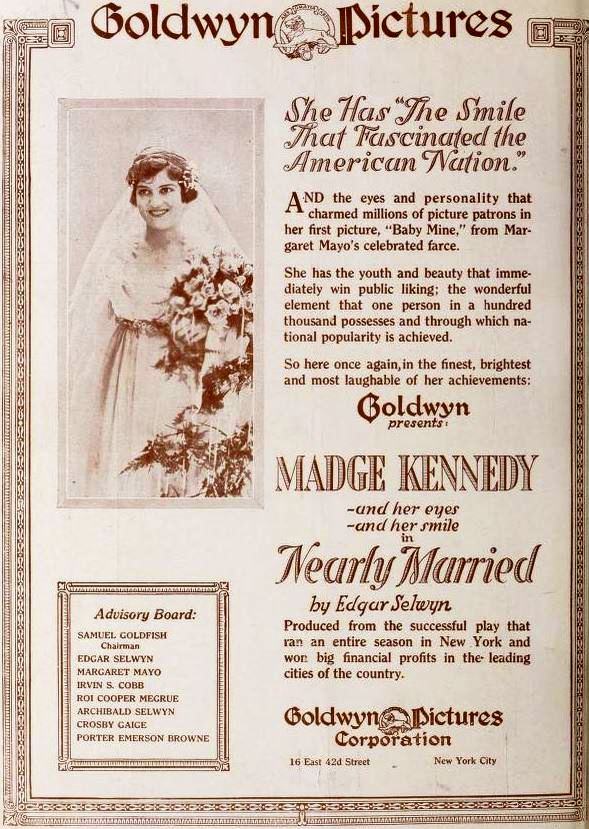
Dir: Chester Withey
Betty Griffon delays her wedding to Harry Lindsey, because her brother Dick is late for the ceremony. Upon learning that her dear brother has been injured in an accident, Betty refuses to leave on her honeymoon until he has recovered. When Harry objects, Betty proclaims that he is insensitive and demands a divorce. To oblige his wife, Harry hires his friend Tom Robinson to testify as corespondent in a divorce case, and a separation is granted. Betty and Harry realize that they really love each other too late and decide to remarry, but are prevented from doing so by the divorce papers which forbids Harry from marrying again. They finally decide to circumvent the New York law by becoming really married in New Jersey, and all ends happily.
View Details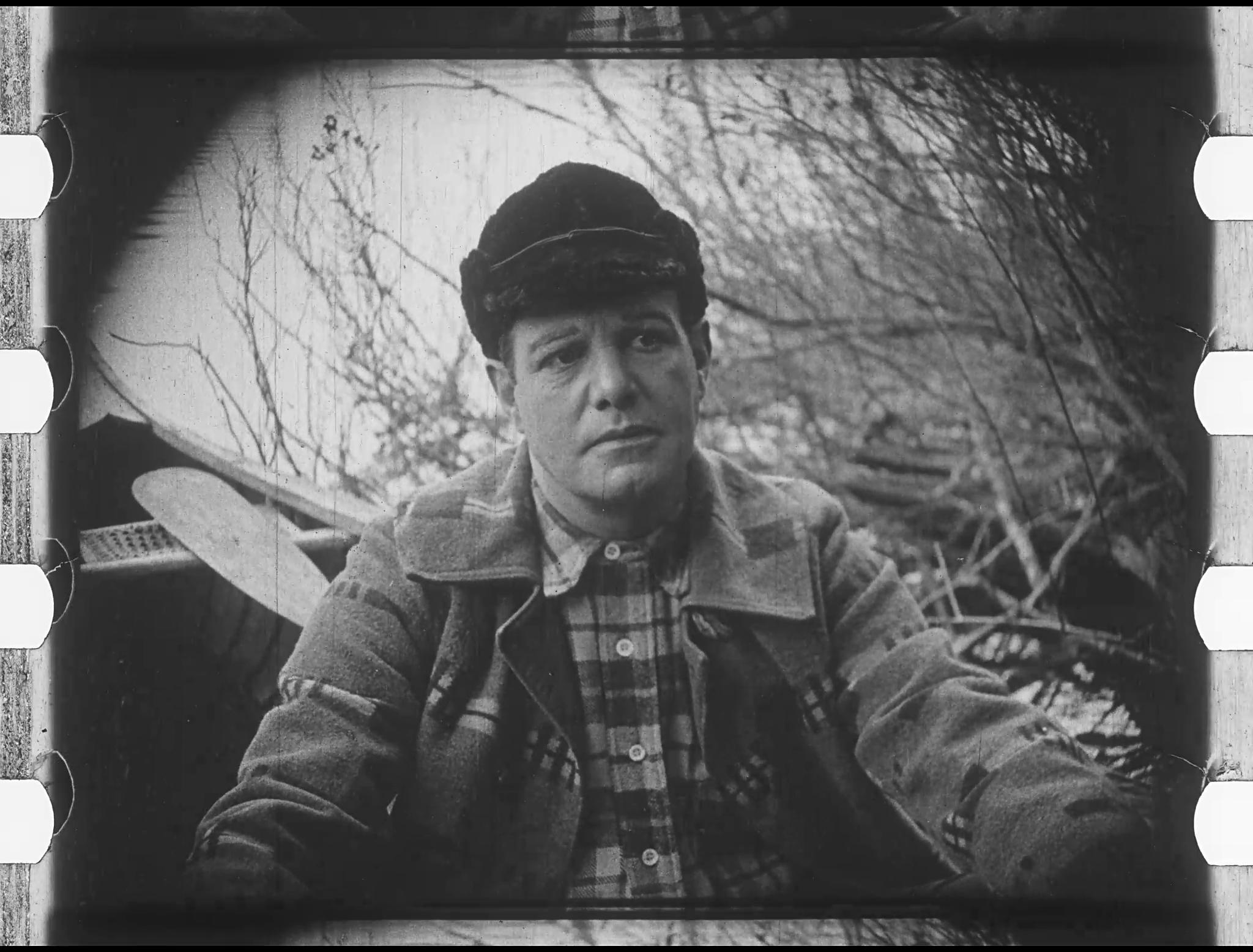
Dir: Edgar Jones
A mail-order bride arrives at a Maine lumber camp but doesn't like her prospective husband.
Dir: Chester Withey
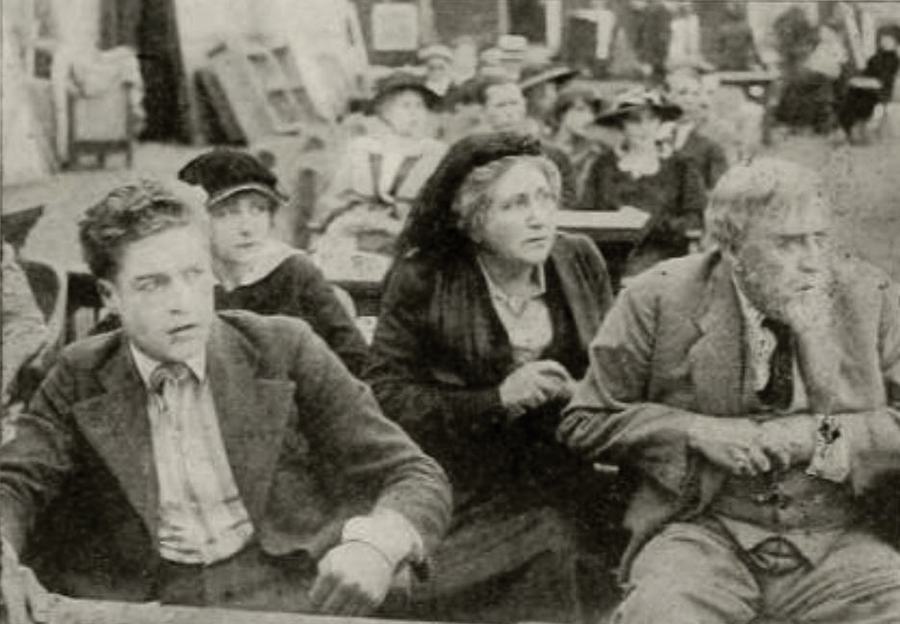
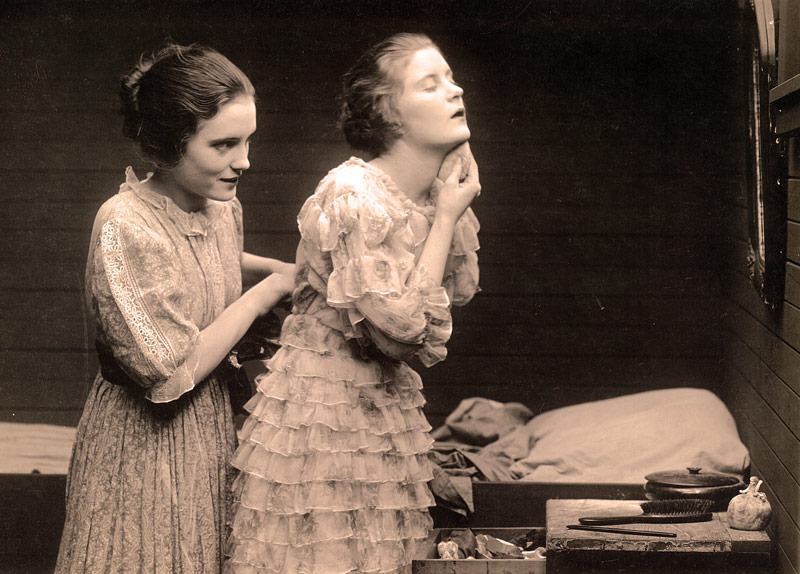
Carmen Wagner is an orphan, the daughter of a musician whose career was ruined by the nagging of her stepmother. Her grandfather, also a violinist, hates all women because of his son's ruined career. He tries to save his granddaughter, whom he adores, from the stepmother. He also makes his granddaughter a woman hater and brings her up disguised as a boy. While in this garb she meets Edward Holmes, a law clerk, and the two become friends. The stepmother, catching the grandfather giving Carmen music lessons, drives him from the house. Carmen runs away, joins him, and they become vagabond musicians. They take passage on a ship, and Edward is consulted by the stepmother and delegated to find them. He takes passage on the same ship, identifies an innocent Italian musician and his daughter, whom he arrests. For this false arrest Edward is discharged. And in this plight he meets Carmen and her grandfather, who live on a derelict vessel and who make a living by playing violin in the streets. While protecting Carmen from a drunken sailor Edward is badly hurt and is taken in and cared for in the old hulk. Carmen throws aside her boy's clothes, puts on feminine apparel, imitates the dock watchman's daughter and coquettes with Edward, who at last identifies her as the girl whom he was originally employed to seek. They are in love, but keep it secret from the woman-hating grandfather. Other detectives, employed by the stepmother this time, have located Carmen, and Edward is knocked out defending her, while the stepmother and Carmen take a steamer home. Edward follows in a fast motorboat with a friend, and Carmen jumps from the steamer and is rescued by Edward. The stepmother pursues in a pilot boat, but they finally make their escape to marriage and happiness.
View Details
Dir: Chester Withey
Wynne Mortimer, a pampered society girl and daughter of William Mortimer, a prominent business man, chances to meet David White, a young artist whose fame is already assured, at an art exhibit. Despite the fact that she is engaged to marry Hugh Gordon, the junior partner of her father, she falls in love with the artist. He invites the girl and her father to visit his studio and the invitation is accepted. Renee, a model, has been in love with David White for years and he has seemingly reciprocated her love. When Wynne Mortimer appears on the scene, however, he forgets all thoughts of love for Renee. The model is quick to realize the change in her lover. Secretly, she has been a user of cocaine. To forget the heartache the growing attachment between her lover and Wynne causes her, she turns to the cocaine. Wynne, led on by her interest in the artist and his insistence that she is the only one who can justly typify the spirit of a new picture at which he is at work, goes to the studio and poses for him. Hugh Gordon follows her and after a violent scene with the painter takes Wynne to her father, who upbraids her and forbids her to again see the painter. David is dejected at the loss of Wynne and finally takes to using cocaine. Before he has become a complete victim to the habit, however, Wynne dares her father's vengeance and returns to the studio. She and David finally run away and are married. In his anger Wynne's father turns her from home. David rapidly becomes an habitual user of cocaine and Wynne is forced to return to her home. Renee, heartbroken at the evil she has done by really being responsible for the drug habit acquired by David, tries to reform him. It is not until David hears his wife, however, declare that she will stick to him as long as he has need of someone to look after him, and he finally manages to throw off the habit he has acquired. He is determined to free his wife of whatever obligation she may feel binds her to him. Her loyalty to her husband leads Wynne to seek him. Her search takes her into an evil part of the city and she is attacked by a thug. David, who has returned to the city, however, learns that his wife is seeking him and goes to find her. He arrives just in time to rescue her from the den into which she has been carried. When husband and wife are reunited after the horrors through which they have passed the year past, they find that their love has grown stronger and eventually they find happiness.

Dir: Chester Withey
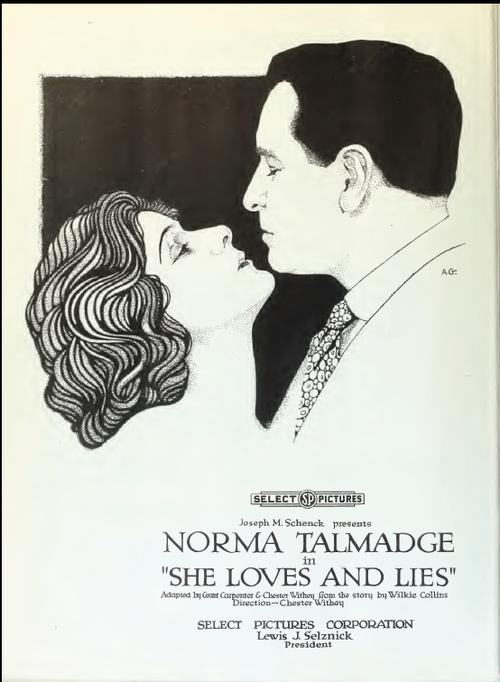
When Marie Callender is left a fortune by a wealthy old admirer on the condition that she marry the man she loves, Marie targets Ernest Lismore but is too shy to ask him to marry her. Instead, Marie disguises herself as an elderly woman of considerable wealth and offers to bail Ernest out of his impending bankruptcy in exchange for marriage, with the understanding that if Ernest ever falls in love with another woman she will grant him a divorce. Then Marie disguises herself as June Dayne in order to make her husband fall in love with her. She succeeds, and when Ernest confesses his love for another woman, Marie discards her disguise and Ernest discovers that the woman with whom he is in love is his own wife.
View Details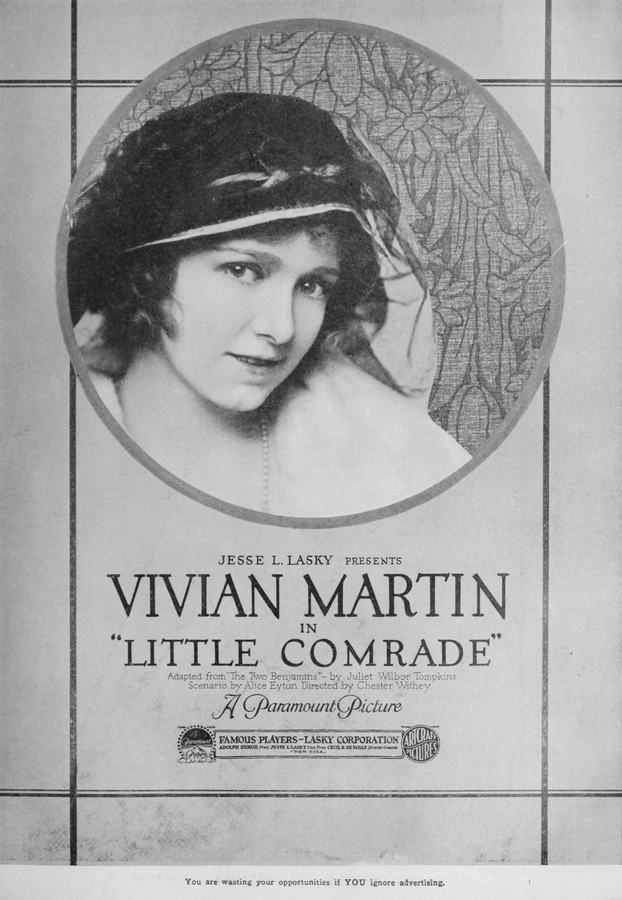
Dir: Chester Withey
Genevieve Rutherford Hale, a pampered youngest child, reads an advertisement for women to work on farms to increase food production during World War I. After having her modiste make silk overalls which Genevieve models on Russian ballet attire, she arrives at the Hubbard ranch in New York State with her chauffeur, maid, and pet dog, to be a "farmerette." While Genevieve finds the chores difficult and the other girls unfriendly, Bobbie, the youngest Hubbard, discovers officer training camp to be equally discouraging. Although he is tempted to desert, Bobbie only leaves for one night to see his home again. He finds Genevieve crying in a potato patch, and together they resolve to do their patriotic duty. When a prying neighbor, seeing them together, tells the Hubbards that Genevieve was with a soldier, Genevieve remains silent about Bobbie's identity, and is banished from the ranch. After Bobbie gets a furlough and explains matters, the Hubbards apologize to Genevieve. Bobby proposes, and they plan to marry when he returns from "over there."
View DetailsAnalysis relative to The Bushranger
| Film Title | Atmosphere | Complexity | Similarity |
|---|---|---|---|
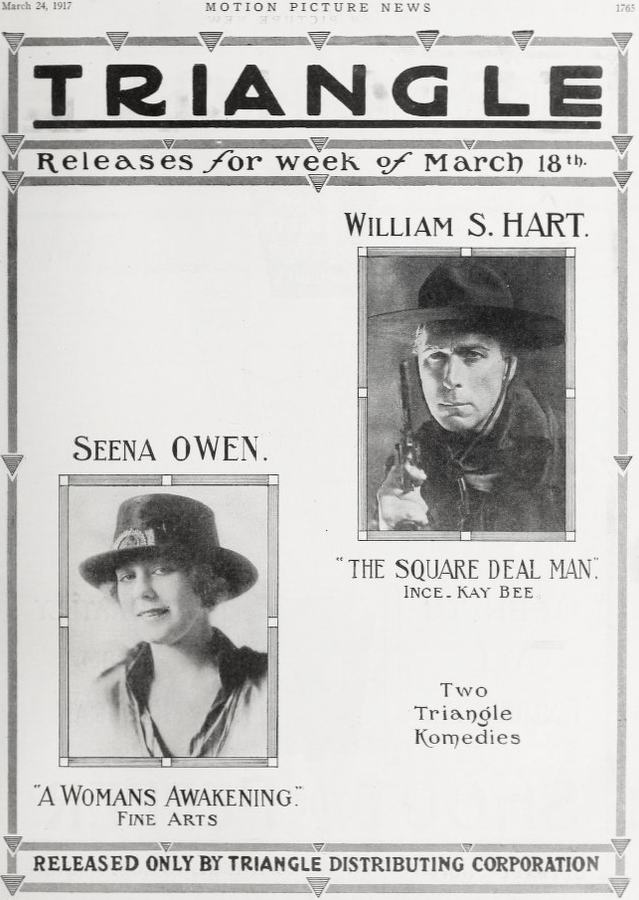
| A Woman's Awakening | Gothic | High | 91% Match |
| An Alabaster Box | Gothic | Dense | 97% Match |
| The New Moon | Surreal | Dense | 86% Match |
| The Old Folks at Home | Tense | High | 97% Match |
| Nearly Married | Gothic | Dense | 90% Match |
This guide was algorithmically generated using the cinematic metadata of Chester Withey's archive. Last updated: 6/20/2026.
Back to The Bushranger Details →