
DbcultAccessing Vault...
Recommendations
Senior Film Conservator
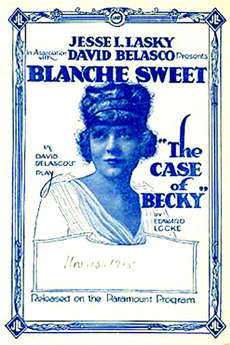
If the unique vision of Frank Reicher's work in The Case of Becky left an impression, the cinematic shorthand used by Frank Reicher is both ancient and revolutionary. We've prioritized films that capture the 1915 aesthetic with similar precision.
By merging unique vision with cult tropes, it to articulate the unspoken anxieties of United States's 1915 era.
When a young girl is placed under hypnotism, it's discovered that she has a split personality.
Based on the unique unique vision of The Case of Becky, our vault has identified these titles as the most compelling follow-up experiences for fans of cult cinema:
Dir: Frank Reicher
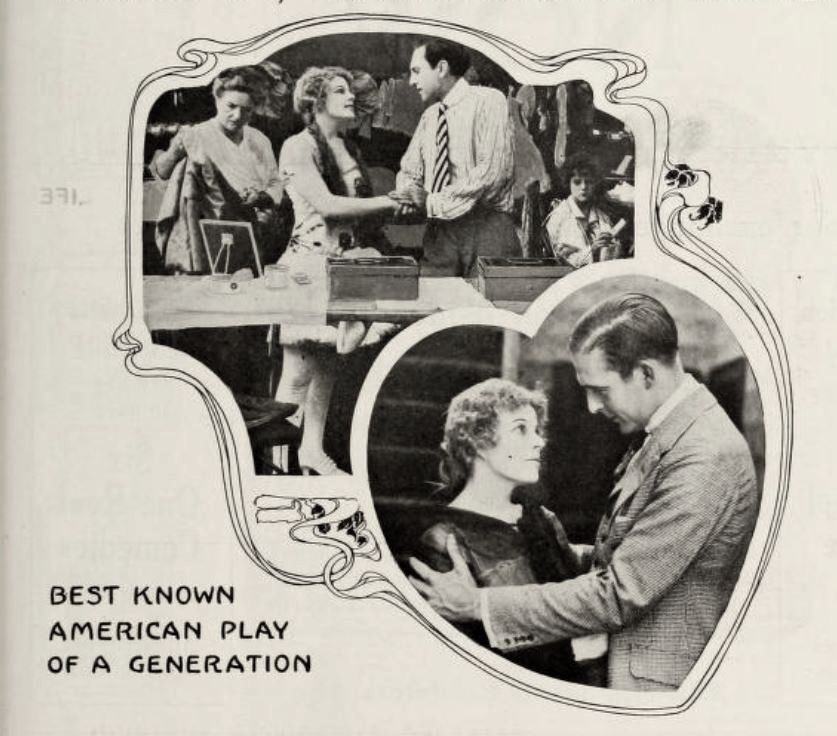
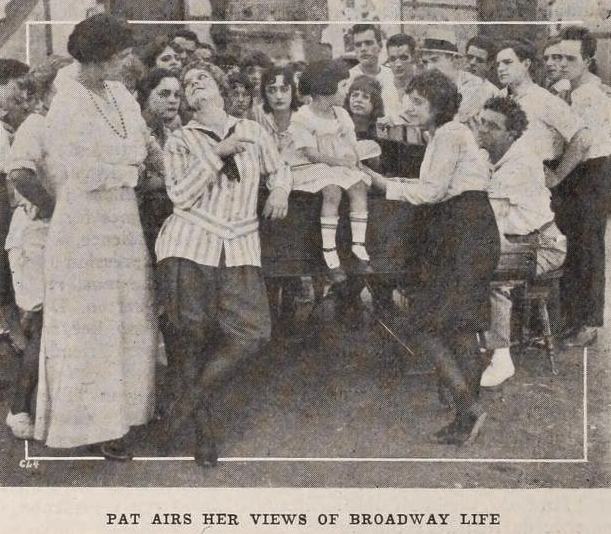
Patricia O'Brien, known as "Pat" the "Chorus Lady,' is a keen-witted, clean-lived young girl easily holding her own amid the temptations incident to her profession. She is engaged to marry "Danny" Mallory, a young detective, whose great ambition is to own a farm, marry Pat and leave the bright lights forever. Pat has a younger sister, Nora, whose yielding and idealistic natures Pat knows and she keeps her working in a country store "a million miles from Broadway," under the guardianship of a strict old woman. Nora, stage-struck and envious of Pat, leaves the store and turns up at the theater when Pat is rehearsing. Nora announces that she is going on the stage in spite of Pat's protests. Crawford, a young man-about-town, who is backing the show, struck by Nora's beauty and youth, gives her a position in the company. Crawford plies Nora with attention until she falls in love with him and Pat in her efforts to open Nora's eyes as to Crawford's true character, only succeeds in antagonizing her. Realizing that she cannot convince Nora or control her for long Pat begins a flirtation with Crawford. Nora fights bitterly to hold him. Danny becomes jealous and refuses to believe Pat when she explains that she is flirting with Crawford in an effort to disillusion Nora. At the dress rehearsal of the play in which Pat and Nora are to appear the star sends word that she is ill. Pat is given the chance to play the part. Knowing that Pat cannot leave the theater, Nora leaves a note that she is going to Crawford and slips home to pack. Pat, half-dressed to go on, finds the note, gives up her great opportunity, wraps herself in a cloak and in a cab hurries to Crawford's apartment. She arrives at Crawford's apartment first and leads Crawford into a declaration of love just as Nora appears. Pat demands that Crawford choose between them. Crawford chooses Pat. In the meantime Danny has been sent to get divorce evidence for Crawford's wife. They break into Crawford's rooms and Danny finds the woman to be his own girl. In the stormy scene that follows Pat's borrowed cloak slips from her shoulders revealing her in her underwear. With all evidence against her Pat is unable to establish her innocence. Danny cannot believe her innocent, but makes up his mind never to appear against her. Nora and the detective go, leaving Pat alone with Crawford. She promptly tells Crawford what she really thinks of him and he dismisses her from the company and orders her out of his rooms. Danny resigns his job rather than appear against Pat and the divorce suit never comes to court. Pat, out of a job, is unable to find another engagement and is about to be turned out of her boarding house when Nora, convinced of Pat's loyalty, telephones Danny and tells him the truth. Danny gets his farm and they all go to it, taking along as helper, "Bobs," the young assistant stage-manager, who cherishes an honest passion for Nora.
View Details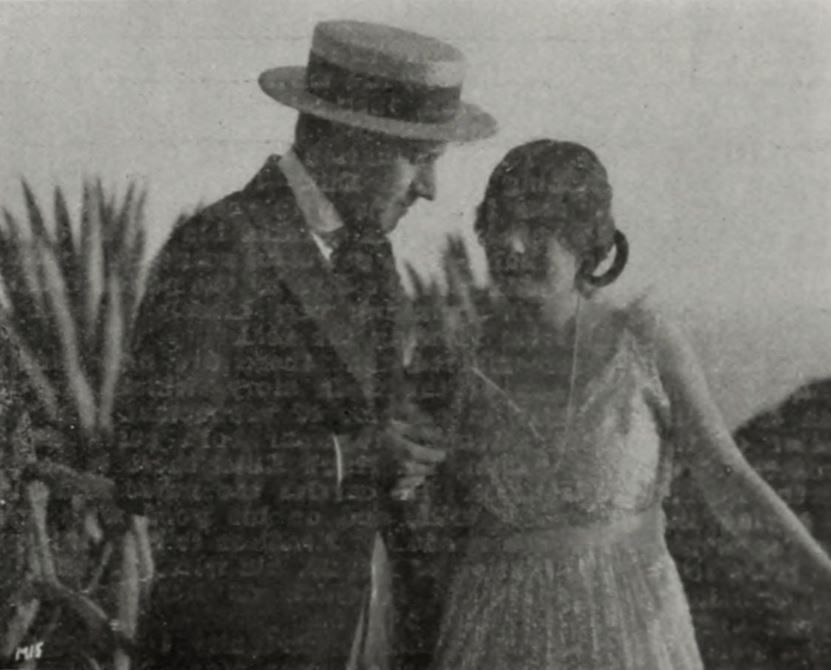
Dir: Frank Reicher
"Mr. Grex of Monte Carlo" is an interesting play of intrigue between the Grand Duke Augustus Peter of Russia, whose incognito is Mr. Grex, an English Secret Service agent, Lord Huntersley and a young American millionaire on pleasure bent, Richard Lane. Mr. Grex and two other diplomats who unofficially represent France and Germany, plan to meet as if by chance in Monte Carlo for the purpose of arranging a secret pact. The American millionaire sees and falls violently in love with Miss Grex, that is, the Grand Duchess Fedora. After several fruitless efforts to gain an introduction to this mysteriously inaccessible young lady, he secures the services of a bandit who is to pretend to hold up Fedora's car so that Lane may effect a rescue. Lane arrives on the scene as per schedule and is informed by the bandit that he has changed his mind and intends to make a real hold-up instead of a fake one. Lane, therefore, makes a real rescue and meets Miss Grex. He is informed by Lord Huntersley that his efforts are useless as she is a Grand Duchess of Russia. The third member of the conference arrives and coming across Lane in the middle of a love scene with Fedora, thrusts the papers into his hand saying "Give these to Huntersley," and disappears. Complications arise between Fedora and Lane. Lane finally manages to get rid of Fedora's father for a few hours and hiring a yacht they pick up a parson who for $5,000 and his trip home consents to go with them to America. Once outside the three-mile limit they are married under the laws of the United States.
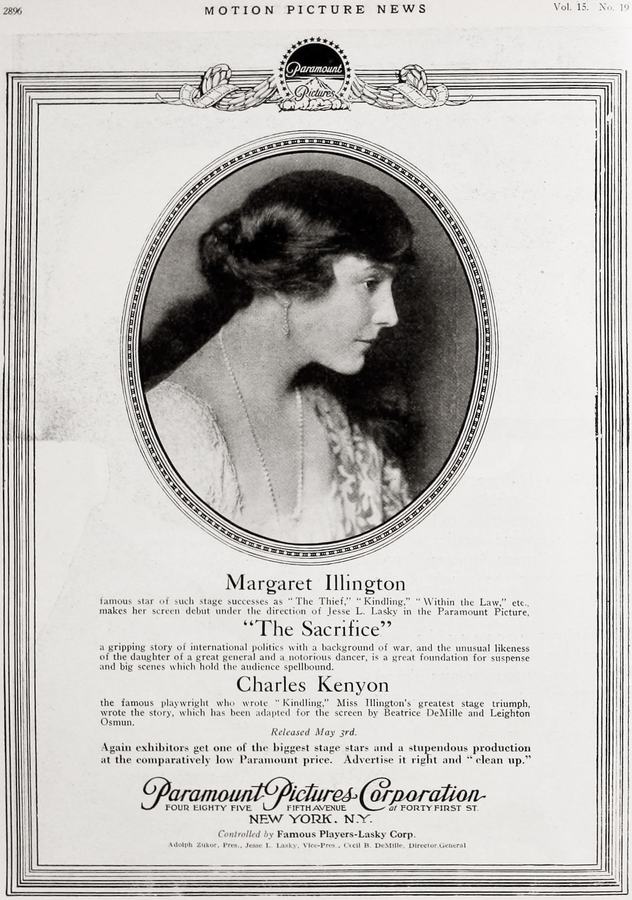
Dir: Frank Reicher
Stephen Stephani leaves Nordhoff with his daughter Mary to visit Zandria, an enemy country, where he tries to steal the war plans of the hostile nation. There, Mary meets Paul Ekald, a Zandrian captain, falling in love with him at first sight. While Mary remains in Zandria for the moment, Stephani returns to Nordhoff. Meanwhile, Vesta, Mary's illegitimate half-sister, has managed to get hold of important war plans stolen from Count Wenzel. But, to get them, she had to kill the count. While trying to reach Nordhoff, she is stopped at the border. There, she also finds Mary waiting to cross the border. Vesta convinces Mary to exchange her passport with her, in order to allow her to leave the country. She thus brings to Nordhoff the plans drawn with invisible ink on her petticoat. Meanwhile, Mary is arrested and, accused in place of Vesta, sentenced to be shot. Vesta, after having fulfilled her mission and learning of her sister's fate, goes back and redoes the exchange with her, allowing her to save herself. After some time, peace is declared and Mary can reunite with the man she loves.
View Details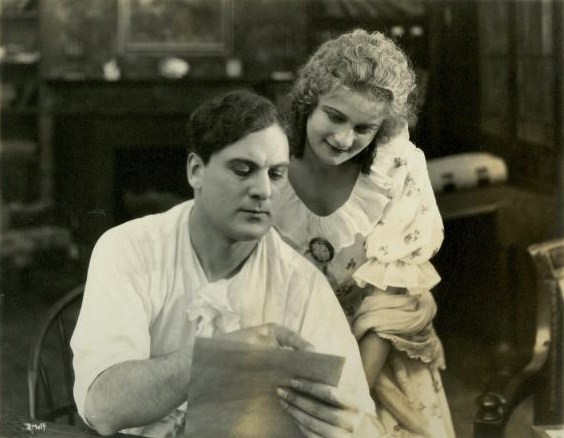
Dir: Frank Reicher
A slave switches her light-skinned baby with her master's baby. The child grows up raised by whites.
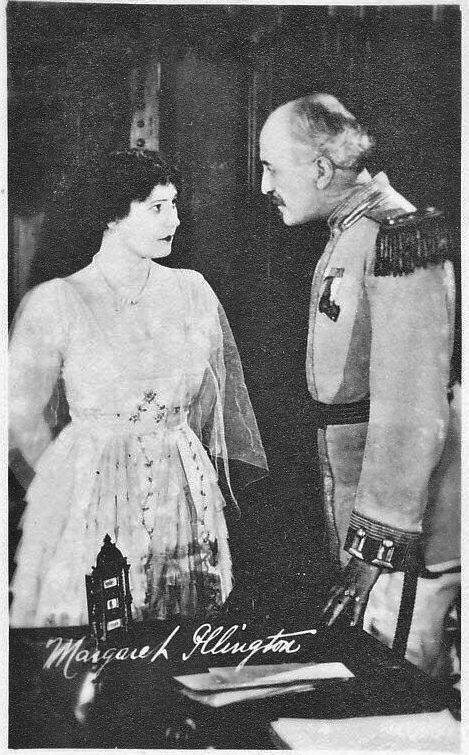
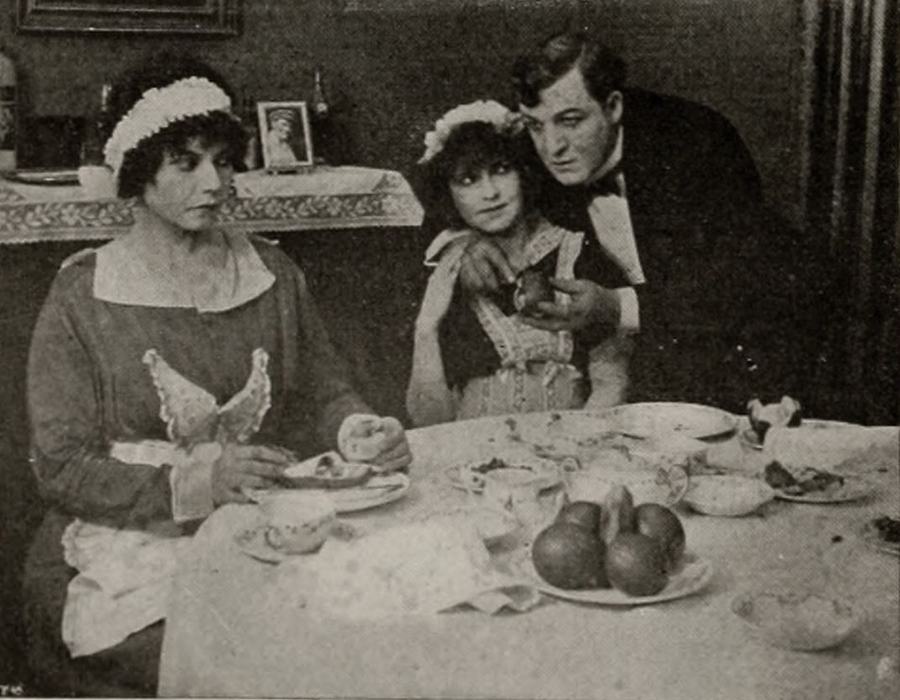
Dir: Frank Reicher
Two playboys stumble drunkenly home, where the owner falls asleep and the other attacks the maid. The butler intervenes and a fight results in the death of the assailant. A French girl, escaping from a pimp who kidnapped her, witnesses the crime. The butler convinces his master he is the killer, and must flee. He joins the girl but is caught. She helps police expose the real killer by going undercover as another maid.
View Details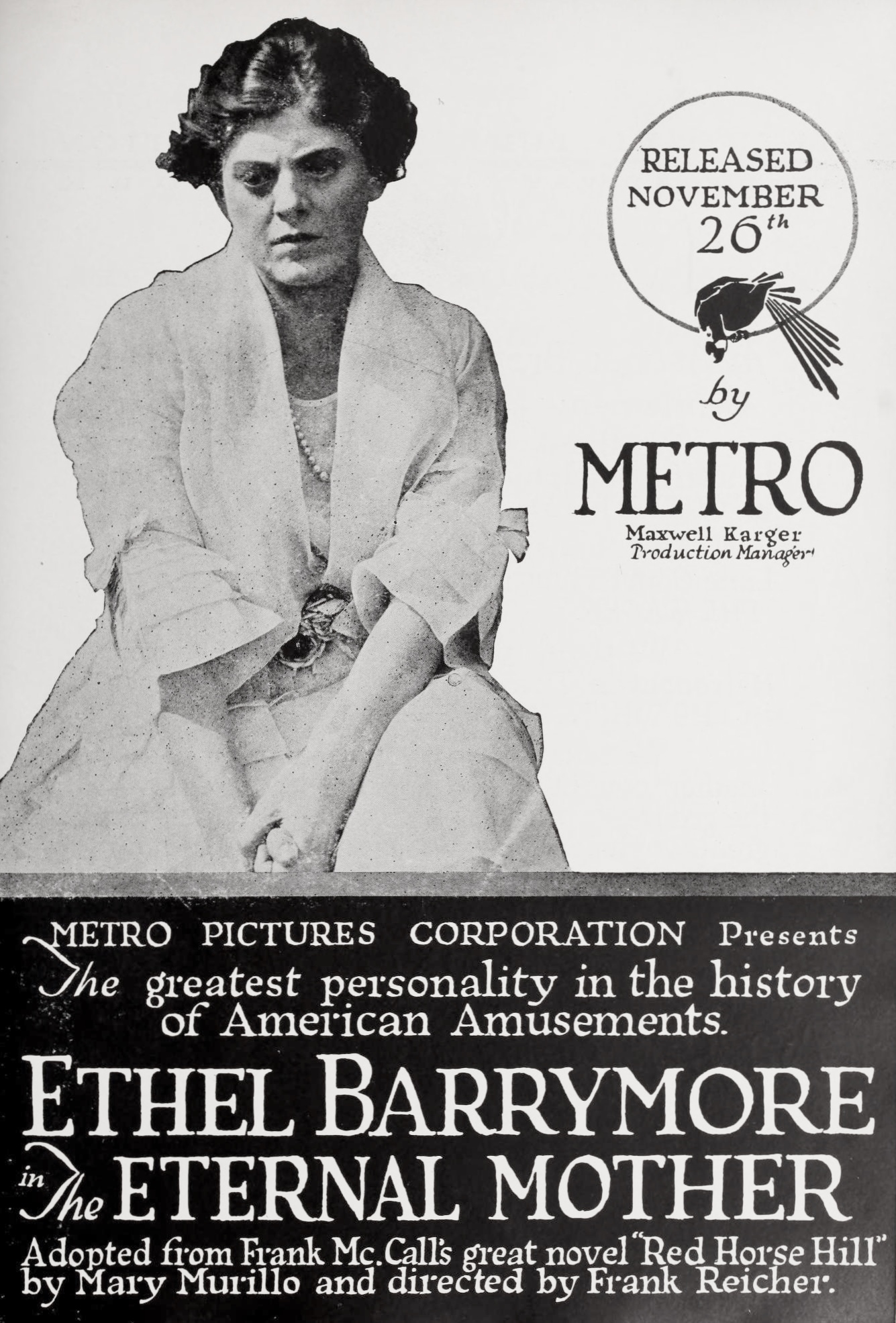
Dir: Frank Reicher
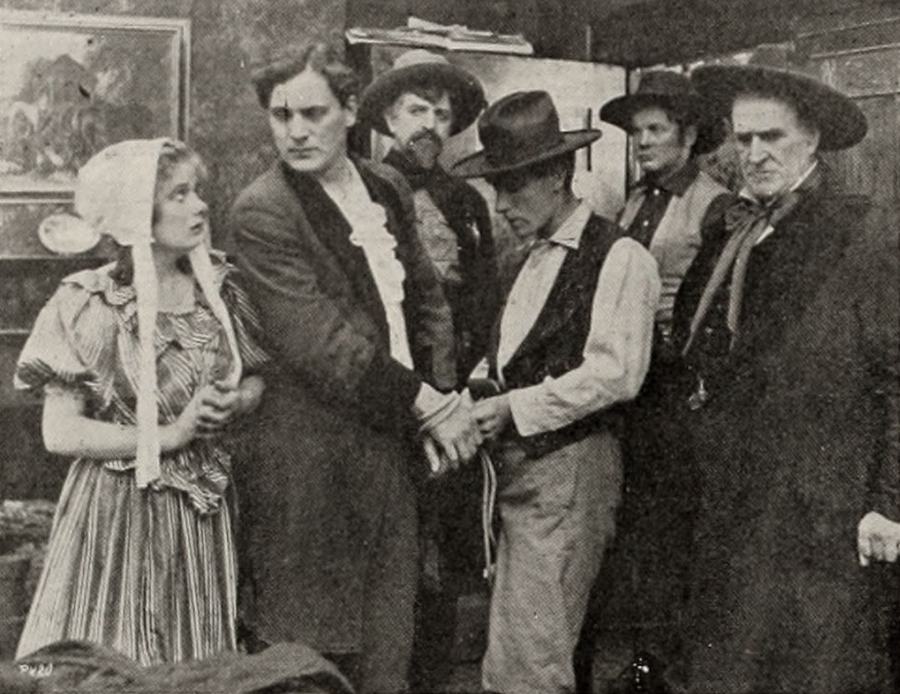
Maris, having married Lynch, a worthless man who deserts her, taking their daughter Felice with him, marries mill owner Dwight Alden after receiving notification that her husband and child are dead. Discovering that Alden employs child labor, Maris, assisted by the village minister, tries to persuade him that this is wrong, but he will tolerate no interference in his business. After violently denouncing Alden from the pulpit, the minister dies and Maris becomes interested in a child who has been injured while working overtime at the mill, only to discover that the child is her daughter and her first husband is still alive. She leaves, taking Felice, and Alden, after having a fight with the first husband, discovers that Lynch had secured a divorce. Alden seeks out Maris, tells her that he has abolished child labor and made other improvements affecting the welfare of his workers, and a reconciliation occurs.
Dir: Frank Reicher
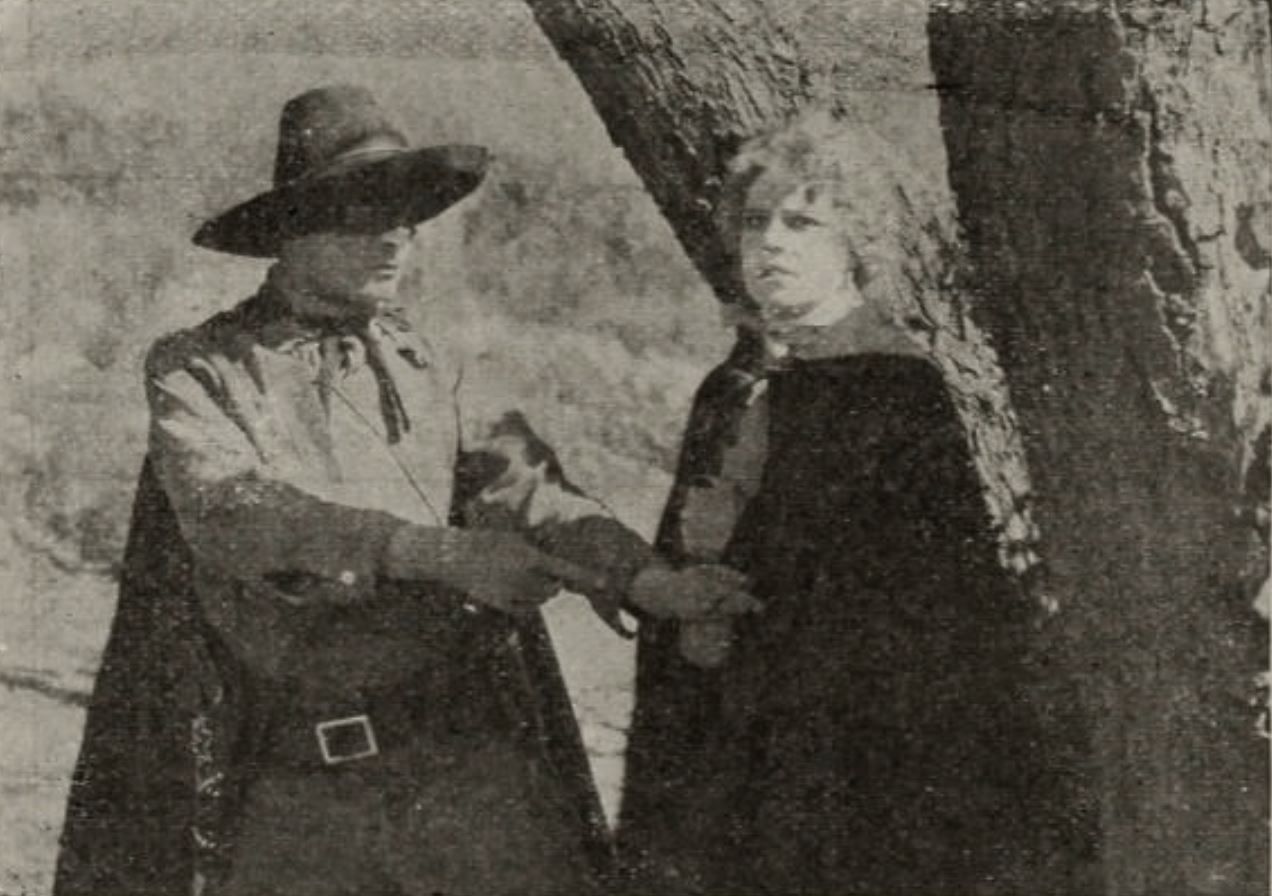
During the California gold rush, four unsuccessful miners assume that a woman prospector will give in without a fight, so they jump the claim of Kate Kenner and take her gold away from her. Afterward, although she is Sheriff Dan Deering's sweetheart, Kate decides to take the law into her own hands. Donning the trademark black mask of Silver Spurs, the noted bandit, Kate holds up the saloon where the crooks have stored the gold. As she makes her getaway, however, Dan catches her, and after unmasking her, is astonished to discover Silver Spur's true identity. The town puts Kate on trial immediately and a guilty verdict seems assured until the real Silver Spurs, who had greatly admired the masquerade, himself steals the gold and leaves a note exonerating Kate. Then, taking time out from his sheriff's duty, Dan, instead of pursuing Silver Spurs, starts making plans with Kate for their wedding.
View Details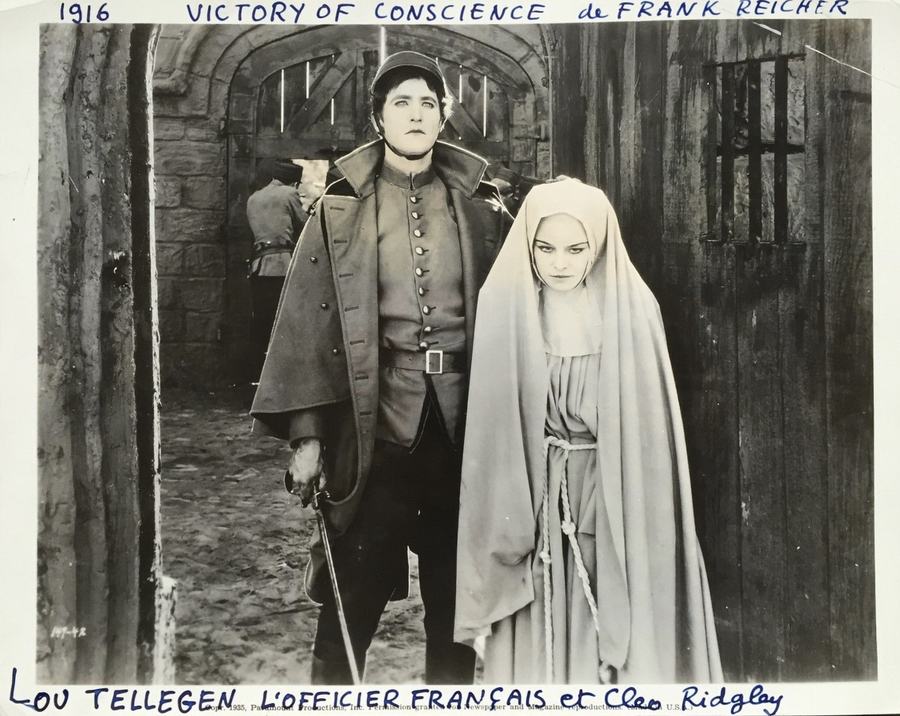
Dir: Frank Reicher
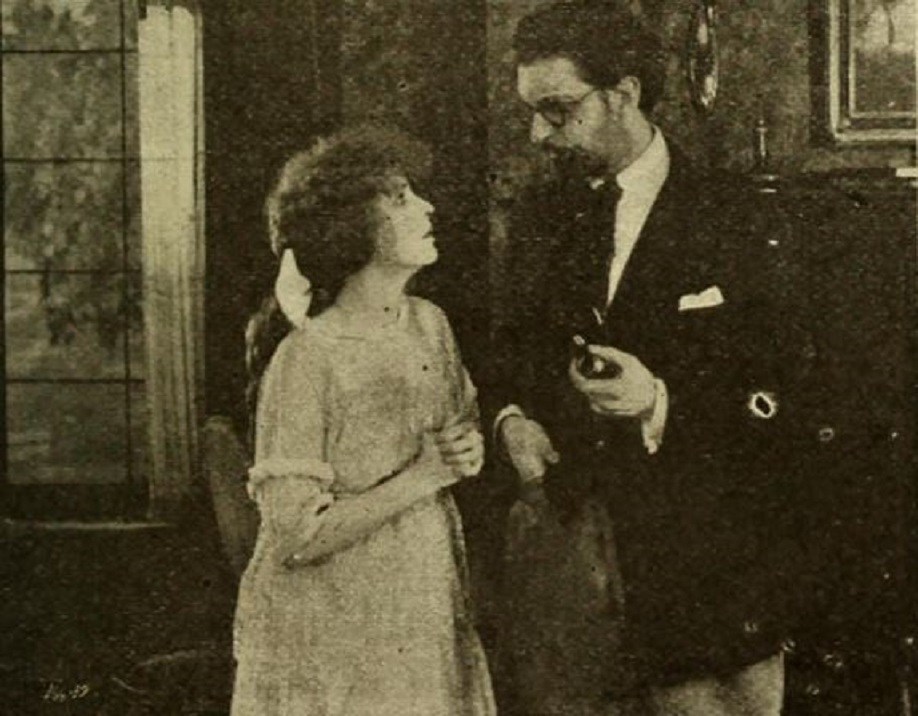
Louis, Count de Tavannes, and his companion, Dimitri, lead a gay life in Paris. On the return trip of a motor tour, they stop at an inn and discover Rosette, the daughter of the innkeeper, who dances for the guests, not from choice, but necessity. Dimitri suggests they take her to Paris. The patrons of the inn, jealous of the fashionably-attired young men and the attention paid them, raise a riot. During the uproar Rosette is taken to the motor and to Paris, where she goes to a hotel with Louis, her favorite of the two young men. During their breakfast the next morning, she learns from Louis' lips that he will not marry her. Remy, the faithful servant of the inn, has sought her out, grasps the situation, strikes Louis in the face and a fight ensues between the two men. Louis is discovered, bleeding and unconscious, and taken to the home of a young priest. Through the influence of the good men whom he has thus accidentally met, he enters the priesthood. Rosette secures a position as dancer in a café of the underworld in Paris, patronized by the rough element, and occasionally by the wealthy class in search of excitement. Dimitri is at this café, trying to induce Rosette to drink and dance, as Father Louis enters in search of a man whose wife is ill. The recognition is mutual, and none is so surprised as Dimitri. The latter plans an elaborate supper for himself and Rosette, and Louis interrupts them. As Louis uses his good influence for the girl, Dimitri is exerting a conflicting power, and Rosette bids them fight it out, "for God and my soul, or the devil and my body." With only their hands for weapons, the men go to battle, Louis with a righteous determination to win, and he does. He takes the girl to a convent, where she realizes her great love for Louis and a desire to live a pure life. Father Louis has won the love of the patrons of the café, and when the war is on and France calls for her men, he with his followers tries to defend the convent where Sister Rose Marie is. Mortally wounded, Sister Rose Marie falls across the dead body of the man she loves, and they are united in spirit, although their lives have been sacrificed in an attempt to save other souls, endeared to them.
Dir: Frank Reicher
Henry Sherwin has every cent invested in a mine which is apparently valueless. James Fleming, a mine expert, discovers a rich vein of gold in the mine but keeps it secret. Mr. Sherwin dies and leaves Betty, his daughter, in the care of John Kenwood and his sister, Constance who, finding the estate worthless, allows Betty to believe she has an income. She goes to boarding school, lives luxuriously, and when she returns home is shocked to find John and Constance working, so she hires two servants. A frost wipes out the orange crop, their last hope. Fleming proposes to Betty and is refused. Betty tells John he may have all her money, and although heartbroken and discouraged, he is greatly amused. Fleming finally tells Betty her mine is worthless, again asks her to marry him and is again refused. Betty dreams she sees gold pouring from her mine and runs away. Going to the mine she finds Big Jim, and together they search for gold. The boys "salt" the mine and Betty is delighted at her supposed find of gold. She learns of the joke and decides to try her luck at gambling. She stakes her nuggets in a roulette game and loses. Fleming finds her here and takes her in his arms, announcing, just as Kenwood enters, she is to become his wife. As Jim and the proprietor of the gambling house are looking over the nuggets Jim notices a strange one and asks Betty where she found it. She leads him to the mine and he discovers a rich vein, worth a million. Fleming's conspiracy is discovered. John takes Betty in his arms and tells her he has always loved her, and is informed of the discovery of the gold. Her sudden wealth seems in his mind to create a great gulf between them, but she wriggles back into his embrace. She tells him she loves him and asks him to be her husband. He takes her closer in his arms and their happiness is complete.
View Details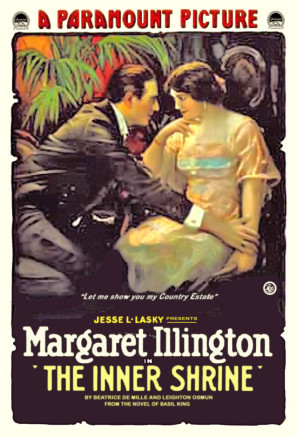
Dir: Frank Reicher
Bad woman turns good, but as a recent widow finds her past a roadblock in terms of accepting remarriage.
View DetailsAnalysis relative to The Case of Becky
| Film Title | Atmosphere | Complexity | Similarity |
|---|---|---|---|
| The Chorus Lady | Gritty | High | 91% Match |
| Mr. Grex of Monte Carlo | Ethereal | Abstract | 92% Match |
| Sacrifice | Surreal | Layered | 85% Match |
| Pudd'nhead Wilson | Ethereal | Abstract | 90% Match |
| For the Defense | Ethereal | Layered | 98% Match |
This guide was algorithmically generated using the cinematic metadata of Frank Reicher's archive. Last updated: 6/22/2026.
Back to The Case of Becky Details →