Summary
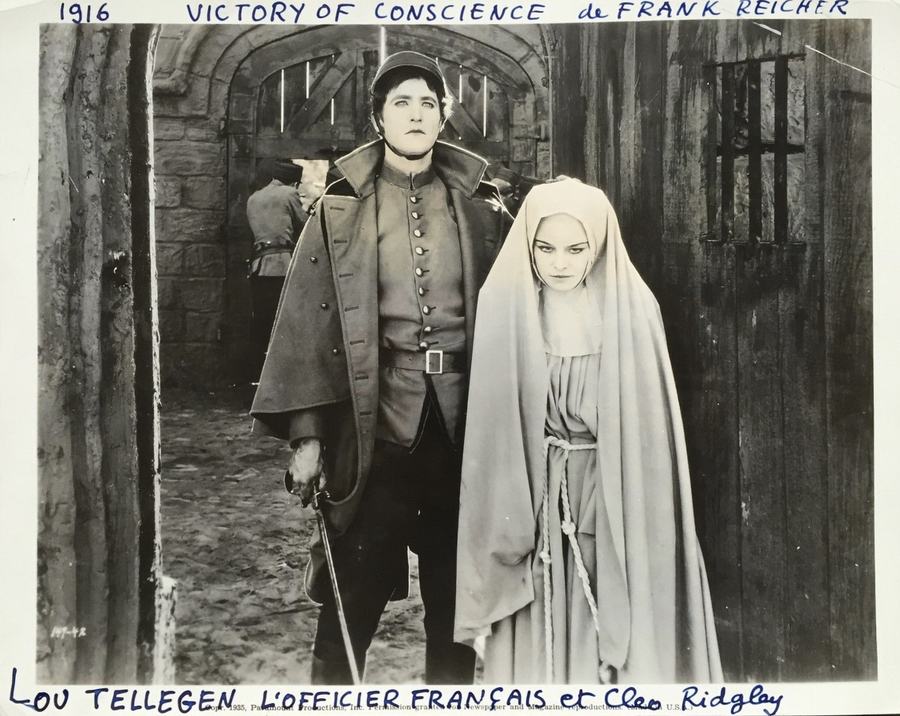
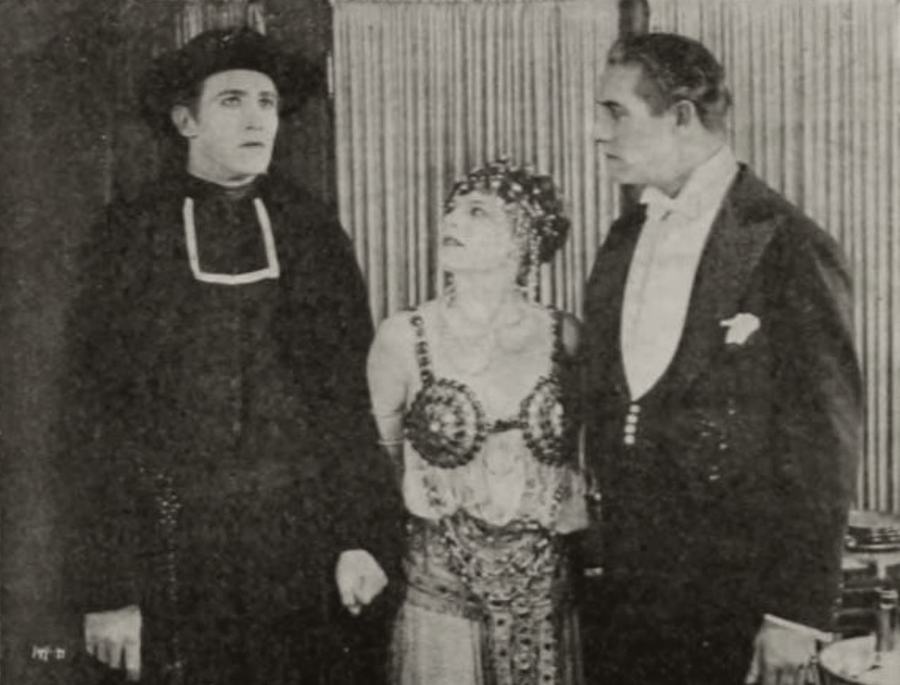
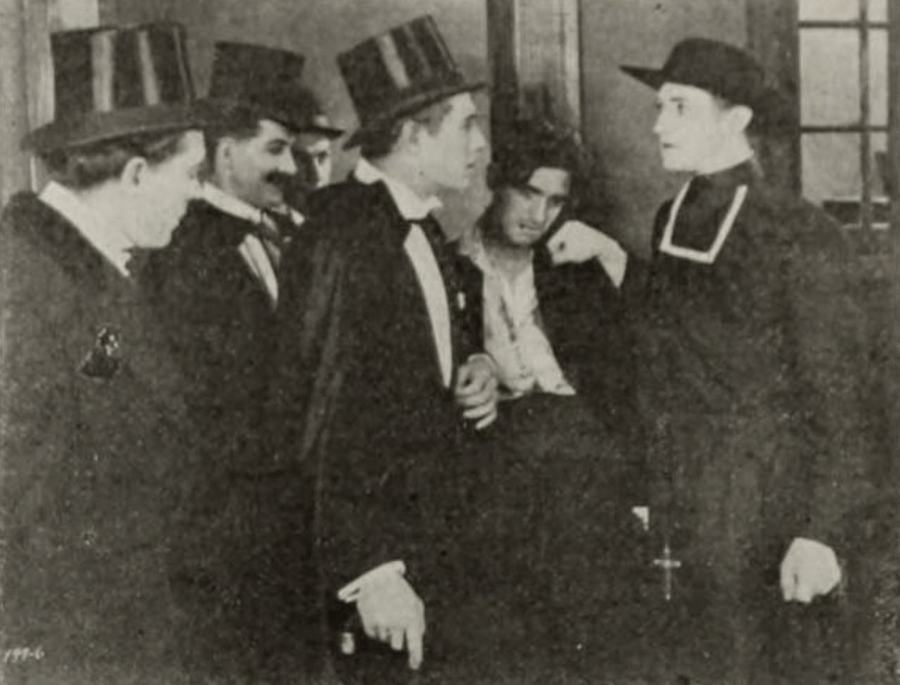
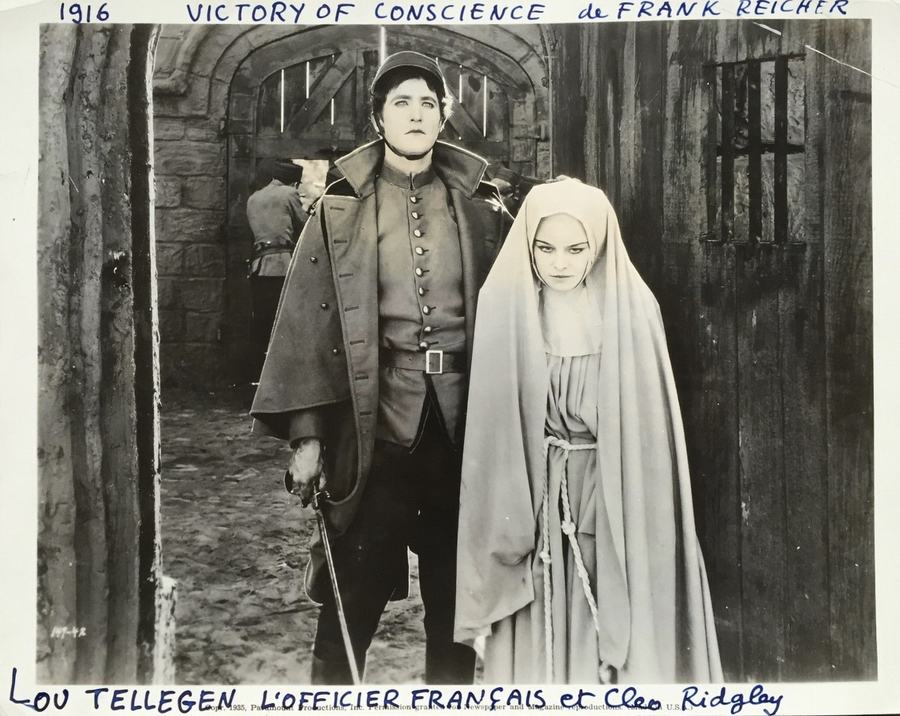
In the bruised twilight of post-Belle-Époque Paris, two velvet-clad esthetes—Louis de Tavannes, a count whose smile is a guillotine, and Dimitri, a panther in evening dress—hurtle home in a snarling automobile that smells of cognac and gasoline. Their detour through a forgotten roadside inn detonates the film’s central collision: Rosette, the innkeeper’s daughter, pirouettes on warped floorboards, her ankles bruised by the clatter of coins flung by drunken bargemen. She dances not for applause but for the next meal; her body is a promissory note the patrons never fully honor. Dimitri, amused by the contrast between her moth-eaten tulle and the diamond studs in his cuffs, proposes a kidnapping dressed up as rescue. The village erupts—pitchforks, kerosene lamps, the smell of wet hay and envy. In the melee Rosette is swept into the motor’s leather cocoon, Paris-bound, her bare feet still powdered with the inn’s sawdust. At daybreak, over coffee thick as asphalt, Louis confesses the limits of his gallantry: marriage is a sacrament he will not prostitute for a single night’s ardor. Remy, the inn’s ox-shouldered servant, arrives like delayed thunder, slaps the aristocrat across the cheek with a hand still smelling of stables, and the two men brawl amid croissants and broken china. Blood on white linen is the film’s first communion. Louis awakens in the candle-scented parlor of a young priest whose cassock bears more patches than sins; the blow has opened both his cheek and a fissure in his soul. Months collapse into a single dissolve: the count becomes Father Louis, collar starched as sharply as his former wit. Rosette, rechristened “La Sylphide des Bas-Fonds,” gyrates nightly in a Montmartre cave where absinthe is served in cracked chamber-pots and the orchestra is a single consumptive accordion. Dimitri haunts the tables, betting on perdition like a compulsive croupier. When Louis steps into this stygian hush seeking a penitent husband, the past ricochets: cassock meets tuxedo, halos graze horns. Rosette, drunk on notoriety, cries out the film’s blasphemous wager—“Fight for God and my soul, or the devil and my body.” The two men strip to shirt-sleeves and brawl beneath swinging oil-lamps, fists piston against flesh, until Louis, half-dead yet transfigured, carries Rosette out slung over his shoulder like salvaged contraband. She wakes in a Carmelite convent where the air is iron with incense and snow. War soon scalds the horizon; German boots clang through Champagne vineyards. Sister Rose Marie—Rosette’s final incarnation—tends refugees while Father Louis rallies a ragged militia of reformed apaches. In the chapel’s blasted nave she cradles his pierced body, her veil drinking his blood like a chalice; together they expire under a shattered rose window that speckles their faces with colored shards of light, a perverse stained-glass Pietà.
Synopsis
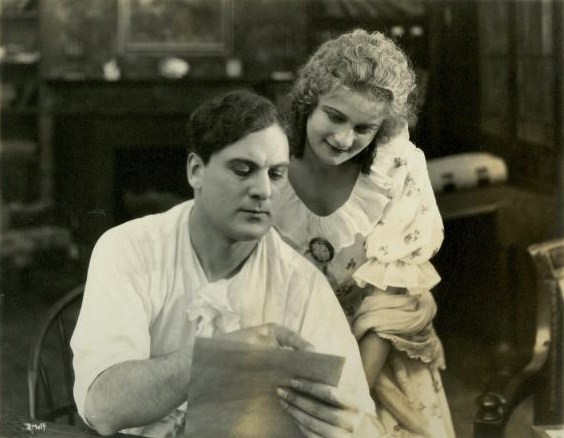
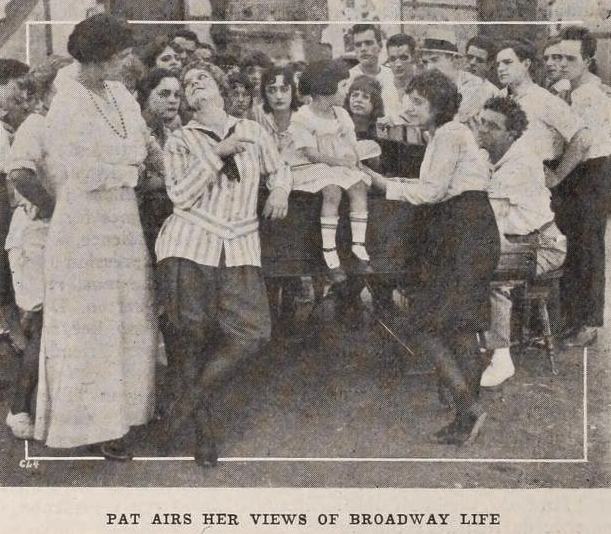
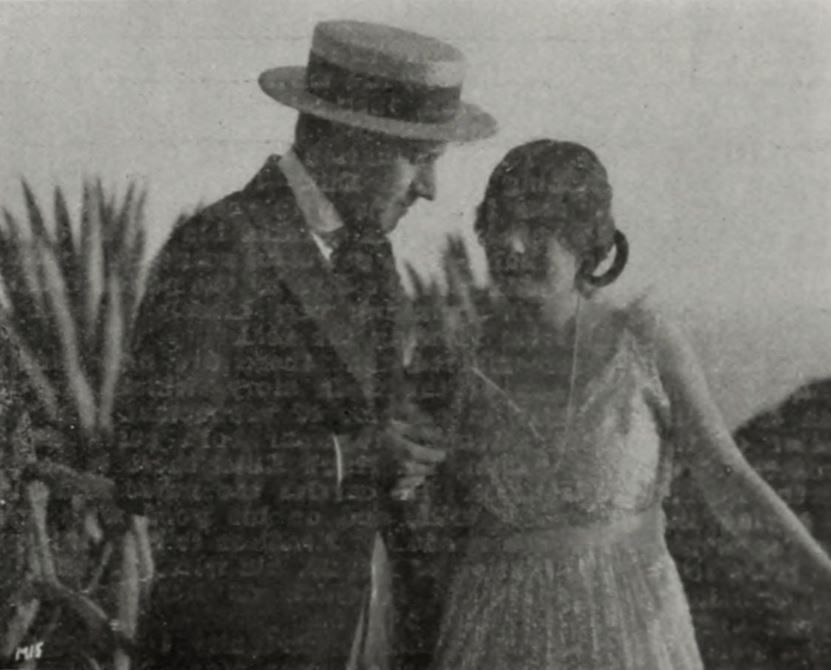
Louis, Count de Tavannes, and his companion, Dimitri, lead a gay life in Paris. On the return trip of a motor tour, they stop at an inn and discover Rosette, the daughter of the innkeeper, who dances for the guests, not from choice, but necessity. Dimitri suggests they take her to Paris. The patrons of the inn, jealous of the fashionably-attired young men and the attention paid them, raise a riot. During the uproar Rosette is taken to the motor and to Paris, where she goes to a hotel with Louis, her favorite of the two young men. During their breakfast the next morning, she learns from Louis' lips that he will not marry her. Remy, the faithful servant of the inn, has sought her out, grasps the situation, strikes Louis in the face and a fight ensues between the two men. Louis is discovered, bleeding and unconscious, and taken to the home of a young priest. Through the influence of the good men whom he has thus accidentally met, he enters the priesthood. Rosette secures a position as dancer in a café of the underworld in Paris, patronized by the rough element, and occasionally by the wealthy class in search of excitement. Dimitri is at this café, trying to induce Rosette to drink and dance, as Father Louis enters in search of a man whose wife is ill. The recognition is mutual, and none is so surprised as Dimitri. The latter plans an elaborate supper for himself and Rosette, and Louis interrupts them. As Louis uses his good influence for the girl, Dimitri is exerting a conflicting power, and Rosette bids them fight it out, "for God and my soul, or the devil and my body." With only their hands for weapons, the men go to battle, Louis with a righteous determination to win, and he does. He takes the girl to a convent, where she realizes her great love for Louis and a desire to live a pure life. Father Louis has won the love of the patrons of the café, and when the war is on and France calls for her men, he with his followers tries to defend the convent where Sister Rose Marie is. Mortally wounded, Sister Rose Marie falls across the dead body of the man she loves, and they are united in spirit, although their lives have been sacrificed in an attempt to save other souls, endeared to them.
Review Excerpt
"
The Victory of Conscience arrives like a hand-cranked hallucination: a 1916 nitrate fever-dream exhumed from the vaults of Mutual Film, its very title an ironic taunt in an era when consciences were sold by the yard for silk sashes and military contracts. Director Alexandro de Jannelli, an Italian hyphenate who once painted backdrops for Puccini premieres, treats every frame as if it might be the last surviving evidence that beauty once walked incognito through the apocalypse. The result is a f..."