
DbcultAccessing Vault...
Recommendations
Senior Film Conservator
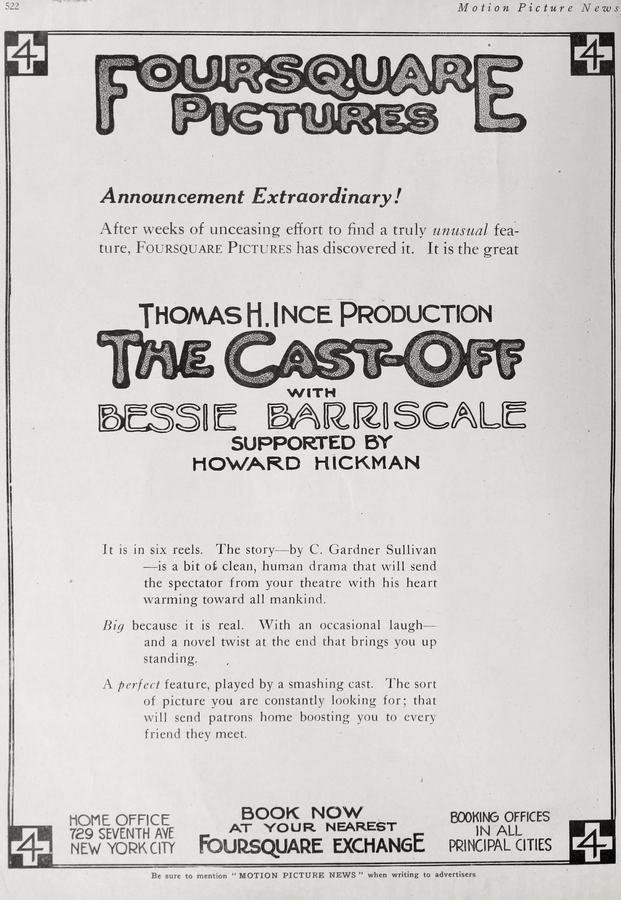
The artistic legacy of Raymond B. West was forever changed by The Cast-Off, the thematic layers of this 1918 classic invite a wider exploration of the genre. This list serves as a bridge to other cult experiences that are just as potent.
The vintage appeal of The Cast-Off to reinvent the tropes of cult cinema for a global audience.
An actress plans revenge on a man and gives it up for the sake of his little son.
Based on the unique artistic bravery of The Cast-Off, our vault has identified these titles as the most compelling follow-up experiences for fans of cult cinema:
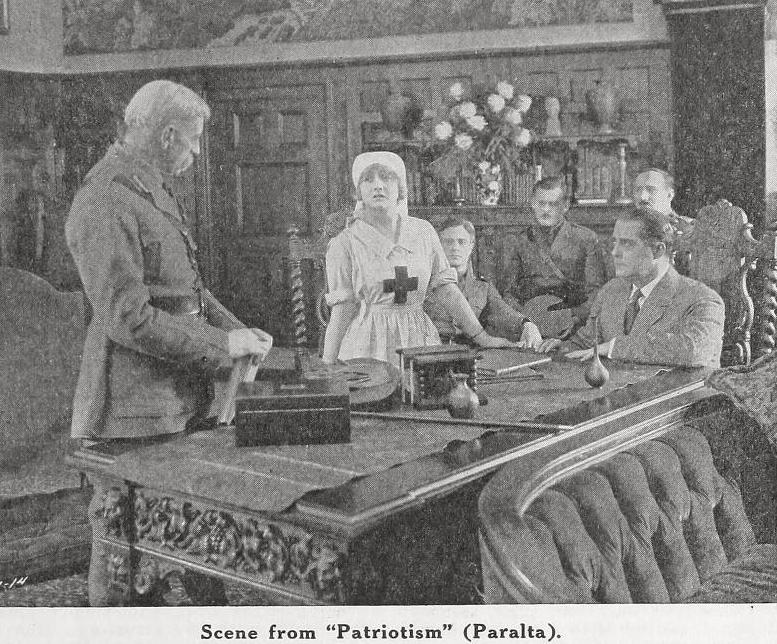
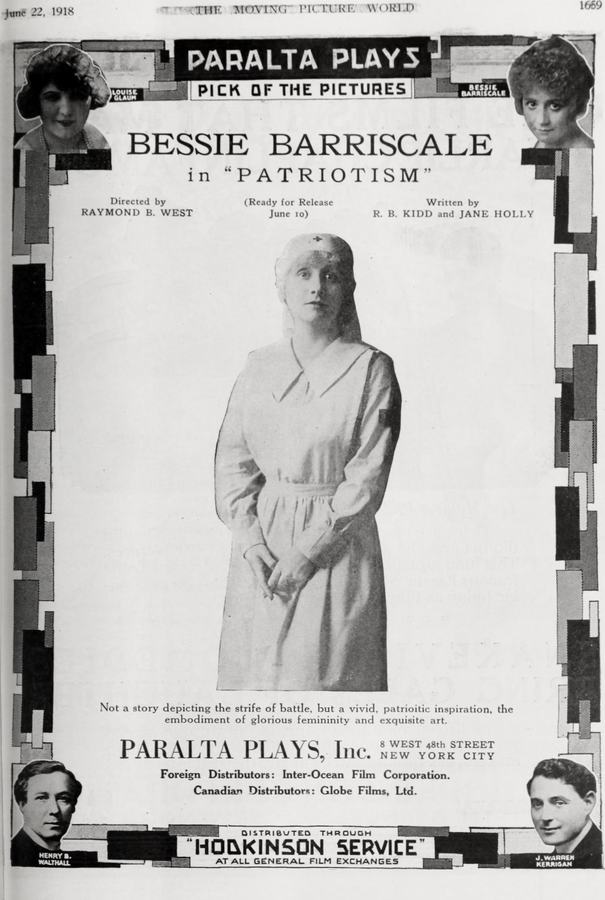
Dir: Raymond B. West
Robin Cameron transforms her home on the Scottish seacoast into a hospital for convalescing soldiers. Sidney Carson, who owns the adjoining estate, and Dr. Hyde both love Robin, but she gives her heart to John Hamilton, an American soldier whose ship was sunk off the coast. When several Allied officials are sent to investigate reports of German spy activities in the area, an air raid occurs, and one of the officers is almost killed. Carson accuses John, and Dr. Hyde, jealous of the American's success with Robin, supports Carson's claim. However, with aid from a little Belgian girl named Mimi, Robin discovers that Carson had sent nightly messages to a fleet of German submarines. Exonerated, John departs for the front, and Robin, although her younger brother Donald has just lost his life in battle, bravely bids him farewell.
View Details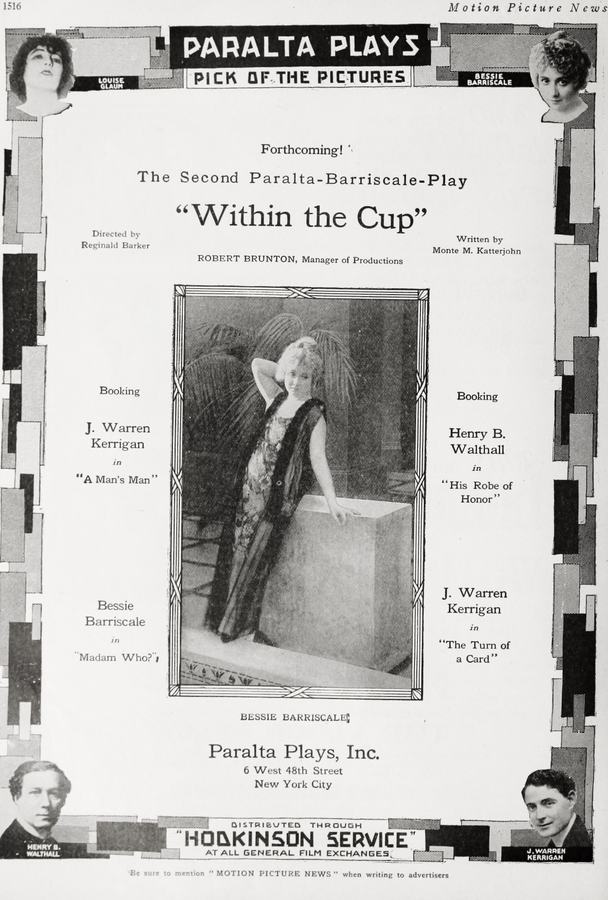
Dir: Raymond B. West
Thisbe Lorraine, an American who hopes to pursue an art career in Paris, falls in love with German aristocrat Ernst Faber, who makes love to the young woman and then leaves her. Disillusioned, Thisbe resolves to live by her own rules and returns to New York, where her sex novels earn her great fame and wealth. At a grotto café in Greenwich Village, Thisbe encounters "Tea Cup Ann," a fortuneteller who predicts that her sinful ways will bring her only sorrow. Later, Thisbe falls in love with artist Le Saint Hammond, who asks her to pose for his statue of Psyche, but when he learns of her past, her rejects her and then begins to drink excessively. Thisbe's sorrow turns to joy, however, when Le Saint finally returns to her.
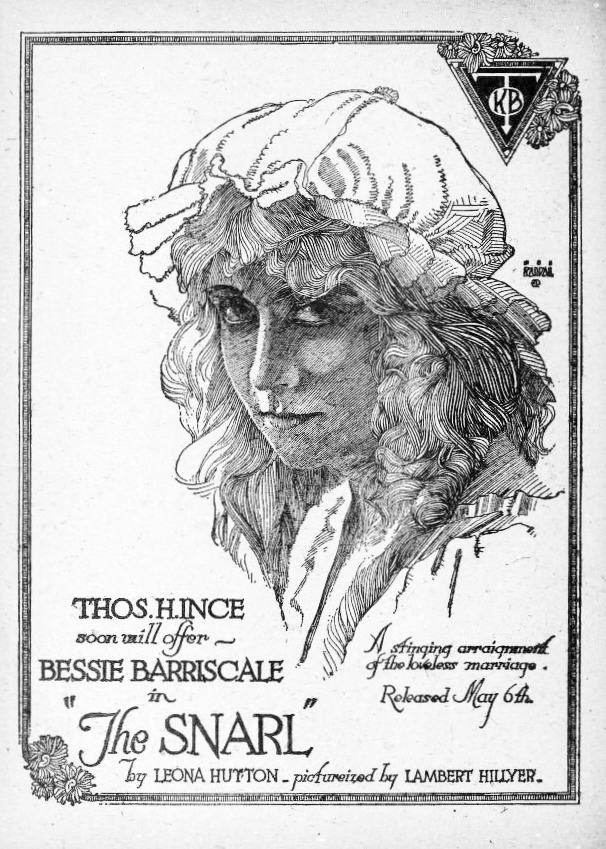
Dir: Raymond B. West
Identical twins in appearance only, sisters Helen and Marion Dean have totally different temperaments: Marion possesses a self-sacrificing character, while Helen is vain and heartless. When Marion, a wonderful singer, is crippled by a car accident just before she is to open at the grand opera, the manager of the opera conceives of the idea of presenting Helen on stage while Marion sings the music behind the scenes. A young millionaire, Monte Bruce, watching from the audience, is captivated by Helen and the two are married. Marion accompanies them on their honeymoon cruise, and when an explosion blinds Bruce, Helen begins to flirt with fellow passenger Jack Mason, leaving her crippled sister to take her place at Bruce's side. Helen's scheme goes awry when Bruce recovers his sight but keeps his recovery secret, thus discovering Helen's duplicity. When a fire breaks out on ship Helen and Mason are drowned while attempting to escape, freeing Bruce to marry Marion, who has recovered the use of her legs.
View Details
Dir: Raymond B. West
Pampy lives in a quaint little Dutch village, where she supports her invalid father by selling flowers to tourists. Pampy is so beautiful that she provides inspiration to Donald Luther, an American artist who is visiting the village, and at his request, poses for him. Just as his interest starts to blossom into love, he is called away for two weeks. During his absence Pampy's father dies, leaving her only with directions to her wealthy grandfather's home in New York. A letter containing money for her voyage is intercepted by the unscrupulous Captain von der Bloom, who takes an innkeeper's daughter to the old man and tries to persuade him that she is his grandaughter. Pampy is finally able to sail to America when the village priest buys her passage, and she arrives just in time to prevent the old man from turning over a large sum of money to von der Bloom. The gloom of the old house is then awakened to laughter as it is filled with Pampy's charming presence, and all ends happily as she is reunited with her artist.
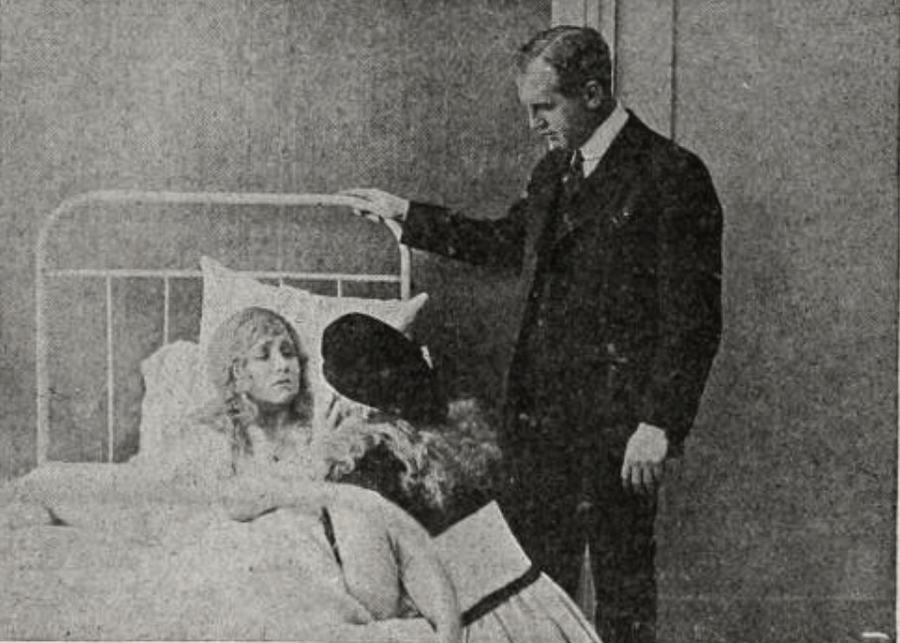
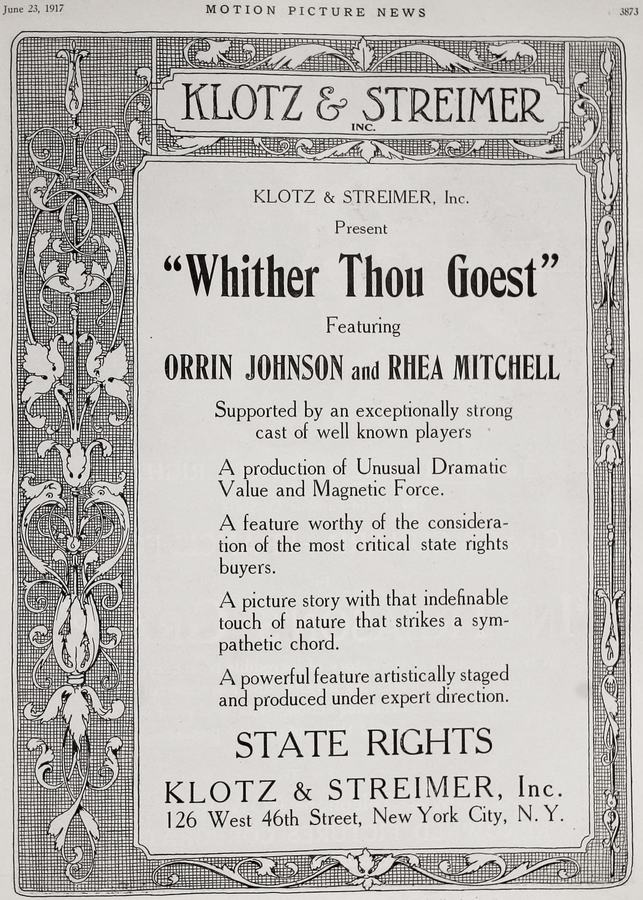
Dir: Raymond B. West
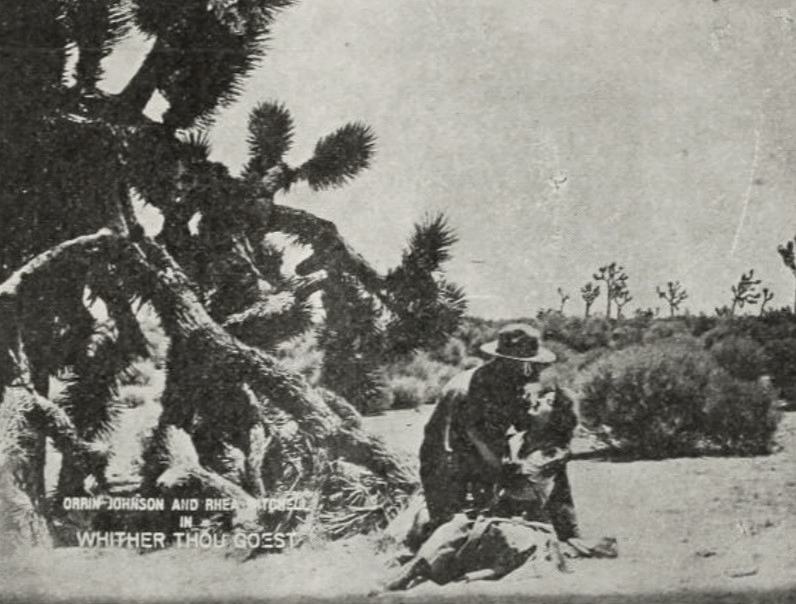
Seized with a fainting spell during a polo game, Donald Van Wye is given six months to live and told he must go to Arizona. His brother Tom, an irresponsible college youth, is wired to come home and take Donald's place. When Tom arrives, Donald finds that his little brother has committed himself to an actress named Maizie. Donald pleads with the actress to give Tom up, but when she refuses, Donald marries her in order to save his brother. The couple go to Arizona where their love ripens, and through Maizie's prayers, Donald regains his health. Mrs. Van Wye then comes to visit and tells Maizie that she is preventing Donald from assuming his rightful place in society. Crushed, Maizie starts across the desert alone, and when Donald learns of his mother's dreadful behavior, he follows Maizie and begs her to stay.
View Details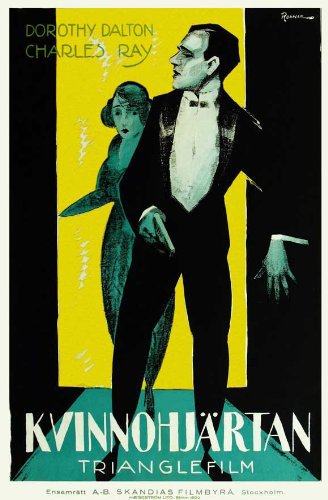
Dir: Raymond B. West
Jack Harding, a wealthy ne'er-do-well, becomes involved with a Broadway vamp. When she is murdered, Jack is falsely accused of the crime and must turn for help to his lawyer--his wife.
Dir: Raymond B. West
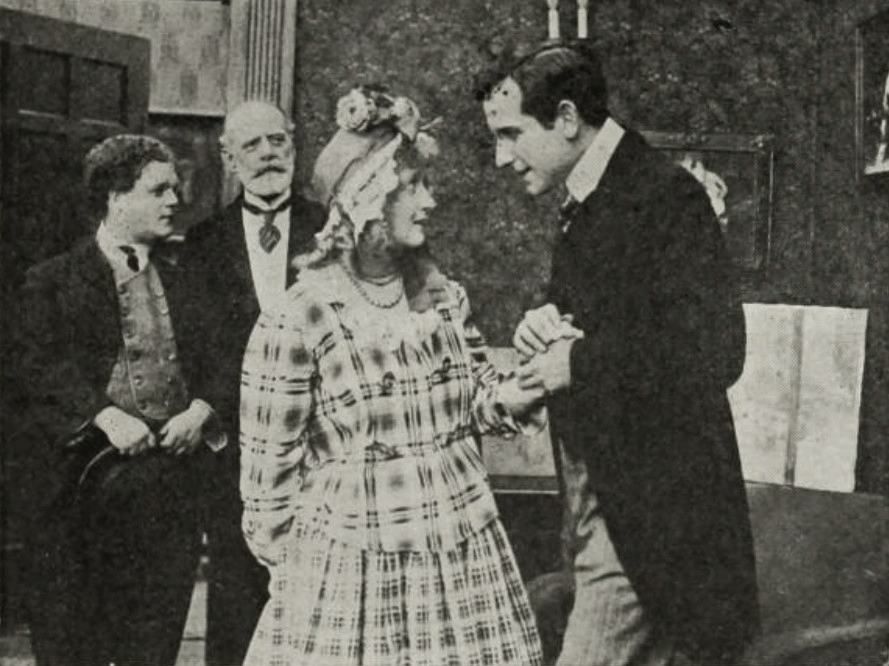
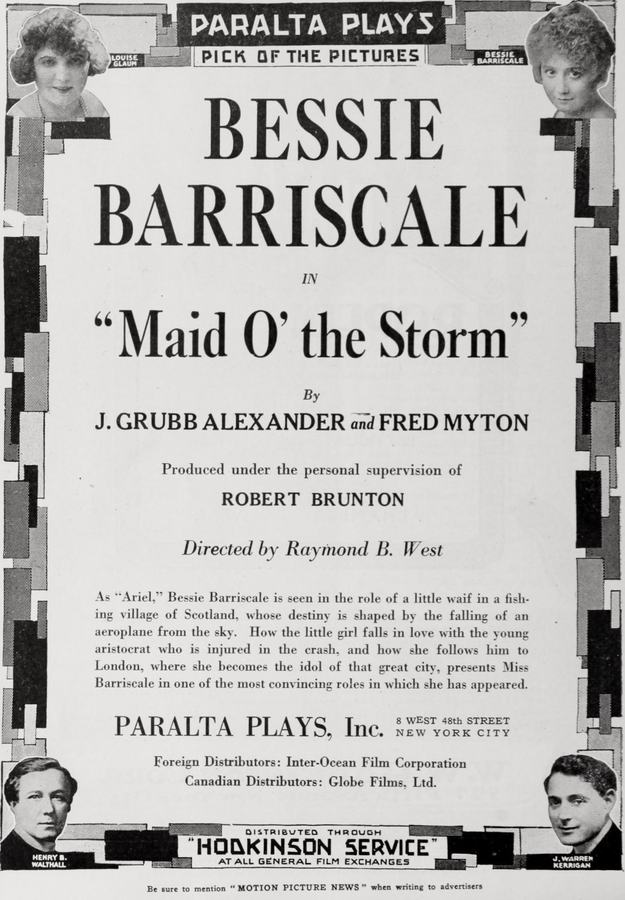
Scottish fisherman Andy MacTavish rescues a baby whom he discovers washed up on the shore during a storm, and names her Ariel. As a girl, Ariel often dances on the beach and dreams of a man who will appear to her out of the mist. Her dream comes true when she witnesses an airplane crash in which the pilot, Franklin Shirley, is injured. Andy and Ariel care for Franklin until he recovers his health, after which he returns home. Having fallen in love with Franklin, Ariel follows him to London, where, with the encouragement of impresario Abe Strohman, she becomes a renowned dancer. Now Franklin's social equal, Ariel uses all her wiles to win his love, despite the fact that he is already engaged to Elaine Shackleford. When Elaine's mother asks her to give him up, however, she reluctantly agrees and prepares to give herself to Strohman. Elaine surprises everyone by eloping with Richard Barrows, leaving Franklin free to wed his dancer.
View Details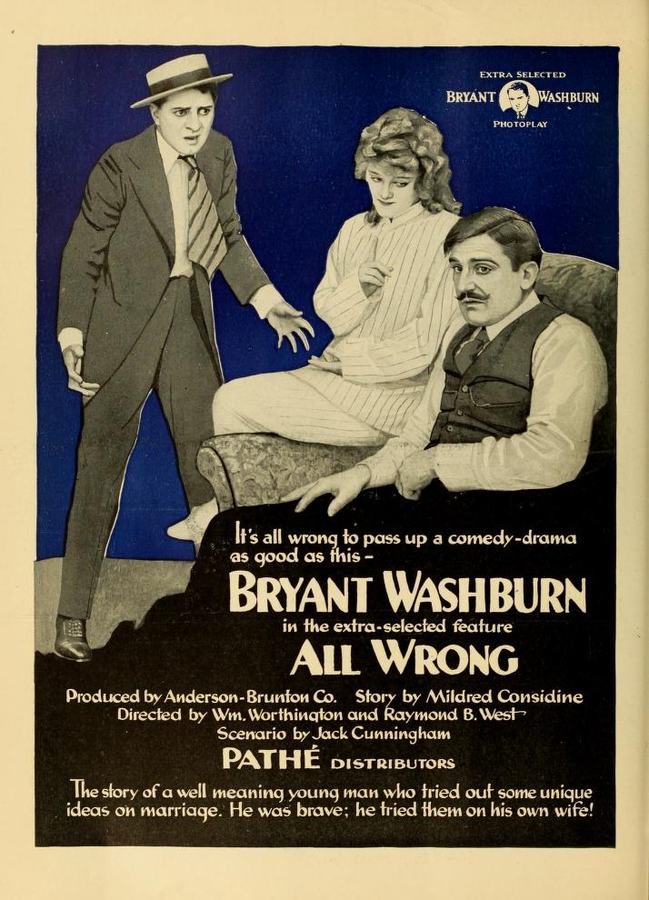
Dir: Raymond B. West
Salesman Warren Kent develops the idea of "The Unending Courtship" and manages to convince his new wife Betty of his theory, which entails their living separately and only meeting on Wednesday evenings, as they did while they were engaged. Warren's boss, however, who was never enamored of the idea, fires him when he bungles an account and loses the company a large order. On top of that, through a series of misunderstandings Warren comes to believe that his wife is pregnant and his mother-in-law believes that Warren is having an affair with Betty's friend Ethel. Things go downhill for Warren from there.
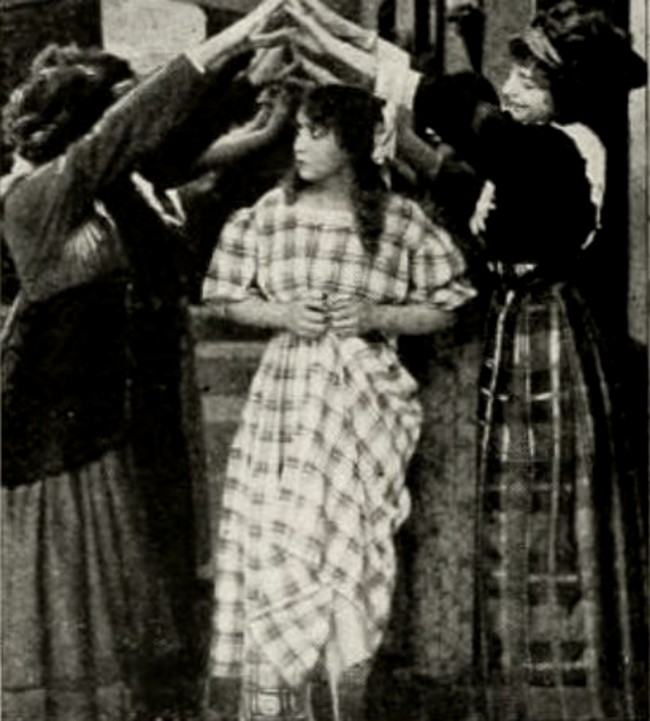
Dir: Raymond B. West
Doris Willard, the daughter of a village minister, achieves the realization of her great dream, a year at college. Doris, although a sweet and pretty girl, is greatly handicapped by her clothes. On her arrival at college she is eyed by the other girls with concealed amusement and curiosity and soon realizes that she "doesn't belong." The girls snub her at every opportunity and she is desperately lonesome and longs for companionship. The Saturday before Thanksgiving when everyone else has gone to the big Princeton-Yale game, Doris sits alone in her room. She picks up the newspaper and sees in it a picture that greatly appeals to her. It is a newspaper cut of "Bullet" Dick Ames, the universal choice for the '"All-American Eleven." She conceives a desperate plan. She thinks nobody at her college knows Dick and decides she will make the girls think he is in love with her. She writes a note to herself to which she signs Dick's name. The note is a proposal of marriage. This she drops on the porch of the girls' hall and it is picked up by one of the girls who reads it to the bunch. Daisy Arnold, the undisputed ruler of the "Beauty Squad," will not believe that Dick knows Doris, and writes to his sister, Eleanor, asking both her and Dick down for the holidays. In her letter she tells Eleanor about Doris claiming Dick has asked her to marry him. Dick sees the letter and he and his sister accept the invitation. When Dick sees Doris, he decides to help her out in her deception. Doris is panic-stricken on the night of the reception given in Eleanor's and Dick's honor, but when she is introduced to Dick he says, "Why sure, we are old friends," and Daisy and her friends are much disappointed, their plan for humiliating Doris having fallen through. After meeting Dick, Doris is unwilling to carry out the deception, but he insists, and before his visit is over they are much in love with each other. Doris, however, refuses to marry Dick, thinking he has asked her out of pity, but through Eleanor's efforts he manages to make her understand that he really loves her.
View Details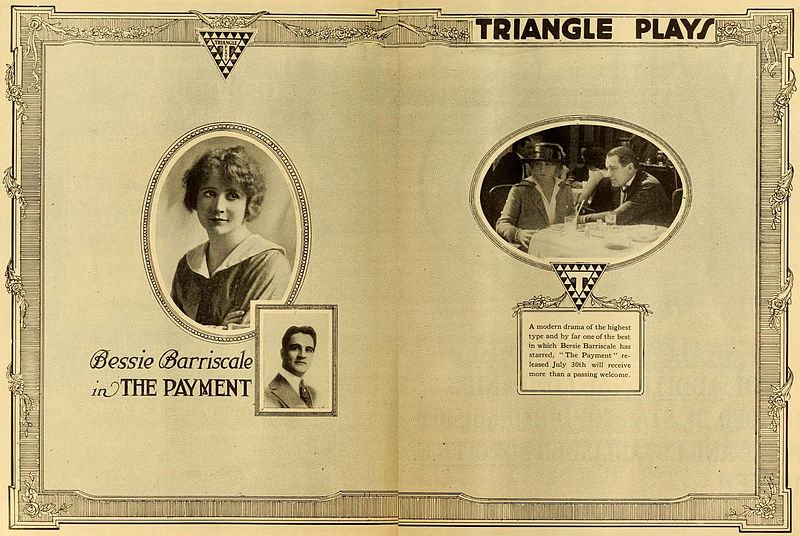
Dir: Raymond B. West
When the wealthy Robert Reyburn offers to pay for struggling painter Phyllis Page to continue her studies in Europe, he is not interested simply in serving as a patron of the arts. As a result, they indulge in a brief romance behind the back of Robert's wife Edith, then, several years later, Phyllis returns to the United States as a famous artist and becomes a high society favorite. Later, Edith successfully arranges a romance between her brother Dick and Phyllis. When Dick proposes, however, Edith turns him down, because she knows that, as his wife, she eventually would have to tell him who gave her the money for her European training and explain the conditions under which the money was offered.
View DetailsAnalysis relative to The Cast-Off
| Film Title | Atmosphere | Complexity | Similarity |
|---|---|---|---|
| Patriotism | Gothic | Dense | 94% Match |
| Within the Cup | Ethereal | Dense | 90% Match |
| The Snarl | Ethereal | Layered | 92% Match |
| Wooden Shoes | Tense | Dense | 85% Match |
| Whither Thou Goest | Ethereal | Abstract | 89% Match |
This guide was algorithmically generated using the cinematic metadata of Raymond B. West's archive. Last updated: 6/12/2026.
Back to The Cast-Off Details →