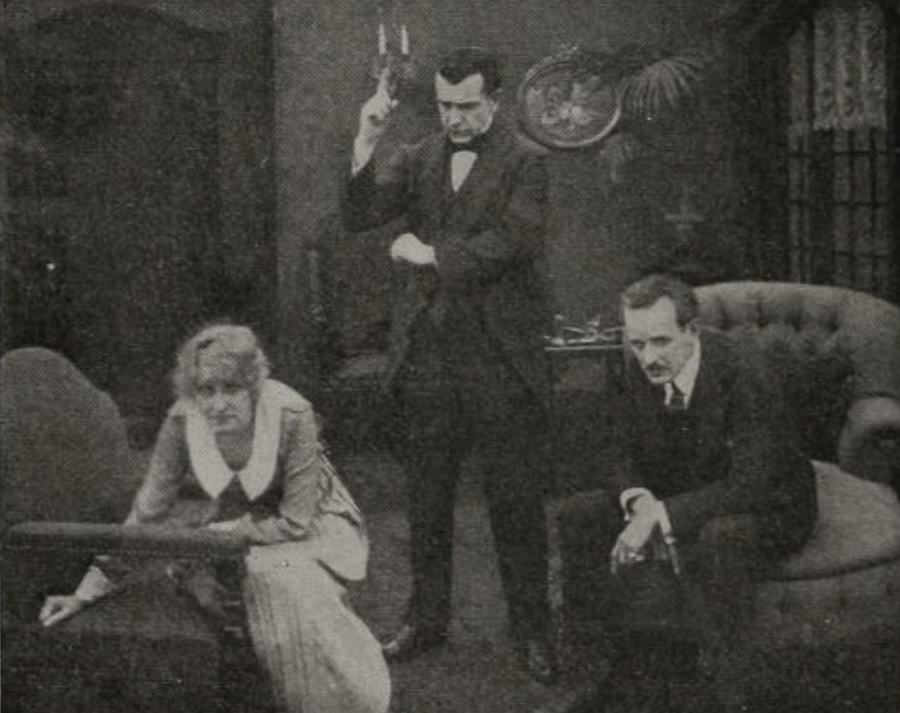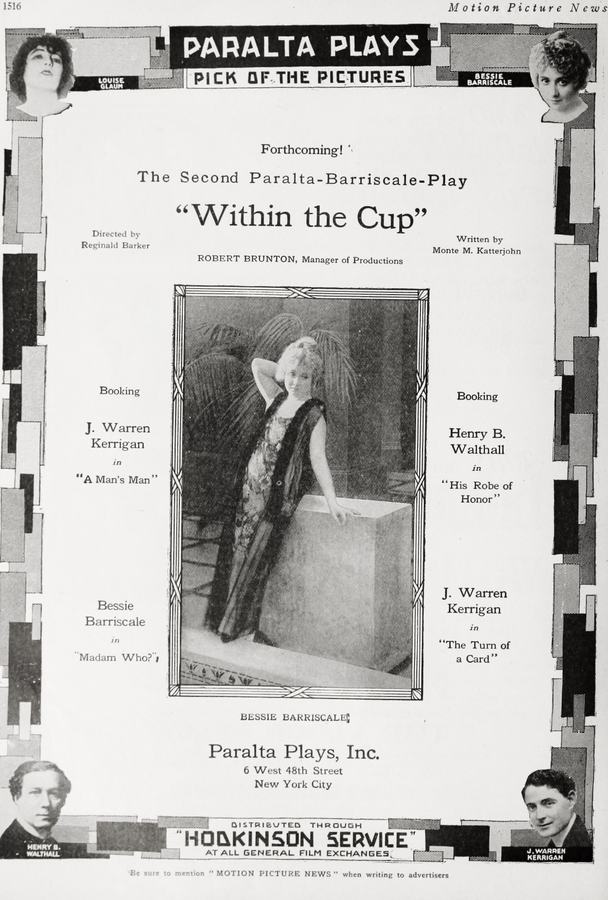
Thisbe Lorraine, an American who hopes to pursue an art career in Paris, falls in love with German aristocrat Ernst Faber, who makes love to the young woman and then leaves her. Disillusioned, Thisbe resolves to live by her own rules and returns to New York, where her sex novels earn her great fame and wealth.
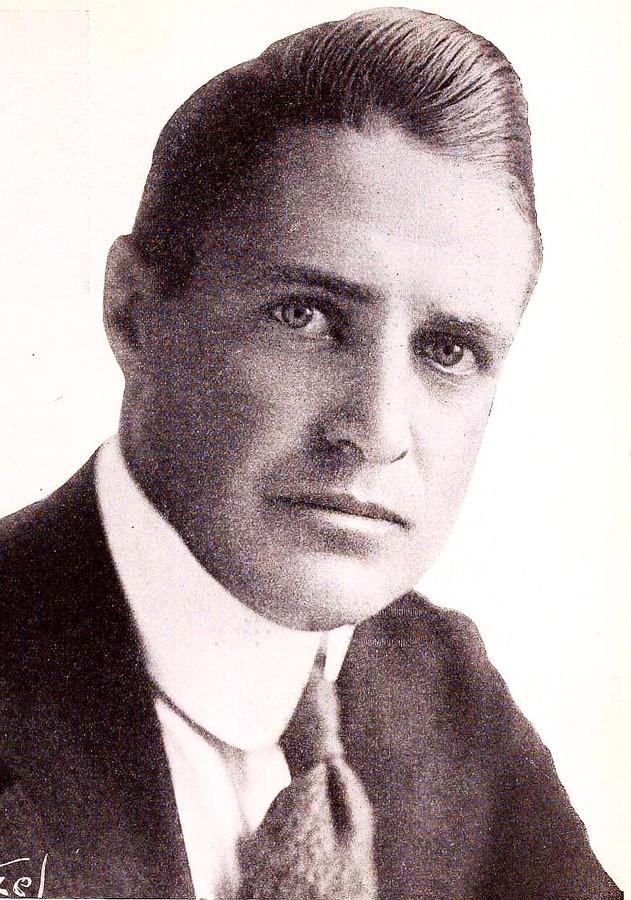
Monte M. Katterjohn, Roy S. Sanford
United States
The Unyielding Spirit: A Deep Dive into 'Within the Cup' In the annals of early 20th-century cinema, certain narratives emerge not merely as stories, but as potent cultural artifacts, reflecting and refracting the societal anxieties and burgeoning freedoms of their era. 'Within the Cup' (1917) stands as one s...
Comparing the cinematic DNA and archive impact of two defining moments in cult history.
Raymond B. West
Raymond B. West
Community
Log in to comment.
" The Unyielding Spirit: A Deep Dive into 'Within the Cup' In the annals of early 20th-century cinema, certain narratives emerge not merely as stories, but as potent cultural artifacts, reflecting and refracting the societal anxieties and burgeoning freedoms of their era. 'Within the Cup' (1917) stands as one such compelling testament, a silent film that, despite its age, resonates with a startling prescience. It is a cinematic journey that delves into the tumultuous life of a woman dari..."
Deep dive into the cult classic
Discover similar cinematic experiences
A Directorial Spotlight on Raymond B. West