
DbcultAccessing Vault...
Recommendations
Senior Film Conservator
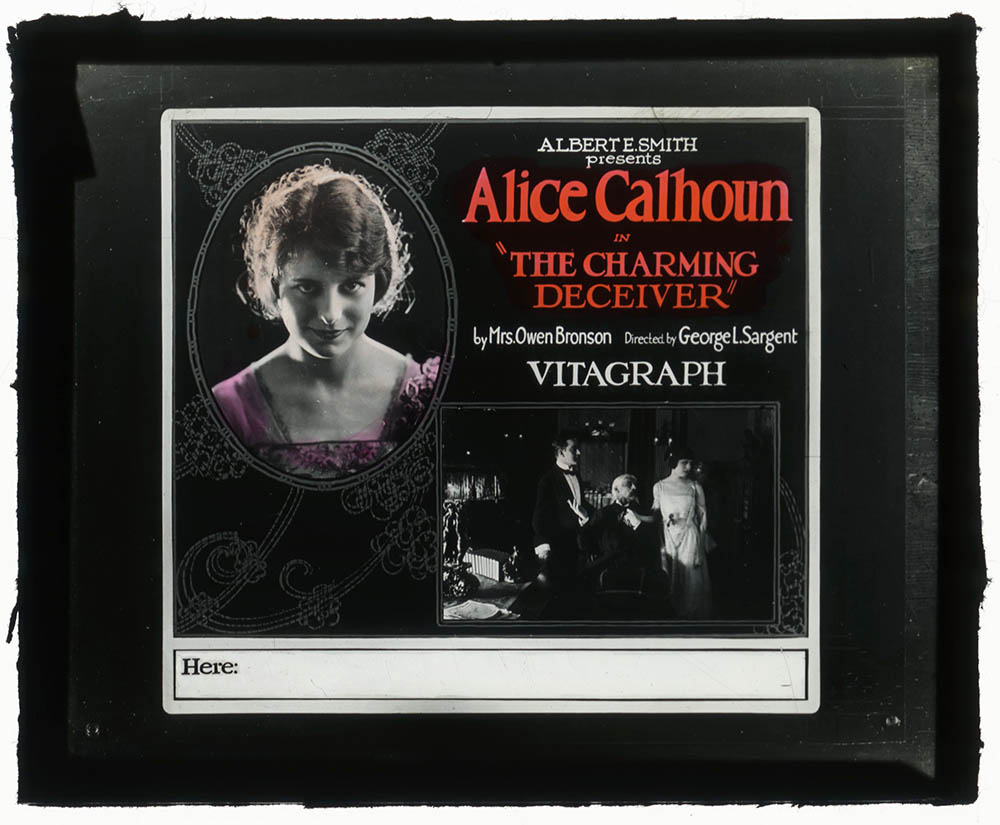
Looking back at the 1921 milestone that is The Charming Deceiver, the specific thematic gravity of this work is a gateway to a broader Drama world. Our archive is rich with titles that mirror the thematic gravity of George L. Sargent.
As George L. Sargent's most celebrated work, it defines to create a dialogue between the viewer and the thematic gravity.
Wealthy and lonely John Stanford sends for Edith Marsden, the child of his disowned daughter, who, unknown to him, has just been evicted from her flat with her husband imprisoned for forgery and her son recovering from war wounds. Edith becomes a favorite of Stanford, who wishes to match her with a neighbor, Walling, who loves her. Meanwhile, Marsden escapes and comes to Edith under the guise of a brother, but in a drunken rage he reveals himself to Walling as her father. When pursued by the police, Marsden falls to his death in a quarry. Edith and Walling are then happily reunited.
The Charming Deceiver was a significant production in United States, showcasing the immense talent of Eugene Acker, Alice Calhoun, Robert Gaillard. It continues to be a top recommendation for anyone studying Drama history.
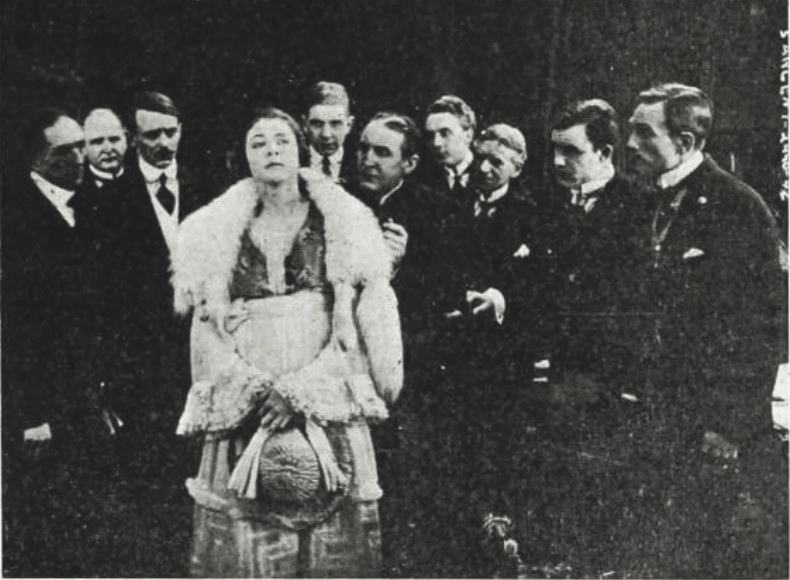
Based on the unique thematic gravity of The Charming Deceiver, our vault has identified these titles as the most compelling follow-up experiences for fans of Drama cinema:
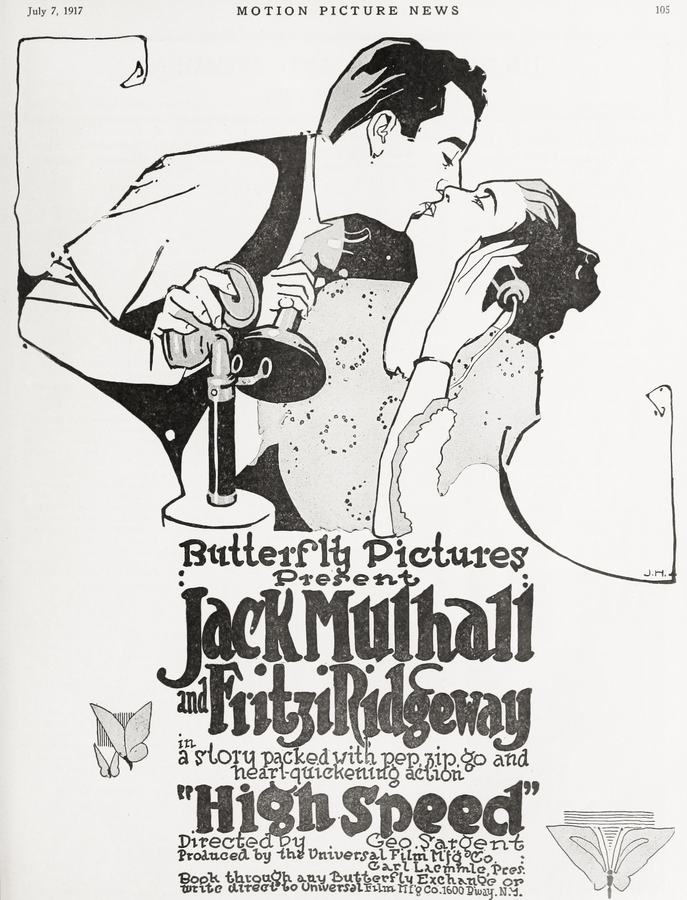
Dir: George L. Sargent
Father made millions in pork, and was proud of the fact, but his society loving wife wanted to forget that there was ever such a thing as a pig. Consequently she sent her daughter Susan off to a finishing school where she absorbed a blasé manner. Father was anything hut pleased with the change. One day at the club father came in contact with "Speed" Cannon and was so impressed with the effect his presence had upon people, that he determined to try an experiment. He visits "Speed's" office and on a pretext gets him to his palatial home. As they arrive a burglar has terrorized its women occupants. "Speed" proves a hero, but Susan evinces only a passing interest. "Speed," however, is smitten with the languorous Susan, and welcomes the opportunity of seeing her again. "Speed's" courtship is as fast as he is himself. After two weeks he manages to smuggle Susan away from a reception in honor of Count Englantine. He secures her consent to their marriage, but she shows so little interest "Speed" is nonplussed. She is discovered by mother, who whisks her to the Count, who proposes. Susan puts him off. "Speed" again finds her and proposes that they elope. Susan thinks that would be romantic. Father lends his aid; but it is unavailing, for Susan is so slow that mother discovers her. "Speed" is all broken up, but father has a tip on the market, and his woes arc forgotten as he talks over the details with "Speed." Next day "Speed" starts father's stock movement. Susan dismisses the Count and writes "Speed," declaring her love. The maid gets the notes mixed. "Speed" is broken-hearted and sends an attendant for a gun, while the Count dashes to Susan. She quickly disillusions him and dashes in search for "Speed." She finds him in time to prevent his killing himself, with an empty gun. She whisks him back to the office. Father hikes to the office with a minister. Mother, becoming suspicious, visits the office where the ceremony is being performed. Father holds her long enough to have Susan and "Speed" married. Mother is sore until she learns father's fortune has been augmented and accepts "Speed" because he made it possible.
View Details
Dir: Bruno Ziener
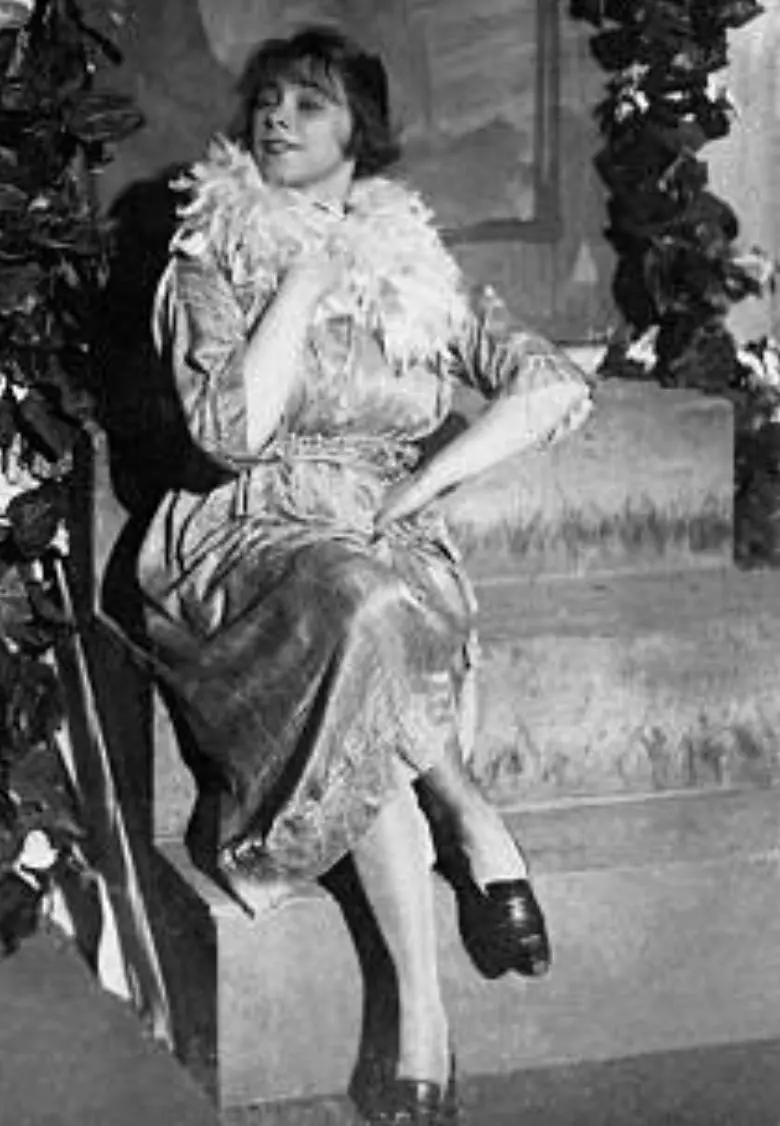
A fascinating piece of cinema that shares thematic elements.
View Details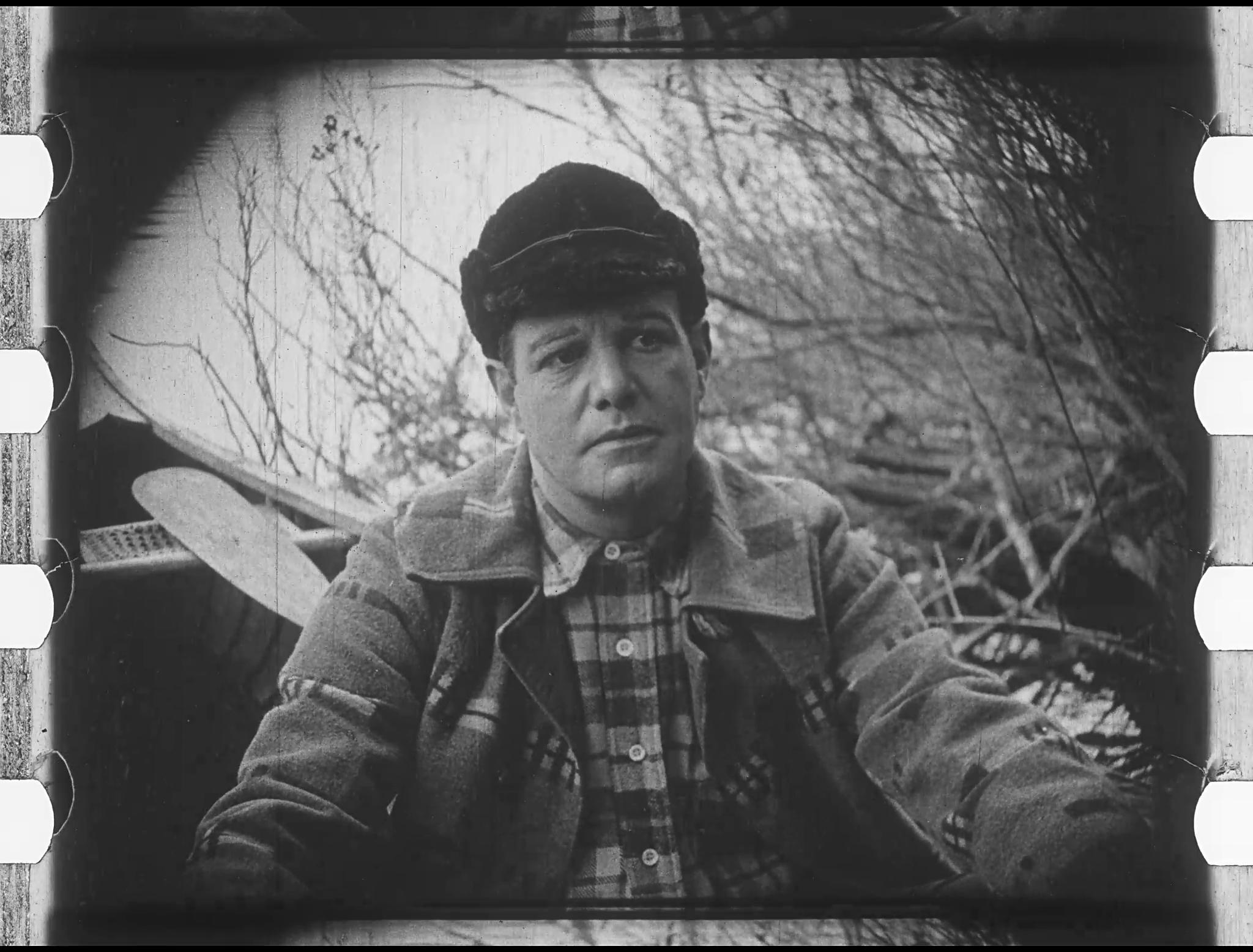
Dir: Edgar Jones
A mail-order bride arrives at a Maine lumber camp but doesn't like her prospective husband.
View Details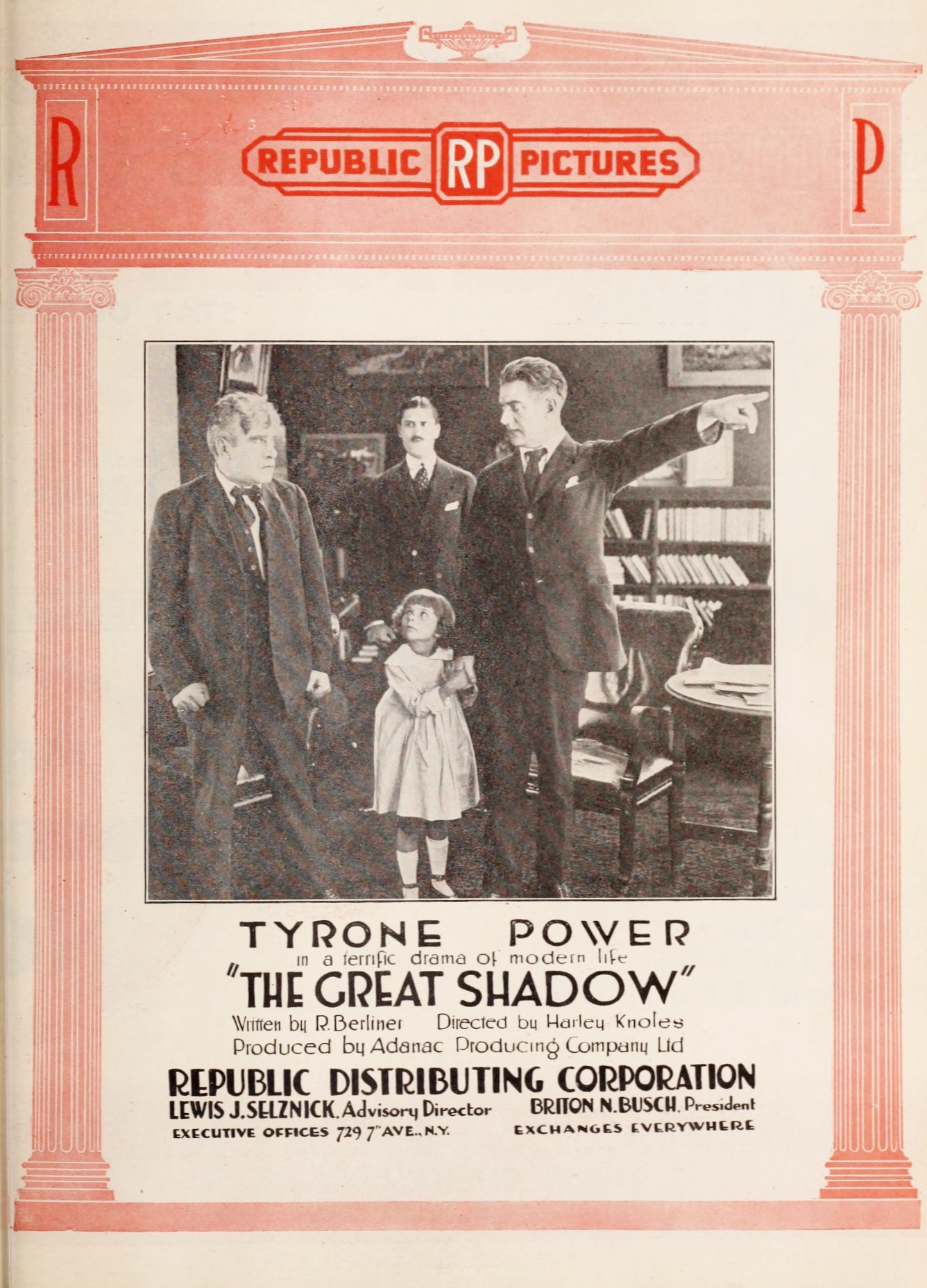
Dir: Harley Knoles
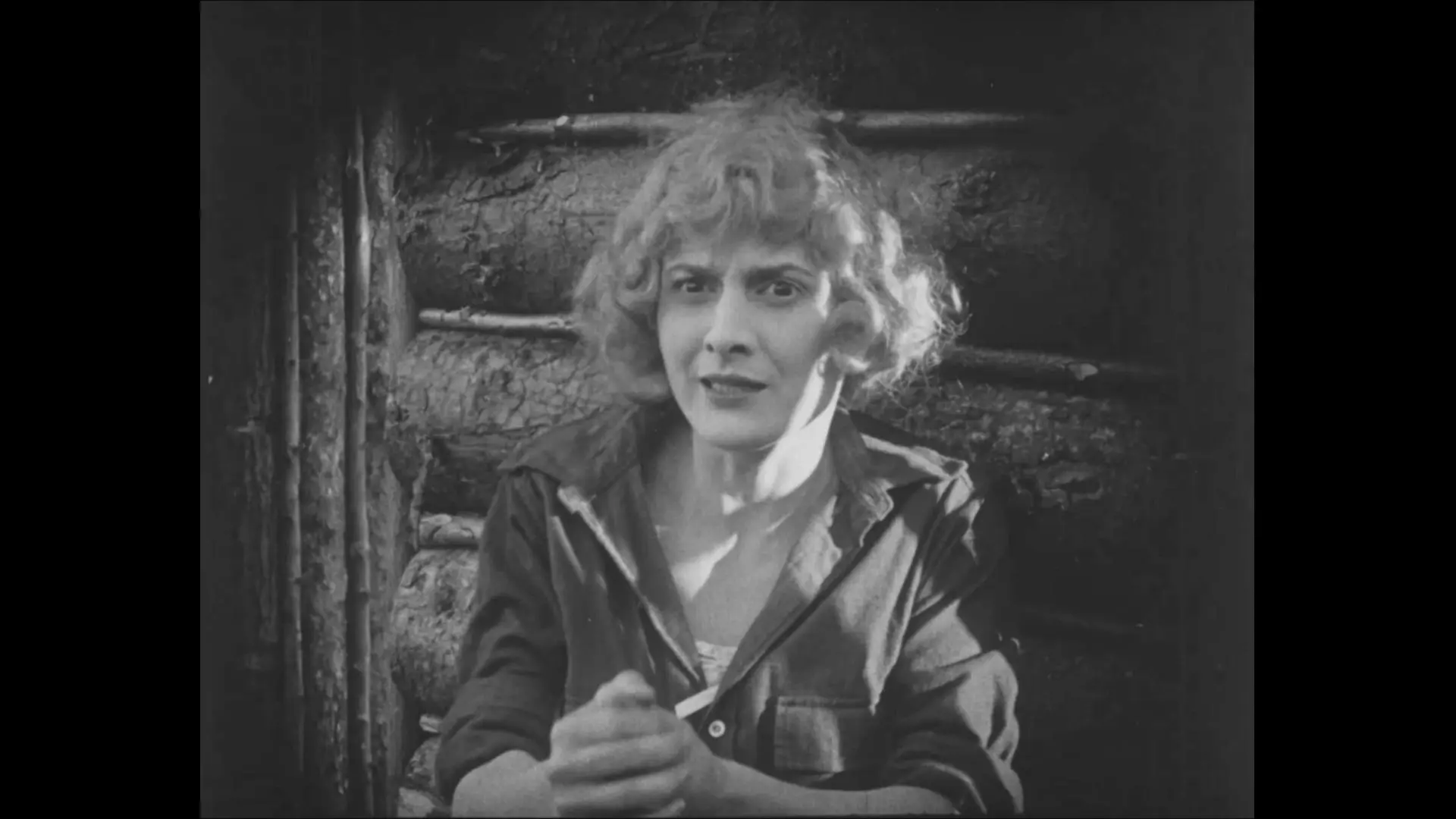
Jim McDonald, the foreman of a shipbuilding plant and head of the labor union, strives to combat the anarchistic propaganda being put forth by Klimoff, the leader of a Bolshevik gang whose goal is to disrupt the country with strikes and anarchy. Despite McDonald's efforts, a strike is called, resulting in chaos. McDonald's child is knocked down by runaway horses abandoned by their striking driver, and dies. Mob scenes take place in America, as well as in Russia. Eventually, the unrest is quelled with an armistice called between Capital and Labor for a year, during which time wages are to be increased to reflect the cost of living, and leaders are to work out a common plan for their mutual advantage. The strikers now realize that they have been pawns of the Bolsheviks and call off the strike, agreeing to the plan.
View Details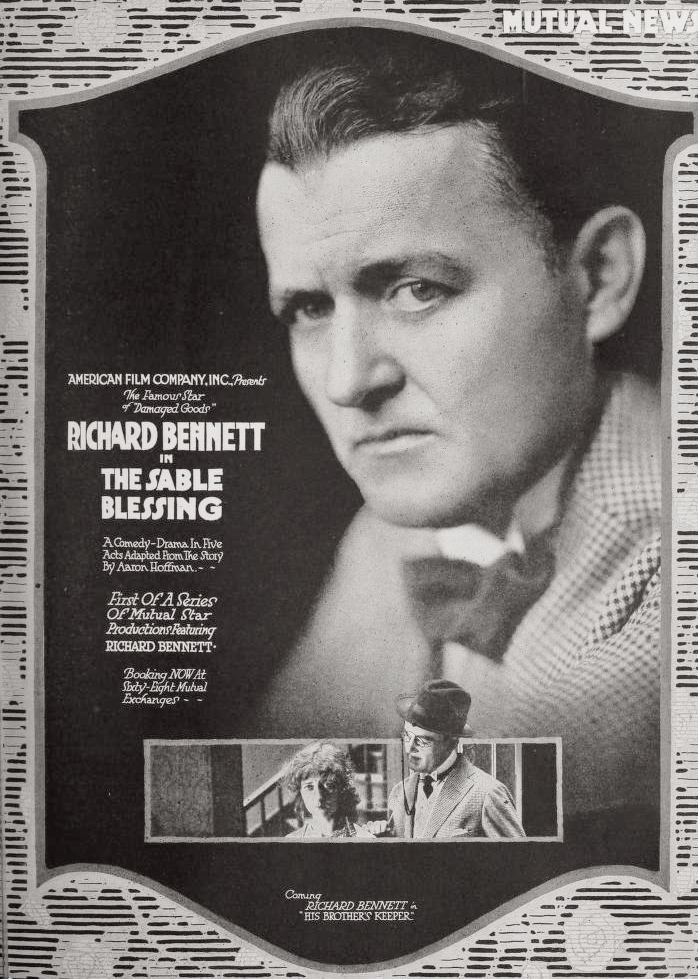
Dir: George L. Sargent
John Slocum has always been a worthy young man. When a boy of twelve his Uncle Henry introduced him to little Bess De Voe, telling them that when they grew up they should marry. John's uncle sends him to the New York manager of a publishing house with instructions to "give him a job at what he is worth, and keep him on until he makes good." John thanks him, but stipulates that he does not intend to marry Bess. As the story opens, John is living in a New York boarding house. There is a waitress and general slavey there, called Little Mary, with whom John is in love. He tells her the "sad" story of his life, makes himself out good for nothing, and then proposes to her. They agree to start a joint bank account and save up to get married. For months they pinch and save. As time goes on Uncle Henry pays a visit to the city. John insists that his uncle shall take lunch with him. John takes Uncle Henry to his room, and the "old boy" is amazed to find that John has pictures of motion picture actresses plastered all over his walls, and that his own favorite and ward, Bess, is the bright particular star of the exhibit. John, however, is unaware of the real identity of the actress, and is still in love with Mary. After lunch Mary is introduced, but the uncle only frowns and carries John away to Bess. Uncle Henry declares that they must marry or he is through with them. Mary finds two tickets for a Belgian Relief Fund raffle, and with John she goes down to see what the ticket has won. To their great surprise he wins a sable overcoat. John puts it on. It feels fine, but he declares they will pawn it next day. John swells up in the coat. Everybody laughs at the contrast between it and his suit and shoes. Finally he gets a suit and shoes to match the coat in elegance, taking the money out of the "hope chest." By this time the joint bank account of John and Mary has ebbed away until the original balance of $381.20 has shrunk to $103.06. At this dark moment John overhears his boss and a friend discussing stocks and predicting that American Airoplanes stock will jump a mile before night, and that a hundred dollars will make a young fortune. John takes the cue and buys American Airoplanes. He watches the market closely, pyramiding his stock, and while Uncle Henry is demanding of Bess that she marry John instantly John is piling up a fortune. The broker hands him his check. Bundles and packages commence to arrive for him at the boarding house. Mary surveys the pile in dismay as she wonders where the joint account has gone. When John comes, Mary tells him to go marry Bess with all her fine clothes. John hands her a fat roll of bills, and tells her to go and buy clothes. John leaves the boarding house and Mary becomes despondent. She determines to dress up and win him back. John has gone to visit Bess in obedience to a request from her. He meets Bess at the tavern, and she takes a large amount of money from him. Mary, finely dressed, appears at the tavern. Crow, the boss of the publishing house, sees her and likes her appearance. It so happens that Bess has prevailed upon John to take her to the Tavern also, and they occupy a booth near to the one in which Crow is trying to ply Mary with wine. Crow contrives to let Mary see John and Bess in their booth. Crow drags Mary away, but John has seen her and dashes after. He locates Crow and Mary in a booth to which Crow has forcibly taken her, and John casts Crow violently aside and embraces Mary. Crow recovers sufficiently to beg Mary's pardon, while Bess departs. Late as is the hour, John finds a minister and marries Mary.
View Details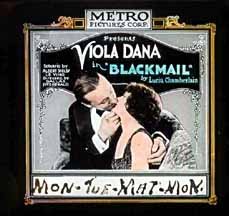
Dir: Dallas M. Fitzgerald
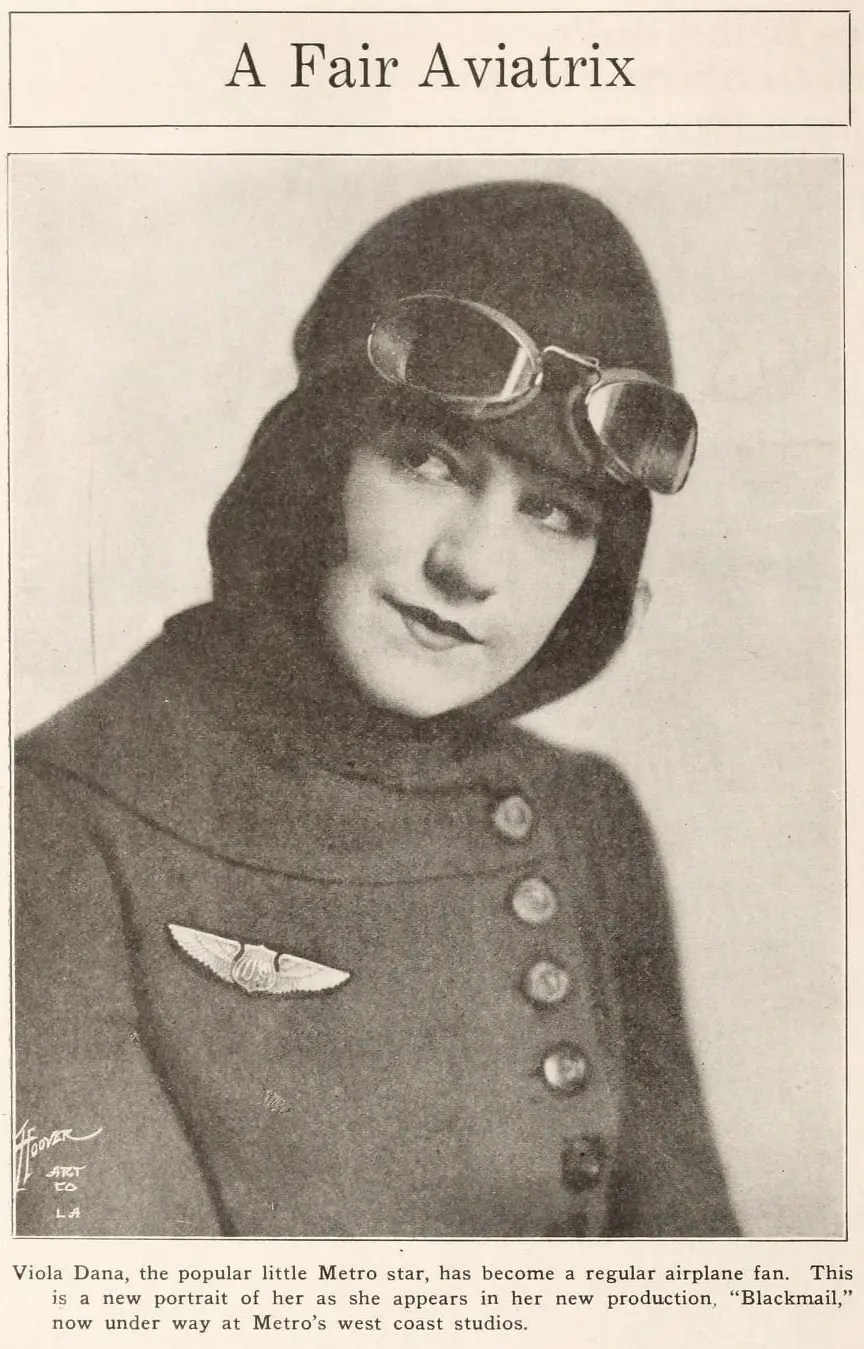
Confidence artist Flossie Golden attempts to fleece foolish but wealthy James Venable with a breach-of-promise suit. Venable's shrewd attorney, Richard Harding, outwits Flossie by proposing that she marry Venable and live on an allowance of $3,000 per year. Flossie is determined to get even with Harding for ruining her plans. In an attempt to con him, she poses as Innocence Page, but falls in love and marries him instead. Larry, Flossie's former accomplice, endeavors to blackmail her with her errant past, but Harding is already cognizant of the facts and Larry fails.
View Details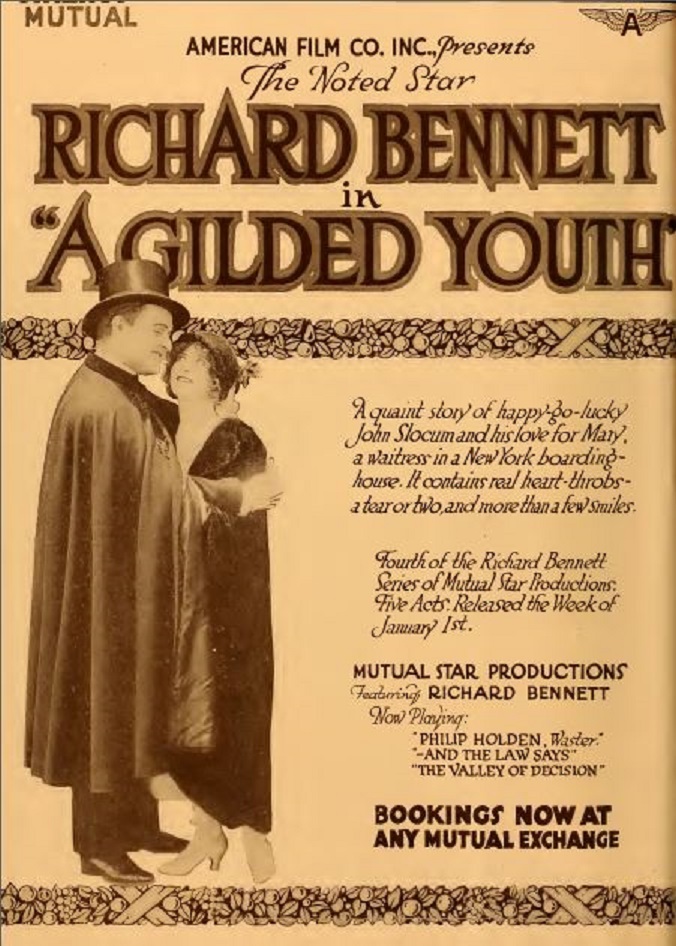
Dir: George L. Sargent
Mary, the maid in a boardinghouse, falls in love with boarder John Slocum. Planning to marry, the couple jointly opens a savings account. In order to increase the account, John deprives himself of the barest necessities until he realizes that his scraggly appearance is making him the laughingstock of his office. After winning a lottery, John takes his winnings and invests them in fine clothes which allow him entry into exclusive restaurants where he eavesdrops on the brokers for stock tips. Meanwhile, Mary, suspicious of John's new raiment, believes that he is having an affair, but is pleasantly surprised when the tips pay off, making John a millionaire.
View Details
Dir: George L. Sargent
Shye, seated under a tree near the seminary, is not so wrapped in his studies as to fail to see the trim ankle displayed by Tottie as she stoops to tie her shoelace. His eyes stray upward until they rest upon her face. At once Shye forgets all about his studies. The love-sick young man follows Tottie, who happens to be on her way to Maxim's, where she is due to take part in a Saturday matinee performance. Returning home, he suggests to his three friends (much to their amazement) that they make a trip to Maxim's that evening. Anxious to see the girl who has made such an impression upon him, Shye waits for midnight, when the cabaret is due to commence, with extreme impatience. The sight of Tottie in the various numbers fills him with ecstasy. The first part of the performance over, Shye collects the flowers from the holders on the tables and then endeavors to enter Tottie's dressing room. A man guards the door, however, and Shye is compelled to grease his palm before he can gain admittance. Tottie appears glad to meet him and promises to have supper with him after the show. Unknown to Shye, his friends are also smitten with the little blonde and like him, get Tottie's promise to have supper with them. The men hasten around to the rear entrance and the sight of each other waiting for the same girl fills them with ire. A fight is about to take place, when out walks Tottie, clinging to the arm of the individual whom all had to bribe before they could see her. Calmly introducing Tottie to the love-stricken youths as his wife, he and the little blonde walk away.
View Details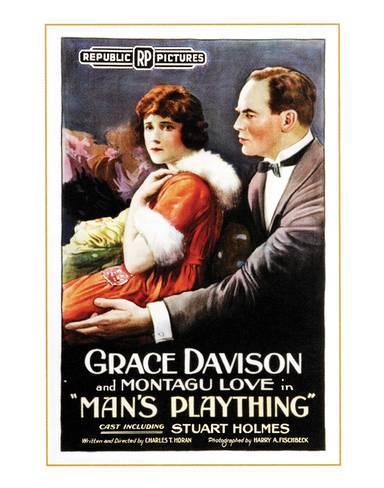
Dir: Charles Horan
While working as a flower girl in Devlin Maddox's nightclub, Nellie Vaughan meets wealthy young Pelton Van Teel and falls in love. Maddox, desirous of using Nellie to blackmail Van Teel, spreads a rumor that she is his mistress. This makes Nellie uncomfortable, and she demands that Van Teel marry her immediately, to which he agrees. Meanwhile, Van Teel has been losing money gambling to Maddox, who threatens to break up the marriage by producing a worthless check that the young husband has written. Venturing to Maddox's apartment for a showdown, Nellie pulls a gun and demands the check, accidentally shooting Maddox when he throws a lamp at her. Maddox plans to charge Nellie with assault, but when the police arrive, his butler, actually a detective employed by the elder Van Teel, exposes Maddox, who is then arrested, clearing the path for the couple's happiness.
View Details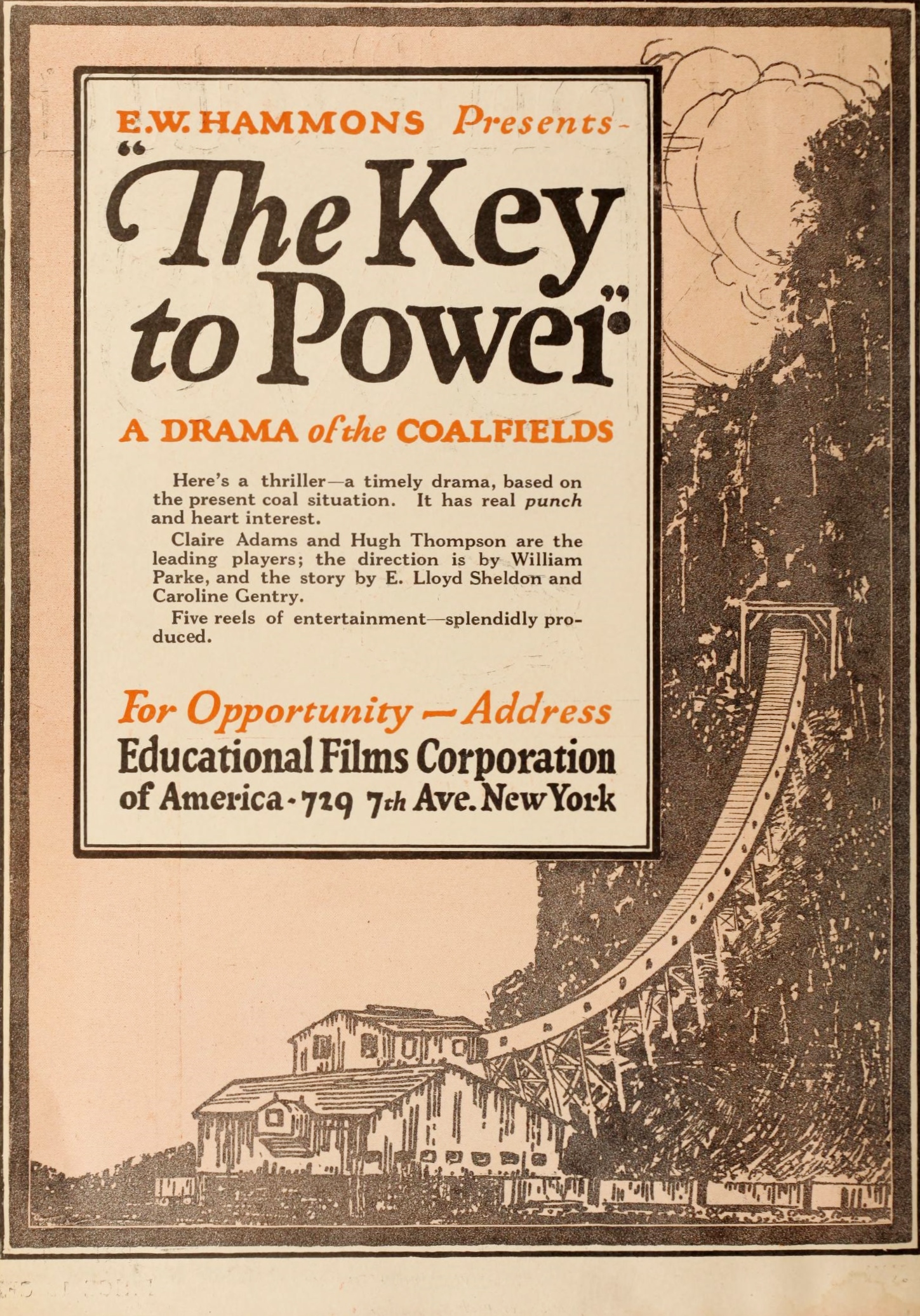
Dir: William Parke
Bruce Wendell, the son of West Virginia coal mine owner James Wendell, graduates from West Point and prepares to lead a fighting unit to the front during World War I. As his father lies dying, however, he convinces Bruce to remain at home and guard the mine. Bruce's fiancée Ann Blair assumes that he is a coward and breaks off their engagement, but her brother Bobbie remains Bruce's loyal friend. Meyer, a German agent, persuades railroad president Parrish to refuse to transport Wendell's coal, but when Bruce adamantly refuses to close the mine, the spy's men decide to blow it up. While Ann is being abducted by Meyer, Bobbie is buried in an explosion at the mine. Bruce rescues Bobbie and then sends a plea to Lieutenant Parrish to rescue Ann. Meyer and his gang are captured and Ann renews her vow of love to Bruce.
View DetailsAnalysis relative to The Charming Deceiver
| Film Title | Atmosphere | Complexity | Similarity |
|---|---|---|---|
| High Speed | Tense | Linear | 90% Match |
| Eva, wo bist du? | Gothic | Dense | 86% Match |
| In the River | Gritty | High | 92% Match |
| The Great Shadow | Gothic | High | 94% Match |
| The Sable Blessing | Tense | High | 95% Match |
This guide was algorithmically generated using the cinematic metadata of George L. Sargent's archive. Last updated: 6/25/2026.
Back to The Charming Deceiver Details →