Summary
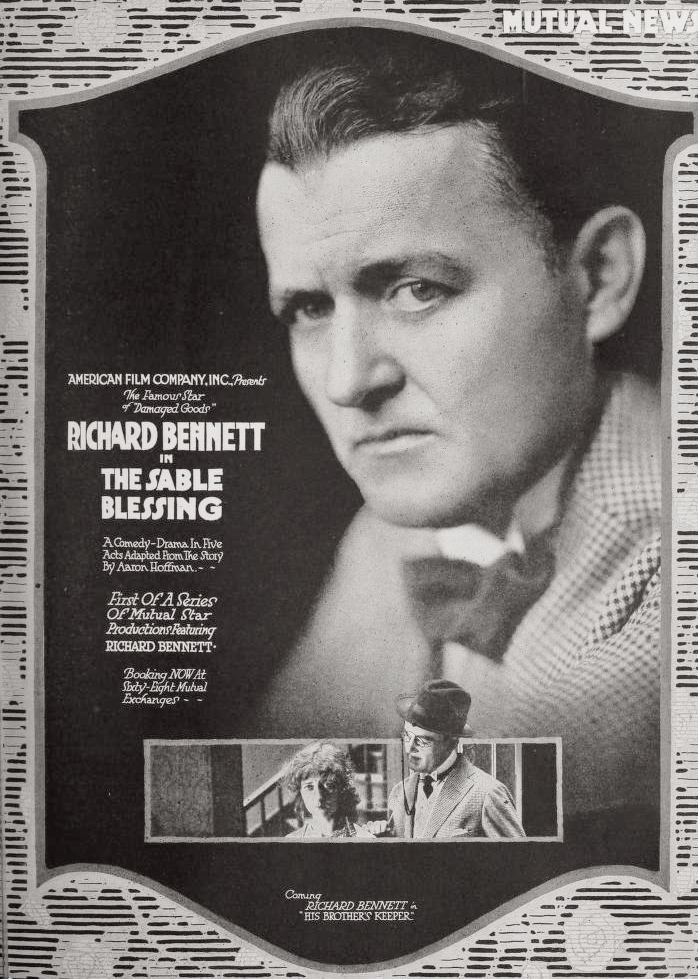
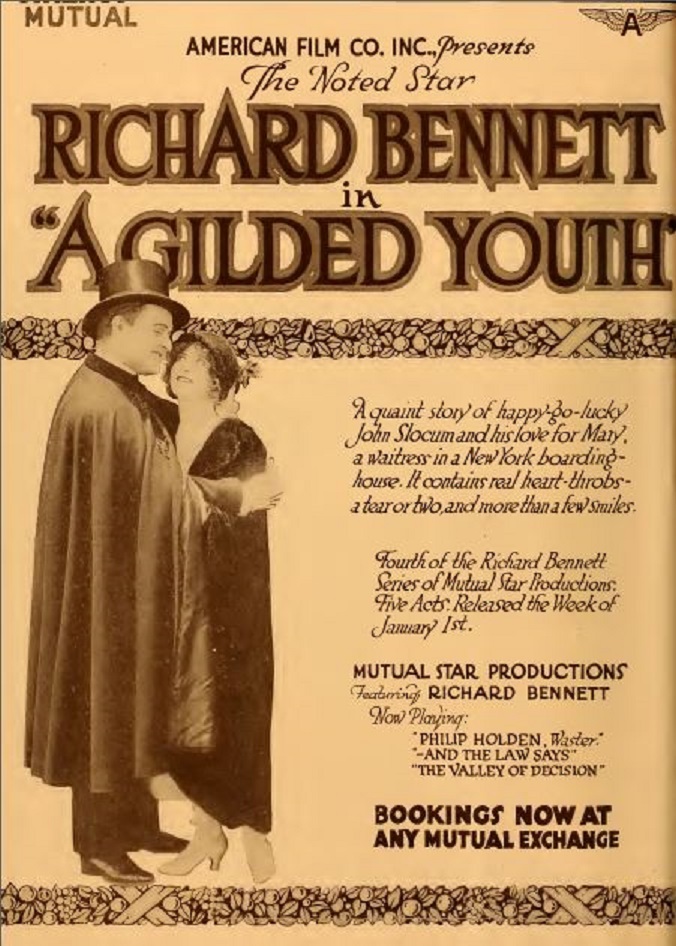
A penniless clerk, John Slocum, shackled by a childhood betrothal to the unseen heiress Bess De Voe, toils in a Manhattan boarding-house where grease-lamp shadows sketch his longing for the scullery sprite Little Mary. Their courtship is a nickelodeon of frayed collars and shared coffee dregs, sealed by a thrift-account that swells like a cautious heart. When a fluke raffle bestows a sable overcoat—inky, sumptuous, almost carnal—John’s body becomes currency: the coat tailors him into a man the city finally recognizes, yet every velvet lapel siphons coins from the lovers’ dowry. Stock-market alchemy catapults him overnight from pauper to plutocrat, but the jackpot corrodes the arithmetic of tenderness; parcels of silk replace whispered promises, and the boarding-house attic turns into a mausoleum of empty savings ledgers. In a tavern’s gaslight miasma, jealousy choreographs a three-way danse macabre: Bess claws at respectability, the publisher Crow circles Mary like a wolf in white spats, while John’s newfound ermine prestige chafes against the memory of oatmeal suppers. The climax is a secular resurrection: John flings Crow across the saloon’s sawdust, rips the mask of affluence from his own face, and weds Mary in a dawn ceremony that reeks of beer and benediction. The sable coat, once fetish and fetters, ends slung across a park bench, a discarded chrysalis beside two tram tickets to a cheaper borough.
Synopsis
John Slocum has always been a worthy young man. When a boy of twelve his Uncle Henry introduced him to little Bess De Voe, telling them that when they grew up they should marry. John's uncle sends him to the New York manager of a publishing house with instructions to "give him a job at what he is worth, and keep him on until he makes good." John thanks him, but stipulates that he does not intend to marry Bess. As the story opens, John is living in a New York boarding house. There is a waitress and general slavey there, called Little Mary, with whom John is in love. He tells her the "sad" story of his life, makes himself out good for nothing, and then proposes to her. They agree to start a joint bank account and save up to get married. For months they pinch and save. As time goes on Uncle Henry pays a visit to the city. John insists that his uncle shall take lunch with him. John takes Uncle Henry to his room, and the "old boy" is amazed to find that John has pictures of motion picture actresses plastered all over his walls, and that his own favorite and ward, Bess, is the bright particular star of the exhibit. John, however, is unaware of the real identity of the actress, and is still in love with Mary. After lunch Mary is introduced, but the uncle only frowns and carries John away to Bess. Uncle Henry declares that they must marry or he is through with them. Mary finds two tickets for a Belgian Relief Fund raffle, and with John she goes down to see what the ticket has won. To their great surprise he wins a sable overcoat. John puts it on. It feels fine, but he declares they will pawn it next day. John swells up in the coat. Everybody laughs at the contrast between it and his suit and shoes. Finally he gets a suit and shoes to match the coat in elegance, taking the money out of the "hope chest." By this time the joint bank account of John and Mary has ebbed away until the original balance of $381.20 has shrunk to $103.06. At this dark moment John overhears his boss and a friend discussing stocks and predicting that American Airoplanes stock will jump a mile before night, and that a hundred dollars will make a young fortune. John takes the cue and buys American Airoplanes. He watches the market closely, pyramiding his stock, and while Uncle Henry is demanding of Bess that she marry John instantly John is piling up a fortune. The broker hands him his check. Bundles and packages commence to arrive for him at the boarding house. Mary surveys the pile in dismay as she wonders where the joint account has gone. When John comes, Mary tells him to go marry Bess with all her fine clothes. John hands her a fat roll of bills, and tells her to go and buy clothes. John leaves the boarding house and Mary becomes despondent. She determines to dress up and win him back. John has gone to visit Bess in obedience to a request from her. He meets Bess at the tavern, and she takes a large amount of money from him. Mary, finely dressed, appears at the tavern. Crow, the boss of the publishing house, sees her and likes her appearance. It so happens that Bess has prevailed upon John to take her to the Tavern also, and they occupy a booth near to the one in which Crow is trying to ply Mary with wine. Crow contrives to let Mary see John and Bess in their booth. Crow drags Mary away, but John has seen her and dashes after. He locates Crow and Mary in a booth to which Crow has forcibly taken her, and John casts Crow violently aside and embraces Mary. Crow recovers sufficiently to beg Mary's pardon, while Bess departs. Late as is the hour, John finds a minister and marries Mary.
Review Excerpt
"
The Sable Blessing is less a film than a fever dream caught in the nickel plating of 1921 celluloid—an America where luck is a carnivore and love the trembling herbivore it drags into the bushes. Director Edward Sloman, never heralded among the pantheon of Griffith or DeMille, here orchestrates a morality play that feels startlingly post-modern: identity as commodity, romance as ledger sheet, and a single garment functioning simultaneously as baptismal robe and noose.
A Coat that Swallows Worl..."