
DbcultAccessing Vault...
Recommendations
Senior Film Conservator
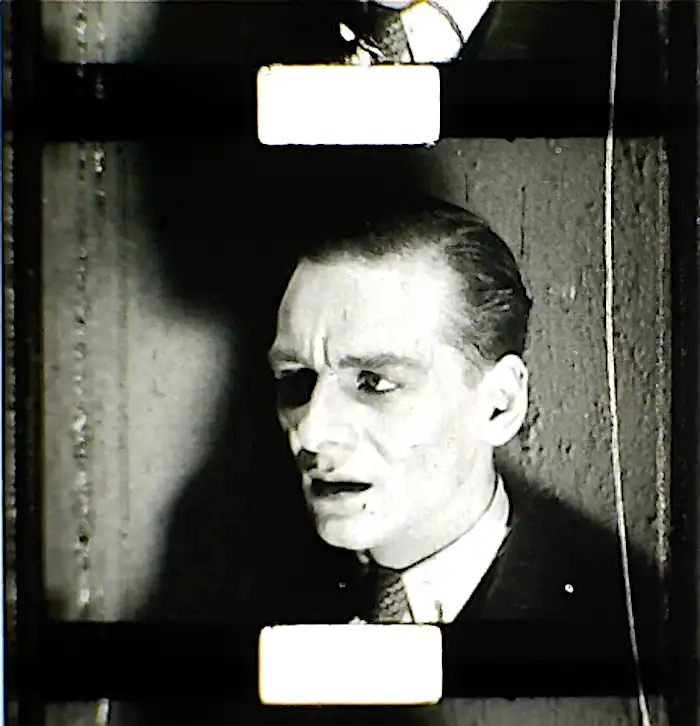
The cinematic DNA of The Clue of the New Pin (1929) is truly one of a kind, the search for similar titles reveals the deep impact of Arthur Maude's direction. Our cinematic experts have identified several titles that reflect the spirit of 1929.
As a pivotal work in United Kingdom cinema, The Clue of the New Pin to capture the existential zeitgeist of 1929.
A rich recluse is killed by his nephew, who tries to burn a reporter.
The influence of Arthur Maude in The Clue of the New Pin can be felt in the way modern Mystery films handle unique vision. From the specific lighting choices to the pacing, this 1929 release set a high bar for atmospheric immersion.

Based on the unique unique vision of The Clue of the New Pin, our vault has identified these titles as the most compelling follow-up experiences for fans of Mystery cinema:
Dir: Ewald André Dupont
Fred Hopkins, a jeweler's assistant, replaces the pearl necklace Lord Reading bought as a wedding present with a worthless imitation. A hunt begins, which the flower seller Rahel and the jumping jack dealer David are able to end by finding the jewelry. Hopkins, who is convicted, then commits suicide for fear of being punished with poison.
View Details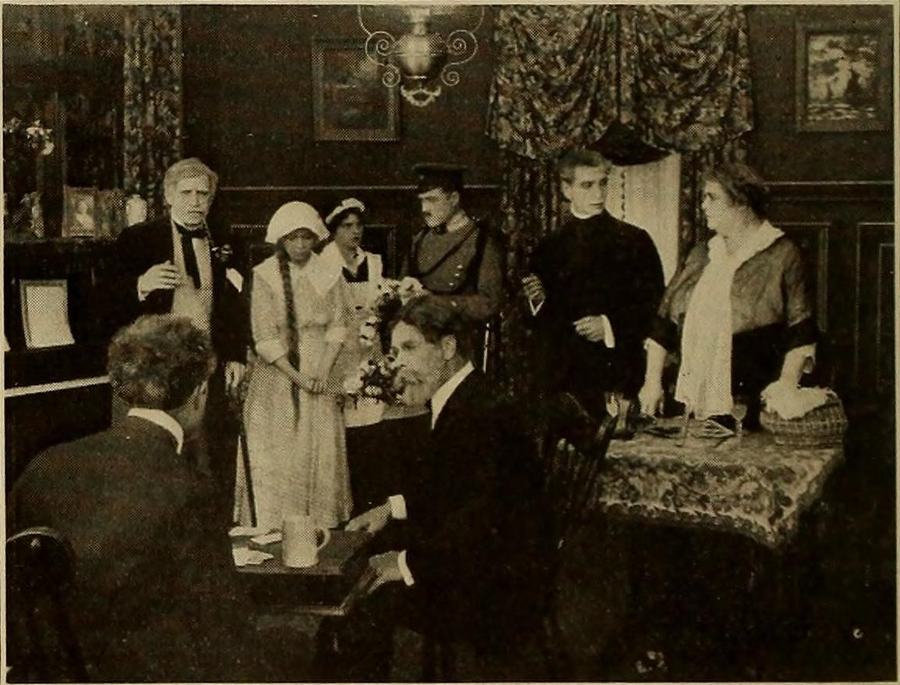
Dir: Arthur Maude
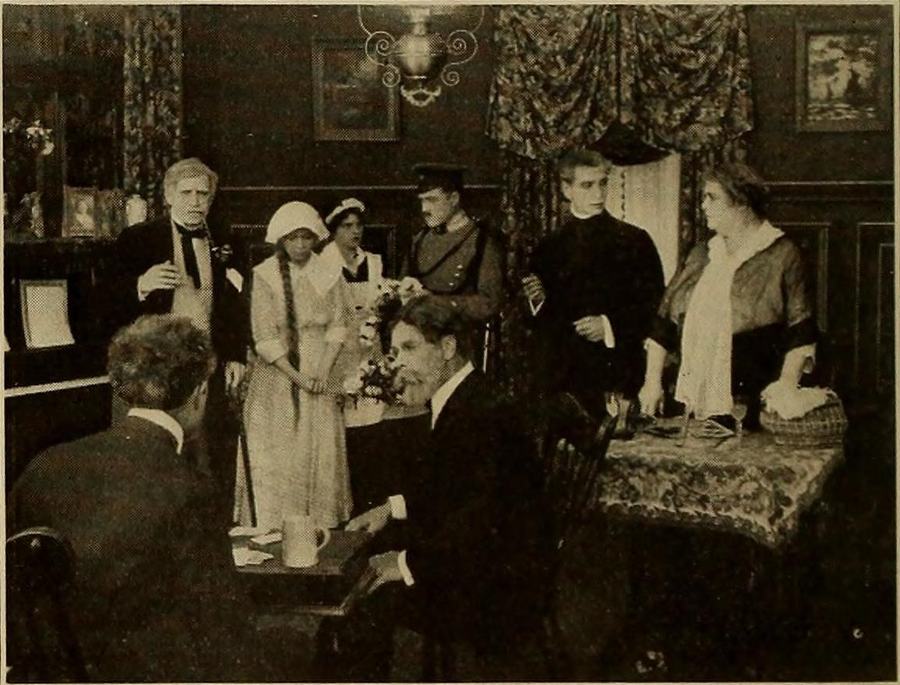
Magda, the daughter of Colonel Schwartz, a retired army officer, runs away from her home in Germany, and goes to Paris, hoping to gain fame as an opera singer. Her leave taking breaks her father's heart and brings on a stroke of paralysis, which almost results in his death. After months of careful nursing, he partially recovers, and thereafter, forbids even the mention of Magda's name in his presence. In Paris the years pass, and Magda failing to realize her ambitions, is reduced to abject poverty, and finally, rather than sell her honor, becomes a common beggar of the streets. Then, one day, penniless and starving, she enters a Bohemian café, in the Latin Quartier and sings for the price of a meal. Here she is seen and recognized by an old friend of her childhood days, Karl Von Kellar, who has come to Paris to study law. Learning the pathetic story of Magda's struggles and failure, he takes her to his apartment, and in the course of events she becomes his mistress. After months of happiness, Von Kellar begins to tire of Magda, and then, one day, he is called back to Germany by the death of his father. A few months later, Magda's child is born, but pride prevents her from communicating the fact to Von Kellar, who has apparently forgotten her. Again reduced to poverty, and cast out upon the streets by a heartless landlord, she wanders up and down the highways, singing, her baby clutched to her breast. Later, to save her child from starvation, and with the promise of attaining the goal of her life's ambition, a musical career, she becomes the mistress of Antony D'Arcy, a rising young operatic manager. Years pass, and Magda, now a famous opera singer, known as Maddalina Dall Orto, arrives at the principal hotel in her home city, to attend a big musical festival. At the governor's ball that night, which she attends, as the guest of honor, she is instantly recognized by Von Kellar, who is now a dignified and eminently respectable counselor of state. Meanwhile Colonel Schwartz, learning that the distinguished guest of the governor's is Magda his daughter, is prevailed upon to forgive her, and take her back. With her numerous servants and pets, Magda takes up her quarters in the old home, and bedazzles her bumble family with the wealth of her jewels and the magnificence of her wardrobe. At a loss to understand how she has attained so much good fortune and fame, her father becomes suspicious, and questions her persistently regarding her past life in Paris. Then Von Kellar pays a call, and learns for the first time of his child, now a youngster of seven, attending a private academy in Paris. Magda denounces Von Kellar. When Von Kellar has departed, Magda's father, who has overheard enough to confirm his suspicions confronts Magda and brutally forces a confession from her. In a towering rage, he writes Von Kellar a note, threatening to kill him, unless he consents to an immediate marriage with Magda. Fearing public exposure, and realizing that Magda's position in the world of art, will lend a certain dignity to his political prestige. Von Kellar calls on Colonel Schwartz and heartily agrees to an immediate marriage with his daughter. Alone with Magda, however, Von Kellar refuses to make her his wife, unless she agrees to keep all knowledge of their child a secret from the world. In a burst of outraged pride, she is furiously denouncing him, when her father enters, and learning what has passed between them, promises Von Kellar that he will force Magda to marry him as she is no longer in a position to choose the conditions under which she will become the honorable wife of her child's father. After Kellar has left, Colonel Schwartz locks all the doors, and arming himself with a revolver, threatens to kill both Magda and himself unless she consents to marry Von Kellar at once. She refuses to abandon her child, and as her father slowly raises the pistol to her heart, he is seized with a stroke of paralysis and falls back dead. Flinging herself upon her knees by her father's dead body, Magda sobs out her misery and grief, as the story concludes.
View Details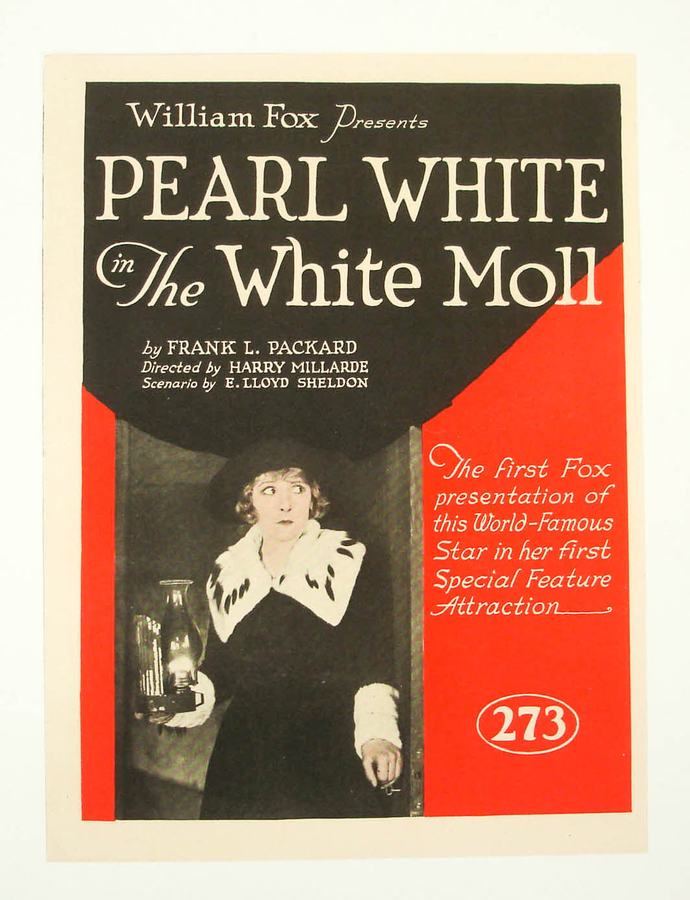
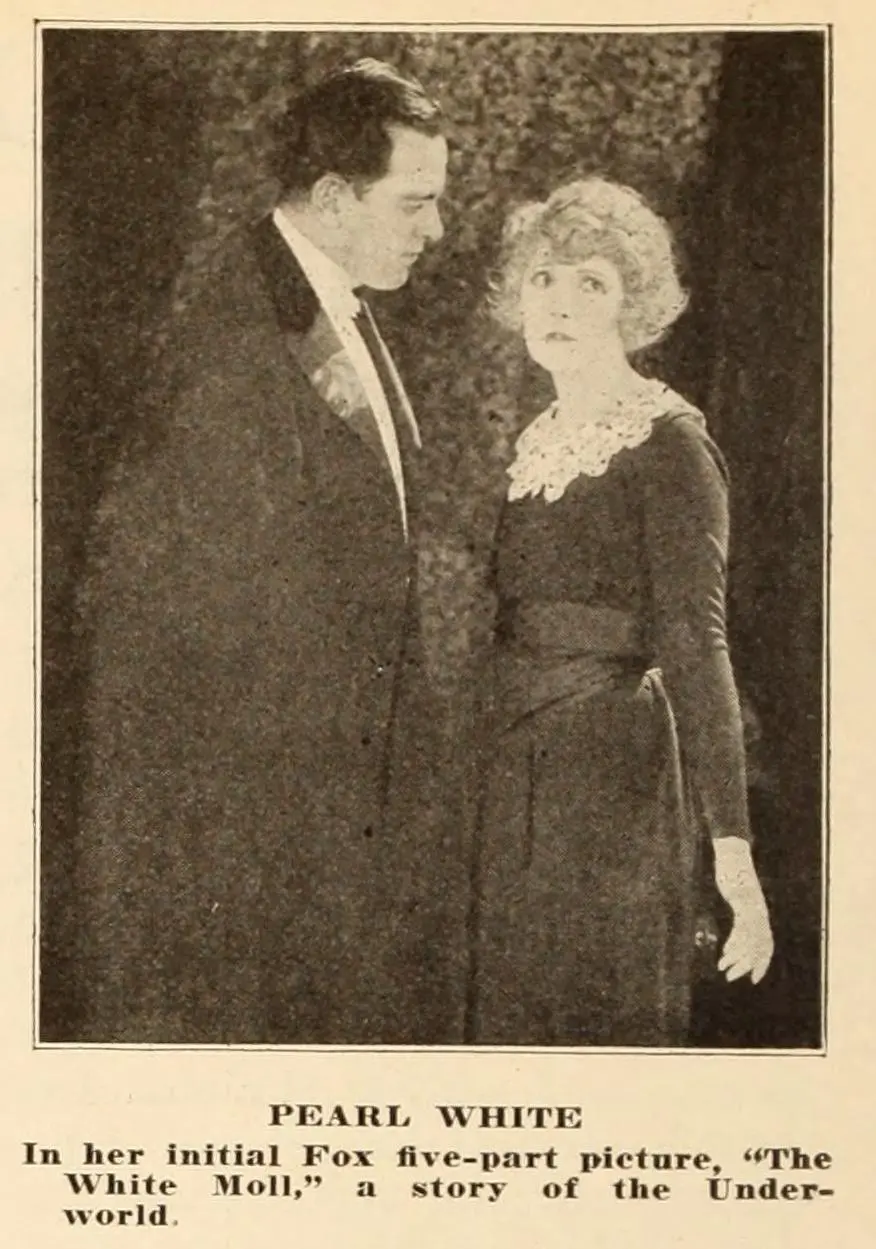
Dir: Harry F. Millarde
Desperate because a wealthy man has reduced her father to thievery, Rhoda agrees to rob the poor box of the church, although she finds the act abhorrent. During the robbery, Rhoda's father is shot and dies in the priests's arms, seeking absolution, while the man who ruined him looks on. Penitent, the man appoints Rhoda as his representative to return the ill-gotten gains to those he has robbed. Rhoda enters the underworld as an angel of mercy, gaining the sobriquet of "The White Moll." After many thrilling escapades, she brings The Dangler, the leader of a gang of crooks, to justice, saves others from death and finally wins The Pug, the man of her choice.
View Details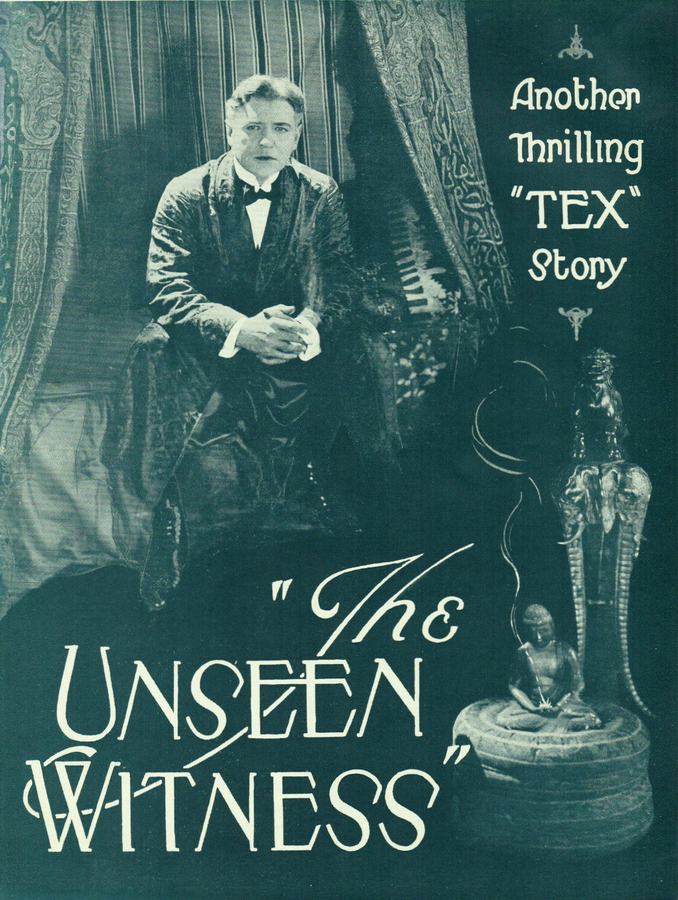
Dir: Tom Collins
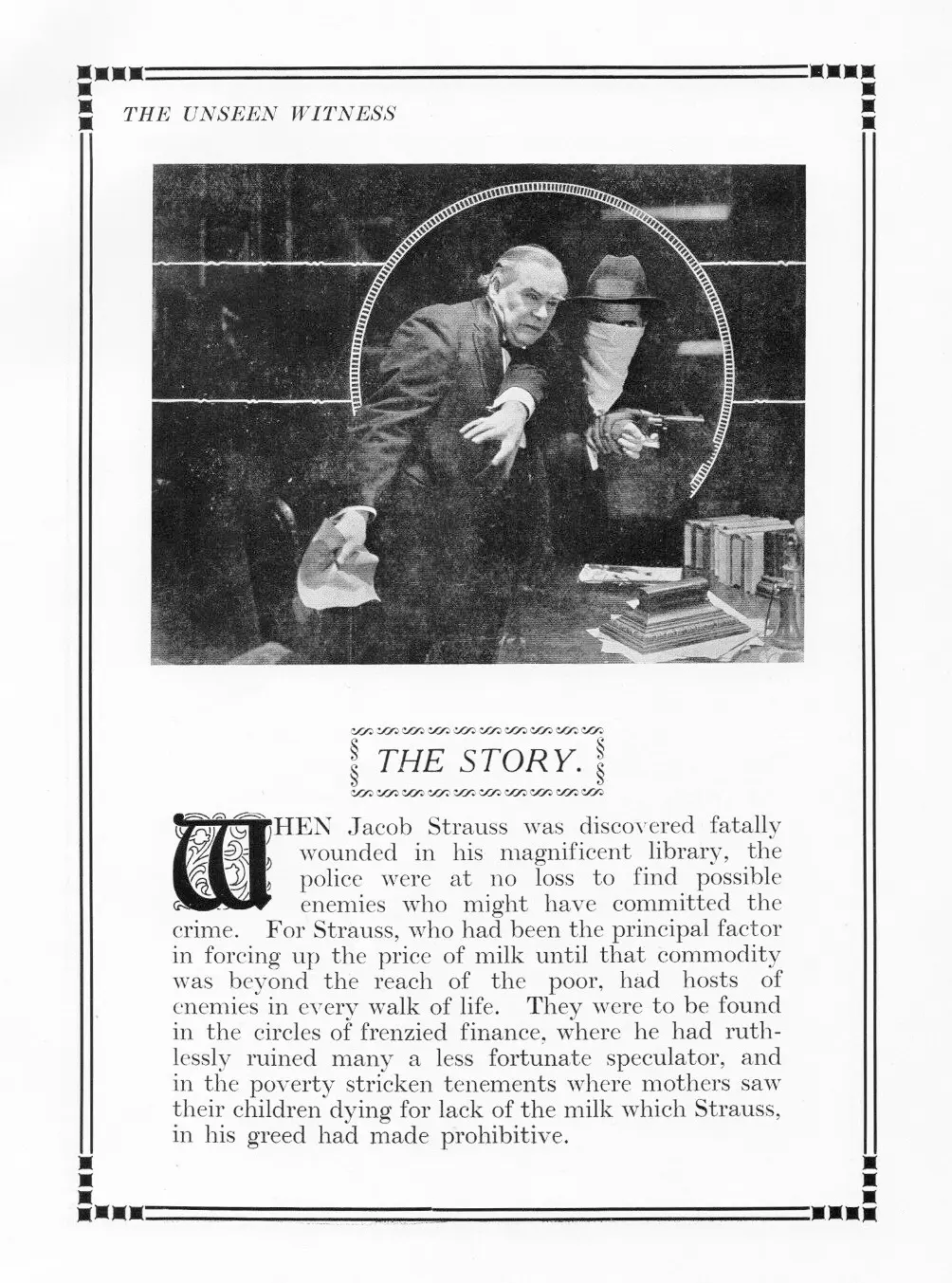
When milk magnate Jacob Strauss is found murdered in his library, the guilt points to Strauss' secretary, Harry Gray, who the previous day was fired when his employer discovered that he was secretly engaged to his daughter Sybil. Arrested for the crime, Gray asserts that he arrived in time to witness the attack on Strauss by a masked man who escaped through the window. When the secretary's story is ridiculed because the window is sixteen stories above ground, Sybil appeals to Tex to take the case. After a long search, Tex summons a number of suspects to his office and accuses Blake, whose apartments are above those of the murdered man. It transpires that Blake, who held a grudge against Strauss for losses he suffered in the milk pool on the exchange, killed him and made his escape by means of a rope. Thus exposed, Blake leaps out the window to his death, clearing Gray of guilt and freeing him to face a happy future with Sybil.
View Details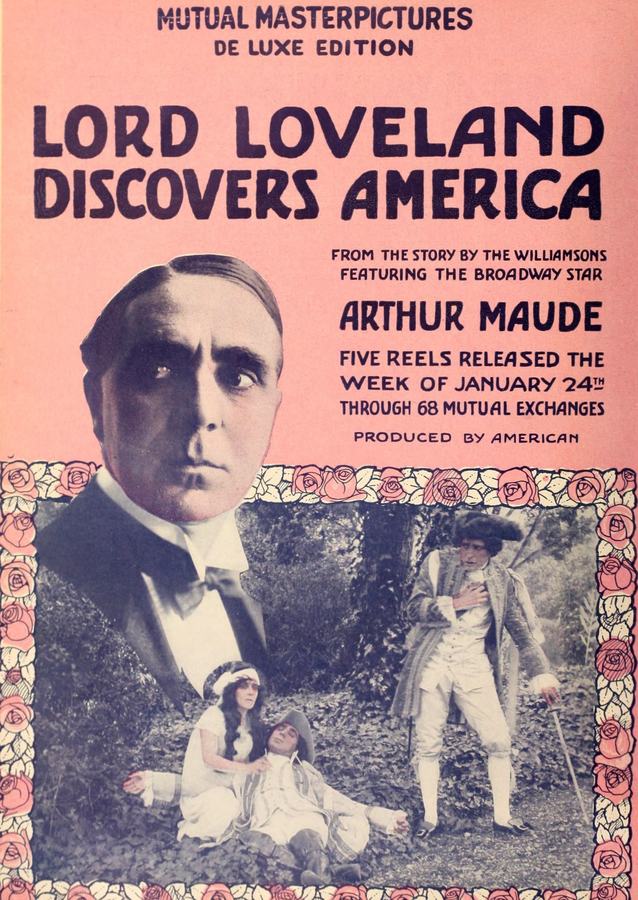
Dir: Arthur Maude
Lord Loveland in England is besieged by his creditors and consults his mother as to what he should do. He is advised to go to America and marry an heiress. He plans to sail on a certain ship, but at the eleventh hour changes his plans and departs on another vessel without informing his relatives of the change. Meanwhile, In England, his valet, annoyed at not having been paid a year's wages, impersonates Lord Loveland. At New York's most expensive hotel Lord Loveland discovers he has but forty cents in his pocket. He goes to bank and presents his letter of credit, but the bank determines that he is a bogus Lord and will not honor the draft. Disgusted, Lord Loveland returns to his hotel, where he finds he has no credit. He is ejected and his baggage is held in lieu of the bills he has already accumulated at the hostelry. Lord Loveland is alone in a strange world and with forty cents in his pocket. He applies to a friend for aid, but the friend, thinking the card presented is that of the bogus Lord Loveland. refuses to even see the visitor. Disheartened and disgusted, the nobleman betakes himself to Central Park, where through the thrilling rescue by Lord Loveland of a mongrel puppy, he forms a fast friendship with one Bill Willing, a likable old man out of work. Willing takes Lord Loveland to a cheap hotel where his forty cents is more than sufficient to procure two beds. In the morning he takes the English peer to a restaurant where in payment for meals, Willing draws artistic signs which advertise the day's tempting viands at Alex's restaurant. Lord Loveland, attired in evening clothes and monocle, has no trouble in getting employment as a waiter. He hopes thus to earn sufficient funds to pay his passage back to the dear old British Isles, but Tony Kidd, an enterprising New York reporter, learns of the monocled waiter and writes a story for his paper. Crowds come daily to Alex's restaurant to be waited on by this unique garcon. Among them is Leslie Dearmer, a woman playwright with whom Lord Loveland had become acquainted on shipboard. There is an explosion in the kitchen and the guests flee panic-stricken from Alex's restaurant. Lord Loveland becomes a hero when he extinguishes the blaze and causes the guests to return to their tables. Later, he loses his job through the apparent affection he has for Izzy, who is Alex's daughter. He takes up with a 10-20-30-cent troupe of theatrical players with whom he plays minor parts. Miss Dearmer seeks out the manager of Lord Loveland's troupe, intending to sue that individual for the use of one of her copyrighted plays. She calls and is surprised when her gaze meets that of the British nobleman. To her, the Lord relates his plight and she engages him as her chauffeur. The nobleman falls head over heels in love with his fair employer. The two are out for a spin when the Englishman summons up courage and declares his love. So ardent does he become in his proposal that he fails to heed the path his automobile is taking. The machine leaves the road, crashes into a tree and both occupants are thrown violently from their seats. When consciousness returns, Miss Dearmer is in Lord Loveland's arms, and the two plight their troth. The tide of Lord Loveland's fortunes have turned, By a combination of circumstances, he becomes recognized as the real Lord Loveland and he is restored to the position which is rightfully his. Henceforth, all is love and happiness and the nobleman has no desire again to see dear old Britain's shores.
View Details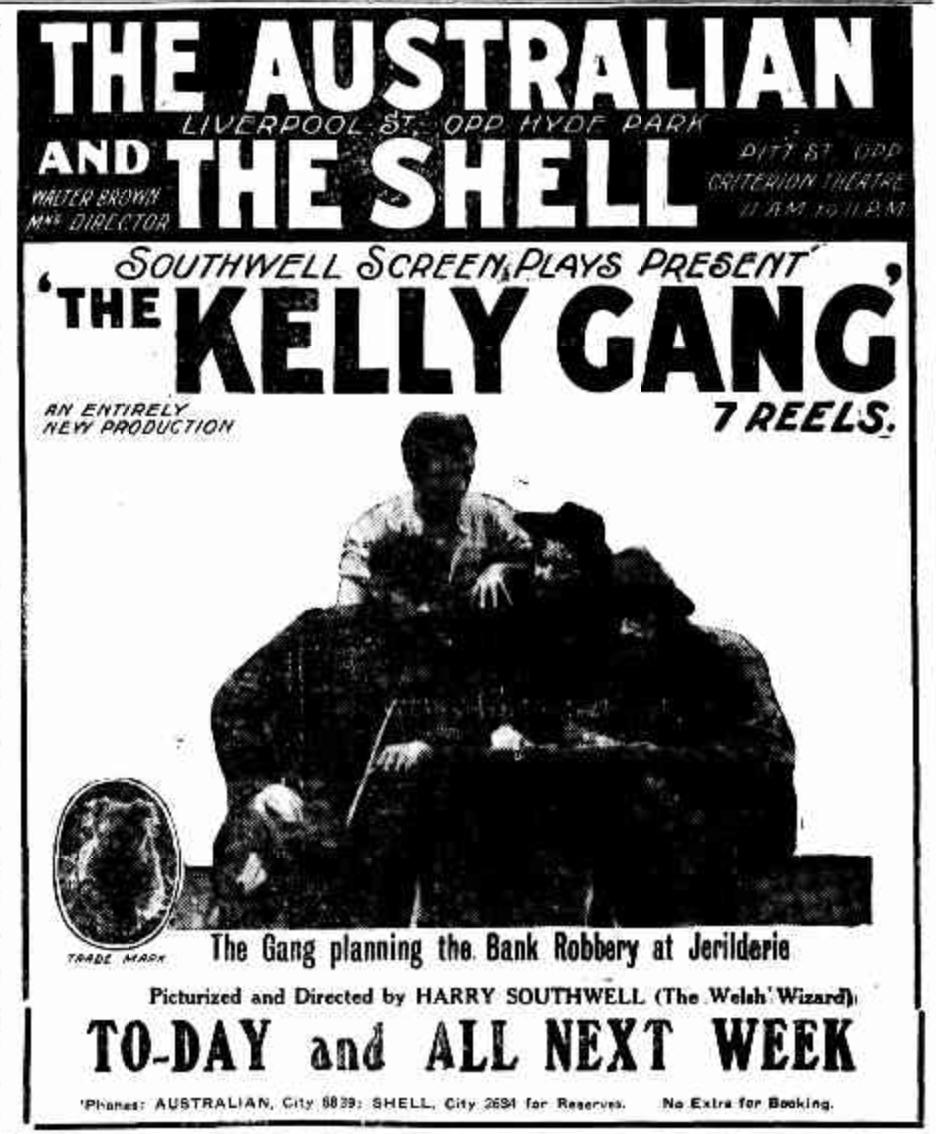
Dir: Harry Southwell
A fascinating piece of cinema that shares thematic elements.
View Details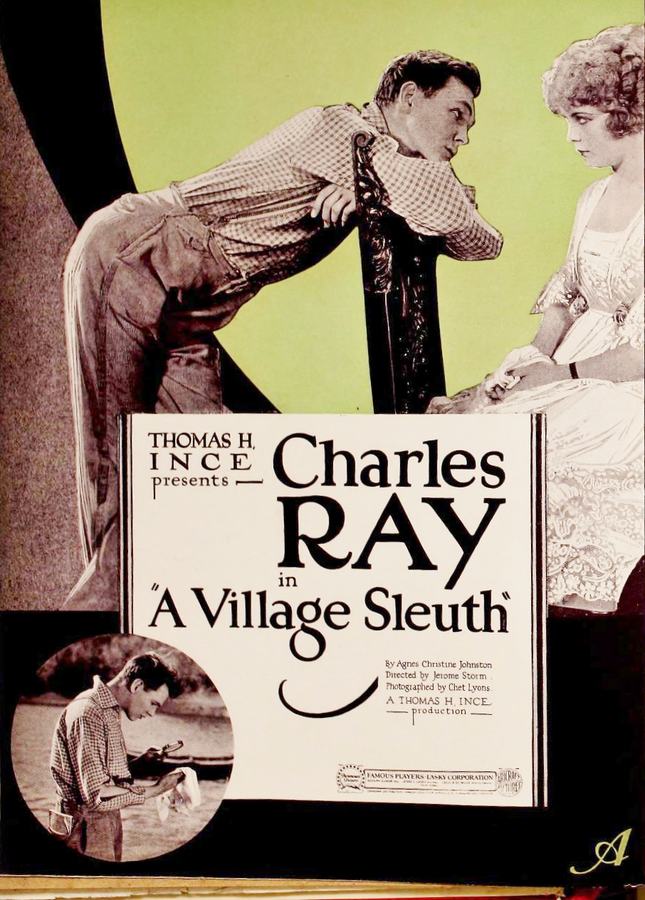
Dir: Jerome Storm
A bumbling would-be detective always seems to reach the wrong conclusion, but one day accidentally stumbles across a real crook, guilty of a real crime.
View Details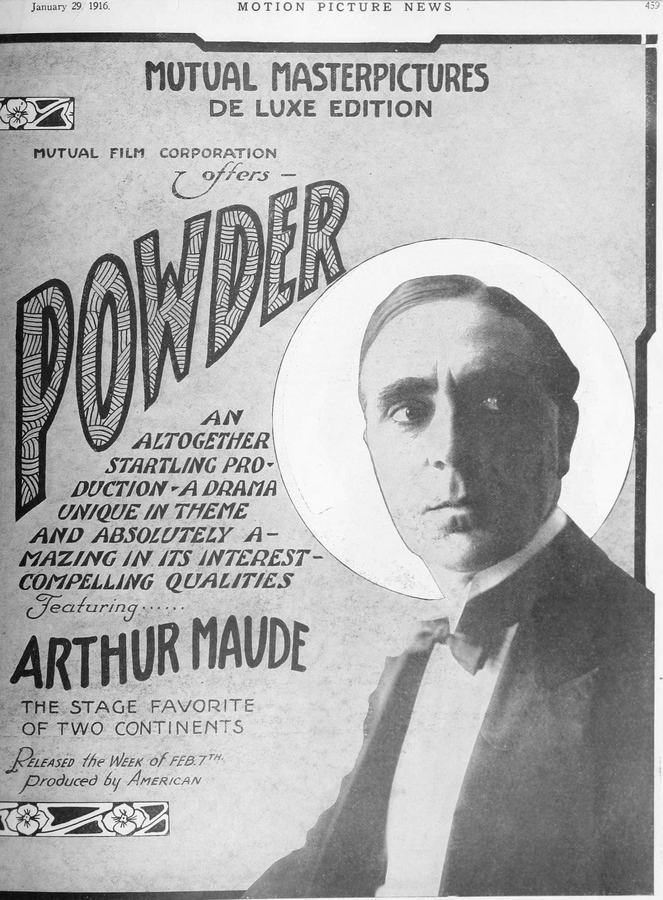
Dir: Arthur Maude
Judson Brand, a powder manufacturer, is approached by the envoys of two warring nations, but before entering into a contract with Baron Von Halstyn, envoy for Gravonia, he sends his son, Marshall, to investigate the country's financial condition. Burghoff, Sashofen's envoy, is advised of a blockade and instructed to halt shipments of munitions to the enemy. Both envoys try to enlist the help of Jan Bernheim, a clever political exile from Gravonia. Out of revenge, she promises to aid Burghoff, but patriotism prevails and she goes over to Von Halstyn, although pretending to remain in the employ of Burghoff. Elinor, Brand's daughter, is engaged to Fosdick, a humanitarian propagandist, who opposes Brand's mercenary attitude in furnishing munitions. Burghoff allies himself with Fosdick, and together they hope to control the vote of the congressional committee against furnishing munitions. The committee is divided in opinion and the deciding vote is with Hayes, the chairman who favors the non-participating policy. Brand quarrels with Fosdick about the issue and forces Elinor, in sympathy with Fosdick, to break her engagement, when Fosdick refuses to renounce his principle. Jan induces Burghoff to give Fosdick a check for a thousand dollars "for charitable purposes." Jan secures the canceled check which the unsuspecting Fosdick has accepted, for evidence against him, and when Von Halstyn urges her to win over Hayes to their side, she does so by showing him the check, which she makes him believe was accepted as a bribe from Burghoff. Burghoff refuses to accept defeat and proposes to Fosdick the blowing up of the powder mills, but Fosdick refuses to listen, so Burghoff undertakes it alone unknown even to Jan. Brand's son, traveling through the war zone, finds their Brandite shells being used by both sides, and is so absorbed in commercialism that he is untouched by the evidence of suffering about him. Fosdick saves the life of a child belonging to one o£ the men employed by Burghoff to blow up the mills. Brand receives a favorable report from his son and he and Von Halstyn ride over to the mill to sign up the contract, accompanied by Elinor and Jan. Fosdick, in Burghoff's office waiting for him, answers the telephone and learns of the plot to destroy the mills within an hour. He tries to reach Brand only to find that he and Elinor have gone to the mill. Fosdick drives to the mills, and through his efforts the plan only partially succeeds; no one is hurt but Mason, the man who was on the job. Fosdick is found trying to put out the fuse and is accused by Brand of attempting to blow up the mill. Mason, however, clears him when he recovers and Von Halstyn and Jan are arrested by a secret service man who has been trailing them. Brand stubbornly insists that Fosdick is to blame for it all and vows he will sign the contract away. Then the final argument presents itself, his beloved son has been killed by a Brandite shell. Later Von Halstyn and Jan are deported. Burghoff flees the country and Fosdick and Elinor are united. Brand turns from the manufacture of ammunition to Red Cross work.
View Details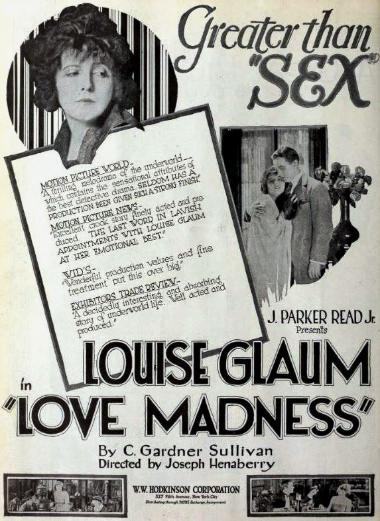
Dir: Joseph Henabery
When respectable Lloyd Norwood becomes infatuated with moll Goldie Lewis, he falls into a life of debasement that results in his being accused of the murder of gangland henchman Joe the Swell. Norwood's wife Mary, convinced of her husband's innocence, determines to clear his name. Disguising herself as a vamp and infiltrating the underworld, Mary extracts a confession from the real murderer, Pussyfoot Connor, whom she dupes into believing that he sees the ghost of the murdered man. Later, to have witnesses to the story, Mary takes a midnight dinner with gang leader Jack Frost, arousing the jealousy of Connor, who enters and accuses Frost of instigating the murder. The police, alerted to the scheme, rush in and arrest the criminals. Finally, a phone call to the prison warden results in Norwood's release as a wiser man.
View Details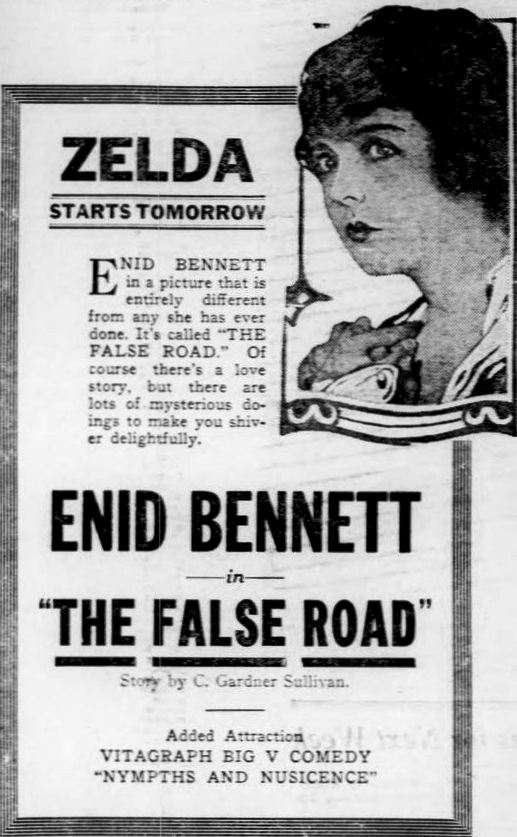
Dir: Fred Niblo
Roger Moran, a member of a gang of thieves headed by Mike Wilson, is released from prison after having served a two-year sentence. He has learned his lesson and vows to leave his life of crime, but his girlfriend Betty Palmer--also a member of the gang--won't leave "the false road". Roger finally leaves her and finds a job with a sympathetic banker, Joshua Starbuck. However, one day the bank is broken into and the contents of the safe are stolen, and it turns out that the culprits are two members of Roger's old gang. He tracks them to New York and convinces them that he wants to get back into the gang, in order to find where they're keeping the money. However, matters don't quite go as Roger had planned and Betty comes back into his life.
View DetailsAnalysis relative to The Clue of the New Pin
| Film Title | Atmosphere | Complexity | Similarity |
|---|---|---|---|
| Whitechapel | Surreal | Dense | 94% Match |
| Revelation | Surreal | Linear | 97% Match |
| The White Moll | Gritty | Abstract | 96% Match |
| The Unseen Witness | Surreal | Layered | 96% Match |
| Lord Loveland Discovers America | Ethereal | Linear | 89% Match |
This guide was algorithmically generated using the cinematic metadata of Arthur Maude's archive. Last updated: 6/21/2026.
Back to The Clue of the New Pin Details →