
DbcultAccessing Vault...
Recommendations
Senior Film Conservator
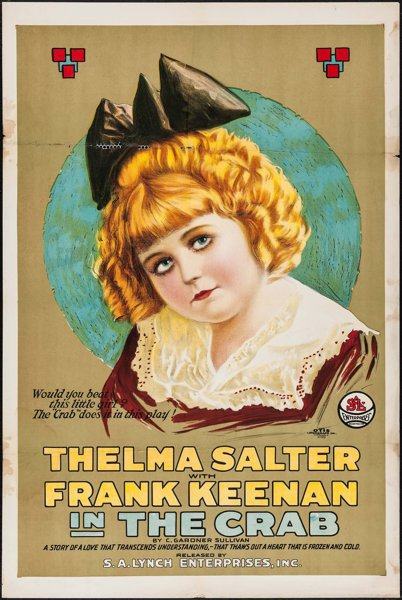
Delving into the atmospheric depths of The Crab reveals a master at work, the artistic provocations of The Crab demand a follow-up of equal intensity. These hand-selected movies are designed to satiate your craving for cult quality.
The enduring power of The Crab lies in to transcend the limitations of its 1917 budget and technology.
Foster Borrum is the wealthiest man in the town of Norwalk. He practically owns everything. He has won his position by merciless grinding and is regarded by the villagers with fear and contempt. A stern man, with only one softening influence in his life, his wife, whom he idolizes. The wife dies and Borrum turns on the world with added bitterness and hatred. He is living a life of dreary isolation when one day a visitor steps off the train at the station, a little girl; also alone in the world; who has been tagged to her destination in the search of a relative who has long since disappeared. The villagers are too poor to adopt the child. In a cynical mood Borrum takes possession of the girl. Ivy Marten, and installs her in his home. Ivy, aching for sympathy, meets with no response from the austere man, whose treatment of her borders on brutality. Exaggerated reports of this reach the authorities, and Borrum is haled before them. Ivy, who loves the old man in spite of his coldness, is the prime witness for the defense and her loyal support of her guardian wins the day. A change comes over the attitude of Borrum towards the child and the world in general and with a softened heart he strives to make life happier for the orphan and for the hitherto despised inhabitants of the poverty stricken village.
The influence of Walter Edwards in The Crab can be felt in the way modern cult films handle cinematic excellence. From the specific lighting choices to the pacing, this 1917 release set a high bar for atmospheric immersion.
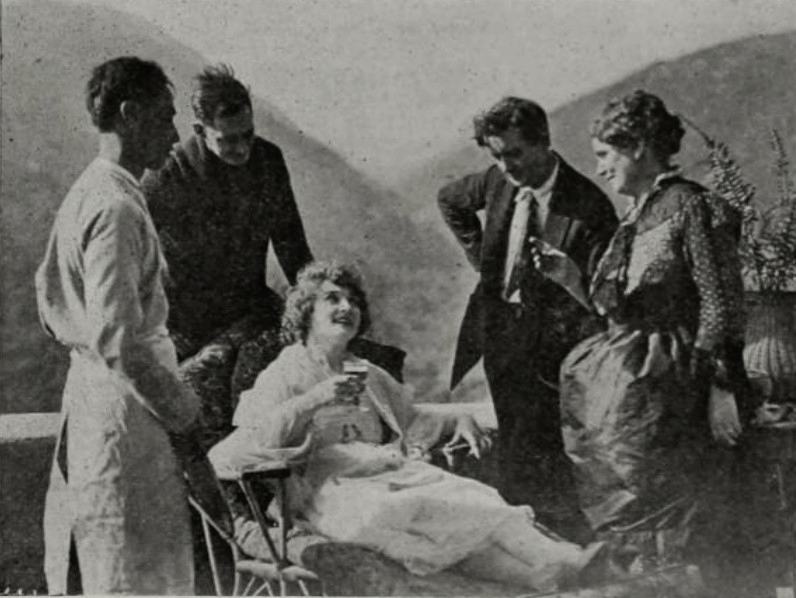
Based on the unique cinematic excellence of The Crab, our vault has identified these titles as the most compelling follow-up experiences for fans of cult cinema:

Dir: Walter Edwards
After discovering her husband Roger has been unfaithful to her, Angela De Haven sets out to make all men pay for his deceit. Roger, despairing of ever winning back his wife, sails for the South Sea islands and is lost during the voyage. Meanwhile, Angela establishes a salon where prominent men vie for her attentions. One of the members of her court, Bragdon Brant, controls the Bob Cat mine, but not the railroad extending to it which is owned by Bob Spalding. Brant sends Angela West to buy the controlling interest in the railroad and she meets Bob, who falls in love with her. Angela refuses to marry him and flees after securing control of the road through Bob's partner, Durant. She returns to New York, intent upon ruining Brant, but is prevented from carrying out her plans when Bob appears and forces her to realize the destructive path that her life has taken. Angela then restores the railroad shares to Bob, and thus reconciled, they travel West to spend the rest of their lives together.
View Details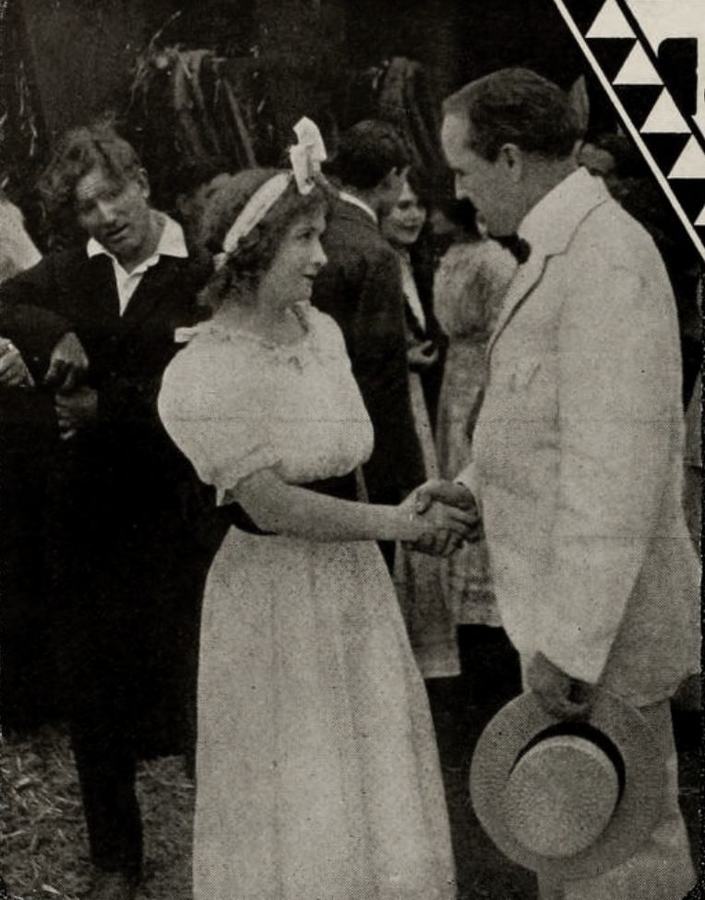
Dir: Walter Edwards
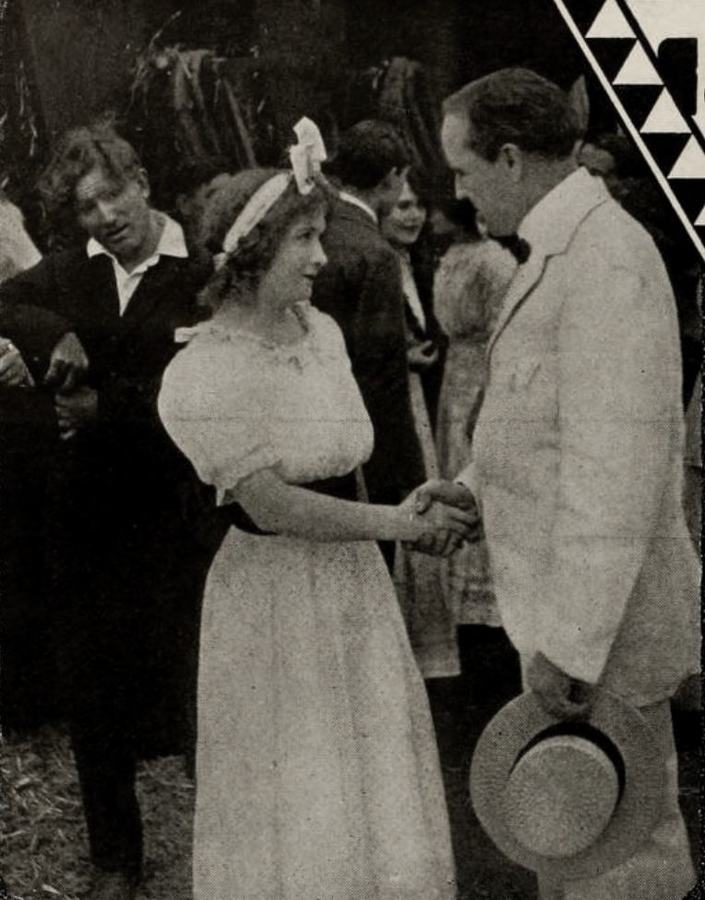
After building a financial empire, Frederick Mallery feels chained to his wife Winnie, who stood by him during the years of poverty. As a result, he offers Warren Woods, a down-and-out former playboy, $50,000 to seduce Winnie, so that he will have an excuse for a divorce. Warren works hard at his job, but instead of weakening Winnie's devotion to Frederick, he himself falls in love with her. Needing the money, however, he boasts to Frederick of having seduced Winnie. Suddenly, Frederick becomes jealous, and after calling off the deal with Warren, he goes to Winnie and tells her that he loves her.
View Details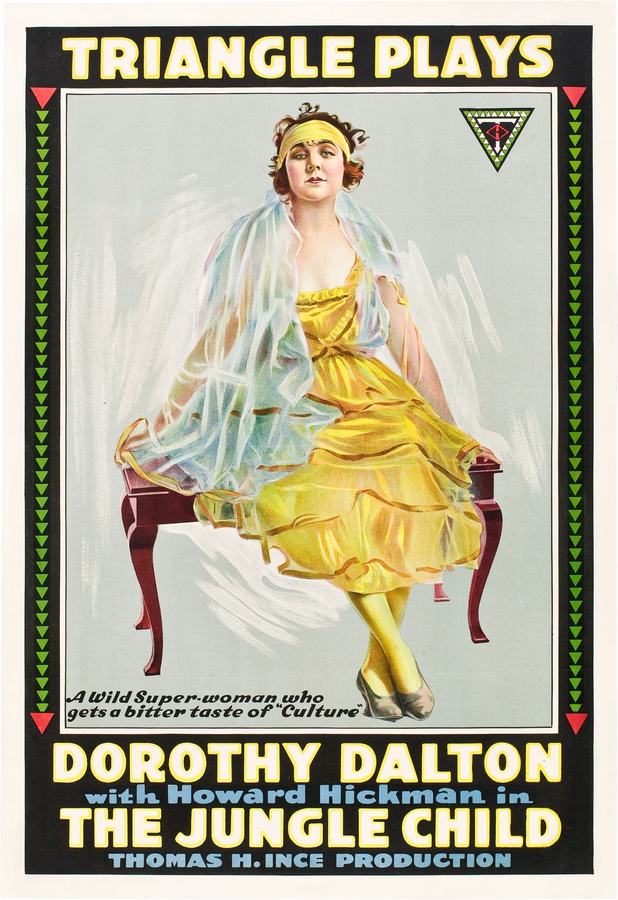
Dir: Walter Edwards
After her family dies in the jungle, Ollante is raised by Brazilian Indians, and, from her rugged lifestyle, she grows into a woman of uncommon strength and courage. Then, she rescues Ridgeway Webb, an explorer lost in the wilderness, and he soon discovers, through papers left on Ollante by her parents, that she is worth a fortune. As a result, the unscrupulous Ridgeway starts courting Ollante, and after she has fallen in love with him, he marries her and brings her to New York. At a society party, however, which Ridgeway turns into a drunken orgy, Ollante hears her husband boast of his cunning in catching a millionaire for a wife. Suddenly aware of his motives, Ollante takes off her American high society outfit, puts on her jungle costume, and strangles Ridgeway.
View Details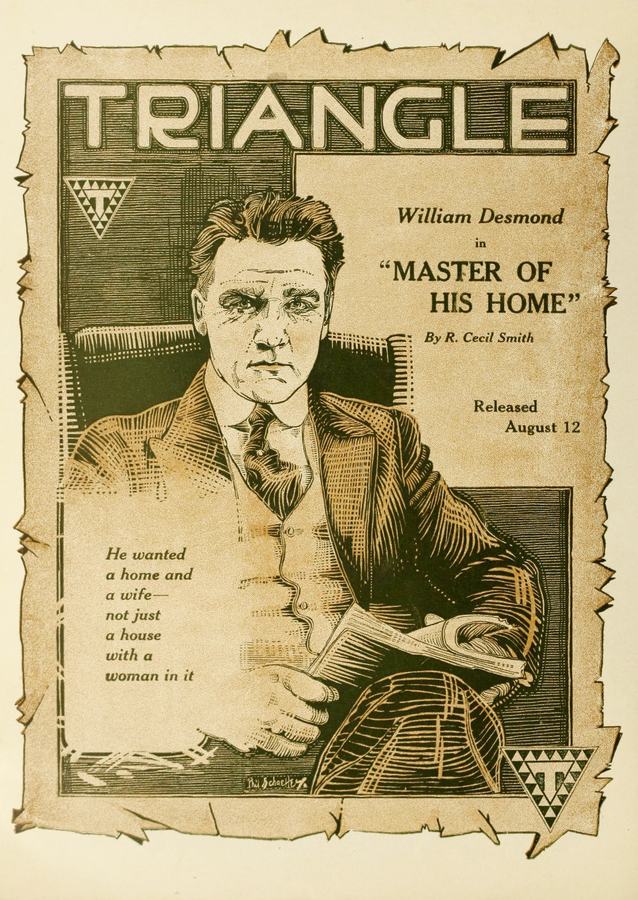
Dir: Walter Edwards
Millicent Drake's mother, a woman of social ambitions, has decided that her daughter should marry the socially prominent Van Tyle. Millicent thwarts her mother's plans, however, when on a visit to Van Tyle's mountain lodge, she meets gold miner Carson Stewart and falls in love. Soon after, Stewart comes East to see Millicent and the two are married. Marital discord is injected by Mrs. Drake, who attempts to convince her daughter not to give Stewart the child he so desires. Upon learning that his wife is pregnant and his mother-in-law is advocating an abortion, Stewart leaves home in disgust. Millicent, finally realizing the error of her ways, follows her husband out West with the new addition to their family, and a reconciliation is effected.
View Details
Dir: Walter Edwards
A Pair of Silk Stockings is a 1918 American silent marital comedy film starring Constance Talmadge and Harrison Ford. It was directed by Walter Edwards and produced and distributed by Select Pictures Corporation. The film is based on a 1914 Broadway play of the same name.
View Details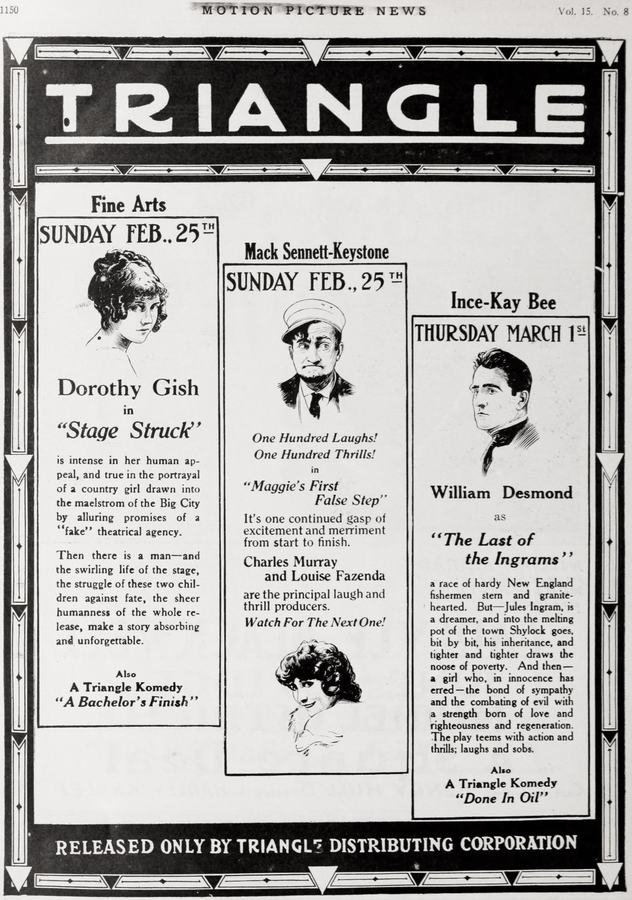
Dir: Walter Edwards
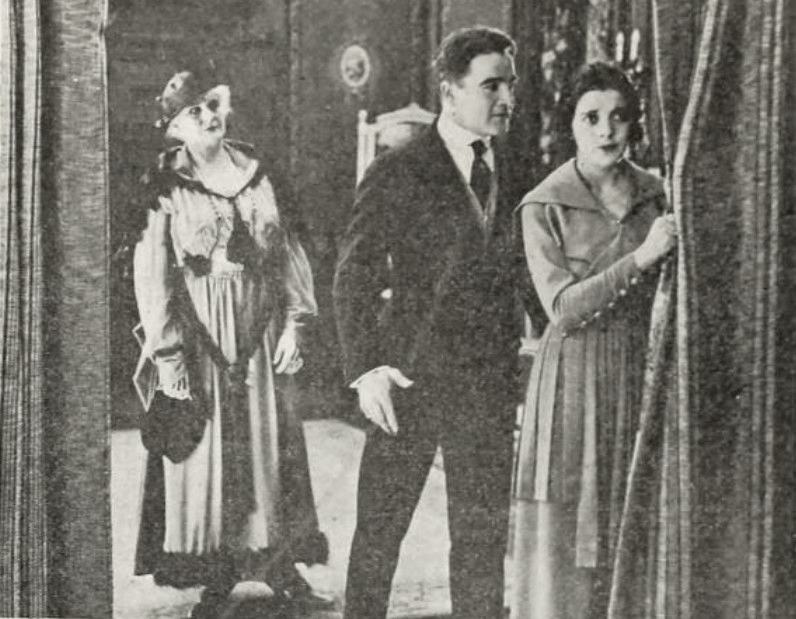
Jules Ingram ( William Desmond ), the sole survivor of an old Puritan family, seeks solace and forgetfulness in drink. Unable to pay his debts, Jules is driven from his house when banker Rufus Moore ( Robert McKim ) forecloses on the mortgage. Offered shelter by Mercy Reed ( Margery Wilson ), a woman who in her youth naively sinned and has remained rejected by the community ever since, Jules begins to reform. Climbing his way back to respectability, Jules attends church with Mercy, causing a storm of protest. Moore's wife Agnes urges the mob to violence, and as they attempt to tar and feather Jules and Mercy, Mercy delivers an eloquent speech condemning Moore as her betrayer. The mob then takes Moore as their victim, leaving Jules and Mercy in peace.
View Details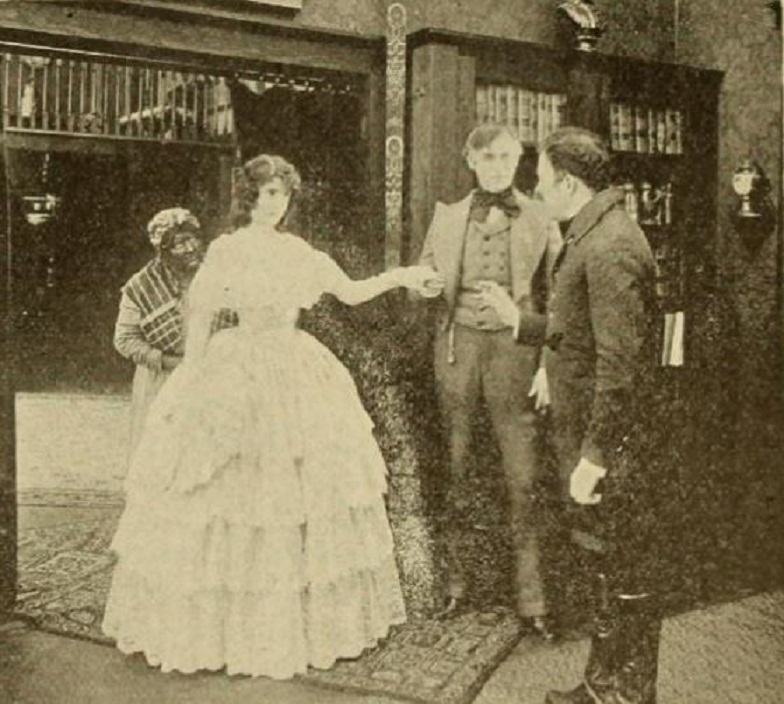
Dir: Walter Edwards
Dr. Dudley Duprez is a well-known Louisiana physician. His beautiful but wayward niece, Rose Duprez, is abducted by Paul Crenshaw, a friend of the doctor, and to prevent her shame from becoming known, Rose kills herself. Dr. Duprez learns her secret and determines to make Crenshaw expiate his crime. While traveling on a Mississippi River steamer, the doctor wins Mercedes, a beautiful slave, at cards. He takes her home and, passing her off as a distant relative, arranges it so that Crenshaw falls in love with the girl. A wedding is arranged, and immediately after the ceremony Dr. Duprez announces to the assembled guests that Mercedes is a slave and that he considers he has punished Crenshaw sufficiently by making him the husband of a "nigger." A yellow fever epidemic breaks out shortly after, and Crenshaw is shot when attempting to evade the quarantine. Dr. Duprez is told by a dying overseer from the plantation where Mercedes was born that the girl is of Spanish and American ancestry, without a drop of negro blood in her veins, and was made a slave through a conspiracy. The doctor returns home, confesses his wrong to Mercedes and is forgiven by her. In the end they are married.
View Details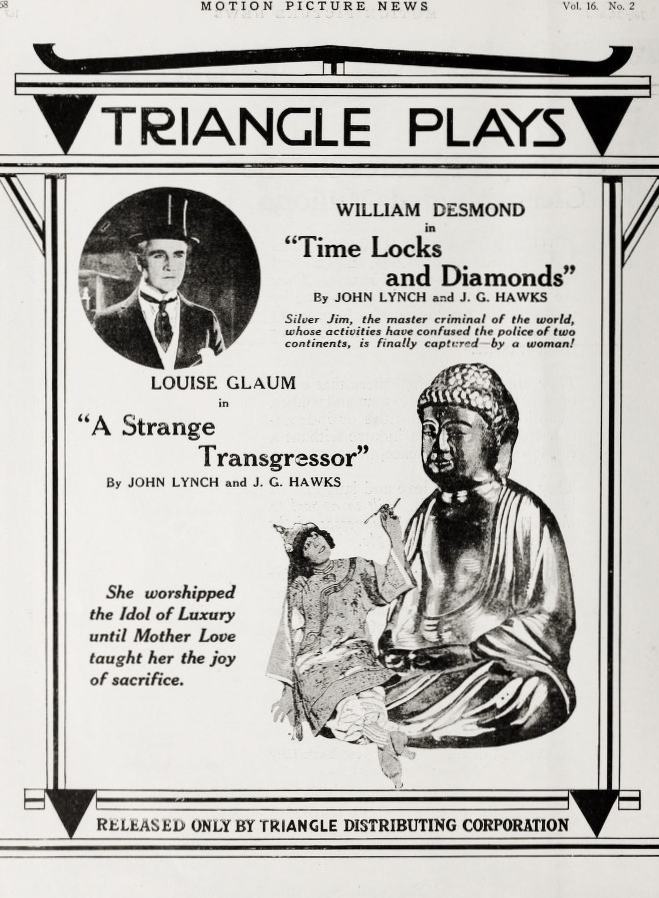
Dir: Walter Edwards

After years on the international crime circuit, "Silver Jim" Farrel shares a comfortable and honest suburban life with Marjory, his sister, until word comes that an old friend from his thieving days is in desperate need of cash. To save his bankrupt friend from jail, Jim reluctantly executes a jewel heist, being careful not to involve Marjory or his sweetheart, who know nothing of his past, in the scheme. When Edgar Seymour, the son of the robbed jeweler, attends Marjory's wedding, Jim prevents him from exposing him on the spot only by jabbing a gun into his back during the proceedings. After the ceremony, Jim returns the jewels as promised, avoiding reprisals from the senior Seymour by reminding him of the time when he swindled Jim and caused him to serve time in prison for someone else's crime. With the help of a sliding trick door and a conveniently placed safe, "Silver Jim" escapes police detection and returns to his quiet, honest existence.
View Details
Dir: Walter Edwards
When playwright Curtis de Forest Ralston becomes enamored of actress Viola Strathmore, who is to appear in his play "Vanity," Viola induces him to change certain parts and give her more lines. Curtis, who is not as talented as he thinks he is, fails at his job but is saved by his wife Anita, a former actress who has forsaken her career for marriage. Anita and her old manager, Bruce Winthrope, fashion the play to suit Viola, and "Vanity" becomes a huge success. The play's triumph enlarges Curtis's ego even further, and he deserts Anita for Viola. When the play's financial backer discovers the illicit relationship between the star and author, however, he withdraws his funds and the play closes. Still in love with Viola, Curtis attempts to continue their affair, but she kills him because she blames him for her downfall. Fearful of the police, Viola takes refuge in a tenement, and when they track her down, Viola's faithful Egyptian servant Borul slays his employer rather than let her perish at the hands of the law.
View Details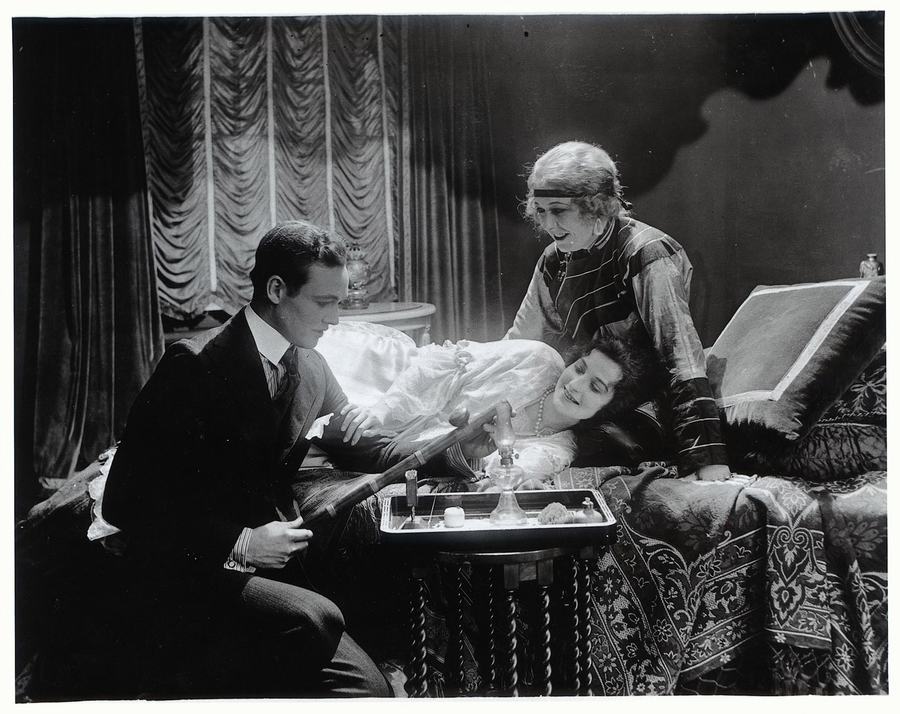
Dir: Walter Edwards
Wealthy John Steele has a handsome young son, Frank, on whom he pins his hopes. But riches lead Frank not into social standing and duty, but into depravity, drug-addiction, criminal activity, and finally to tragedy.
View DetailsAnalysis relative to The Crab
| Film Title | Atmosphere | Complexity | Similarity |
|---|---|---|---|
| The Fuel of Life | Gritty | High | 97% Match |
| Honor's Altar | Tense | Abstract | 98% Match |
| The Jungle Child | Gothic | Abstract | 92% Match |
| Master of His Home | Surreal | High | 93% Match |
| A Pair of Silk Stockings | Tense | Linear | 98% Match |
This guide was algorithmically generated using the cinematic metadata of Walter Edwards's archive. Last updated: 8/16/2026.
Back to The Crab Details →