
DbcultAccessing Vault...
Recommendations
Senior Film Conservator
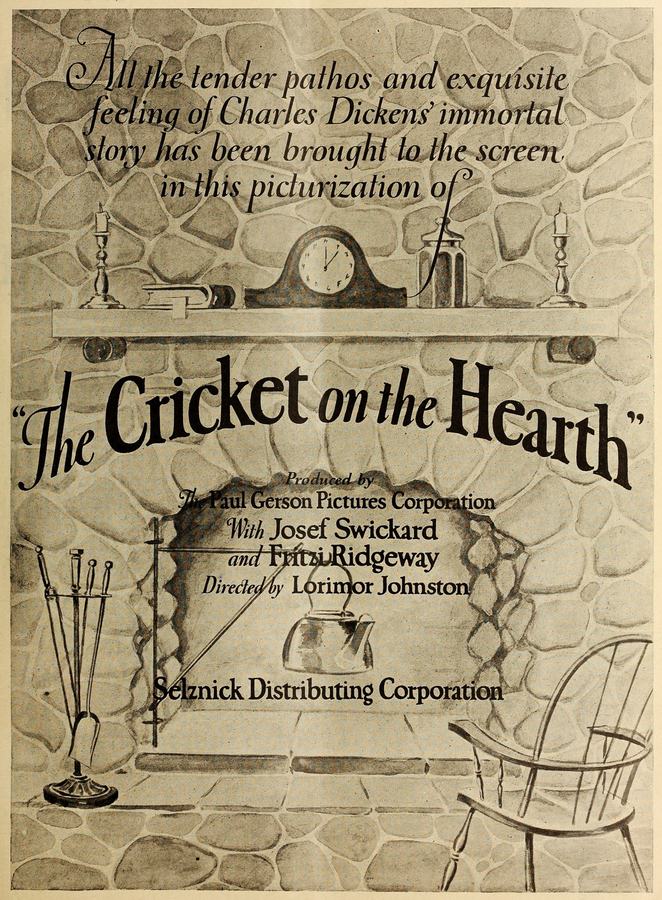
The evocative power of The Cricket on the Hearth (1923) continues to haunt audiences with its nuanced performance, its status as a United States icon makes it a perfect starting point for discovery. The following gems are essential viewing for anyone captivated by The Cricket on the Hearth.
The visceral impact of The Cricket on the Hearth (1923) stems from to serve as a cornerstone for Drama enthusiasts worldwide.
Tells of Caleb Plummer, his son Edward and blind daughter Bertha, and rivalry over neighbor May Fielding. May's friend Dot weds John Peerybingle; they find a lucky cricket in their cottage. A mortgage and house on fire figure in the story.
Critics widely regard The Cricket on the Hearth as a cult-favorite piece of Drama cinema. Its nuanced performance is frequently cited as its strongest asset, solidifying its place in United States's film legacy.
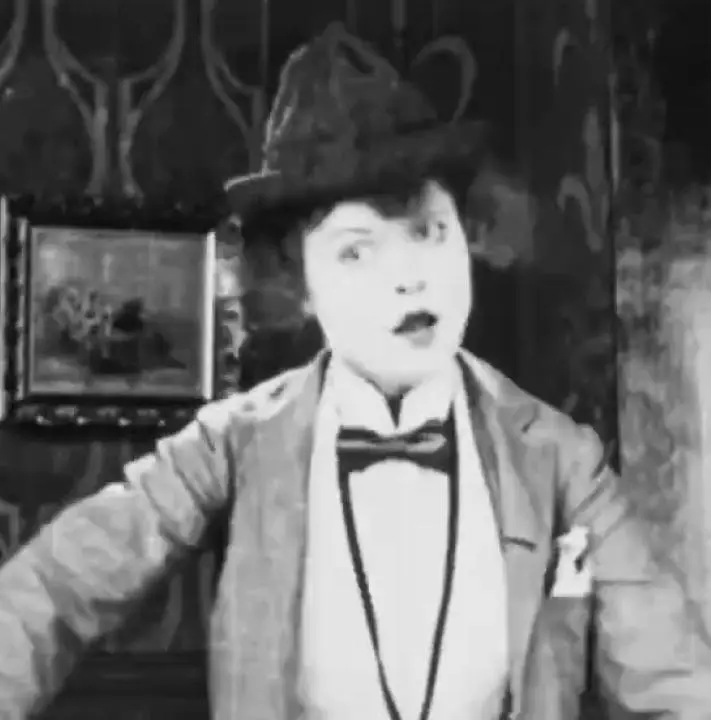
Based on the unique nuanced performance of The Cricket on the Hearth, our vault has identified these titles as the most compelling follow-up experiences for fans of Drama cinema:
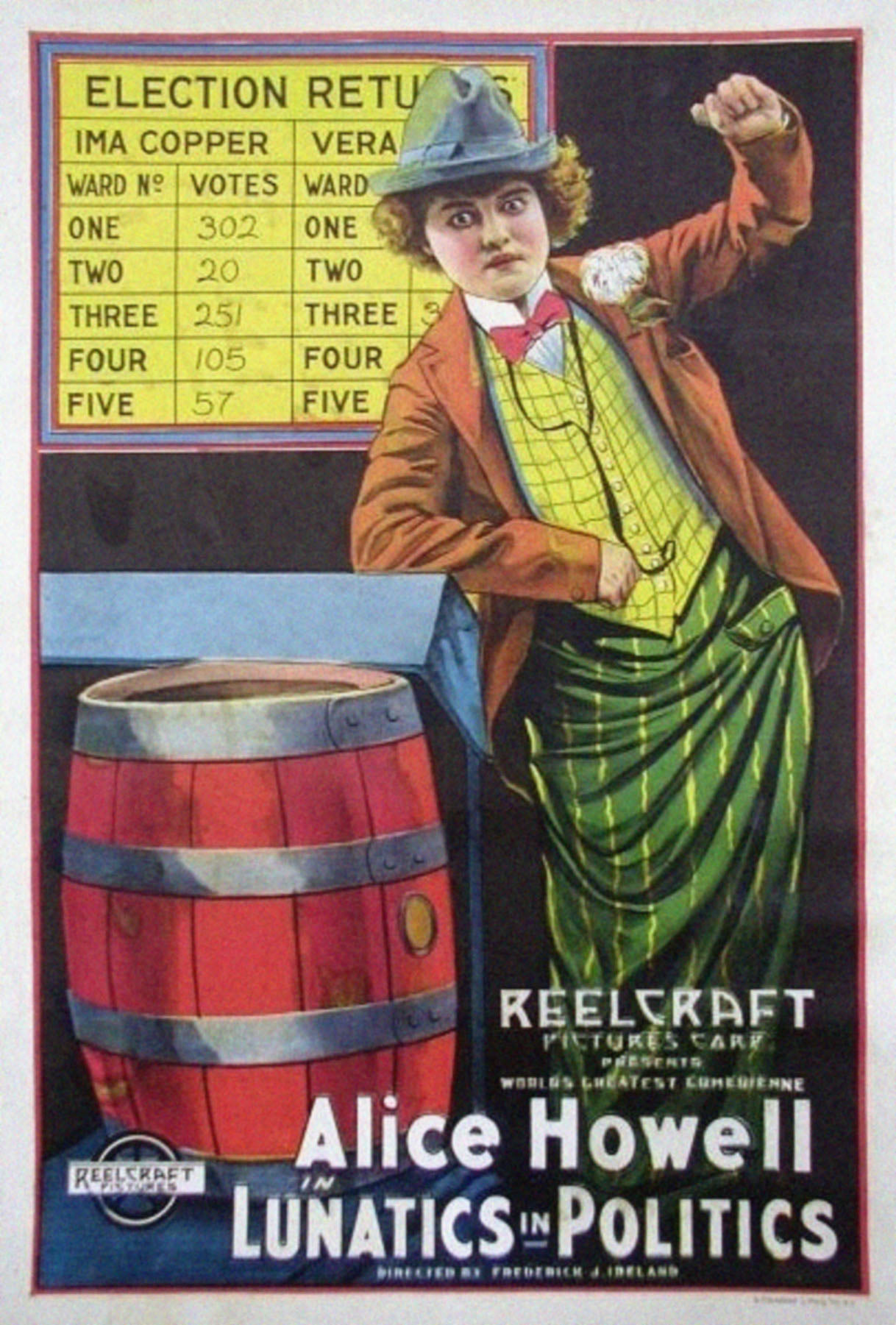
Dir: Richard Smith
Two female candidates for Chief of Police live across the hall from each other, and their political rivalry follows them home, leading to plenty of hi-jinks.
View Details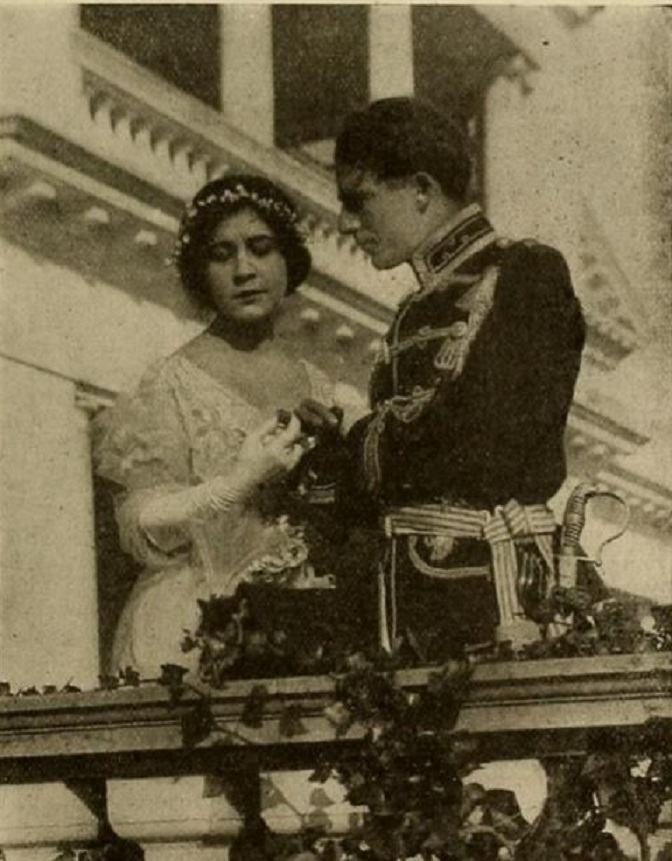
Dir: Lorimer Johnston
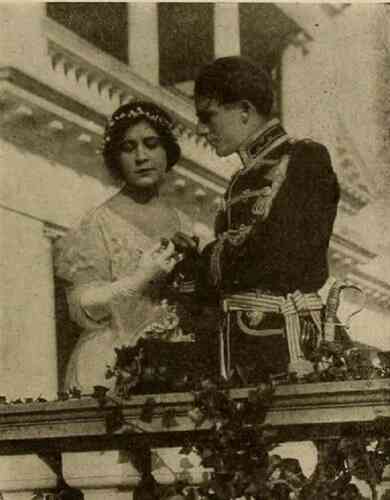
The Countess of Northstone, wife of the Prime Minister of a great power, gives a lawn party at her country home. Among her guests is an ambassador whose government is suspected of plotting a war against the country to which he is accredited. The prime Minister asks his wife to obtain as much information as she can from the ambassador, who is in love with her. She plays with him and, as he is fully convinced that he has conquered her, his secretary brings him a note. Lady Sibil plays with him pretending the note is from a woman. To vindicate himself he shows her the letter: "Meet me at the Carlton Club tonight. Important information," the note is signed, von Hatzfeldt. The Countess knows this man as the leader of a party called "The Brotherhood," which was formed for anarchistic purposes. Leaving the Ambassador she at once seeks Captain Balfour, secretary to the Prime Minister and asks him to play the spy, "In the interests of your country." He goes to the club and obtains positive proof that the Ambassador has been bought with the crime money of the "Brotherhood" represented by Baron von Hatzfeldt. The Foreign Ambassadors are received by the Prime Minister that evening at his official residence. While the reception is in progress a note arrives from the continent: "Declaration of war is imminent unless strategic diplomacy is used. Send special envoy with full power to act at once." Salston, who is the representative on the continent of the Great Power, is in fact its Ambassador. That night at the reception Baron von Hatzfeldt is confronted with the proofs of his treachery and the Countess exposes him to the people and tells what he was ten years before. We see him as a leader of a detachment of soldiers invading a peaceful country and shooting down unarmed and defenseless peasants, and also see him murdering the brother of the countess as he lies asleep in his bed. At the end of the story the wife of the Baron enters, and sorrow for her makes the Prime Minister relax his decision of punishment and he permits them to go with the understanding that they leave the country at once. This they agree to do. Balfour is to be sent as an Envoy Extraordinary to the foreign power and is to use his best efforts to avert the threatened declaration of war. As he is leaving his apartments he is attacked by the Baron and the Ambassador, assisted by their hirelings. They think he has information about him as to the purport of his mission and attempt to rob him. Fortunately his instructions are verbal, so they accomplish nothing. In revenge they place him on a steamer and put to sea. intending to rid themselves of him at the first chance. He is disabled but gradually his reason and his strength return and when attacked by the crew he gives a good account of himself. He is overpowered at last and made to walk the plank into the sea. Thinking Balfour is dead they return to port, but blindfolded and with hands and feet tied, he manages to reach the shore and is revived by some fishermen. He again starts on his mission. A wonderful scene in the palace of the Emperor is shown; the Emperor is surrounded by his chief officers and civilian advisers and announces amid great enthusiasm that war against the world is declared. Fighting his way to the Emperor the Envoy Extraordinary reaches the council room as the Emperor is signing the document. Seizing it he tears it to pieces and in the scene which ensues he convinces the Emperor and his advisers that it is better not to fight. To this they readily agree when shown the reason. Balfour returns to his own country and, as both the Baron and the Ambassador demand "satisfaction," they get it, but in a way that can hardly be called pleasing to them. The Baron is beaten at the game he himself invites. In the duel with the Ambassador, it is very evident that the Ambassador will hardly serve his country again. Balfour receives the thanks of his country and all ends as wars should end, with satisfaction and peace on all sides.
View Details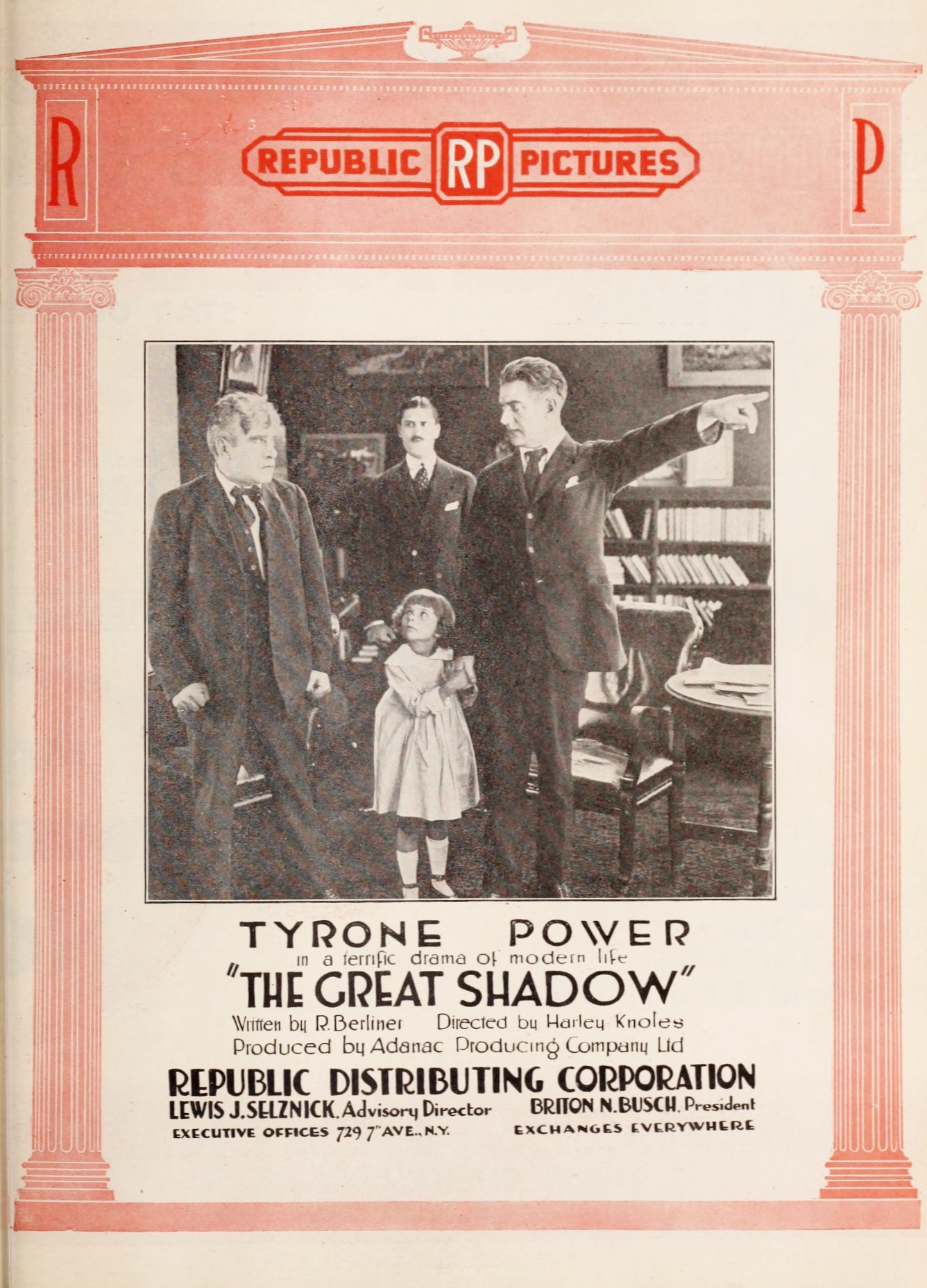
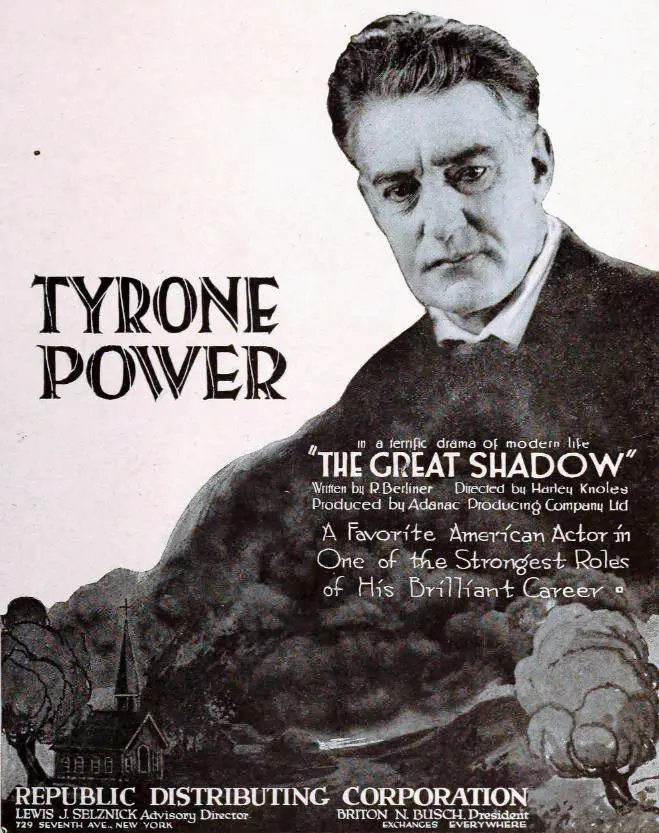
Dir: Harley Knoles
Jim McDonald, the foreman of a shipbuilding plant and head of the labor union, strives to combat the anarchistic propaganda being put forth by Klimoff, the leader of a Bolshevik gang whose goal is to disrupt the country with strikes and anarchy. Despite McDonald's efforts, a strike is called, resulting in chaos. McDonald's child is knocked down by runaway horses abandoned by their striking driver, and dies. Mob scenes take place in America, as well as in Russia. Eventually, the unrest is quelled with an armistice called between Capital and Labor for a year, during which time wages are to be increased to reflect the cost of living, and leaders are to work out a common plan for their mutual advantage. The strikers now realize that they have been pawns of the Bolsheviks and call off the strike, agreeing to the plan.
View Details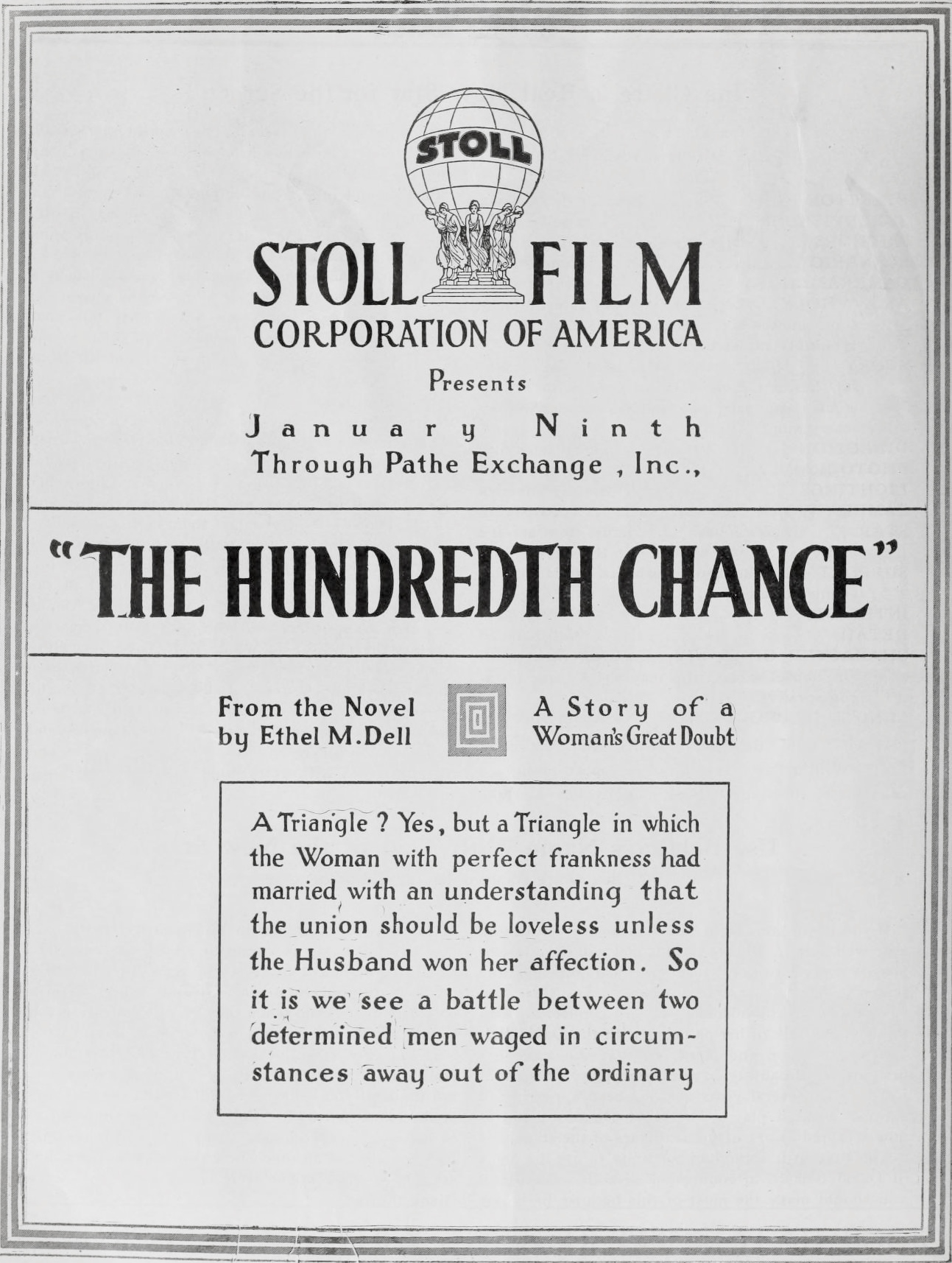
Dir: Maurice Elvey
A lady marries a horse trainer but withholds herself until her crippled brother is cured.
View Details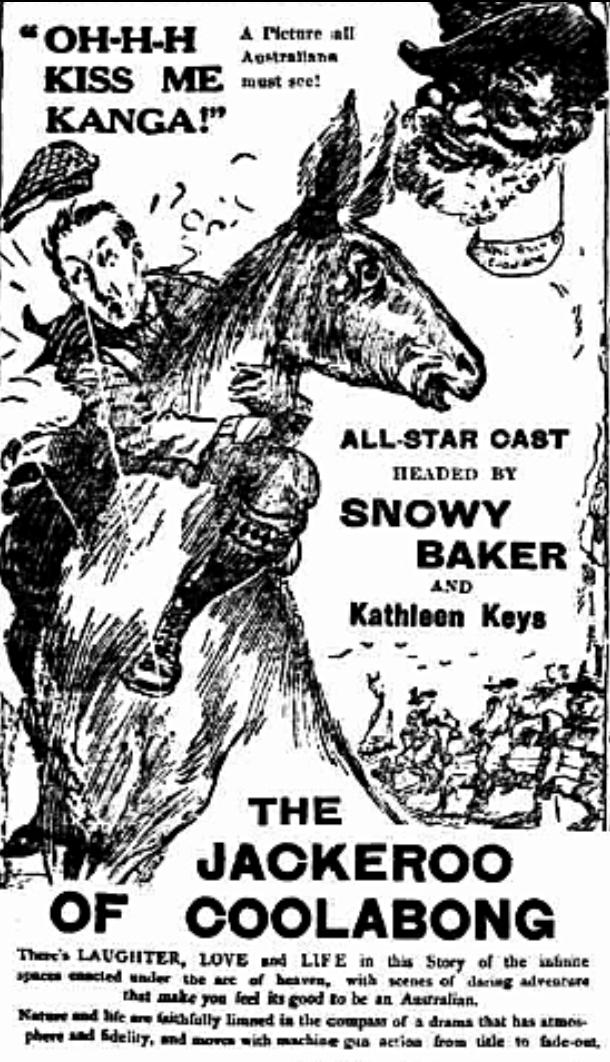
Dir: Wilfred Lucas
Brian O'Farrell (Snowy Baker), is an English 'new chum' who takes a job at an Australian cattle station. He is teased by station hands because of his appearance (including spats and a monocle) but he soon impresses them with his skills at riding and boxing. The station manager, John MacDonald (Wilfred Lucas), takes O'Farrell to Sydney to meet his daughter Edith (Kathleen Key) who is working in the slums. Edith is kidnapped by criminals after witnessing a crime but O'Farrell rescues her. It is later revealed he is the owner of the station.
View Details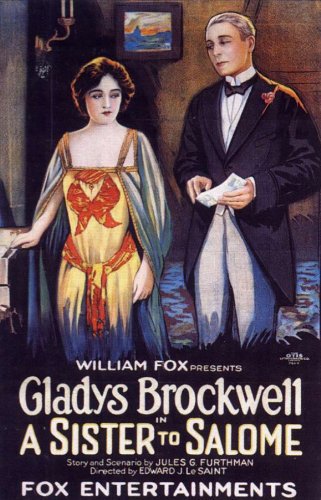
Dir: Edward LeSaint
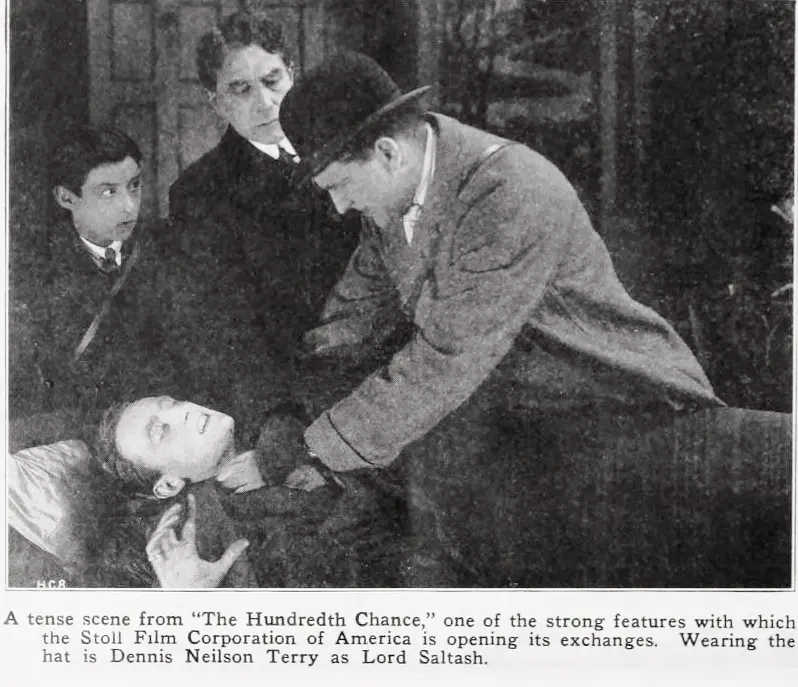
When famous opera singer Elinore Duane undergoes an operation on her throat, she has a series of ether-induced visions. In one, she is transported to ancient Rome where she appears as a much-admired woman in love with Paul, a young heretic, and at odds with Lutor, the high priest. To save her love, she poisons Lutor with her ring. After several other visions which involve variations on this love triangle, Elinore awakens to discover that Lutor is actually her doctor, Sascha Jaccard, and that Paul is the son of a friend who has come to visit the recovering prima donna.
View Details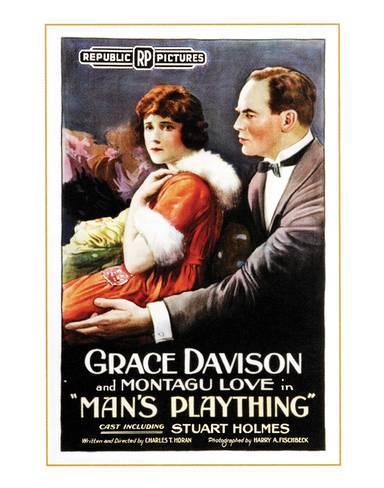
Dir: Charles Horan
While working as a flower girl in Devlin Maddox's nightclub, Nellie Vaughan meets wealthy young Pelton Van Teel and falls in love. Maddox, desirous of using Nellie to blackmail Van Teel, spreads a rumor that she is his mistress. This makes Nellie uncomfortable, and she demands that Van Teel marry her immediately, to which he agrees. Meanwhile, Van Teel has been losing money gambling to Maddox, who threatens to break up the marriage by producing a worthless check that the young husband has written. Venturing to Maddox's apartment for a showdown, Nellie pulls a gun and demands the check, accidentally shooting Maddox when he throws a lamp at her. Maddox plans to charge Nellie with assault, but when the police arrive, his butler, actually a detective employed by the elder Van Teel, exposes Maddox, who is then arrested, clearing the path for the couple's happiness.
View Details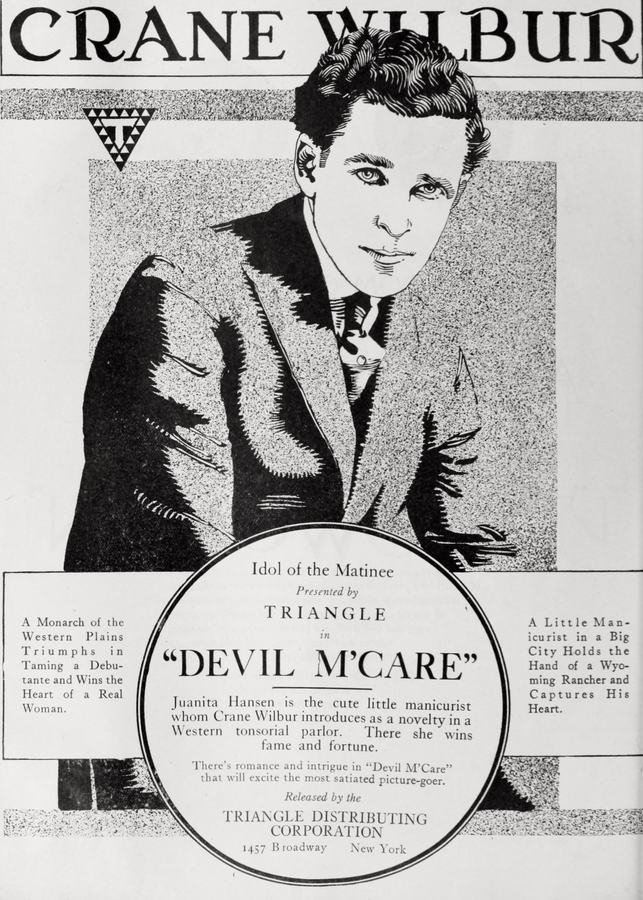
Dir: Lorimer Johnston
Mary Archer, a manicurist in a big city, becomes infatuated with Western rancher Devil McCare. He also falls for her, to the dismay of the wealthy society girls who try to tempt him. Mary, won over by Devil's description of life on the range, follows him to Sour Lake, where she becomes the manicurist in the hotel and the idol of Sour Lake, outshining Devil's ward Vera. After some adventures, including a fight between Devil and Parson Brown over Mary, Devil and Mary find happiness together.
View Details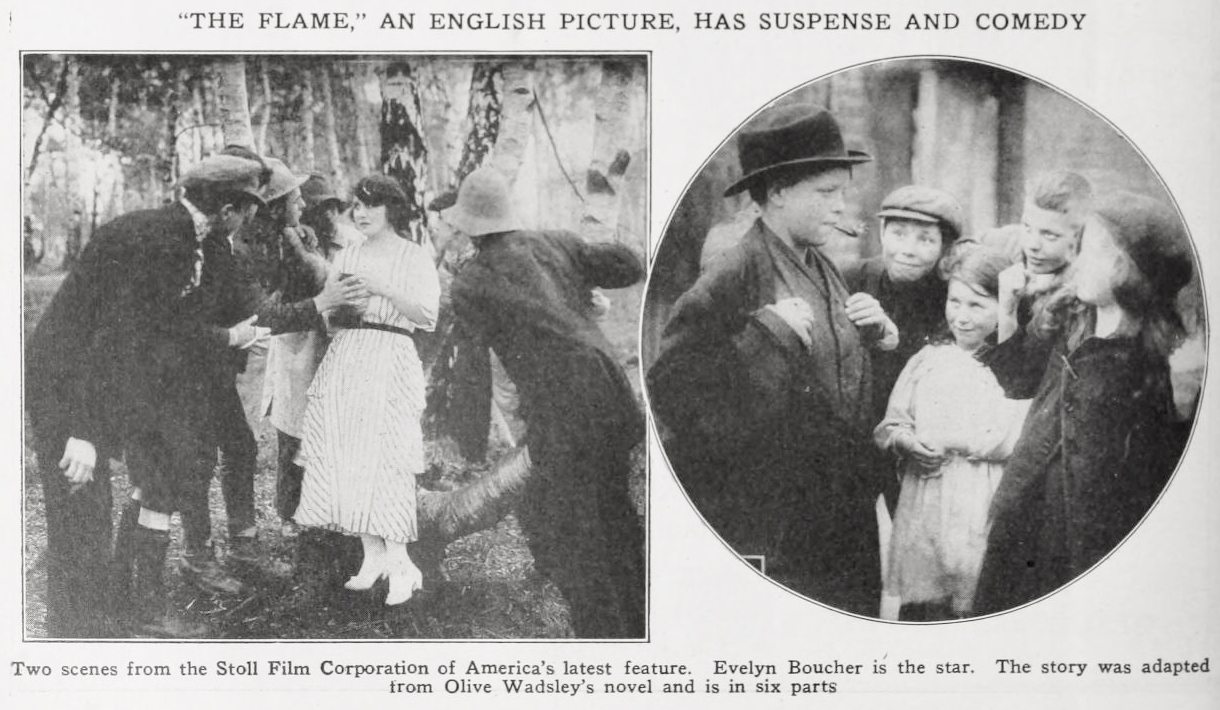
Dir: F. Martin Thornton
In Paris an orphan cartoonist loves a man with a mad wife, who dies in time to prevent her marriage to a jilted Comte.
View Details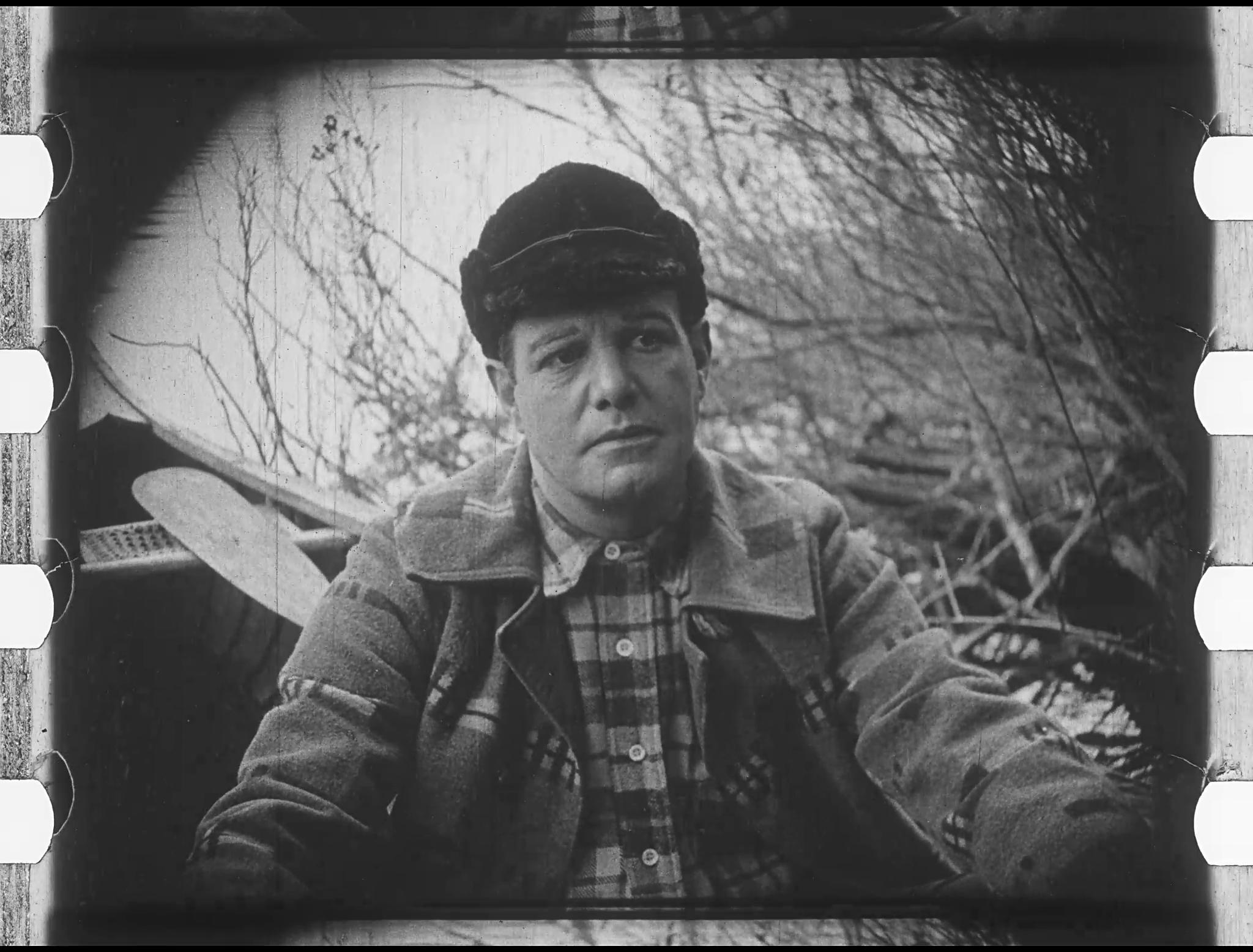
Dir: Edgar Jones
A mail-order bride arrives at a Maine lumber camp but doesn't like her prospective husband.
View DetailsAnalysis relative to The Cricket on the Hearth
| Film Title | Atmosphere | Complexity | Similarity |
|---|---|---|---|
| Lunatics in Politics | Ethereal | Dense | 97% Match |
| The Envoy Extraordinary | Surreal | Linear | 96% Match |
| The Great Shadow | Gothic | High | 94% Match |
| The Hundredth Chance | Gritty | Dense | 87% Match |
| The Jackeroo of Coolabong | Ethereal | High | 85% Match |
This guide was algorithmically generated using the cinematic metadata of Lorimer Johnston's archive. Last updated: 6/26/2026.
Back to The Cricket on the Hearth Details →