
DbcultAccessing Vault...
Recommendations
Senior Film Conservator
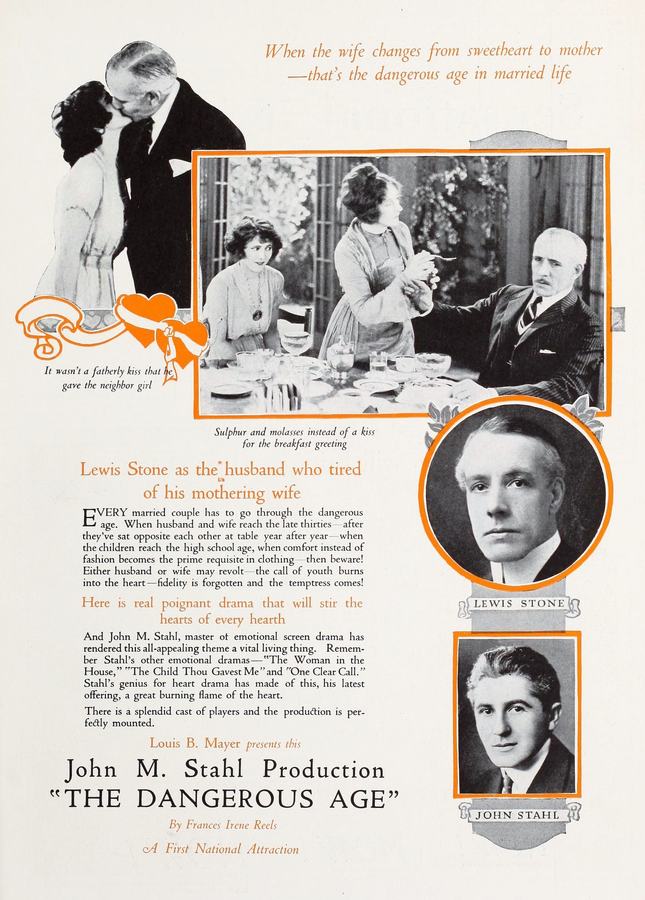
The Drama sensibilities displayed in The Dangerous Age are unparalleled, its status as a United States icon makes it a perfect starting point for discovery. These hand-selected movies are designed to satiate your craving for Drama quality.
The cultural footprint of The Dangerous Age in United States to serve as a cornerstone for Drama enthusiasts worldwide.
Mary and John Emerson have been married for 22 years, and she treats him more like a son than a husband. Stung by her rebuffs, he succumbs to the youthful charms of Gloria Sanderson, whom he meets on a business trip. But just after he mails a letter to Mary telling her that he will not return, John finds Gloria in her fiancé's arms. Realizing his foolishness, he races to the train to retrieve the letter. He fails, and Mary receives and reads the letter; but she too has seen her error, conceals her knowledge of the letter's contents, and accepts John's professions of love.
Critics widely regard The Dangerous Age as a cult-favorite piece of Drama cinema. Its character-driven intensity is frequently cited as its strongest asset, solidifying its place in United States's film legacy.
Based on the unique character-driven intensity of The Dangerous Age, our vault has identified these titles as the most compelling follow-up experiences for fans of Drama cinema:
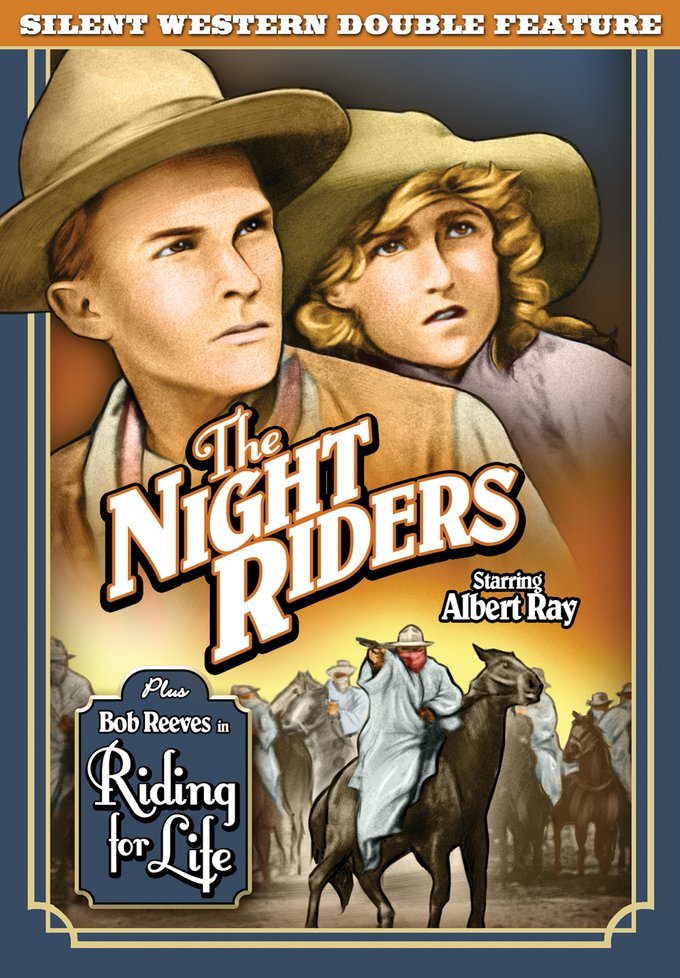
Dir: Alexander Butler
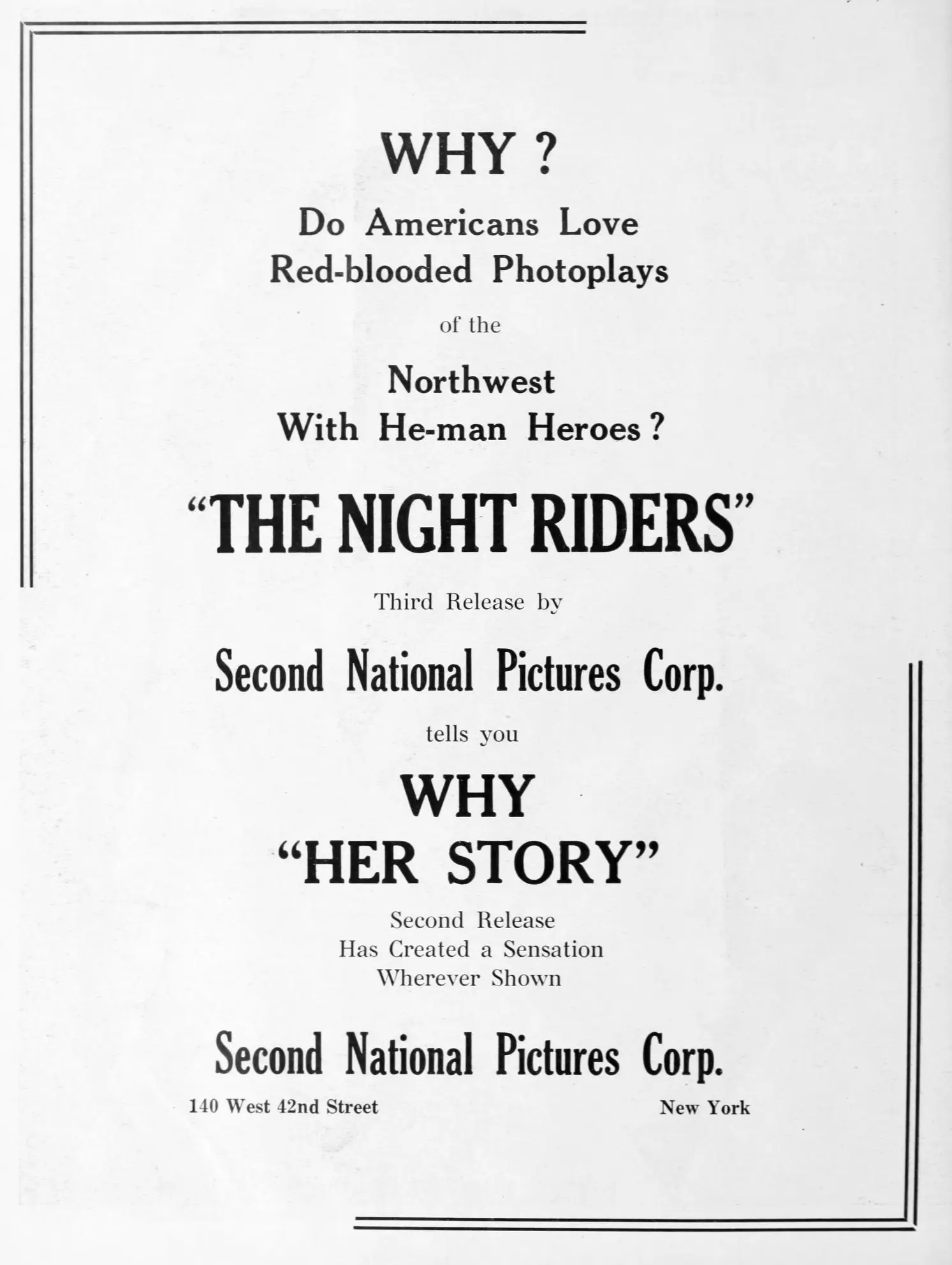
In Alberta, Canada, a Cornish emigrant unmasks a rustler posing as the girl's "blind" father.
View Details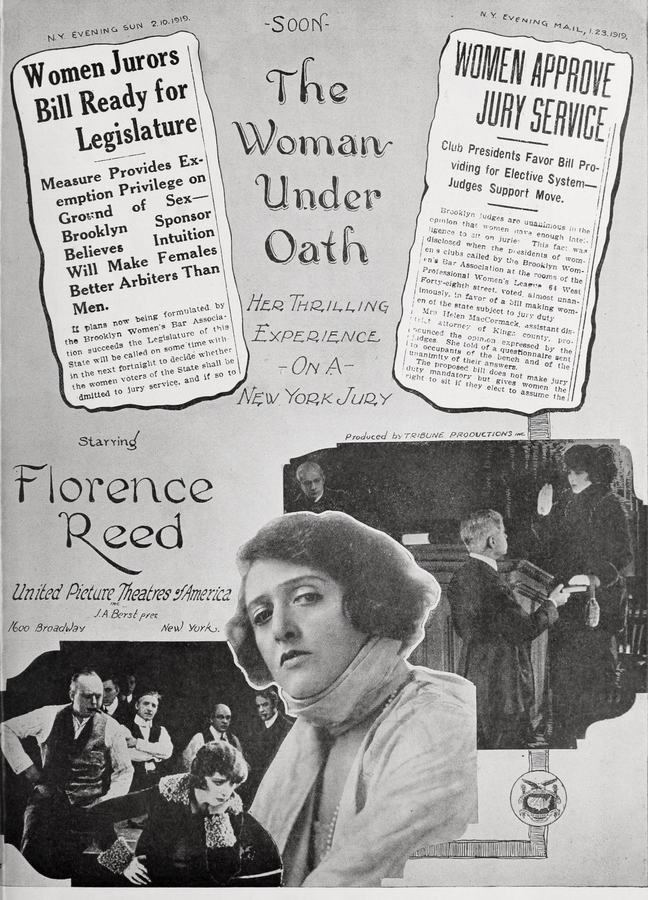
Dir: John M. Stahl
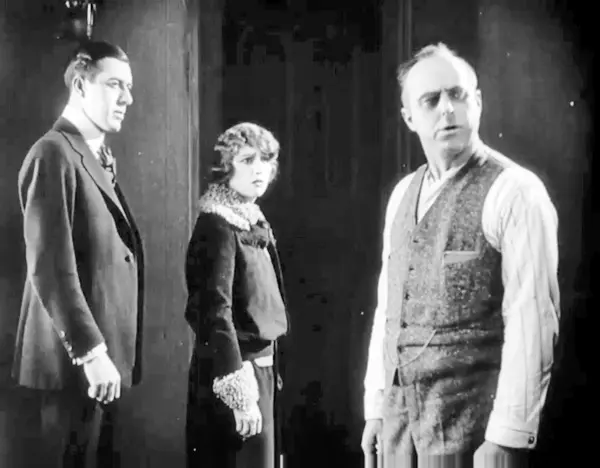
After a foreword introduces the question of whether women are temperamentally suited for jury duty, young shipping clerk Jim O'Neil is found holding a revolver over his dead employer, Edward Knox. Celebrated novelist Grace Norton, selected to be on the jury at Jim's trial, becomes New York's first female juror. Although Jim pleads innocence, he refuses to elaborate until his sweetheart Helen testifies that Knox raped her when she pleaded for Jim, who was fired unjustly, to be reinstated. Jim testifies that he intended to kill Knox but found him dead already. During an angry all-night deliberation, the jury remains deadlocked 11-to-1, with Grace voting against a guilty verdict. In the morning, when she learns that her sister Edith has died, Grace confesses to killing Knox for seducing Edith and failing to honor his promise of marriage. After the foreman reminds the jury of their oath to keep their proceedings secret, they agree not to reveal Grace's story, and vote to acquit Jim.
View Details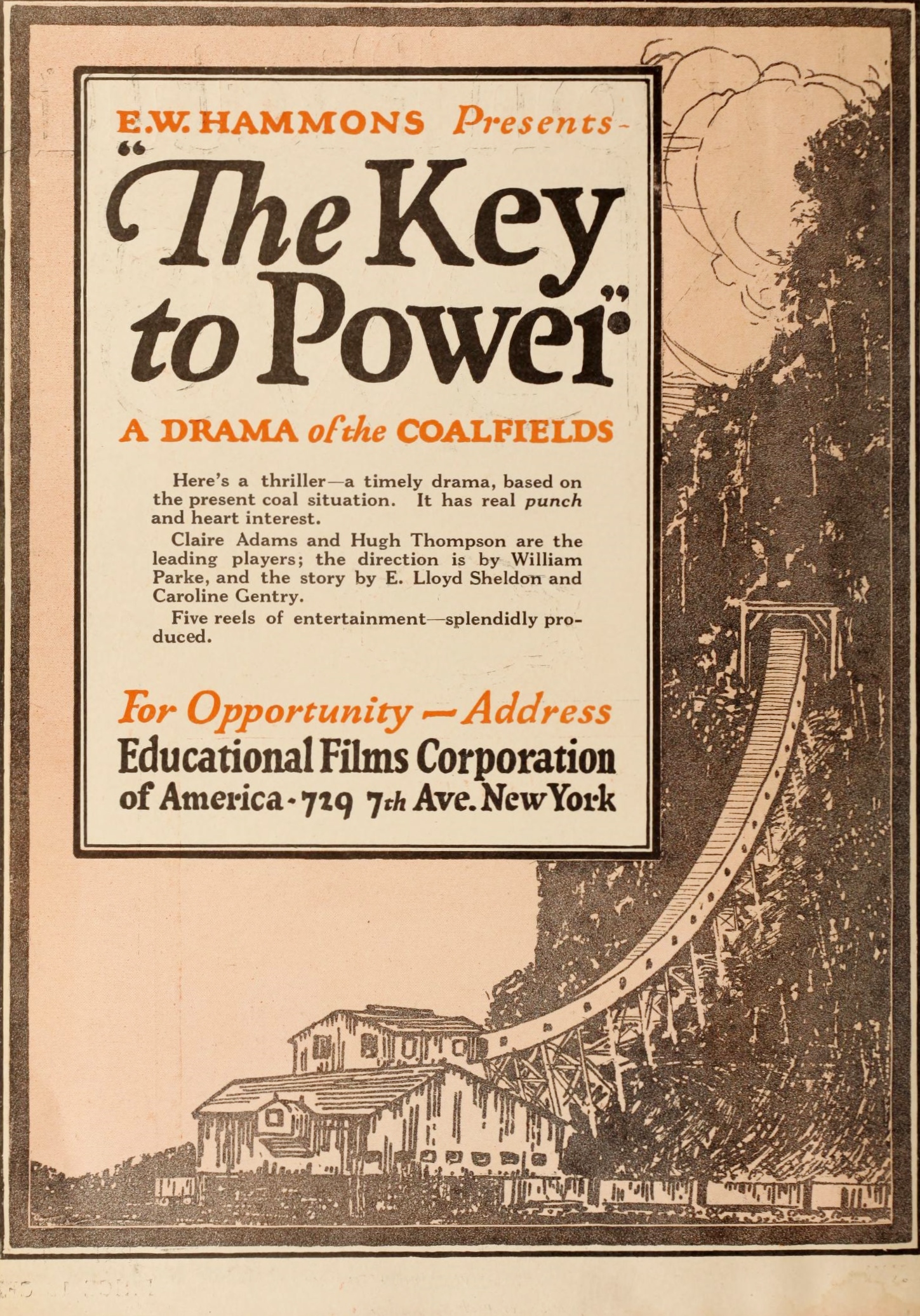
Dir: William Parke
Bruce Wendell, the son of West Virginia coal mine owner James Wendell, graduates from West Point and prepares to lead a fighting unit to the front during World War I. As his father lies dying, however, he convinces Bruce to remain at home and guard the mine. Bruce's fiancée Ann Blair assumes that he is a coward and breaks off their engagement, but her brother Bobbie remains Bruce's loyal friend. Meyer, a German agent, persuades railroad president Parrish to refuse to transport Wendell's coal, but when Bruce adamantly refuses to close the mine, the spy's men decide to blow it up. While Ann is being abducted by Meyer, Bobbie is buried in an explosion at the mine. Bruce rescues Bobbie and then sends a plea to Lieutenant Parrish to rescue Ann. Meyer and his gang are captured and Ann renews her vow of love to Bruce.
View Details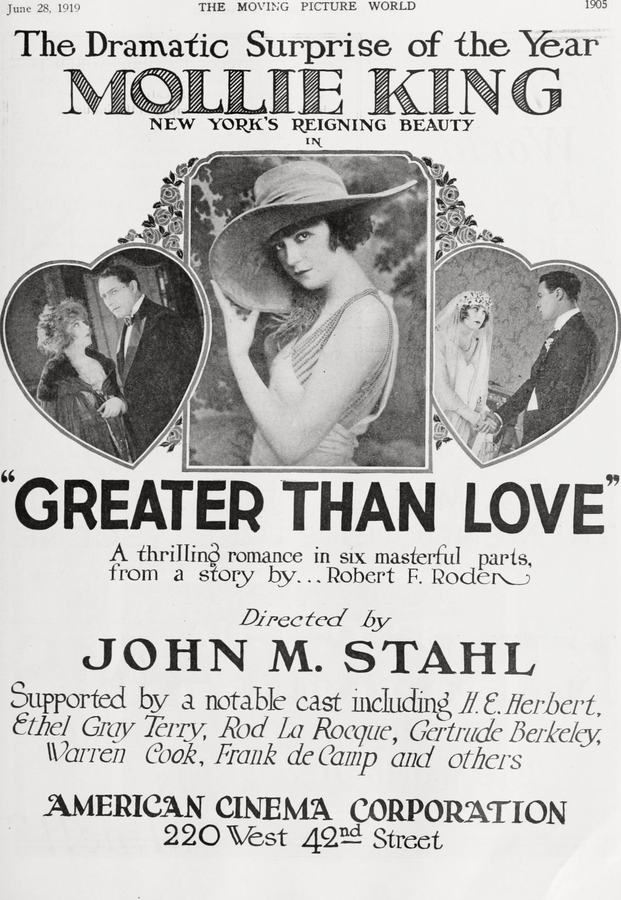
Dir: John M. Stahl
Faced with deciding between two suitors, James Brunton and Bob Standing, Grace chooses James. Aristocratic Mr. Brunton gives his son James a sumptuous wedding at home, which is interrupted when the father is suddenly shot through a window. Before he dies, Mr. Brunton speaks with James, making him promise not to apprehend the murderer. Later, the marriage is troubled when Grace is led to believe that James is involved with another woman, Helen, and is giving her money. Crushed, Grace leaves home and has a miscarriage after settling in another town. Meanwhile, James believes that she has run off with Bob. One day, James has a car accident and is taken to Grace's house nearby, where she cares for him. The mystery is solved with the arrivals of Helen and Bob, when it is revealed that Helen is actually James's sister, and that Mr. Brunton had abandoned Helen's mother Alice years before. Mr. Brunton knew that it was Alice who had shot him, and he wanted James to try to make up for his neglect of the mother and daughter. Bob then becomes interested in Helen, and James and Grace are reconciled.
View Details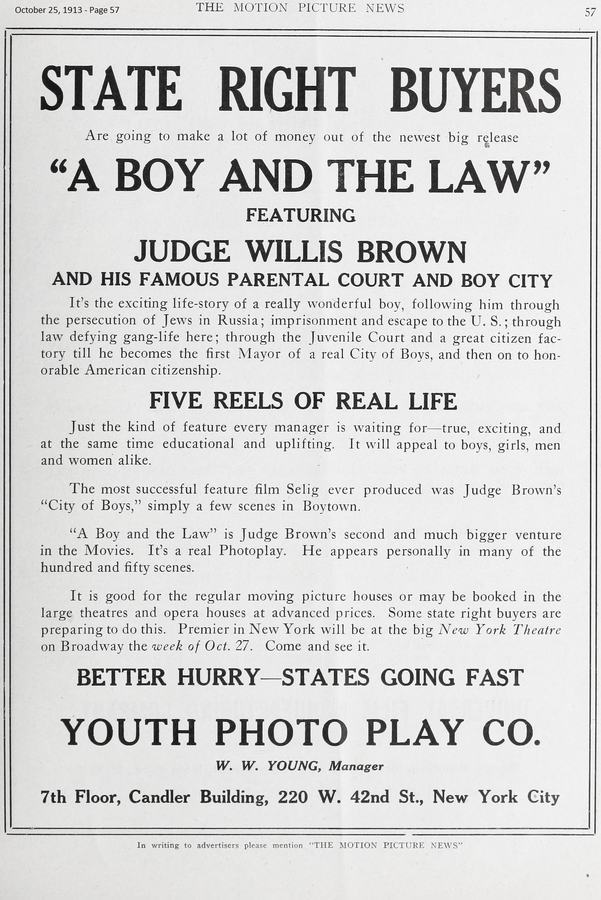
Dir: John M. Stahl
Around 1903, in czarist Russia, William ("Willie") Eckstein is at boarding school when he receives a letter from his mother describing how their prosperous Jewish family has been forced by government edict to pack up their belongings and move to a poor village. Willie joins the Eneckva, a secret Nihilist society that meets on the outskirts of town, and quickly becomes a leader because of his speaking ability. In the meantime, Cossacks kill Willie's father for defending a tavern waitress. At school, a teacher finds one of Willie's pamphlets and turns him in to local authorities, who ransack his room and throw Willie and two friends into jail. Other boys come to their rescue, however, and they escape down a cliff. Willie hurries home to his mother, to tell her he is fleeing Russia, and she gives him a peasant suit that will allow him to travel without being molested. He flees to America, where he claims he will "live free from the law." After reaching the United States, Willie makes his way to Salt Lake City, Utah, where his uncle owns a clothing store. He starts his new life as a newspaper boy, but becomes a hoodlum and ends up in the hands of truant officers. Summoned to the Parental Court of Judge Willis Brown, Willie at first defies the judge, but later realizes that Brown sincerely wishes to help him. Supported by local progressive women who see the need of moral education for wayward children rather than punishment in a reform school, Judge Brown is given an 800-acre farm for the purpose of building a community for juveniles. He chooses eighteen young felons, including Willie, and drives them to the farm to start building "Boy Town," and Willie is soon elected mayor. At Boy Town, the youths practice discipline and self-government, learning how to farm the land, deal with troublemakers, and earn a profitable living. Many of the boys grow into successful, law-abiding adults. Judge Brown sends Willie to an Eastern college, and then to a university in Missouri, where Willie studies agriculture. Finally, Judge Brown makes him the manager of a large private farm, and the young man becomes a U.S. citizen. He also sends his mother one of his regular letters with a money-order enclosed, along with a photograph of himself, and then dreams of her joy in receiving it. The judge comes in, presses Willie's hands, and assures the sleeping youth that his belief in a square game will help him prosper and be an example for other boys.
View Details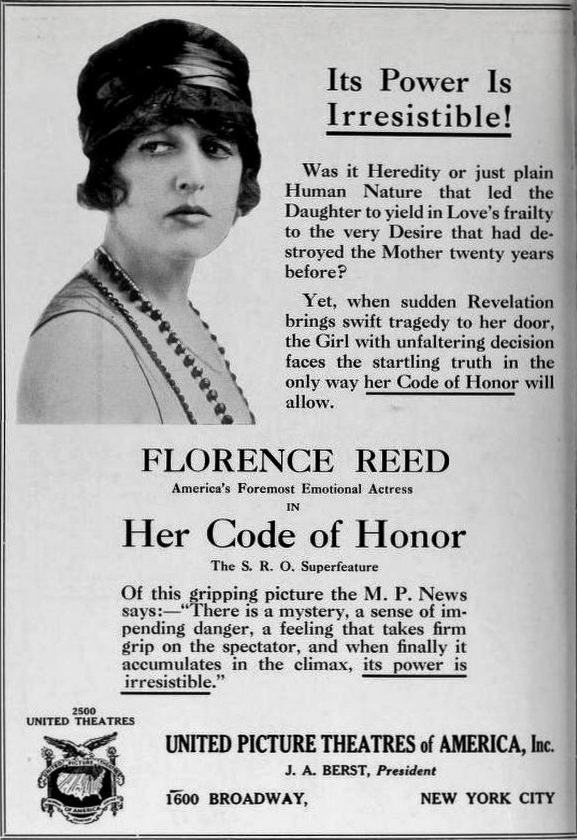
Dir: John M. Stahl
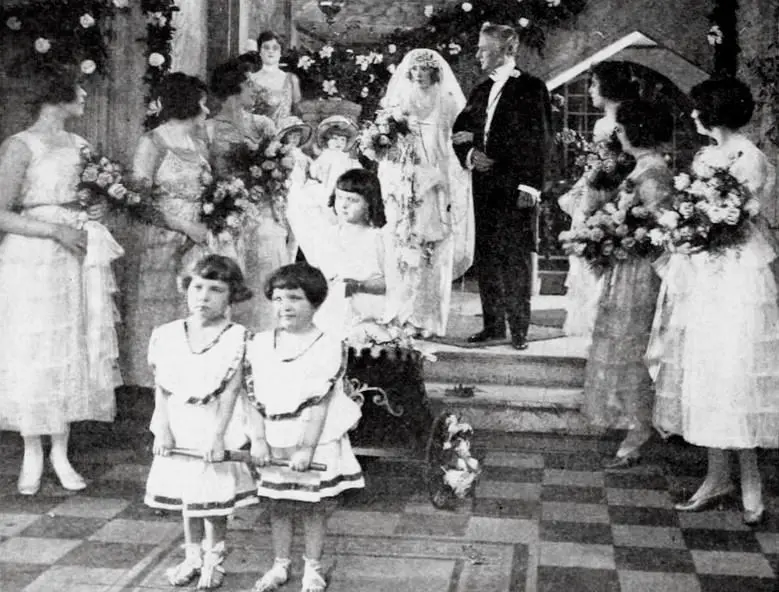
A man brings up, on Long Island, the illegitimate daughter of a deceased woman who'd been an art student in love with a married Parisian. Is a French man the daughter, now grown up, attracted to a descendant of that same Parisian as well?
View Details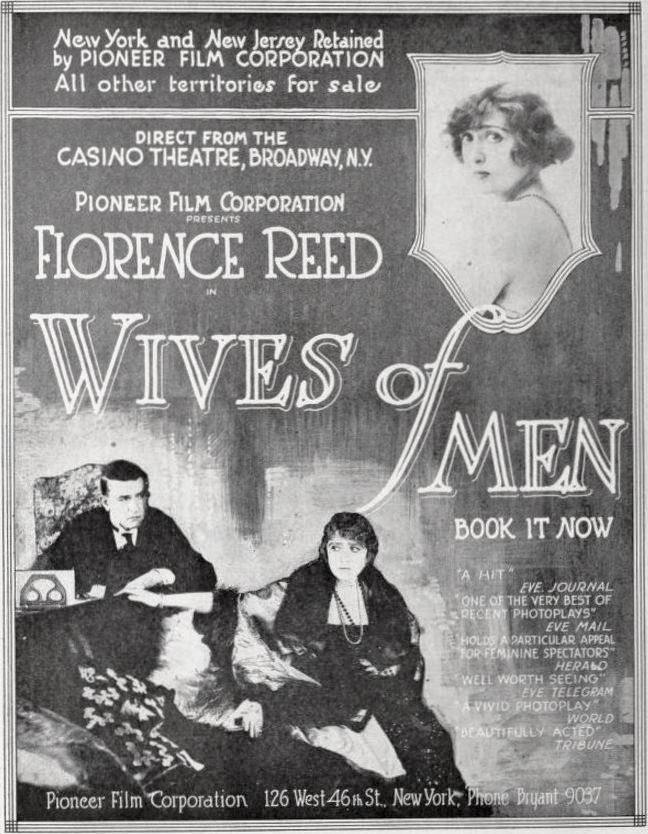
Dir: John M. Stahl
Just as Mr. and Mrs. James Randolph Emerson, Jr. are about to depart on their honeymoon, Lucille Emerson discovers her husband gazing at a photograph that bears the inscription, "With love to my husband, Grace." Too proud to question James about the photograph, Lucille is tormented by the image of the woman for many years. Finally Lucille becomes involved in a flirtation with another man, and when her husband learns of her infatuation, he becomes insanely jealous. Enraged, he is choking her when a small boy rushes into the room and collapses. James leaves Lucille, who returns the boy to his tenement home. While there, Lucille discovers that the child is James's son, born to a woman who died in childbirth. Finding that James has long forgotten Grace, however, Lucille is reconciled to her husband.
View Details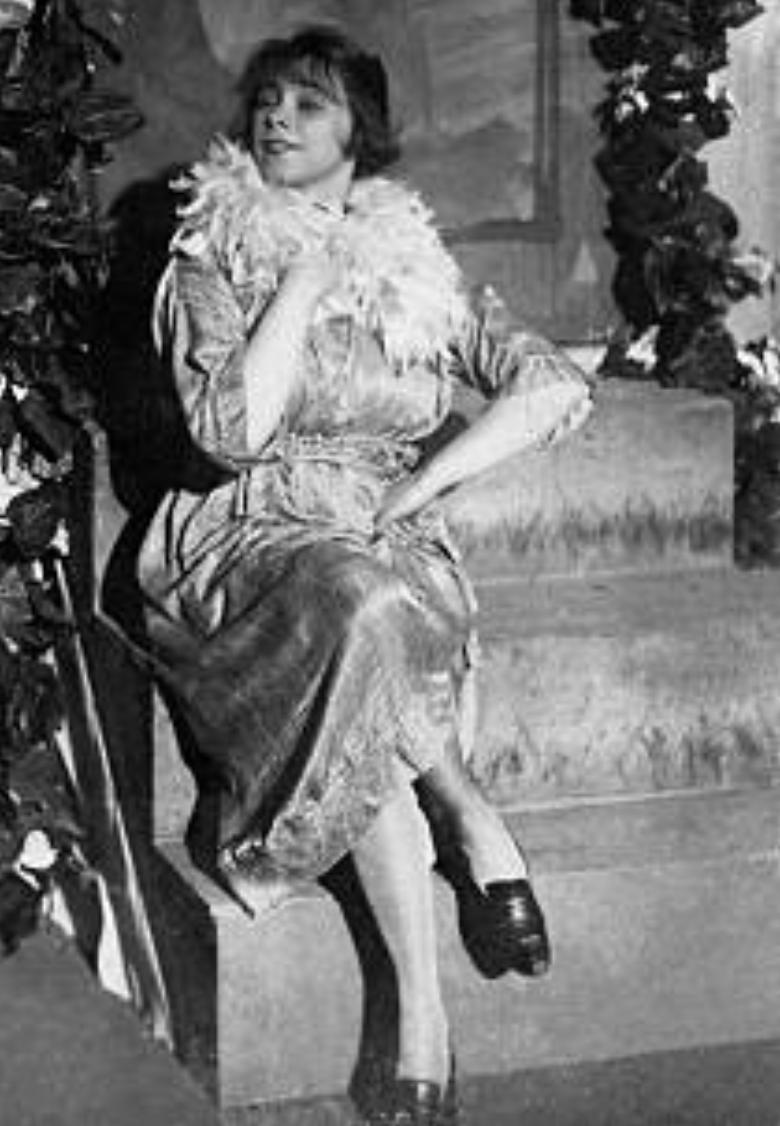
Dir: Bruno Ziener
A fascinating piece of cinema that shares thematic elements.
View Details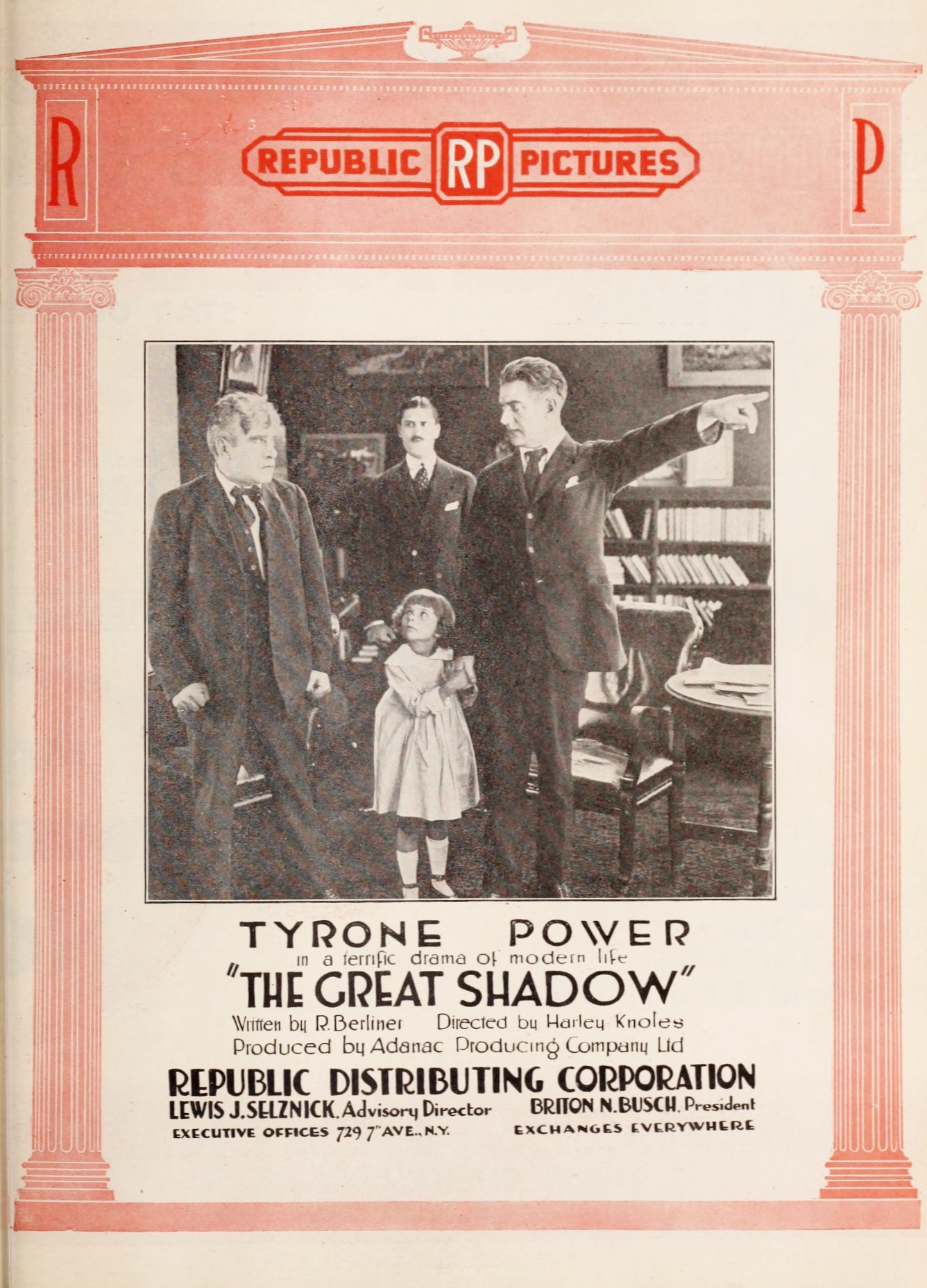
Dir: Harley Knoles
Jim McDonald, the foreman of a shipbuilding plant and head of the labor union, strives to combat the anarchistic propaganda being put forth by Klimoff, the leader of a Bolshevik gang whose goal is to disrupt the country with strikes and anarchy. Despite McDonald's efforts, a strike is called, resulting in chaos. McDonald's child is knocked down by runaway horses abandoned by their striking driver, and dies. Mob scenes take place in America, as well as in Russia. Eventually, the unrest is quelled with an armistice called between Capital and Labor for a year, during which time wages are to be increased to reflect the cost of living, and leaders are to work out a common plan for their mutual advantage. The strikers now realize that they have been pawns of the Bolsheviks and call off the strike, agreeing to the plan.
View Details
Dir: Eduardo Notari
A crime drama in the Gennariello-series. The police detective in Naples that is confronted with modern gangsters and crime events.
View DetailsAnalysis relative to The Dangerous Age
| Film Title | Atmosphere | Complexity | Similarity |
|---|---|---|---|
| The Night Riders | Ethereal | High | 96% Match |
| The Woman Under Oath | Surreal | Linear | 90% Match |
| The Key to Power | Gritty | Dense | 91% Match |
| Greater Than Love | Tense | Layered | 87% Match |
| A Boy and the Law | Ethereal | Dense | 93% Match |
This guide was algorithmically generated using the cinematic metadata of John M. Stahl's archive. Last updated: 6/25/2026.
Back to The Dangerous Age Details →