
DbcultAccessing Vault...
Recommendations
Senior Film Conservator
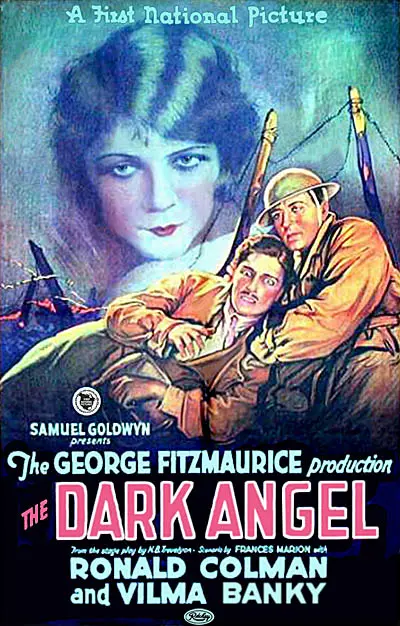
Since its 1925 debut, The Dark Angel has maintained a nuanced performance status, the legacy of The Dark Angel is a beacon for those seeking the unconventional. Our criteria for this list were simple: only the most nuanced performance and relevant titles.
The 1925 landscape was forever altered by the arrival of to sustain a sense of mystery that persists after the credits roll.
"The Dark Angel" tells the story of three childhood friends, two male, one female. When the woman chooses one of the men to marry, the other, jealous, sends his rival into a dangerous situation during wartime.
Critics widely regard The Dark Angel as a cult-favorite piece of Drama cinema. Its nuanced performance is frequently cited as its strongest asset, solidifying its place in United States's film legacy.
Based on the unique nuanced performance of The Dark Angel, our vault has identified these titles as the most compelling follow-up experiences for fans of Drama cinema:
Dir: George Fitzmaurice
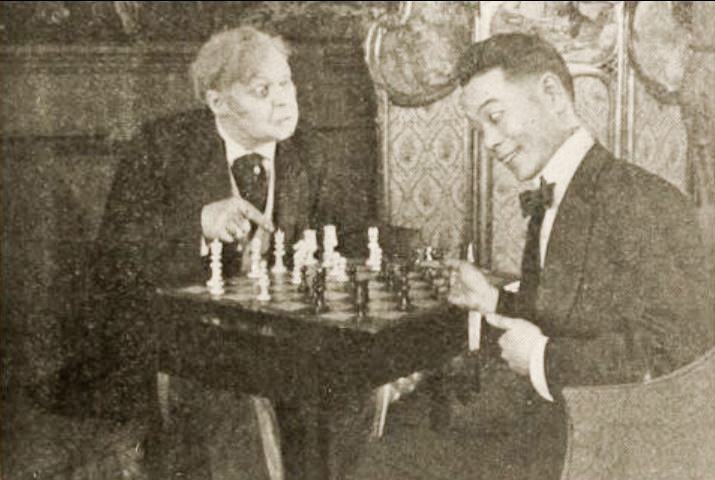
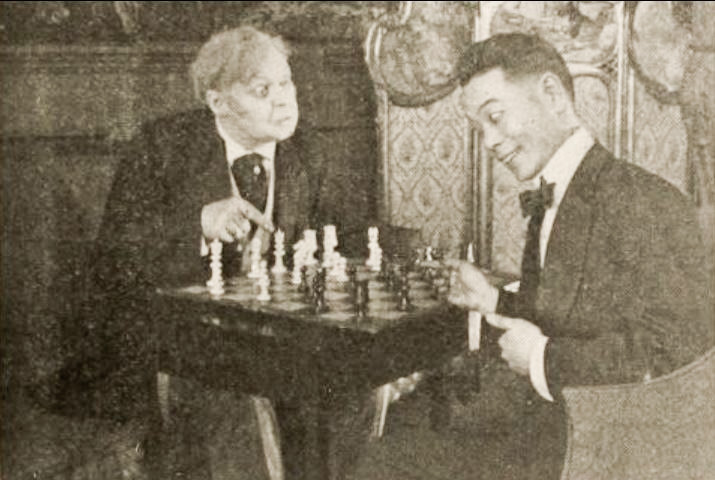
Mrs. O'Brien, newly rich, vainly aspires to social prominence, an ambition in which her common, chess-loving husband does not sympathize. Pretty Mary Ellen, the daughter, and a Japanese butler constitute the household. One day Mrs. O'Brien sends out invitations to a party which the Van Dusens and Van Astorbilts refuse to attend. While she is mourning this loss, an automobile breaks down in front of the house, and a slender young man who introduces himself as Lord Algernon Ste. Clair seeks refuge, while his car awaits the repairman. Mrs. O'Brien, scenting a noble match, promptly invites him to stay for the party. Meanwhile a rough-looking character alights from an automobile, and after a careful inspection of the house, rejoins his friends and disappears. An hour later, immaculately groomed, he enters the club of which O'Brien is a member, and finding the solitary old Irishman playing a lonesome game of chess, offers himself for partner. In this way he obtains an invitation to attend Mary Ellen's party, in due time the guests arrive, consisting of the good-hearted but illiterate Flanagans, their two children and the stranger. There immediately commences a vigorous suit for the hand of pretty Mary Ellen on the part of Lord Algy and the stranger. Mary Ellen shows her preference for the stranger. That night weird things happen. The stranger who has been invited to spend the night, slips into the library in time to see O'Brien much excited over the appearance of a white hand that has deftly poked through the portieres in search of the electric switch. In another instant the stranger throws O'Brien to the floor, and Lord Algy in hand, stands over them. There is a scuffle and the stranger disappears, gun in hand, through the French window. An hour later Lord Algy, in his room, cautiously draws a string of pearls from his pocket, only to turn and face the gun of the stranger, who raises his head from back of Lord Algy's bed. There follows explanations and the stranger shows his badge as a government secret service agent, long in search of the crook known as Lord Algy. O'Brien rejoices and Mary Ellen slips her hand into that of the "stranger's," while Mrs. O'Brien, thoroughly disgusted, hurls a volume of "Who's Who in Society" into the waste basket.
View Details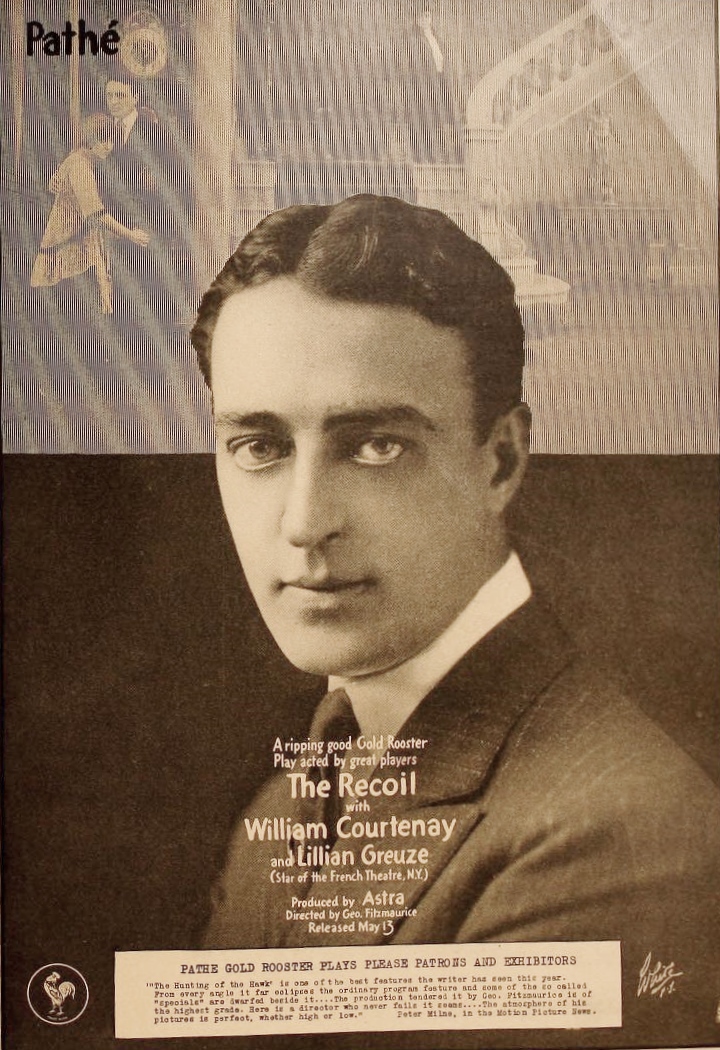
Dir: George Fitzmaurice
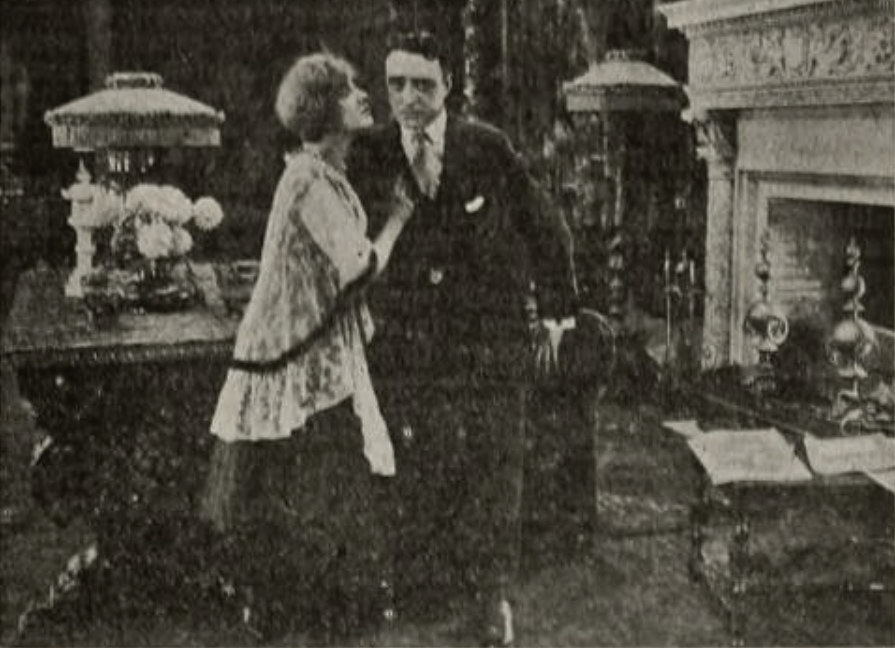
When Richard Cameron, a secret service agent tracking down international spies, is kidnapped by the enemy, Mirian Somerset, to whom Richard has been surreptitiously married, believes that he is dead. Mirian then acquiesces to her mother's wishes and marries the rich and dissipated Charles Van Horn in order to recoup her family's fortune. When Richard suddenly returns, Van Horn finds Mirian with him and, enraged, attacks him. In the struggle that follows, Mirian strikes Van Horn, accidentally killing him. Richard, who must return to his mission overseas, is forced to leave Mirian alone. When her brother Page is arrested for Van Horn's murder on circumstantial evidence, Mirian is torn between fear of revealing her own crime and horror at her brother's conviction. Just before the boy is sent to the electric chair, however, Richard appears with the governor's pardon and Page is freed, restoring peace to Mirian's turbulent life.
View Details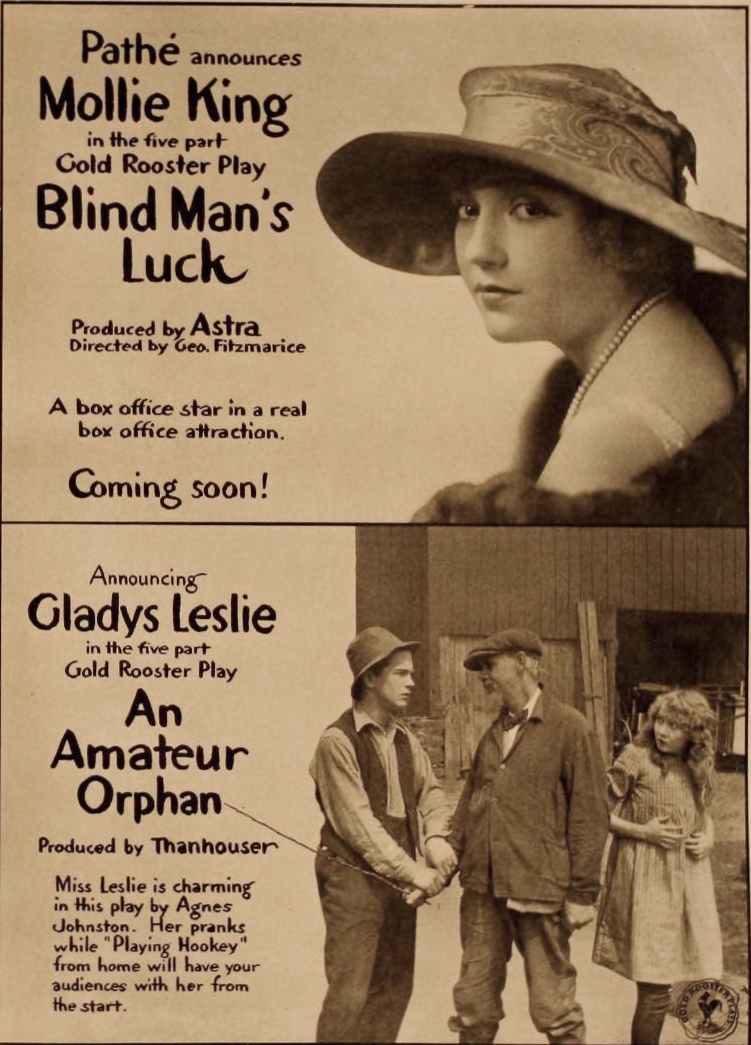
Dir: George Fitzmaurice
Suspected of smuggling, Eileen Caverly boards the Connecticut Limited, followed by a detective who is trailing her. Also on the train is Bob Guerton, banished from his father's household for stealing to pay his wine bills. Bob is accompanied by Helen Raymond, whom he married while in a drunken stupor. Helen, becoming disgusted at his actions, confides in Eileen and when the train is wrecked and Helen killed, Eileen poses as Bob's wife to avoid the detective. Bob, injured, is brought to the hospital accompanied by Eileen. His mother visits him and, learning that they were married by a Justice of the Peace, forces them to be married by a minister. With Eileen's support, Bob becomes successful and they are blessed with a son. A reconciliation with Bob's father is effected and all goes well until Cromwel Crow, Eileen's former guardian and a smuggler, is released from jail. Crow visits Eileen and demands $5000 for his silence. Bob hears his wife struggling, enters her room and in the ensuing fight, Crow is killed. Eileen's secret dies with her adversary, freeing her to continue her life.
View Details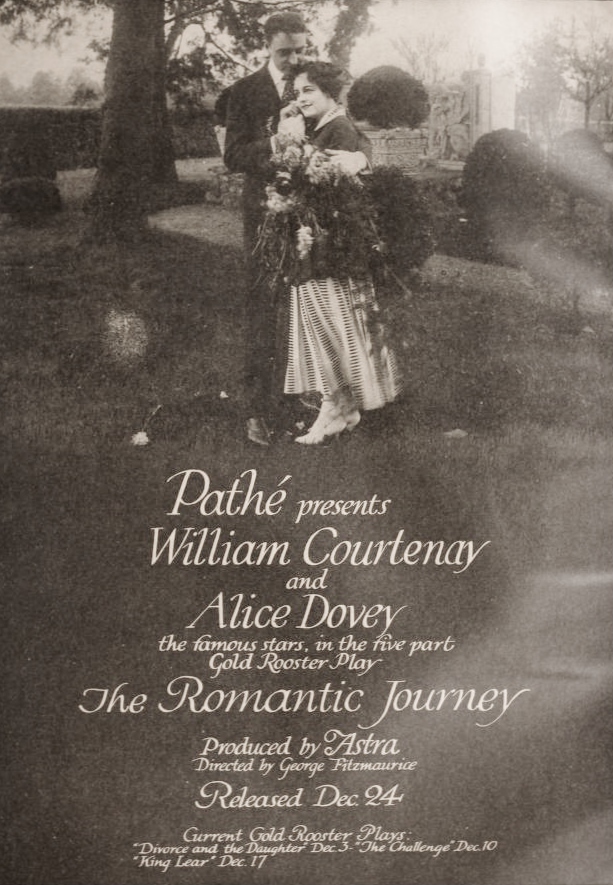
Dir: George Fitzmaurice
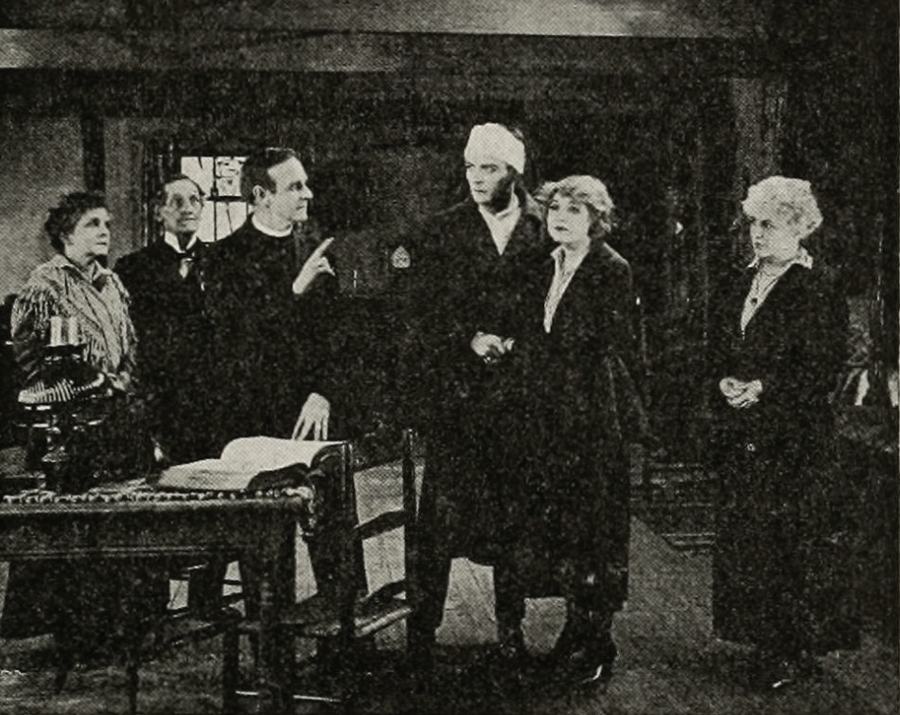
Peter, a social lion, suffering from ennui, visits a mysterious antique shop conducted by Ratoor, an east Indian, who has. through hypnotism, enslaved Cynthia, a beautiful young girl. Peter notices something wrong in the shop keeper's conduct and decides to investigate. Broadhurst, a millionaire, is in love with Cynthia through whom Ratoor plots to get his millions. Peter makes a nocturnal visit to the shop and discovering Cynthia imprisoned, tries unsuccessfully to liberate her. Ratoor, dominating Cynthia, compels her to accept Broadhurst's proposal and a weeding day is set. After the ceremony, she warns him against Ratoor and begs him to leave for his own safety. Broadhurst refuses, and keeping Ratoor, who has discovered their abode, under surveillance, arrives too late to save Broadhurst. And he, himself, narrowly escapes from being thrown into the river by Ratoor's henchman. Cynthia, falling by a ruse, to outwit her former master, is again in his clutches. Peter, still dubious, visits the shop of Ratoor, who, suspecting that he is watched, decides to make an end of Cynthia, who has transferred her husband's property to him. Concealed, Peter sees Ratoor and his gang disappear with Cynthia in the direction of the cemetery. The scoundrels, frightened by uncanny noises, forsake the half-swooning Cynthia who is rescued by Peter following in the darkness.
View Details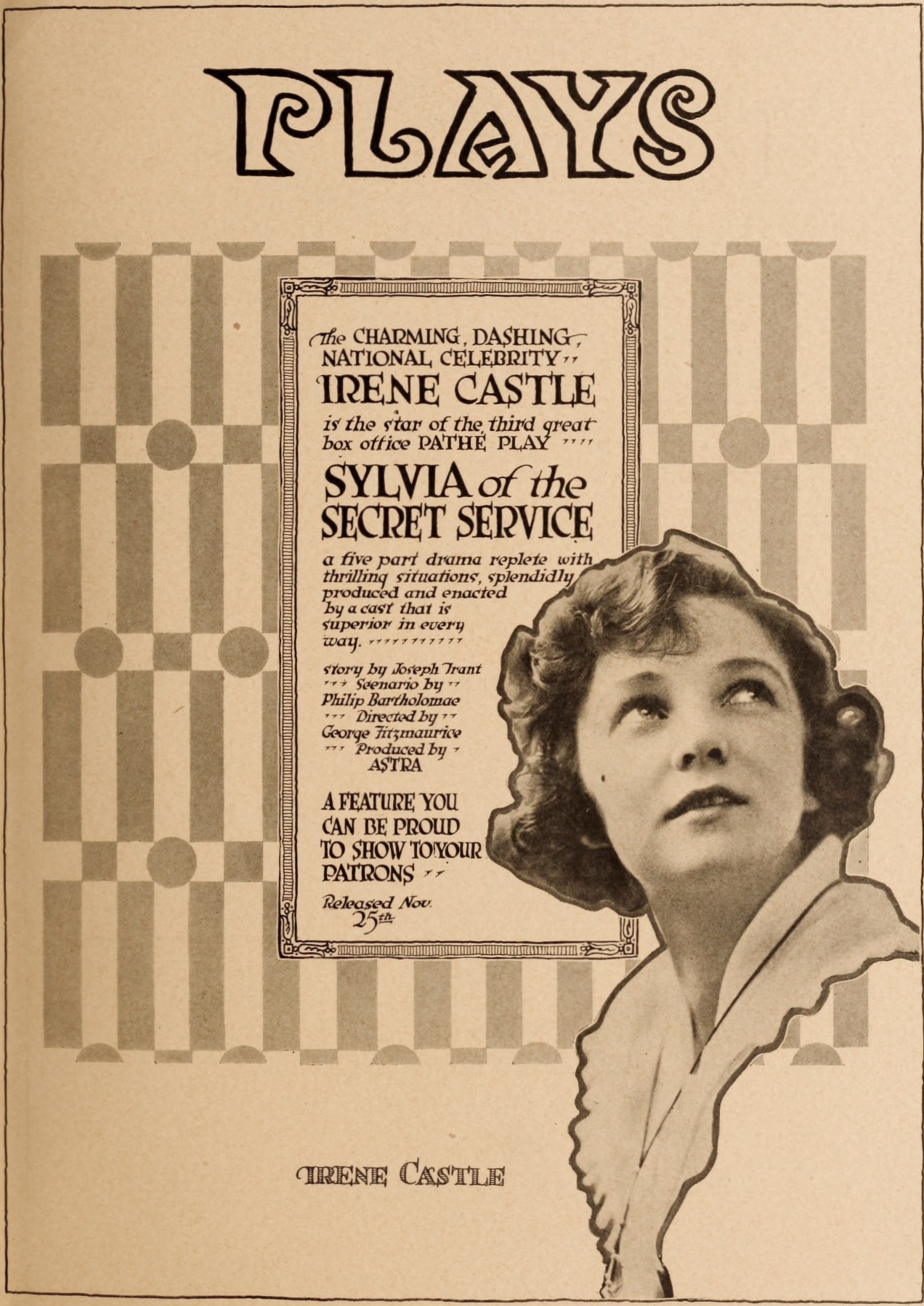
Dir: George Fitzmaurice
During World War I, a group of German saboteurs plot to blow up an ammunition dump in New York City. A secret agent sets out to stop them.
View Details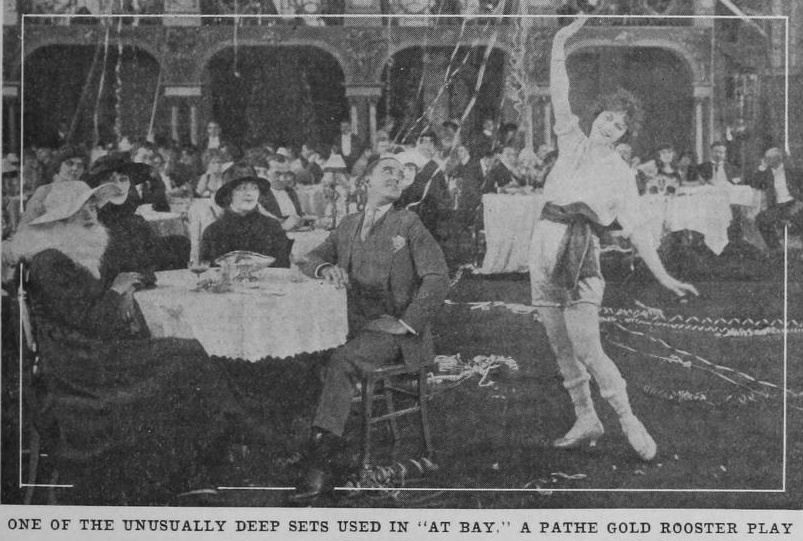
Dir: George Fitzmaurice
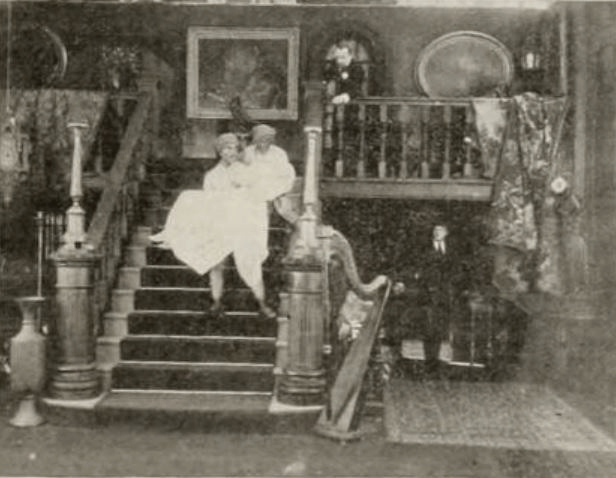
District Attorney Graham starts a crusade against the city's gambling houses. Judson Flagg, a lawyer, owns a notorious joint and knows that nothing can stop Graham once he gets his hand in. He then enters the fight armed with every weapon an unscrupulous man can employ. Through Mrs. Cuyler Hastings, a society woman who owes him a gambling debt, Flagg introduces Joe Hunter, his aide, to Aline Graham, daughter of the District Attorney. Hunter, polished, dashing and handsome, is seemingly devoted to Aline, and manages to marry her secretly. Later, in a raid on Flagg's place, Hunter shoots Graham and runs to Aline with the plea that unless she gives him money he will divulge the whole affair, saying that the marriage was a fake to aid some political enemies of her father. He leaves with her necklace, but she writes to him at Flagg's office begging him not to desert her. The gambler gets the letter and arranges an interview before a cunningly concealed camera, with the hope of getting her in a compromising position. How she is finally rescued and her fair name saved makes a charming ending to this drama.
View Details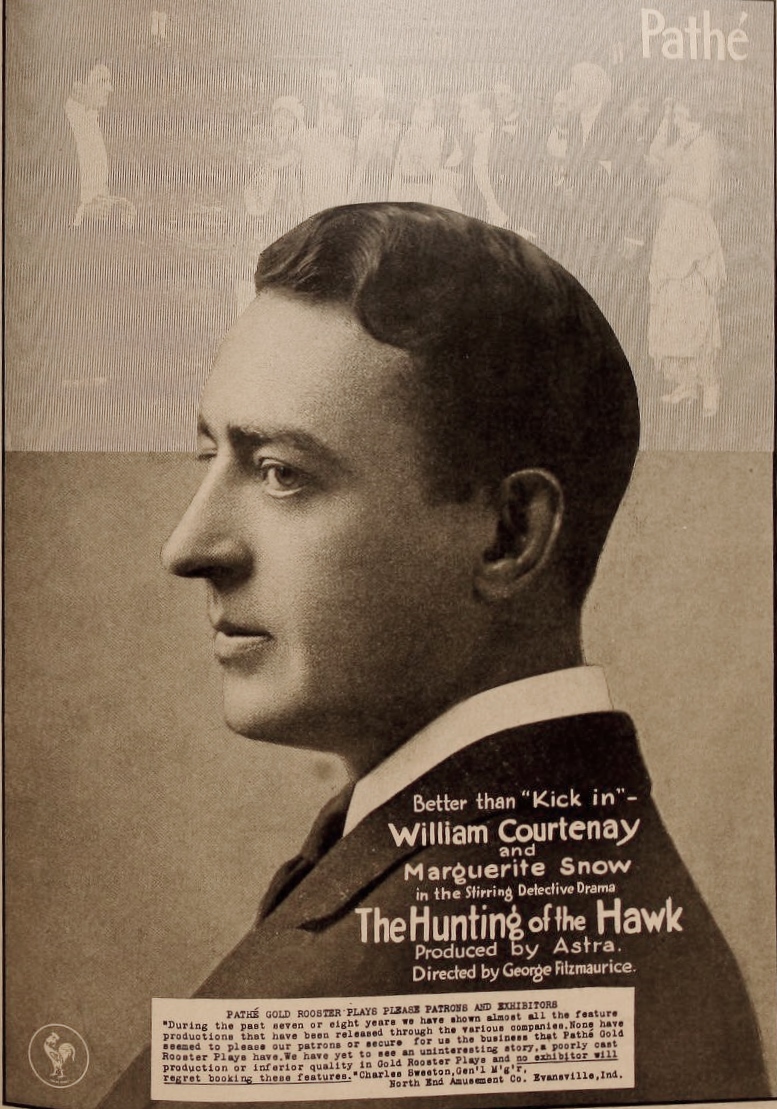
Dir: George Fitzmaurice
Steaming across the Atlantic, loaded with passengers of every description, came one of those mammoth ocean liners headed for New York. On board was supposed to be the Hawk, a notorious international thief. Diana Curran, secretary for a wealthy society woman, received a proposal of marriage from Desselway, an unknown on board. She loved him, but the memory of the past interfered. Diana's father labored unsuccessfully to sell his engravings. His work was not in demand, until one day to him came a stranger who, posing as a member of the Treasury Department, gave him a commission to make duplicate plates of government notes. While her father was working on the plates, Wrenshaw, the supposed treasury man, made love to Diana, and they were married, but on the morning of the marriage the secret service raided the rooms of Pinna's father, and in the ensuing fight her father was killed and she believed that she had killed a man herself. Arriving at the country estate, she found that Wrenshaw, whom she had left the day after her marriage, was employed as secretary to her mistress' husband. Also Desselway was invited for the house party. Then things began to happen around a necklace. Wrenshaw's gang were among the servants. Desselway secured the necklace by force. An escaped counterfeiter, one whom Wrenshaw double crossed years back, in the neighborhood. In the chase Wrenshaw was killed by a shot through the window, Desselway's real character was revealed, and Diana saw the man whom she thought she had killed.
View Details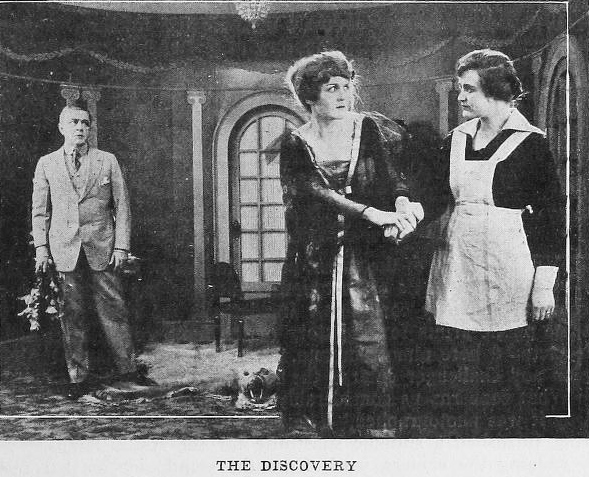
Dir: George Fitzmaurice
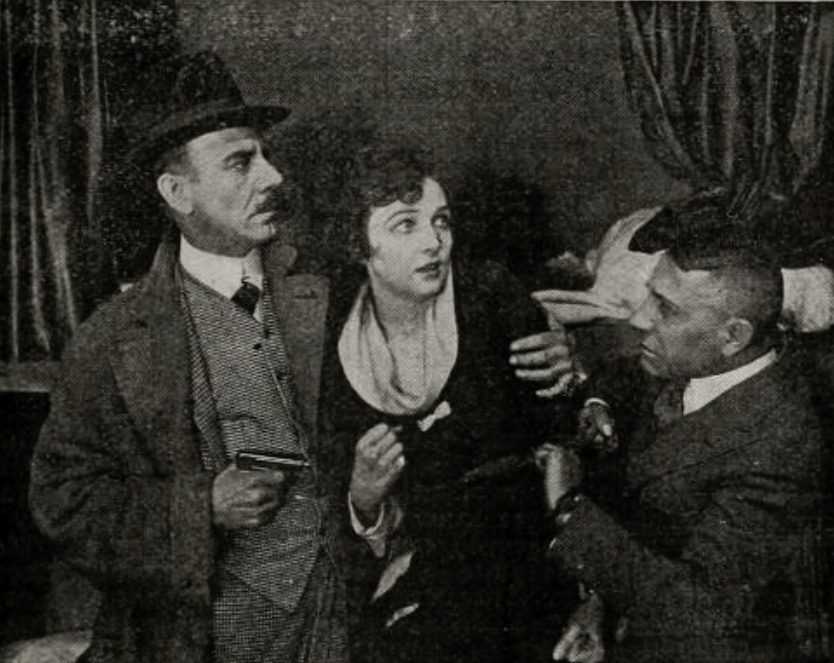
Mine owner Big Jim Garrity discovers that Hugh Malone is selling cocaine to his miners. He warns Malone to stop, but Malone refuses. He then decides to destroy the mine in order to get rid of Garyity. A miner is killed and Malone frames Jim for the death. Jim is imprisoned, but escapes and flees the country. He returns years later and, through a twist of fate, runs into his old enemy Malone.
View Details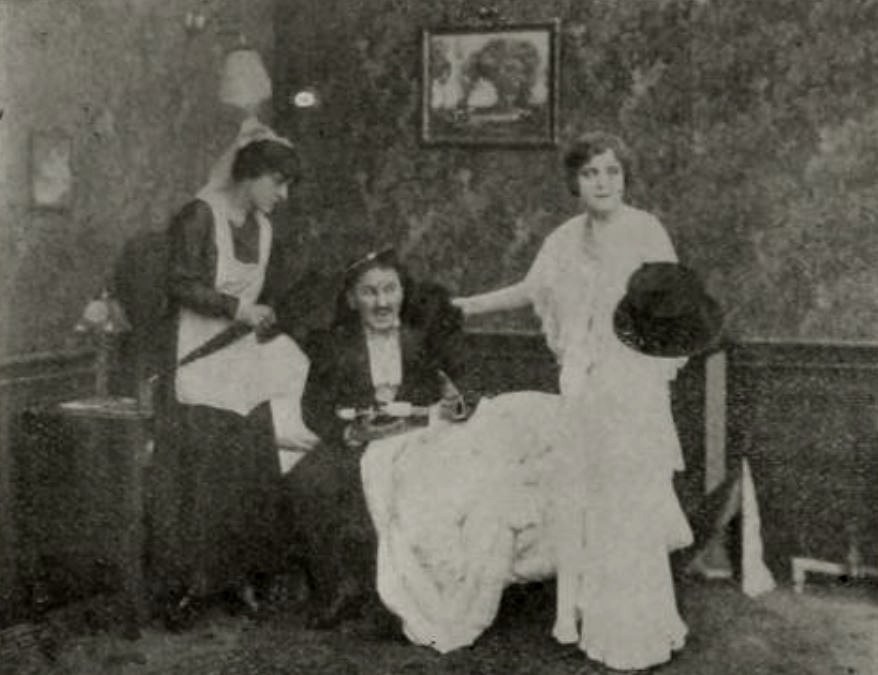
Dir: George Fitzmaurice
Larry Brice and his friend Rolliston are suburbanites. Rolliston invites Larry to stay downtown with him and take in the cabarets which Larry, with a pang of misgiving, consents to do, 'phoning home the usual excuse about business. The two friends "do" the various roadhouses, acquiring liquid refreshments and sundry joys en route, winding up finally in a Long Island Palace of Joy. When the confetti-throwing stage is reached, Larry, with splendid aim, bounces a ball of serpentine off the bald head of excitable "Sammy," director of the Italian orchestra. With murder afore-thought, the sensitive musician follows the devious route of the paper missile, arriving at the table of the two friends where reconciliation, wine and spaghetti supplants manslaughter. Larry 'phones his wife, Hetty, that business continues to press, forgetting, however, to shut out the strains of music from the telephone booth. She goes to bed disgusted and some hours later hears her husband arrive with "Sammy" in tow, insisting that the latter take the guest's bedroom. Then Larry promptly falls asleep, awakes in time for the 7:46 and hurries to the office without telling Hetty of his new-found acquaintance. Meanwhile, Carrie, the maid, dirty, slangy, lazy and incompetent, finds the bed disordered, and lifting the covers, screams at the apparition of the sleeping Sammy. Hetty guesses the truth. Sammy forthwith takes his departure, but gets only to the street, where the small boys pelt him unmercifully. Sammy returns and refuses to budge until a suit of clothes is provided. And Hetty, with a wife's freedom, expresses herself clearly to Larry over the telephone, causing that gentleman to rush out. C.O.D. a suit of street clothes for Sammy. In the interim, the suffragette club meets at the Brice home. And then things happen rapidly. The carrier arrives with the clothes; the maid refuses to accept the C.O.D.; Sammy frantically pursues him, beats him up, takes the clothes and is in the act of stealing softly into the house when the suffragettes discover him. He is mauled by four husky women, the constable is called and Hetty again rushes to the rescue, explaining to her friends that Sammy is no burglar. With suggestively-raised eyebrows, the suffragettes march home, making divers and sundry remarks concerning Hetty's conduct. While that unfortunate young woman is carried half fainting to her room, the constable arrives and arrests Sammy. From this plight, Larry, who has just arrived home, saves him. Sammy insists upon staying for supper and Hetty announces the expected arrival of her mother. This causes Larry to hurry Sammy out of the house. They meet Rolliston and in his big racer make another night of it among the roadhouses. In the meantime little Mrs. Rolliston visits Hetty with the information that her husband is also missing, and suggests that Hetty take vengeance. To this end Mrs. Rolliston addresses a love note to Hetty, purporting to come from "Jack," and while concocting their plot are interrupted by the arrival of Larry and Sammy. Hetty slips into a clothes closet, while Mrs. Rolliston slips out of the door. The latter promptly tells her husband, who 'phones Larry of the proposed joke, but forgets to tell him of the letter. When Larry meets Hetty in the dining room, she drops the fake note and he, in a sudden fit of jealousy, creates a family row. Upstairs Sammy has found a pair of Larry's pajamas and goes into the guest's room where the apparition of mother-in-law in bed causes him to flee softly to the nearest room, which chances to be Larry's. That young man meanwhile has gone to Rolliston for an explanation of the note. Hetty, anxious to make up, goes to Larry's room, put her arms around him, and to her horror discovers Sammy. A few minutes later when Larry is returning from Rolliston's, he is made suddenly aware of a terrific racket from the upper bedrooms of his home. Fearing for his wife he rushes up the steps, only to find that Sammy had gotten into mother-in-law's room and had been dealt with in the approved fashion. This settles Sammy, who hurries back to his beloved Broadway, swearing that the commuter's life is no life for him.
View Details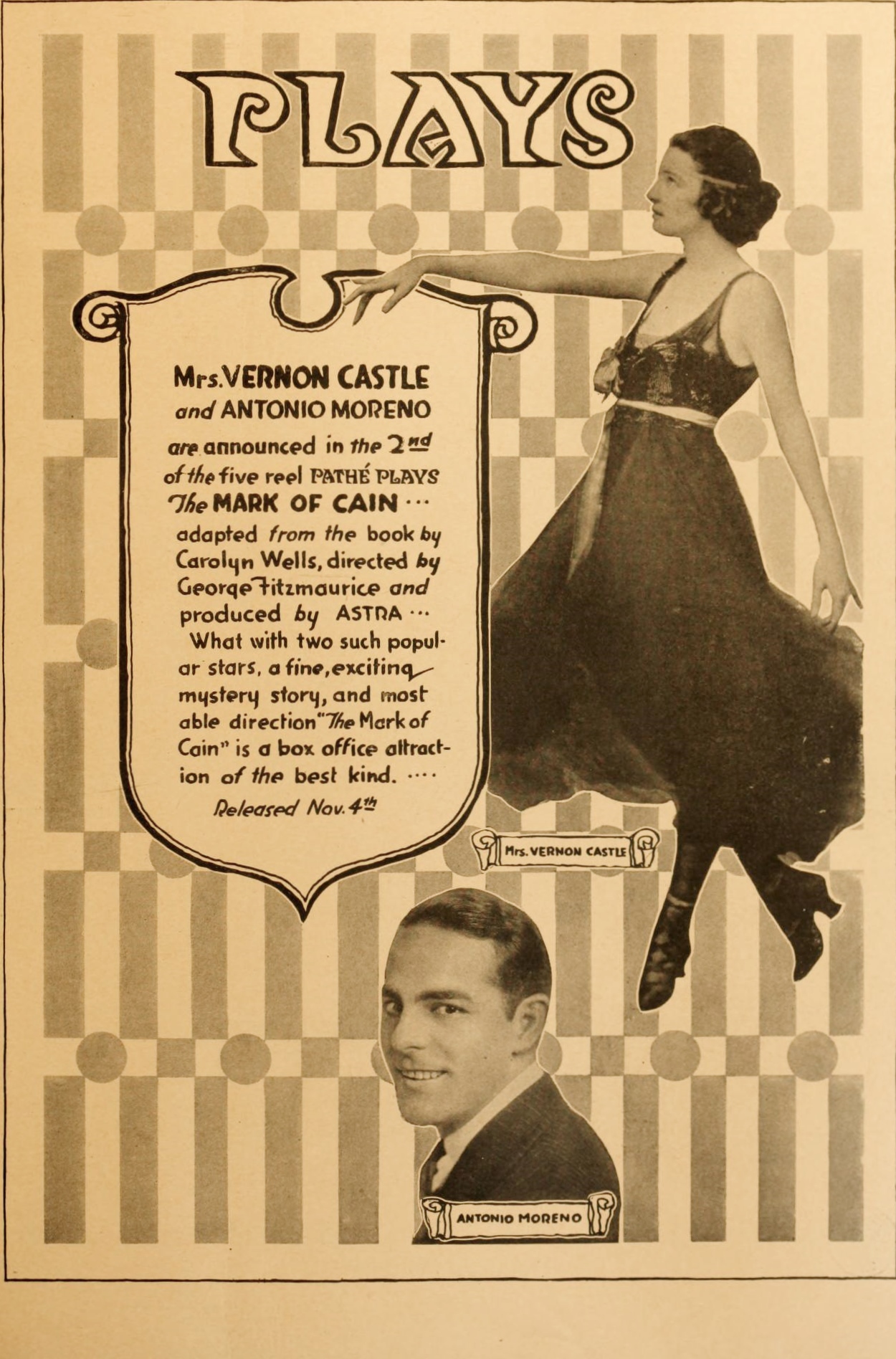
Dir: George Fitzmaurice
After old Trowbridge is mysteriously murdered, his nephew, Kane Langdon, is accused of the crime. Trowbridge's adopted daughter Alice makes every effort to prove Kane's innocence, but to no avail. When Kane escapes from the clutches of the law, Alice works with him to investigate the crime. They soon discover that Judge Hoyt, a great friend of Trowbridge and an ardent admirer of Alice, killed Trowbridge after forging the old man's will to read that Alice would only inherit his fortune if she married the judge. The judge, confronted with the accusation, becomes so unnerved that he confesses to the crime, and all ends happily with Alice in Kane's arms.
View DetailsAnalysis relative to The Dark Angel
| Film Title | Atmosphere | Complexity | Similarity |
|---|---|---|---|
| Who's Who in Society | Gothic | High | 91% Match |
| The Recoil | Ethereal | Abstract | 92% Match |
| Blind Man's Luck | Gothic | High | 85% Match |
| The Romantic Journey | Surreal | High | 90% Match |
| Sylvia of the Secret Service | Gothic | High | 93% Match |
This guide was algorithmically generated using the cinematic metadata of George Fitzmaurice's archive. Last updated: 8/16/2026.
Back to The Dark Angel Details →