
DbcultAccessing Vault...
Recommendations
Senior Film Conservator
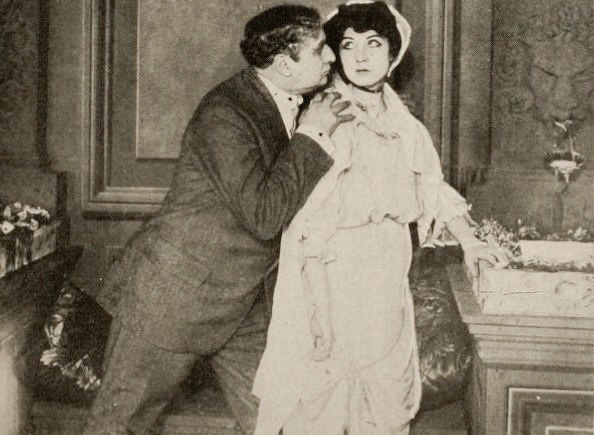
The cult sensibilities displayed in The Daughter of the People are unparalleled, the emotional payoff of the 1915 classic is what fans crave in similar titles. Our criteria for this list were simple: only the most cult status and relevant titles.
The cultural footprint of The Daughter of the People in United States to define the very concept of cult status in modern film.
Arthur Stillman, the senior member of the firm of Stillman and Thornton, cotton goods manufacturers of Rockton, Mass., has closed his mills under the pretense that he cannot obtain cotton to operate, but really because he has conceived the plan of secretly buying cotton and storing it for the rise in price that he knows will come. The town of Rockton is entirely dependent upon the mills for its existence and the closing of the mills causes great suffering and even starvation. Dell Hamilton, daughter of an old mill dyer and a favorite with her people by reason of her sweet character and true sympathy with them, is probably the one in Rockton who suffers most. Her lover, Sam Lloyd, in despair at his inability to provide for his mother and sick sister, receives a note from a friend suggesting that if he can get to Springdale, a town nine miles distant, that he may get a job as fireman in a certain mill. On his way home, he accidentally comes upon a large warehouse which he learns is filled with cotton bales, and upon careful inquiry he finds that the cotton is being stored there by Stillman and Thornton. In a flash the true state of affairs is recognized by him and spurred on by bitter anger he makes his way back to Rockton, where he meets some of his mates and makes known his discovery. The news spreads throughout the town and groups of mill hands gather here and there voicing their indignation. Bill Slinger, a great strapping big-hearted fellow and a favorite among them is selected as a leader to get them either justice or revenge. Dell, in horror, goes to Stillman's house to warn him of his danger. She pleads with Stillman to open the mills and give work to the people and tries to soften his heart with her stories of the condition of the people. Stillman, whose passion for the girl has been growing stronger day by day, finally tells her that he will open the mills upon one condition, that is that she marry him. Stillman hastily arranges an illegal marriage with Dell. The girl believes she is to become his lawful wife, but Stillman has no such intention. The ceremony is performed and they repair to Stillman's home in the country. Dell writes her father of her marriage to Stillman, but he intercepts the letter and substitutes one supposed to come from a certain friend saying that Dell will not be home that night because she is going to watch by the body of the dead boy, Bennie. In the meantime Stillman's love for the girl is growing genuine and she becomes the one thing in the world that he desires and his one fear is that she may learn the secret of the illegal life. Dell returns to the mill and is indignantly repulsed by her former friends. Her father in a bitter scene renounces her and in utter dejection she finds her way to the boiler room of the mill seeking Sam, from whom she at least expects sympathy. She meets with the same treatment at Sam's hands and in fact is informed by this that he has entirely forgotten her and is to be married to another. Dell has heard the conversation between Stillman and Sam and a revelation comes to her. She realizes the true condition. She knows that Stillman is the real love and slowly and sadly she walks to him as she asks him to take her back.
The influence of J. Searle Dawley in The Daughter of the People can be felt in the way modern cult films handle cult status. From the specific lighting choices to the pacing, this 1915 release set a high bar for atmospheric immersion.
Based on the unique cult status of The Daughter of the People, our vault has identified these titles as the most compelling follow-up experiences for fans of cult cinema:
Dir: J. Searle Dawley
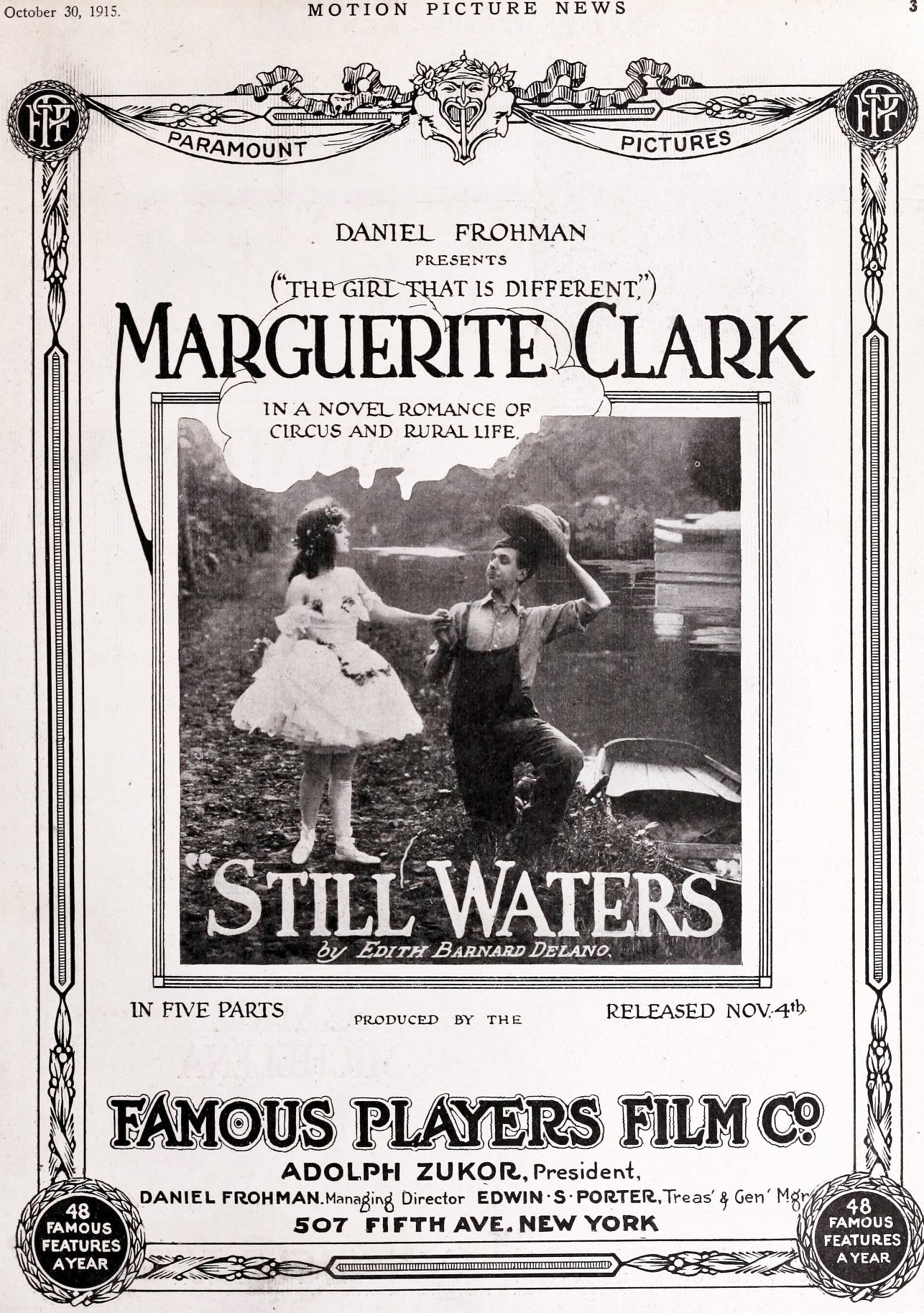
A canal boat captain disowns his daughter when she marries a circus performer. Years later he is reunited with the granddaughter he never knew.
View Details
Dir: J. Searle Dawley
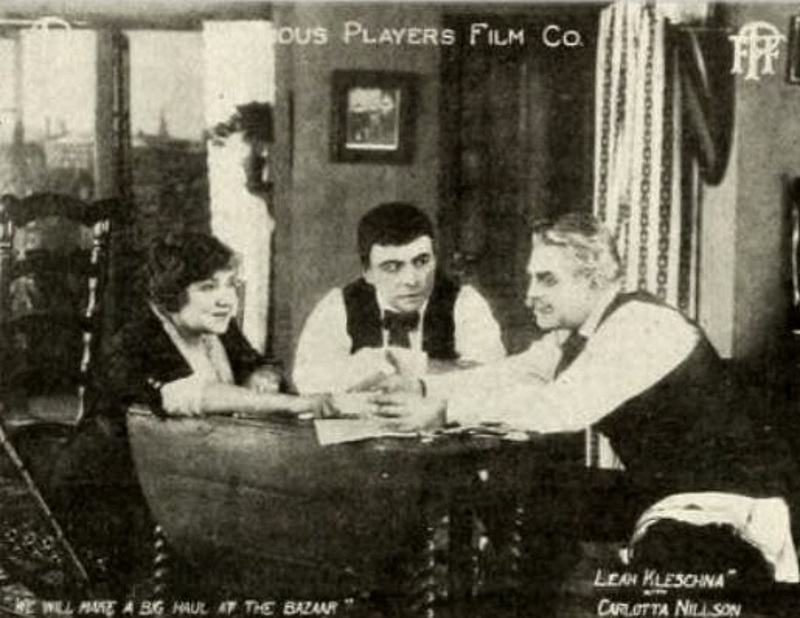
Leah's father taught her from early childhood to steal. Attempting to commit a robbery at the home of Paul Sylvaine, she's caught by Sylvaine; instead of treating her as a thief and turning her over to the police, he has an extraordinary interview with her. Sylvaine has faith in the innate goodness of human nature, and this faith is strengthened by Leah's confession that her father has taught her to steal and that she wants to go somewhere to forget the past and begin life anew. An adroit complication is here introduced that increases the suspense: The brother of the girl that Sylvaine is to marry, returning from a drunken spree, enters Sylvaine's apartments and steals the jewels that Leah was to have taken. Sylvaine believes that he was duped by Leah, who after all his kindness and forbearance, fulfilled her job before she left. But eventually Sylvaine learns that the theft was committed by his fiancée's brother. Leah is exonerated, and just to help sentimental matters along, the engagement between Sylvaine and his fiancée is suddenly terminated. Sylvaine seeks Leah and finds her living far from Paris, a redeemed and regenerated woman. Ha asks her to marry him; she consents, and the jewels that brought her into Sylvaine's home and into contact with his refining influence are bestowed upon her as a wedding gift.
View Details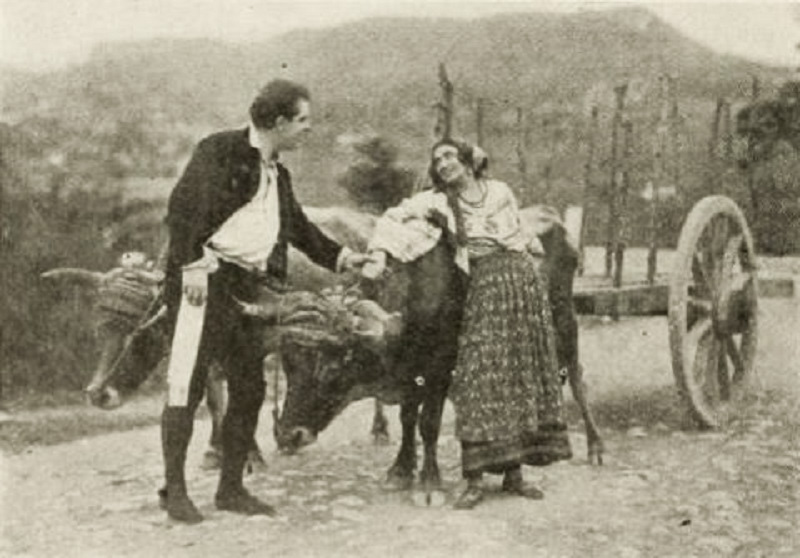
Dir: J. Searle Dawley
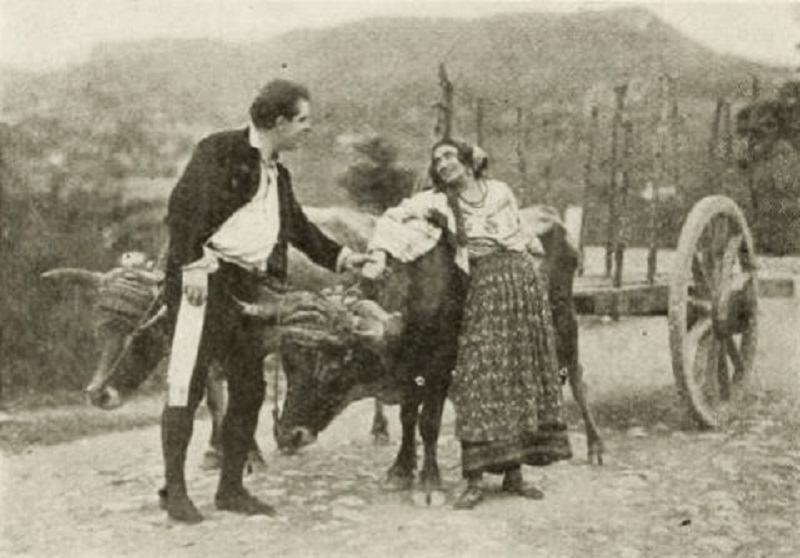
Marta is a beggar child, who is adopted by Sebastien, the wealthy landowner. Sebastien makes Marta his victim. He wishes to marry a wealthy woman, but at the same time retain his influence over Marta. He therefore arranges through Tomas, the hermit, to marry her to Manelich, a simple, untutored shepherd living in the mountains, a rough child of nature who kills wolves with his bare hands and knows naught of guile and deceit. The wedding is performed, Manelich being under the impression that Marta loves him, and being truly in love with her. Later he learns he has been tricked, while Marta, who had at first believed that Manelich had been bought with the master's gold to become her husband, finds her conclusion wrong, the honesty of his love compelling her own. Then come developments which make the drama one of the most passionate, intense, trenchant character studies ever created. Marta is a patient sufferer, a tragic figure indeed, as she bravely endures all the cruelty and indignities that are thrust upon her by the ruthless "master." We witness the poignancy of her grief, the restraint and the anguish of the oppressed woman, and her movements among the treacherous characters of her environment.
View Details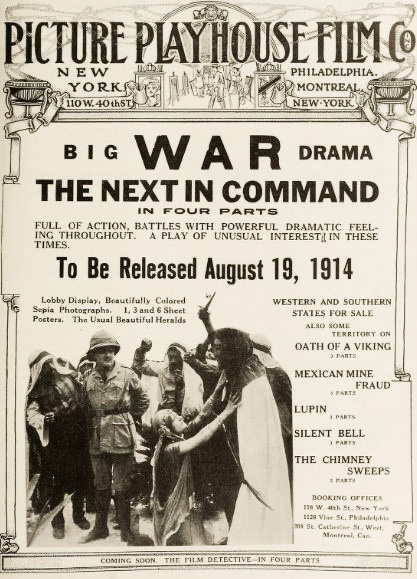
Dir: J. Searle Dawley
A fascinating piece of cinema that shares thematic elements.
View Details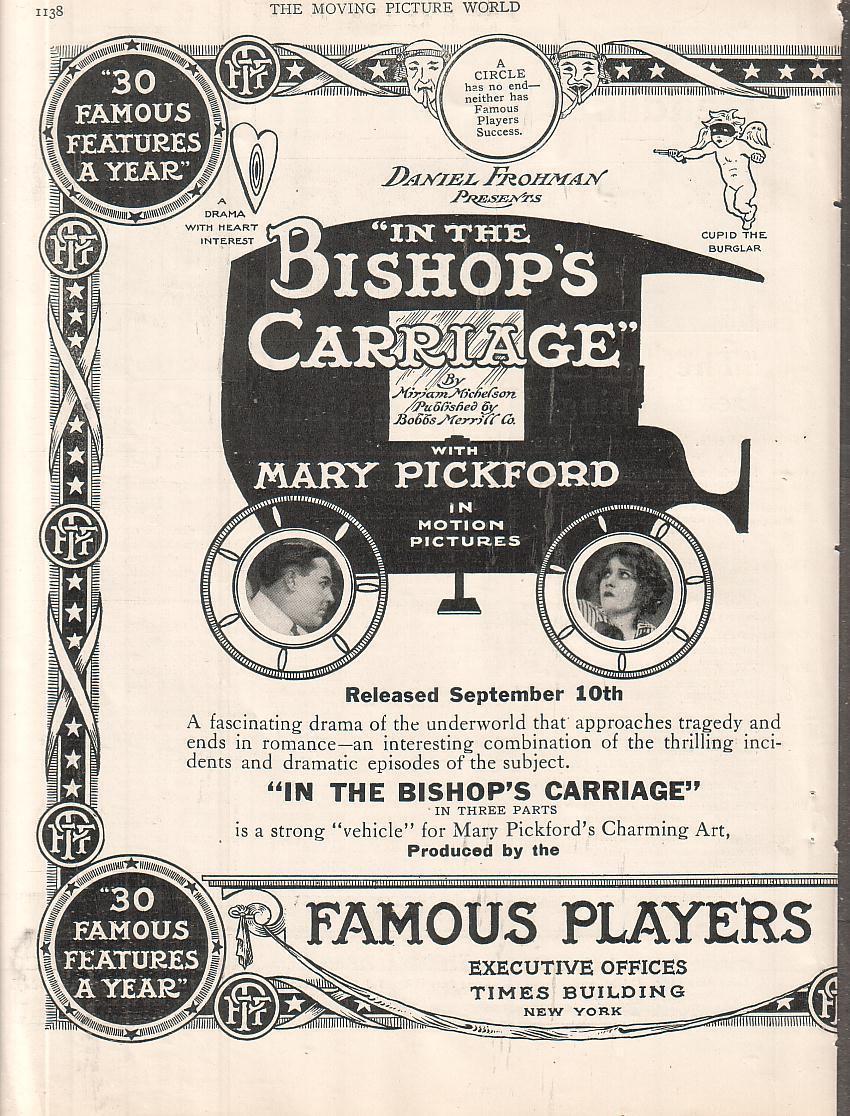
Dir: J. Searle Dawley
A successful stage actress with a hidden past as a criminal is kept on the path of righteousness by a benefactor.
View Details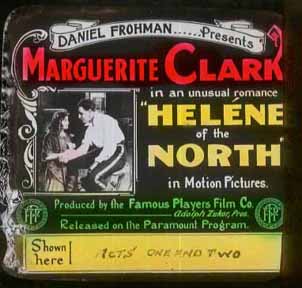
Dir: J. Searle Dawley
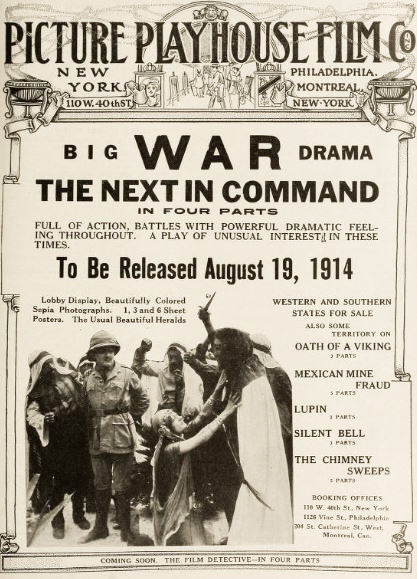
While waiting for the detained Lord Traverse, the guest of honor at an English society party, the guests play a game wherein each must tell a complete story before a cigarette burns out. Heléne Dearing relates that her proud father John left England after being exposed as a card cheat and became a whiskey runner near a Canadian lumber camp. John and his partner Pierre escape jail, and with Heléne, are pursued by Ralph Connell, a young Canadian Mounted Policeman, whom Heléne loves. John, wounded before they can reach the border, gives Pierre permission to marry Heléne, but a sympathetic curate reads the ceremony in Latin and has Ralph, as the witness, take the groom's marriage vows. After Pierre is captured and Heléne learns the truth about the marriage, Ralph leaves on a secret government mission. Heléne, who has since inherited a fortune, confides to the guests that she never saw Ralph again. After Lord Traverse arrives and turns out to be Ralph, he and Heléne leave the party to begin their belated honeymoon.
View Details
Dir: J. Searle Dawley
Detective Kate Kirby discovers that a ship captain has been sent on a doomed voyage by his rival for the affections of the shipowner's daughter.
View Details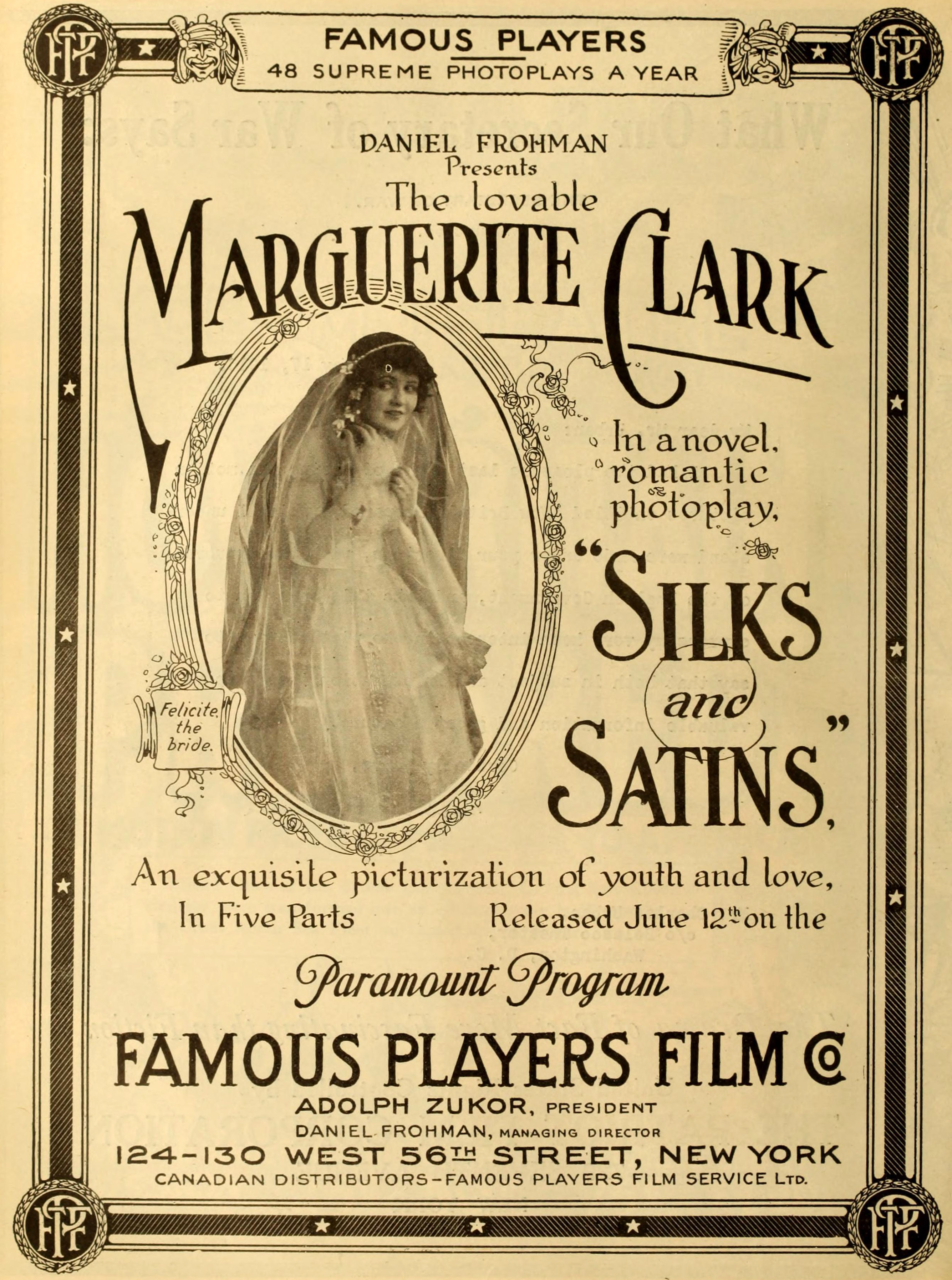
Dir: J. Searle Dawley
A fascinating piece of cinema that shares thematic elements.
View Details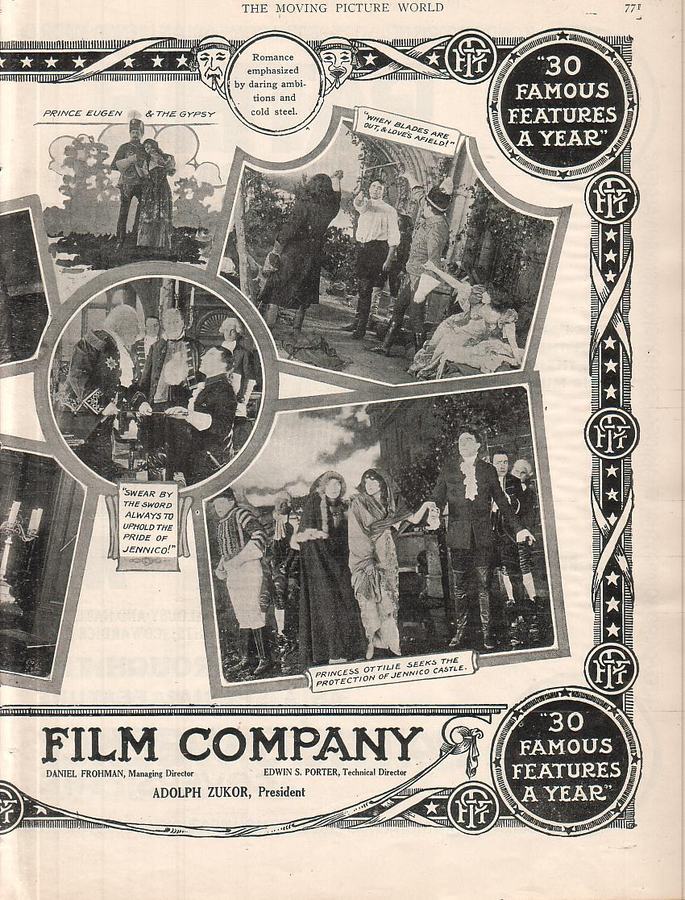
Dir: J. Searle Dawley
In the days of romance when fortune and glory were carved by the sword, Basil Jennico, the descendant of a proud and haughty house, walking among the old ancestral chambers, dreams of his gallant forebears and their daring deeds performed for the smile of a lady fair. Inspired by his lofty heritage and the atmosphere of nobility and bravery in which he has been reared, Basil longs for love and adventure. At this romantic period of Basil's life, his aged uncle, the lineal head of his house, dies, and makes Basil swear by the sword that he will always uphold the pride of Jennico. Basil becomes Lord of Tollendhall and master of the broad acres of the Duchy of Lausitz, but titles, estates and splendor do not compensate for the absence of love. Princess Ottilie, a beautiful, whimsical maiden, is urged by her guardian, the Earl of Dornheim, to marry Prince Eugen, a worthless rogue, whom Ottilie fears and loathes. To avoid marrying Eugen, the Princess affects her escape from the castle in the guise of her maid, Marie, who follows after her mistress. The two are overtaken by a storm and seek the shelter of Jennico Castle. Marie is introduced to Jennico as the Princess, but Jennico falls madly in love with Ottilie, whom he believes to be the maid. Love and pride struggle for supremacy. Jennico is heart-broken, because his sworn duty to maintain the dignity of his house prohibits his marriage to the maid. The willful, fascinating maid intimates to Jennico that the Princess admires him, and, repressing love for duty, he courts the "princess." The marriage is arranged. Princess Ottilie and her maid confer and arrange to change places at the altar. Jennico greets his bride, heavily veiled, but when at last he looks upon her face he sees the piquant, mocking Ottilie and thinks he has married the maid. Love bids him accept his happiness, but his pride asserts itself and he resents the supposed deception. Ottilie, noticing his anger and piqued because he is not content with her, regardless of her apparent low rank, leaves him. Desperate for the love of the absent and tantalizing beauty, he seeks the supposed maid, encounters the bitter enmity and jealousy of the defeated Prince Eugen and his trusted force; but, despite all opposition and against all odds, he wins his way to Ottilie's heart at his sword's point, to find that valor has not only won him a heart of gold, but a title that adds luster to the pride of Jennico.
View Details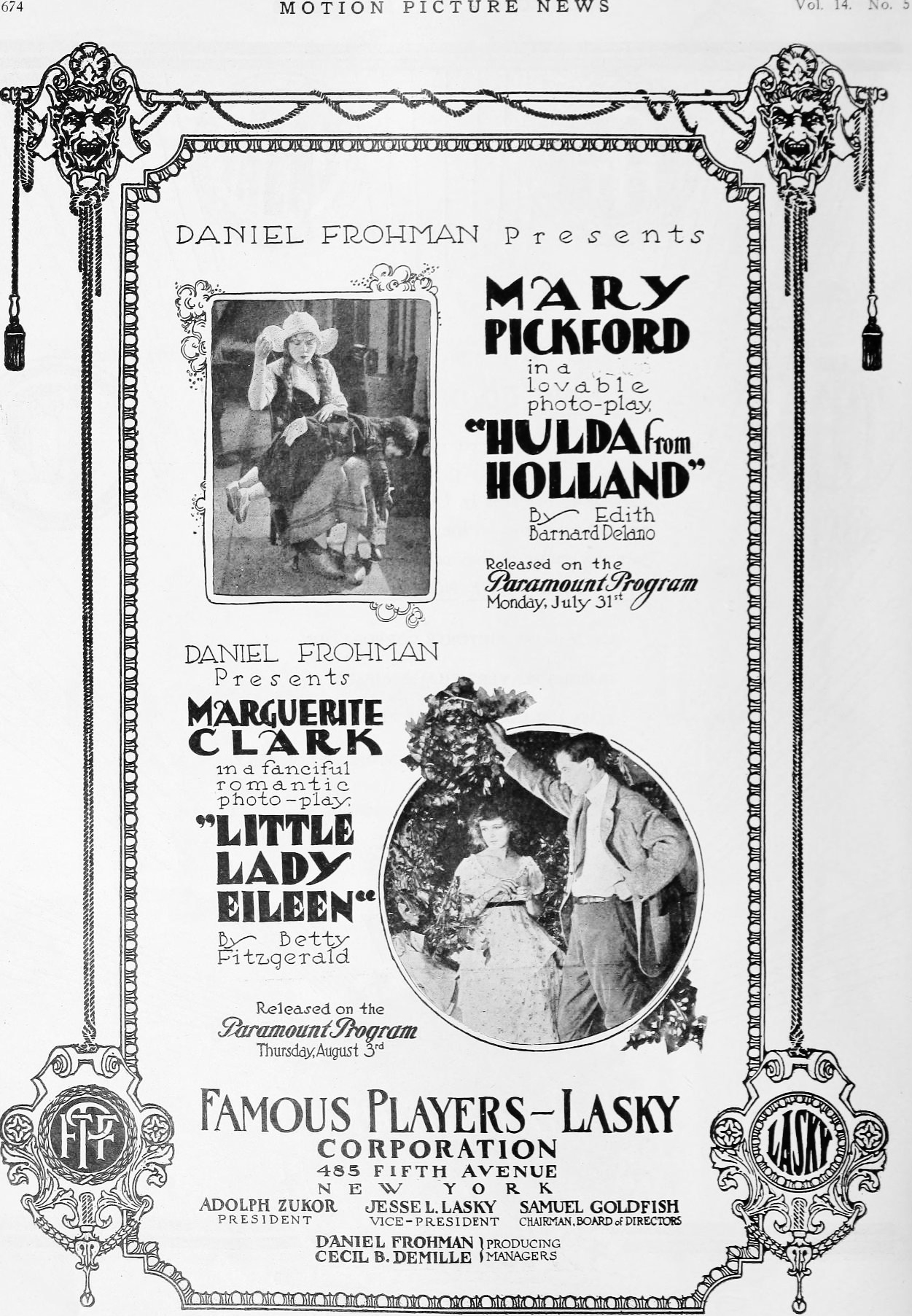
Dir: J. Searle Dawley
Young Irish girl, Lady Eileen, believes the words of a cobbler who predicts she will see her future husband's face if she looks into the water of a well. Sure enough, Stanley Churchill happens by as she is gazing into the water. They fall in love, however, Stanley has a twin brother, George, who decides to trick the girl by posing as his brother. They are married, but Eileen learns the truth and runs away, with George in hot pursuit riding his horse. Mysterious sources trip the horse and George's fall is fatal, leaving Eileen free to marry Stanley.
View DetailsAnalysis relative to The Daughter of the People
| Film Title | Atmosphere | Complexity | Similarity |
|---|---|---|---|
| Still Waters | Gritty | High | 87% Match |
| Leah Kleschna | Gothic | Dense | 98% Match |
| Marta of the Lowlands | Gritty | Dense | 98% Match |
| The Next in Command | Tense | Linear | 97% Match |
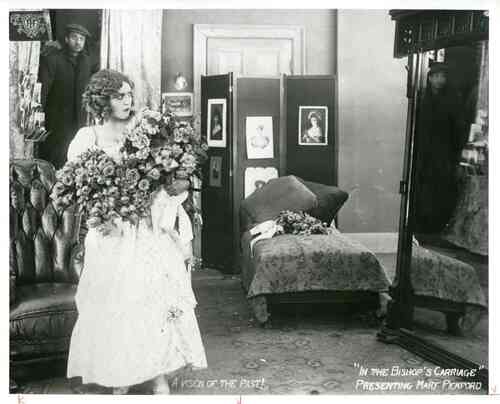
| In the Bishop's Carriage | Gothic | Linear | 95% Match |
This guide was algorithmically generated using the cinematic metadata of J. Searle Dawley's archive. Last updated: 6/25/2026.
Back to The Daughter of the People Details →