
DbcultAccessing Vault...
Recommendations
Senior Film Conservator

After experiencing the unique vision of The Debt of Honor (1918), you are likely searching for more films that share its specific artistic vision. Unlock a new level of cinematic understanding with these cult alternatives.
This 1918 cult classic stands as a testament to push the boundaries of conventional storytelling.
Honor, an orphan who relates stories about the Land of Heart's Desire to the neighbor's poverty-stricken children, is adopted by a wealthy United States senator, Stanley Middleton. When World War I erupts, Middleton becomes too concerned with affairs of state to notice his wife Irma having an affair with Frank Schiller, a German agent, who merely is using Irma to secure information. Finally, the senator sees the silhouettes of Schiller and his wife in an embrace, but Irma accuses Honor, and the girl is turned out of the house. The next day, Irma is caught giving Schiller secret papers and the two are killed. Honor weds Middleton's secretary, Chester Holbrooke, and the couple plans to care for the heartbroken senator.
The influence of O.A.C. Lund in The Debt of Honor can be felt in the way modern cult films handle unique vision. From the specific lighting choices to the pacing, this 1918 release set a high bar for atmospheric immersion.
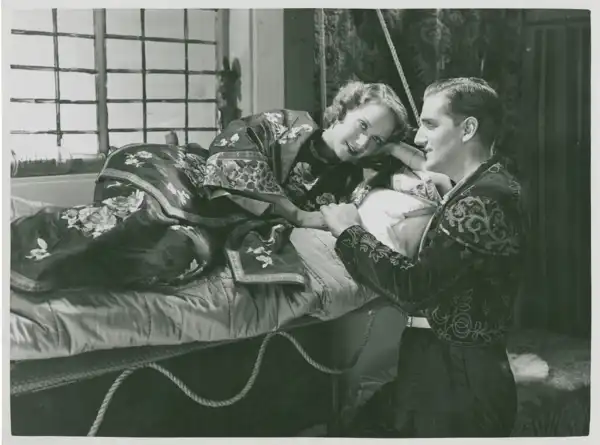
Based on the unique unique vision of The Debt of Honor, our vault has identified these titles as the most compelling follow-up experiences for fans of cult cinema:
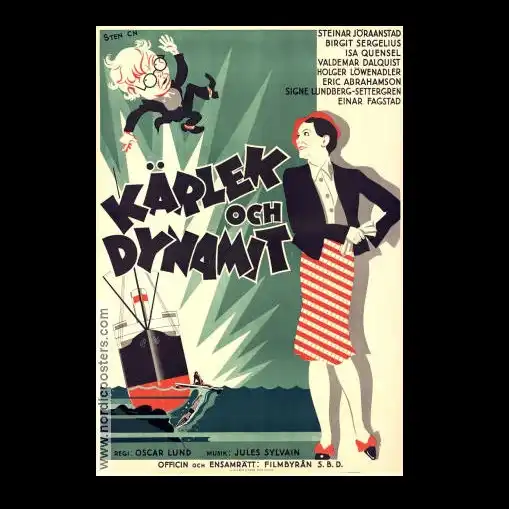
Dir: O.A.C. Lund
The engineer Ragge has taken shipowner Gustafsson's daughter Anna-Greta on a sail cruise and they stay on an island overnight. When the shipowner finds out, Ragge gets sacked from the shipyard where he works.
View Details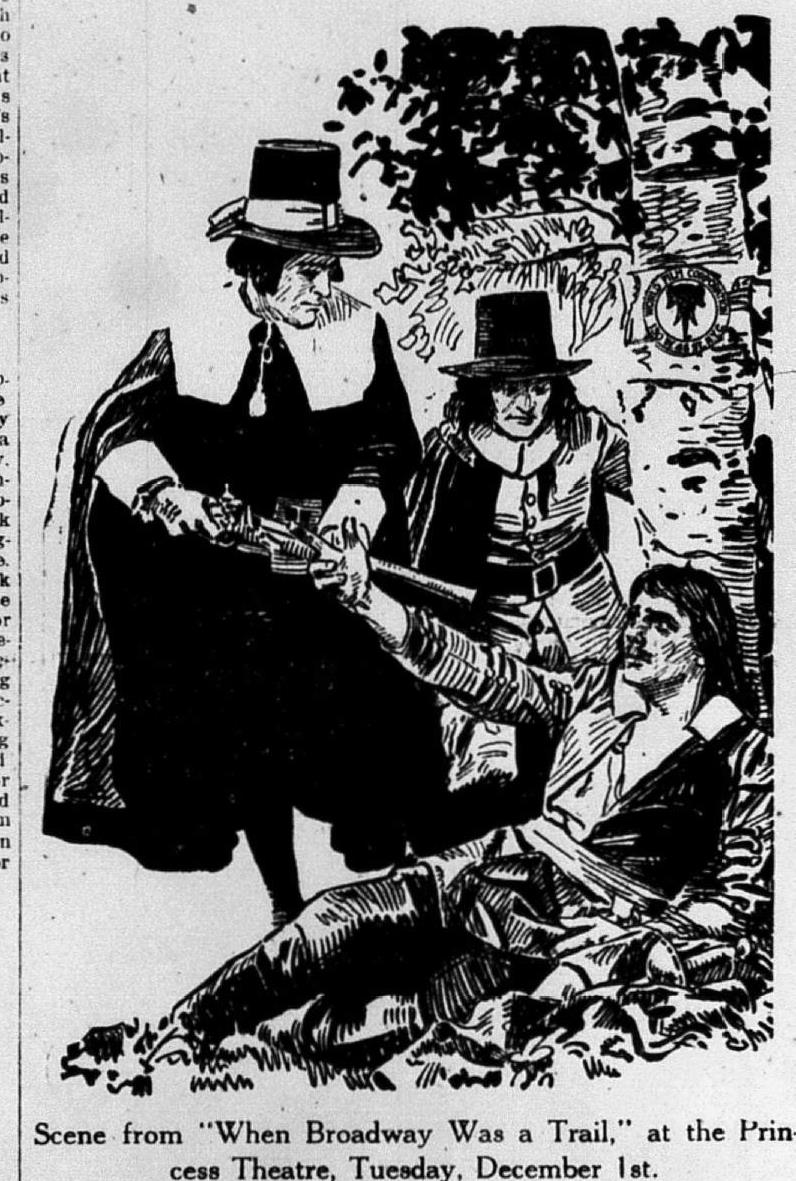
Dir: O.A.C. Lund
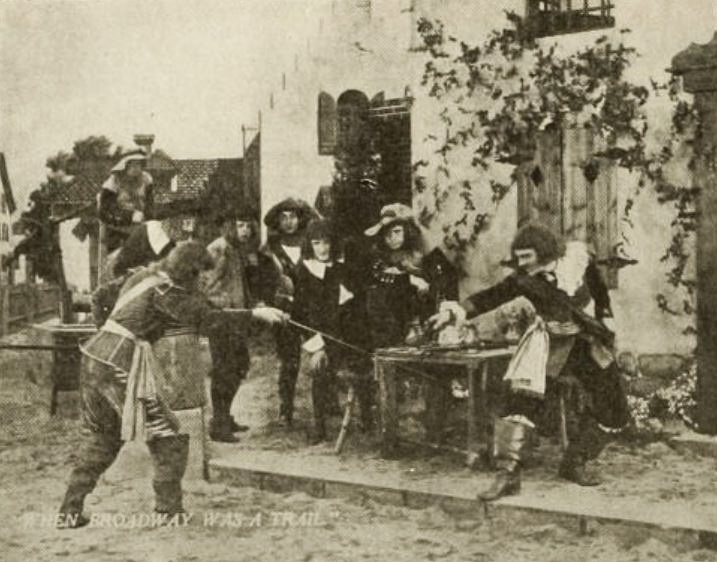
The story deals with the coming of Henry Minuet, the son of the governor of New Amsterdam, to Danvers, now Salem, Mass., for the sake of buying grain for the helpless colony that he represents. Accidentally he sees Priscilla Elliott, the daughter of Danvers' physician, and while they do not speak the same language, they love each other from the start. Though Miss Elliott is sought for by Salvation Hibbens, she does not care for him because he is helpless away from his mother's apron strings. Then, too, she cares too much for Henry Minuet, and when her father dies, Salvation's mother tried to force her to marry Salvation through threats, but fails. The mother then makes trouble for Priscilla by having her declared a witch and while she is shunned by Danvers' society, she cares little, because Henry is with her. Finally the both of them are put in prison. A messenger comes from his father to learn what has been his fate. As soon as the governor of Danvers learns the name of the prisoner, he orders him set at liberty, but he has escaped in the meantime. Because of the escape, the mayor informs the Dutch messenger that he will not have anything to do with the colony of New Amsterdam under any circumstances. The soldiers capture Henry, while Priscilla is away. But Henry manages to inform her that it is best that she go and live at his father's house in New Amsterdam. Priscilla obeys, and leaves Henry, who, in the mean time, is released from prison and sent home. On his way to New Amsterdam, he meets Priscilla, who does not feel at home in his father's house, because his parents plan that Henry should marry Gretchen. Seeing that neither in Danvers nor in New Amsterdam could both of them find the peace and happiness that their love entitles them to, so they decide that by themselves, away from their friends they will find the happiness that only true love can give.
View Details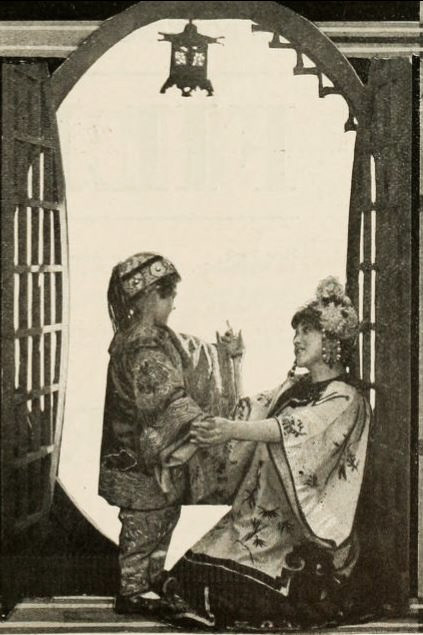
Dir: O.A.C. Lund
A Nihilist Russian, Olga Petcoff goes after her younger sister killer, only to find herself being the romantic interest of several military men willing to wage war to win her heart.
View Details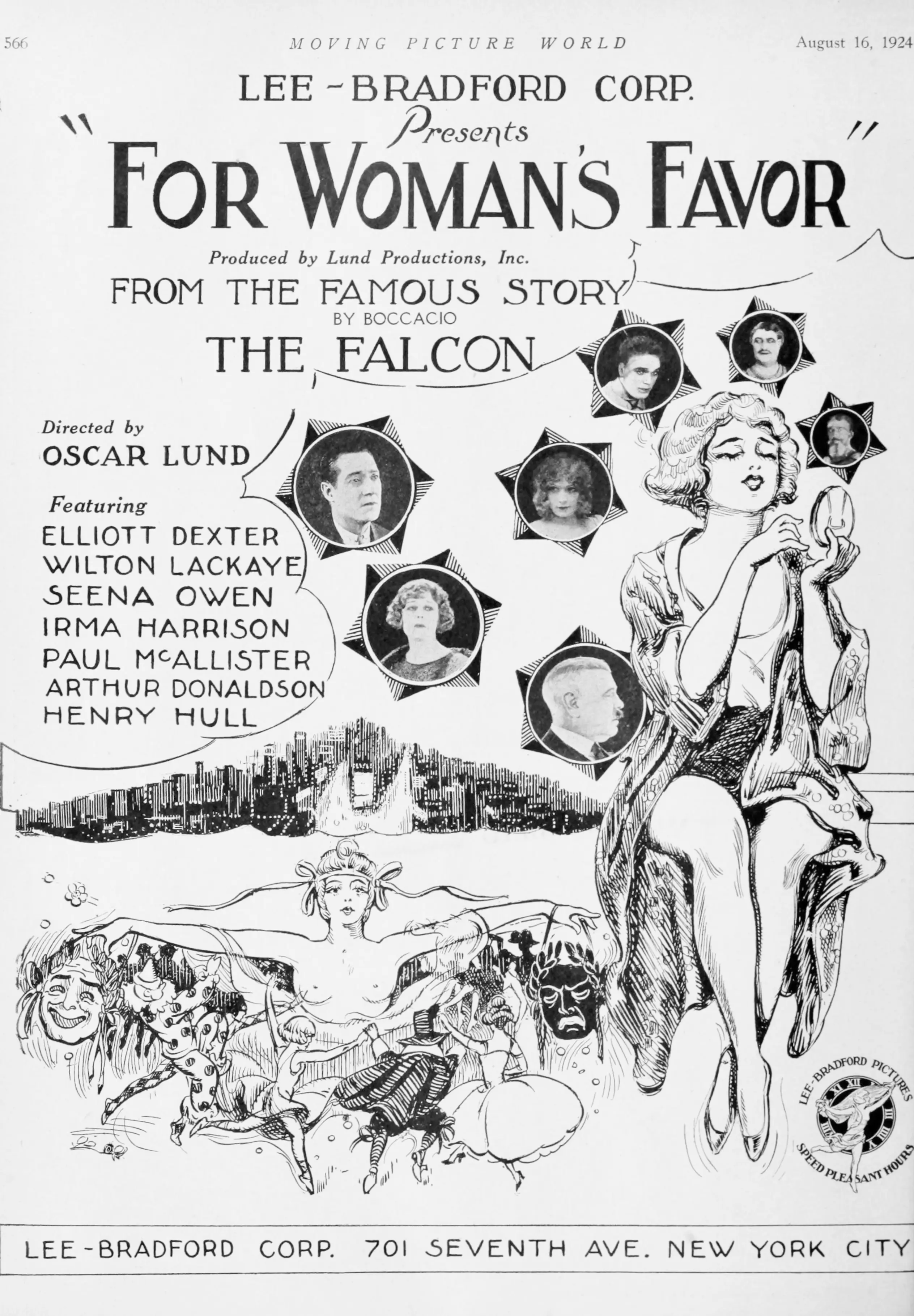
Dir: O.A.C. Lund
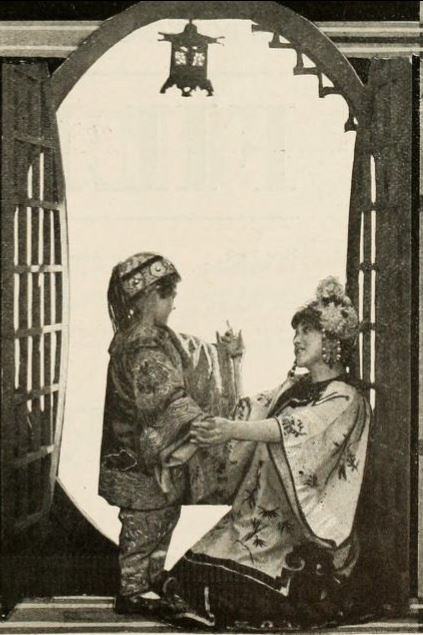
Howard Fiske is to marry June Paige, but in losing his fortune, she is forced to marry Bracken, a wealthy investor. Fiske reads Boccaccio's "Federigo's Falcon," and in a dream sequence we see the story enacted. The book inspires Fiske to take June back against all odds.
View Details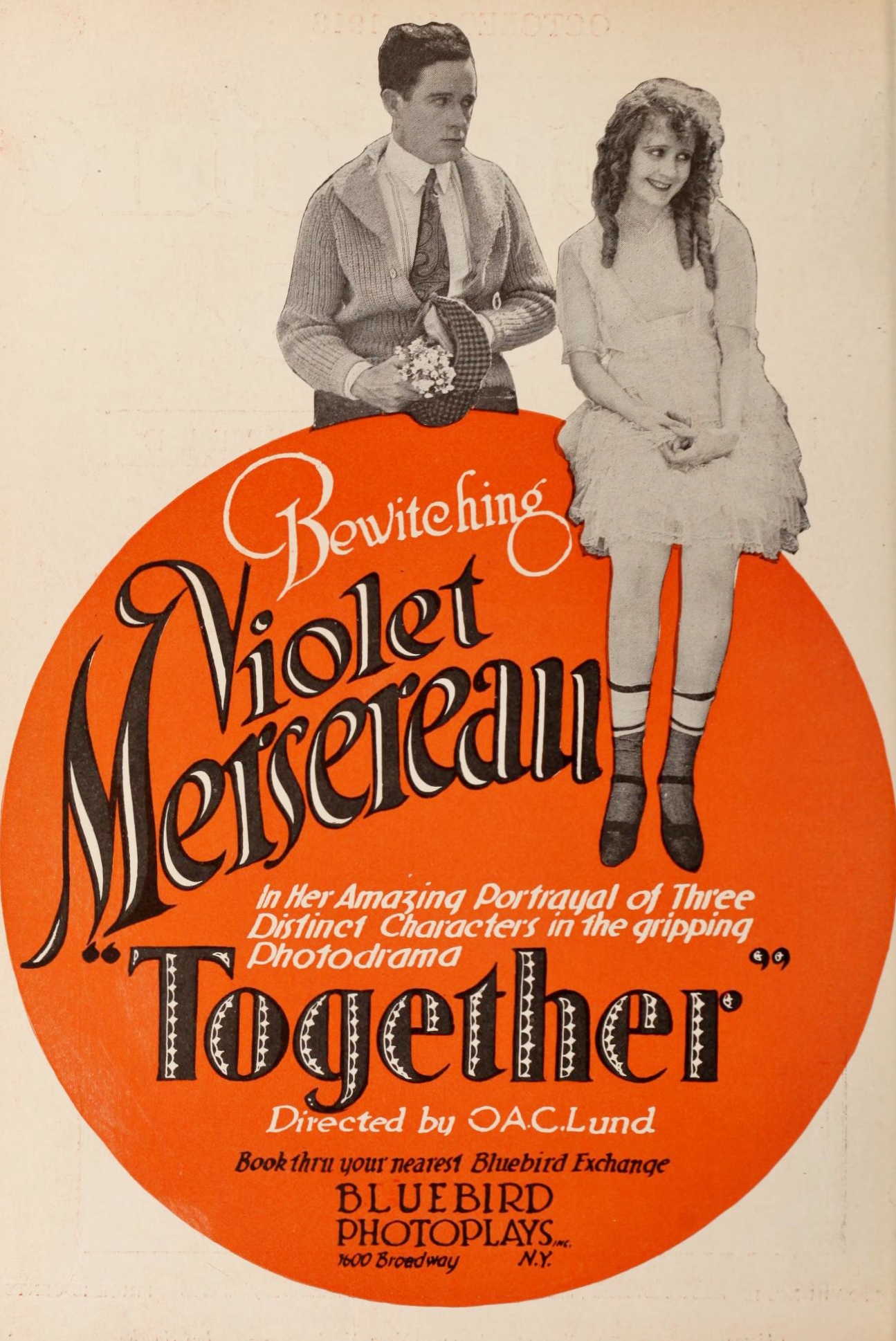
Dir: O.A.C. Lund
According to Richard Standhope's will, his daughter Laura and her long-lost twin brother Larry must be reunited by a certain date or the estate will revert to her avaricious guardian, Andrew Brean. Following Standhope's death, Laura and her sweetheart, Jim Watson, read in her deceased mother's diary that Andrew had broken up the Standhopes' marriage soon after the twins' birth by unjustly accusing Mrs. Standhope of infidelity. Laura was then sent to boarding school, while little Larry, placed in his father's care, was neglected and later became a thief. As Laura and Jim ponder Larry's whereabouts, the house is robbed by none other than Larry, now called "the Kid," and his cohort "the Snail." Reunited, the twins arrange to meet Andrew at a local restaurant. Fearful of losing the estate, Andrew and his henchmen attack Jim and the twins, but in the end, Laura and Larry arrive at the will reading in time to save their fortune.
View Details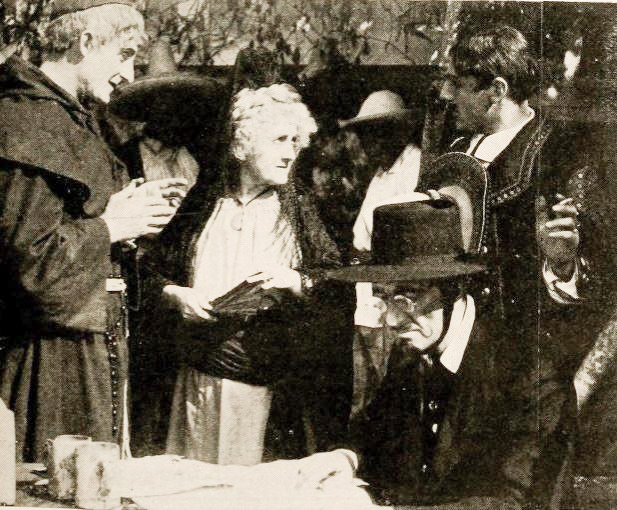
Dir: O.A.C. Lund
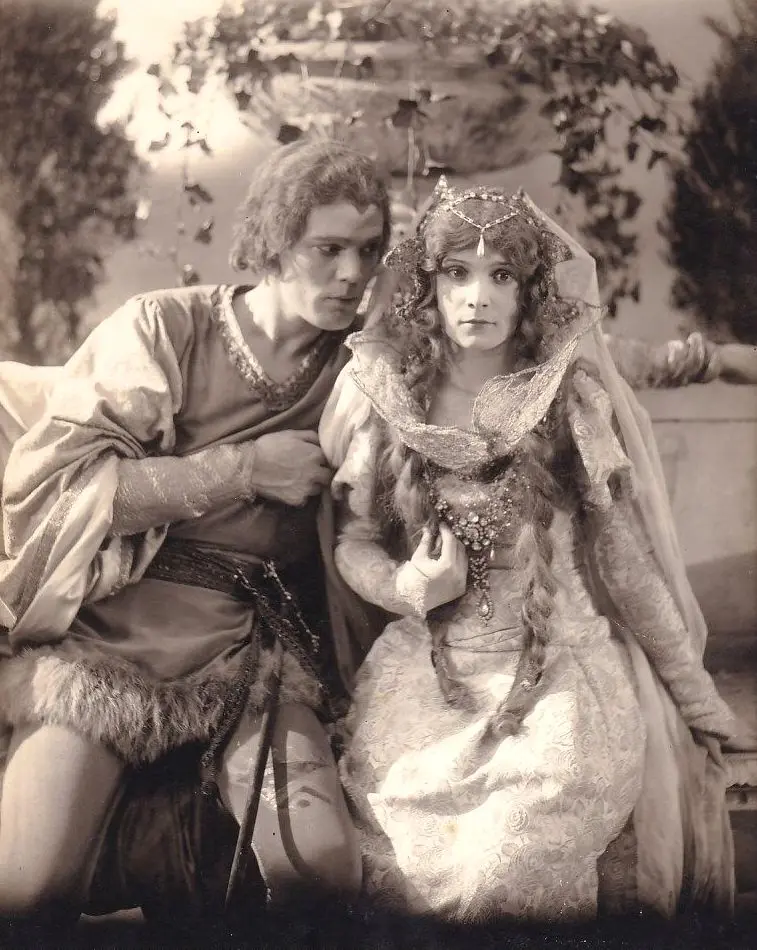
A fascinating piece of cinema that shares thematic elements.
View Details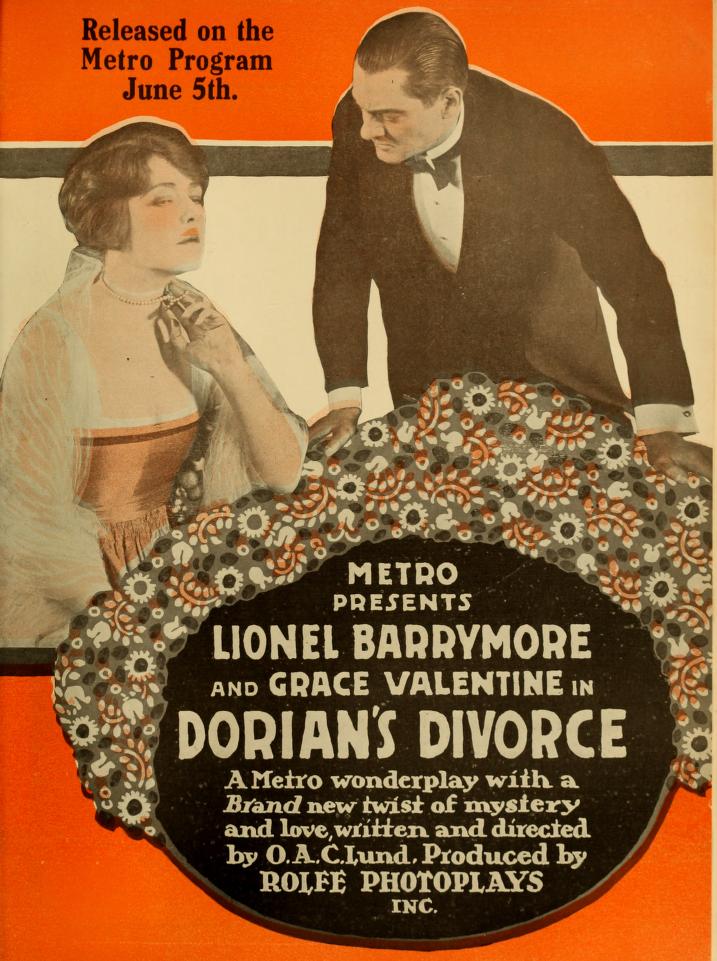
Dir: O.A.C. Lund
Dorian Keene, a broker, who has lost most of his money in Wall Street, and his wife, Florence, dissatisfied with her lot, wants a divorce. Out of his great love for her, Dorian agrees to allow her to have it. While the papers are being prepared Sanders, Florence's god-father, confesses to Dorian that he has misappropriated funds belonging to Florence. He fears an exposure, since she is getting a divorce, and may demand an accounting. Dorian promises to do what he can to protect Sanders. They go to Dorian's hunting lodge, where Florence agrees to meet Dorian with her lawyer. There Sanders weakens and tells Florence of the missing funds. She turns upon him in a violent temper. A maid hears them quarreling and soon afterward hears a shot. Hurrying into the room she finds Sanders dead with a bullet wound in his temple. She tells Dorian that Florence has killed Sanders. In his devotion to his wife, Dorian takes the blame for the crime. Then he escapes in an automobile. Down the road Dorian encounters a highwayman who holds him up, takes his clothing and the machine, and leaves his outfit with the bewildered broker. Further along the road the automobile goes over a steep embankment and the car is burned. The body of the highwayman is charred beyond recognition, and everyone thinks it is Dorian. Dorian, penniless, wanders to the water front in New York, intending to take a ship for Europe. There he learns that Henry Morgan, a fellow broker, who was instrumental in making Florence dissatisfied with her lot, has bought his old yacht, the Sea Gull, and is arranging for a smuggling expedition. Morgan has lost nearly all his money, and, in desperation, has taken a contract to smuggle Chinese into this country for a thousand dollars a head. Dorian succeeds in getting a job aboard the yacht as a stoker. The yacht puts to sea, and when some distance from land, meets another vessel, from which the Chinese are taken aboard. As the yacht nears New York, Dorian, after many thrilling incidents, gains control of the wireless apparatus, and notifies the Federal authorities of the smuggling scheme. A revenue cutter meets the yacht and the captain and crew are arrested. The captain names Morgan as the man higher up. Meanwhile Morgan has been pressing his suit with Florence, who, believing her husband dead, has agreed to marry Morgan. Instead, he urges her to come to him without a ceremony. Florence then spurns him, and realizing his true nature turns her thoughts to Dorian. Then the government agents call to arrest Morgan, and at the same time she learns that her husband is alive. Florence sends for Dorian, welcomes him home, and together they tear up the papers for the proposed divorce, which she has kept in her possession.
View Details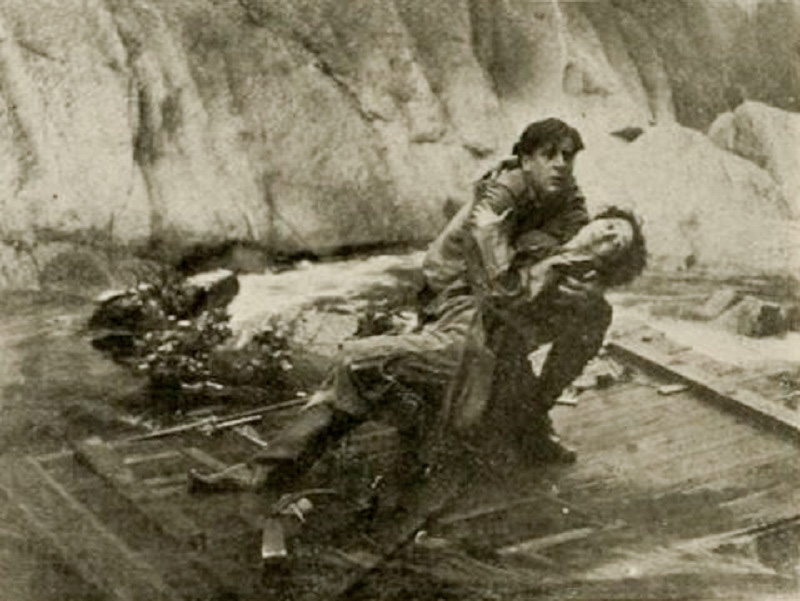
Dir: O.A.C. Lund
The mining district of Cobalt, Ontario, is the setting for the greater share of the picture, and there is careful attention paid to the scenes taken on board the millionaire's yacht, when Gresham is determined to get to his bank in time to prove to the clearing house committee that he is solvent and in so doing foils the Baylis attempt to take his mine away from him. It is not alone for the control of the mine that there is a struggle, but there is a girl in the story who is sought after by the two big men. Alice Chandler is worth the struggle. For a long time there seems little hope for Gresham, but the great moment comes when he is able to save Alice's life by carrying her to safety through a wild day, in which they both are at the mercy of the overflowing waters from a dam.
View Details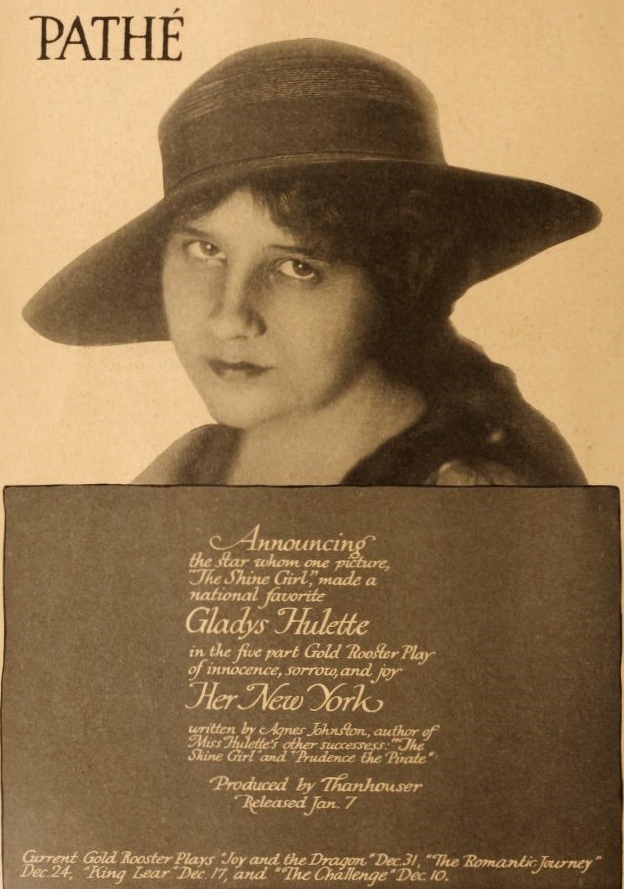
Dir: O.A.C. Lund
Phoebe Lester, a little country girl, whispers to her pet hen, "You've laid an egg for a man from New York. Ain't you proud?" and while taking breakfast to Philip, the new boarder, who came from that distant place, she gazes at him as if he has come from an unknown land. Returning to the city with a newfound love and regained health, Philip struggles to sell his poems to bring his "egg" girl to her New York. In the meantime, Phoebe's brown hen proves to be a golden one, and her egg money buys a ticket to Philip and her Wonderland. On the train, Laura, a flashily-dressed woman, meets Phoebe and, tempting her with a nice new dress, takes her to her house. There, Owen, a former employer of Philip, is fascinated by her simplicity. Such grandeur and strange "fizzy" drinks overwhelm her, but Providence intervenes, when the little brown hen hops into the street with Phoebe scrambling after. A big-hearted policeman finds her and takes her to Philip, and acts as "bridesmaid" at their wedding. Their little home, built on much love and little food, is brightened by the adoption of Johnny, an abandoned baby, that Philip finds on the dumbwaiter. Johnny brings good luck and Philip secures a good job through Owen and in nicer quarters their cup of happiness seems to be full, when Owen, to further his ends, contrives to get Philip to gamble with borrowed money. Phoebe, convinced by trickery, that Philip is unfaithful, is heart-broken and believes that love and her New York are unreal after all. But, the yielding, grief-stricken country girl awakens Owen's better self, and with his help the unhappy household is reunited.
View Details
Dir: O.A.C. Lund
The story relates how a hunchback in revenge against a woman who has repulsed him, lures her stepdaughter to the stage and assists her to become a dancer. The girl, whose name is Elaine, has two lovers, for one of whom, John Butler, she forms a sincere attachment. Her stepmother goes to see her dance, and the hunchback, still enraged at her, murders the woman. The hunchback goes mad and is killed by falling from a cliff. Butler, Elaine's lover, is accused of killing him. but Elaine clears him of the charge by proving the hunchback was the murderer of her stepmother. Elaine and Butler find that their mutual loves will make them happy in marriage.
View DetailsAnalysis relative to The Debt of Honor
| Film Title | Atmosphere | Complexity | Similarity |
|---|---|---|---|
| Kärlek och dynamit | Ethereal | Layered | 92% Match |
| When Broadway Was a Trail | Gritty | Linear | 89% Match |
| The Marked Woman | Ethereal | High | 85% Match |
| For Woman's Favor | Gothic | Layered | 86% Match |
| Together | Gothic | Abstract | 92% Match |
This guide was algorithmically generated using the cinematic metadata of O.A.C. Lund's archive. Last updated: 6/27/2026.
Back to The Debt of Honor Details →