Summary
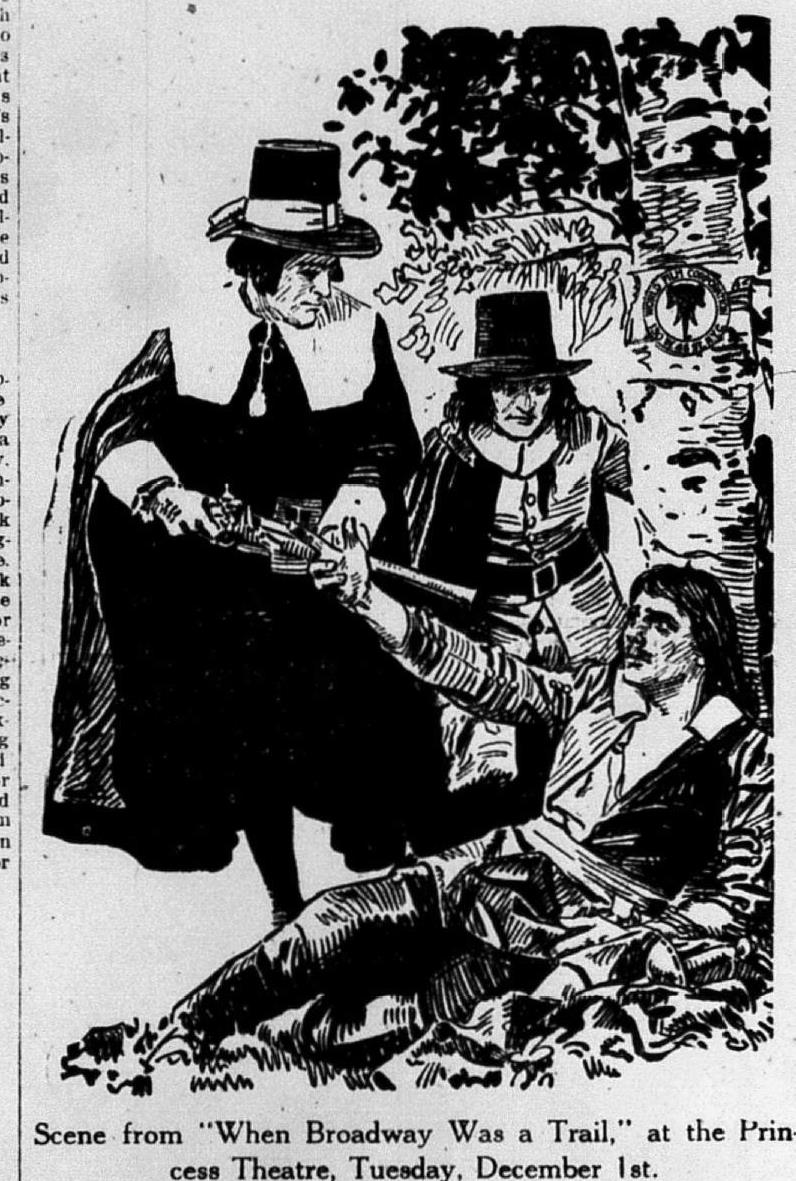
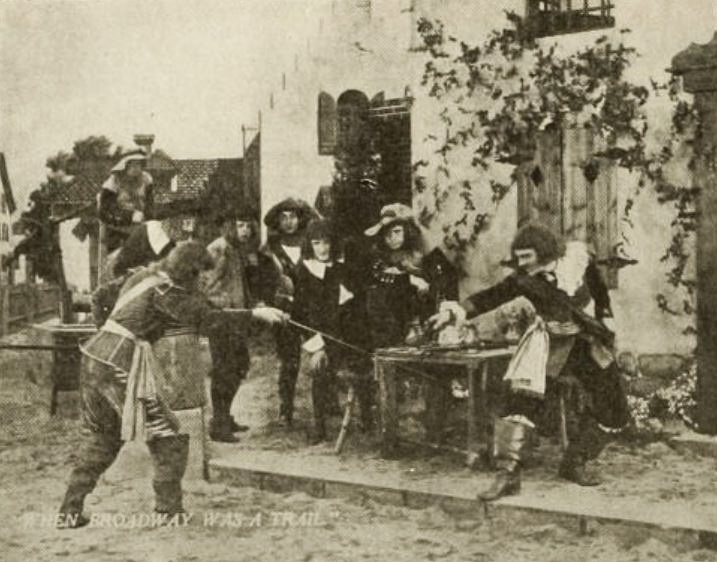
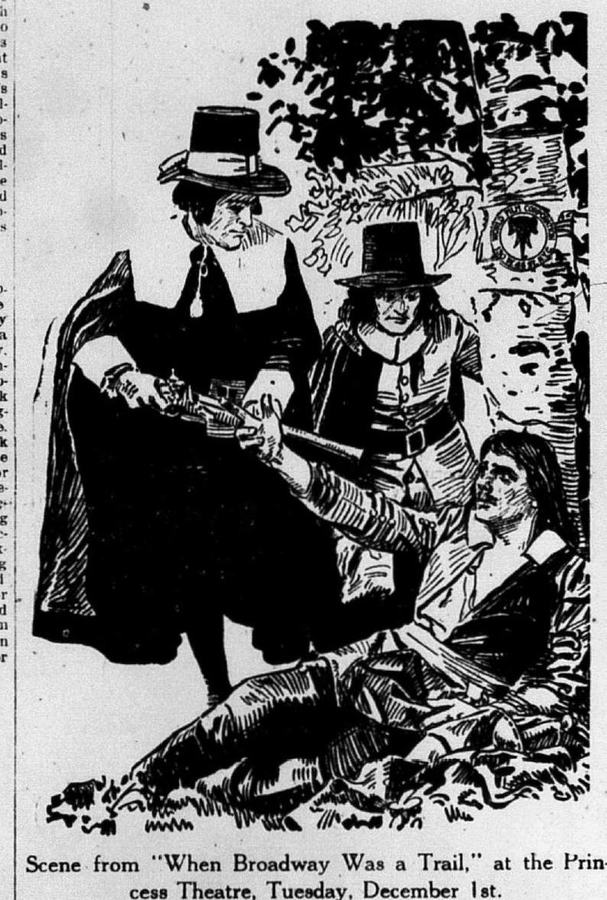
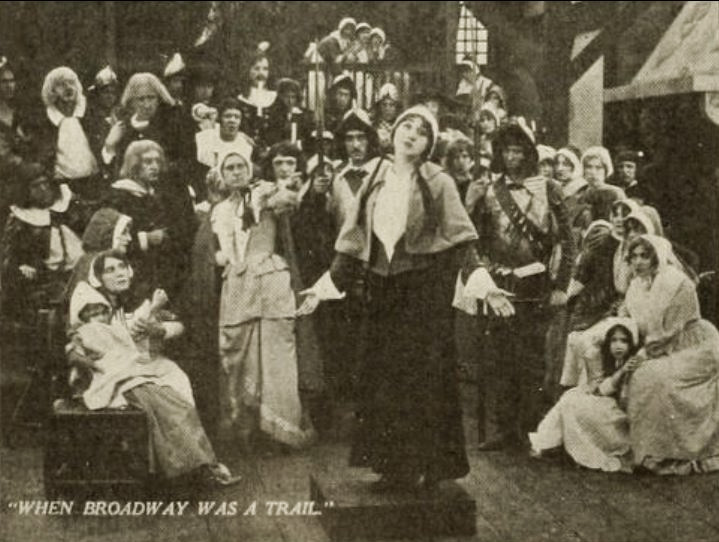
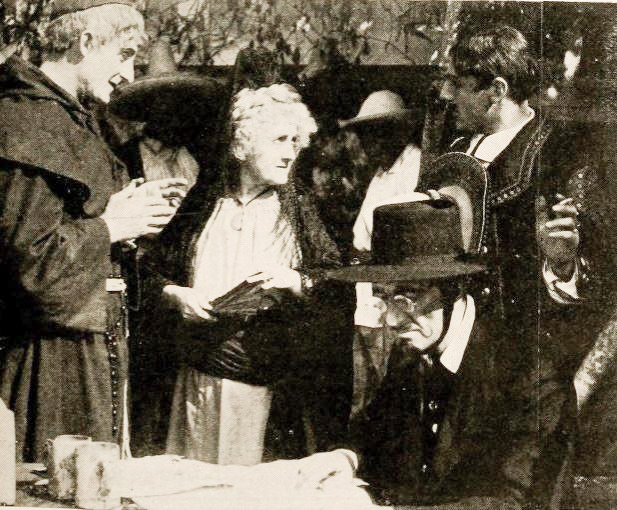
A lantern-lit skiff glides up the crooked mouth of the Naumkeag; on its thwart stands Henry Minuet—lace collar, buckled shoes, a patroon’s son dispatched from the damp gabled roofs of New Amsterdam to haggle for maize that might keep the West India Company’s starving outpost from cannibalizing itself. In the palisaded hamlet still clinging to the name Danvers, he barges into a Puritan diorama of psalm-drone and cod-boned scarcity. Grain is currency, suspicion is scripture, and the air smells of tallow, seaweed, and accusation. Across the meeting-house yard he spots Priscilla Elliott—tresses the color of winter wheat, eyes like storm-bruised tidewater—tending a knot garden of feverfew and rue. No shared syllable passes between them; yet the gaze they trade is its own trans-Atlantic treaty, a contract inked in pulse beats. Salvation Hibbens—chinless, linen-capped, umbilically tethered to his mother’s Calvinist apron—already covets the physician’s daughter, but his courtship reeks more of inheritance than ardor. When the doctor succumbs to a putrid fever, the Hibbens matriarch pivots from matchmaker to inquisitor: she brandishes scripture like a cudgel, stokes the embers of witch-panic, and soon Priscilla’s herb bundles morph into evidence of Satanic pharmakon. Stocks, scarlet letters, and the squeak of rope on gallows-tree follow. Henry and Priscilla, pilloried side by side, become a two-headed blasphemy in the town’s eyes. A courier in orange sash arrives from Fort Amsterdam demanding the patroon’s heir; the local magistrate, sensing geopolitical embarrassment, fumbles the keys while whispered escape plans hatch behind gaol stone. Priscilla slips through the forest primeval toward the Hudson, guided only by the north star and the memory of Henry’s promise. New Amsterdam’s cobbled alleys, gabled roofs, and patroon-ball etiquette greet her like a gilded cage; Gretchen—burgher’s daughter, tulip in every buttonhole—awaits betrothal. Henry, truant from both prison and filial duty, treks northward rendezvousing with his beloved at a ferry crossing where the river is wide enough to drown every creed that named them heretic or heathen. Together they bolt past the last boundary stone, past the reach of patent or pulpit, into the map’s parchment hinterlands where love is the only jurisdiction.
Synopsis
The story deals with the coming of Henry Minuet, the son of the governor of New Amsterdam, to Danvers, now Salem, Mass., for the sake of buying grain for the helpless colony that he represents. Accidentally he sees Priscilla Elliott, the daughter of Danvers' physician, and while they do not speak the same language, they love each other from the start. Though Miss Elliott is sought for by Salvation Hibbens, she does not care for him because he is helpless away from his mother's apron strings. Then, too, she cares too much for Henry Minuet, and when her father dies, Salvation's mother tried to force her to marry Salvation through threats, but fails. The mother then makes trouble for Priscilla by having her declared a witch and while she is shunned by Danvers' society, she cares little, because Henry is with her. Finally the both of them are put in prison. A messenger comes from his father to learn what has been his fate. As soon as the governor of Danvers learns the name of the prisoner, he orders him set at liberty, but he has escaped in the meantime. Because of the escape, the mayor informs the Dutch messenger that he will not have anything to do with the colony of New Amsterdam under any circumstances. The soldiers capture Henry, while Priscilla is away. But Henry manages to inform her that it is best that she go and live at his father's house in New Amsterdam. Priscilla obeys, and leaves Henry, who, in the mean time, is released from prison and sent home. On his way to New Amsterdam, he meets Priscilla, who does not feel at home in his father's house, because his parents plan that Henry should marry Gretchen. Seeing that neither in Danvers nor in New Amsterdam could both of them find the peace and happiness that their love entitles them to, so they decide that by themselves, away from their friends they will find the happiness that only true love can give.
Review Excerpt
"
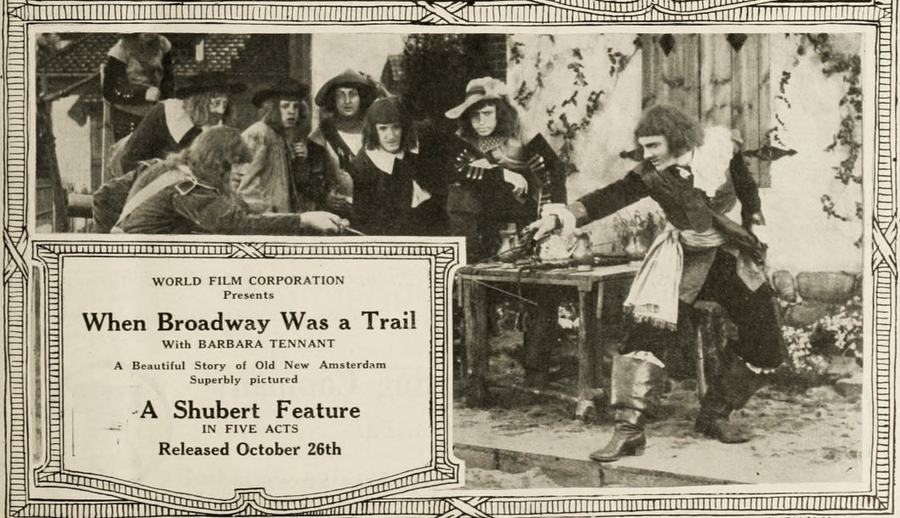
Imagine a decade when Manhattan still ended at Wall Street, when Broadway was a hoof-churned track that ducked beneath chestnut boughs and vanished into Lenape footpaths. Out of that liminal dust emerges a film whose very title—When Broadway Was a Trail—promises cartographic nostalgia and delivers instead a blistering cross-pollination of Pilgrim dread, patroon opulence, and the oldest cinematic narcotic: forbidden affinity.
Julia Stuart, often misfiled among the “sweet ingenue” card catalog ..."