
DbcultAccessing Vault...
Recommendations
Senior Film Conservator
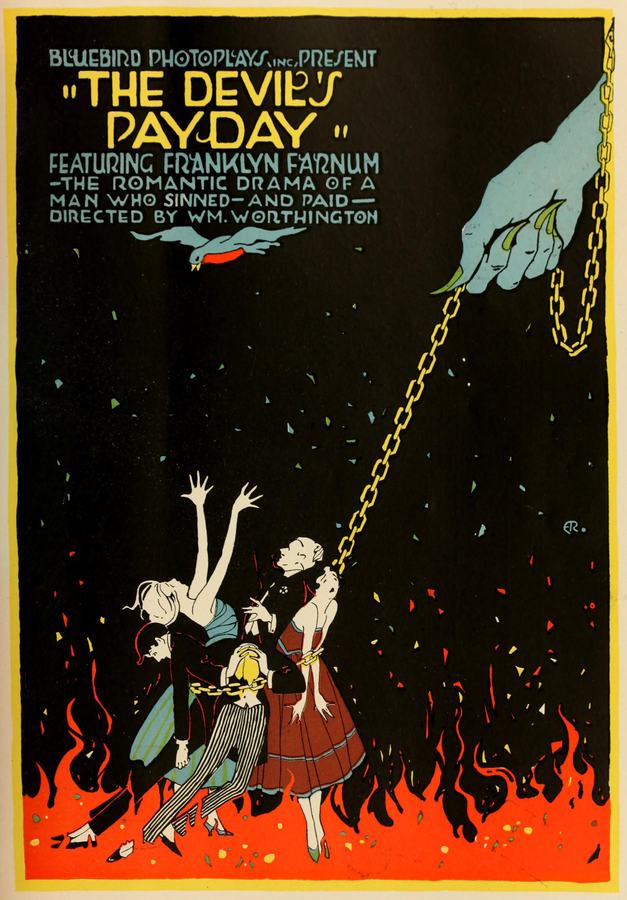
The artistic legacy of William Worthington was forever changed by The Devil's Pay Day, the thematic layers of this 1917 classic invite a wider exploration of the genre. This list serves as a bridge to other cult experiences that are just as potent.
The vintage appeal of The Devil's Pay Day to reinvent the tropes of cult cinema for a global audience.
When Gregory Van Houten went to the country to recuperate, he intended to remain only a few weeks and then return to plunge into the swirl of city gaieties. But when Van Houten returned he brought with him a country-girl wife and set upon himself the seal of new duties and obligations. Jean Haskins was the daughter of Farmer Haskins, who owned the place where Van Houten boarded. She was a simple child of nature, trustful and devoted to the new ideals of happiness that Van Houten brought into her young life. Farmer Haskins warned the young folks that they were storing trouble for themselves in marrying; he told them that their lives had been so different that they would eventually find that they could not continue happily. Nevertheless, they married and returned to town happy. At the first social function they attended, Gregory realized that his wife wasn't prepared for the butterfly life. One of Gregory's club friends, James Hanley, saw in the young bride a conquest. His attentions to Jean soon centered Gregory's suspicions upon them; meanwhile, Gregory turned to a woman in his own set for companionship. Upon an incident that looked worse than it really was, Gregory based cause for a divorce and won his case. Then he married the other woman, a society butterfly. The shock completely changed Jean's good, wholesome nature; she turned into a viper bent upon revenging herself upon the man who had violated his obligation and made a mockery of her love. Hanley gained his point, but in possessing himself of Jean gained more of companionship than her love as recompense. Years later Gregory and Jeanmet again and her beauty fired his heart with desire. Jean connived to reap her vengeance. When Hanley was called away Jean refused to accompany him, setting up as an excuse that a few months' separation would lead them to a better understanding of their position. Gregory takes advantage of a free field and Jean coyly leads him on. Gregory neglected the wife he married when he divorced Jean and turned all his attentions to Jean. Suddenly Hanley appeared upon the scene, and Jean made a way to a greater revenge than she had planned. The men engaged in a personal encounter and when Hanley seemed to be getting the better of the fight, Jean fired a revolver at the struggling forms and killed Hanley. The sudden outcome of the combat benumbed Gregory's senses. Jean placed the revolver in his hand just as the police entered and they found Gregory bending over the prostrate form of his rival. In the trial that ensued Jean swore that Gregory fired the shot, and her vengeance is almost completed by the verdict of the jury that Gregory was guilty of deliberate murder. But when the court guard goes to bring the prisoner to hear his doom, they find him dead upon the cot of his cell and Jean is left to contemplate the sad ending of her youthful romance.
Based on the unique stylistic flair of The Devil's Pay Day, our vault has identified these titles as the most compelling follow-up experiences for fans of cult cinema:
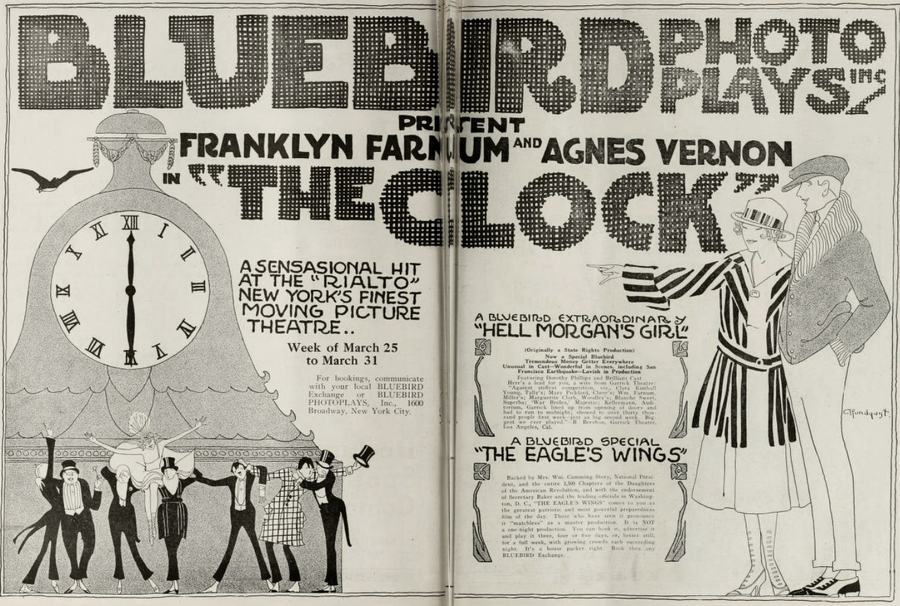
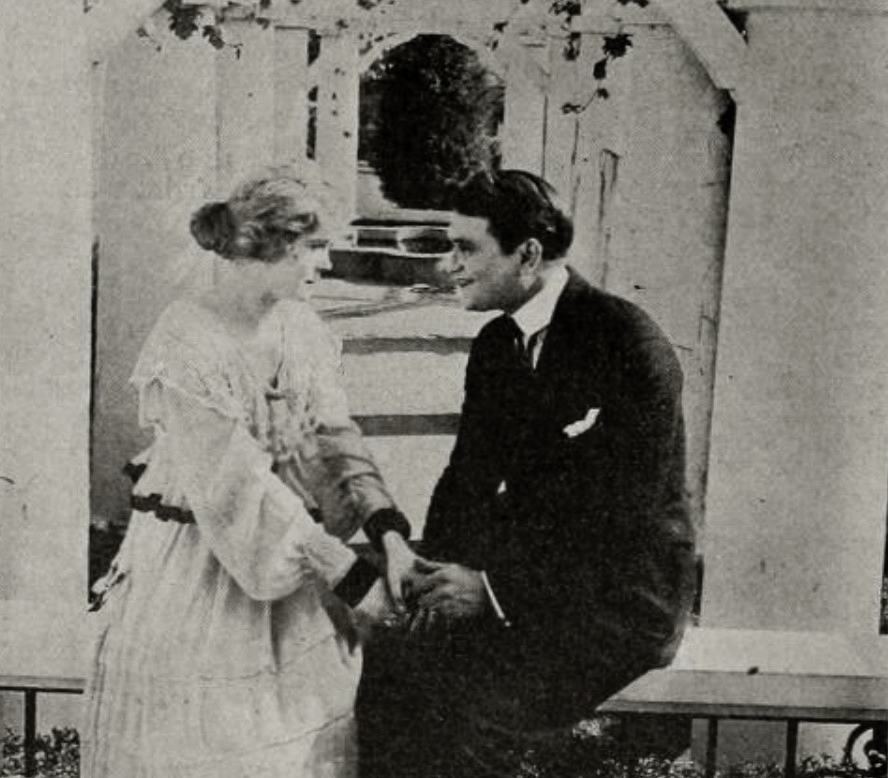
Dir: William Worthington
A fascinating piece of cinema that shares thematic elements.
View Details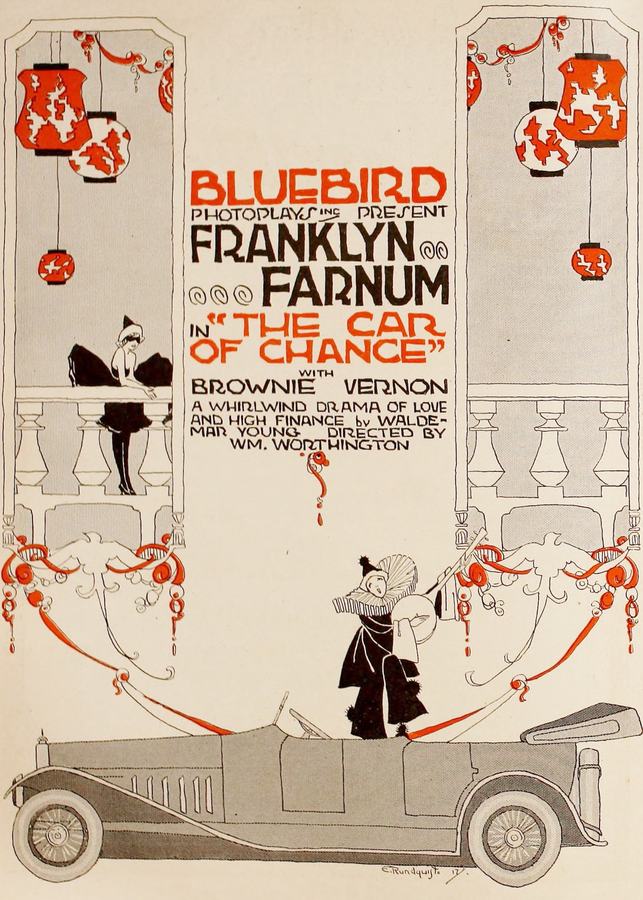
Dir: William Worthington
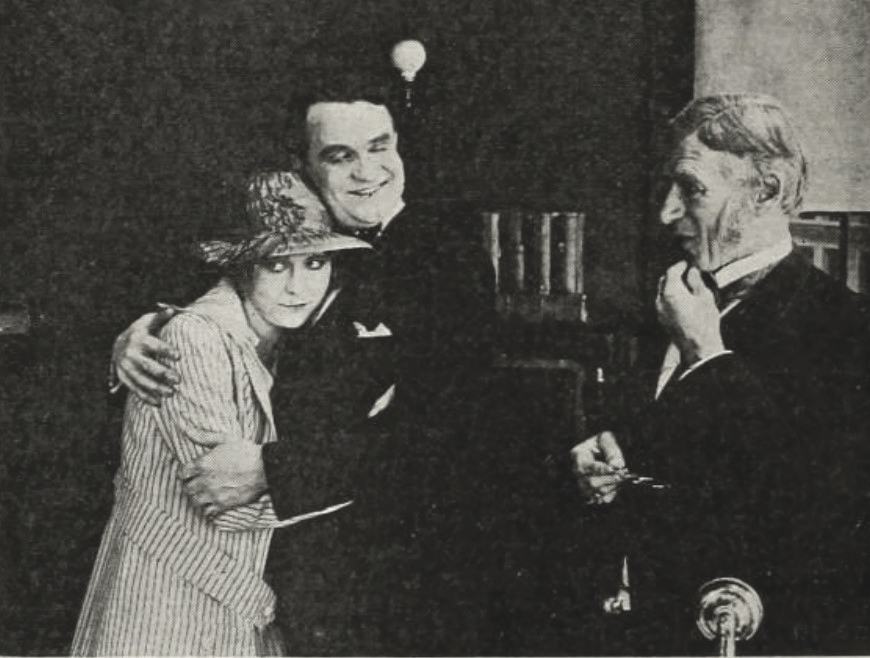
Only a seven-passenger motor and $100, to be spent exclusively for gasoline or repairs, was Arnold Baird's share of his father's property. Light-hearted by nature, Baird made the most of his legacy and started a "jitney bus" line. When James Bennett, general manager of the Consolidated Traction Co., learned Baird had been practically cut off in his father's will, he informed Baird that his daughter would never marry a pauper and to go out and make his fortune. Bennett's decision suited Mrs. Bennett, who was eager to shine in society and planned to gain her ends by marrying Ruth to Wm. Mott-Smith, who controlled the traction company. When Ruth got the chance to tell Mr. Mott-Smith what she thought of him, she left no room for doubt. Ruth met Baird secretly and she was first to know of Baird's jitney-bus plans. Israel Helmstone, leader of organized labor, decided that the employees of the Consolidated Traction Co. deserved an increase in pay. Bennett refused Helmstone's demands and the labor leader called Baird into consultation. Helmstone's daughter, Wanda, employed as stenographer by Mr. Mott-Smith, furnished inside information that showed the weakness of Bennett's defense. The car strike was called and traffic paralyzed. The next morning the "Social Rapid Transit Company" sprang into operation. Mott-Smith, Bennett and their associates were filled with consternation. Baird's pals in society entered their cars for public patronage and "jitney bused" the traction company to its knees. When strike-breakers were called in there was nobody to ride, for the public preferred the limousines. When Bennett cried for mercy, Baird was the intermediary. Fate decreed that Baird should be the one to rush to Mott-Smith's office to rescue Wanda Helmstone from the clutches of the drunken society leper. Settling with Bennett was no hard matter for Baird. His terms were $10,000 a year for becoming assistant general manager and six months' vacation to enjoy a honeymoon on which Ruth was to be the bride.
Dir: William Worthington
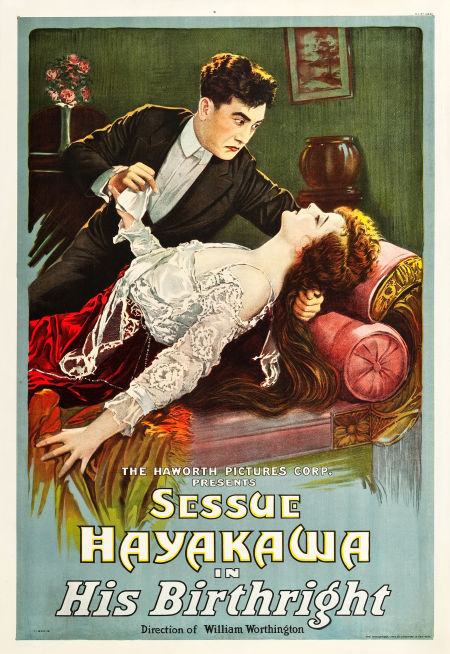
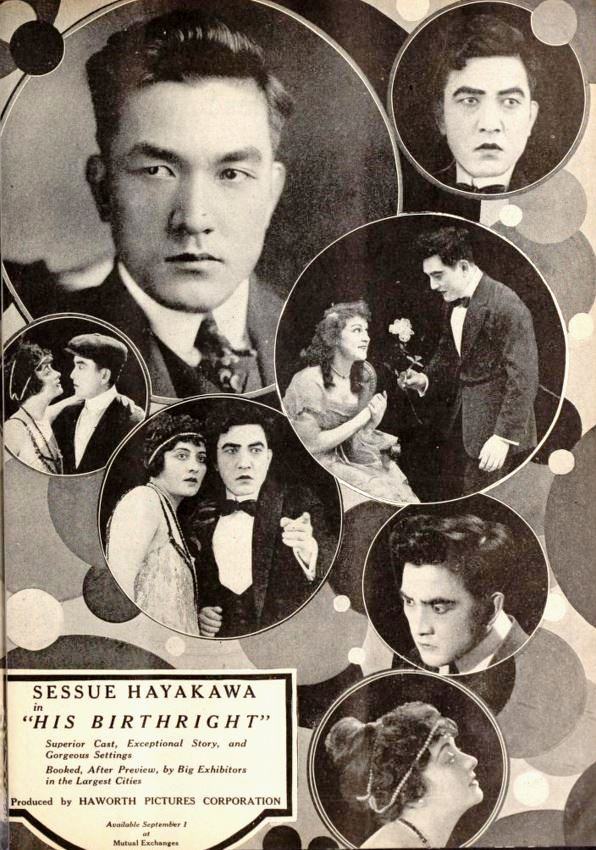
After his Japanese mother dies, a biracial young man travels to the United States to track down his American father.
View Details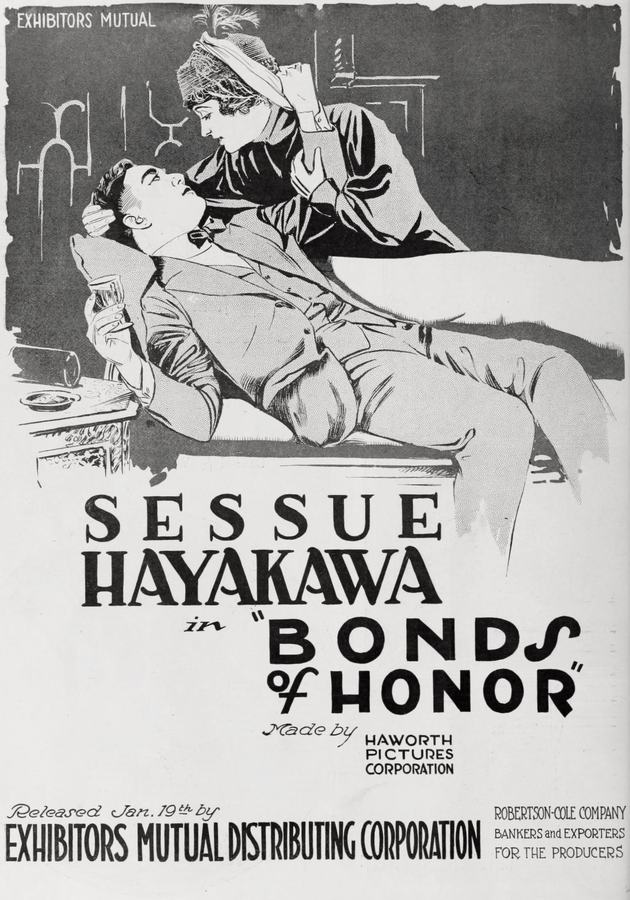
Dir: William Worthington
When Sasamoto commits treason during the Great War to pay off gambling debts, his twin brother Yamashito assumes his identity and tracks him down.
Dir: William Worthington
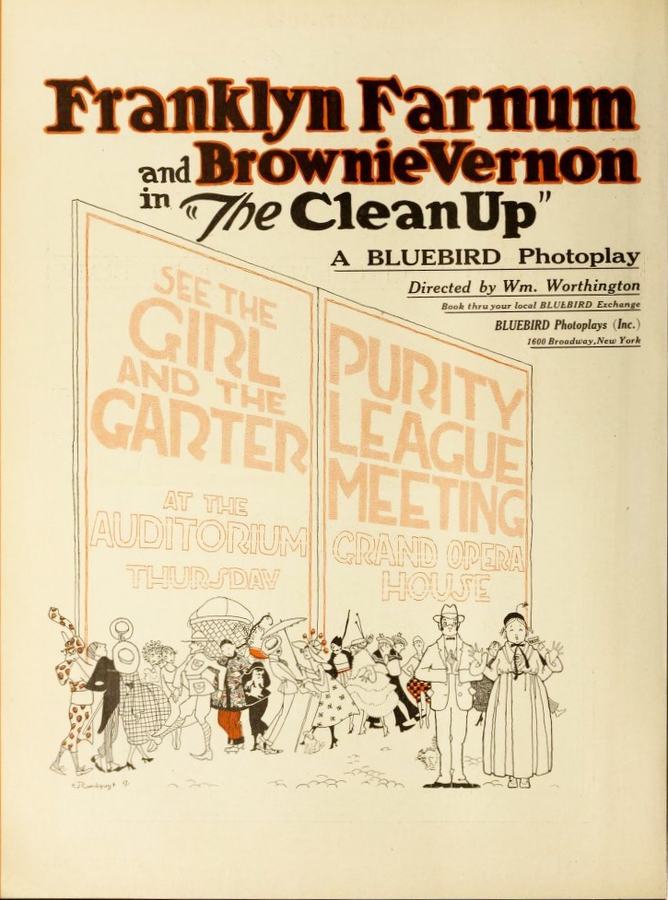
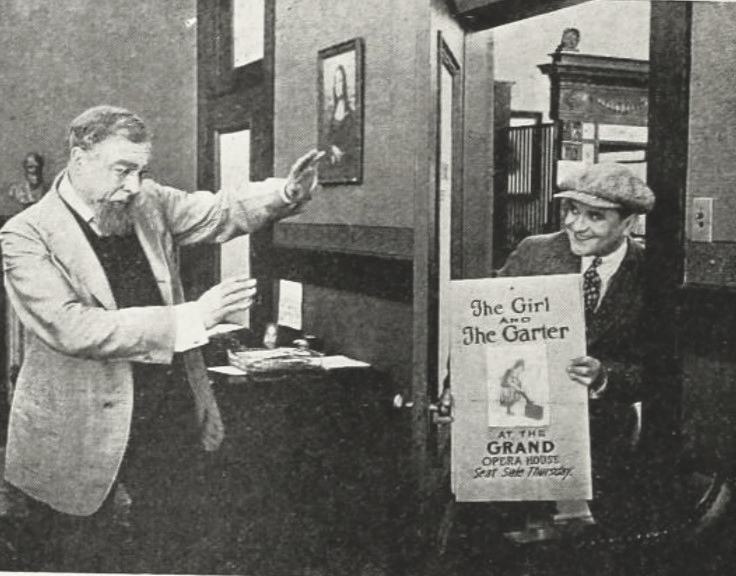
Stuart Adams, the advance-agent for a traveling burlesque troupe, arrives in Weston, Illinois, his hometown, to publicize the coming show, "The Girl and the Garter". The Purity League, led by banker James Richards, the father of Stuart's sweetheart Hazel, attempts to stop it from opening. After kissing Hazel in public - thus outraging the League members - Stuart builds curiosity about the show by having the newspaper print Richards' admission that he viewed it in New York "to see how shocking it was". He also attaches a banner which advertises the show to Hazel's roadster during a Purity League parade. After Stuart challenges Richards to a debate, Stuart helps detective Vera Vincent, whom he met on the train, capture two crooks trying to rob Richards' bank. During the debate, Stuart, knowing that the show has been canceled, offers to end the bickering by withdrawing the show. Richards then insists that Stuart, who plans to meet Hazel at the train station to elope, come to dinner. Fortunately for Stuart, Hazel had been locked in her room by her aunt, and is still at the house.
View Details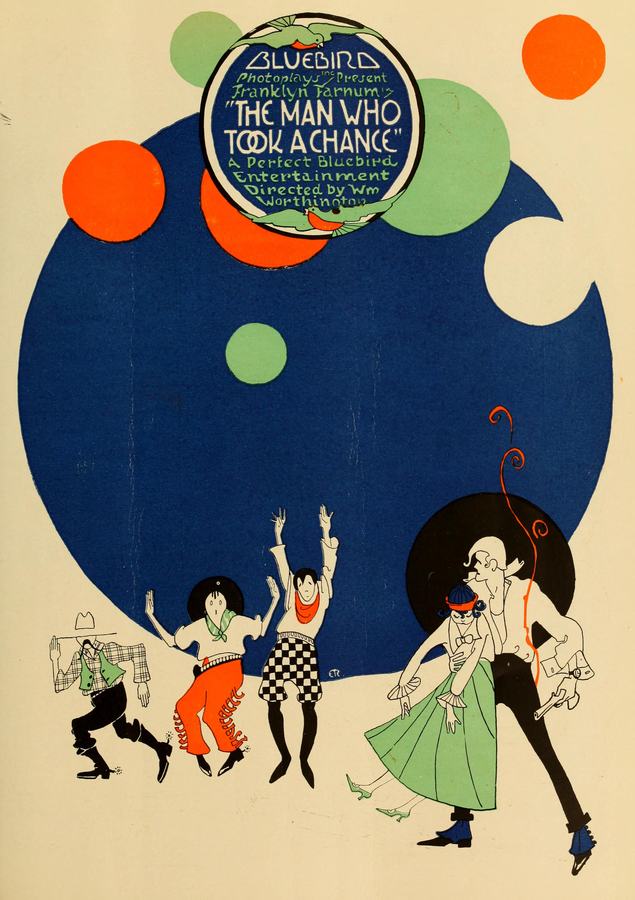
Dir: William Worthington
Monty Gray returns to the US after spending 10 years building railroads in China. As he enters a hotel he runs into an old friend from college whom he hasn't seen in years, and they begin catching up on old times. Monty notices a picture of a young woman that his friend is carrying and, bowled over by her beauty, he instantly falls for her. However, his friend tells him that he doesn't have a chance in a million of meeting the girl, who happens to be his cousin, because her mother rules the girl's life with an iron fist and is determined that she will marry royalty and not some untitled commoner. Monty is determined to have the girl, and devises a plan to win her.
Dir: William Worthington
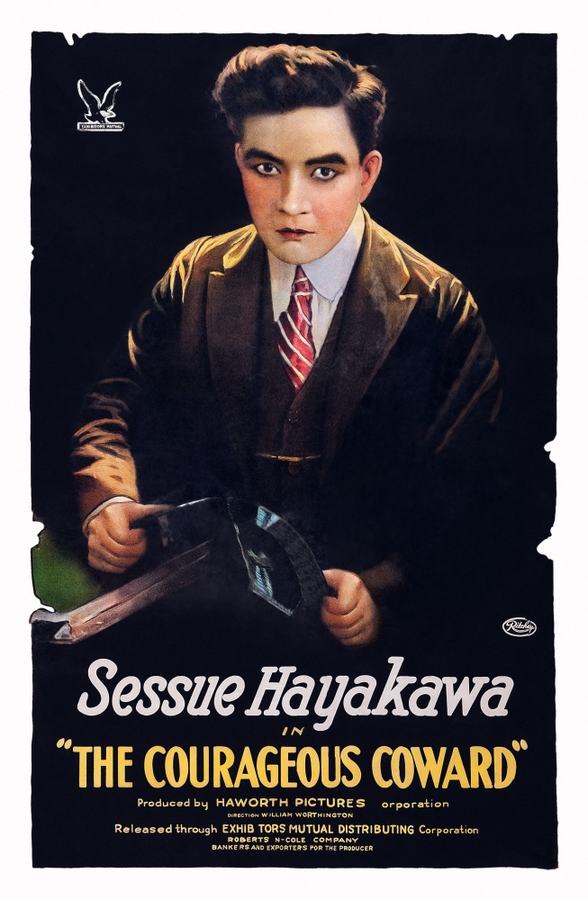
Japanese-American law student Suki Iota falls in love with his guardian's niece Rei Oaki, who has just arrived from Japan to cultivate her singing voice. After Suki goes East to law school, Rei, thinking Suki wants an American girl, gets Tom Kirby, the son of the Chinatown boss, to teach her American ways of dress and behavior. On his return, Suki is displeased with Rei's change and believes her to be Tom's girl when he sees them celebrating the Chinese New Year. Suki is appointed assistant district attorney and, with the whole city watching because of anonymous death threats sent to him, he steadfastly prosecutes a murder case until Tom confesses to him. To protect Rei, Suki removes himself from the case. Labeled a coward and a traitor to justice, Suki remains silent until Tom publicly confesses. Now regarded as a hero, Suki defends Tom. Rei confesses she never loved Tom, and her romance with Suki begins anew.
View Details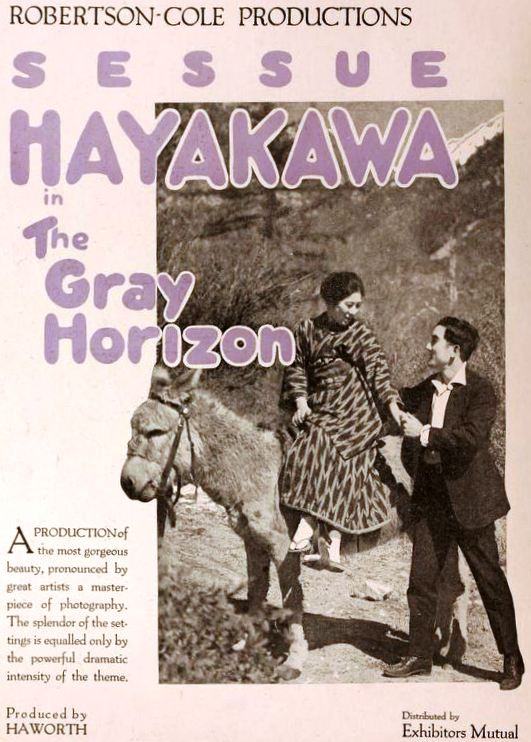
Dir: William Worthington
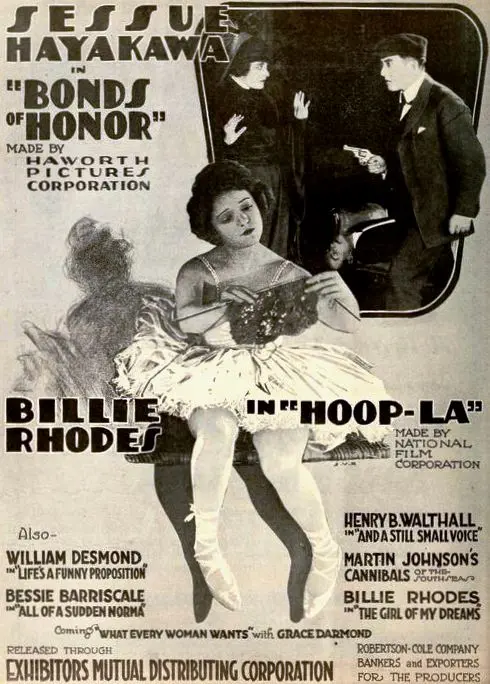
Yano Masata, a struggling Japanese artist living in a mountainous area in America, refuses to tint counterfeit bonds for wealthy John Furthman. Yano's sister, O Haru San, comes from Japan to look for her husband who deserted her, and finds Yano with aid from a woman in the Japanese mission. When she recognizes Furthman as her husband, Furthman and Yano fight until Furthman's gun goes off, killing O Haru San, and Yano throws Furthman off a cliff. Later, Yano thanks the woman in the mission, they develop a friendship, and he agrees to paint her husband's portrait from a photograph. The husband is Furthman and his wife thinks that his fall was an accident. After Yano paints the portrait, he destroys it in a moment of wrath and confesses the killing to Mrs. Furthman's financial adviser. Later, Yano burns the evidence of Furthman's crimes so that Mrs. Furthman and her son will remain unaware of Furthman's treachery and not be disgraced. The police then arrest Yano.
Dir: William Worthington
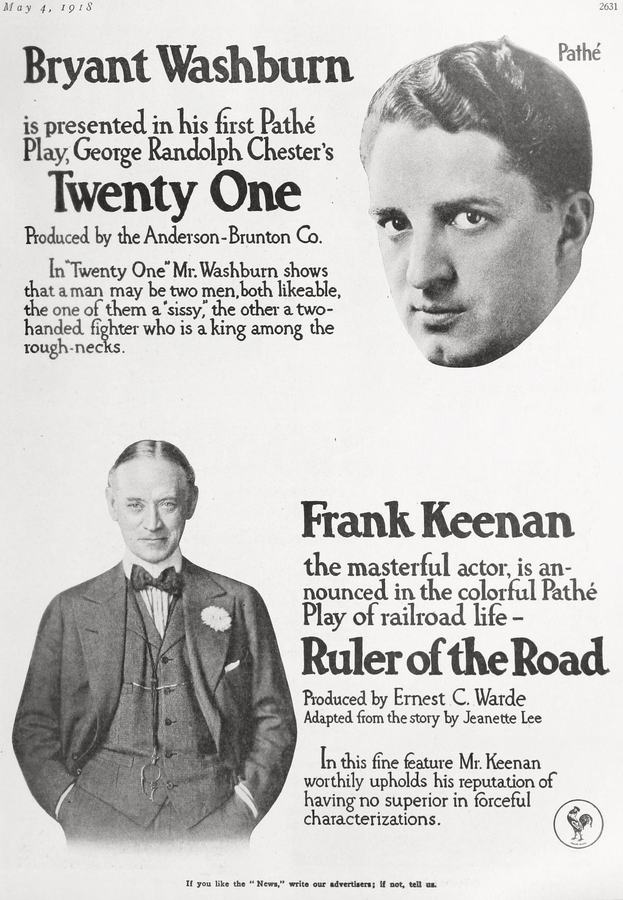
A young man trades places with a lookalike boxer and learns to fight for what he wants.
View Details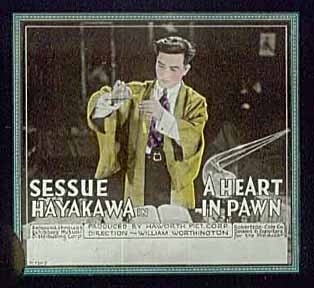
Dir: William Worthington
Toyama's wife Sada secretly earns money as a Geisha girl to finance his studies in America, but she says that the money comes from her deceased grandfather. In America, Toyama becomes an assistant to Dr. Stone, studying cures for inherited vices. When Toyama learns that Sada has been sentenced to death for murdering a prominent banker who attacked her, Toyama disappears and gives in to his hereditary tendency to drink until Dr. Stone cures him. Unknown to Toyama, Sada's sentence is commuted to life imprisonment when she gives birth to their daughter. Meanwhile, Toyama marries Stone's half-Japanese daughter Emily to fulfill Stone's dying request. In Japan, after Toyama lectures women prisoners and recognizes Sada, he discovers that the child he and Emily adopted is really his own daughter. When Sada escapes and finds Toyama, he decides to commit harakiri, but as the prison guards approach, Sada drowns herself to save him.
View DetailsAnalysis relative to The Devil's Pay Day
| Film Title | Atmosphere | Complexity | Similarity |
|---|---|---|---|
| The Clock | Gothic | Layered | 96% Match |
| The Car of Chance | Tense | Dense | 91% Match |
| His Birthright | Gothic | High | 88% Match |
| Bonds of Honor | Surreal | High | 97% Match |
| The Clean-Up | Ethereal | Linear | 97% Match |
This guide was algorithmically generated using the cinematic metadata of William Worthington's archive. Last updated: 8/17/2026.
Back to The Devil's Pay Day Details →