
DbcultAccessing Vault...
Recommendations
Senior Film Conservator
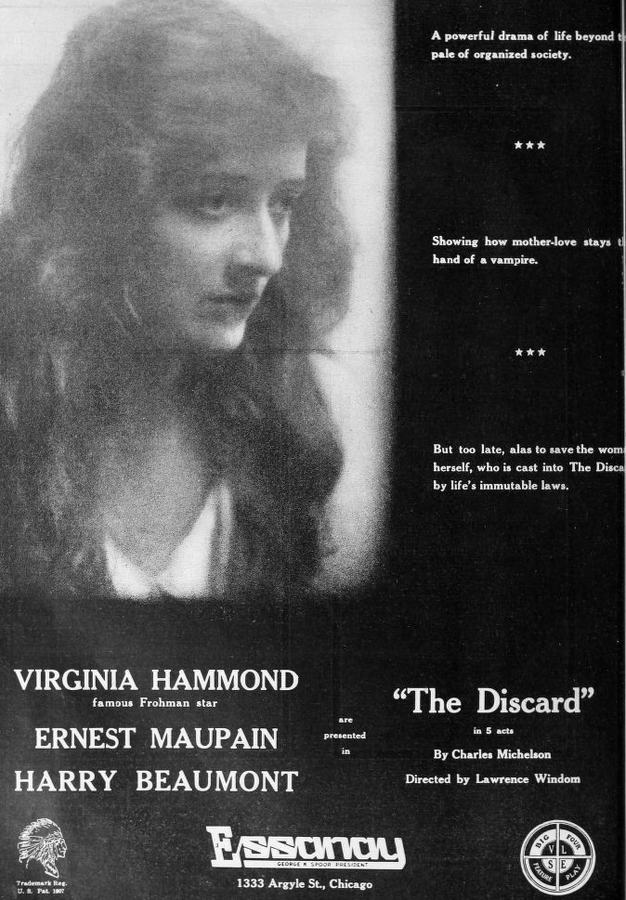
The cult sensibilities displayed in The Discard are unparalleled, the emotional payoff of the 1916 classic is what fans crave in similar titles. Our criteria for this list were simple: only the most artistic bravery and relevant titles.
The cultural footprint of The Discard in United States to define the very concept of artistic bravery in modern film.
Doris Wynne, at boarding school in France, is hardly acquainted with her mother, most of the dealings between them handled by a firm of lawyers. So when she falls in love with the brother of a schoolmate, she obtains her mother's consent through the attorneys. Alys Wynne's reasons for seeing so little of her daughter are that she is the companion in crime of "Python" Grant, international swindler. Having ruined a young nobleman and causing him to commit suicide, the pair escape to America. Doris, the daughter, in the meantime, is happily married to Keith Bourne, a young American. An uncle leaves him a million dollars and they decide to return to the United States. Grant and Alys discover Keith and cultivate him. That he is the husband of Doris is unknown to the mother, who is still young and beautiful herself. Grant pretends to abuse his wife and Keith comforts her. A suit for alienation of affection is the result. Bourne settles for $40,000 rather than have his young wife misunderstand him. But the swindlers try the "Follow-up" and when Keith refuses to be led further they telephone his wife and tell her the story. Through the attorneys she asks her mother to come to her. Alys goes and hears the story. She is thunderstruck to learn that her victim is the husband of her daughter. She advises the younger woman to believe in her husband and disappears. She tells the police where to find Python" Grant and next day the happy couple read in the paper that the woman accomplice of the swindler was found dead. It means nothing to them.
The influence of Lawrence C. Windom in The Discard can be felt in the way modern cult films handle artistic bravery. From the specific lighting choices to the pacing, this 1916 release set a high bar for atmospheric immersion.
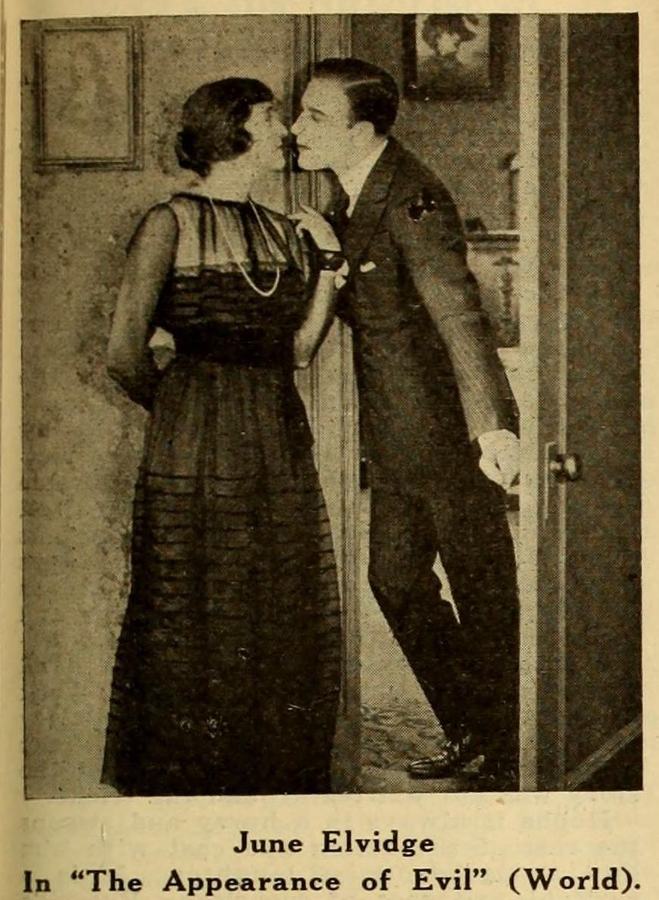
Based on the unique artistic bravery of The Discard, our vault has identified these titles as the most compelling follow-up experiences for fans of cult cinema:
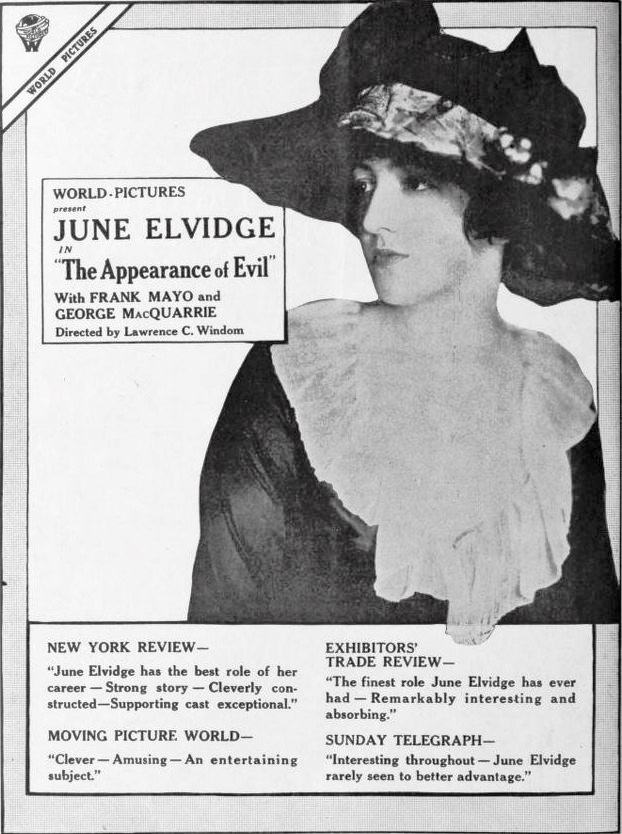
Dir: Lawrence C. Windom
Maida Brown, a rich widow, is being visited by wealthy aircraft manufacturer Louis Letchworth at the Brown family estate in Bayport. The family maid notices the pair's affectionate behavior toward each other and, aghast, reports the incident to Maida's father, the head of the local Purity League. The local citizenry is so outraged by this scandalous behavior that they force Maida to leave town. Meanwhile, Harold Brown, her late husband's brother, is aware that the family estate will revert to him if Maida remarries, so he spies on her in order to prove that she and Louis are married, so Harold can get the family fortune for himself.
View Details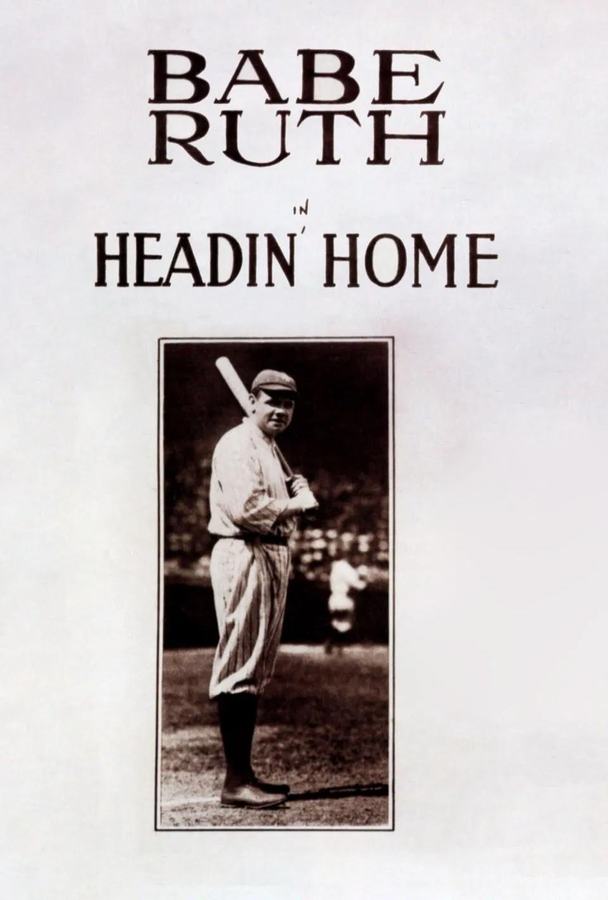
Dir: Lawrence C. Windom
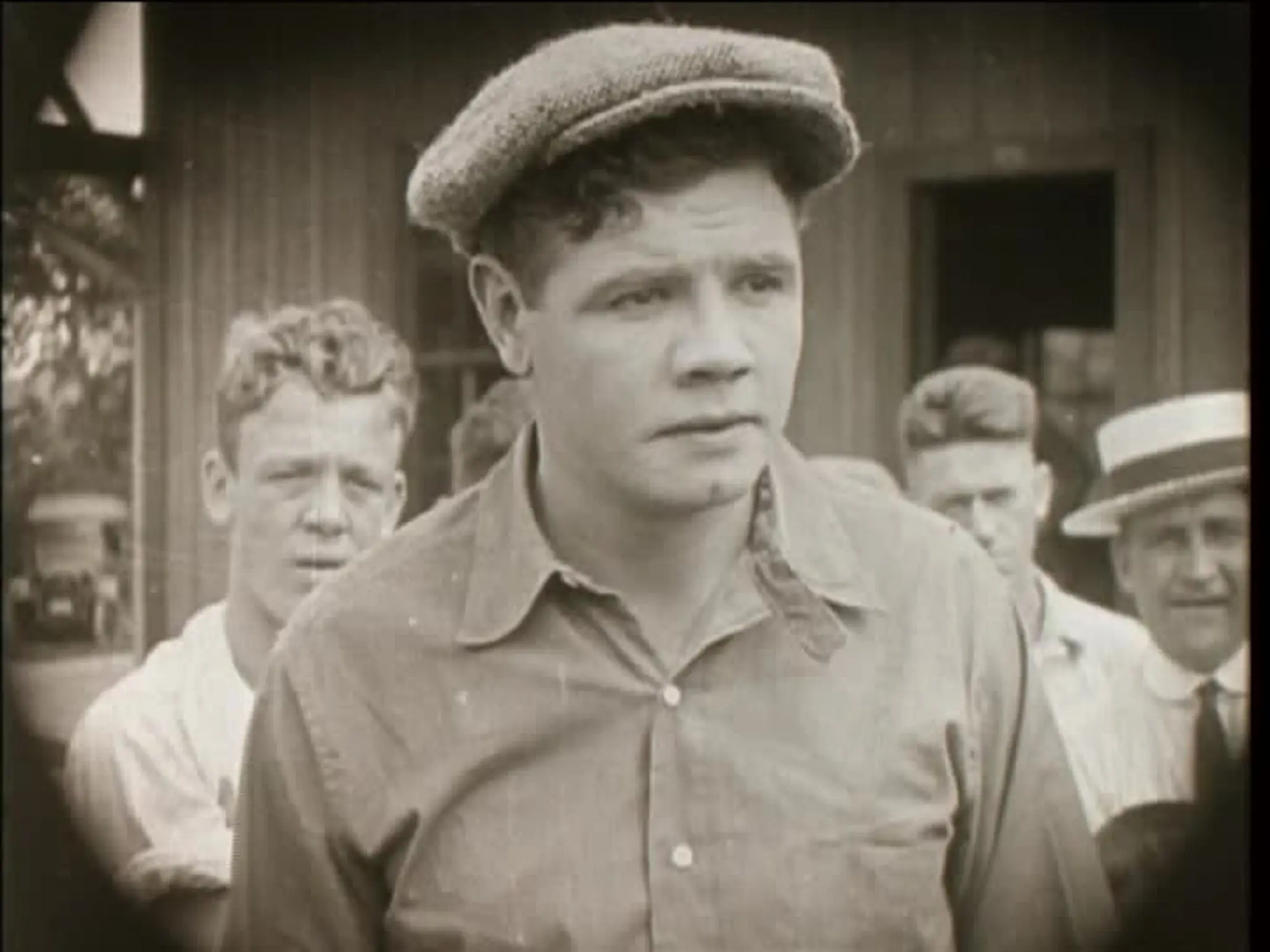
The "true story" of baseball great Babe Ruth; Ruth plays himself.
View Details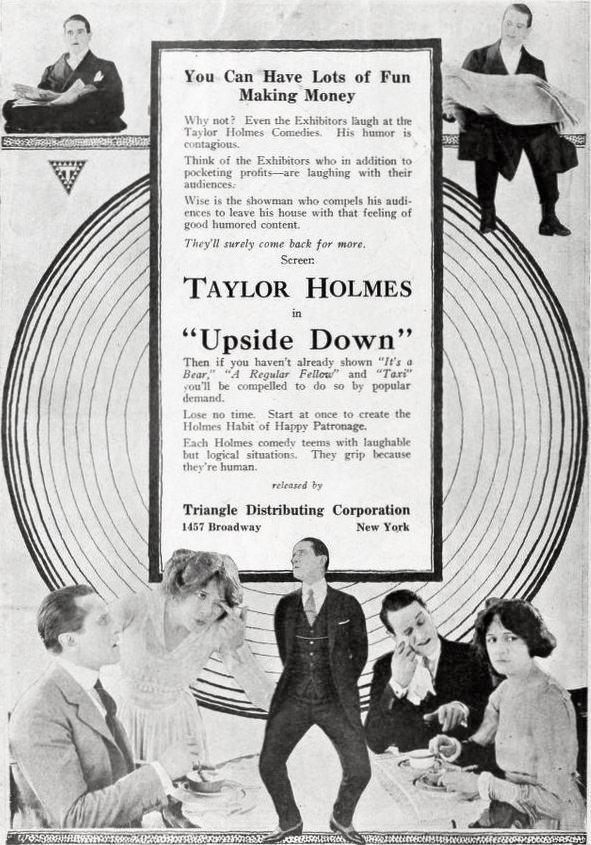
Dir: Lawrence C. Windom
When Juliet Pim, bored with her husband Archibald's habitual ardent attentions, goes to a Swami, his advice that her "individualism" is being crushed leads her to request that Pim furnish her with a "reason" for a divorce suit. Shocked but compliant, Pim rents a hotel room. Later, he finds his college friend and rival stockbroker, wealthy James Wortley Tammers, at a restaurant with his wife, who also felt neglected and went to the Swami. Pim joins them and then goes with Mrs. Tammers to a roadhouse. After Tammers locates them, and his wife returns, the two husbands engage in an all-night wine party with cabaret dancers. The next day, while Tammers sleeps, Pim manipulates the market to control Tammers' wealth. The newspaper reports of Pim's elopement with Mrs. Tammers leave Juliet valuing her husband more than her freedom. After Pim reveals he was saving Tammers from a scheme to ruin him, he sells back most of the stocks and the couples are reunited.
View Details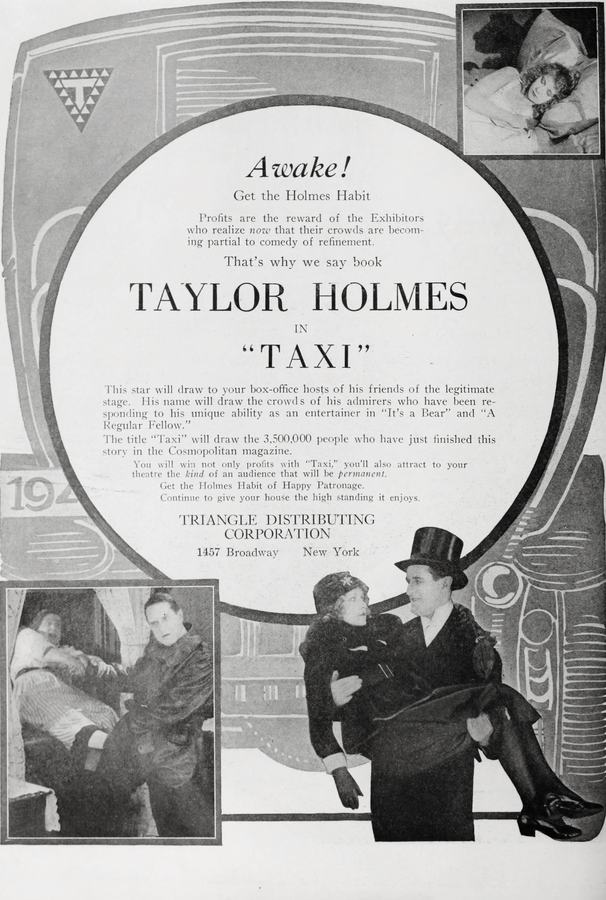
Dir: Lawrence C. Windom
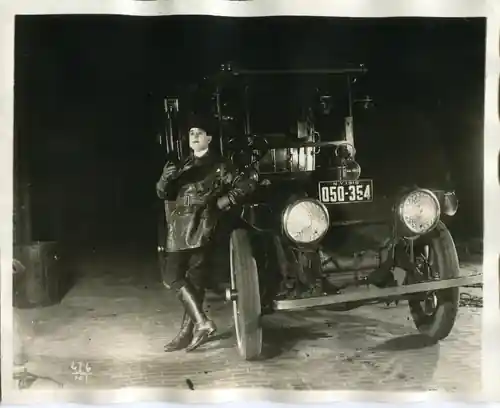
Robert Hervey Randolph receives $10,000 a year because of the inability to locate the rightful heir of a will, who would receive the money if she could be found. Madge Van Tillier jilts Robert because he does not have enough money. While riding in a taxi, Robert rescues chorus girl Imogene Pamela Thorton from her companion Duke Beamer, and takes her home. Pam turns out to be the missing heir, and Robert loses his inheritance. He then gets a job as a taxi driver. Pam receives a large portion of her inheritance from the Ajax Taxi Company. Beamer tries to ruin Ajax, but Robert foils him, becomes vice-president of the company, and wins Pam's love.
View Details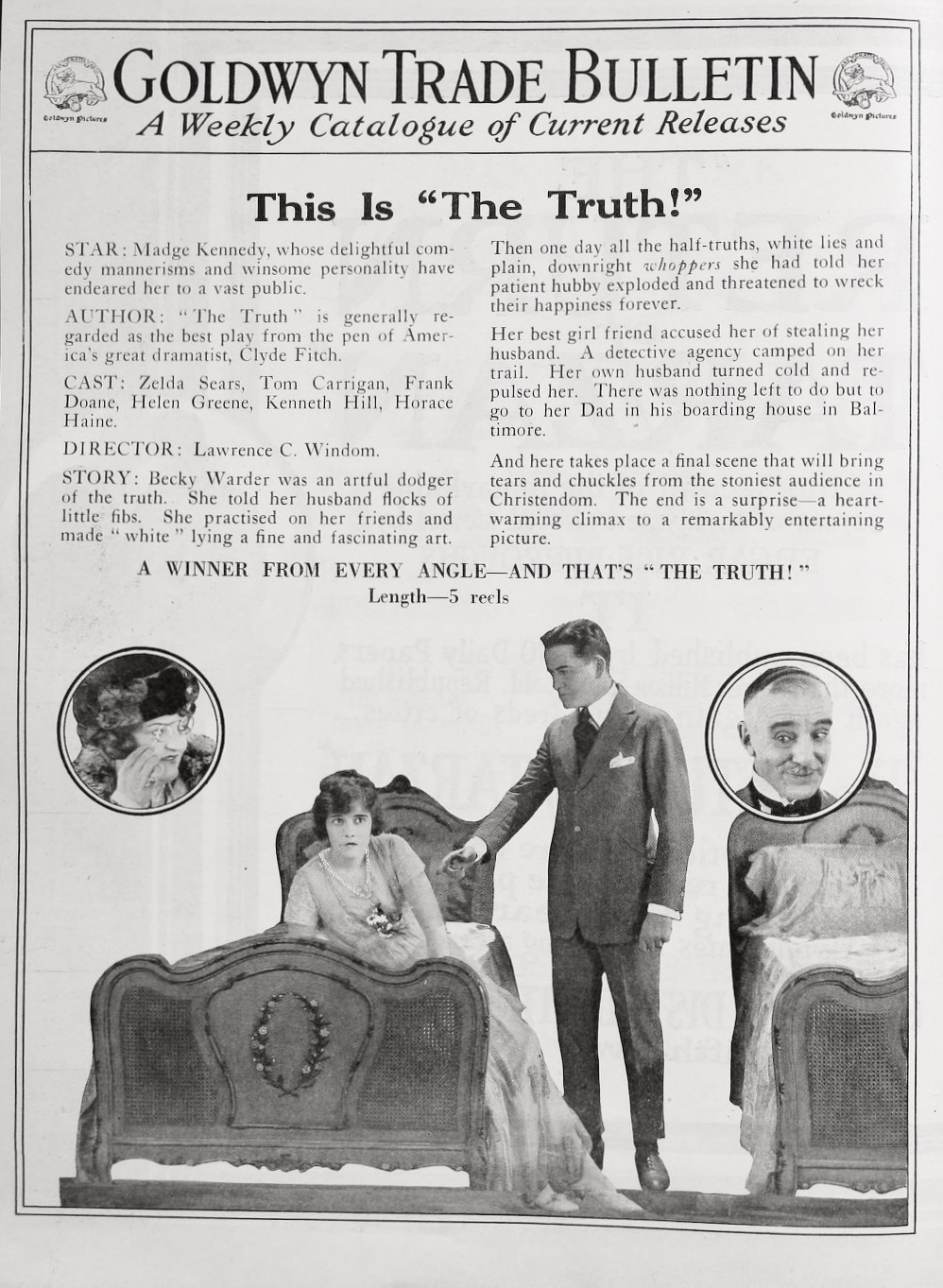
Dir: Lawrence C. Windom
Becky Warder constantly indulges in the telling of little white lies. In an innocent effort to ease the troubled marriage of her quarreling friends Eve and Fred Lindon, Becky meets secretly with Fred, thereby constructing a web of deceit that leads Eve to suspect Becky of trifling with her husband's affections. Eve informs Becky's husband Tom of these meetings and Tom, suspicious, accuses his wife of infamy. After denying her participation in the matter, Becky goes to Baltimore to see her father Stephen Roland, who, like his daughter, is a schemer. Roland begins to construct an elaborate plan by which his daughter can win back her husband and so sends a false telegram to Tom notifying him that Becky is extremely ill. Rushing to Baltimore, Tom overhears Becky inform her father that she will not participate in any more lies, and, elated by his wife's reformation, Tom forgives her.
View Details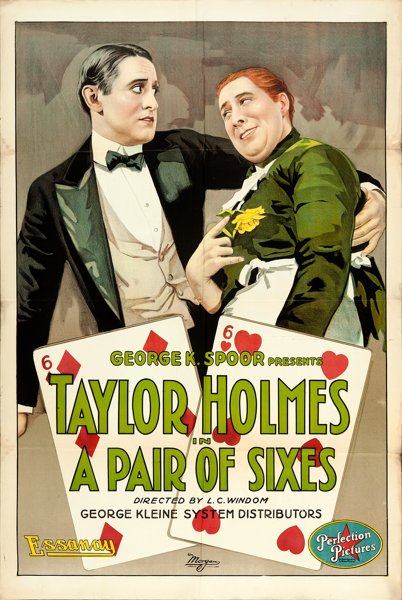
Dir: Lawrence C. Windom
T. Boggs Johns and George Nettleton, proprietors of the Digestive Pile Manufacturing Companny agree upon a unique method to stop their quarreling: play a game of poker, the loser to act as servant to the winner for a year. If either member of the agreement reveals the circumstances of the pact, he shall pay a fine of $5,000. Boggs loses, and he must serve as butler in the Nettleton home. His sweetheart Florence Cole comes to dinner at the Nettletons' and is surprised to see Boggs acting as butler, but cannot learn what has brought about the change in his social status. Thomas J. Vanderholt, an attorney in love with Florence, lets her in on the pact and tells her that he drew up the plans. She denounces him, and she and Boggs plan revenge on Nettleton. Boggs arranges an intimate tableau with Mrs. Nettleton; this so angers Nettleton that he schemes to make Boggs the loser financially, but Florence declares that the pact, being based on a poker game, is not legal.
View Details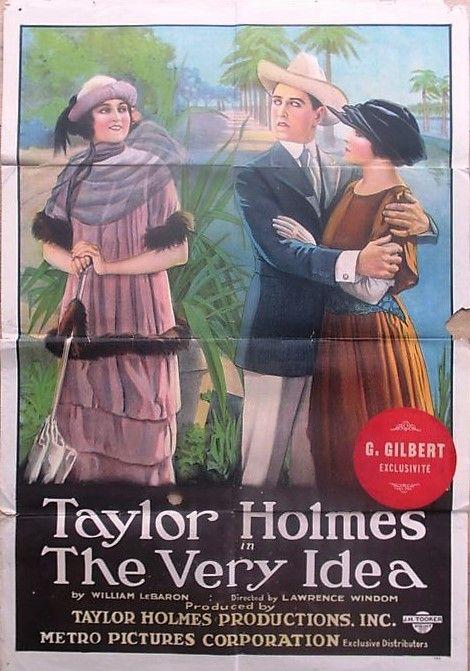
Dir: Lawrence C. Windom
Gilbert and Edith Goodhue lack nothing in life except a child, which they desperately desire. Edith's brother Alan, who is interested in eugenics, suggests that they pay their chauffeur Joe and maid Nora to have a baby for them. While awaiting the proper time to elapse, Edith and Gilbert travel to Palm Beach for an extended vacation, where Gilbert, attempting to obtain a child for his wife, vamps a dancer with a baby. Edith misunderstands and becomes desperately jealous until Gilbert finally explains his motives, causing the two to renew their love with ardent fervor. Returning home, they discover that the maid has given birth to a baby boy, but is loath to part with him. Embarrassment follows as the couple puzzle over what to tell their friends who are awaiting the blessed event until Edith discloses that the Florida sunshine has worked wonders and that another baby is on its way.
View Details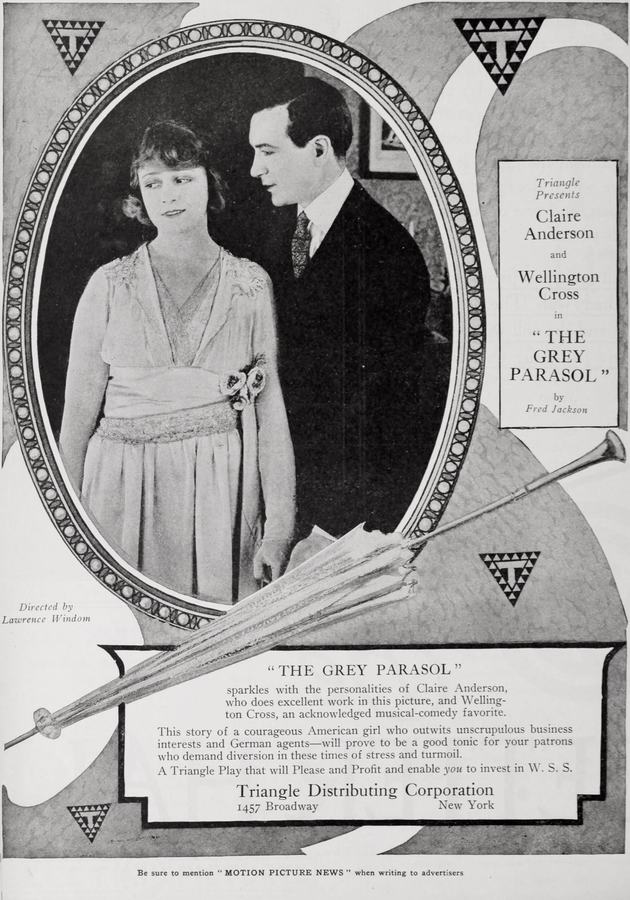
Dir: Lawrence C. Windom
Hamilton Hill meets Estelle Redding in an umbrella repair shop and rescues her from two thugs soon afterwards. Estelle has hidden in the handle of her grey parasol the formula for "Coalex," an inexpensive substitute for coal which the coal trust is trying to prevent from reaching the market. Edward Burnham, one of the thugs, tells Hamilton that Estelle is a German agent, but the infatuated young bachelor fails to believe the story. Estelle entrusts Hamilton with the parasol, but when Burnham, who is revealed as Estelle's brother, finally snatches it away from him, they discover that the formula has been removed and that she has outwitted them all. Two German agents, posing as representatives of the United States government, nearly obtain the formula from her, but Hamilton, accompanied by Burnham, who has experienced a change of heart, rescue her in time. With the formula safely delivered to U.S. government officials, Hamilton and Estelle turn to more romantic pursuits.
View Details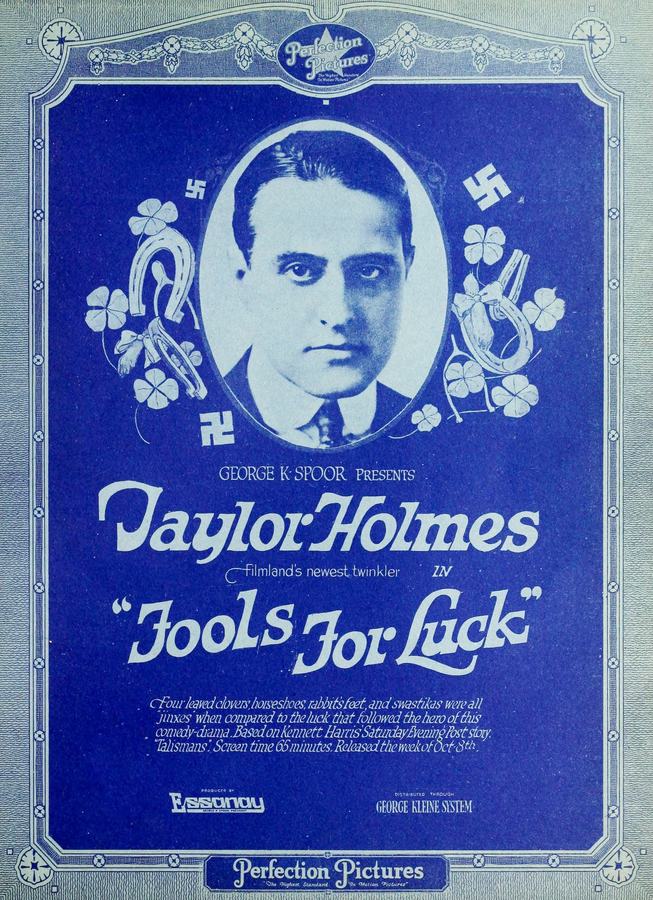
Dir: Lawrence C. Windom
As an accountant Philander Jepson was a corking good gambler. He knew Dame Fortune has cast her optics on him at the start of his career and played his hands with corresponding confidence. After plucking a select bunch of cronies for a considerable wad he caressed his rabbit's foot and started on the annual two weeks' tour of the summer resorts. Enter Brunhilda, a young lady of quite some appearance, whose parents regard her as the family jewel and stood watch accordingly. In the eyes of Philander this surveillance was nothing more nor less than a dare. The result was romance. Unfortunately, at just this time Madame Fortune took a much-needed rest and trouble suddenly planted itself squarely in young Jepson's path. Brunhilda's pater discovered all there was to know about his gambling proclivities, and the gamblers suddenly proved that a bartender's foot on a victim's chair out-jinxes the strongest combination of horseshoes and four leaf clovers. When Philander realized what he was up against he determined to make a fresh start. Rather, he commenced to start for, after leaving his former job by request, the best he could land was fifty dollars a week work for ten per. He cast tokens, signs and omens to the winds, and strange to relate, found things were actually breaking right for him. And then, when he took the annual outing and discovered Brunhilda knew all about his changed circumstances, had been watching him all the time from a distance and thought more of him than ever; well, he could only feel thankful that good sense came to him as soon as it did.
View Details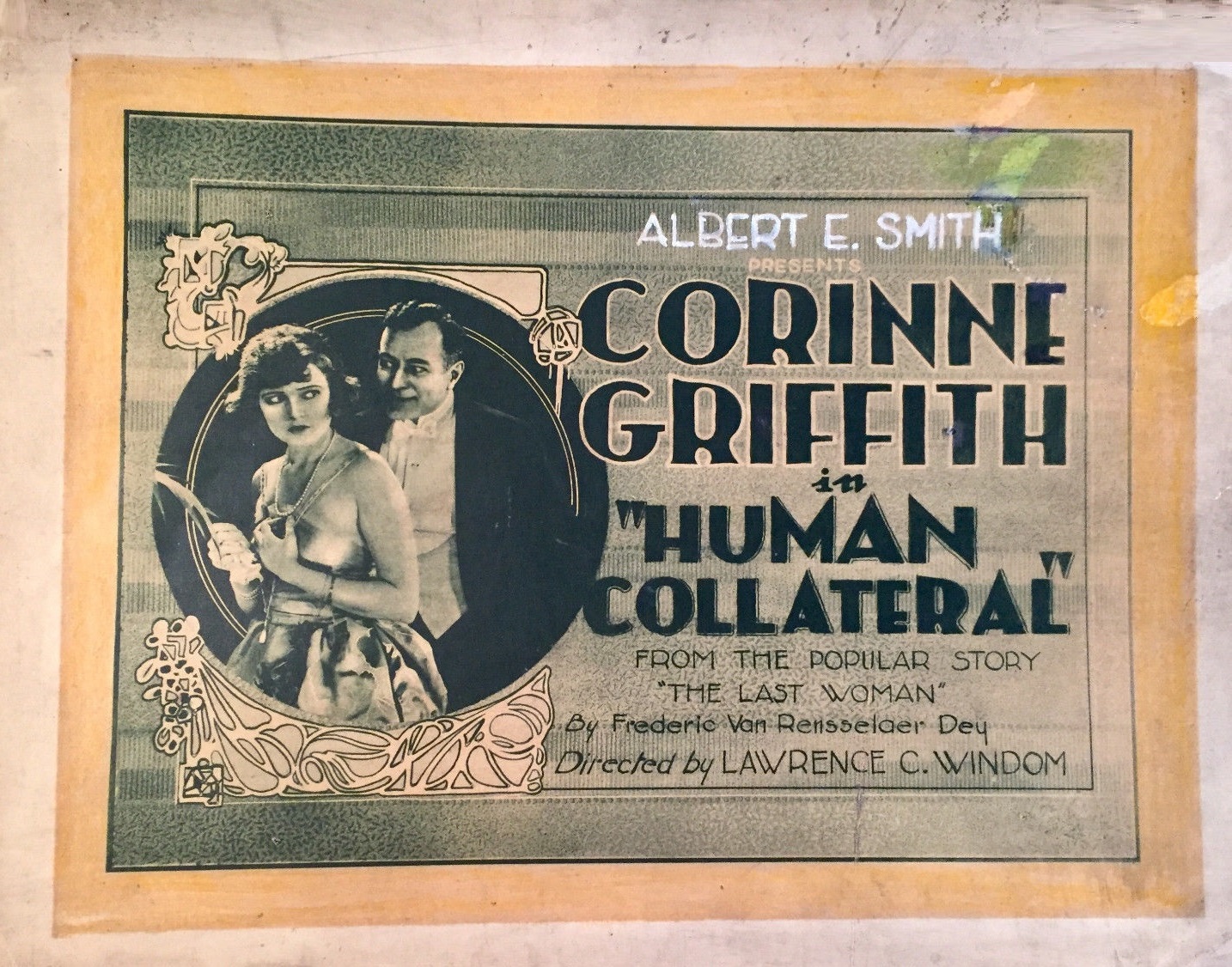
Dir: Lawrence C. Windom
Pursued by two men, a wealthy banker Roderick Duncan and brash interloper Richard Morton, Patricia Langdon favors Duncan until her father, finding himself in dire financial straits, appeals to his prospective son-in-law for help. Patricia, believing that she is regarded as mere human collateral, insists upon making a legal transaction out of her engagement, with loan papers duly signed. Resentful, Patricia begins to encourage Morton's attentions, and when the two suffer an auto accident, they go to a country shack for the night. Meanwhile, Duncan, fearful for Patricia's safety, begins to search for his fiancée, arriving just in time to save her from Morton's advances. The incident forces Patricia to realize that Duncan's intentions are truly honorable and that she is much more than human collateral to the man who loves her.
View DetailsAnalysis relative to The Discard
| Film Title | Atmosphere | Complexity | Similarity |
|---|---|---|---|
| Appearance of Evil | Ethereal | Layered | 93% Match |
| Headin' Home | Gritty | Dense | 85% Match |
| Upside Down | Surreal | Linear | 85% Match |
| Taxi | Gothic | Layered | 86% Match |
| The Truth | Gritty | High | 95% Match |
This guide was algorithmically generated using the cinematic metadata of Lawrence C. Windom's archive. Last updated: 8/16/2026.
Back to The Discard Details →