
DbcultAccessing Vault...
Recommendations
Senior Film Conservator
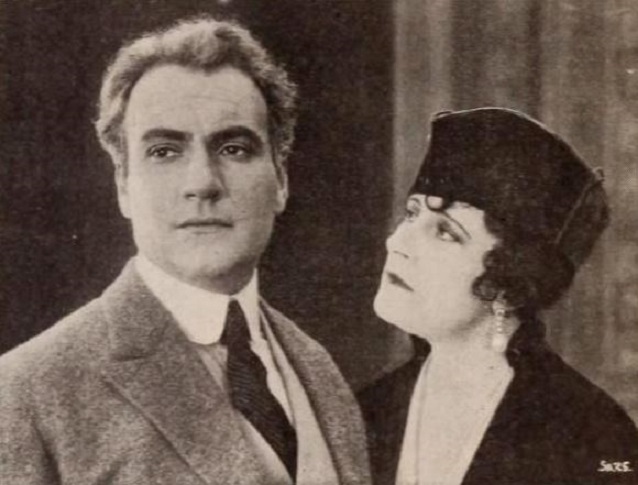
If the stylistic flair of George Archainbaud's work in The Divine Sacrifice left an impression, the cinematic shorthand used by George Archainbaud is both ancient and revolutionary. We've prioritized films that capture the 1918 aesthetic with similar precision.
By merging stylistic flair with cult tropes, it to articulate the unspoken anxieties of United States's 1918 era.
Dr. David Carewe's already unhappy marriage is made worse when his wife Helen's refuses to have children. Helen poses as the wife of gambler Robert Spencer in Europe, while David falls in love with Spencer's wife Madeline. When news reaches David that Spencer and his supposed wife have been killed, he weds Madeline and they have a daughter, June. Helen suddenly reappears, but David renounces her and continues to live happily with Madeline. Eighteen years later, June falls in love with a young man who is revealed as the son of Spencer and a woman to whom he was married before Madeline. Rather than ruin the budding romance, Madeline asks Helen to pose as June's mother, which restores June's name and allows the young lovers to marry.
Based on the unique stylistic flair of The Divine Sacrifice, our vault has identified these titles as the most compelling follow-up experiences for fans of cult cinema:
Dir: George Archainbaud
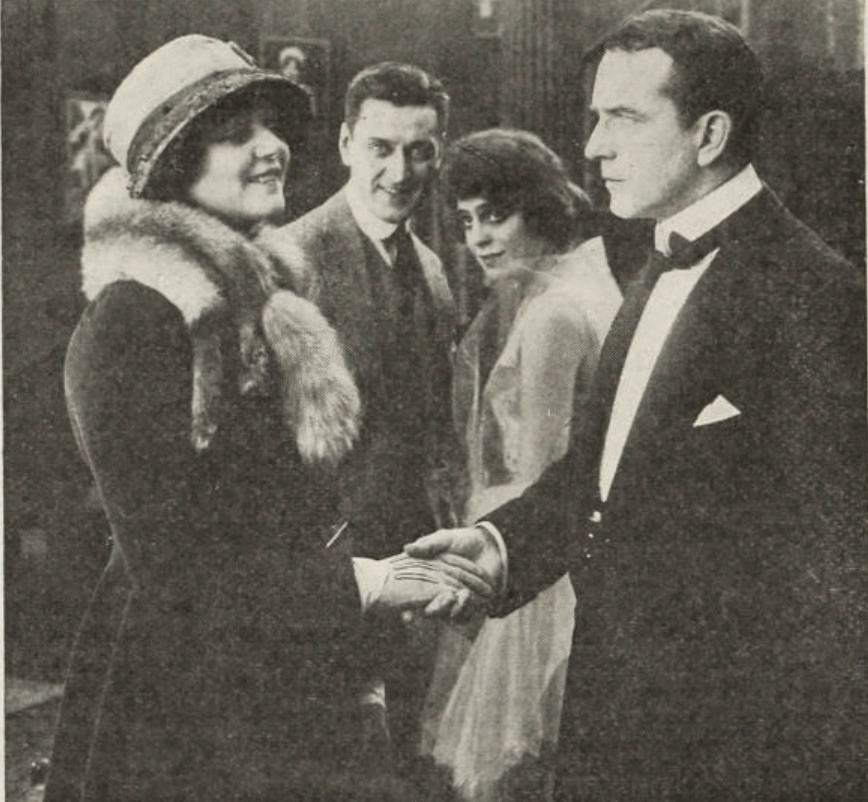
After graduating from finishing school, Claire Wilson falls into the hands of wealthy rake Mason Forbes. After installing her as his mistress, Mason abandons Claire to marry socialite Grace Hughes. Out of revenge, Grace marries Harold, Mason's younger brother and the two couples live together under one roof. Mason tires of his wife and begs Claire to leave her husband, but she is pregnant and refuses. An indifferent mother, Claire leaves her child with a nurse while she spends her time with Mason in cabarets. When Claire and Harold are reconciled after the near fatal illness of their child, Mason, furious, divulges Claire's sordid past to his brother. Although overwhelmed by the revelation, Harold forgives Claire and Mason, rejected, turns to alcohol.
View Details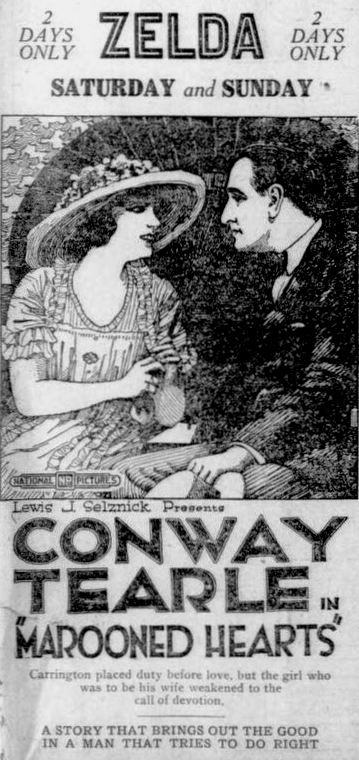
Dir: George Archainbaud
Spoiled Marion Ainsworth resents the fact that her fiancé, Dr. Paul Carrington, a young surgeon rising rapidly in his profession, devotes more time to his work than to her. Consequently, when an emergency call from the hospital threatens to disrupt their picnic, Marion intercepts the message, causing Carrington to be late for a critical operation, thus ruining his career. On the advice of his friend Dr. Matthews, Carrington breaks his engagement and voyages to a South Sea island where he intends to carry on his research. Carrington is reported lost at sea, and a year later, Marion and her new suitor, Cyrus Carter, undertake a cruise to verify the doctor's death. En route, their yacht explodes, and Marion is washed ashore on the island where Carrington is now living. After a series of misadventures, Carrington forgives her and the couple returns to civilization together.
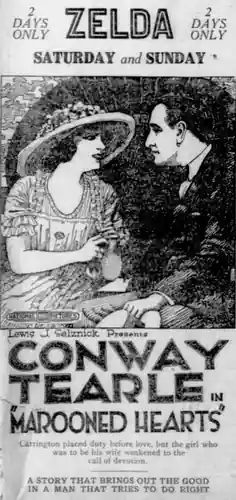
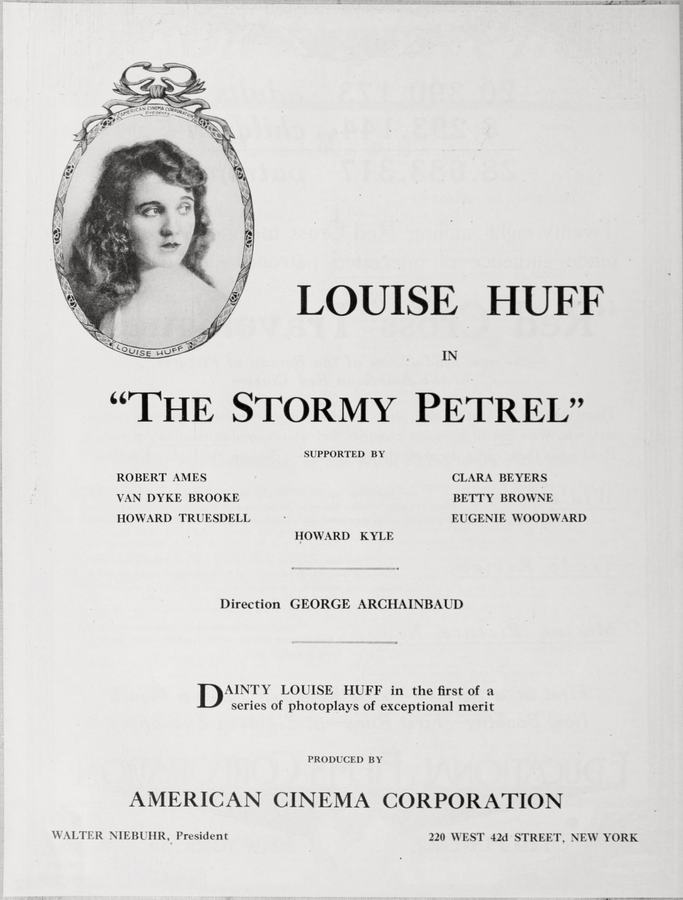
Dir: George Archainbaud
A fascinating piece of cinema that shares thematic elements.
View Details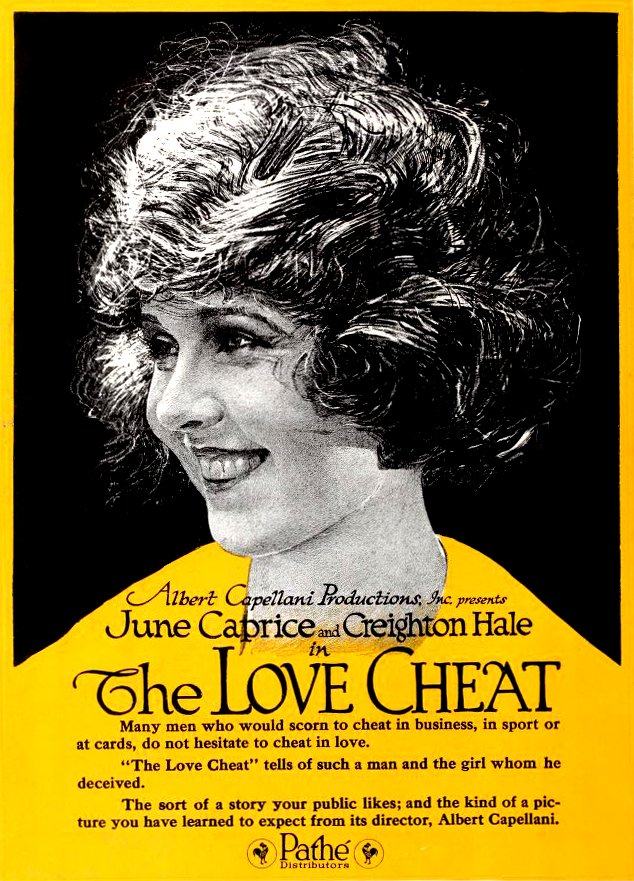
Dir: George Archainbaud
Henry, a struggling Greenwhich Villiage artist, accidentally finds an invitation to Louise Gordon's coming out party. He goes to the party, falls in love with the pretty socialite, but soon decides to leave as he realizes his financial situation is not up to standards. An old friend recognizes him and encourages Henry into lying that he is a successful businessman. Engagement plans soon proceed, but Henry's guilty conscience catches up and he sends Louise a letter confessing his deceit. Later, they meet and Henry confesses his love for Louise, who greatly impressed by his honesty, breaks her engagement to another, to marry Henry.
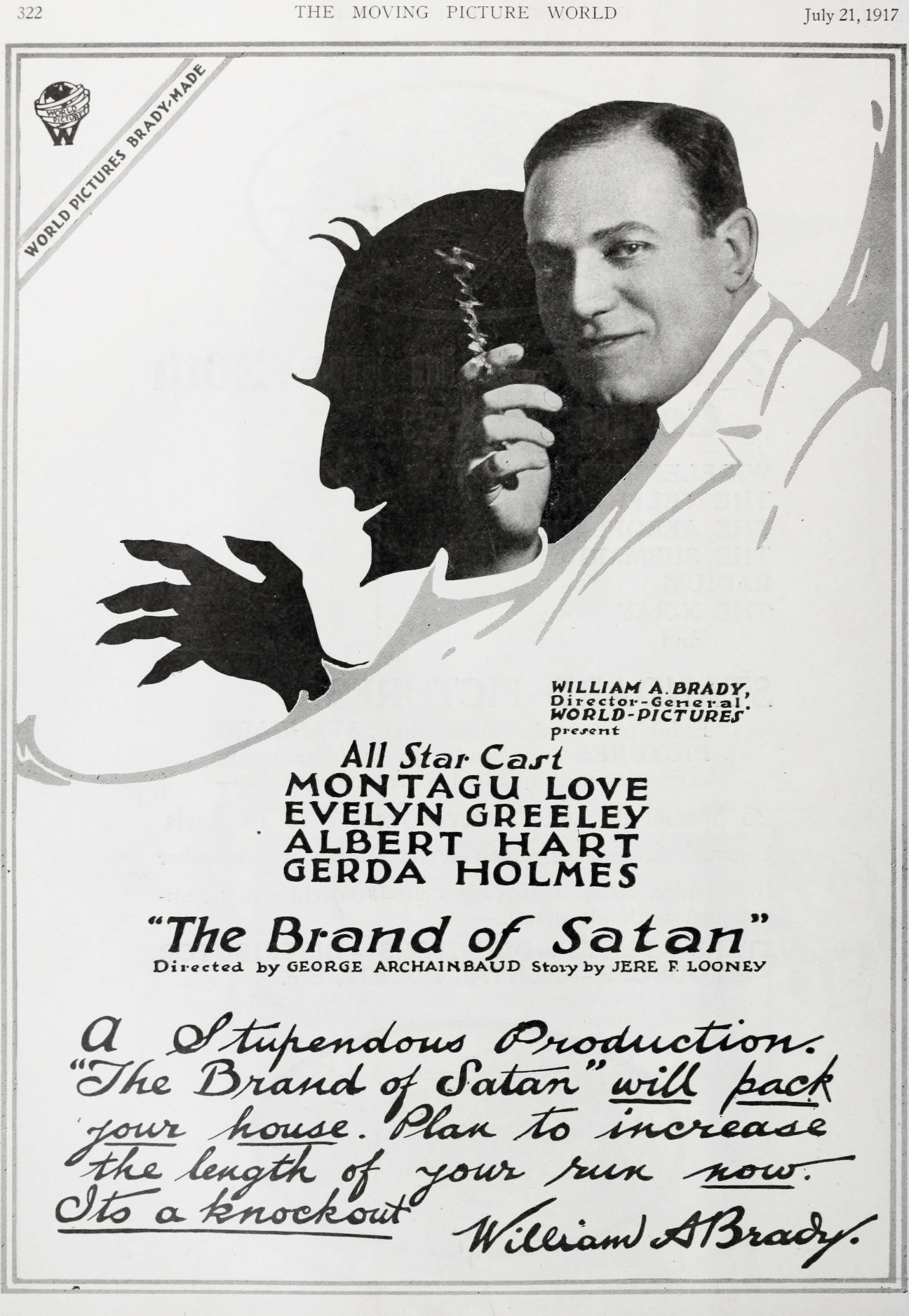
Dir: George Archainbaud
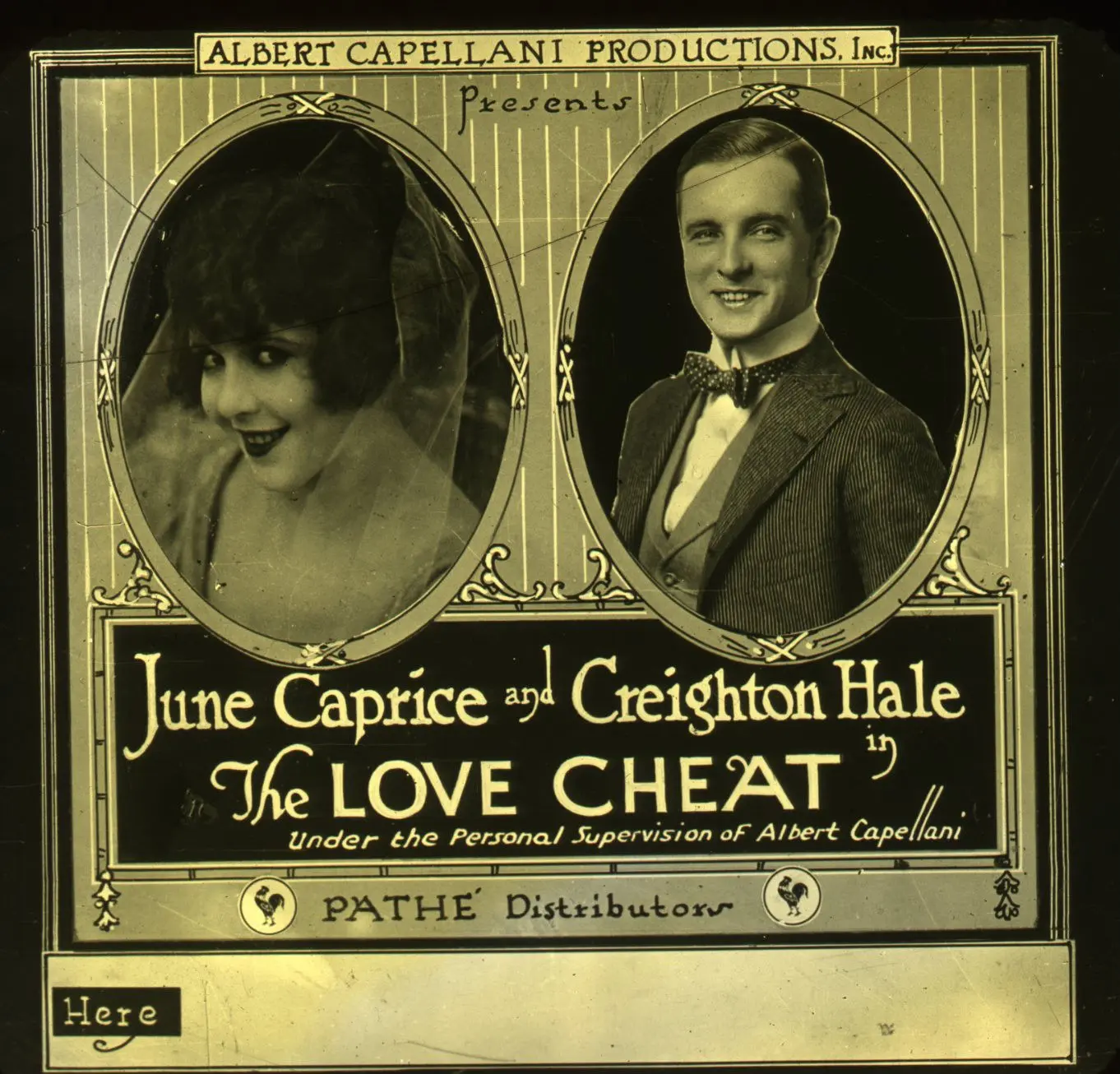
A man discovers that he has two personalities--and one of them is a notorious strangler.
View Details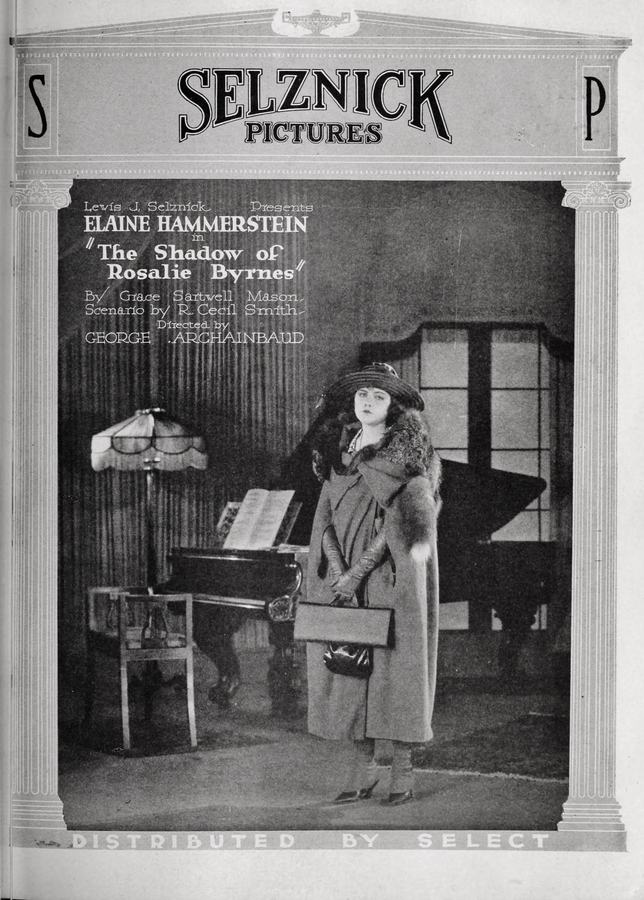
Dir: George Archainbaud
Leontine Maddern is a self-centered, unscrupulous actress, while her twin sister Leona is a serious and compassionate artist. Because of a scandal in which Leontine was involved, Leona uses her mother's maiden name of Rosalie Byrnes. Rosalie meets and falls in love with Lt. Gerald Cromwell and after they marry, Cromwell is sent overseas. His family, desiring that Gerald marry wealth, approaches Leontine and, mistaking her for Rosalie, offers to buy her off, and she accepts. Gerald, now in France, learns that his wife is divorcing him and sends her a reproachful letter. One morning, hysterical and disheveled, Leontine bursts in upon Rosalie insisting that she has killed her lover Vasco Lamar and left her purse behind as incriminating evidence. When Rosalie courageously goes to Lamar's apartment to retrieve the damning evidence, she discovers her husband there. Gerald explains that he has learned the truth from Leontine, including the information about the Lamar killing. After removing the evidence, they find that Lamar is actually alive and the reunited lovers leave on their honeymoon.
Dir: George Archainbaud
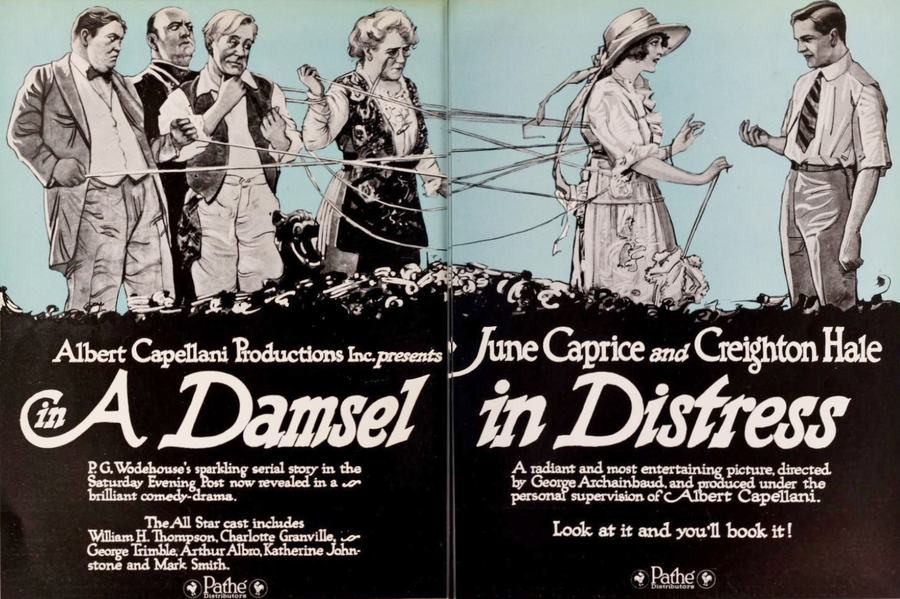
Maud March, the rebellious daughter of a a millionaire, goes to New York to see her sweetheart Geoffrey who left town years ago. Her aunt Carolyn wants Maud to marry her son Reggie and sends the girl's brother Percy after her to act as chaperon. Maud, trying to escape, enters a taxi where she meets handsome composer George Bevan. The man falls in love with the young lady who, when she sees Geoffrey has become fat and ugly, soon agrees to marry George.
View Details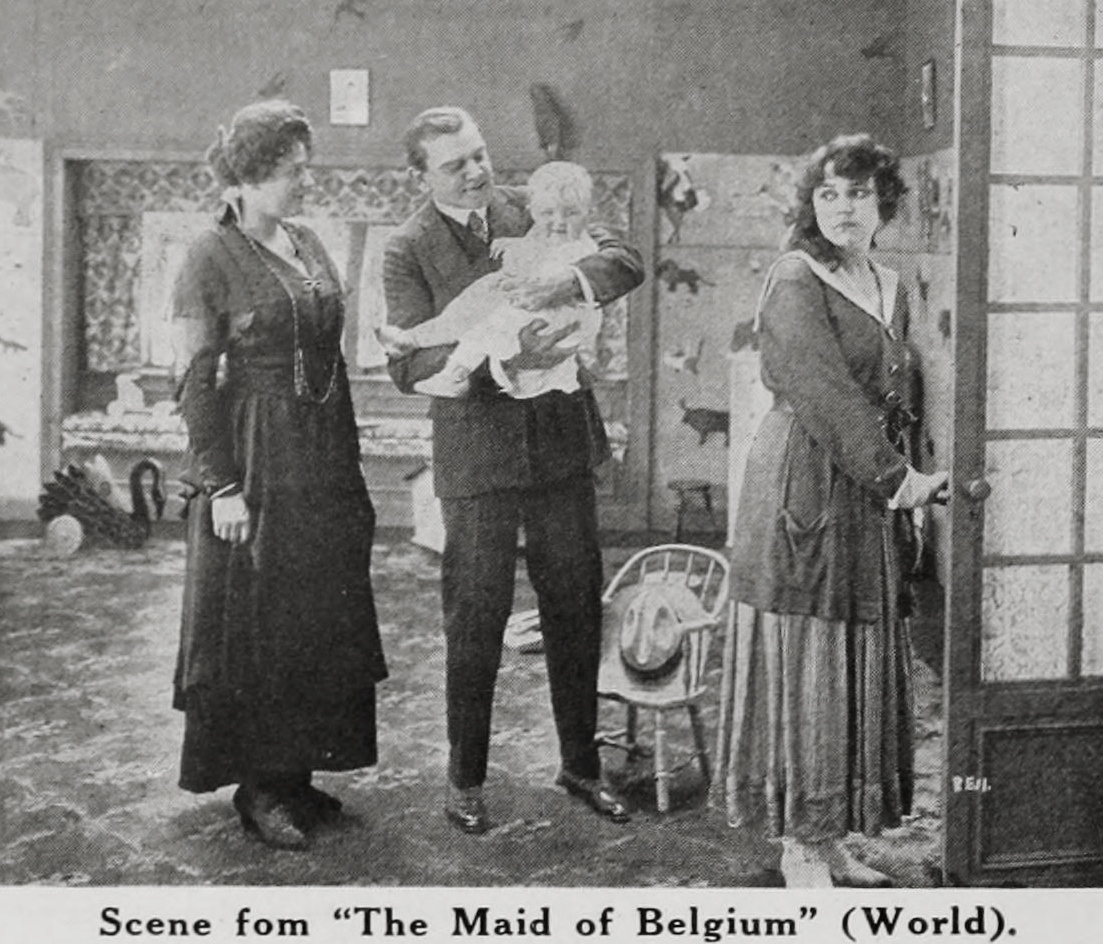
Dir: George Archainbaud
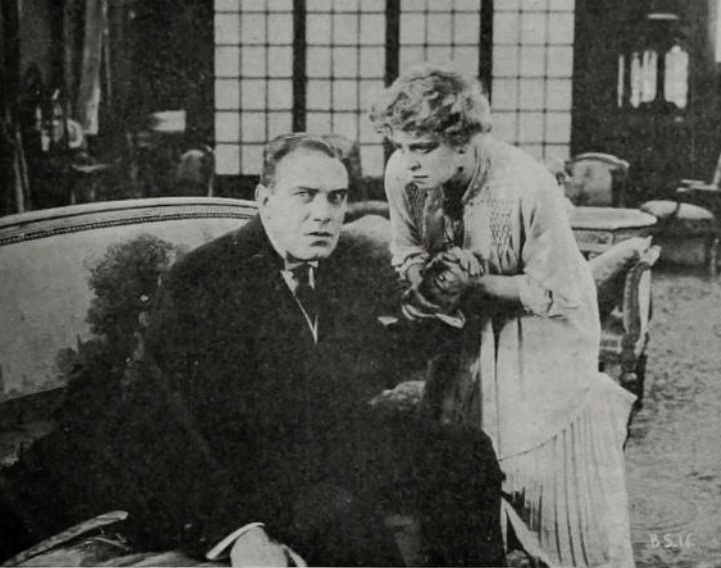
Adoree, a young Belgian girl, half-mad by the war horrors that she has experienced,is found by the Hudsons, a wealthy American couple who take the amnesia-stricken girl back to the United States with them. Soon after, Roger Hudson is called away to business in South America, and when his wife Claire discovers that Adoree is pregnant, she convinces the girl to allow the Hudsons to claim the child as theirs. The child is born and Dr. Thorn cables Hudson to come home because his wife has given birth. Meanwhile, Adoree, longing for her baby, steals the infant and disappears. Finding the girl's coat near a lake, Hudson assumes that she has drowned and dynamites the lake in order to locate her body. The explosions restore Adoree's memory, and she recalls her marriage to the Vicomte Jean de Michelet, who happens to be in town raising money for Belgian relief. The vicomte is brought to his wife and the family is happily reunited.
Dir: George Archainbaud
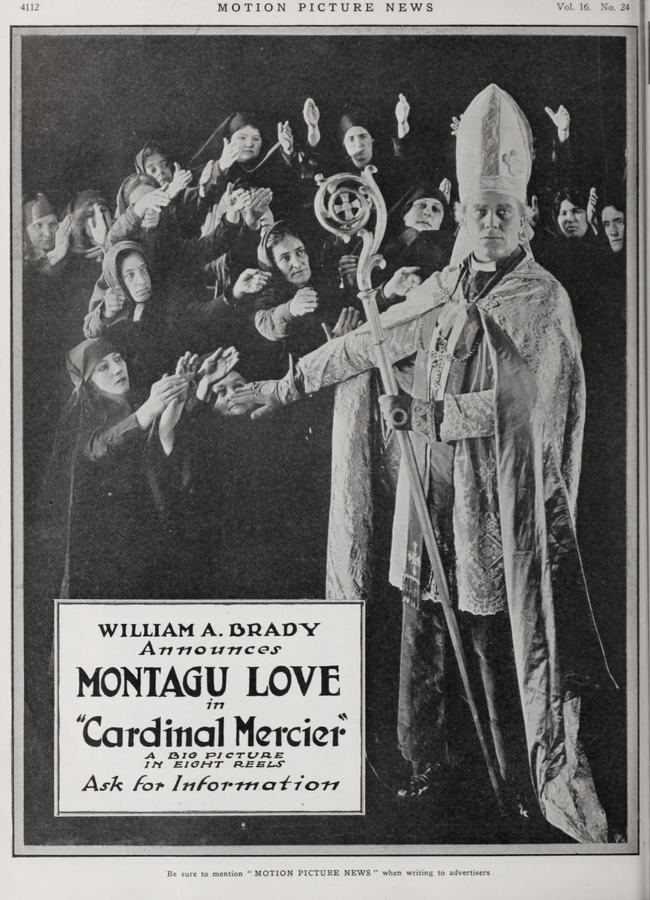
Cardinal Mercier protects the altar of his church from desecration when German forces invade the Belgian city of Louvain during World War I. Although the soldiers commit widespread atrocities, the cardinal does his best to protect the townspeople. Cardinal Mercier's young ward, Liane de Merode, is betrothed to Belgian officer Maurice Lambeaux, but the German governor general tries to gain possession of her against the cardinal's will. Despite the plotting of the governor general, Maurice breaks through the German lines in a disguise. Secretly the cardinal marries the young couple and smuggles them across the border to France.
View Details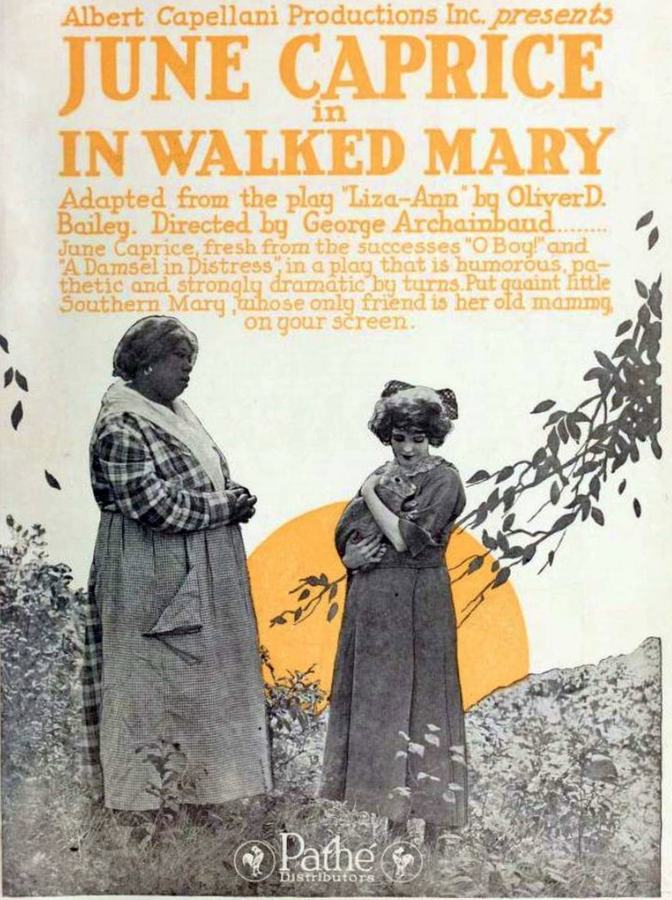
Dir: George Archainbaud
Dick Allison comes to the aid of Mary Ann Hubbard, a young dispossessed woman in the South, and the two become close friends. Dick leaves the South to move to New York, and Mary soon finds herself in dire financial straits. She decides to ask her friend Dick in New York for help, and travels there to see him. Unfortunately, she arrives at Dick's place on the evening of his bachelor party, but Dick persuades his fiancee, Betsy Caldwell, to put up Mary for the night. Mary soon finds out something about Betsy that Dick doesn't know.
View DetailsAnalysis relative to The Divine Sacrifice
| Film Title | Atmosphere | Complexity | Similarity |
|---|---|---|---|
| As Man Made Her | Ethereal | Linear | 93% Match |
| Marooned Hearts | Gritty | Layered | 87% Match |
| The Stormy Petrel | Tense | Dense | 97% Match |
| The Love Cheat | Surreal | High | 96% Match |
| The Brand of Satan | Gothic | High | 93% Match |
This guide was algorithmically generated using the cinematic metadata of George Archainbaud's archive. Last updated: 6/20/2026.
Back to The Divine Sacrifice Details →