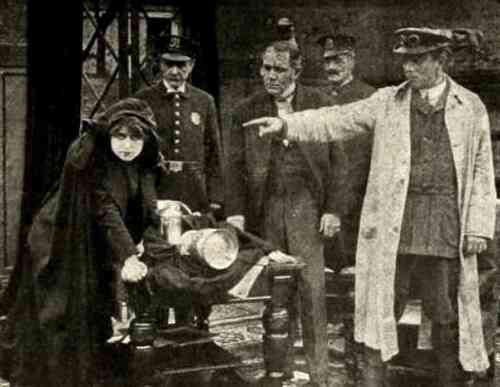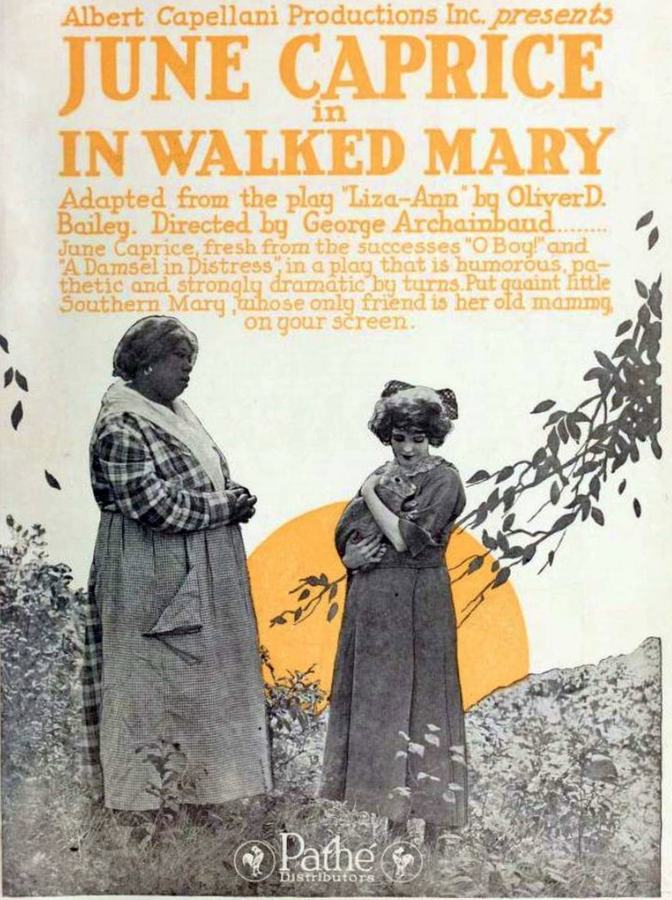
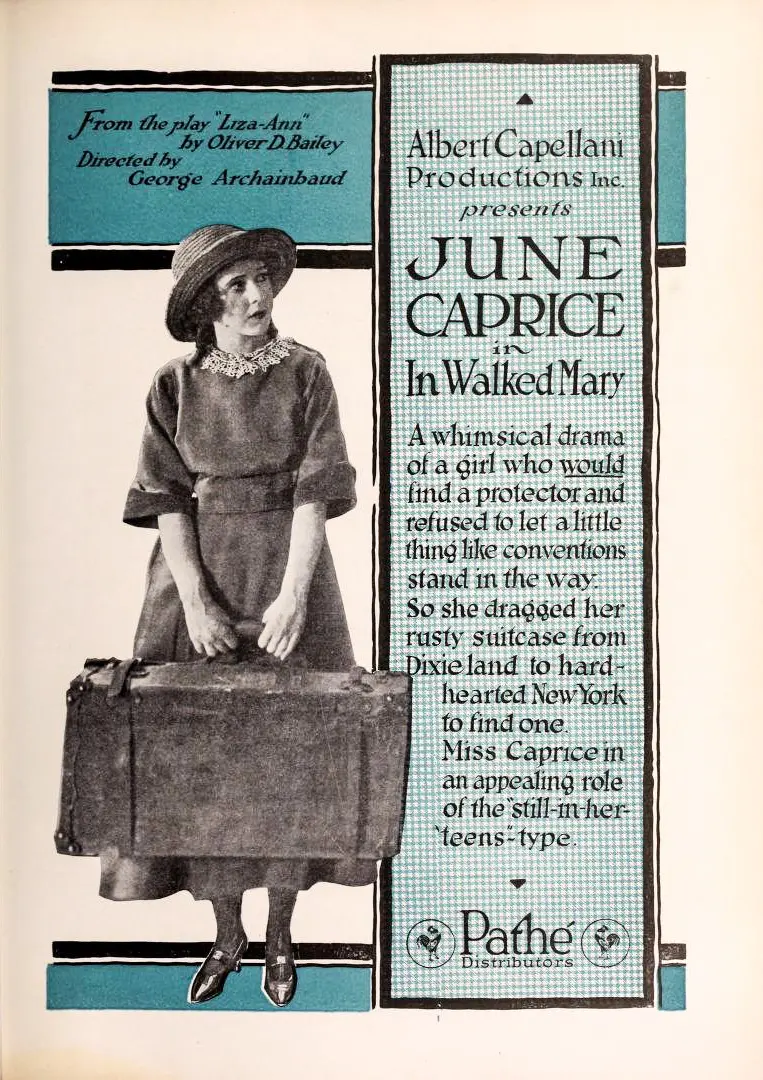
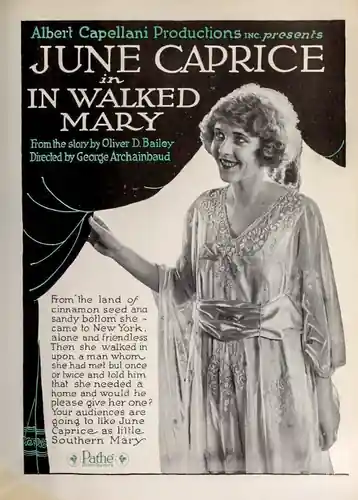
Dick Allison comes to the aid of Mary Ann Hubbard, a young dispossessed woman in the South, and the two become close friends. Dick leaves the South to move to New York, and Mary soon finds herself in dire financial straits.
Southern Gothic meets Manhattan neon in this forgotten 1923 gem that detonates class, gender, and betrayal without a single spoken word. If you crave the sugar-coated redemption arcs that proliferated in early twenties cinema, In Walked Mary will slap that craving right off your palate. The picture opens on a plantat...
production_art
production_art

Comparing the cinematic DNA and archive impact of two defining moments in cult history.
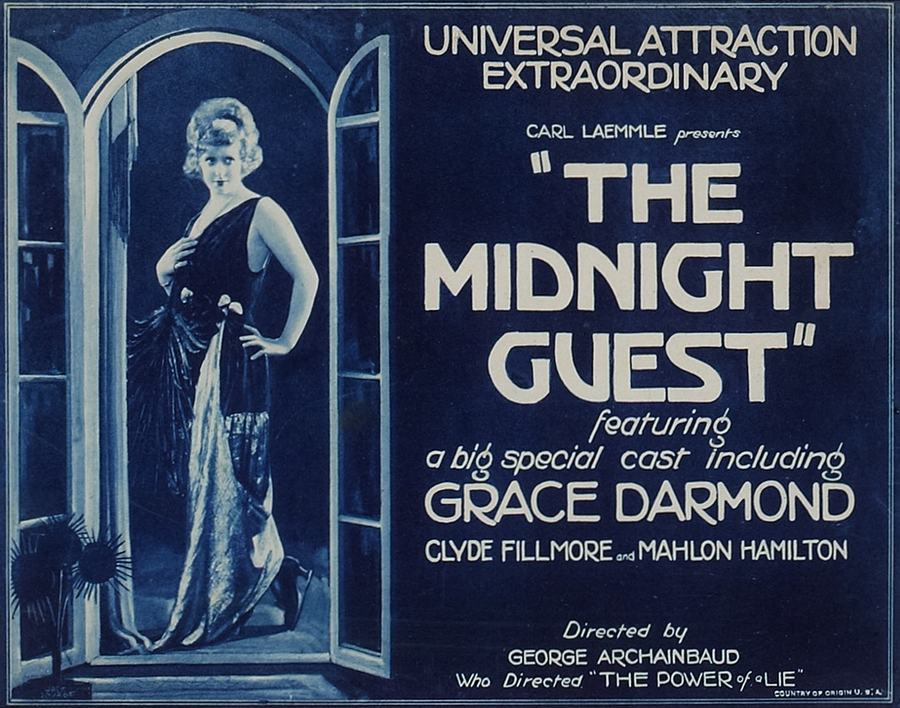
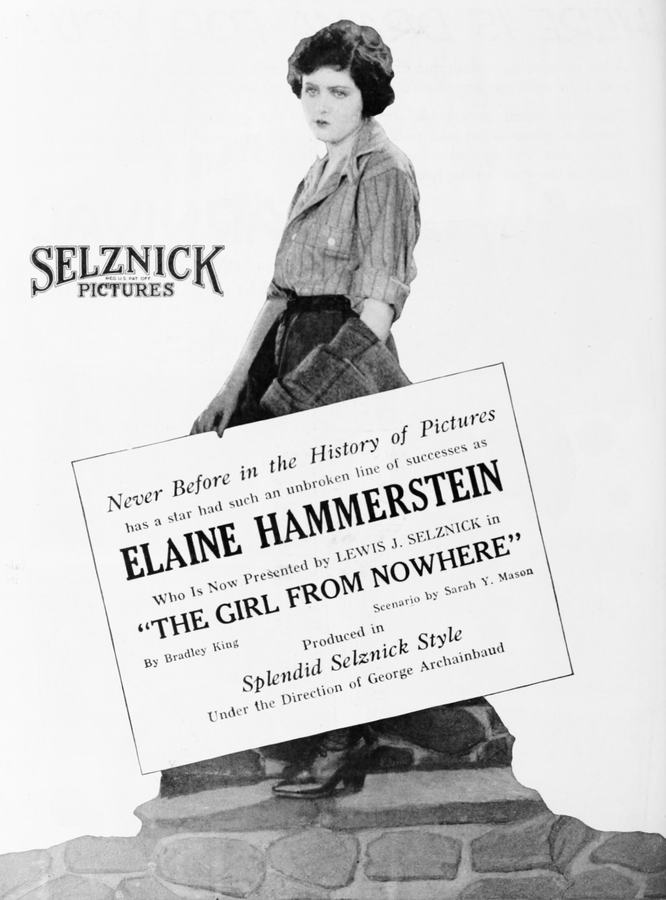
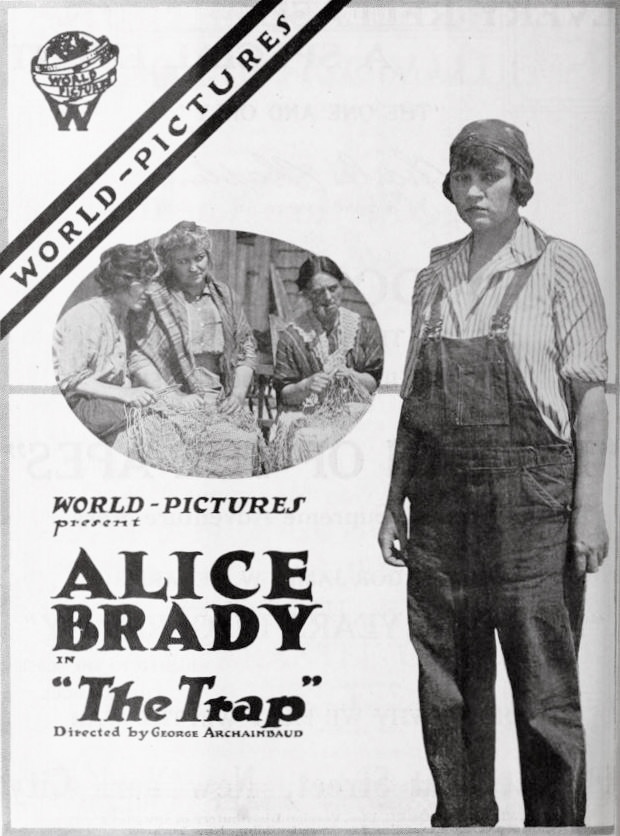
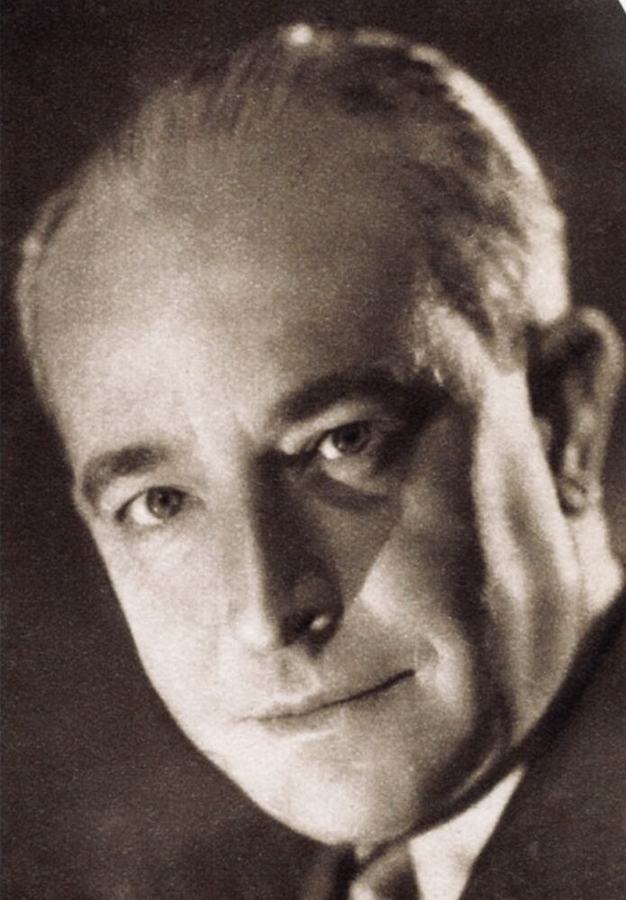
George Archainbaud
George Archainbaud
Community
Log in to comment.
" Southern Gothic meets Manhattan neon in this forgotten 1923 gem that detonates class, gender, and betrayal without a single spoken word. If you crave the sugar-coated redemption arcs that proliferated in early twenties cinema, In Walked Mary will slap that craving right off your palate. The picture opens on a plantation house slumped like a drunk against an apricot horizon—its columns still proud, its pockets empty. Director Oliver D. Bailey lingers on this decay longer than etiquette allows, ..."
George DuBois Proctor, Oliver D. Bailey
United States
Deep dive into the cult classic
Discover similar cinematic experiences
A Directorial Spotlight on George Archainbaud