
DbcultAccessing Vault...
Recommendations
Senior Film Conservator
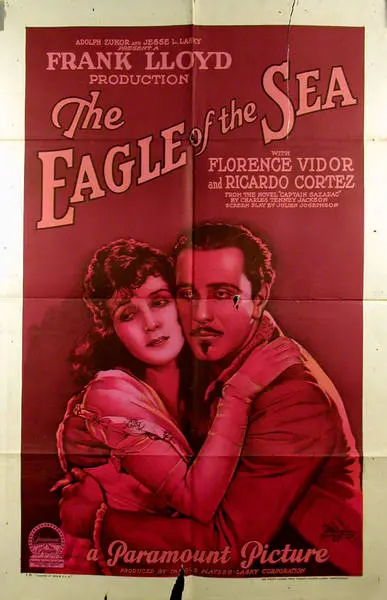
Since its 1926 debut, The Eagle of the Sea has maintained a cult status status, the legacy of The Eagle of the Sea is a beacon for those seeking the unconventional. Our criteria for this list were simple: only the most cult status and relevant titles.
The 1926 landscape was forever altered by the arrival of to sustain a sense of mystery that persists after the credits roll.
In early-1800s New Orleans, a ball is being given to honor General Andrew Jackson. Among the attendees is a certain Captain Sazarac, who is actually the notorious buccaneer Jean Lafitte. His real identity is exposed and Gen. Jackson gives him until dawn to leave the city. However, Lafitte is soon involved in a plot, hatched by the uncle of the woman he loves, to rescue Napoleon from the island of St. Helena.
Critics widely regard The Eagle of the Sea as a cult-favorite piece of Adventure cinema. Its cult status is frequently cited as its strongest asset, solidifying its place in United States's film legacy.
Based on the unique cult status of The Eagle of the Sea, our vault has identified these titles as the most compelling follow-up experiences for fans of Adventure cinema:
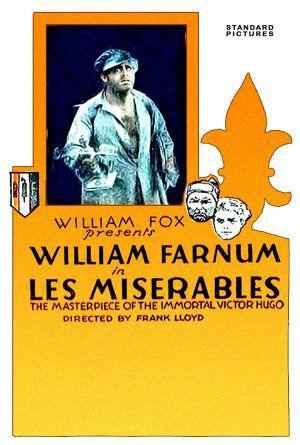
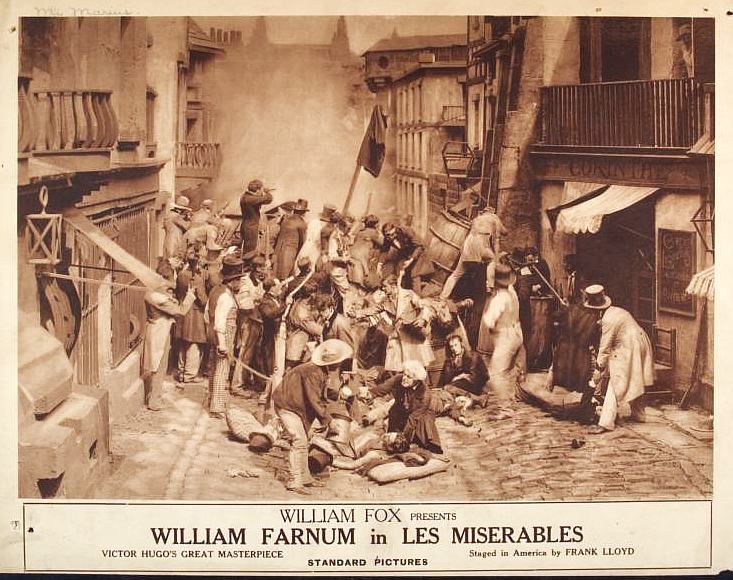
Dir: Frank Lloyd
Jean Valjean, a good and decent man who has committed a minor crime, is imprisoned but escapes. He is pursued thereafter for years by Javert, the cruel and implacable arm of the law.
View Details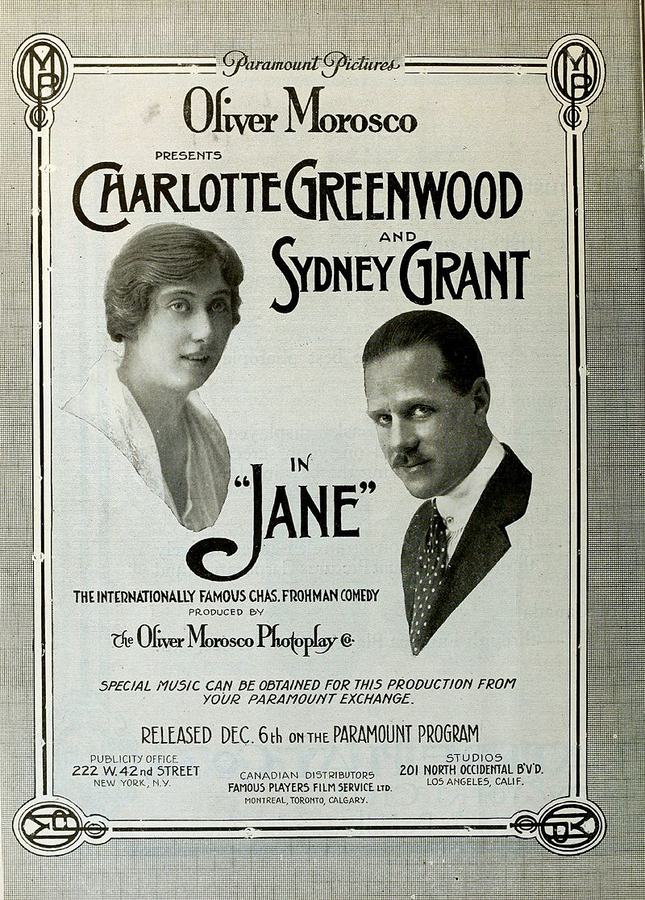
Dir: Frank Lloyd
To obtain an increase in his income from his wealthy uncle, Charles Shackleton must stop his wild bachelor ways and marry. Charles proposes to Lucy Norton, but her father refuses his permission. Undaunted, Charles tells his uncle he has married and receives his increased allowance. A year later the uncle announces an upcoming visit, and Charles begins a frantic search for a temporary wife, offering Jane, the maid, five hundred dollars to play the part of Mrs. Shackleton. Secretly married to William, the butler, Jane undertakes the role without her husband's knowledge, causing him much confusion and jealousy. When the uncle demands to see "the baby," Jane snatches one from an unsuspecting washerwoman, who later catches the uncle with her child and calls the police on him. Further complications lead to Charles' pleading proposal to Lucy and then finally to the truth, which leaves everyone satisfied.
View Details
Dir: Frank Lloyd
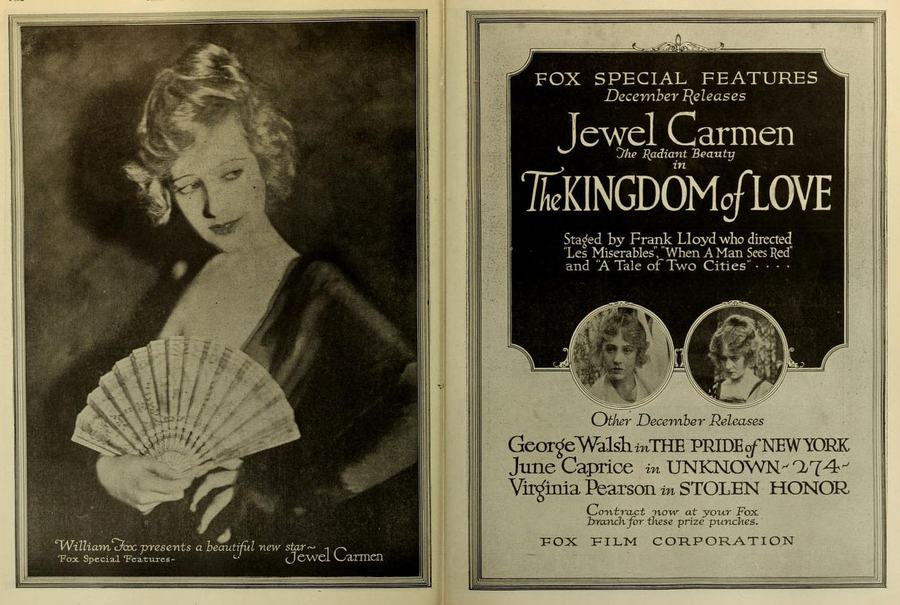
A gay dinner party took place in one of Broadway's showiest restaurants. The host was a bachelor of wealth, and his guests included men of his own station in life, and young girls caught in the whirl of gaiety. The bachelor told the young girls that the keeper of his mountain lodge had advised him by letter that she requires the services of a maid, and he offered the proposition to the girls, but they refused. A face then appeared at the window of the restaurant. It was the face of a woman who had been cast aside. The girls told their host to offer the job to her. Being in a mood to take the advice, he hurried from the restaurant, overtook the derelict, and brought her back with him. The woman was starving and accepted the position in the mountain. Her past life was recalled to her that very night, for one of the guests in the restaurant was the man who had made her what she was. In the Adirondack Mountains the woman found life quiet, but a chance acquaintanceship with a family in the valley marked another change in her life. The family (a man, his wife, and their little daughter) took a liking to the maid and induced her to attend services at the village church. The weeks passed, and then the owner of the lodge arrived from the city with a number of his friends. instead of the forlorn outcast whom he had sent to the mountains he found an attractive woman, but one who would not listen to his advances. Angered by her attitude, her employer tried to force his intentions upon her. She then left the lodge and went to the home of the little family, where she was welcomed. Some days later the little daughter was accidentally injured. The doctor declared that her spine was broken, and despite all his efforts, the child steadily sank. The outcast prayed for Divine help, and as she prayed it seemed to her that she was told to heal the child. Strengthened and transfigured by her religious devotion, she accomplished what the doctor had failed to do. The woman's power soon became known and was as effective with other invalids as it was with her first patient, while at the mountain lodge its worldly owner laughed cynically as he thought how these respectable, narrow-minded people reverenced a woman whom they would despise if they knew her past. From the city the man came who had blighted her life. His friend at the mountain lodge had written him about the woman's new career. He came to sneer, but soon learned to respect and honor her. But one day the woman failed for the first time. A mountaineer brought his wife, a cripple for several years, to be cured. Th« owner of the lodge threatened that he would reveal the outcast's past life. Realizing that he would keep his word, the woman's great faith disappeared. While the assembled people were still discussing the failure of their idol, her former employer told them what this woman had been before she came among them, and they recoiled from her in horror, all of them except the man who had been her first enemy and had now become her friend. He asked her to marry him and she refused, going out into the world alone. The old bitterness did not return to her and she prayed for guidance. It seemed to her that she was told to make the cure which she had failed to achieve, and she set out for the mountaineer's cabin. The mountaineer's wife had been crippled by a racing automobile and that day the owner of the mountain lodge told her husband the name of the man who had driven the car. It was the man who had asked the outcast to marry him. The mountaineer decoyed the guilty man into the mountains, and there a fight took place between the two men. The man from the City was no match for the mountaineer and he was about to be hurled into the chasm when he beheld a sight which caused him to forget his vengeance forever. His wife was walking down the mountain path towards him. And with her was the healer, the woman who had failed. Realization came to him as his wife told him of the great cure, and he thanked the woman whom he had misjudged. Happiness has come to the outcast as the wife of the man who made an outcast.
View Details
Dir: Frank Lloyd
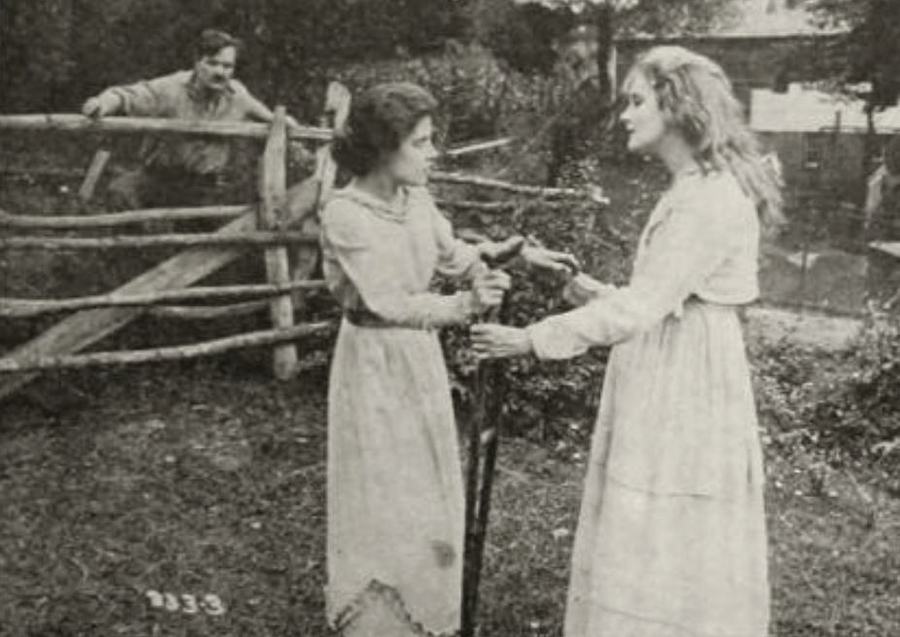
After her parents separate, young Violet Dale's father takes her to Alaska. Although he tries to protect her from the sordidness of life in a lawless town, Violet must resort to working in a dance hall after he is killed after being caught cheating at cards. Despite her circumstances, Violet remains virtuous and earns the respect and admiration of the dance-hall clientele. Frank Carson, a young man who has come to Alaska to seek his fortune, is attracted to Violet and asks her to marry him. When he shows her a portrait of his mother, Violet sees that it is a duplicate of a portrait she has of her own mother. Now realizing that Frank is her own brother, she refuses his proposal but does not tell him why. Some time later, Frank receives word that his mother is seriously ill and needs an expensive operation that she cannot afford. Desperate to help, Violet holds an auction at the dance hall to offer herself to the highest bidder. Rev. David Cromwell, a kind man who is in love with Violet and knows her predicament, makes the winning bid of $6,000, although he does not have the money. Dance-hall owner Buck, who is jealous of David's influence over the community, decides to lend him the money for three months on the condition that if David does not pay, he will belong to Buck for 10 years. David eventually obtains the money and wins Violet's love.
View Details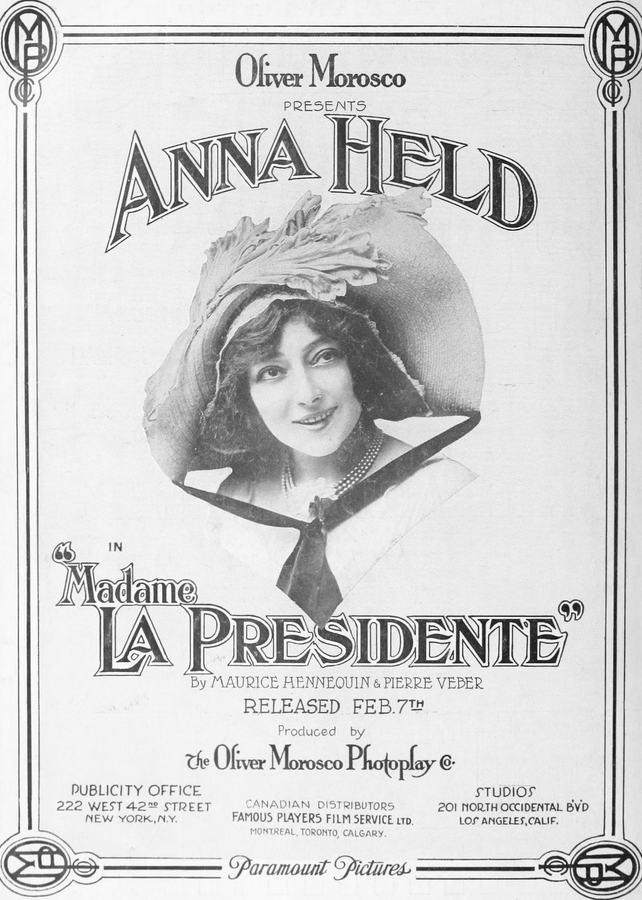
Dir: Frank Lloyd
The story tells of the troubles started by the fondness for gaiety of three mature French judges. With an eye to securing his good graces, they enjoy losing an occasional game of whist to their superior, Judge Galipaux. M. Galipaux's life burden is an ambitious wife. An escapade with the leading lady of a theatrical troupe, Mlle. Gobette, lands the three judges on the carpet for a severe reprimand. The offending actress is evicted from the hotel. Like an inspiration, a way out of their predicament comes to one of the offenders. That night on returning from seeing his wife on her train to Paris, M. Galipaux finds his house occupied by a strange but very beautiful woman, who refuses to leave. Unexpectedly M. Gaudet, the handsome and irreproachable Minister of Justice, arrives. He is fascinated by Gobette whom he believes to be Mme. Galipaux. Still posing as Mme. Galipaux, Gobette comes to Paris to call upon him. Scenting a possible scandal, Marius, the head usher, lays a trap. Mlle. Gobette calls and the trap is sprung. From then on events crowd quickly upon poor Gaudet, but through humorous situations and startling perplexities he remains undaunted to emerge triumphant.
View Details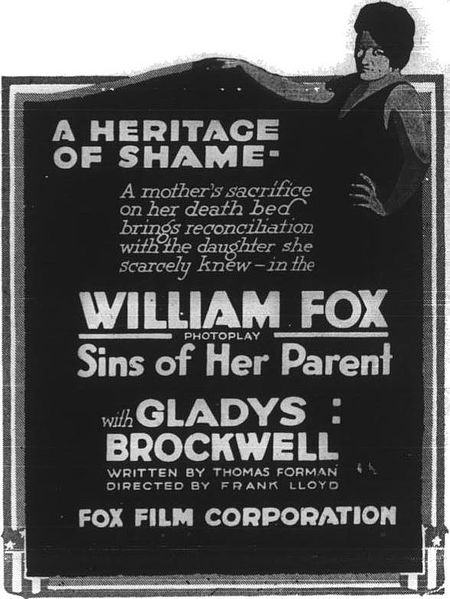
Dir: Frank Lloyd
Unhappy with her shotgun marriage to Southern aristocrat Arthur Heatherway, Valerie Marchmont leaves her new husband and, after giving her infant daughter to a Virginia family, goes to Alaska to work in a dance hall. Years later, the daughter, Adrian Gardiner, wants to marry Richard Carver. Richard's father Robert, refuses them to marry because Adrian cannot provide any information about her parents. Following a hunch, Richard goes to Alaska to find the mother Adrian never knew, but just after locating Valerie, he is shot by saloon owner Jim McNeil. When Adrian and Robert go to Alaska to be with Richard during his recuperation, Robert recognizes Valerie as the wife of his old friend Arthur. As a result, he approves of the marriage, but the celebration accompanying the news is cut short when Valerie and Jim kill each other in a fight.
View Details
Dir: Frank Lloyd
Returning home to find that his sister has died after being abducted and violated by an unscrupulous man, sailor Larry Smith ships out as mate with Captain Sutton. After an altercation with the captain, Larry leaves the ship at a South Sea port where he meets and falls in love with Violet North, a woman of questionable reputation who is the mistress of millionaire Lewis. Larry proposes, but Violet sails with Lewis anyway. Sutton also sets sail, leaving behind inveterate drunk Logan, who informs Larry that Sutton was the man responsible for his sister's death. Sometime later, Lewis' yacht is wrecked and Violet is cast upon an island. Sutton picks her up and tries to sell her to the natives as punishment for resisting his advances, but Larry rescues her and kills Sutton. His sister thus avenged, Larry marries Violet and settles down.
View Details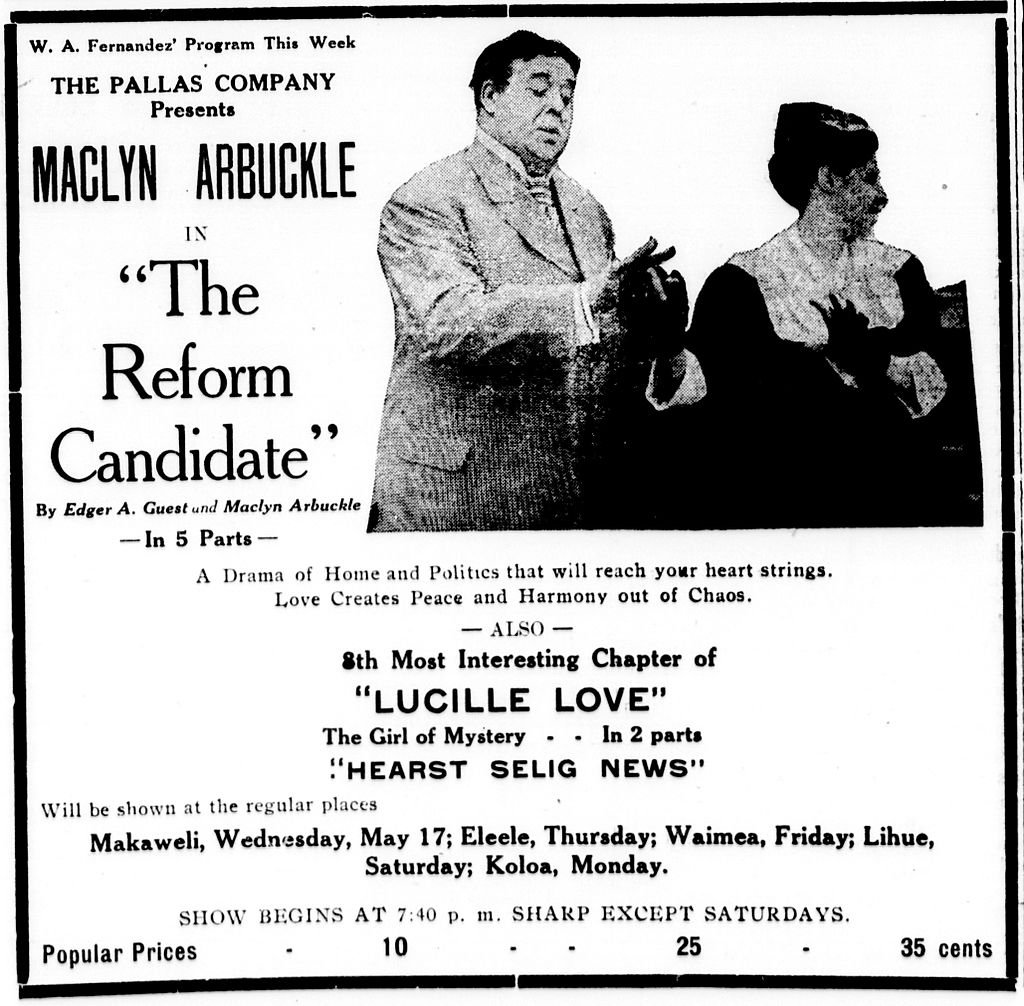
Dir: Frank Lloyd
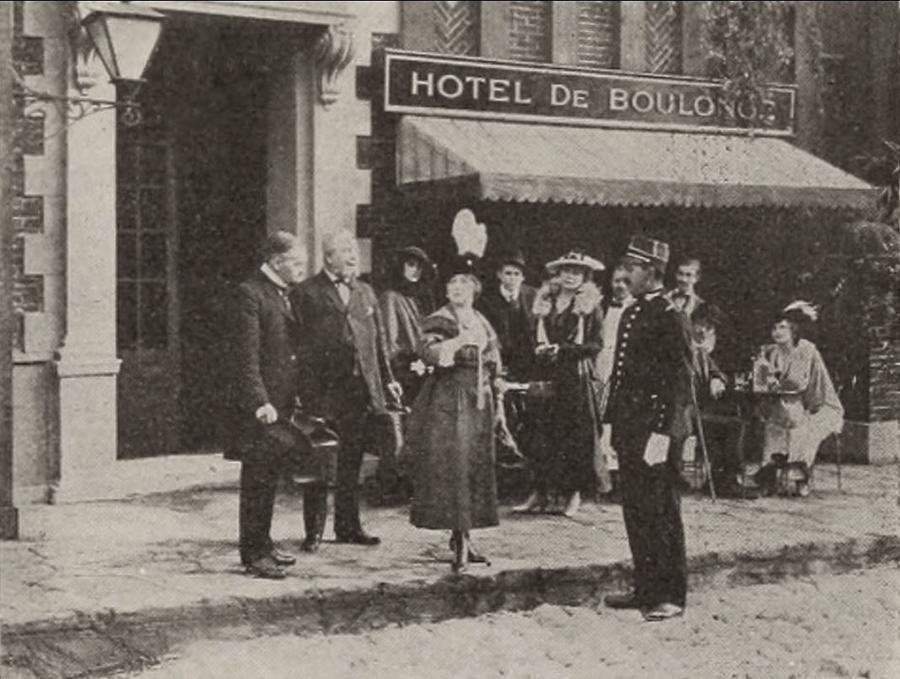
Realizing that his mayoral campaign is in serious trouble, reform candidate Frank Grandell sends his people out to dig up some dirt on Art Hoke, the boss of the city's political machine. Their investigation leads them to Hoke's flunky, nicknamed "Looney Jim". Jim implies that he has some damaging information about Hoke's daughter, but he dies before he can reveal it. Grandell eventually finds out what the "secret" is, however, and must decide whether to use it in his campaign to defeat Hoke's candidate.
View Details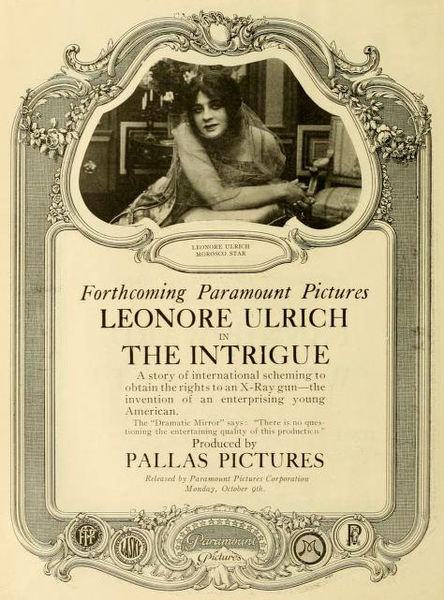
Dir: Frank Lloyd
A sci-fi/espionage film in which world powers vie for control of a death ray during World War I.
View Details
Dir: Frank Lloyd
Rev. Dr. Penfield Sturgis, of fashionable St. Martins-in-the-Lane, finds himself face to face with Jane Bartlett, a grand opera prima donna whose opera he has denounced on grounds of morality, and who comes to his very vestry room to make him "eat his sermon word for word." Out of the encounter a strange acquaintance develops, Jane Bartlett interested through vindictive reasons, the rector through the challenge to his church. She prevails upon him to visit the notorious opera, which but deepens his previous convictions, but meanwhile he discovers a surprising humanity in the woman herself. Just as it is beginning to dawn upon him that maybe he takes himself a shade too seriously, word comes that the Mayor has closed "Zaporah" on the strength of his own condemnatory sermon. Repentant, Sturgis decides to apologize in an open letter to the newspapers, at which his vestry and congregation, already perturbed by the ascendancy of the Bartlett woman, are up in arms. To preserve her dignity the young rector offers to marry her, and she accepts him, thus at last making him "eat his sermon word for word," as she had set out to do. But her vanity appeased, Jane Bartlett proceeds to make peace between her young rector and Georgine Darigal, daughter of the rector emeritus and formerly his fiancée, and the reconciliation assured, Jane Bartlett gracefully withdraws.
View DetailsAnalysis relative to The Eagle of the Sea
| Film Title | Atmosphere | Complexity | Similarity |
|---|---|---|---|
| Les Misérables | Surreal | Abstract | 95% Match |
| Jane | Gritty | Dense | 92% Match |
| The World and the Woman | Gritty | Linear | 87% Match |
| The Kingdom of Love | Surreal | Dense | 86% Match |
| Madame la Presidente | Tense | Linear | 93% Match |
This guide was algorithmically generated using the cinematic metadata of Frank Lloyd's archive. Last updated: 8/17/2026.
Back to The Eagle of the Sea Details →