
DbcultAccessing Vault...
Recommendations
Senior Film Conservator

Navigating the complex narrative architecture of The Eye of God is a unique vision experience, the legacy of The Eye of God is a beacon for those seeking the unconventional. Unlock a new level of cinematic understanding with these cult alternatives.
The artistic audacity of The Eye of God ensures it to sustain a sense of mystery that persists after the credits roll.
Olaf writes his memoirs, before his execution. He tells of his life as a struggling farmer when Renie, stranded in the village, stays one night in his home and Olaf falls in love with her. Later, two men take rooms in the house, and Olaf, to get all their money, kills one of them and wounds the other, Paul. Paul is convicted of the murder and goes to jail, while Olaf, guiltily feeling the "eye of God" upon him, leaves his farm and starts wandering. Meanwhile, Renie, who had been Paul's fiancée, vows to find the real murderer. She once again meets Olaf, whom she has always suspected, and pretends to love him. Then she accuses him of the murder and keeps on accusing him until he, worn down, finally confesses, thereby freeing Paul.
Critics widely regard The Eye of God as a cult-favorite piece of cult cinema. Its unique vision is frequently cited as its strongest asset, solidifying its place in United States's film legacy.
Based on the unique unique vision of The Eye of God, our vault has identified these titles as the most compelling follow-up experiences for fans of cult cinema:
Dir: Phillips Smalley
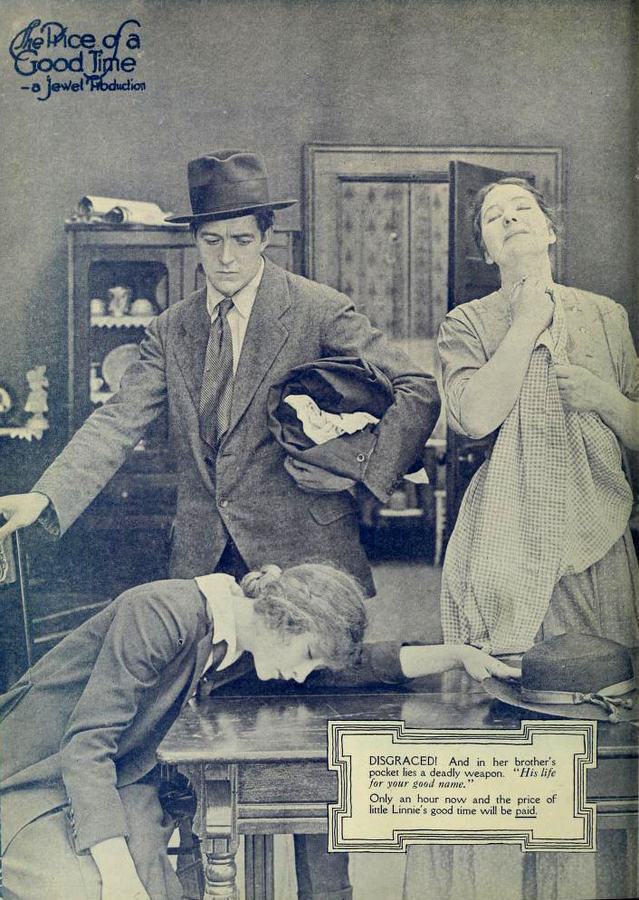
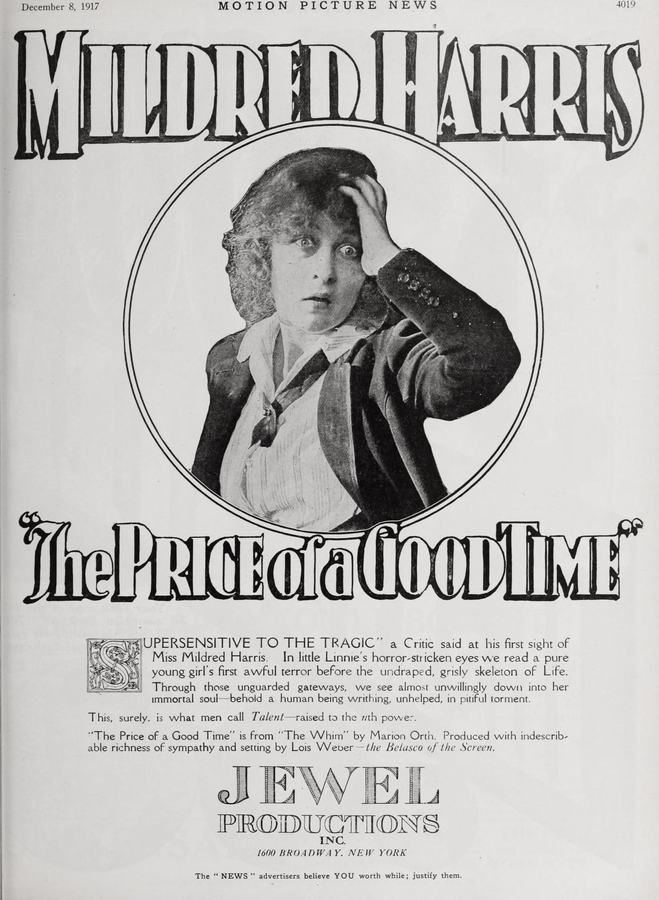
A poor shopgirl is offered a "good time" for a week by the son of her employer. She accepts, but the offer is misunderstood by her brother, who informs the girl's parents of her "fling."
View Details
Dir: Phillips Smalley
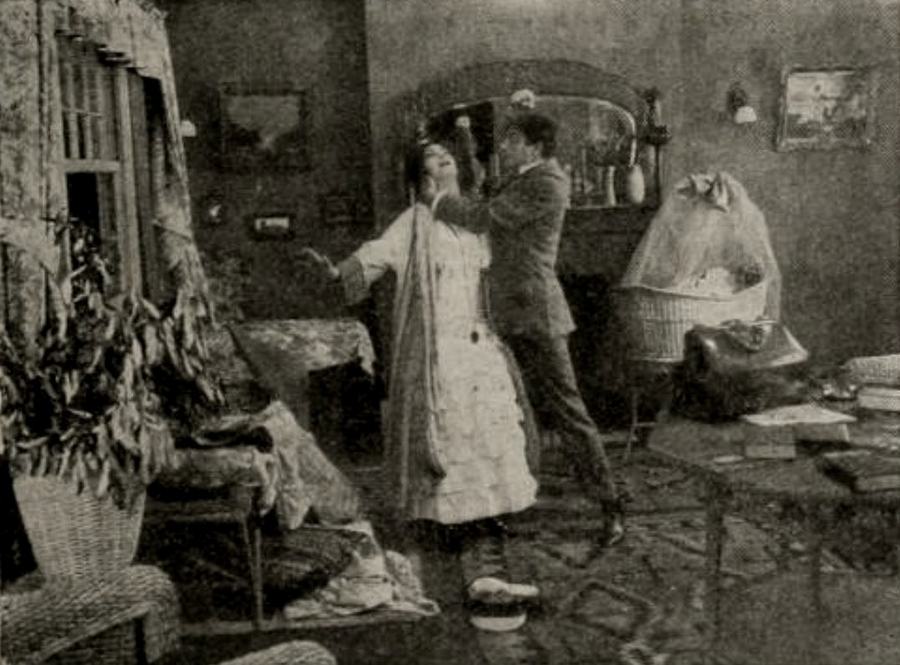
The story opens with the male gossips inside the club gazing from the window and making comments on the passers-by. Green, a member of the club, lives in the apartment beneath that of William Wright, a broker. Wright is in business difficulties, but his business associates have not yet learned this, as his wife's father has promised to relieve the situation with a loan. Daisy Dean, Wright's stenographer, is in his confidence. Daisy has her foot caught in the elevator of the building and Mr. Wright takes her home in his car. As he passes the club window, the gossips and Green see him with Daisy and slander is started. Green, coming home, tells his wife of Wright's joy ride with his office girl. Their servant overhears and quickly calls the news up the dumbwaiter to Mrs. Wright's maid in the flat above. Mrs. Wright enters in time to hear the discussion and her slumbering jealousy is fanned into a flame. In Daisy's neighborhood her ride in Mr. Wright's car has occasioned some comment, especially from Susan, an old maid aunt next door, whose brother, Robert, has long loved Daisy in secret. Daisy is engaged to Austin Clark. Mrs. Wright has particularly noted that the stenographer always has a bunch of daisies on her desk. In the most innocent fashion, Mr. Wright comes home with one of the flowers in his button-hole. The fact that Daisy is seen morning and evening in Mr. Wright's car gives color to the lies that are now freely circulating. Daisy and Austin quarrel and part. Mrs. Wright haunts Daisy's neighborhood in a taxicab and has her worse suspicions confirmed in the fact that her husband is seen outside. Without giving him a chance, she leaves him. The father withdraws his financial support and ruin overtakes Wright. One morning the newspaper has an item which reads: "Wife of broker leaves him on eve of his bankruptcy. Mrs. William Wright returns to her father's house. She will apply for divorce from her husband, naming his stenographer. Daisy Dean, as co-respondent." By the time the gossips get through with Daisy Dean, she is glad to marry Robert, next door, for protection. On the day of her wedding. Austin repents his hastiness and writes that he has never ceased to love her, but it is too late and Daisy hides the letter with his photograph. Wright, broken and penniless, is saved from suicide by his old mother. Time passes and the old trouble seems forgotten. In their new happiness, Daisy and Robert and their baby go to a seaside town for the summer. Robert's work calls him away and his sister, Susan, in spite of her dislike of Daisy, comes to stay with her during his absence. In the meantime, Austin, who is now engaged to a girl in the town, comes down for his vacation. He and Daisy meet and he introduces the two women. Daisy remembers his photograph and letter hidden away; gets them out and burns them, but Susan recovers the end of the letter, which was burned and which reads: "I have never ceased to love you. Austin." She sends the letter to her brother. Daisy is included in many of their engagement festivities in a perfectly innocent way, but to Susan's suspicious mind there can only be one conclusion placed upon their intimacy. The letters and insinuations to Robert breathe such suspicion against Daisy and Austin that he is driven almost mad. Finally, unable to work, he returns home without notifying his wife. The same evening, Daisy has joined Austin and a party of their friends in an auto ride out of town for dinner. A series of accidents to the car, miles from nowhere, detain them until dawn. A cottager, who proves to be Mr. Wright, assists them. Robert reaches his home about daylight in a condition bordering on insanity. He is met by Susan with the news that Daisy has been out all night with Austin. The auto party, having stopped at the sweetheart's home, drops her and her parents first and Austin then escorts Daisy to her cottage. On entering the house, Daisy is confronted by Robert and Susan. A terrible scene takes place, during which Robert's self-control is entirely lost. Austin, returning from the garage, passes the house and is shot dead by Robert, who is taken into custody. Daisy, terror-stricken, takes her baby and hastens as far from the town as her strength will carry her. At last, more dead than alive, she sees no hope for herself but death and is about to end her life and the baby's when she is saved by Mr. Wright, who takes her to his mother. The shock of the tragedy kills Robert's sister, while Daisy receives the following letter: "Do not come home, I am disgraced enough. Your Mother." News reaches the clubroom that Mr. Wright and Daisy Dean are living in the same house and the scandal goes on.
View Details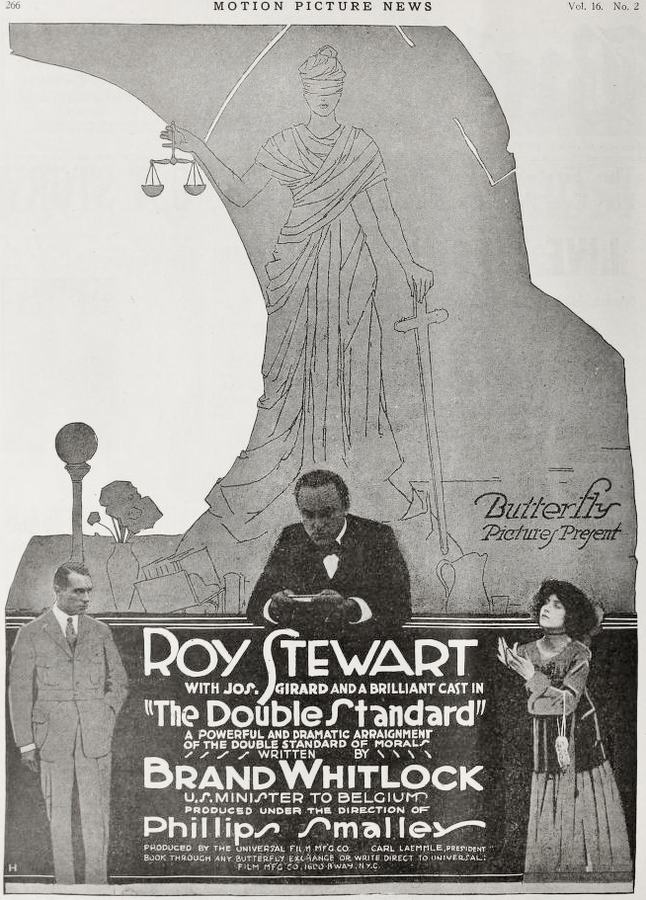
Dir: Phillips Smalley
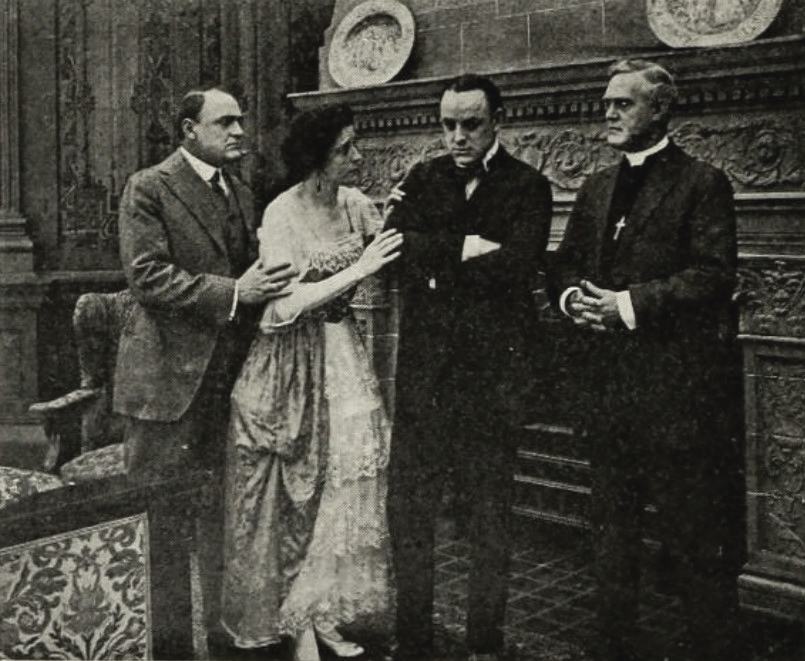
Newly elected police court judge John Fairbrother is impassioned when it comes to the laws affecting the dives and cabarets of the city, and promises equal justice for all. The source of his crusading passion is the loss of his own sister to the lure of the notorious Johnson Café years earlier. His wife Grace's two prominent brothers, newspaper editor George Ferguson and Episcopal Bishop William Ferguson, worked hard to elect Fairbrother to office, and although they are initially puzzled by the judge's intent to shut down dance halls and cabarets, they agree to stand behind him after he confides to them about his fallen sister. However, on the day when Fairbrother takes his seat on the bench, he is called upon to sentence Mace and Lily, two young women arrested for disorderly conduct during a police raid on the same Johnson's Café that claimed the purity and ultimately the life of his sister. Lily is a brazen city girl, while Mace is a shy "country mouse" who fell into bad company. When the judge demands to know the names of the men who accompanied Mace and Lily at the time of their arrest and are therefore guilty of the same charge, the arresting detectives shock him with the revelation that one is Charles Ferguson, the son of the editor, and the other is the nephew of the bishop. Enforcing his principles, Fairbrother demands that the young men be sentenced with the women. This causes much consternation, but the judge devises a fair method for solving the double standard. He declares all four defendants guilty, but then suspends their sentences pending good behavior. He convinces Mace to return home to the country, and secures an office job for Lily. Discovering that the young ladies' apartment building is owned by his wife's family, Judge Fairbrother realizes that the roots of evil sometimes grow close to home.
View Details
Dir: Phillips Smalley
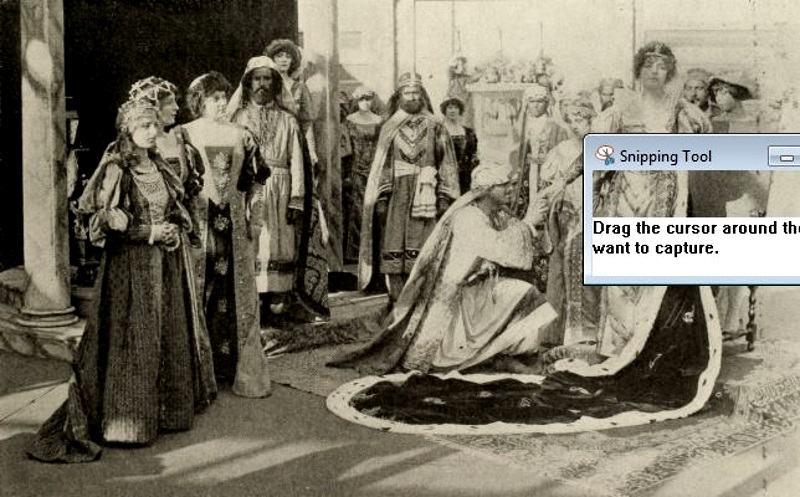
A rich merchant, Antonio is depressed for no good reason, until his good friend Bassanio comes to tell him how he's in love with Portia. Portia's father has died and left a very strange will: only the man that picks the correct casket out of three (silver, gold, and lead) can marry her. Bassanio, unfortunately, is strapped for cash with which to go wooing, and Antonio wants to help, so Antonio borrows the money from Shylock, the money-lender. But Shylock has been nursing a grudge against Antonio's insults, and makes unusual terms to the loan. And when Antonio's business fails, those terms threaten his life, and it's up to Bassanio and Portia to save him.
View Details
Dir: Phillips Smalley
A woman's husband is taken by his wife's suitor to see a play in which events from the husband's marriage are recalled, in an attempt by the suitor to convince the husband to relinquish his wife.
View Details
Dir: Phillips Smalley
A woman runs a birth control information bureau until police intervene. Though wealthy have access to this knowledge, the poor don't. She defies speaking bans, gets arrested, and wins over her doctor husband and a judge.
View Details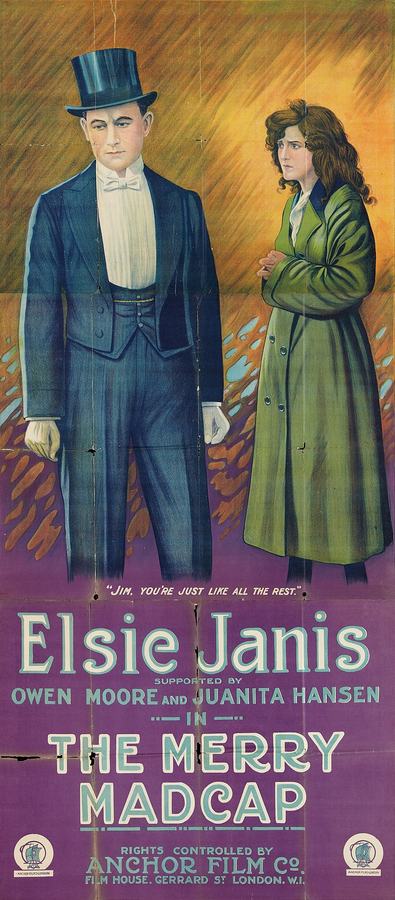
Dir: Phillips Smalley
When Betty arrives from the Convent to visit her uncle's family they are careful to hide all the extreme low-necked gowns and other worldly things lest they shock the devout convent girl. Instead of shocking, Betty finds them fascinating and they install in her a desire to learn more about the fascinations of the world. When Jim Denning proposes to her, she says she loves him but she must see the world first. Angrily he leaves her as she sits beside the fireplace, whose dreamy flames inspire her to tempt a knowledge of things unknown to her. Out into the world she goes, where she sees and learns many things but with pangs and heartache. At a vital moment when she is about to faint dead away, the faithful Jim arrives and catches her in his arms. Betty awakens to find it has all been just a dream, and faithful Jim has no problem convincing her of the full meaning of a home and that the world and its false promises are not for her.
View Details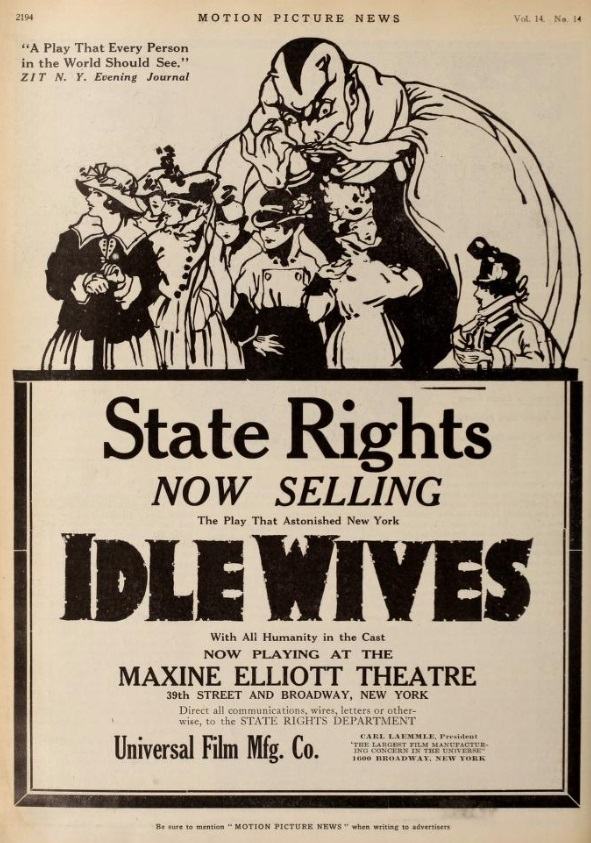
Dir: Phillips Smalley
John Wall meets his new sweetheart and takes her to the movies; his neglected wife Anne follows them there. Molly, disobeying her parents, meets her boyfriend at the same theater. A working man with his wife and children, all obsessed with the sordidness of their lives, also attend the movie, as does a dishonorable young man. They watch a film called 'Life's Mirror' in which they see their own lives turned into dramas, complete with possible "final curtains.": Molly, who refuses to listen to her parents, sees her motion-picture surrogate give birth to an illegitimate child after she is abandoned by her boyfriend; Anne Wall, tired of the phoniness of John's wealthy family and friends, deserts him and their children to return to the slums and do charity work for the needy. After the movie, John, sadder but wiser, leaves his sweetheart and goes home with Anne, Molly decides to apologize to her parents, the working man's family realizes that they must look to the future, and the young man promises to lead a more responsible life.
View Details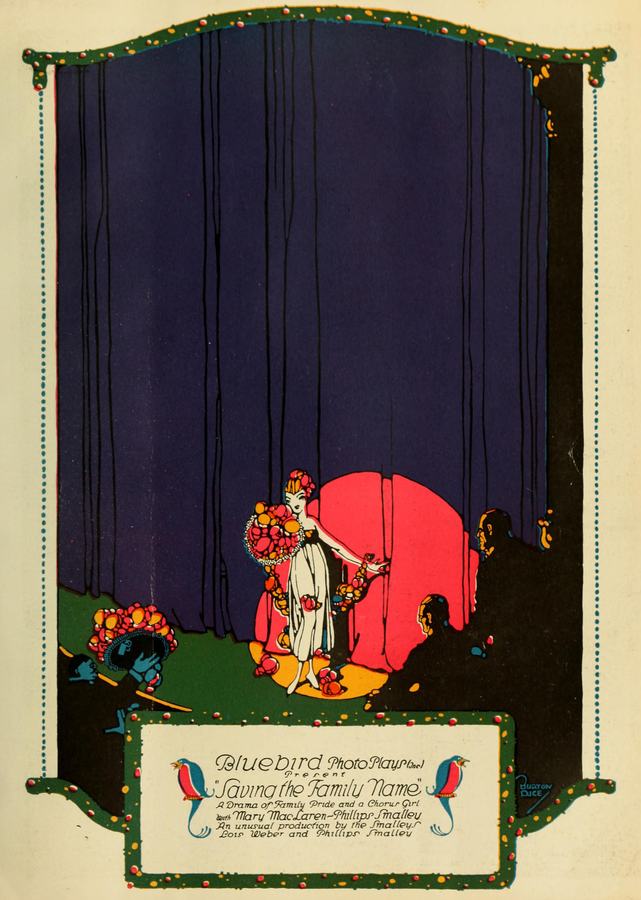
Dir: Phillips Smalley
Wally Dreislin commits suicide because his family disapproved of his romance with chorus girl Estelle Ryan, the newspapers, delighting in all the details of the affair, turn Estelle into a national celebrity. Fame only increases her power to attract men, and she soon is involved in a romance with Jansen Winthrop, another young man from a wealthy family. Jansen's alarmed mother then begs Robert, her other son, to end the relationship. Obediently, Robert kidnaps Estelle and takes her to a remote hunting lodge with plans to keep her there until she agrees to leave Jansen. After several weeks, however, Robert realizes that Estelle's reputation as a vamp has been completely engineered by the press. As a result, Robert sends for Jansen to retrieve his sweetheart, but when he arrives, Estelle announces that she has fallen in love with her abductor, and then begins a romance with him.
View Details
Dir: Phillips Smalley
Fenella, a poor Italian girl, falls in love with a Spanish nobleman, but their affair triggers a revolution and national catastrophe.
View DetailsAnalysis relative to The Eye of God
| Film Title | Atmosphere | Complexity | Similarity |
|---|---|---|---|
| The Price of a Good Time | Gritty | Abstract | 97% Match |
| Scandal | Surreal | Linear | 90% Match |
| The Double Standard | Surreal | High | 89% Match |
| The Merchant of Venice | Ethereal | Dense | 89% Match |
| For Husbands Only | Gothic | Abstract | 87% Match |
This guide was algorithmically generated using the cinematic metadata of Phillips Smalley's archive. Last updated: 6/20/2026.
Back to The Eye of God Details →