
DbcultAccessing Vault...
Recommendations
Senior Film Conservator
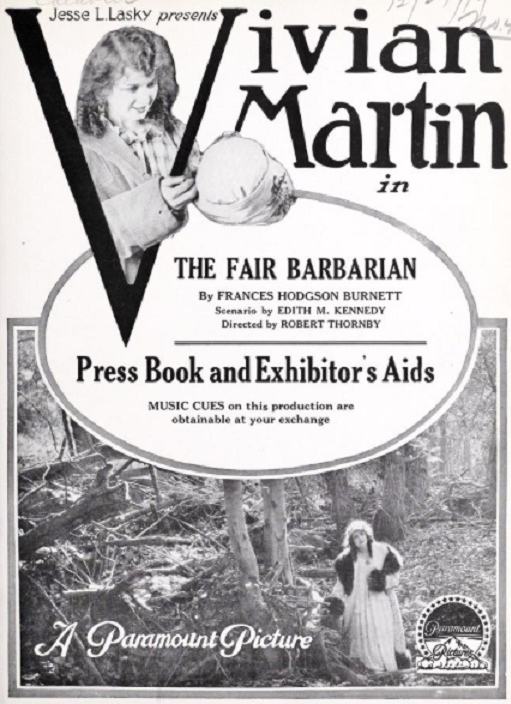
For those who were mesmerized by The Fair Barbarian, a true cult masterpiece from 1917, its influence on cult cinema remains a vital reference point for fans today. This list serves as a bridge to other cult experiences that are just as potent.
The legacy of The Fair Barbarian is built upon its ability to blend thematic complexity with stunning visual execution.
An Englishman who has made his fortune in America decides to return to England. He takes his daughter Octavia to pay a visit to her relatives, especially Miss Belinda Bassett, an aunt whom she has never seen. An important business cable calls the father to America, and Octavia goes on alone to her aunt. The aunt's home, Slowbridge, is a sleepy little English village whose snobbish small-town aristocracy is headed by pompous Lady Theobald, who has everyone under her thumb, including Miss Bassett and her own granddaughter Lucia, a sweet, shy English girl. Octavia has the effect of a dynamite bomb in Slowbridge. Her dresses, her breezy ways, her unconventional conduct, all infuriate Lady Theobald, and at first terrify her aunt. Little by little, however, Octavia becomes a general favorite. She enjoys engineering a love affair between bashful Lucia and a fine young man who has no social standing in Slowbridge just because he is a mere manufacturer and not a "gentleman of leisure." The worst blow to Lady Theobald comes when her nephew Captain Barold becomes exceedingly fond of Octavia. His manner of demonstrating his affection does not please Octavia; he seems to feel that he is doing her a tremendous favor in bestowing his affection upon her. She decides to teach him a lesson. Lady Theobald wants Captain Barold to marry her niece Lucia, who is actually in love with the manufacturer. Lady Theobald is horrified when she sees Octavia snatching this wonderful catch away from Lucia. Just when Slowbridge is about to blow up with agitation, Captain Barold puts his fortune to the test. He asks Octavia to marry him. She refuses, thereby succeeding in injuring his bump of conceit. Octavia's father arrives with the news that he is more than a millionaire; that his mining stock has recently doubled in value. With him comes Jack Belsays, an energetic American youth who is a type as foreign to Slowbridge as Octavia. What is the surprise of the small township to learn that Octavia has been engaged to Jack all the time, and never at all anxious to fasten herself upon English small town society or to intrude into their affairs. A marriage ceremony follows in Miss Bassett's little villa with young Poppleton, the curate officiating. Through Octavia's good offices, another wedding follows later, that of Lucia and the young manufacturer, whom even Lady Theobald has come to realize is fully worthy of respect, and of the hand of her granddaughter Lucia.
Based on the unique cult status of The Fair Barbarian, our vault has identified these titles as the most compelling follow-up experiences for fans of cult cinema:
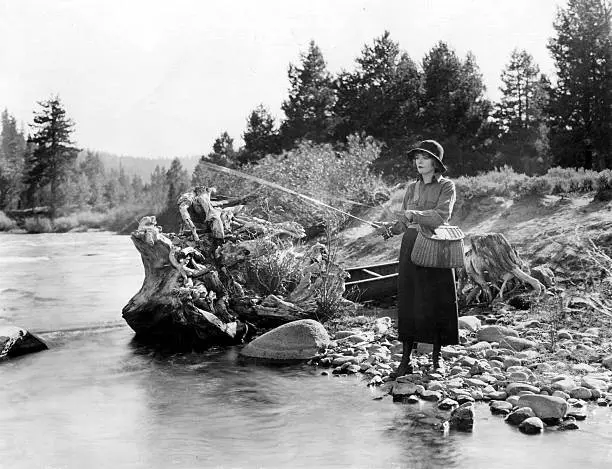
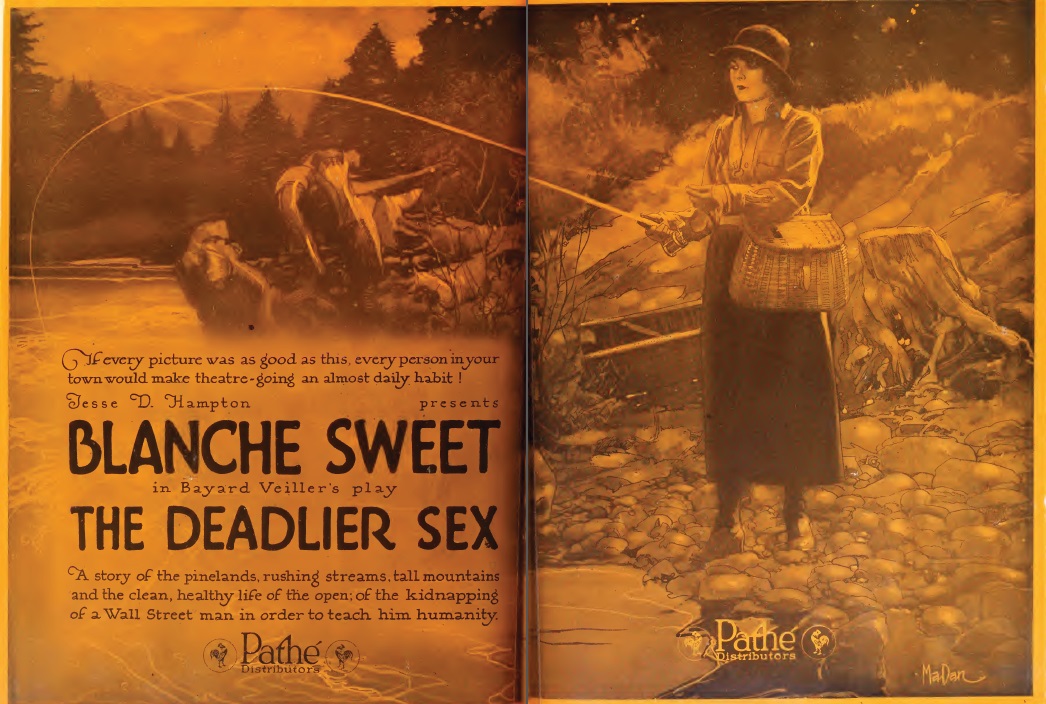
Dir: Robert Thornby
Mary Willard takes over her father's railroad after his death. Her major competitor is a ruthless crook named Harvey Judson. She arranges for Judson to be kidnapped and taken to an isolated spot deep in the forest and turned loose to fend for himself. She accompanies the kidnappers to the wild and Judson, not knowing who she is, begins to fall in love with her. Complications ensue.
View Details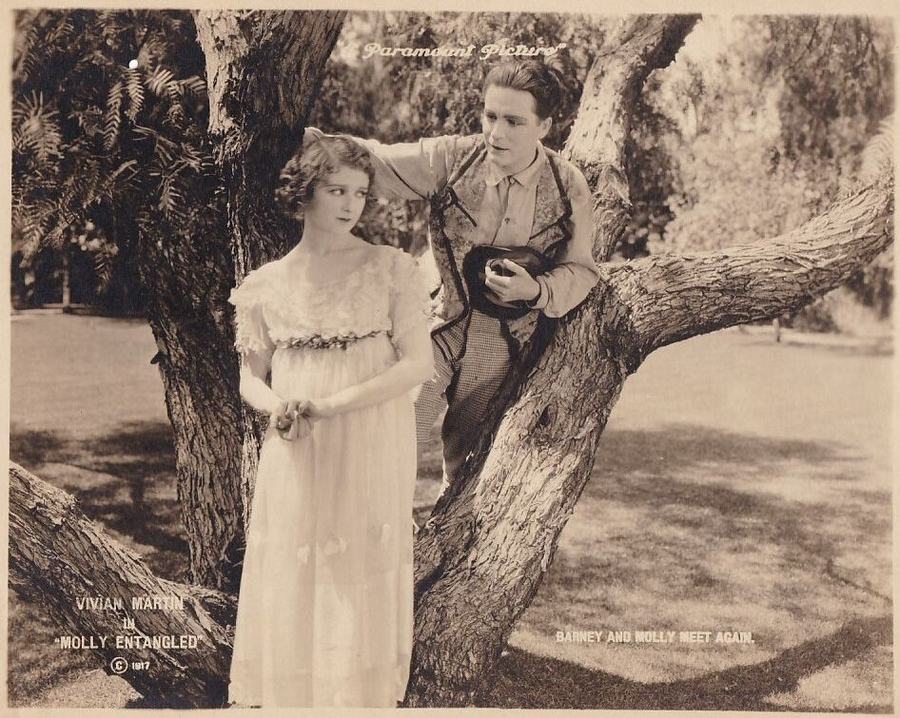
Dir: Robert Thornby
According to old Mr. Barry's will, if his son Jim fails to marry, the vast Barry estate will revert to the O'Maras. When one night Jim, an irresponsible drunk, falls down the stairs and is given until morning to live, Mrs. Barry, in order to protect the property from the O'Maras, pleads with Molly Shawn to marry her son. Molly, although in love with Barney Malone, agrees out of a sense of indebtedness to the Barry family, and the two are married. Much to everyone's surprise, Jim recovers and Molly pines for her sweetheart Barney until it is discovered that the priest who performed the ceremony was really a criminal who, to escape the law, had disguised himself in priests' robes. Overjoyed, Molly is disentangled and now free to marry Barney, the man she loves.
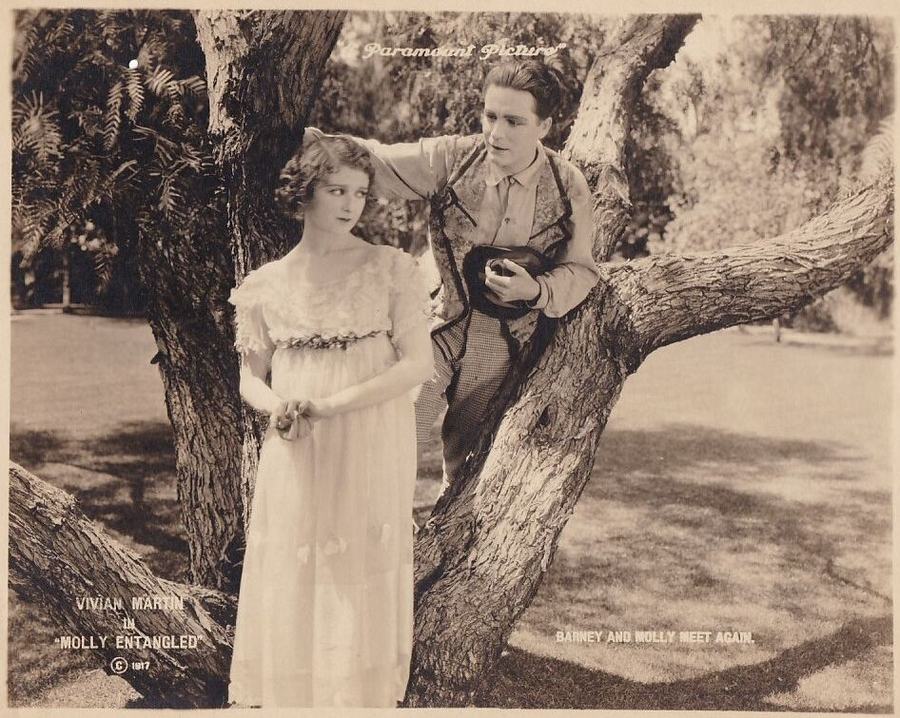
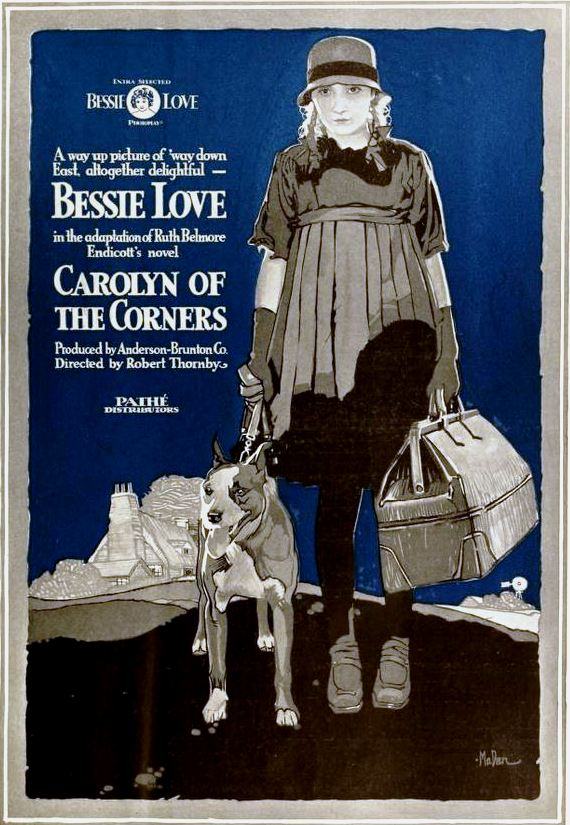
Dir: Robert Thornby
Joseph Stagg is a lonely, grouchy middle-aged man living with his housekeeper, "Aunt Rose", in a New England village. A prominent merchant in town, one day he gets a letter notifying him that his sister and brother-in-law have been lost in a shipwreck. He takes in his sister's daughter Carolyn and her dog, Prince. Carolyn meets Amanda Parlow, a local woman, and discovers that Amanda and her Uncle Joe had an affair years ago, and its breakup left Joe hurt and bitter. Carolyn resolves to get them back together, but a forest fire that breaks out in the mountains where Amanda and Carolyn are staying puts her plans, and her life, in danger.
View Details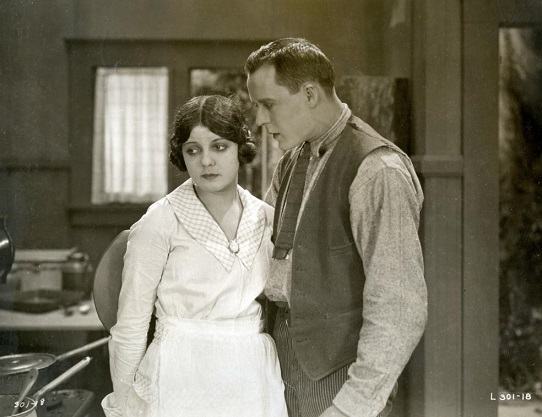
Dir: Robert Thornby
Rose, a pretty young country girl,gets engaged to Steve, a handsome young lumberman whom she loves, but Claude, a city slicker who wants Rose, cons her into believing that Steve's obsessive love for her is ruining his life and that she should leave him for his own good. Steve, however, mistakenly thinks that Rose and Claude are having an affair, and breaks off the engagement. Complications ensue.
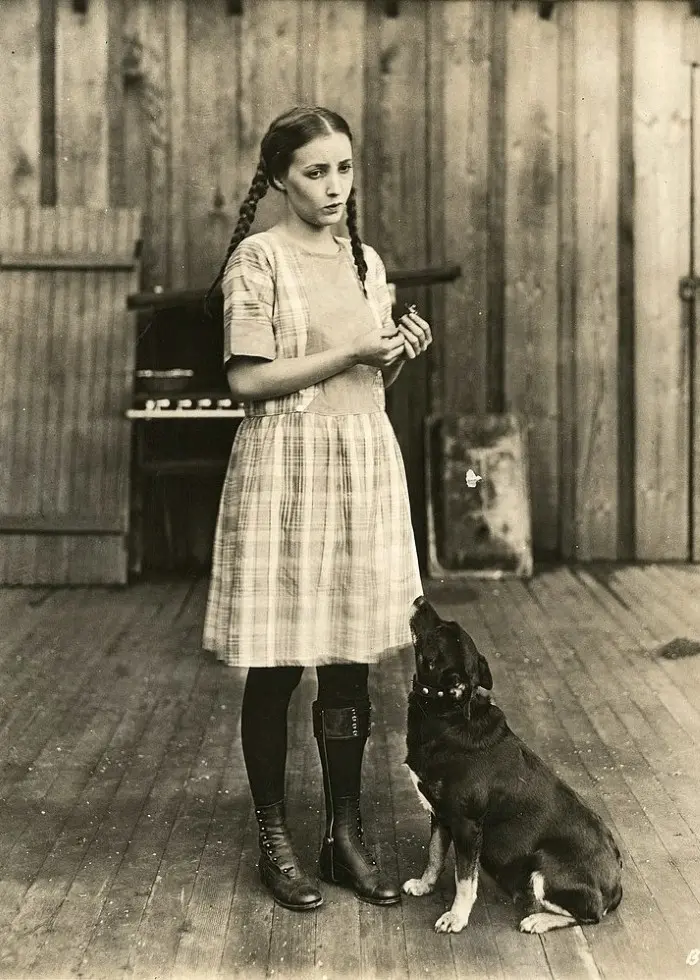
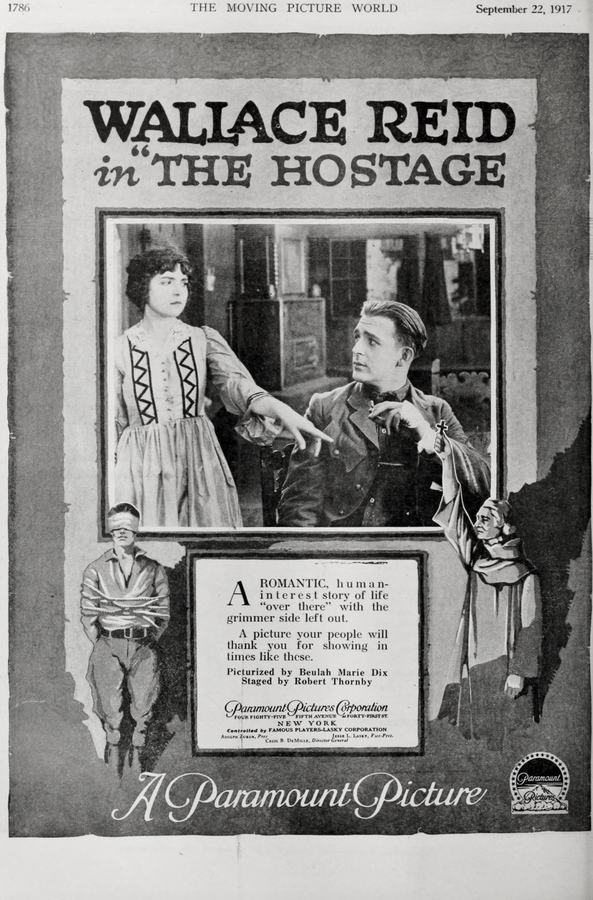
Dir: Robert Thornby
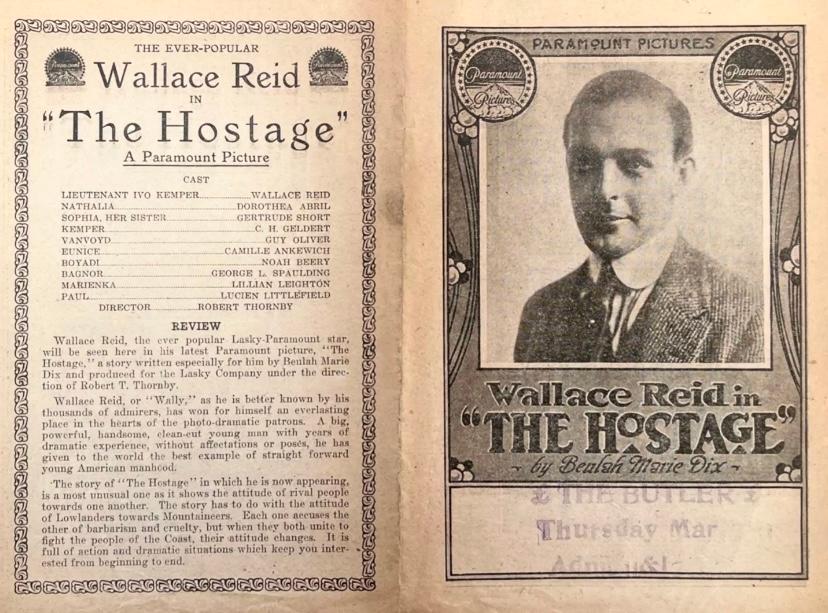
The Highlanders and Lowlanders are sworn enemies until Lieutenant Kemper, the son of Brigadier Kemper, the leader of the militaristic Lowlanders, is held hostage by the Highlanders until his father's army has retreated to its own boundaries. Much to his surprise, the lieutenant is treated with kindness and consideration by his captors, especially by Boyadi and his beautiful daughter Nathalia, whom he learns to love. Thus, instead of obeying his father's command to escape at an appointed time when the Lowlanders plan to violate their pledge and storm the fortress, he keeps his promise to his captors and remains a prisoner. The Highlanders, inflamed by the Lowlander's broken word, are about to kill the lieutenant when news comes of the approach of another foe and, hailing the Kempers as saviors, the two former enemies unite to defeat this new foe.
View Details
Dir: Robert Thornby
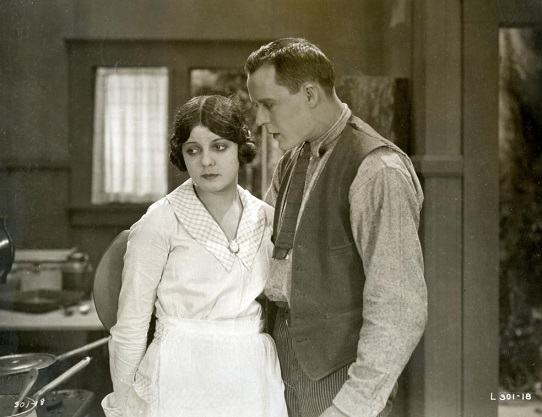
Young Celeste Janvier ( Bessie Love ) lives in an East Side tenement with her immigrant grandfather, a humanitarian and socialist. Like her kindly grandfather, Celeste also has a kindhearted soul, and her friendly nature has earned her the nickname, " the little sister of everybody." When several unpleasant men try to court her, Celeste turns them down. Meanwhile, Hugh Tavers Jr., ( George Fisher ) whose father owns a factory, has died suddenly. The young Tavers poses as a laborer in order to understand why the workers want to strike. He meets and falls in love with Celeste, who works at the factory, and he secures a better job for her. Celeste learns that anarchist Ivan Marask ( Hector Sarno ) plans to kill Travers, she hurries to warn her employer and is shocked to learn that he is the poor laborer whom she loves. Marask comes to respect Travers, who agrees to improve working conditions for the factory workers, and finds lasting contentment with the lovely Celeste.
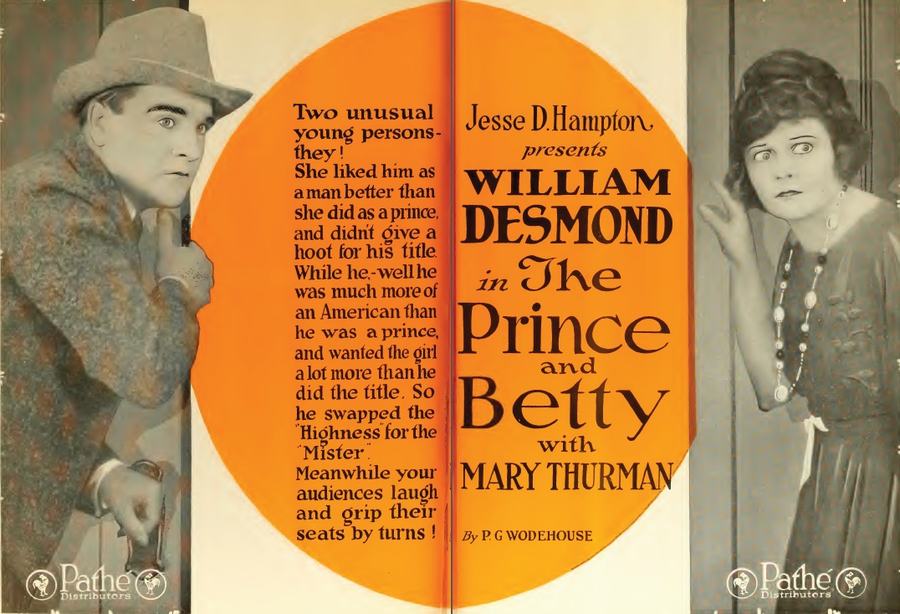
Dir: Robert Thornby
Young American John Maude is forced to find a job when he falls in love with society girl Betty Keith. He accepts a sudden offer to go to Mervo, a tiny island country, where he is hired by Benjamin Scobell to pose as the lost prince of Mervo as an attraction to bolster the Mervo casino as a rival of Monte Carlo. Scobell also wants John to marry his stepdaughter, who turns out to be Betty. When Betty accuses John of being simply a shill for a gambling house, John closes the casino and tries to stage a revolution to make Mervo a republic. The natives resist, but the President of Mervo returns to run the casino himself, and Betty and John escape to America together.
View Details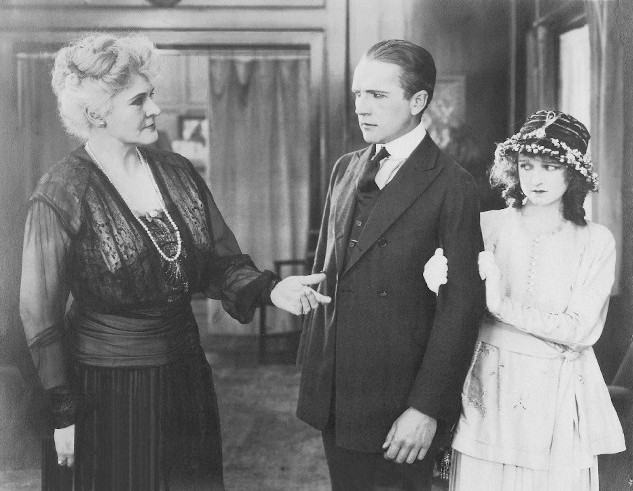
Dir: Robert Thornby
Susie is the daughter of a very good bricklayer. The lad who loves her is a very rich lad, as all lads should be, but, alas are not. To win her, he poses as a hod-carrier, certainly an unromantic disguise for a wooer. His mother has social aspirations for him, with Newport as a base of action, but what cares he? He loves the bricklayer's daughter. Is it not simple? It is. Simple, but sweet. Later Susie gets rich by means of a legacy, and the bricklayer's family moves into opulent quarters. Then sweet Susie is elegantly-gowned, but no happier. What are mere dollars to sweet Susie? The main situation in which Susie figures is one of finance. Seeing that dollars mean unhappiness, she plans to induce her father to invest in the stock market and to let him believe that he has lost all. This scheme succeeds in bringing the picture to its ideal end, and Susie marries the lad who posed as the hod-carrier. - Picture Play Magazine 1917.
Dir: Robert Thornby
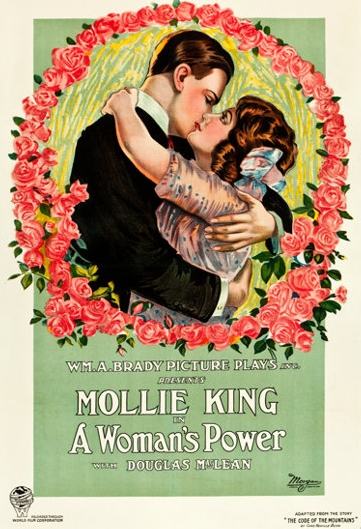
Newt Spooner's determination to kill Henry Falkins. who has denounced Newt and sent him to prison, grows deeper rooted with the years. It seems that the red-branded hatred in his mind has seared its impression upon every fiber of his being. And then Minerva Rawlins enters his life. The change in Newt's nature does not come in a flash. Despite the influence of the girl he loves, he still cherishes his hatred. Fate throws the two men together in the Philippines. Amidst battle and bloodshed the vision of Minerva follows Newt. His opportunity to slay Henry Falkins occurs, but the influence of Minerva reaching out even across miles of salt ocean, stays his hand at the eleventh hour. How Newt's final stage on the upward path he has set himself to follow is reached, is depicted dramatically. The last barriers with which Newt has steeled his dark hatred are swept away and a woman's power saves him from himself and the vengeance of the law.
View Details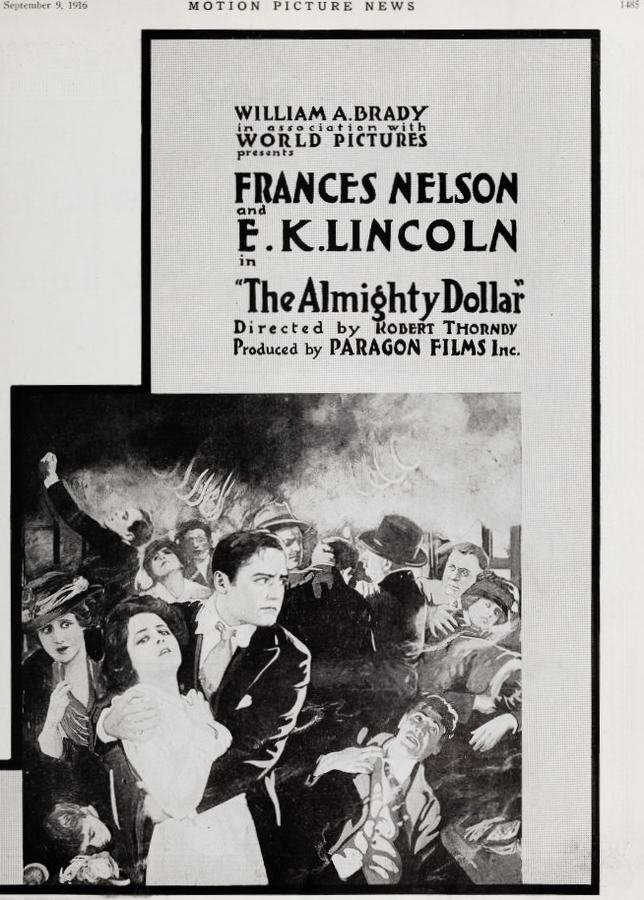
Dir: Robert Thornby
As Nan Lorimer's mother lies dying, she makes Nan promise to take care of her younger sister Masie. Unfortunately, Masie falls for the shady Dr. Thornton and travels secretly around New York City to meet him. One night she is rescued during a subway accident by wealthy John Harwood, a miner, who falls in love with her and marries her. Although the two are deeply in love, John begins to neglect his wife for his mining business, and soon Masie begins to see Dr. Thornton again. Complications ensue.
View DetailsAnalysis relative to The Fair Barbarian
| Film Title | Atmosphere | Complexity | Similarity |
|---|---|---|---|
| The Deadlier Sex | Gothic | Layered | 97% Match |
| Molly Entangled | Gritty | High | 90% Match |
| Carolyn of the Corners | Surreal | Abstract | 91% Match |
| Rose o' the River | Gritty | Layered | 94% Match |
| The Hostage | Tense | High | 89% Match |
This guide was algorithmically generated using the cinematic metadata of Robert Thornby's archive. Last updated: 8/16/2026.
Back to The Fair Barbarian Details →