
DbcultAccessing Vault...
Recommendations
Senior Film Conservator
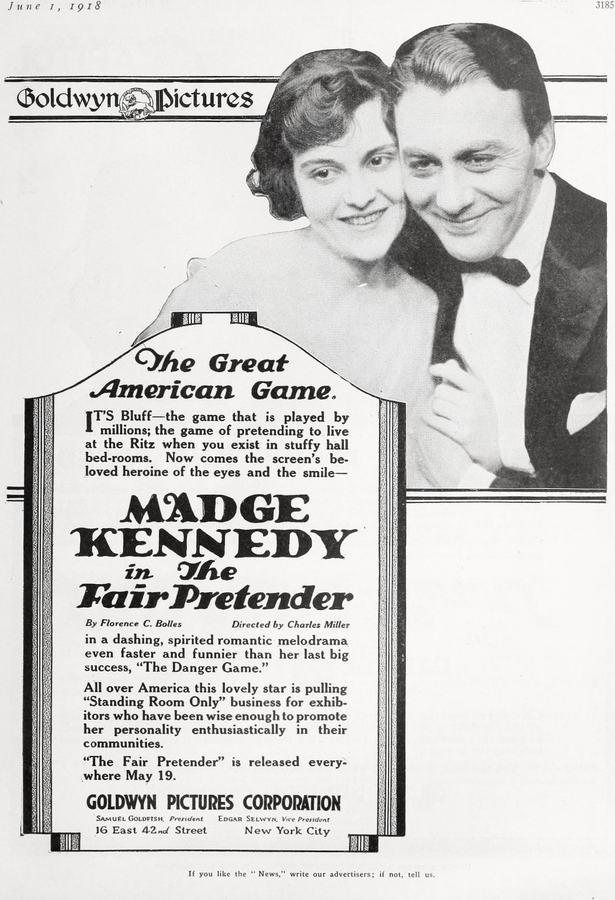
Since its 1918 debut, The Fair Pretender has maintained a cult status status, the legacy of The Fair Pretender is a beacon for those seeking the unconventional. Our criteria for this list were simple: only the most cult status and relevant titles.
The 1918 landscape was forever altered by the arrival of to sustain a sense of mystery that persists after the credits roll.
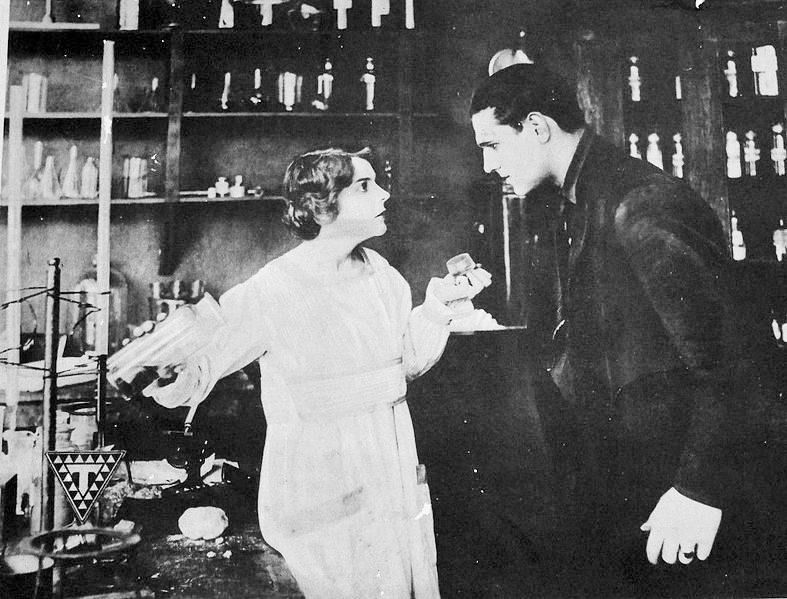
Sylvia Maynard is a stenographer for a theatrical producer and tries to prove to her boss, that she can act by posing as a society woman at a lavish house party. Don Meredith, the struggling playwright who wrote the work in which Sylvia wishes to star, also masquerades as a famous writer at the party in order to prove that the central thesis of his play is valid: that one can pose in any role in high society and get away with it. Sylvia, introduced as the widow of Captain Milton Brown, falls in love with Don, but her joy turns to panic when her supposedly dead husband suddenly appears. The amused captain allows Sylvia to continue her impersonation for a time but advises her to leave the party. Don, heartbroken, also leaves, but after several adventures in which he helps Sylvia retrieve papers stolen during the party by a German spy, the two lovers are reunited in their true identities, and the play debuts successfully.
Critics widely regard The Fair Pretender as a cult-favorite piece of cult cinema. Its cult status is frequently cited as its strongest asset, solidifying its place in United States's film legacy.
Based on the unique cult status of The Fair Pretender, our vault has identified these titles as the most compelling follow-up experiences for fans of cult cinema:
Dir: Charles Miller
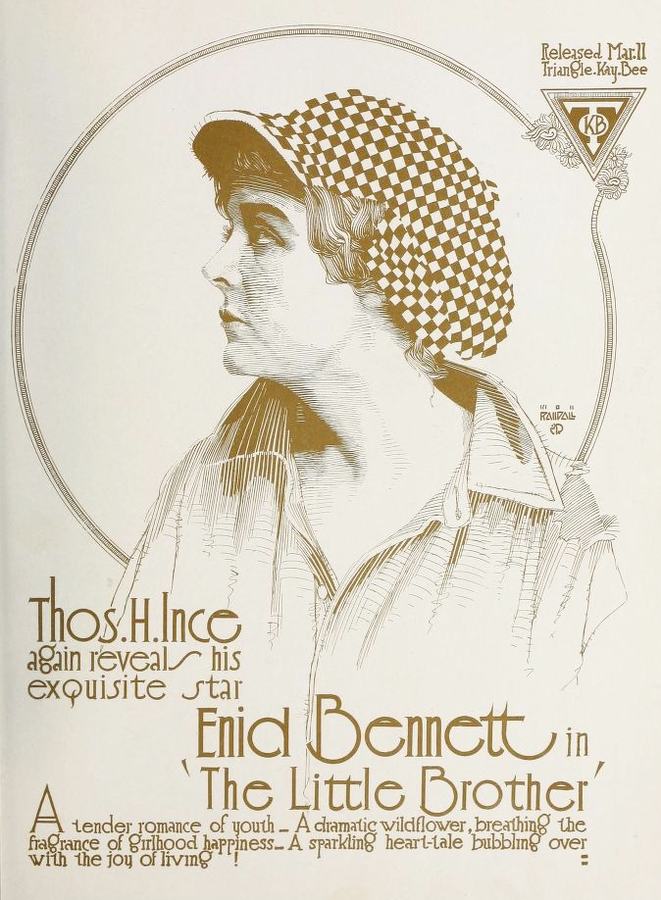
Jerry Ross, the daughter of an East Side homemaker, decides to sell newspapers to earn money. She disguises herself as a boy, goes to one of the busiest street corners in the city, and soon captures the bulk of the business.
View Details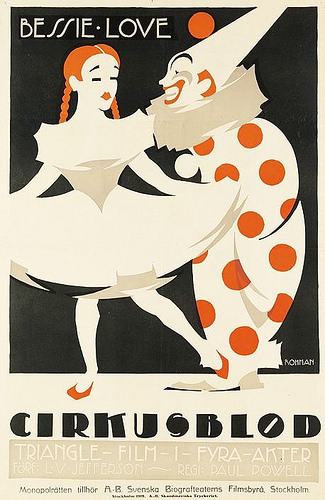
Dir: Charles Miller
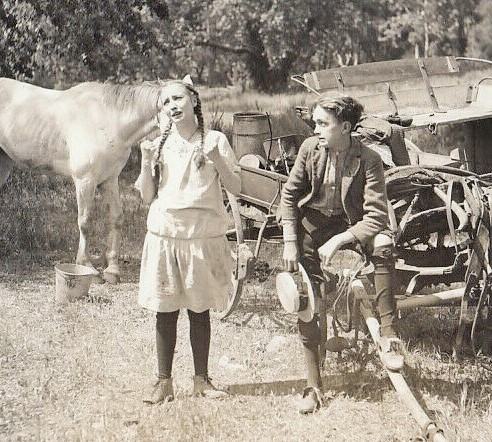
Janet sets out to find her circus ringleader father, who her mother abandoned believing him to be unfaithful. Along the way, Janet and her friend Peter join Colonel Simmonds's circus, she as a trick horse rider and he as a clown, but Janet cannot help but wonder why she finds Simmonds so familiar.
View Details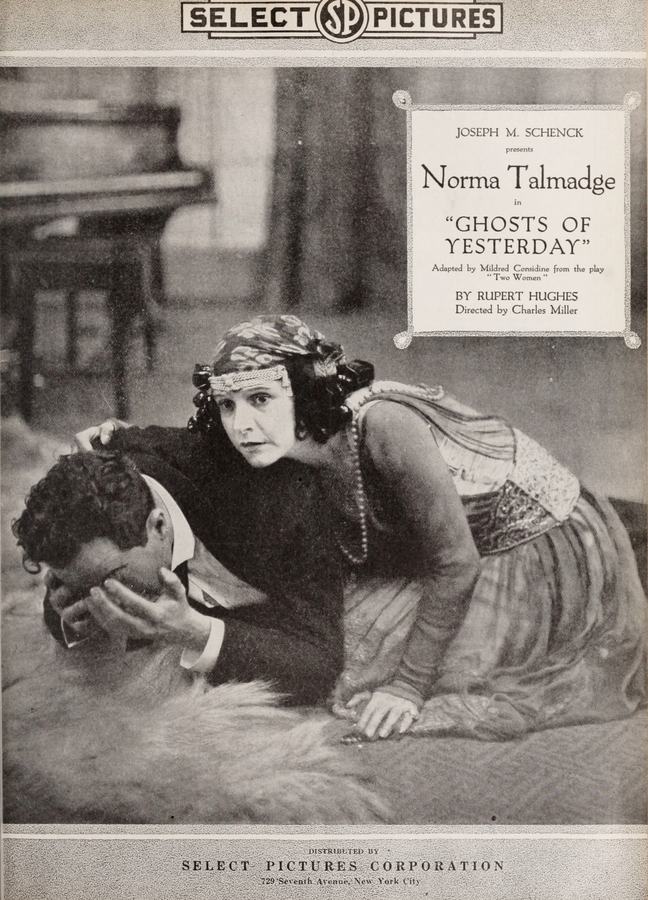
Dir: Charles Miller
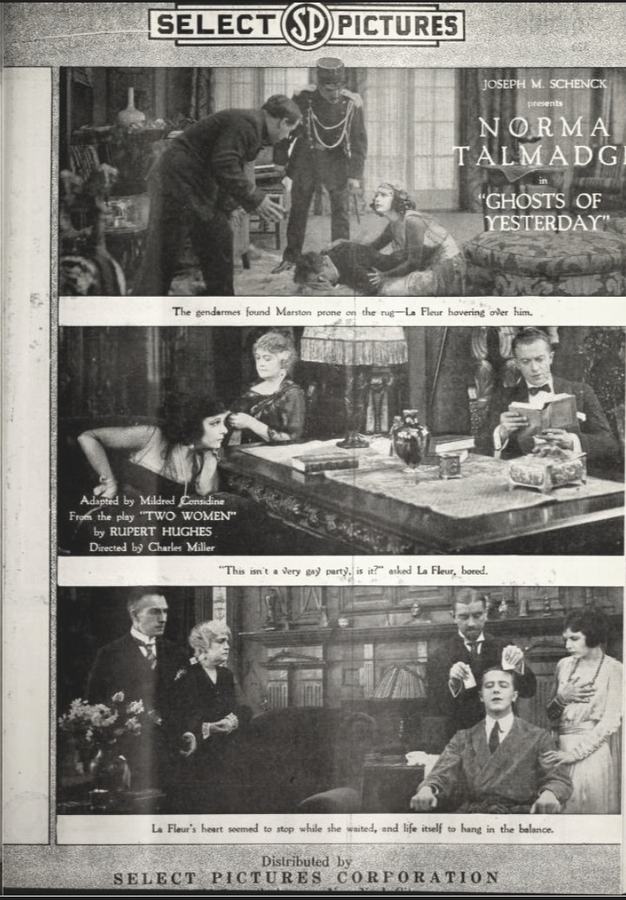
After his wife/model dies of starvation with her portrait unfinished, an impoverished artist meets another woman with a striking resemblance to her.
View Details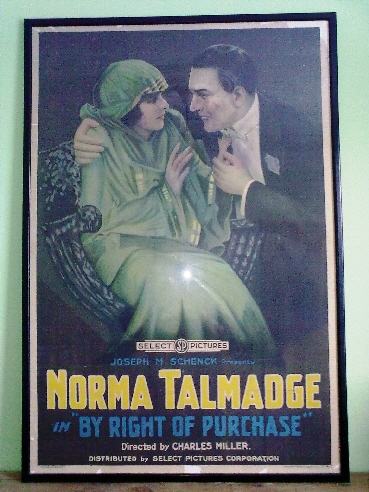
Dir: Charles Miller
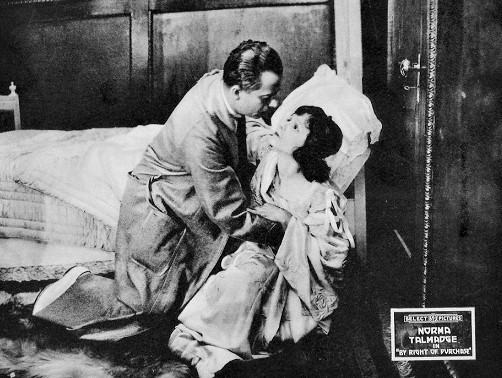
Margot Hughes is a butterfly society girl who sells herself to the highest bidder. Her husband does not press his ownership "by right of purchase," and she misunderstands his delicacy and she things that love is lost to her. She goes to France to serve the cause of humanity. There they meet again and understanding comes. For the Program: A loveless marriage that turned out differently. - Moving Picture World, February 2, 1918.
View Details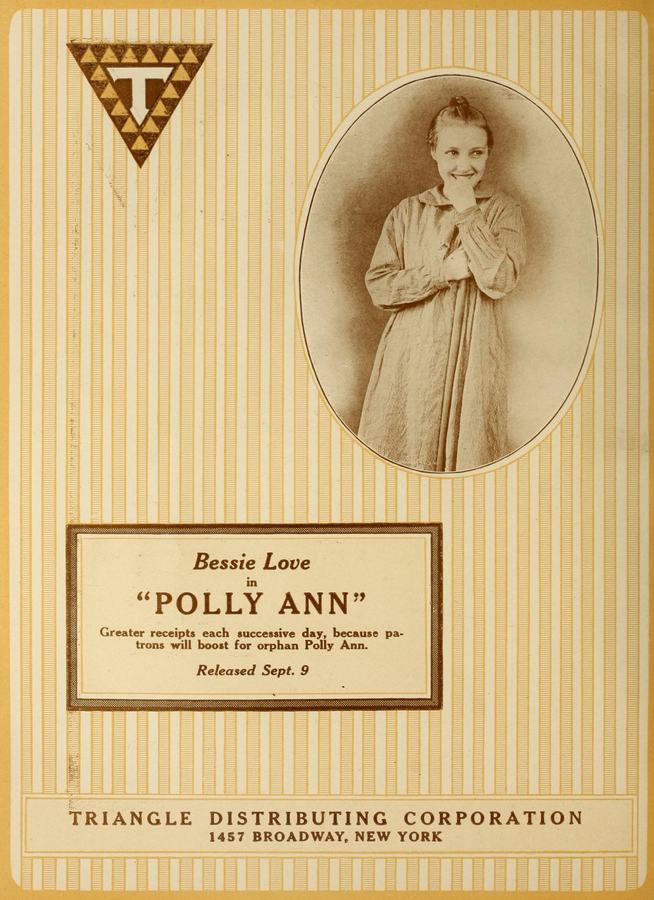
Dir: Charles Miller
Young Polly-Ann works in a small town inn as a maidservant. A troupe of actors comes to town and the innocent girl falls in love with one of its members. Howard Straightlane is sent to the small town by his father, to work as a schoolteacher in hopes of smartening up the young man from his wild ways. Howard soon meets Polly-Ann and saves her from the unscrupulous actor, meanwhile Howard's father has discovered Polly-Ann is his niece and sends for her. Another niece, greedily tries to force Polly to give her, all of her share of the family fortune. Upon hearing this the father insists that Polly return and since she and Howard have fallen in love, his son is now forgiven.
View Details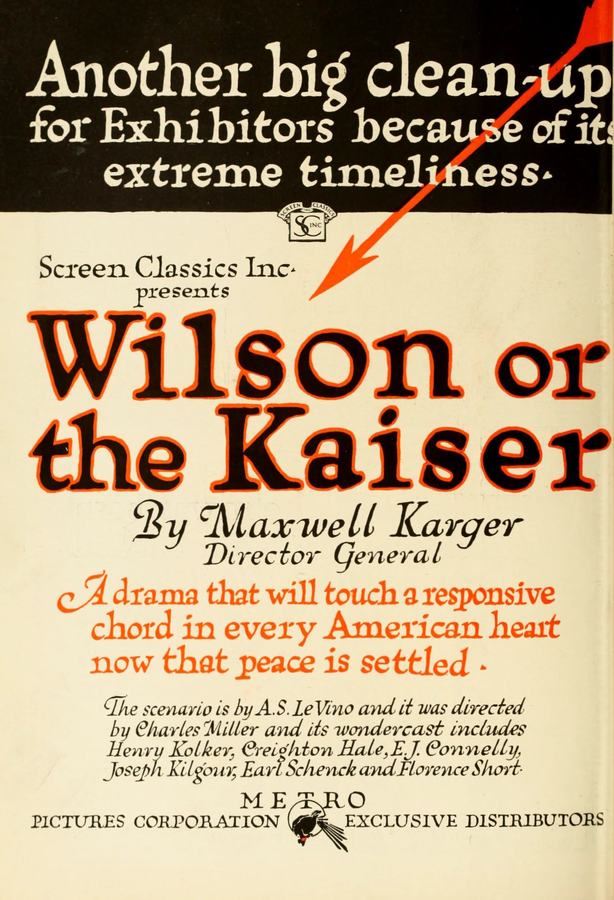
Dir: Charles Miller
In a prologue, Wilhelm II is born into opulence to continue the Hohenzollern dynasty of his father Frederick III, while Woodrow Wilson is born into the modest manse of his father, a Presbyterian reverend who tells his wife that the boy must be brought up "in the fear of the Lord." Conrad Le Brett from Alsace-Lorraine is forced to fight for Germany because his land has been conquered. Conrad, seeing other soldiers take girls into a church to rape them, kills one who murders a baby, and is then shot and taken to a Brussels hospital run by famous nurse Edith Cavell. He and his American nurse, Amy Gordon, fall in love. After Cavell helps Amy escape the pursuance of General von Bissing, the German governor, von Bissing has Lieutenant Ober execute Cavell. Learning of the Kaiser's order that all unmarried women be given to soldiers so they can bear sons for the army, Ober returns to Alsace-Lorraine, where he earlier insulted Conrad's sister Vilma. Ober kills Conrad's grandfather and rapes Vilma. Conrad honors her dying request that he go to America and defend Alsace-Lorraine's reputation. He marries Amy and convinces President Woodrow Wilson that Alsatians should be allowed to enlist. Fighting with the "doughboys," Conrad kills Ober, and after the armistice, returns to Amy.
View Details
Dir: Charles Miller
In a squalid mining town in West Virginia James Herron, a consumptive, has built a shack in the hope that the mountain air may prolong his life. With him dwells his daughter, Fay, whom he idolizes. Fay, who has been blind from her birth, has a wonderful imagination. Even the town and its sordid inhabitants become invested with romance and take their part in the stories of adventures that her father reads to her. While Fay goes about with security and fearlessness, which causes the ignorant to regard her with almost religious respect, her inner life is in sharp contrast. She has secret haunts, where she hides, and in thought recreates fairyland. Her favorite retreat is a cavern formed by an old abandoned tunnel which she peoples with knights and princesses, gnomes and fairy guardians. The one thing lacking is the Prince. And one day he comes. The "Prince" is a hunchback, "Crip" Halloran, the son of the village drunkard, who stumbles into Fay's imaginary fairyland, and is at once endowed by her with every heroic attribute. Finally Fay's father passes away and Fay becomes a drudge in the hut of ignorant aliens, and the meetings between her and the Prince are few and far between, and "Crip" is almost heartbroken. Jack Rockwell, son of a rich mine owner, comes to look after his property. Chance throws him in contact with Fay, and he becomes infatuated with her charm and idealism. He is admitted to the kingdom and gradually dethrones "Crip," to the hunchback's bitter distress. In love and pity for Fay's misfortune, Rockwell secures a great oculist and an operation opens Fay's eyes to the harsh world that her fancy idealized. She sees her two devoted admirers as they really are, and shrinks with horror from the poor misshapen "Crip." Broken-hearted, the hunchback seeks the old cavern and with a revolver ends a life that holds nothing but hopeless misery. Rockwell and Fay visit their old haunt, and with years of love and happiness opening before them discover the body of the poor hunchback, who had once for a few happy hours reigned as a Prince in a fairy realm of a girl's imagination.
View Details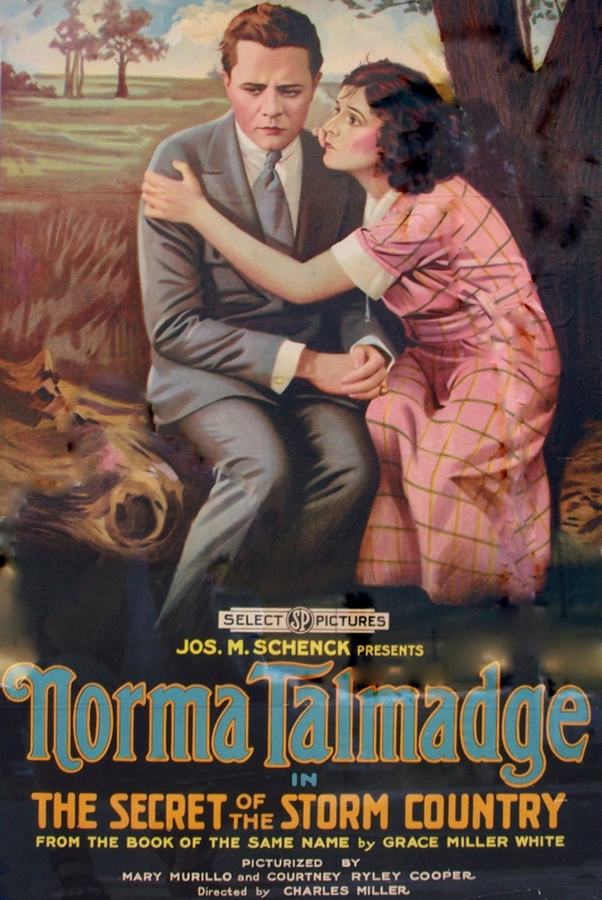
Dir: Charles Miller
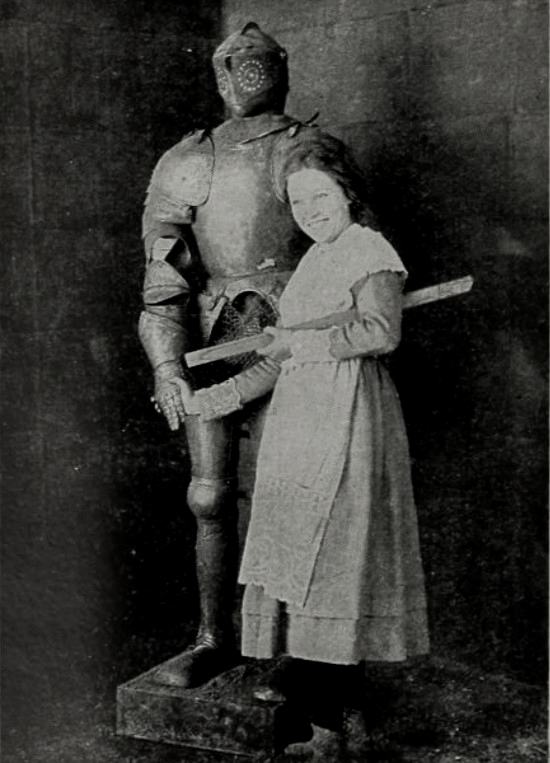
Rejected by the townspeople because her father is a squatter, Tess Skinner nevertheless wins the love of the wealthy Frederick Graves, who secretly marries her. When Frederick's mother insists that he marry heiress Madelene Waldersticker, he lacks the courage to admit that he is already married and instead acquiesces to his mother's wishes. For her husband's sake, Tess conceals his crime of bigamy. When her baby is due, Tess is summoned before a council of churchmen and banished from the church because she refuses to name her betrayer. Left alone upon the death of her father, Tess is shielded by Mr. Young, a middle-aged admirer who offers her and her baby the protection of his home. Several years later, Frederick dies of a heart attack and Tess rewards her faithful friend by becoming his wife.
View Details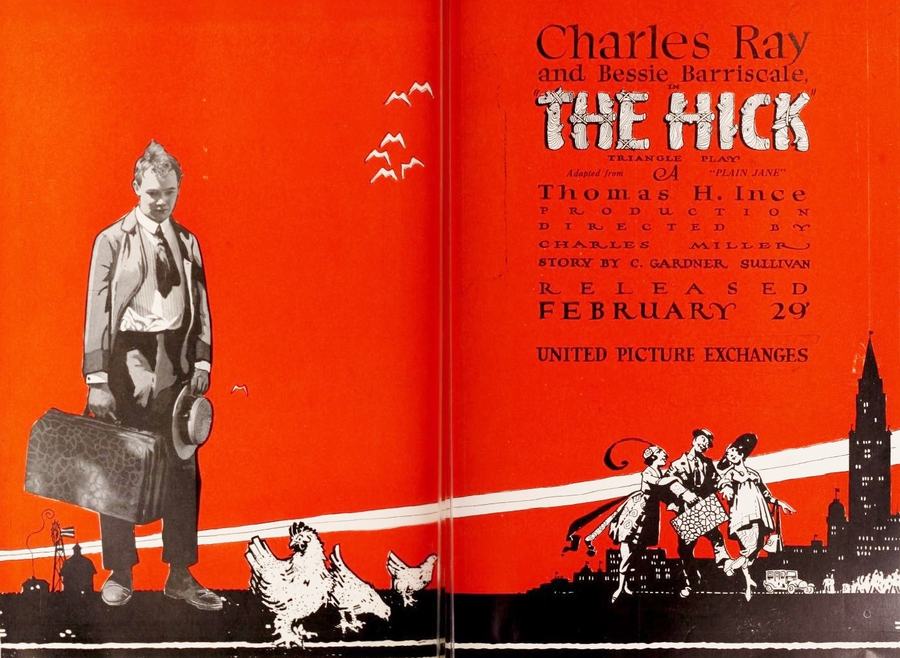
Dir: Charles Miller
John Adams is working his way through college. Jane is the little slavey in his boarding house. John at first has no idea of falling in love with Jane, but she is completely gone on him from the beginning. In fact, he has his eyes on Ethelda Rathbone, a young college girl. There came a time when John wanted to attend a ball at which Ethelda was to be present, but he hadn't a dress suit. Jane chanced to become aware of this, and with her scanty savings rented him one. Of course she couldn't tell him she did that, but she pretends that it was left there by a former boarder. So he goes to the ball. But boys will be boys, and his classmates rip the coat up his back, and he is compelled to come home without having seen Ethelda at all. Jane takes the suit back to the dealer, unaware that it is ruined. When the dealer discovers it, he demands payment. There follows a scene in the street in which she is humiliated. It was then that old Frederick Verstner, the town photographer and a man of considerable means, came to the crowd. Hearing her pitiful story, he made good the amount to the dealer. Shortly after this, Jane went to Verstner's to have her picture taken that she might give it to John. A newspaper in New York was offering a prize for the most beautiful photograph of a college girl, and Verstner's was crowded with girls from the school. Verstner took a picture of Jane, and, by loosening out her tresses and placing something filmy about her shoulders, he made her look beautiful. Through a course of circumstances, and without Jane's knowledge, this photograph is sent along with the others to the paper. And it wins the prize. Jane is, of course, as much surprised as the rest. And so is John. Verstner adopts the girl, educates her and makes her the most popular girl in the place. And then comes a great awakening for John.
View Details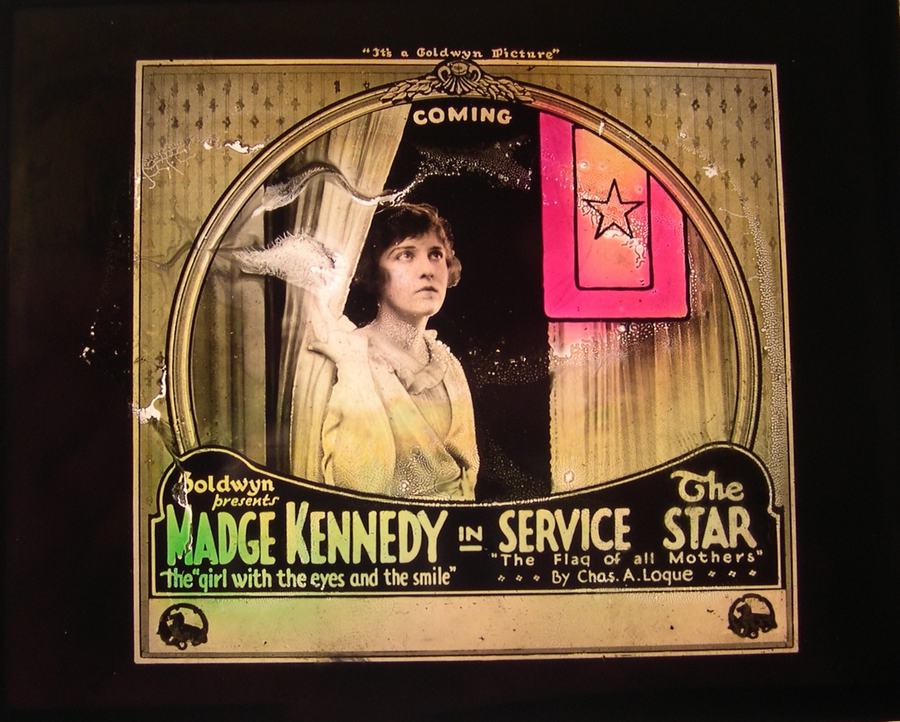
Dir: Charles Miller
A homely young girl, lonely and unhappy because she alone of all the girls in her town does not have a soldier sweetheart, pretends to be the fiancée of a famous combat aviator. When the flyer's mother learns of the "engagement," she accepts the girl as her future daughter-in-law, just in time for complications to arise in the form of the truth.
View DetailsAnalysis relative to The Fair Pretender
| Film Title | Atmosphere | Complexity | Similarity |
|---|---|---|---|
| The Little Brother | Gritty | Dense | 87% Match |
| The Sawdust Ring | Tense | Dense | 92% Match |
| The Ghosts of Yesterday | Tense | Linear | 87% Match |
| By Right of Purchase | Gothic | Layered | 86% Match |
| Polly Ann | Gritty | Layered | 96% Match |
This guide was algorithmically generated using the cinematic metadata of Charles Miller's archive. Last updated: 8/17/2026.
Back to The Fair Pretender Details →