
DbcultAccessing Vault...
Recommendations
Senior Film Conservator
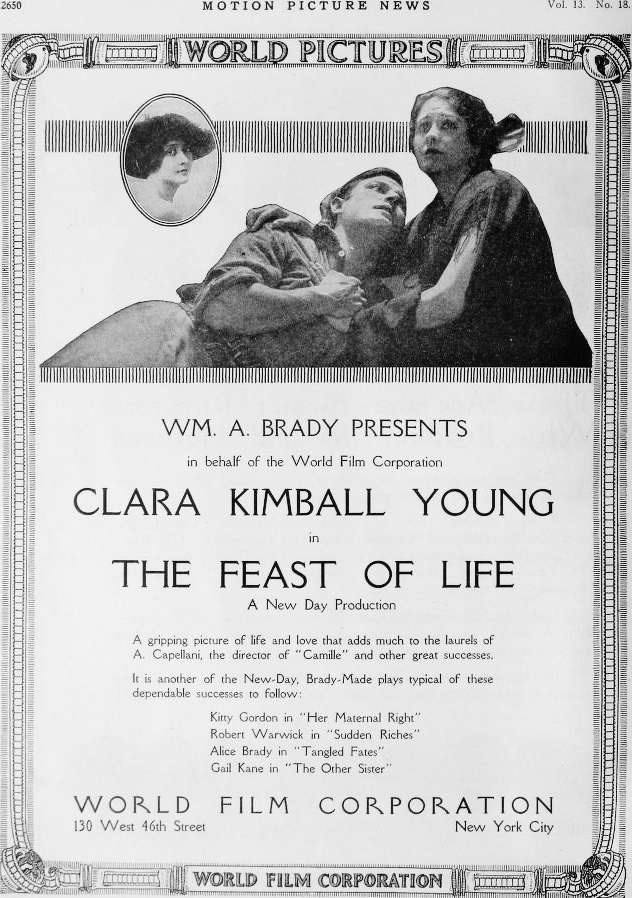
The cult sensibilities displayed in The Feast of Life are unparalleled, its status as a United States icon makes it a perfect starting point for discovery. These hand-selected movies are designed to satiate your craving for cult quality.
The cultural footprint of The Feast of Life in United States to serve as a cornerstone for cult enthusiasts worldwide.
Aurora Fernandez, a poor Cuban girl, is persuaded against her will to become betrothed to Don Armada, a wealthy Cuban. She loves Pedro, a young fisherman, who lives with his uncle, Father Venture, and his sister Celida, who has been secretly stealing to Don Armada's villa, but is cast off by him on his engagement to Aurora. Longing for a sight of Pedro, disguised as a dancing girl, Aurora goes to an inn where Pedro comes with other fishermen for a nights revelry. He does not recognize her as his "Lady of the Lily" as he calls her, but falls a victim to the charms of the dancing girl. Celida, dying of a broken heart, confesses to Pedro and Father Venture, and Pedro, to avenge Celida, summons all the fishermen in the village and leads them against Armada in whose villa the wedding feast is being held. The guests fly in terror and Armada is wounded. Aurora alone remains undaunted, and Pedro, finding her, recognizes not only his love of the tavern, but Aurora, and that she is the wife of Armada. Notwithstanding her pleadings not to kill her husband, he is about to strike when he sees that Don Armada is blind. This awakens his pity and he leaves the house. Don Armada has an operation performed on his eyes which proves successful, but the physicians warn him that any shock may result in blindness for life. Aurora, in the meantime, has been carrying on clandestine meetings with Pedro and Armada, hoping to find out who Aurora's lover is, tells her that the operation has been a failure. He intercepts a note from Pedro and, locking Aurora in her room, stabs Pedro. He then returns to Aurora and she discovers he has tricked her. He tells her what he has done, but the shock kills him. Aurora escapes and finds Pedro still alive. She takes him home where she watches over him; and the crisis over, the lovers are reunited.
Critics widely regard The Feast of Life as a cult-favorite piece of cult cinema. Its cult status is frequently cited as its strongest asset, solidifying its place in United States's film legacy.
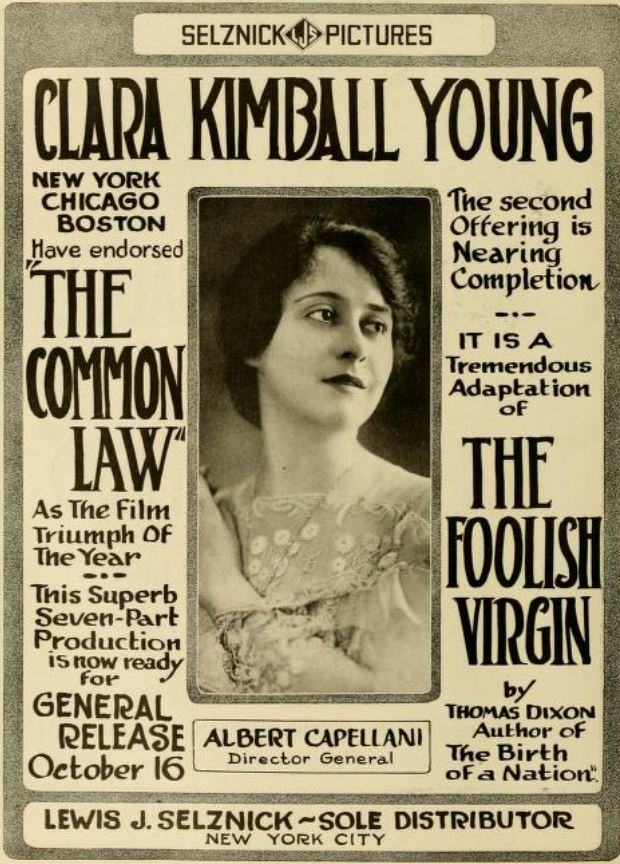
Based on the unique cult status of The Feast of Life, our vault has identified these titles as the most compelling follow-up experiences for fans of cult cinema:
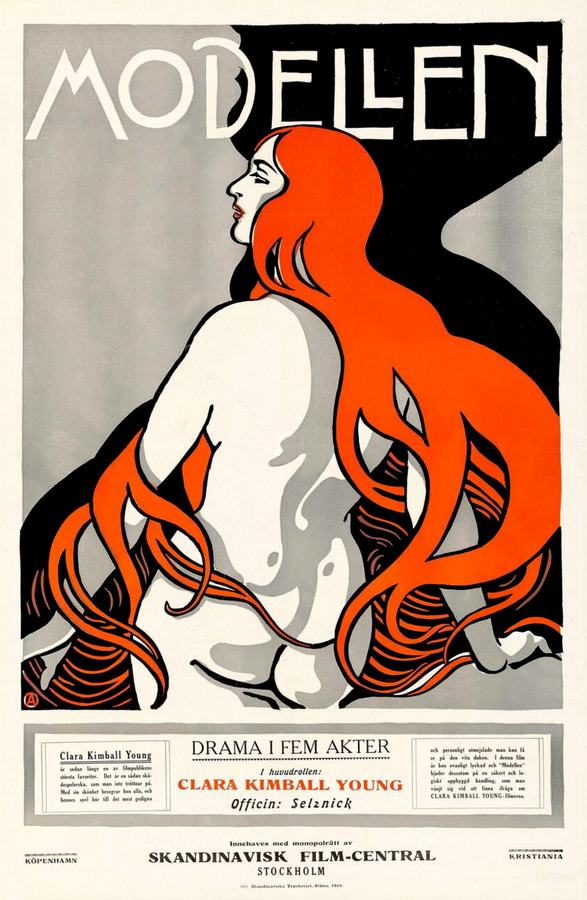
Dir: Albert Capellani
Based on Robert W. Chambers' novel about New York CIty life among the upper crust: Artist/model and philosopher Valerie West undergoes much sorrow and joy,many trials and tribulations ,and final triumph on her journey to become the living personification of sweet, noble womanhood.
View Details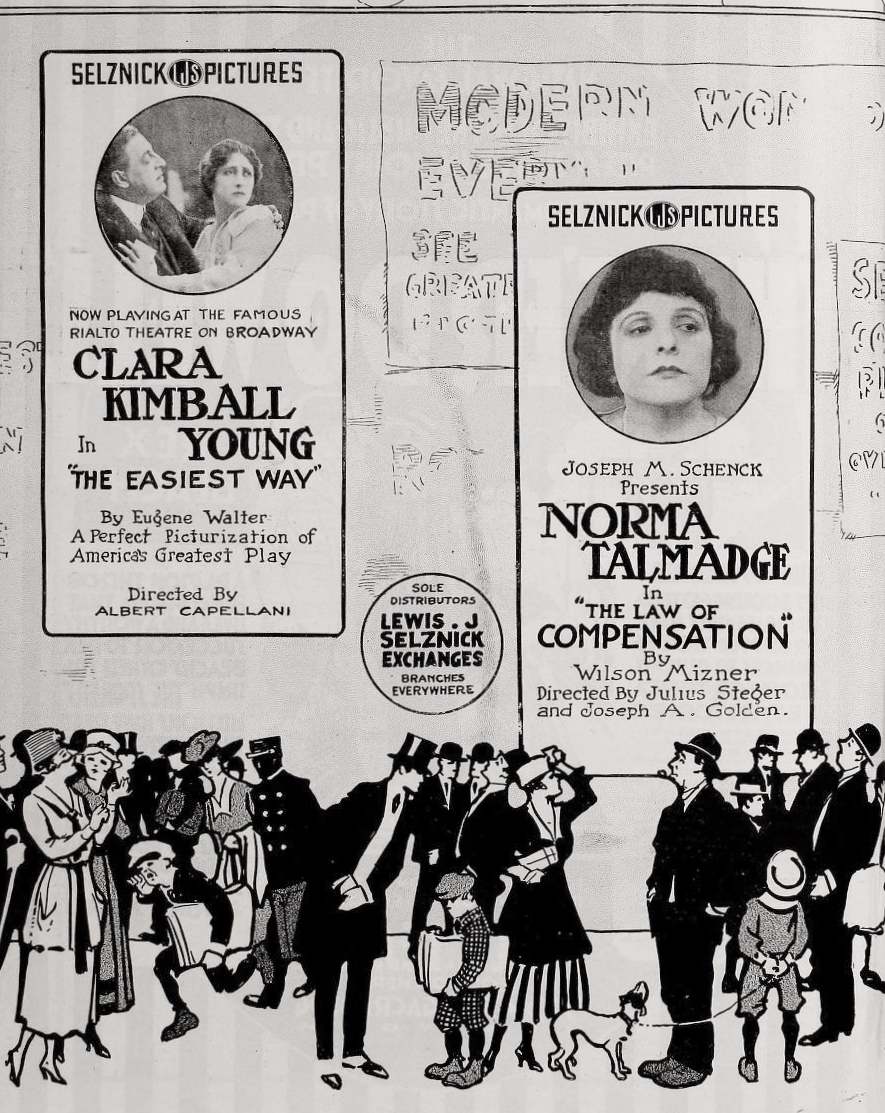
Dir: Albert Capellani
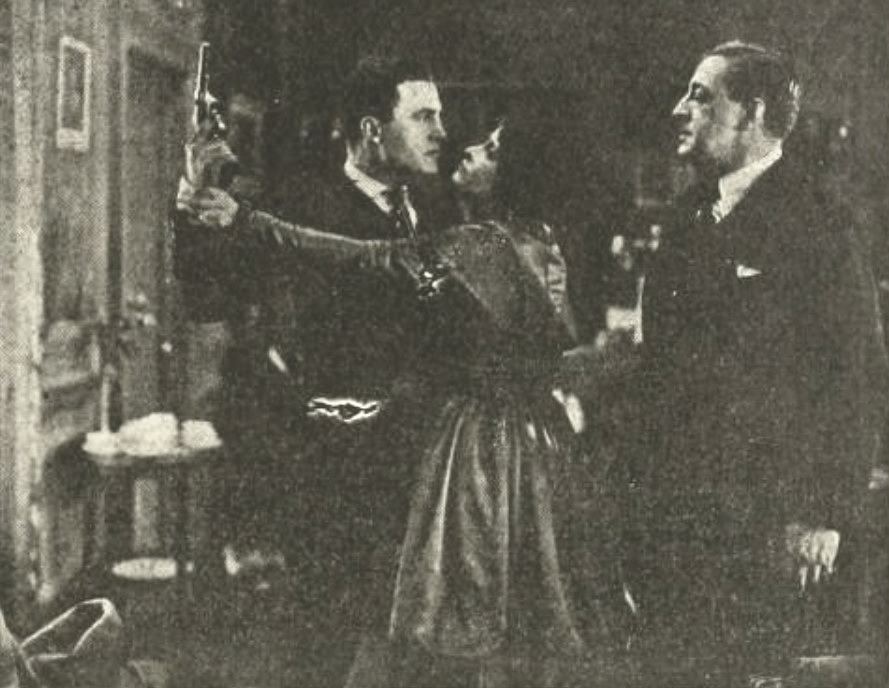
Laura Murdock is a young actress. Her husband, a drunkard, is killed by a fall. Laura goes to New York to get an engagement, and finds herself blocked at every turn by the petty jealousies and politics of the profession. Willard Brockton, a wealthy broker, has been asked to finance a production and has refused. He meets Laura and becomes interested, furnishes the producer with money, demanding in return that Laura be given the best role in the piece. Eventually Brockton claims the customary reward of such assistance, although Laura holds out as long as possible. The following summer she goes to Denver for a stock engagement, and falls in love with John Madison, a newspaper writer. He cannot afford to marry, and Brockton, who comes west to take Laura back with him, sneers at the idea of his marrying the luxury-loving Laura. Laura promises to wait, however, and Brockton promises Madison that if Laura returns to him he will let Madison know. Laura returns to New York, and Brockton's influence prevents her from getting an engagement. She reaches the end of her resources, and not hearing from Madison submits to what she regards the only course open, a renewal of her relations with Brockton. Brockton dictates a letter to Madison which Laura promises to mail, but she burns it instead. Madison finds gold and hurries to New York to marry Laura. He discovers the facts of the situation, and Laura confesses that she burned the letter Brockton had promised to send. Deserted by both men she becomes desperate, and tries to fling herself into the dissipations of the night life of Broadway. She is disgusted, however, and attempts to end her life in the river. She is rescued and taken to a hospital. Madison is notified, and learns also of the fight she made to remain true to him. He hurries to her side just in time to let her know he understands and forgives, and she dies in his arms.
View Details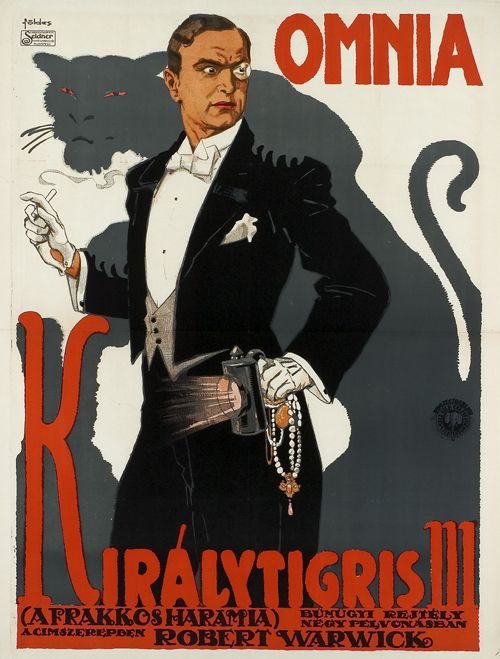
Dir: Albert Capellani
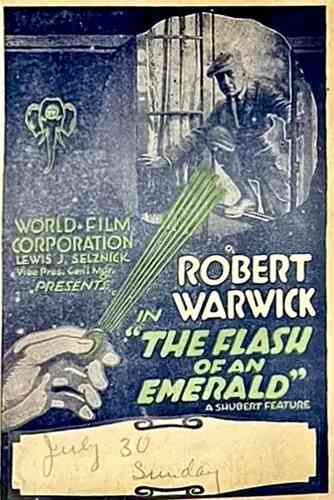
A crook bungles his biggest job, and when the police are put on his trail, he becomes hopelessly lost and commits suicide.
View Details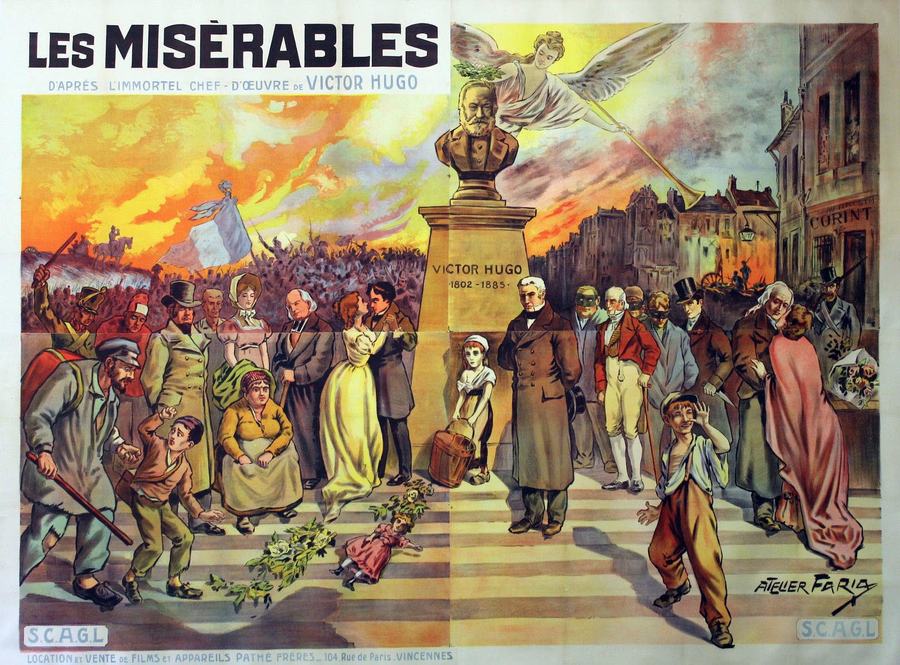
Dir: Albert Capellani
First feature length French film adaptation of the story of former convict Jean Valjean who is hunted down by ruthless inspector Javert in mid 19th century France. Released in four parts, like a serial.
View Details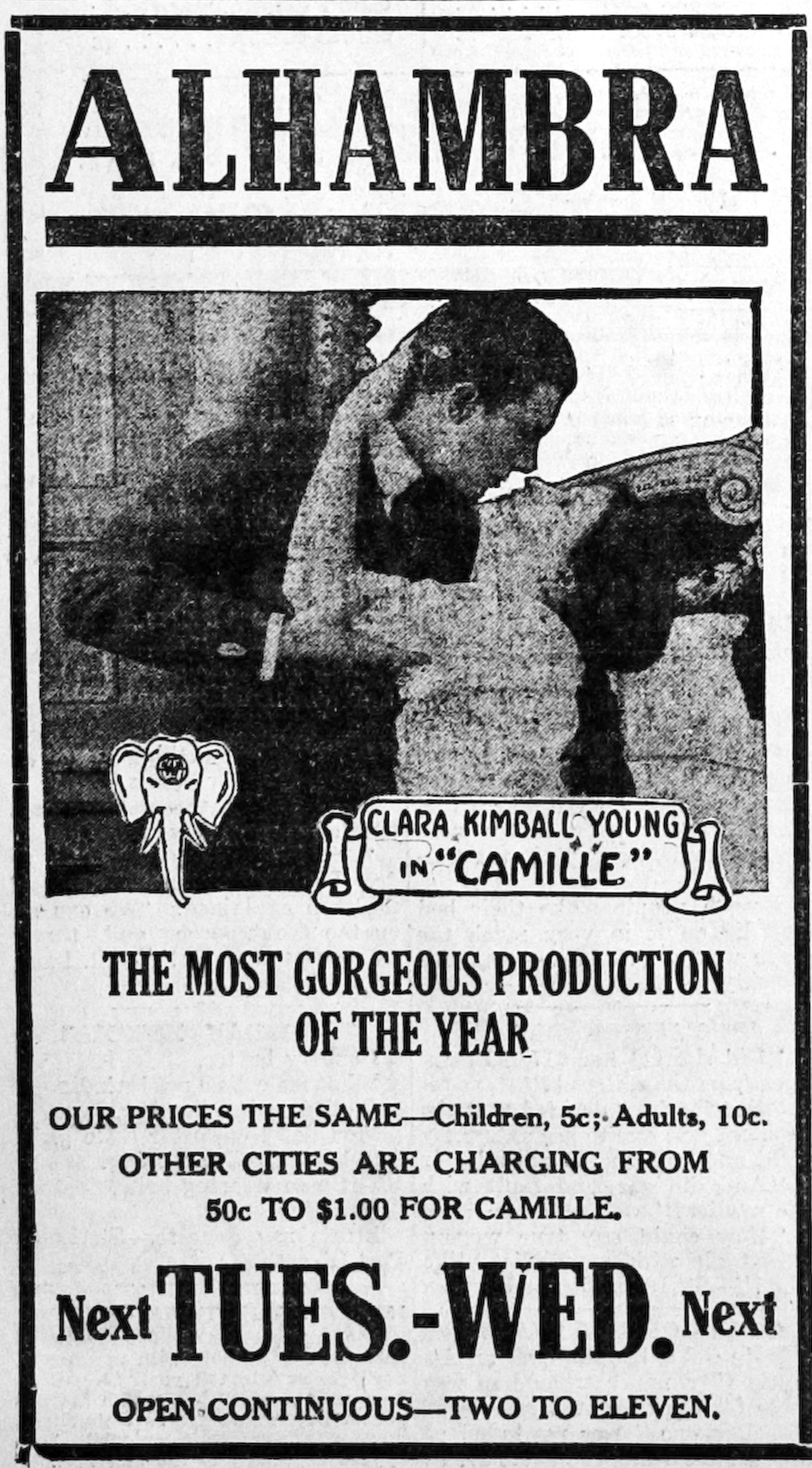
Dir: Albert Capellani
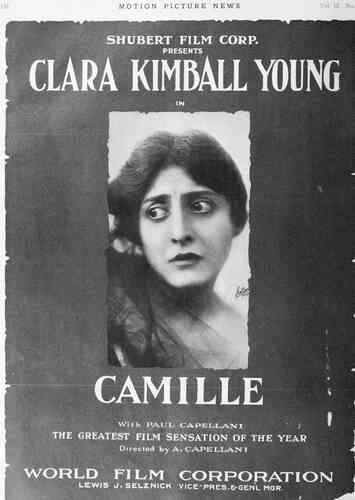
Marguerite Gautier, known as "Camille" on account of her fondness for camellias, is queen of the underworld. She has a wealthy lover in Count de Varville, whom, though he supplies her with plenty of money, she does not love in return. Her affections are set upon Armand, a young lawyer from the country. She suffers from her excesses, and the doctor warns her that she must change her mode of living, but she laughs at his advice. Armand's love for her renews her interest in life, and she goes with him and lives quietly in the country. But their happiness is short. Camille has had to sell her jewelry and horses in order to pay her debts, and, learning of this, Armand becomes suspicious. Armand's father, hearing of his son's attachment for Camille, demands that the woman should abandon Armand. For the sake of Armand's young sister, Cecile, Camille agrees to sacrifice herself and returns to her former life with Count de Varville. But Armand's love for Camille will not be suppressed. They meet again. He begs Camille to go away with him. She refuses. Armand accuses her of loving de Varville. The two men meet and quarrel. There is a duel, and Armand wounds de Varville. Armand learns that Camille always loved him and that her aim was to please the father by preserving Armand's family's good name. In the end Camille dies with a smile on her lips and expressing her love for Armand.
View Details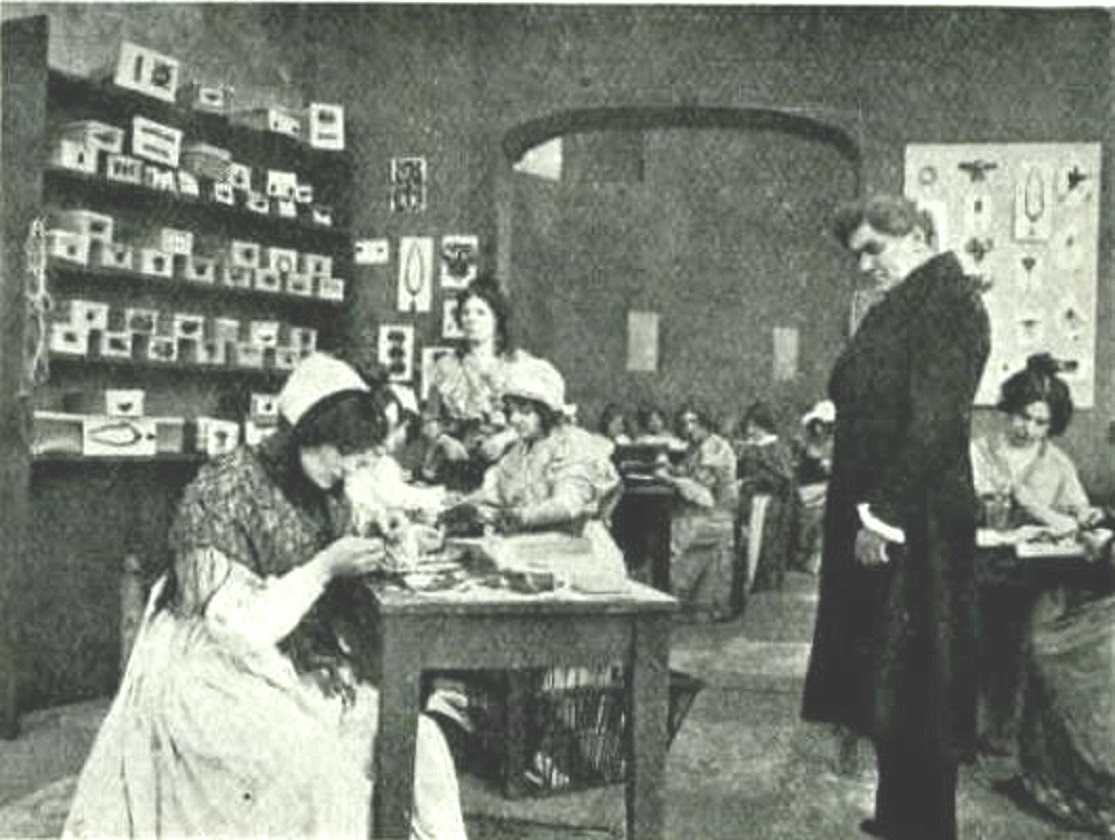
Dir: Albert Capellani
Jean Valjean, guilty of a minor theft of food, is pursued and hounded for years by a relentless lawman, Javert.
View Details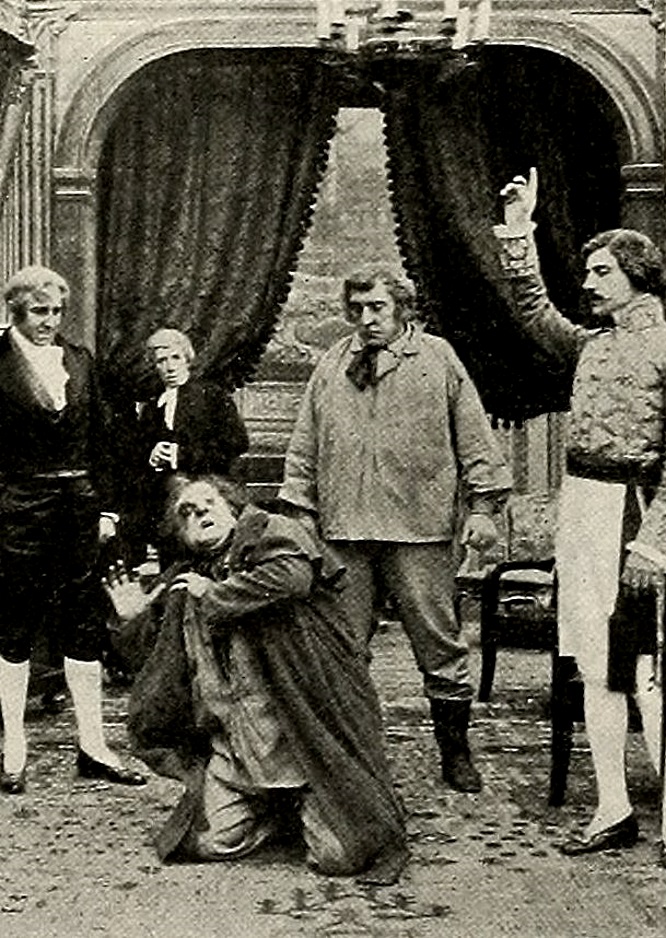
Dir: Albert Capellani
The Archduke Rodolphe d'Illyrie is secretly united to Countess Sarah Mac Gregor and they have a daughter together. The young woman learns that her father-in-law is potting to have the marriage annulled so she writes her brother to ask him to get rid of the old man. When her letter is intercepted, she leaves her child in the care of farmers near Paris and escapes to America. The Archduke finds the whereabouts of his daughter but he finds the house has been destroyed by a criminal fire and figures that she died. He sets out to find his daughter's murderers and meets the evil Schoolmaster and his friend la Chouette. They actually hide the child, that they call Fleur de Marie, and force her to beg for their profit.
View Details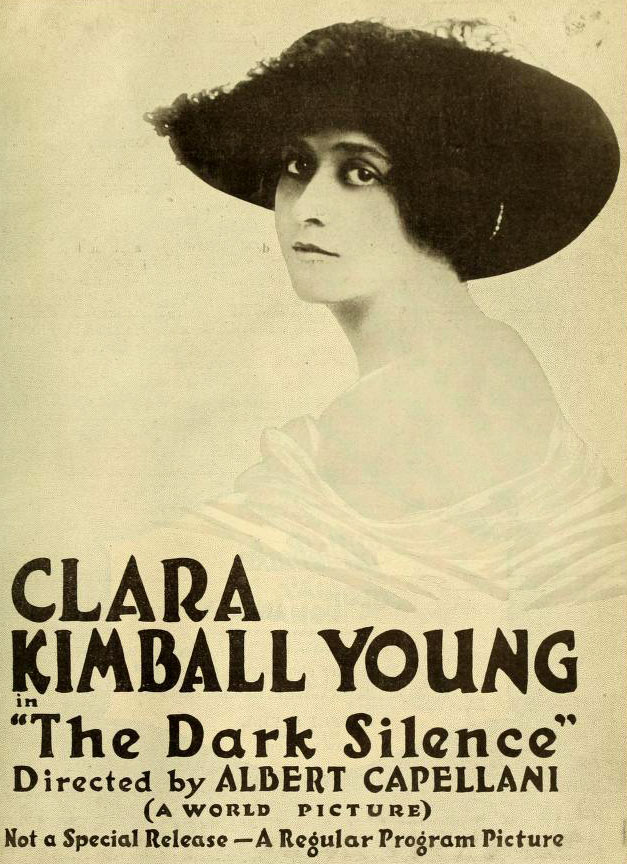
Dir: Albert Capellani
Mildred White becomes romantically involved with both Derwent Ainsworth and Dr. Mario Martinez while in Paris. She prefers Derwent, but when he leaves suddenly to see his dying father, Mario convinces Mildred that he has deserted her. When World War I begins, Derwent returns for Mildred, but upon learning that she is leaving Paris with Mario, he enlists in the army. Mildred discovers Mario's initial deception and joins the Red Cross to be near Derwent, who is blinded in battle and then tended to by Mildred. Unaware of the true identity of his nurse, Derwent falls in love with her, and the two are soon married. Mildred then prevails upon Mario to perform a special operation on Derwent's eyes. His vision restored, Derwent realizes that Mildred has returned to him, while Mario, after helping his former rival, dies in battle.
View Details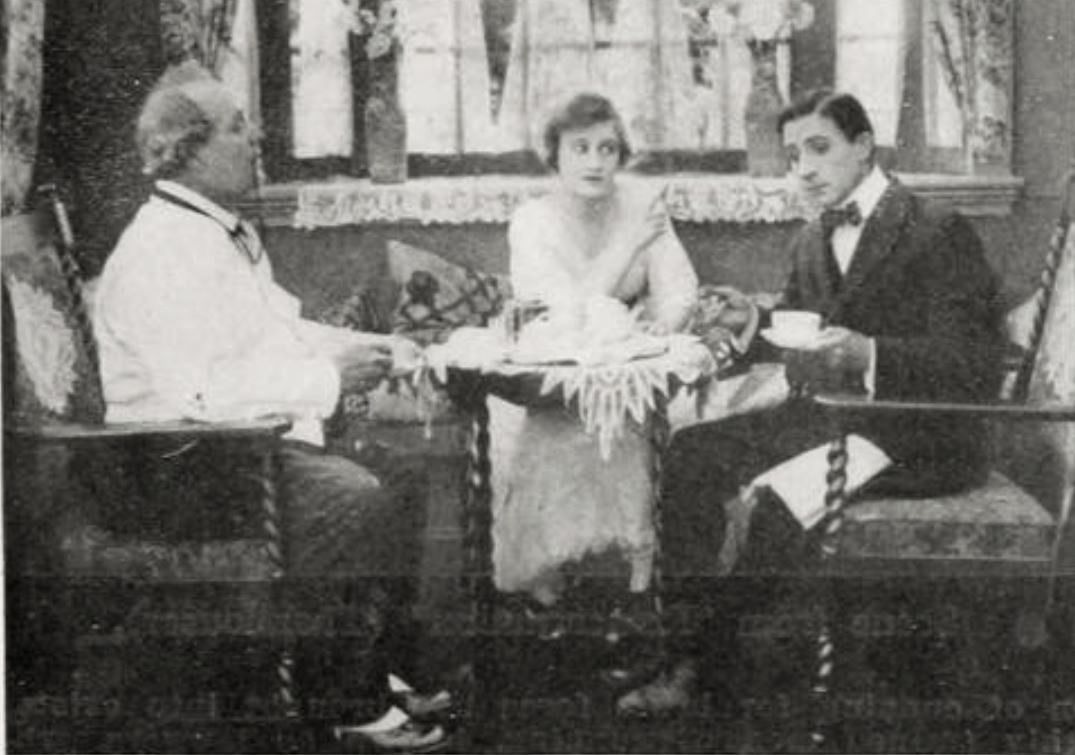
Dir: Albert Capellani
Sir Anthony Gregson, Bart., a wealthy mine owner, is unpopular with his employees, because of his unreasonable temper and lack of sympathy. Sir Anthony has one son, Aubrey, a lovable young man, who has angered his father by refusing to follow the latter's dictation in the matter of his marriage. Sir Anthony also has a twin brother, whom he has not seen for years. The brother, who has humble associates, is known among them as "Blink." Blink is married to a gypsy girl, known as "The Tearer." Sir Anthony makes a sea trip to benefit his health. By chance the yacht anchors off the coast where Blink has his hut. Sir Anthony accepts his brother's invitation to call on him, and while at Blink's hut he has a stroke of paralysis, and dies. Blink changes clothes with Sir Anthony, and taking advantage of his striking likeness to the other man, impersonates him. He proceeds to the yacht, taking "The Tearer" with him, pretending she is Miss Gibson, his trained nurse. Blink, as Sir Anthony, sails homeward with his "trained nurse." The first thing he does is to call on Mary Priestly with Miss Gibson. Miss Gibson tells Mary that she wishes to marry Sir Anthony, but will not take this step without first getting the consent of Aubrey. Sir Anthony (Blink) is apparently reconciled to his son and gives him his consent to marry Mary. Aubrey, of course, gives his consent in return. The troubles in the mines have reached a climax. The men have struck because of small wages and unsafe equipment. The men are enraged against Sir Anthony. To quell the disturbance, Blink, as Sir Anthony, agrees to look over the mines and investigate. This he does, taking Aubrey and Miss Gibson with him. After he investigates, he orders that new and safe equipment shall be bought, and that the miners' wages shall be raised. All this while Gouger, the friend of Blink in his former life, has been trying to see the man he thinks is Sir Anthony. Having found Sir Anthony dead in Blink's hut, he thinks that Sir Anthony has killed Blink and eloped with "The Tearer." Gouger is eager for revenge. He finds "The Tearer" and says that he wishes to have an interview with Sir Anthony. "The Tearer" (Miss Gibson), frightened for Blink's life, keeps putting Gouger off. At last, however, Blink (Sir Anthony) agrees to see him. Aubrey, Mary and Miss Gibson are in the room. To satisfy Gouger it is necessary for Blink to disclose his identity before Aubrey. This, of course, satisfies Gouger. Aubrey does not mind, as he has grown to love Blink. Blink again marries "The Tearer" for appearance's sake, and Aubrey marries Mary Priestly.
View Details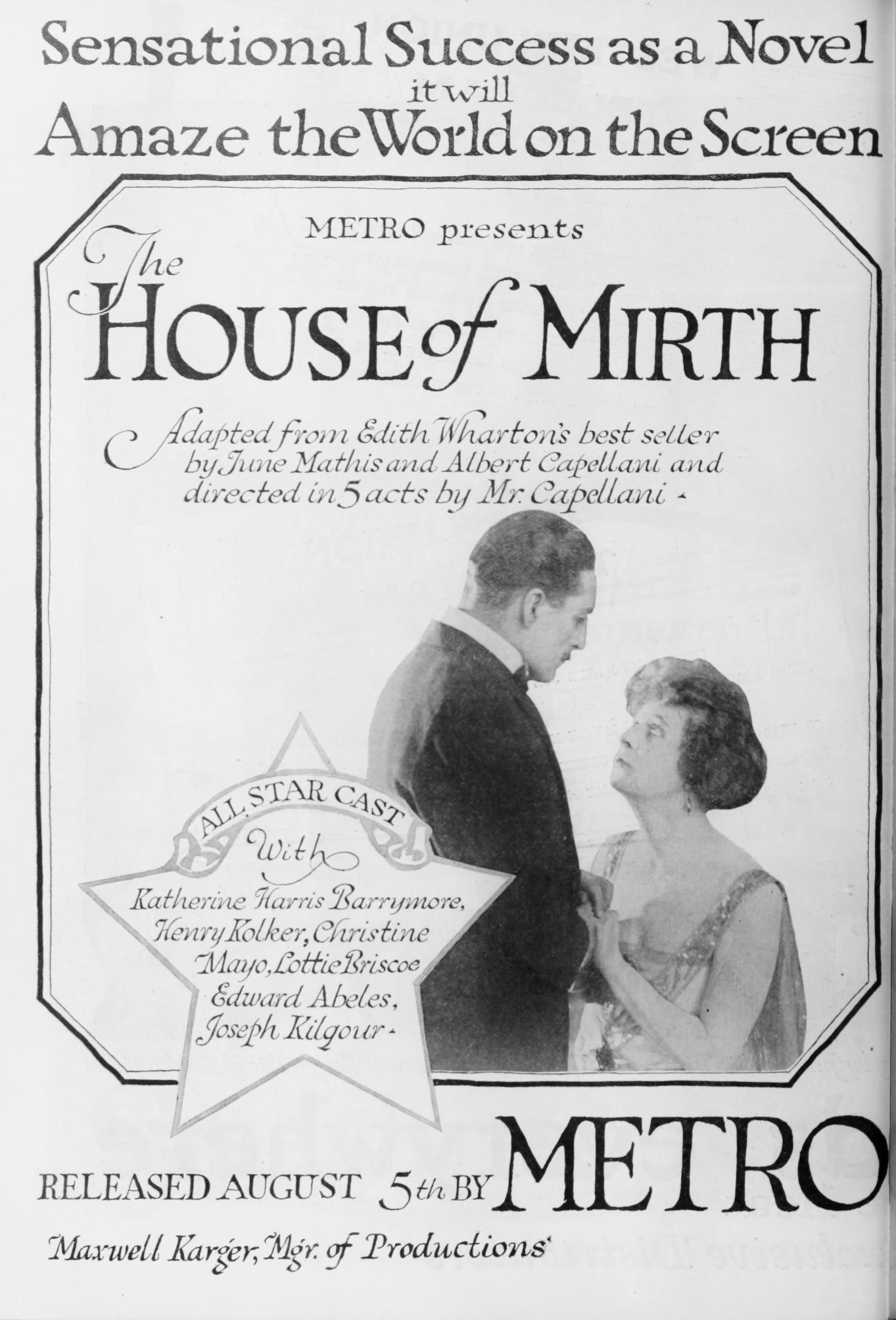
Dir: Albert Capellani
Lily Bart loves Lawrence Selden, a lawyer of moderate means, but she is also pursued by Simon Rosedale, a wealthy businessman, and Augustus Trenor-Dorset, a married man. When Dorset's wife Bertha announces that she is going to the country (although she really plans to meet Ned Silverton, with whom she is having an affair), Dorset asks Lily to dine at his home. Alone with him at the house, she rejects his advances, but when Mrs. Dorset returns, she publicly insults Lily, forcing her to move to another town. Lily's aunt dies and leaves her penniless, whereupon she reluctantly begins to seek employment. She is about to kill herself when Selden, who has never stopped loving her, enters the room and convinces her to marry him.
View DetailsAnalysis relative to The Feast of Life
| Film Title | Atmosphere | Complexity | Similarity |
|---|---|---|---|
| The Common Law | Ethereal | Layered | 92% Match |
| The Easiest Way | Gritty | High | 92% Match |
| The Flash of an Emerald | Gothic | Abstract | 93% Match |
| Les misérables | Surreal | Layered | 92% Match |
| Camille | Gritty | Abstract | 91% Match |
This guide was algorithmically generated using the cinematic metadata of Albert Capellani's archive. Last updated: 6/26/2026.
Back to The Feast of Life Details →