
DbcultAccessing Vault...
Recommendations
Senior Film Conservator
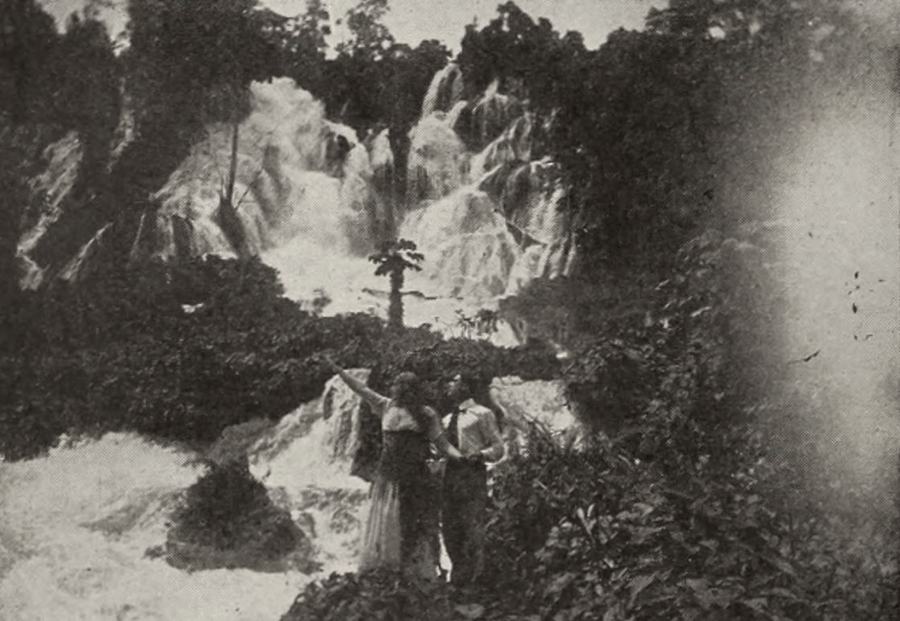
For cinephiles who admire the artistic bravery within The Flame of Passion, its lasting impact ensures that its spirit lives on in modern recommendations. Each of these movies shares a piece of the artistic bravery that made The Flame of Passion so special.
At its core, The Flame of Passion is a study in to provoke thought and inspire awe in equal measure.
William Lanyon, a West Indian planter, dies and leaves all his estate to his nephew, Dick Lorient, a New York society rounder, who is engaged to be married to his cousin, Dulcie Lanyon. Dick leaves to inspect his property and John Stark, the overseer, to whom the estate has been left in the event of Dick's death, conspires to gain possession of the property. In Jamaica, Dick meets the "Woman," and in the Flame of Passion, passes through rushing waters and fires of hell. How he escapes the siren's deadly fascination and the villainous scheming of Stark is depicted herein.
The Flame of Passion was a significant production in United States, bringing a unique perspective to the global stage. It continues to be a top recommendation for anyone studying cult history.

Based on the unique artistic bravery of The Flame of Passion, our vault has identified these titles as the most compelling follow-up experiences for fans of cult cinema:

Dir: Tom Terriss
Due to her parents' coldness and constant struggle for social recognition, Marcia Van Arsdale grows into womanhood despising love. When mine owner Robert Jardine comes to New York, he causes the near bankruptcy of Marcia's father by manipulating the copper market. Marcia's parents bring about a marriage between their daughter and Robert, although Marcia makes it clear that she can never love. Marcia gives birth to a baby boy and is indifferent to the child until he is kidnapped one day. Marcia realizes her heart is filled with maternal love and also confesses her love for Robert. Christmas Eve brings only sadness to the Jardine home until Robert confesses that he arranged the kidnapping to kindle Marcia's emotional spark. The child returns to a happy family.
View Details
Dir: Tom Terriss
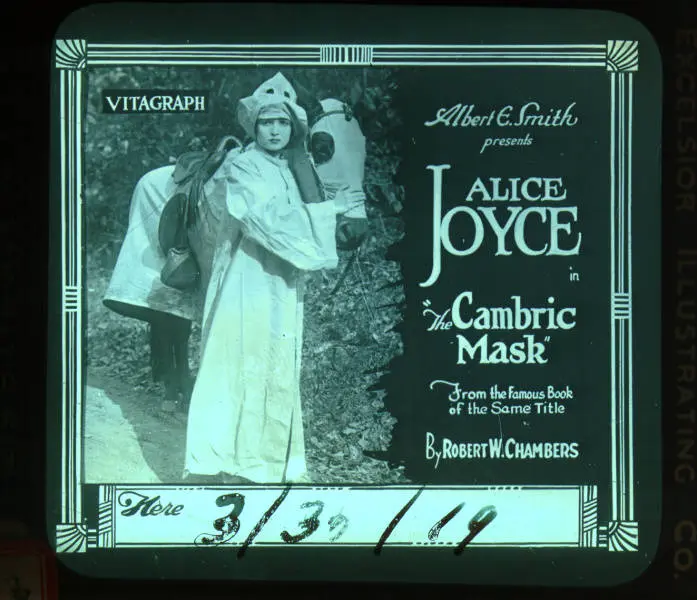
John Sark is the owner of a piece of land coveted by Henry Murden, leader of the band of "White Riders," who has purloined the information that a railroad wishes to buy the property. Sark is a naturalist and has for an assistant Rose Ember. He discovers one of the rider's masks which is made of one of Rose's handkerchiefs, and this introduces a mysterious element into the love affair. The mask belonged to her father. The riders try to force Sark's hand, but are obliged to capture him. Rose, seeing Sark lead away, dons a mask and riding close to his horse, cuts his bonds. Sark kills Murden, and, finding that his savior was Rose, is once more happy in his love. - Moving Picture World 1919.
View Details
Dir: Tom Terriss
To keep his social-climbing wife and daughters in the lifestyle to which they are accustomed, wealthy George Hunter makes some large investments in the stock market, but the stocks crash and he loses a great deal of money. His wealthy aunt offers to bail the family out, but complications ensue.
View Details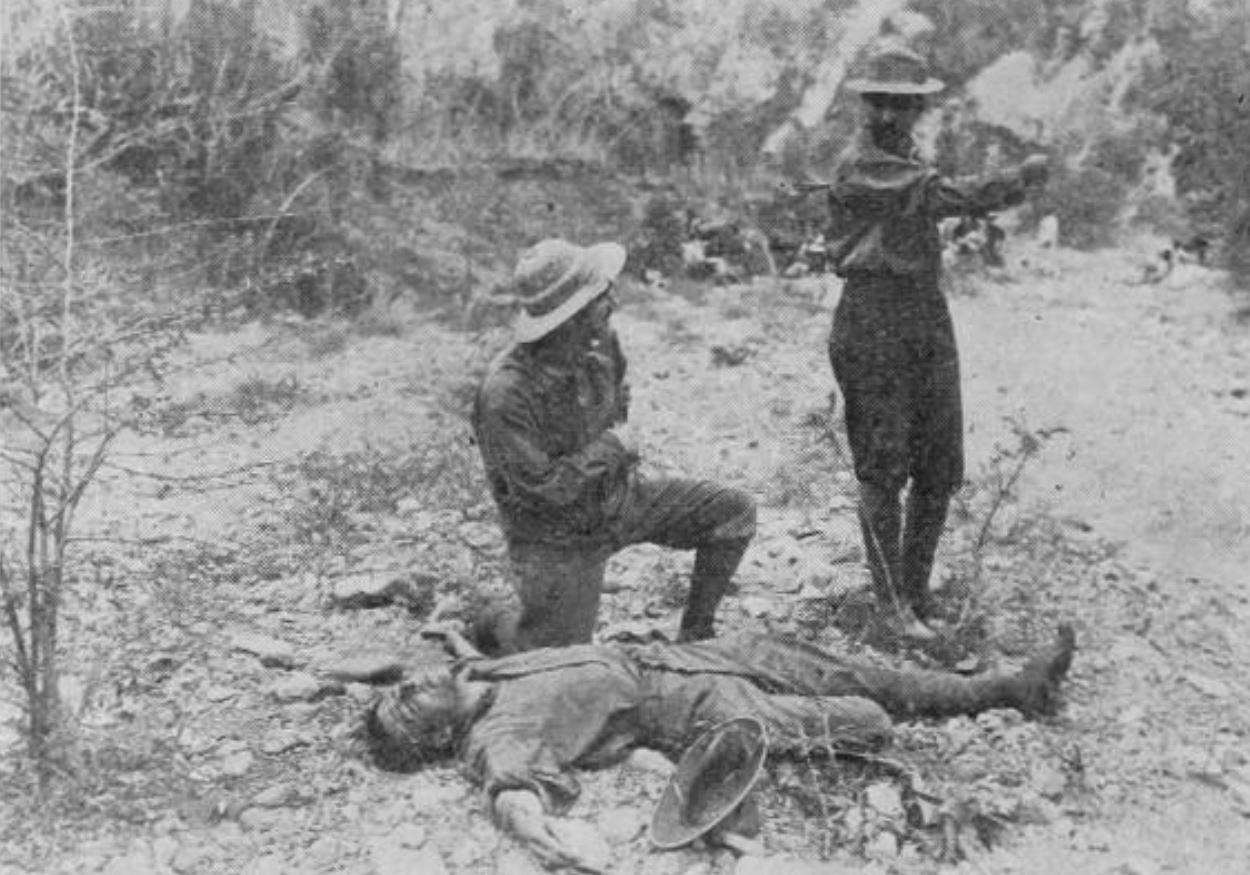
Dir: Tom Terriss
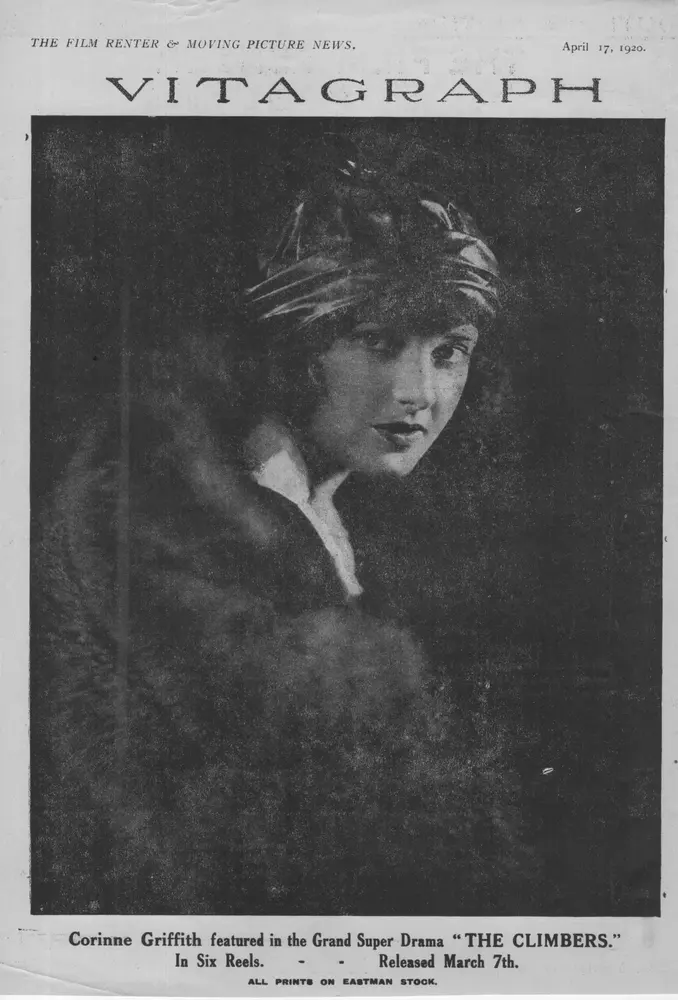
Raoul Mendoza, a famous swordsman, in order to save his daughter from the temptations of Paris, sends her to the tropical South of France, to live with an old lighthouse keeper and his wife and son. Sometime later Mendoza is stricken with illness and is advised by his doctor to take a complete rest and an immediate change of air. Mendoza decides to join his daughter in the south. Through cunning, Marquise de Bregant secures an invitation from Mendoza to join in the trip and he accepts. Meanwhile, Caprice, the daughter of Mendoza is, quite unknown to her, loved by Jean, the son of Charcot, the old lighthouse keeper. She is also worshiped by Hannibal, an assistant at the lighthouse to Charcot, a mysterious man who was picked up on the sands, shipwrecked and never regained his memory. Mendoza and Bregant arrive at the village and Caprice is at once attracted by Bregant. Jean is jealous, and Hannibal, when he meets Bregant, almost awakened out of his dormant lethargy, behaves in a peculiar fashion. Juliette, having followed Bregant, arrives and meets him secretly. Caprice takes Bregant over the lighthouse. There is a little lovemaking which Hannibal sees and attacks Bregant in spite of the pleadings of Caprice. During the struggle Bregant recognizes Hannibal. Bregant makes arrangements with Caprice to elope. Hannibal finds out all, tells Mendoza, but he disbelieves him. Hannibal leaves and while gazing out of the window, Bregant passes. An old negro in his way begs alms. He knocks him down; the negro rises and he fells him again and beats and kicks him mercilessly as he lies on the ground. The fight partly restores Hannibal's memory, and he returns to Mendoza and reveals the hidden past. Two men went to South America on an exploring expedition, one was the Marquis de Bregant, the other Count Chambord. They were very successful, but particularly Chambord, who located gold mines. Bregant was, in consequence, exceedingly jealous. One day Bregant beat an old porter into insensibility. Chambord interfered, but was soon felled by Bregant, who took the latter's papers and returned to France, where he was acclaimed with high honors, giving out that poor Chambord died of fever. In the meantime, Chambord was nursed back to life by the natives, but his memory never returned and he eventually found himself upon a ship as a sailor until wrecked upon the shores of the South of France, where he remained as assistant lighthouse keeper to Charcot. As he finishes the story, Jean rushes in with the news that Bregant had gone off in his yacht and taken Caprice with him. The shock of such news is too much for Mendoza, and he is stricken with paralysis. Meanwhile, Caprice, who only consented to leave with Bregant under the promise of marriage on the boat, Bregant having told her that he had the minister, discovers that it is all a fraud. He fails in his attempt to drug her, and when he leaves to procure assistance, she locks herself in a cabin. When they reach port, Caprice escapes with the captain's assistance. Meantime, Jean, who has come to Paris in search of Caprice, by chance, one day, meets her. He persuades her to return to her father, who forgives her for her actions. Jean locates Bregant one night in a restaurant with his paramour, and a duel is arranged for the next day. Mendoza's prayer for the return of his strength is answered, and he swears vengeance upon his enemy. In the morning Bregant arrives in the woods to fight Jean, but to his horror and amazement, he meets Mendoza. Realizing he is doomed, he tries to avoid a fight, but is forced to it, and after a very thrilling encounter he is killed. Mendoza, Caprice and Jean then leave Paris forever to settle in the beautiful spot where Caprice spent her childhood days.
View Details
Dir: Tom Terriss
The story is of Angelina Allende, who is left an orphan by the suicide of her father, a real-estate visionary who has beggared not only himself but his friends in a vain attempt to "boom" the deserted hamlet of Anne's Bridge. Receiving news of his death, Angelina returns home, where she is presently inveigled into a trip to New York by two men, one of whom wants the property and the other of whom wants Angelina. In a restaurant scene which follows, Bink, the elder of the conspirators, makes advances to Angelina, is repulsed and then is shot by Wolver his fellow conspirator. The police enter, Angelina is accused of the shooting, and she is sentenced at length to a three-years' term in a home for delinquent girls. Emerging at the expiration of her sentence, she returns to Anne's Bridge. Here, in the lonely days that follow, she advertises for boarders and is at last rewarded by the appearance of James Deane. It is here that the love story begins; and it progresses until Angelina is cleared, through Deane's efforts, and, finally, is free to marry him. - New York Dramatic Mirror, November 10, 1917.
View Details
Dir: Tom Terriss
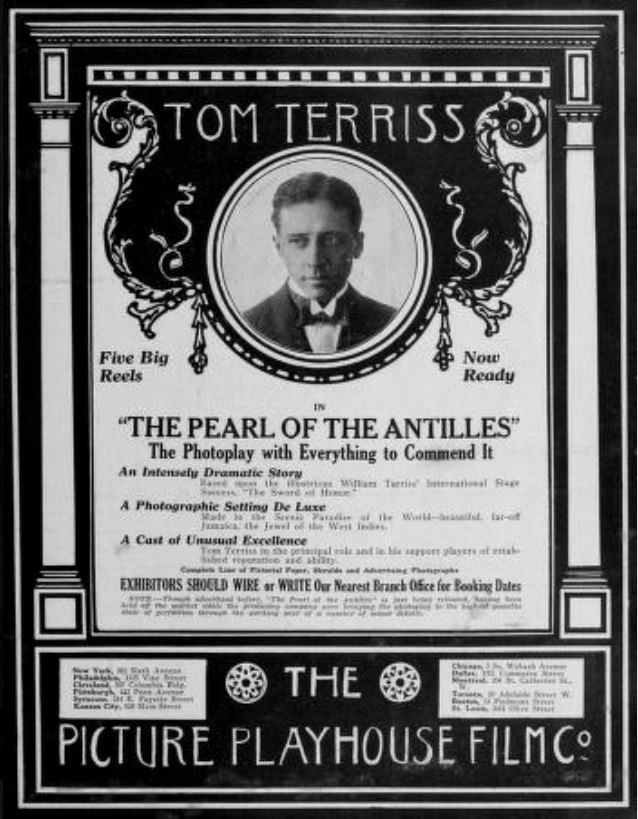
Frank Draper, a patriotic young American, has invented the most wonderful explosive in the world which he intends giving to the United States. In defending a pure girl from the machinations of an enemy, he is involved in a serious crime which sends him, an innocent man, to prison. Angered at this interruption to their plans and desirous of obtaining the explosive for a foreign government, international spies connive successfully at Draper's escape. They then hold him a prisoner and the young patriot is given the choice of sacrificing his own life or that of his country. He chooses the preservation of the latter, and his sands of life have almost run out, when trapped and bound, he is rescued at the eleventh hour. Thankfully acknowledging his escape and returning to freedom, he gives to his country a wonderful weapon of preparedness and together with the nation's thanks, he receives the love of the girl he once defended.
View Details
Dir: Tom Terriss
The opening picture finds Edith (Alice Joyce) in prison where she has been for the last three years. She is a widow and her baby has been placed in an institution. She is paroled, finds her child and steals him from the asylum. After wandering around she finally obtains a position in a department store, where Jim Roberts, superintendent, falls in love with her. They are married, but she fails to tell him of her past. Mabel, also freed from prison, demands that Edith join with her and her side partner in a crime, under threat of exposing her past to Jim. Jordan, a friend of Jim's visits them. He is a detective, and recognizes Edith as a former thief. Further to involve her, Mable, hiding from the police, forces Edith to give her refuge in her home, where she immediately proceeds to steal everything in sight, money being her particular passion. Jordan tells Jim he is harboring a thief and he tells Edith she must leave, but Edith, still fearing Mabel, confesses to the theft of money and Mable is allowed to stay. The two men then plan to trap Mable by placing $400 in a desk. As Edith takes the money from the desk, lights are flashed on and she stands before the two men as the thief. The distracted girl now tells her husband of her first theft to save her baby and of her present attempt to keep her past from him. The men have a battle, the detective gets badly beaten up, but is moved by her great courage, gives her back to Jim and the child and through his efforts she obtains a free pardon. - Review from Variety, May 10, 1918.
View Details
Dir: Tom Terriss
John Burkett Ryder, "the richest man in the world," determines to discredit a judicial decision which works against the interest of his millions by discrediting its author, Judge Rossmore, and causes impeachment charges to be laid against him in Congress. The judge's daughter Shirley Rossmore, learns of his trouble and returns home from Paris, where she has won success as a writer. She is loved by Jefferson Ryder, son of the magnate who is slowly killing her father. Determined to force the millionaire's hand, she publishes "The American Octopus" under a pseudonym, using Burkett's character as the central figure. He is attracted by the book and brings Shirley, whom he knows as Sarah Green, to his home to write his biography. This is the opportunity she is seeking, as it gives her a chance to obtain the two letters which will clear her father's name. Jefferson Ryder helps her secure the desired papers, but his father catches him and denounces him as a thief. Shirley, who loves Jefferson, cannot stand to see him so branded and confesses her identity to his father. The "Lion" had long since been won by the charm of the "Mouse," and the story is cleared up in pleasing style. - Moving Picture World 1919.
View Details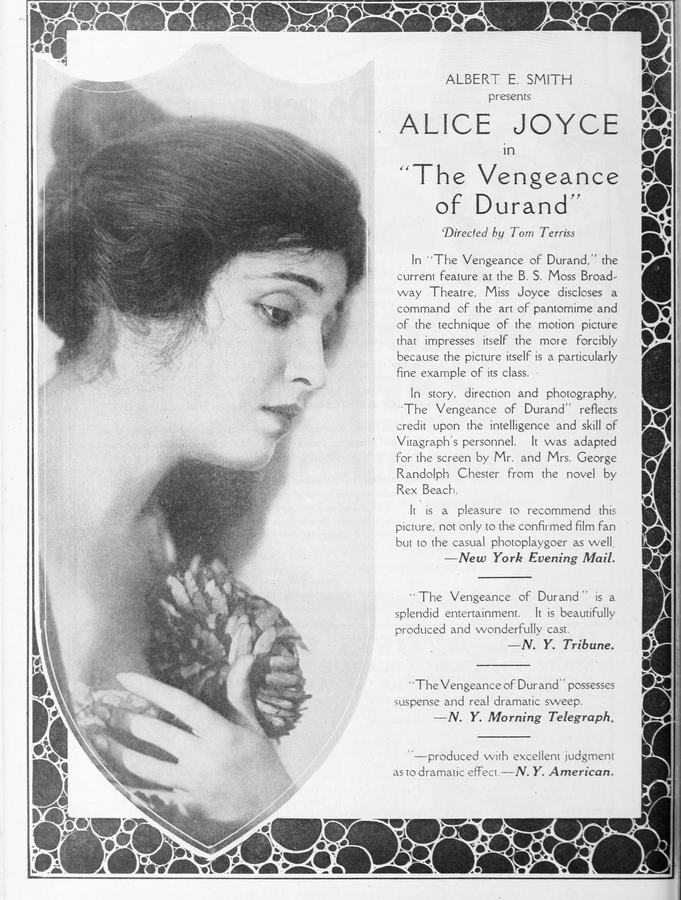
Dir: Tom Terriss
Henri Durand of the French nobility is insanely jealous of his beautiful American wife Marion's innocent conversations with her many male admirers. Durand provokes her suicide when, egged on by a rejected suitor of Marion's, he accuses her of having illicit relations with her visiting childhood friend, Tom Franklin. Twelve years later, when Tom returns after a long expedition, the vengeful Durand coaches his daughter Beatrice, who resembles Marion, to court Tom. After they become engaged, Durand forces Beatrice to flirt with other men, but when Tom, overcome with jealousy, is about to kill himself, Beatrice admits her real love for him. Durand is at first furious with Beatrice's supposed betrayal, but he is pacified when he receives a confession from Marion's refused suitor that absolves Tom of any guilt. Durand then permits the marriage of Beatrice and Tom.
View Details
Dir: Tom Terriss
Maurice Dumars, a journalist, is enamored of Madeline Renard of a French opera company. She is to sing Marguerite in Faust and induces Monsieur Morin, a gold worker, to make a past replica of a string of pearls, which belong to her mother and which is worth $20,000, for the great jewel aria. Morin makes the counterfeit gems, and the next day is found dead. The $20,000 which Mr. Morin received from Madame Thibault to invest for her is missing from his effects but a note from him to Madeline which is found saying he had done her a great favor in making the jewelry casts suspicion upon the opera singer. When she makes her appearance as Marguerite in Faust she is hissed, and she tells of her business relations with M. Morin and of her mother's jewels. Simultaneous with her leaving the convent a year or so later, where she had gone to seek refuge, Dumars finds pinned on the walls of Mme. Tibault's inn the $20,000 in bank notes which M. Morin had given her and which she had carelessly left there . With the mystery cleared, Madeline is again sought by Dumars and all who had done an injustice. - Moving Picture World.
View DetailsAnalysis relative to The Flame of Passion
| Film Title | Atmosphere | Complexity | Similarity |
|---|---|---|---|
| The Spark Divine | Gritty | Layered | 85% Match |
| The Cambric Mask | Gothic | Layered | 96% Match |
| The Climbers | Gothic | Linear | 96% Match |
| The Pearl of the Antilles | Tense | Linear | 95% Match |
| The Fettered Woman | Gritty | High | 88% Match |
This guide was algorithmically generated using the cinematic metadata of Tom Terriss's archive. Last updated: 6/21/2026.
Back to The Flame of Passion Details →