
DbcultAccessing Vault...
Recommendations
Senior Film Conservator
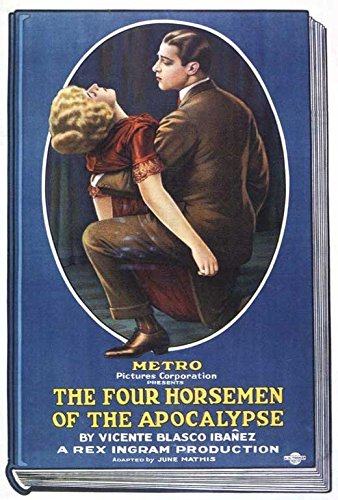
Ever since The Four Horsemen of the Apocalypse hit screens in 1921, fans have sought that same emotional resonance, it's essential to look at the contemporaries that shared this emotional resonance. Prepare to discover your next favorite movie in our hand-picked collection.
Whether it's the emotional resonance or the thematic depth, this film to leave an indelible mark on the history of United States film.
An extended family split up in France and Germany find themselves on opposing sides of the battlefield during World War I.
Critics widely regard The Four Horsemen of the Apocalypse as a cult-favorite piece of Romance cinema. Its emotional resonance is frequently cited as its strongest asset, solidifying its place in United States's film legacy.
Based on the unique emotional resonance of The Four Horsemen of the Apocalypse, our vault has identified these titles as the most compelling follow-up experiences for fans of Romance cinema:

Dir: Rex Ingram
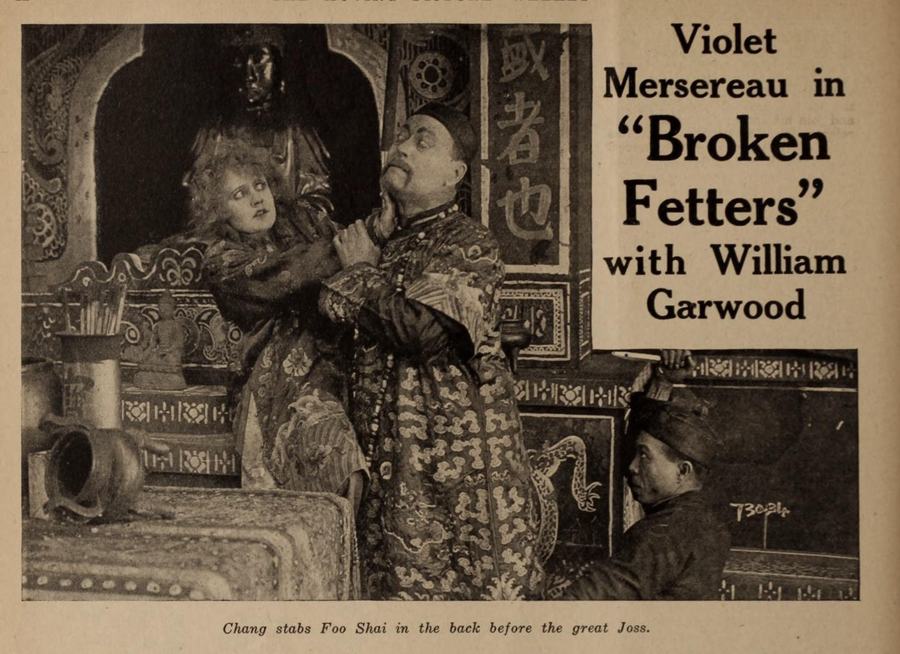
An American diplomat in China is murdered, and a wealthy Chinese friend of the family raises his daughter Mignon. When she grows up, she wants to return to the U.S. and is tricked into accompanying slave trader Foo Shai to New York. Once there, however, Foo Shai keeps her captive and abuses her. Local artist Lawrence falls in love with her, but he cannot free her from Foo Shai's clutches. It is up to her friend Chang to try to help her.
View Details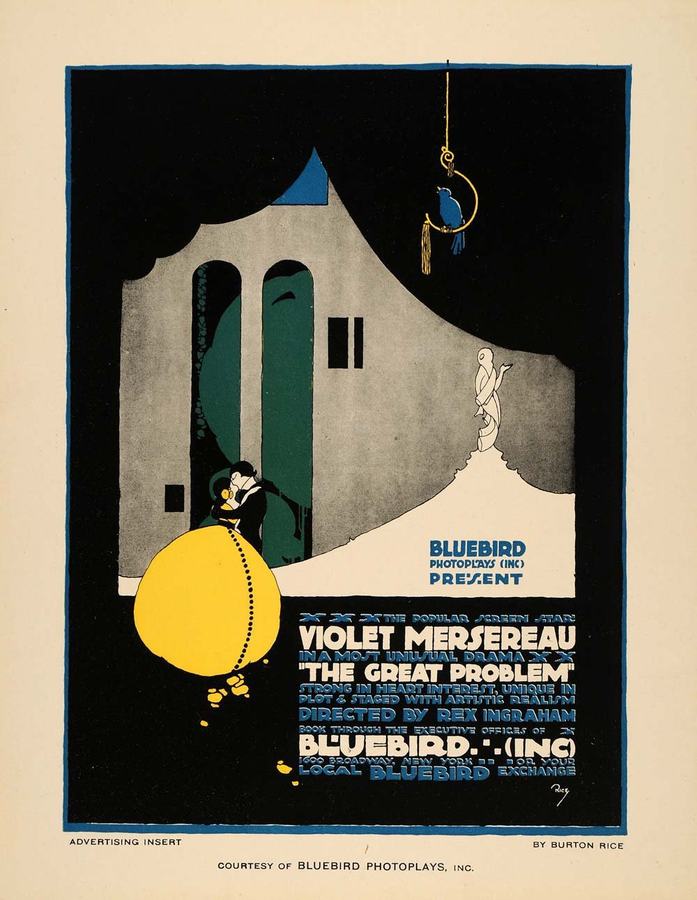
Dir: Rex Ingram
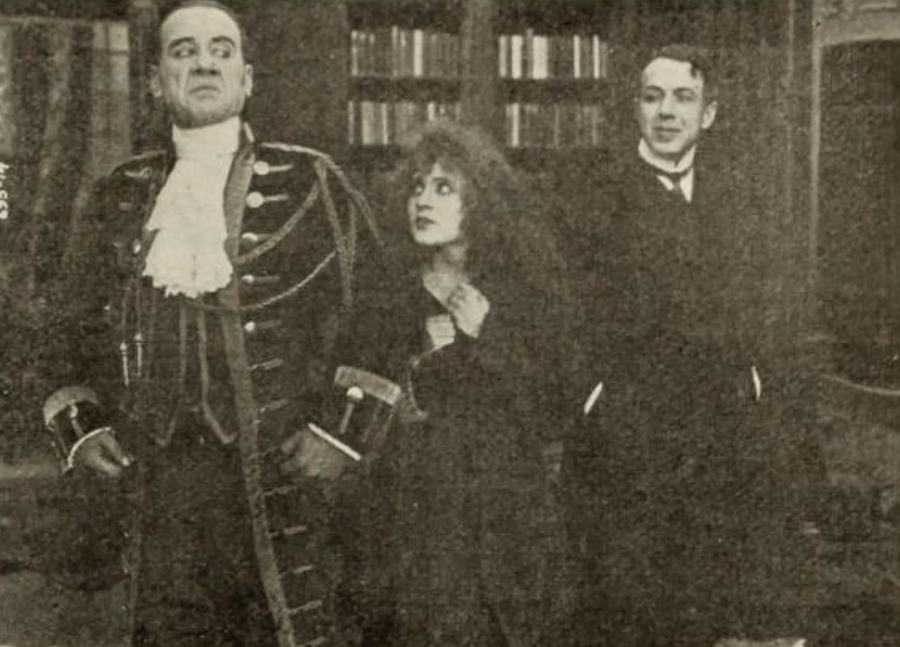
Bill Carson is sentenced to 12 years for housebreaking. He vows that he will, upon ending his term, have vengeance upon George Devereaux, the prosecuting attorney whose speech swayed the jury to conviction. Carson's little daughter Peggy is being raised by his pal Skinny McGee; the mother died of shock after Carson's conviction. When Skinny dies, the girl Peggy turns to picking pockets for a livelihood, Skinny having brought her to proficiency in this line as her only education. There is a scene pictured in the board rooms of a reform organization. Devereaux accepts a challenge that he cannot take a criminal and reform him by improved and beneficial surroundings. Peggy is brought into a police station on charge of picking pockets, and is chosen to be the one upon whom Devereaux shall practice his experiment. Taking her to his palatial home, Devereaux seeks for two years to train Peggy in the better way. His efforts are variously successful, and finally a young man proposes marriage to Peggy and is accepted. Upon arriving at the church Peggy discovers that she is in love with Devereaux, and flees from the wedding party in consternation. She decides to return to her old life, and departs from the Devereaux home without making her intentions known. About this time Carson ends his term of imprisonment. He seeks to conclude his vengeance by shooting Devereaux, and for that purpose waits for him to come from his house. Carson is hiding behind a tree, when he is recognized by Peggy and when, on the instant that Carson is about to fire a revolver at Devereaux, the girl throws herself before her father and receives in her own body the bullet intended for Devereaux. The story acquires its ending in the recovery of Peggy, the avowed reformation of her father, and the final picture shows Peggy once more established happily in the home where we are led to believe she will, in legal and ceremonial form, eventually become a permanent resident.
View Details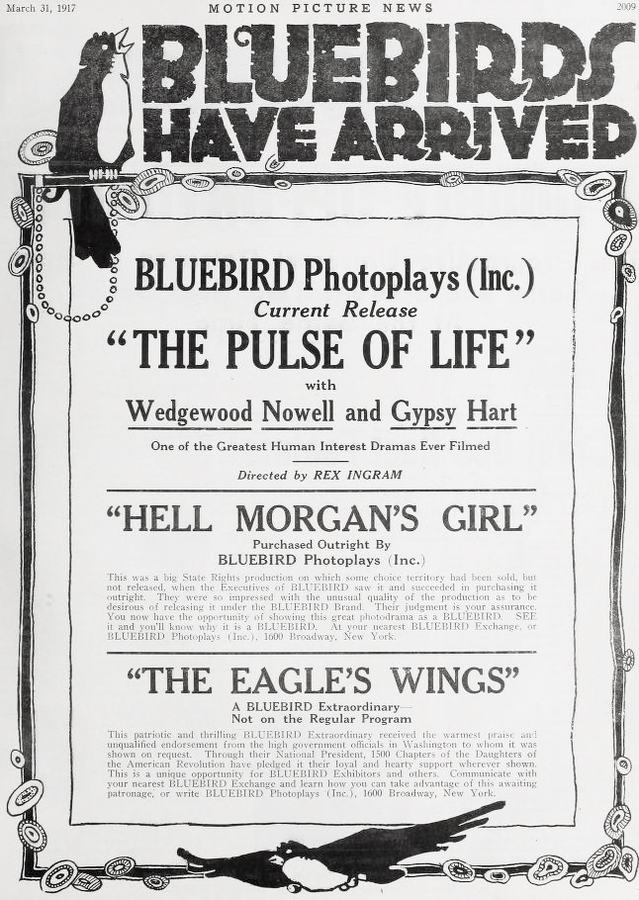
Dir: Rex Ingram
Melodrama of a young Italian lady induced to emigrate to New York where her patron abandons her. Her brother then follows, to avenge her dishonor, using a dagger belonging to an artist, who is incriminated.
View Details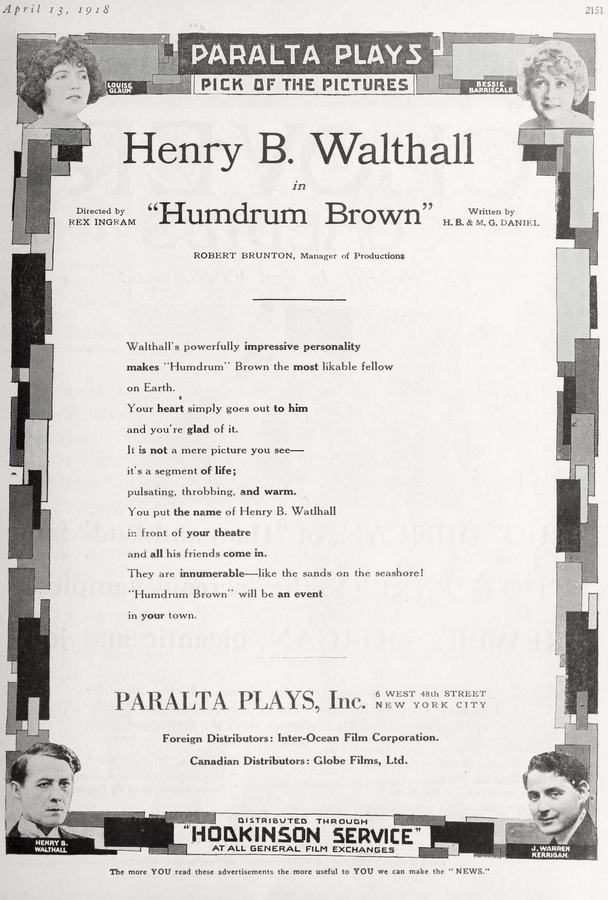
Dir: Rex Ingram
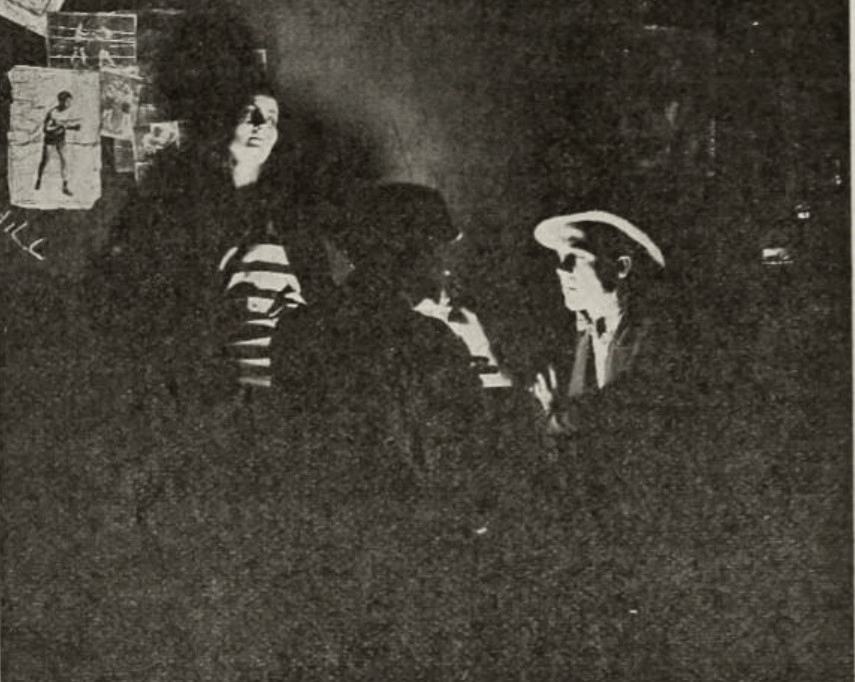
Hector Brown, affectionately nicknamed "Humdrum" by the residents of Norwalk because his life is so monotonous, wants to marry Alicia Boothe. Humdrum's brother-in-law Ed Danforth spends all of his money on get-rich-quick schemes, however, so the young bank clerk is forced to support the entire Danforth family. After Danforth and bank president Carlos Tanner rob the bank in which Humdrum is employed, the bank is forced to close, and Humdrum goes to San Francisco to look for a job. In his absence, Alicia inherits a large sum of money and travels to the city to find her fiancé. There she meets Tanner, who takes her money, promising to invest it for her. Having been double-crossed by Tanner, Danforth tells Humdrum the truth about the bank robbery and goes to the police. Humdrum catches the steamer on which Tanner is about to depart, holds the crook until the police arrive, and returns to the Norwalk bank with the stolen funds. He and Alicia marry following his appointment as president of the bank.
View Details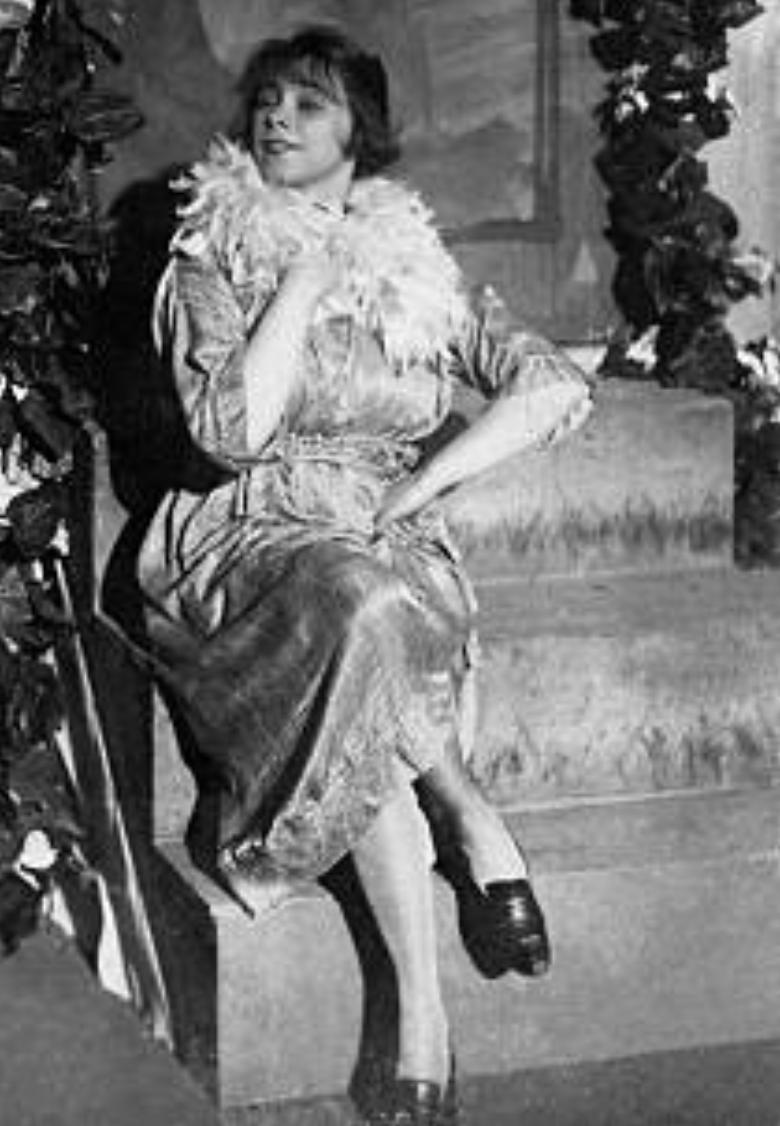
Dir: Bruno Ziener
A fascinating piece of cinema that shares thematic elements.
View Details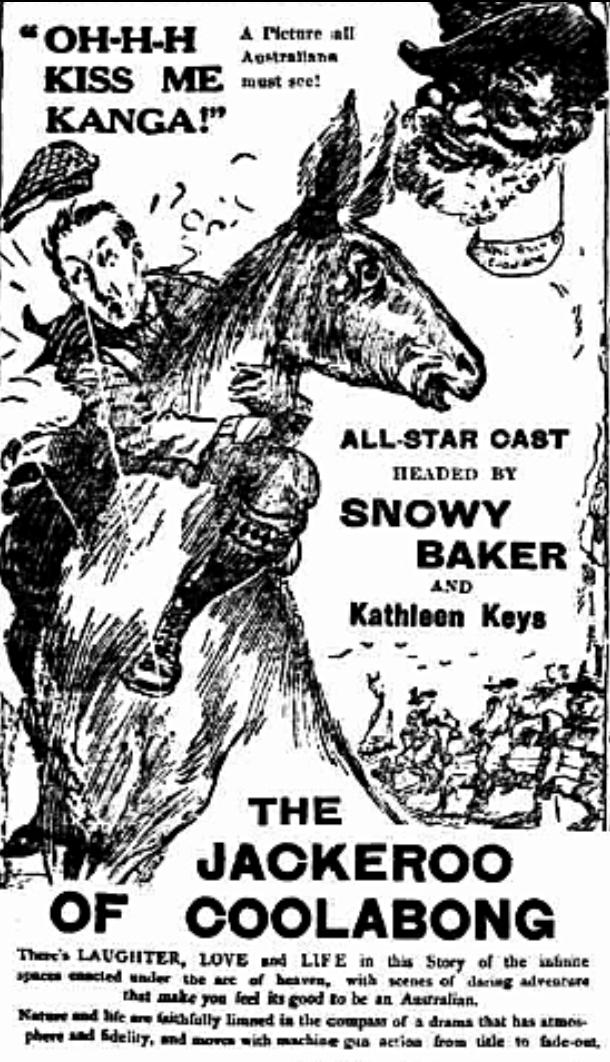
Dir: Wilfred Lucas
Brian O'Farrell (Snowy Baker), is an English 'new chum' who takes a job at an Australian cattle station. He is teased by station hands because of his appearance (including spats and a monocle) but he soon impresses them with his skills at riding and boxing. The station manager, John MacDonald (Wilfred Lucas), takes O'Farrell to Sydney to meet his daughter Edith (Kathleen Key) who is working in the slums. Edith is kidnapped by criminals after witnessing a crime but O'Farrell rescues her. It is later revealed he is the owner of the station.
View Details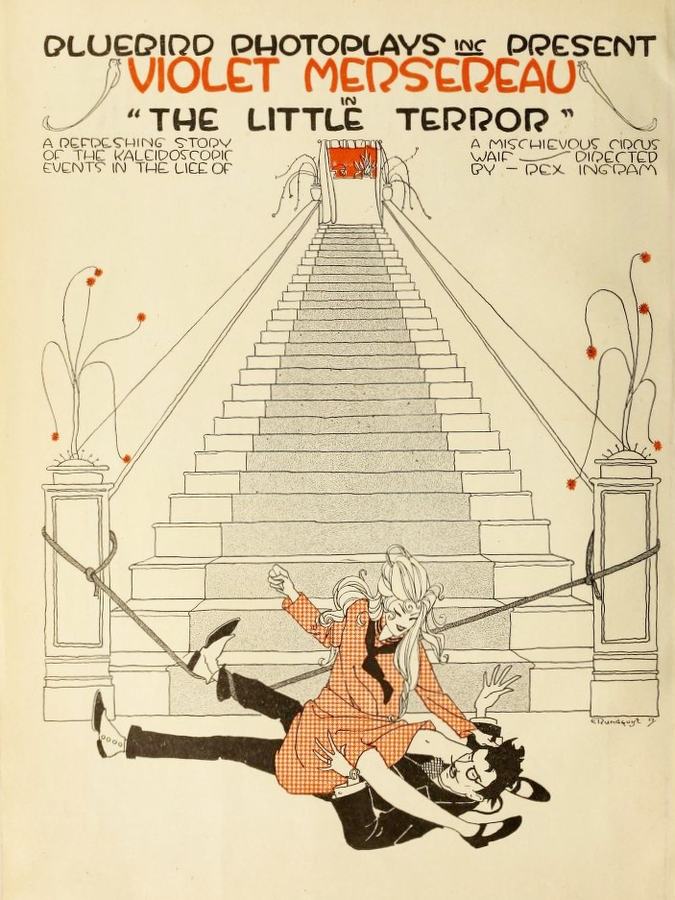
Dir: Rex Ingram
When millionaire John Saunders threatens to disinherit his son Wallace if he marries circus rider Queen Tina, Wallace elopes with Tina and becomes a trapeze performer. They lead a happy life until Tina dies giving birth to their daughter Alice. Years later, when the circus passes through Wallace's hometown, John, regretting his action, attends and witnesses Wallace's death by trapeze accident. Alice, now a circus rider herself, goes to live with John, who, despite Alice's antics involving her pet pig Rudolph, sliding down the stairs on a tray, and vaulting over the furniture, grows fond of her. When John tries to marry Alice to his sister's sissified son, she uses Rudolph to frighten him and his mother. After Alice and George Reynolds, whom she knew from the circus, fall in love and elope, John, thinking that George is after her fortune, is furious, but George proves his ability as a cartoonist and earns $1,000 a week to win John's admiration.
View Details
Dir: Robert N. Bradbury
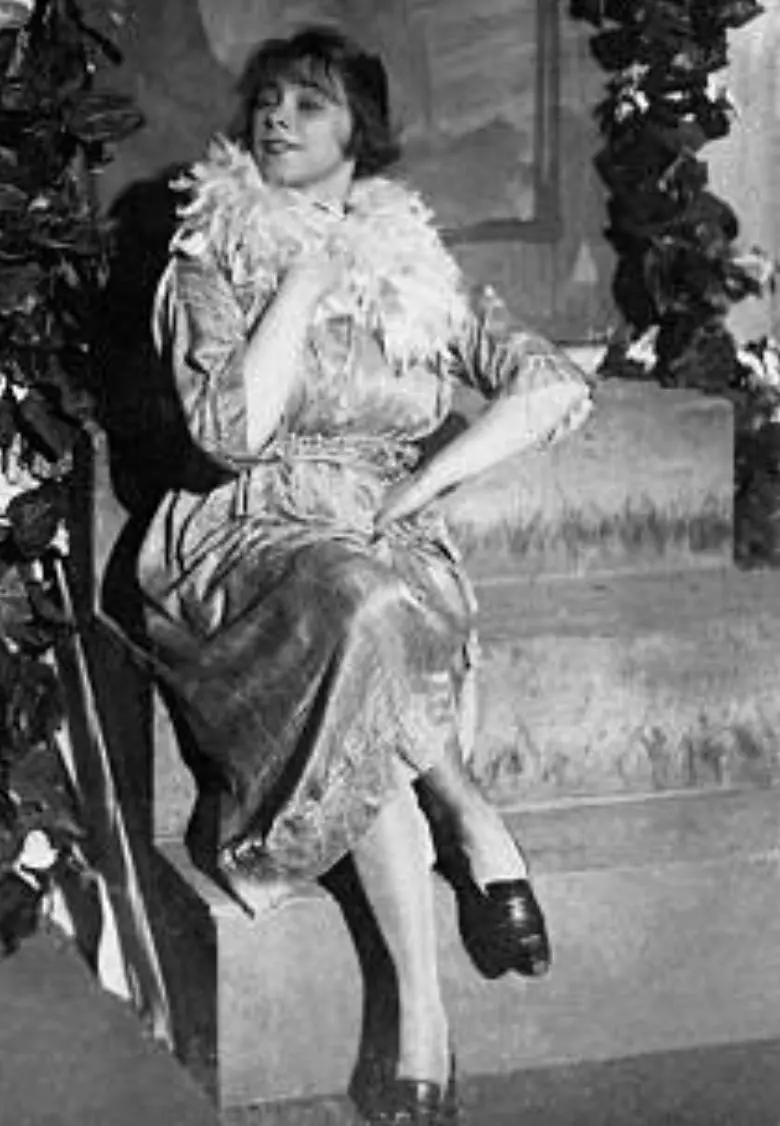
A simple country girl, brutally mistreated by her stepfather, awakens first the sympathy, then the love, of The Boy. The Spider, who lusts after The Girl, makes a bargain with the stepfather and takes her to the city where, kept prisoner, she is soon broken in health and spirit. Cast out and near death, she is taken in by The Boy. Following the demise of The Spider, The Boy takes her to church, where he prays, and after many hours she is restored to health.
View Details
Dir: Rex Ingram
Opera goers had never heard such a "Carmen" as Lorelei, the American girl, who had come to Mexico City, almost unheralded, and captivated the town. Francisco De Sarpina, governor of the province, coveted the girl, and with his power was able to sweep aside all opposition. Marion Leslie, an American sculptor, had rejoiced when he secured the commission to supply frescoes for one of the local cathedrals; he could be near Lorelei, his betrothed, during the grand opera season. Rance Clifford is the American consul and his sister, Isable, lives with him at the consulate. When Clifford files a telegram that promises to lead to an investigation of Sarpina's action the American is arrested and thrown into jail. Isable Clifford had at one time relieved the family of Pietro, the jailer. In their distress and thus gained the gratitude of Pietro and his wife. Isable hears of her brother's imprisonment and bribes Pietro to provide Clifford with means of escape. The Cliffords and Leslie are friendly and when Clifford escapes, he goes to the cathedral, to find shelter until he can plan the next move. Isable has consented to pose for a head of the Madonna and Lorelei is needlessly jealous. Lorelei arrives, demands admittance, and during the brief interval Leslie employs to hide Clifford, Lorelei's jealousy is set aflame. Sarpina discovers that his prisoner has escaped. He elicits from the jailer a confession that involves Isable. The cunning Mexican devises a scheme to play upon Lorelei's jealousy by forging a note to the opera singer that implicates Leslie and Isable. The forgery fires Lorelei's jealous passion, and she divulges Clifford's hiding place. Leading the Mexicans to Leslie's home she enters to find Clifford and his sister with Leslie. The situation is explained and Leslie directs Clifford and Isable to a nearby hiding place from whence they ultimately escape to safety. When the Mexicans enter Leslie's home, and find the singer and Leslie the only occupants, Sarpina demands that the whereabouts of his prisoner shall be disclosed. Sarpina's men seize Leslie and torture him when he will not betray the American refugees. Lorelei is a witness to the scene and when she can no longer bear seeing her betrothed punished, she tells where Clifford and Isable may be found. Leslie is ordered to jail, to be shot next morning. When Clifford and Isable cannot be found (because they have fled) Sarpina tells Lorelei that his vengeance will fall upon the head of her sweetheart. Surrendering herself to Sarpina is given as Lorelei's only method of saving Leslie's life. Lorelei dines with the Mexican brute and agrees to render the tribute demanded of her. First, however, Sarpina must deliver to her passports for two and instruct his executioner that only blanks shall be fired at Leslie in his pretended execution at sunrise. Five minutes alone with her betrothed is allowed Lorelei. Returning to Sarpina's apartments Lorelei, during a struggle with the Mexican, stabs him dead. Morning breaks, and Lorelei goes, passports in hand, to the place where her sweetheart lies prostrate upon the ground, cold in death. Shocked beyond human endurance, the singer falls upon the breast of her betrothed.
View Details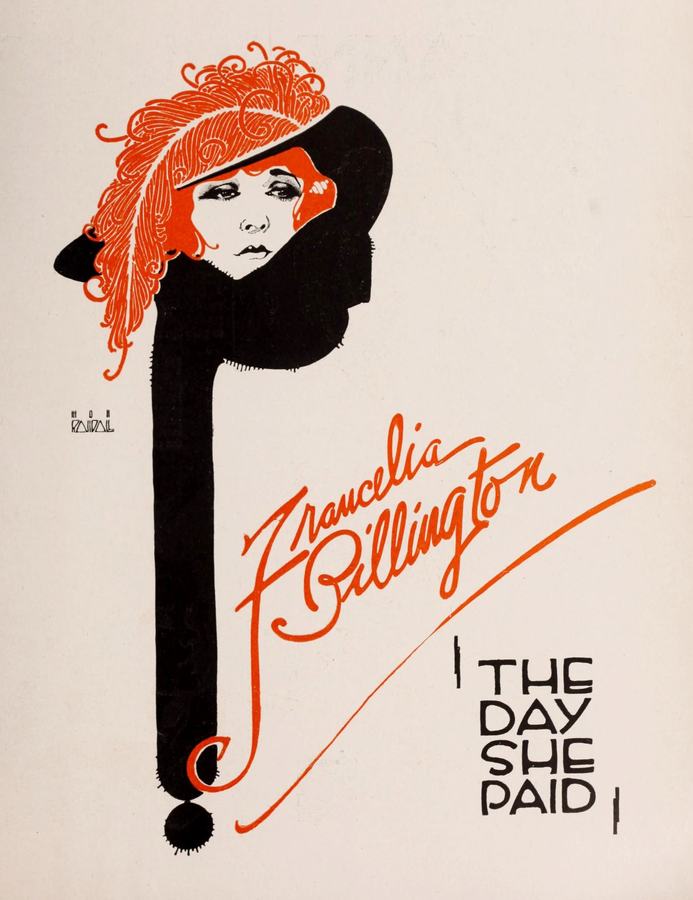
Dir: Rex Ingram
Pretty Manhattan model Marion Buckley receives a marriage proposal from Warren Rogers, a wealthy department store owner, but is reluctant to accept it because of her affair with her employer Leon Kessler, who promised to marry her. Kessler agrees to keep quiet about the affair and Marion Buckley. All goes well until one day Kessler visits the couple and proposes marriage to Rogers' teenage daughter Ardath. Knowing that her husband knows nothing of she and Kessler's history together, Marion tells him of her previous affair with Kessler, with disastrous results.
View DetailsAnalysis relative to The Four Horsemen of the Apocalypse
| Film Title | Atmosphere | Complexity | Similarity |
|---|---|---|---|
| Broken Fetters | Surreal | High | 95% Match |
| The Great Problem | Ethereal | Linear | 85% Match |
| The Pulse of Life | Surreal | Linear | 96% Match |
| Humdrum Brown | Gothic | Abstract | 97% Match |
| Eva, wo bist du? | Gothic | Dense | 86% Match |
This guide was algorithmically generated using the cinematic metadata of Rex Ingram's archive. Last updated: 6/26/2026.
Back to The Four Horsemen of the Apocalypse Details →