Summary
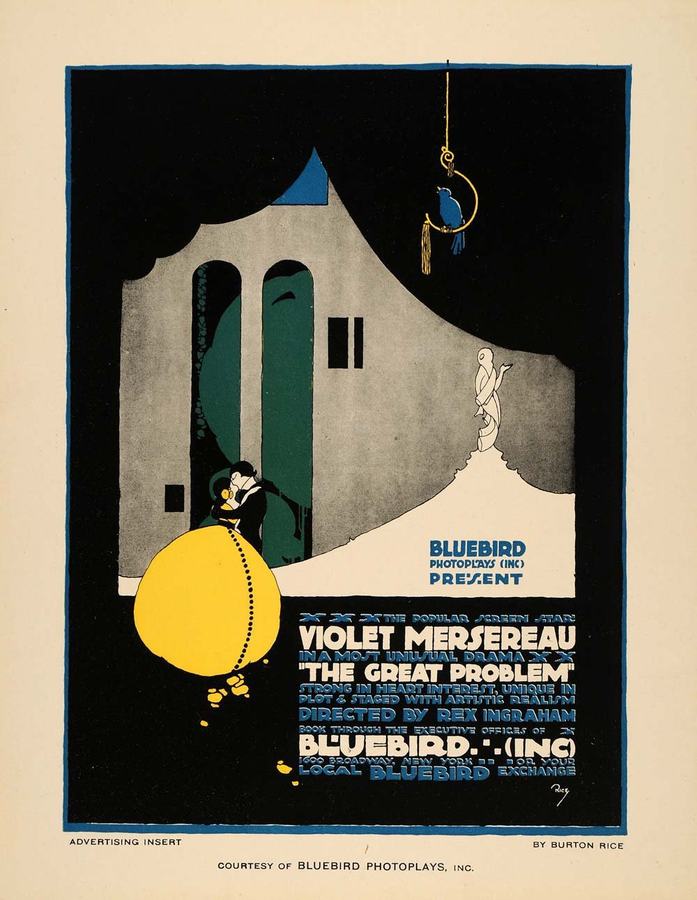
“The Great Problem” unfurls a somber narrative of retributive justice and redemptive love, tracing the intertwined destinies of a convicted housebreaker, Bill Carson, and the prosecuting attorney, George Devereaux, whose eloquent condemnation sealed Carson's fate. Imprisoned, Carson nurses a virulent vow of vengeance against Devereaux, a promise that looms large over his impending release. Meanwhile, his daughter, Peggy, orphaned by her mother's tragic demise and subsequently tutored in the illicit art of pocket-picking by the amiable but ill-fated Skinny McGee, navigates a precarious existence on the fringes of society. A twist of fate, orchestrated by a reform organization's progressive experiment, brings Peggy under the tutelage of none other than Devereaux himself. He endeavors, over two transformative years, to sculpt her character, replacing street-hardened cynicism with cultivated refinement. As Peggy blossoms, attracting a suitor and nearing a conventional marital union, a profound emotional revelation strikes her at the altar: her heart belongs not to her betrothed, but to her benevolent mentor. This epiphany propels her back into the urban labyrinth, a self-imposed exile from the gilded cage of Devereaux's home, unknowingly coinciding with her father's release. The climactic confrontation sees Carson, consumed by his long-held vendetta, poised to enact his deadly revenge. However, Peggy, recognizing her father's murderous intent, intervenes with a desperate act of self-sacrifice, intercepting the bullet meant for Devereaux. The film culminates in Peggy's recovery, Carson's profound and avowed transformation, and the hopeful prospect of Peggy's permanent, legally sanctioned integration into Devereaux's life, suggesting a future forged from peril and profound personal growth.
Synopsis
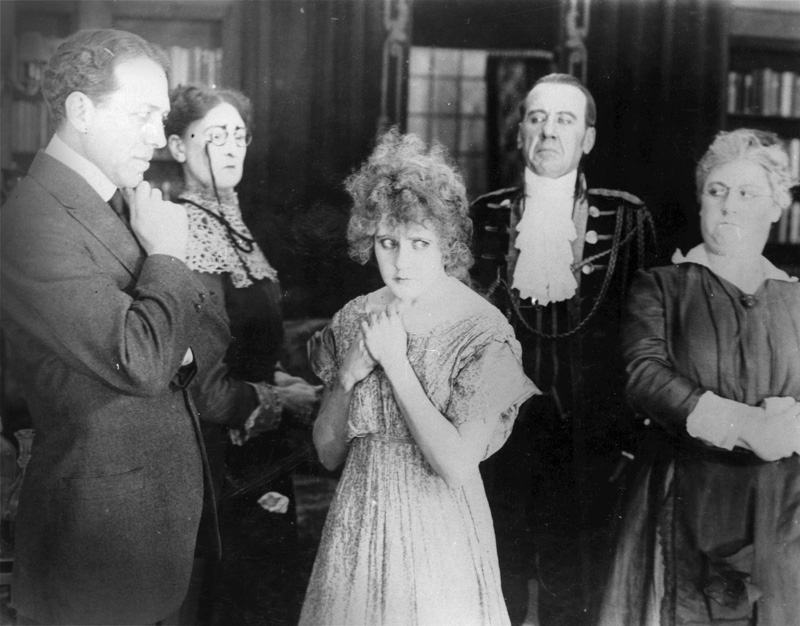
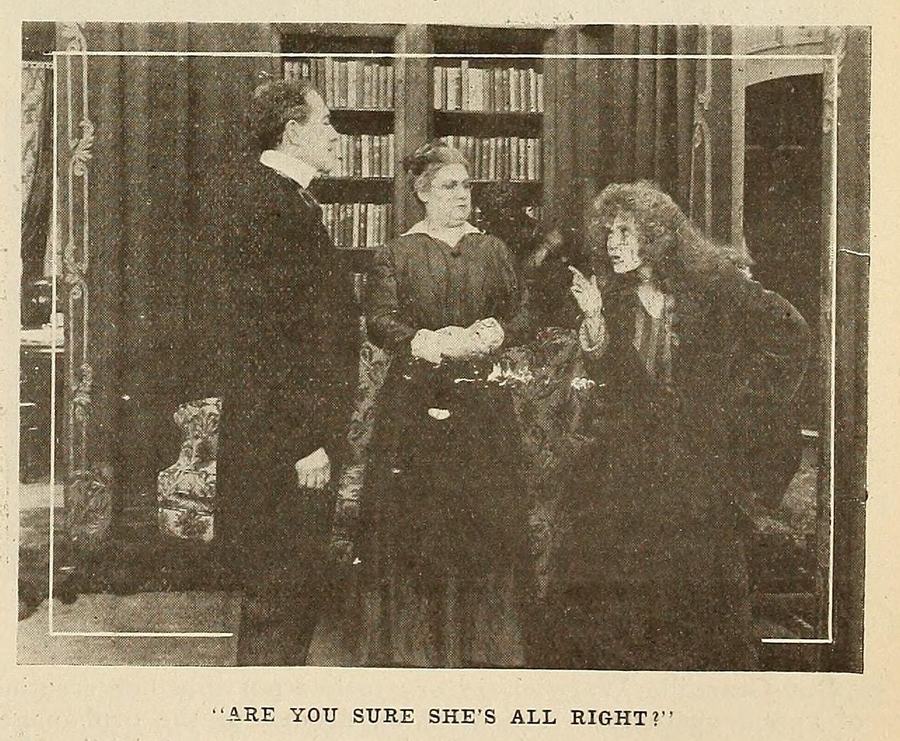
Bill Carson is sentenced to 12 years for housebreaking. He vows that he will, upon ending his term, have vengeance upon George Devereaux, the prosecuting attorney whose speech swayed the jury to conviction. Carson's little daughter Peggy is being raised by his pal Skinny McGee; the mother died of shock after Carson's conviction. When Skinny dies, the girl Peggy turns to picking pockets for a livelihood, Skinny having brought her to proficiency in this line as her only education. There is a scene pictured in the board rooms of a reform organization. Devereaux accepts a challenge that he cannot take a criminal and reform him by improved and beneficial surroundings. Peggy is brought into a police station on charge of picking pockets, and is chosen to be the one upon whom Devereaux shall practice his experiment. Taking her to his palatial home, Devereaux seeks for two years to train Peggy in the better way. His efforts are variously successful, and finally a young man proposes marriage to Peggy and is accepted. Upon arriving at the church Peggy discovers that she is in love with Devereaux, and flees from the wedding party in consternation. She decides to return to her old life, and departs from the Devereaux home without making her intentions known. About this time Carson ends his term of imprisonment. He seeks to conclude his vengeance by shooting Devereaux, and for that purpose waits for him to come from his house. Carson is hiding behind a tree, when he is recognized by Peggy and when, on the instant that Carson is about to fire a revolver at Devereaux, the girl throws herself before her father and receives in her own body the bullet intended for Devereaux. The story acquires its ending in the recovery of Peggy, the avowed reformation of her father, and the final picture shows Peggy once more established happily in the home where we are led to believe she will, in legal and ceremonial form, eventually become a permanent resident.
Review Excerpt
"
The Great Problem: A Silent Symphony of Sin, Salvation, and Self-Sacrifice
In the nascent era of cinematic storytelling, when narratives often bore the weight of profound moral dilemmas and the stark realities of societal struggles, a film like "The Great Problem" (1916) emerges not merely as a relic of its time, but as a compelling artifact reflecting the human condition's timeless complexities. Penned by Rex Ingram, this early silent drama delves deep into the intricate tapestry of ve..."