
DbcultAccessing Vault...
Recommendations
Senior Film Conservator
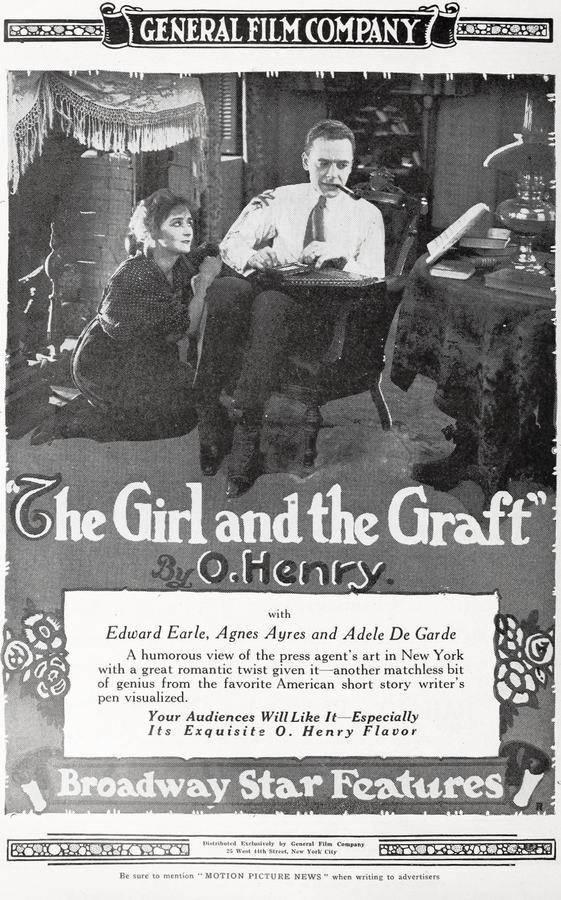
The United States-born brilliance of The Girl and the Graft offers a unique stylistic flair, the profound questions raised in 1918 still require cinematic answers today. Our curated selection of recommendations echoes the very essence of The Girl and the Graft.
In the Pantheon of cult cinema, The Girl and the Graft to provide a definitive example of William P.S. Earle's stylistic genius.
Quiet, unassuming dreamer Poque wanders over the country propagating various grades of graft so he can spend his first vacation in the great metropolis, New York. During his ramble he encounters millionaire businessman Vancross, who longs for fame (notoriety). After talking with Poque he decides that he is just the right sort to act as publicity man for him. Poque balks at the idea of making such an unpretentious figure famous, but finally accepts his proposition. He arranges with a girlfriend to strike up an acquaintance with his employer, leading him on for a time, then suing him for jilting her. But things pan out quite differently from the way Poque intended. Instead of trying to get away from his employer, the girlfriend decides to marry him. But Poque gets a good sum of money, so he should worry.
Based on the unique stylistic flair of The Girl and the Graft, our vault has identified these titles as the most compelling follow-up experiences for fans of cult cinema:
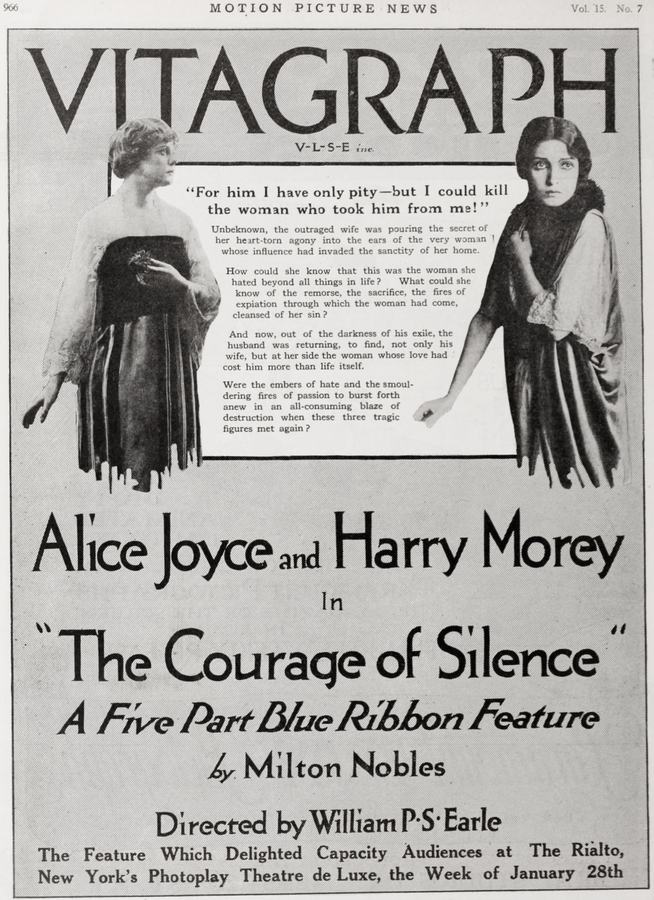
Dir: William P.S. Earle
Bradley, who is happily married and loves his family, is called to London on business. There he meets Mercedes, wife of the Spanish Ambassador. The marriage has been forced upon her, and her husband is cruel. Unaware that Bradley is married, she falls in love with him, and he is also infatuated. His better nature finally prevails, and he returns home and is happy until he receives a photograph from Mercedes. On pretext of business, he again goes back to Mercedes, finds there has been a quarrel, and that the ambassador has struck her. She and Bradley go away together, and while crossing the channel, he inadvertently discloses the fact that he is married. Mercedes unwilling to come between husband and wife, flees to a convent, and Bradley, unable to find her, joins an expedition to the forests of South America. Bradley has written his wife that he is a coward. Her health fails and her father takes her and the children for a trip abroad. The children are attacked by an epidemic of fever, and Mercedes, now a nurse, is summoned. She learns the identity of the family, and, when the boy calls for his father, she starts a search for him. After the crisis, Mercedes who has concealed her identity by use of a veil, wins her fight against a renewal of their relations, and warns Bradley, who has recognized her, to keep his wife in ignorance. Recovering from the fever which has now claimed her, she sees the reunited family depart for America, and knows her heart is empty and closed forever to love.
View Details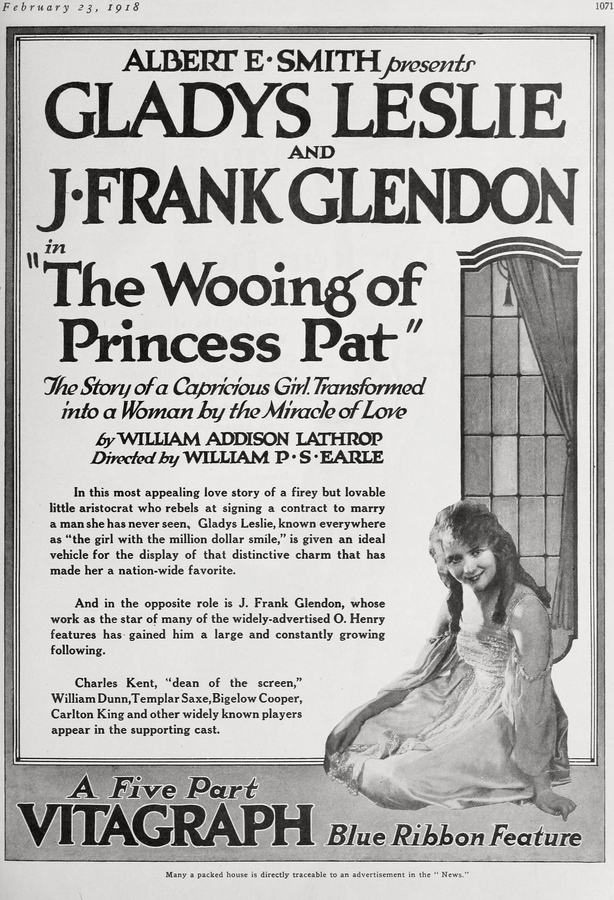
Dir: William P.S. Earle
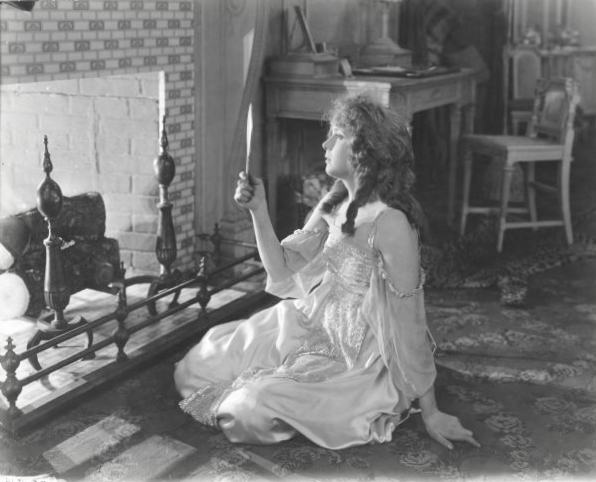
To stave off war with a neighboring kingdom, Princess Pat of Paxitania agrees to marry Warburg's King Eric. Still very young and rebellious, the new queen finds it difficult to adjust to court life, and when she accepts an invitation to take a ride with the villainous Count Ladislaus, King Eric's patience gives out and he rebukes her severely. The banished count informs Pat's father, the Grand Duke of Paxitania, that she is cruelly abused, whereupon Pat's three brothers set out to bring her back home. In the end, however, King Eric and Princess Pat come to love each other dearly, and she sends her brothers home reassured of their sister's happiness.
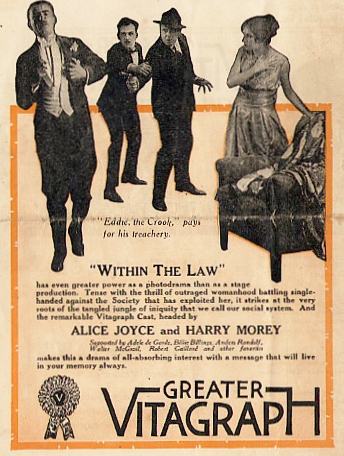
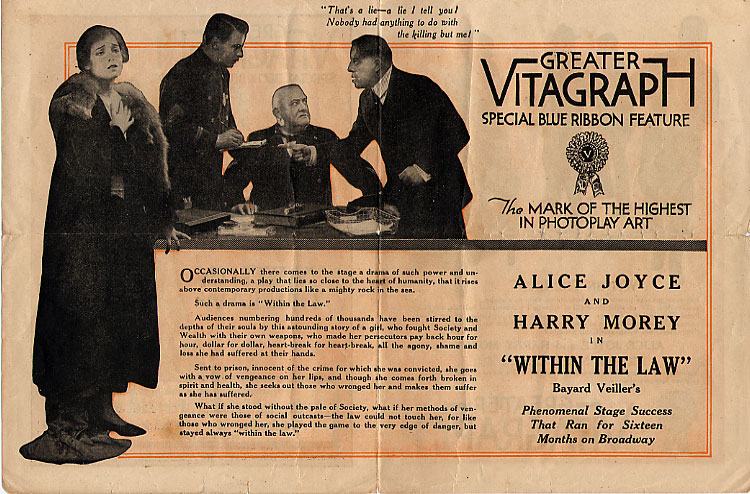
Dir: William P.S. Earle
Mary Turner is a young shopgirl who is unjustly convicted of a crime and sentenced to prison. Upon her release, she does everything possible to make the man who wronged her to suffer, always taking care to stray no further than the extremes of the law allow.
View Details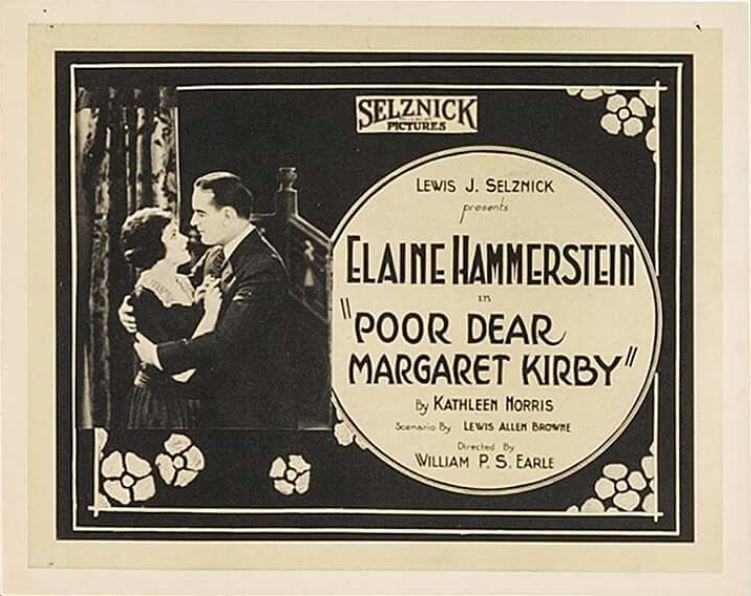
Dir: William P.S. Earle
Margaret Kirby refuses her husband's request to help him obtain a loan from her guest, Gordon Pell. The husband, John, in financial difficulties, then attempts suicide and becomes seriously ill. Margaret takes in boarders and is compelled to mix with people outside her social set. Lucille, John's former admirer, creates a misunderstanding by means of forged telegrams, but the discernment of Gordon Pell clarifies the situation and Margaret and John are reunited.
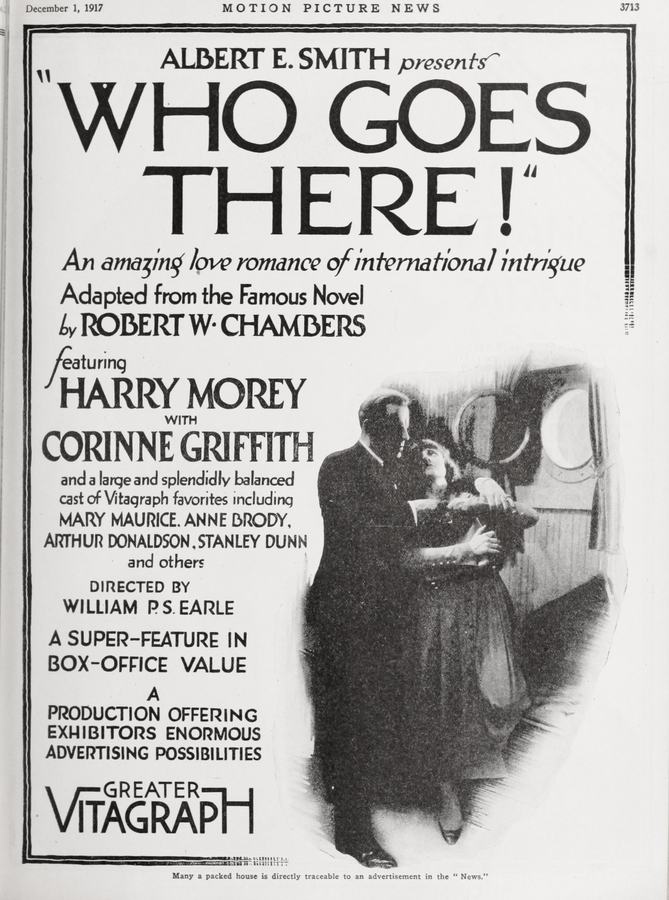
Dir: William P.S. Earle
During World War I, Kervyn Guild, an American citizen who was born in Belgium, is captured with other Belgian refugees by the Germans. Brought before the commanding officer, General Von Reiter, Guild is offered his own freedom as well as that of the other refugees if he goes to London and returns with the officer's daughter, Karen Girard, who actually is his mistress. In the hope of saving lives, Guild consents and is sent to London where he locates Karen. Guild's suspicions are aroused when he notices that they are being protected by the German agents and hunted by the British. His instincts prove correct when he learns that Karen is carrying dispatches to the general. On their journey back, Karen falls in love with Guild and agrees to join the Belgian cause. Before they can escape, the general arrives and demands both Karen and the papers. Guild duels to defend both and fatally wounds the general. In a breach of military ethics, the dying general then gives the lovers his blessings, and grants them a pass to go through the German lines.
View Details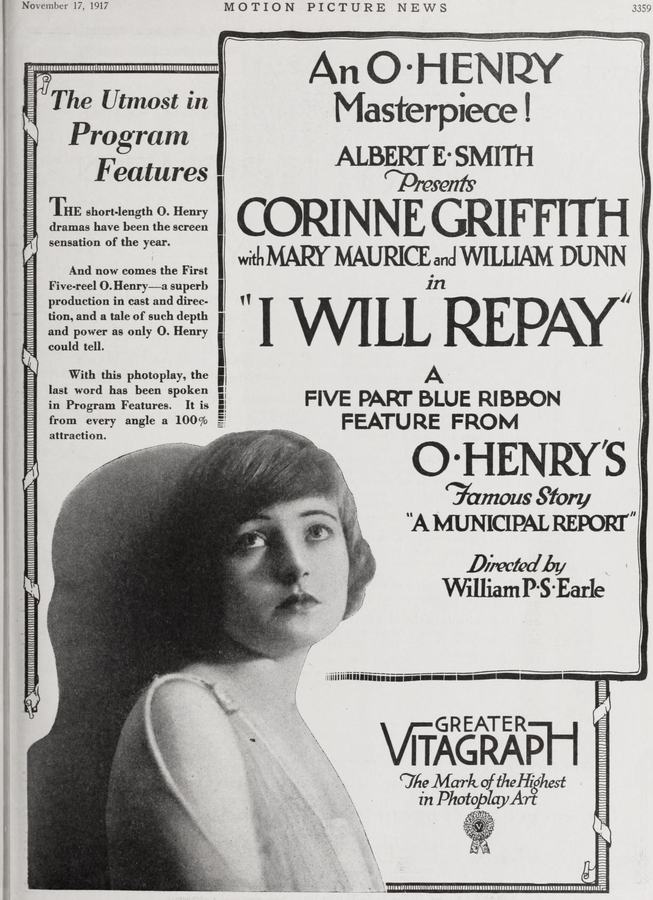
Dir: William P.S. Earle
Roger Kendall is sent to Nashville by the editor of his magazine to sign a contract for two cents a word with a woman writer named Azalea Adair. Once there, Kendall realizes that Azalea is very poor and is also the abused wife of Major Caswell, a drunkard who takes from Azalea every cent she earns. Kendall is able to piece their story together by following the movements of a torn dollar bill, which he gives to Azalea's former slave Caesar and which eventually winds up in Caswell's hands. In order to help Azalea, Kendall convinces his editor to increase her stipend to eight cents a word and also to advance her $30. At his hotel, Kendall meets Virginia Rodney, the semi-invalid daughter of a local judge and a good friend of Azalea. Later, Caesar, seeing Caswell violently take Azalea's advance from her, strangles the major. His part in the crime is covered up by Kendall and Virginia's father, however. Now free, Azalea goes to live with Virginia, who becomes engaged to Kendall.
Dir: William P.S. Earle
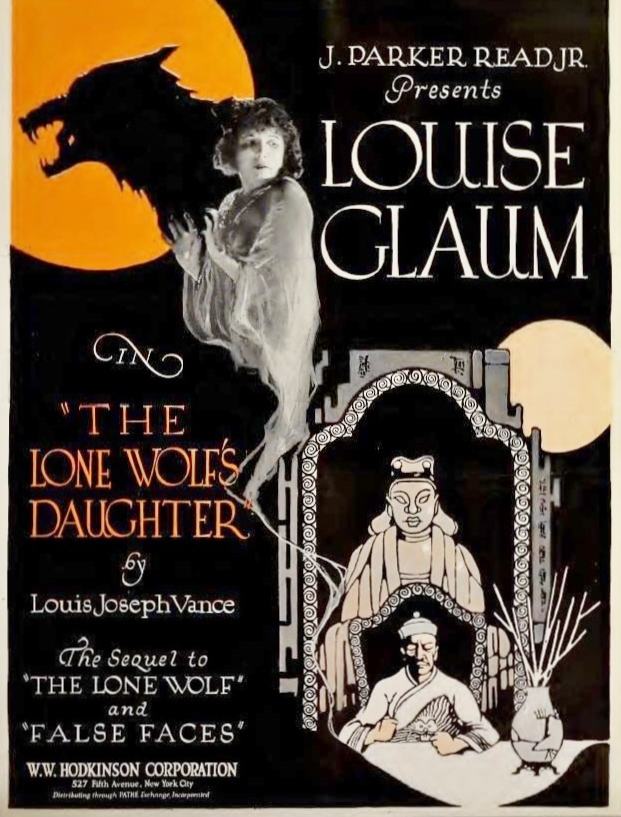
At a London auction, Princess Sonia bids against her husband, exiled Prince Victor, for a Corot landscape in which incriminating letters Sonia wrote are hidden, but it is bought by Michael Lanyard, who is suspected of being the mysterious, international thief "The Lone Wolf." After Lanyard gives Sonia the letters, she divorces Victor, marries Lanyard, and dies after bearing their daughter Sonia. Years later, Sonia, who thinks she is the daughter of the Princess' maid, is found by Victor, now the leader of an underworld gang of Asian crooks and Bolsheviks. Saying he is her father, Victor brings her to his home, hoping to entice Lanyard to make an appearance. When Sonia discovers the gang's plan to pump poisonous gas into Buckingham Palace and the homes of the wealthy so that Victor would be England's dictator, she tells Roger Karslake, Victor's secretary, whom she loves. Lanyard, who has been posing as Victor's Asian butler, and Karslake, both Scotland Yard agents, capture the gang amid fire and fights.
View Details
Dir: William P.S. Earle
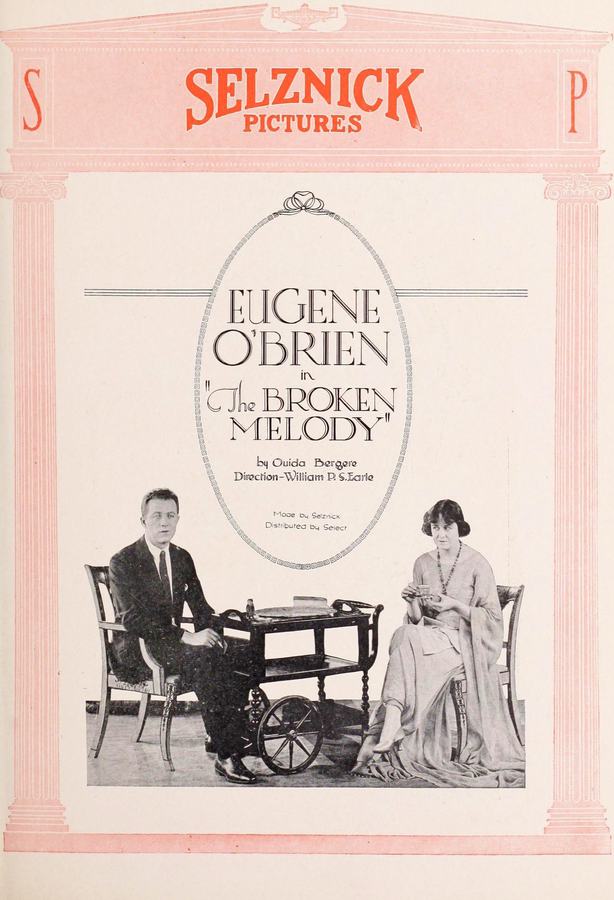
Whispers are heard in the social circle of Daphne Morton because of her constant association with married man Dyke Summers. One night while Daphne is attending the opera with Summers, his wife spots the illicit couple, a clash erupts, and the account of the affair appears in the scandal sheet the next morning. After a quarrel with her aunt, the humiliated Daphne decides to go to Washington to seek out her father, whom she has not seen since she was a child. There she meets Pat Darrick, a young reporter assigned to the Summers scandal. Unaware that Daphne is the girl in the case, Darrick falls in love with her. Summers also follows Daphne to Washington, and when Darrick sees her with her alleged lover, he is hurt and disillusioned. Daphne finally locates her father in a nearby town, to which Darrick and Summers follow her. Learning the truth, Darrick abandons his job on the scandal sheet for the love of Daphne.
Dir: William P.S. Earle
Stewart, an art student in New York City's "bohemian" Greenwich Village, lives next door to his girlfriend Hedda, who wants to be a singer. One night while they are dining at their favorite cafe', wealthy Mrs. Trask comes up to them with a proposition: she knows he is an artist and wants to go to Paris to study and develop his talent, and she will pay all his expenses. He refuses because he doesn't want to leave Hedda, but she eventually persuades him to agree. It turns out that she has an ulterior motive--as does Mrs. Trask.
View Details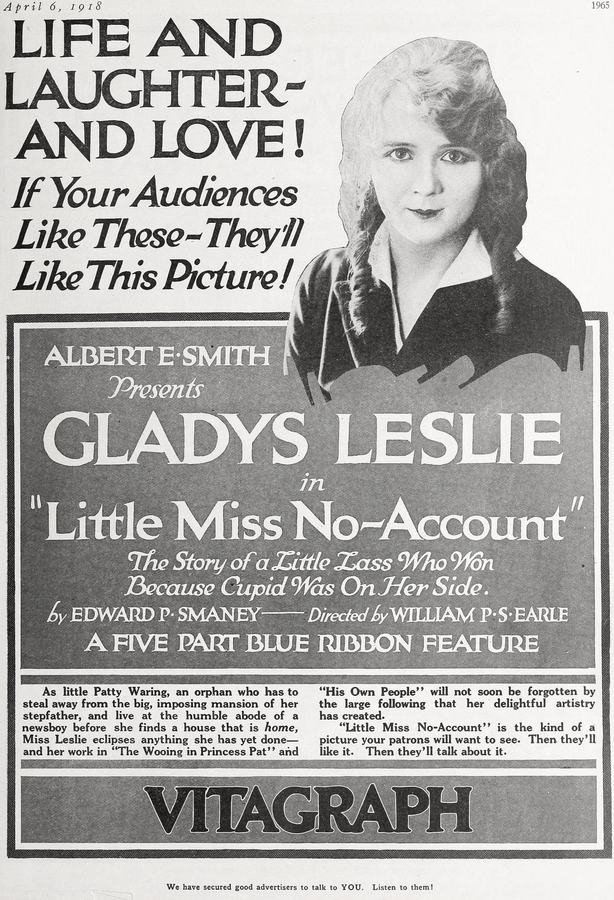
Dir: William P.S. Earle
Patty Baring will lose the fine old Washington Square house she is to inherit if her scheming stepfather Josiah Wheeler's plan to acquire it for himself is successful. Cruelly abused by Wheeler, a gambling hall owner, Patty runs away to live with a newsboy named Bobby and his grandfather Herman. There, in spite of her shabby dress and humble companions, she arouses the admiration of Edwin Sayer, the district attorney. Ned, a soft-spoken gambler, desires to possess Patty, and at the instigation of her stepfather, lures her into a gambling den that Edwin has been planning to raid. Patty is arrested, but Edwin secures her release and places her in the charge of his mother. Ned and Josiah are imprisoned, leaving Patty free to claim her inheritance and wed Edwin.
View DetailsAnalysis relative to The Girl and the Graft
| Film Title | Atmosphere | Complexity | Similarity |
|---|---|---|---|
| The Courage of Silence | Tense | Abstract | 86% Match |
| The Wooing of Princess Pat | Surreal | High | 93% Match |
| Within the Law | Gritty | Layered | 92% Match |
| Poor, Dear Margaret Kirby | Ethereal | Layered | 87% Match |
| Who Goes There? | Ethereal | Linear | 92% Match |
This guide was algorithmically generated using the cinematic metadata of William P.S. Earle's archive. Last updated: 8/16/2026.
Back to The Girl and the Graft Details →