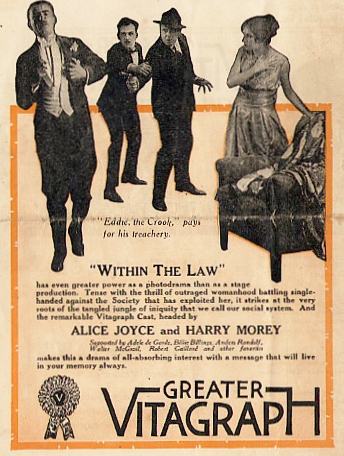
At a reception given at the Rogers mansion in his honor, Somerset Carroll surprises the guests by averring that he would give aid to a female convict reported to have escaped. Later, alone in the library, he is appealed to by a young girl who confesses to being pursued by the police, and he takes her to his own house.
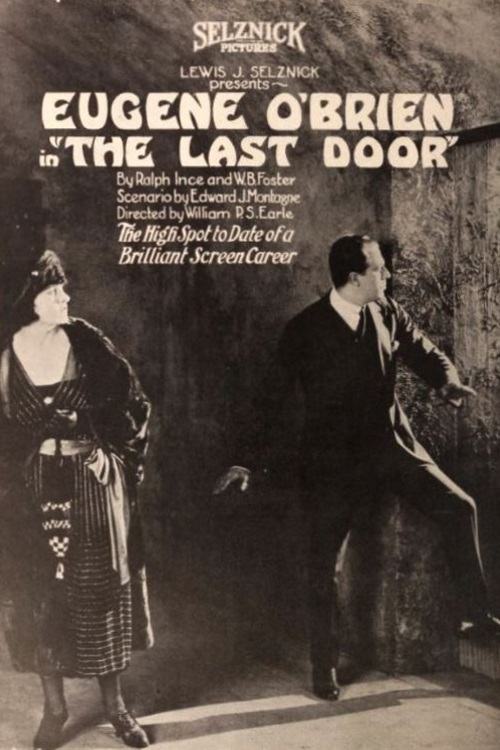
Somerset Carroll’s monocle glints like a coin flipped by fate itself—one side philanthropy, the other larceny—announcing that The Last Door is less a thriller than a séance where identities hover like moths around a gas-flame. Ralph Ince, a director too often filed under “efficient journeyman,” here conducts a fever-d...
Comparing the cinematic DNA and archive impact of two defining moments in cult history.
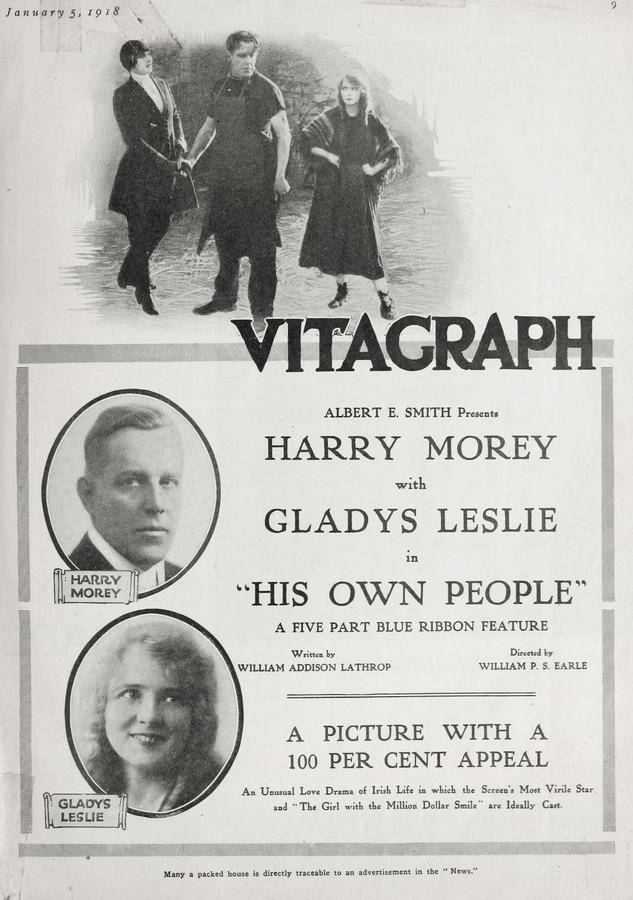
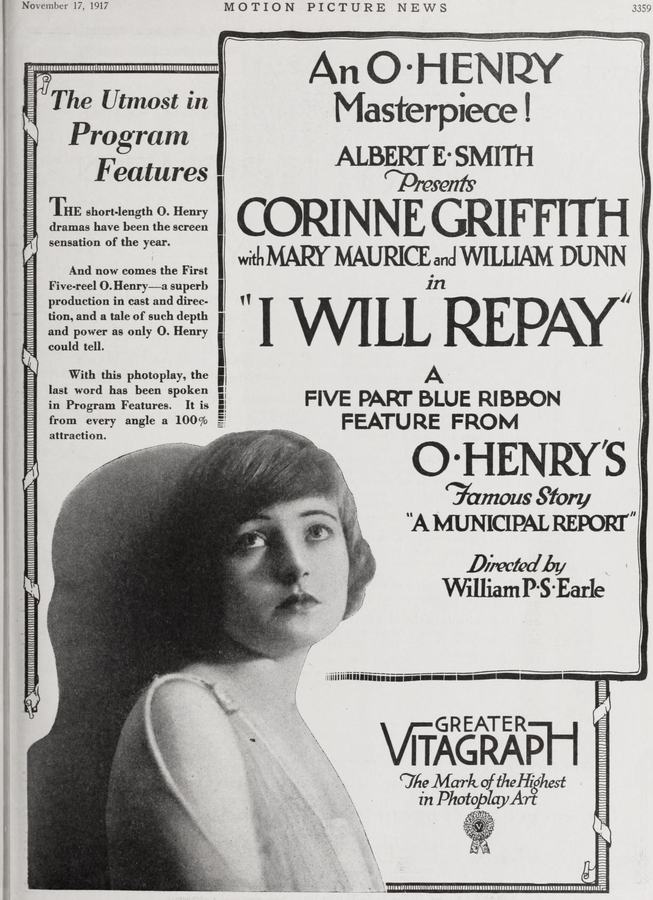
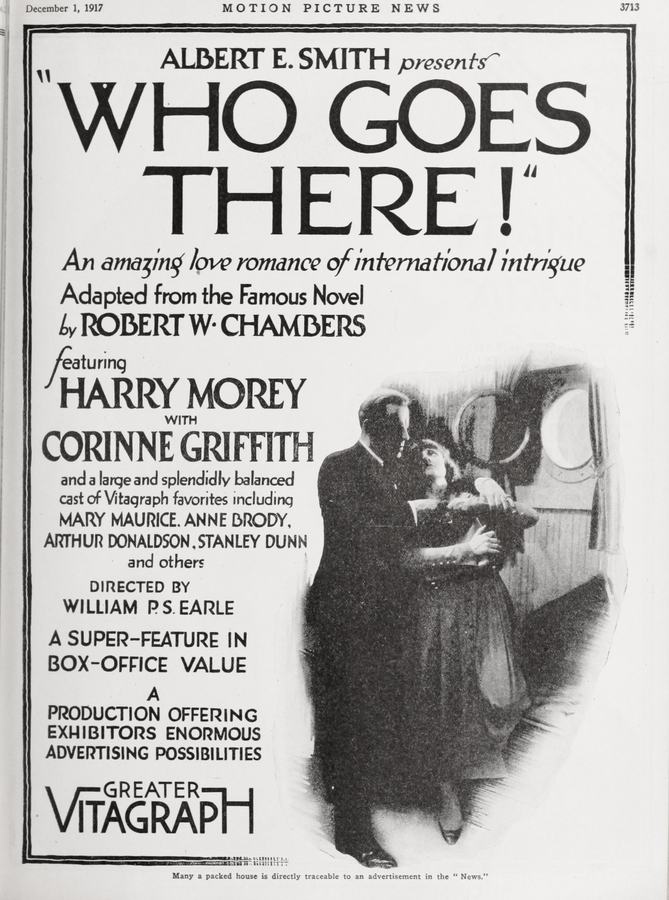
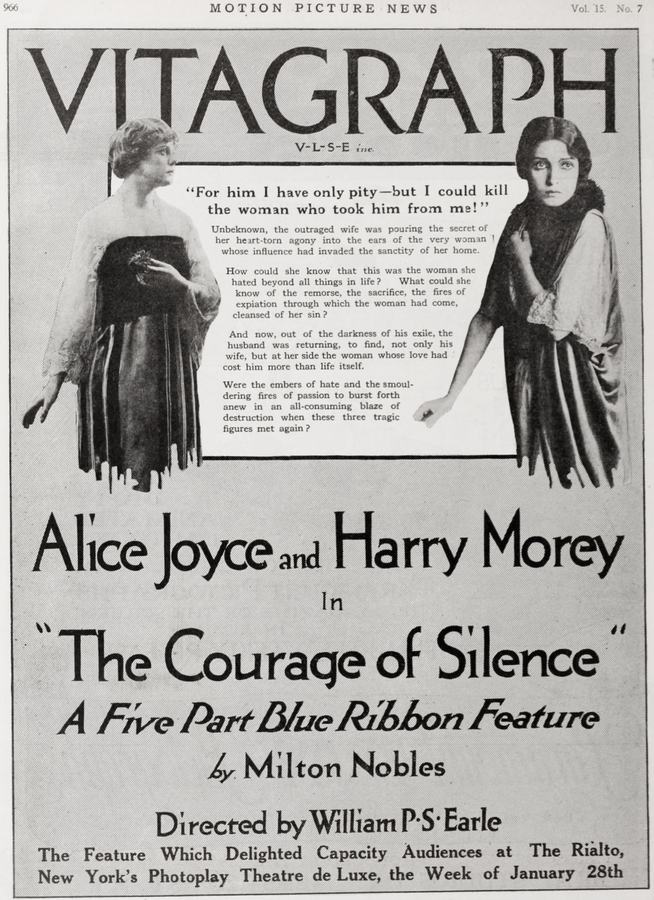
William P.S. Earle
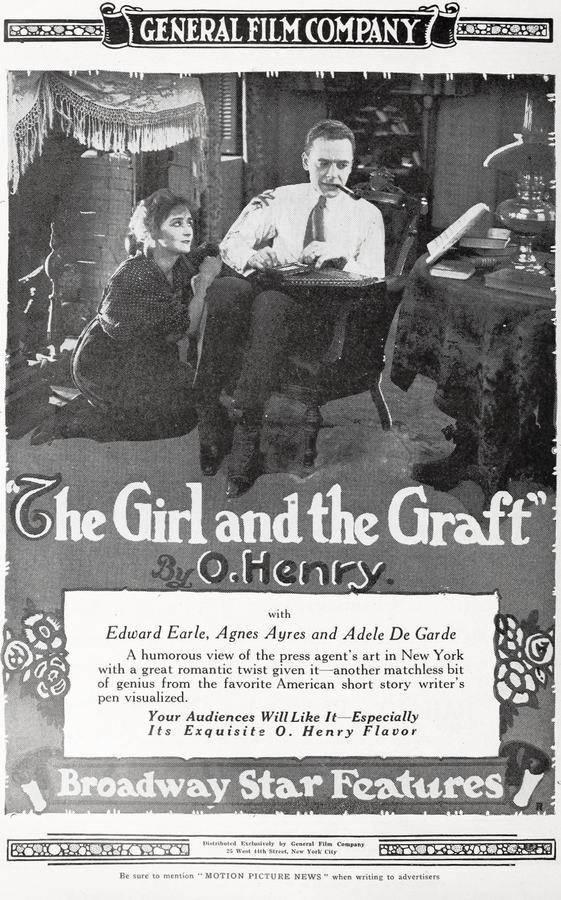
William P.S. Earle
Community
Log in to comment.
" Somerset Carroll’s monocle glints like a coin flipped by fate itself—one side philanthropy, the other larceny—announcing that The Last Door is less a thriller than a séance where identities hover like moths around a gas-flame. Ralph Ince, a director too often filed under “efficient journeyman,” here conducts a fever-dream chamber piece whose every dissolve feels like a gasp. The film, released in October 1925, arrived when audiences still nursed hangovers from The Beautiful Lie’s romantic fatal..."
Warren Cook
Ralph Ince, W. Bert Foster, Edward J. Montagne
United States
Deep dive into the cult classic
Discover similar cinematic experiences
A Directorial Spotlight on William P.S. Earle