
DbcultAccessing Vault...
Recommendations
Senior Film Conservator
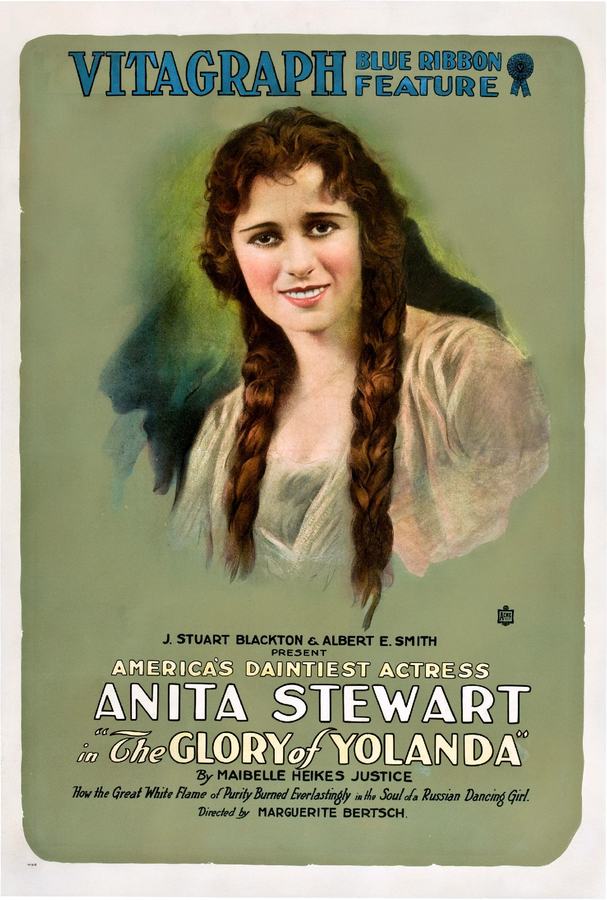
Navigating the complex narrative architecture of The Glory of Yolanda is a artistic bravery experience, the legacy of The Glory of Yolanda is a beacon for those seeking the unconventional. Unlock a new level of cinematic understanding with these cult alternatives.
The artistic audacity of The Glory of Yolanda ensures it to sustain a sense of mystery that persists after the credits roll.
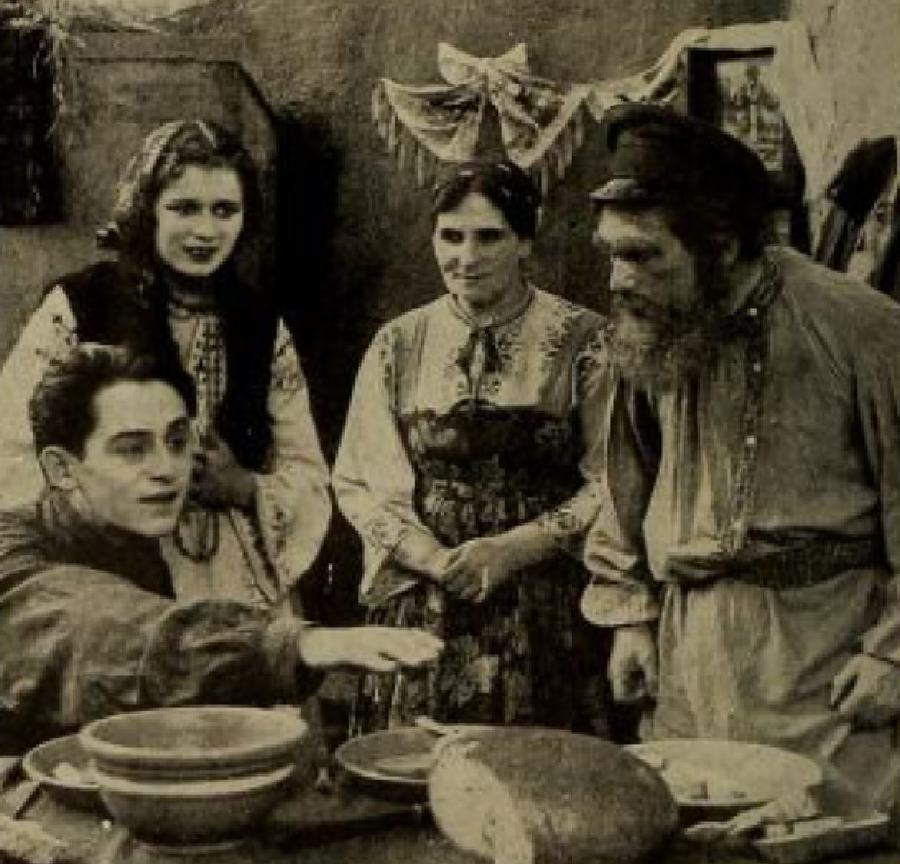
A Russian peasant girl becomes a member of the Imperial Ballet.
Critics widely regard The Glory of Yolanda as a cult-favorite piece of cult cinema. Its artistic bravery is frequently cited as its strongest asset, solidifying its place in United States's film legacy.
Based on the unique artistic bravery of The Glory of Yolanda, our vault has identified these titles as the most compelling follow-up experiences for fans of cult cinema:
Dir: Marguerite Bertsch
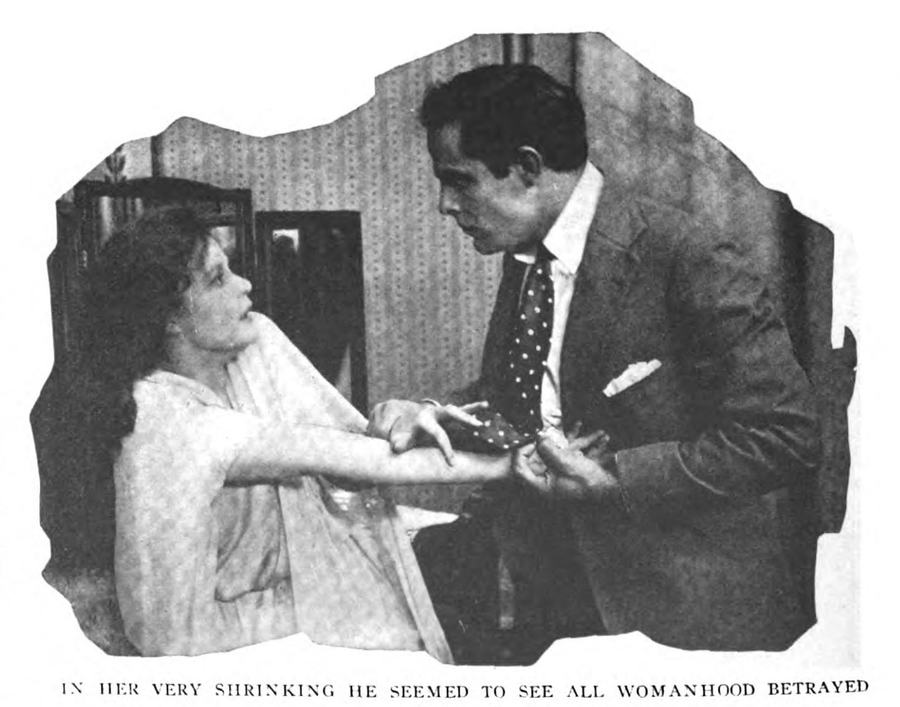
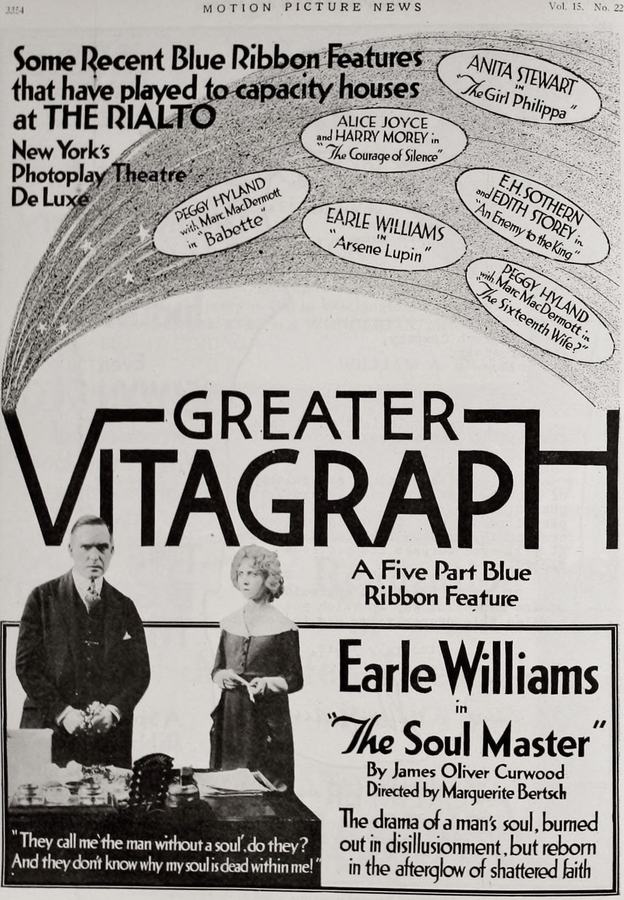
After his wife Arline takes their baby daughter Ruth and elopes with her old sweetheart, Robert Travers loses all faith in women. Years later, Travers, now known as the man without a soul, is the owner of a chain of department stores in which young Ruth Carroll is employed as a ribbon clerk. Finding himself strangely attracted to the girl, he takes a fatherly interest in her and offers Ruth a position in his office. This causes Laura Wilson, who has designs on Travers, to become jealous. When Travers, alarmed that he cares so much for Ruth, sends her back to the ribbon counter, Laura takes advantage of the situation and offers the girl a job as her companion. The girl leaves Travers a note of thanks and Travers, suspicious, follows her to Laura's, arriving in time to save her from the advances of the lecherous Monty Fitzburgh. Travers then notices a framed picture of Ruth and Arline and realizes that the ribbon clerk is his own daughter.
View Details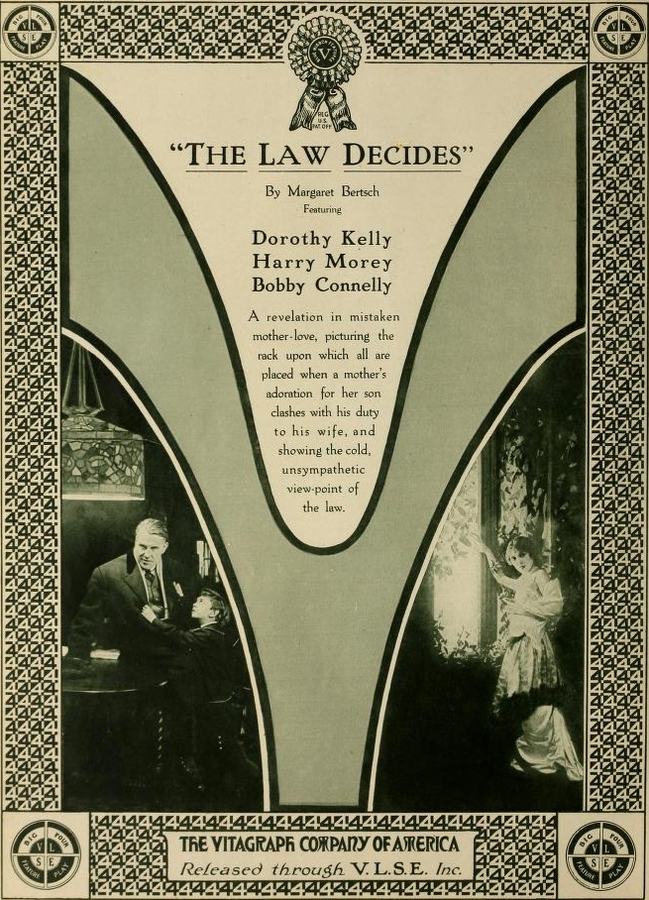
Dir: Marguerite Bertsch
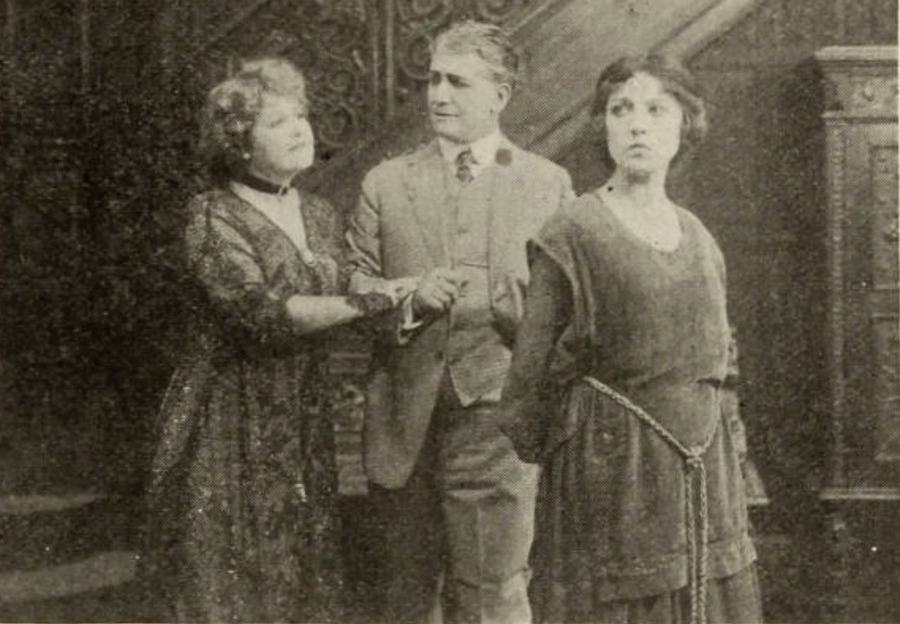
Mere years could not kill the overwhelming love which lay dormant in Lorenz's heart, though Florence was now the wife of another. He called frequently at the Wharton home, ostensibly to see Beatrice, the daughter of Wharton's step-mother, but really to be near Mrs. Wharton, who was the Florence he loved. Despite the fact that John Wharton has been married for years and is very happy with his wife and son Bobby, Mrs. Wharton has not given up hope of a union between John and her daughter, Beatrice. She has always been greedy for John's fortune, and knows that if her daughter was to marry him, the fortune would revert to them. One night Lorenz, unable to subdue his passion, renews his suit to Florence, but is spurned. Mrs. Wharton, having seen that Lorenz would go to any extremities to win the hand of Florence, enlists him in her cause with the promise of Florence for his wife if the plans succeed. Later, when John enters the house, he sees his wife running away from Lorenz, as if alarmed at his approach. His suspicions are aroused, and when his mother makes the evidence more conclusive, he seems to agree with her. That night Florence leaves for a hunting lodge, where she hopes to stay until John repents his hasty words. At the lodge she finds Lorenz already there. He purposely misses his train home, and having a spare room, she agrees to shelter him for the night. Mrs. Wharton tells John where his wife is, and allows him to understand that Lorenz is with her. John starts for the lodge and on finding Lorenz there is convinced of his wife's perfidy. He sues for a divorce and the courts award the custody of the child to the father. Florence chooses the only honorable alternative left to her and marries Lorenz, but shows him no affection. Mrs. Wharton's plans are at last beginning to materialize. In order to please his mother, for whom he has always had the greatest respect, John agrees to marry Beatrice. On the day of the wedding, Florence calls and through her little son Bobby learns that John really loves her. Lorenz meanwhile has spoken to Beatrice, telling the sorrow which his loveless marriage has caused, and warning her against marrying John. She finally consents to go away with him. Still unable to forget his overpowering love for Florence, he leaves a note for her, telling where she may reach him, so that she might decide whether or not she wanted him to return. At the Wharton home the disappearance of the bride has caused great consternation. Here Florence learns of the part John's mother played in her estrangement from her husband. Hoping to arrange matters in some way before it is too late, she 'phones to Lorenz, who hurries over to the house. Lorenz sees that all is known, and having a spark of honor left in him, makes a supreme sacrifice in a dramatic and unexpected suicide, leaving the reunited family to their unmolested happiness. Beatrice and her mother go on a sea voyage, the latter repentant and sufficiently punished for her crime by her daughter's unhappiness.
View Details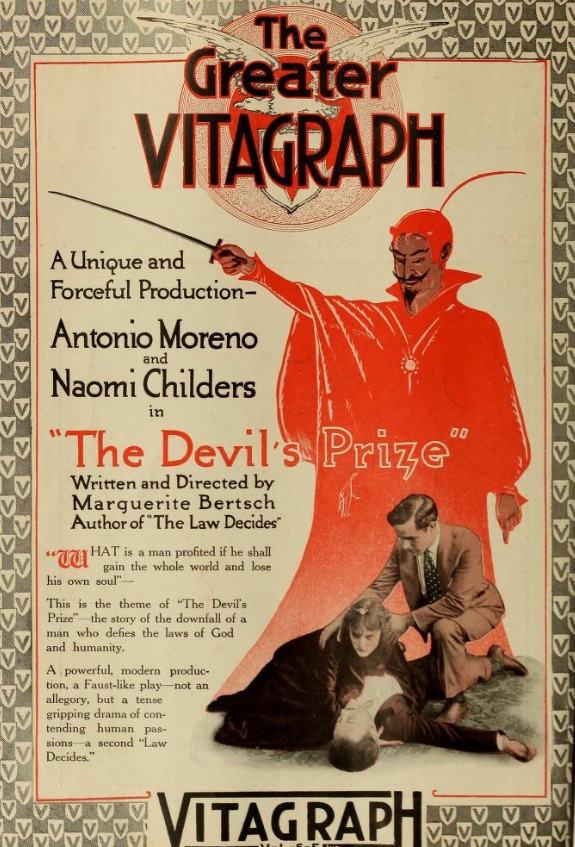
Dir: Marguerite Bertsch
Social-climbing Arnold St. Clair abandons his pregnant lover Myra to marry wealthy Adeline Stratton. Myra, looking to protect her child, marries Hugh Roland. Adeline's uncle Mark discovers Arnold's secret, and to keep him quiet, Arnold kills him. Meanwhile, Hugh finds out that the daughter he thought was his is actually Arnold's. Enraged, he sets out to kill Arnold. Complications ensue.
View DetailsAnalysis relative to The Glory of Yolanda
| Film Title | Atmosphere | Complexity | Similarity |
|---|---|---|---|
| The Soul Master | Gothic | Dense | 98% Match |
| The Law Decides | Surreal | Dense | 88% Match |
| The Devil's Prize | Gritty | Layered | 86% Match |
This guide was algorithmically generated using the cinematic metadata of Marguerite Bertsch's archive. Last updated: 6/19/2026.
Back to The Glory of Yolanda Details →