
DbcultAccessing Vault...
Recommendations
Senior Film Conservator
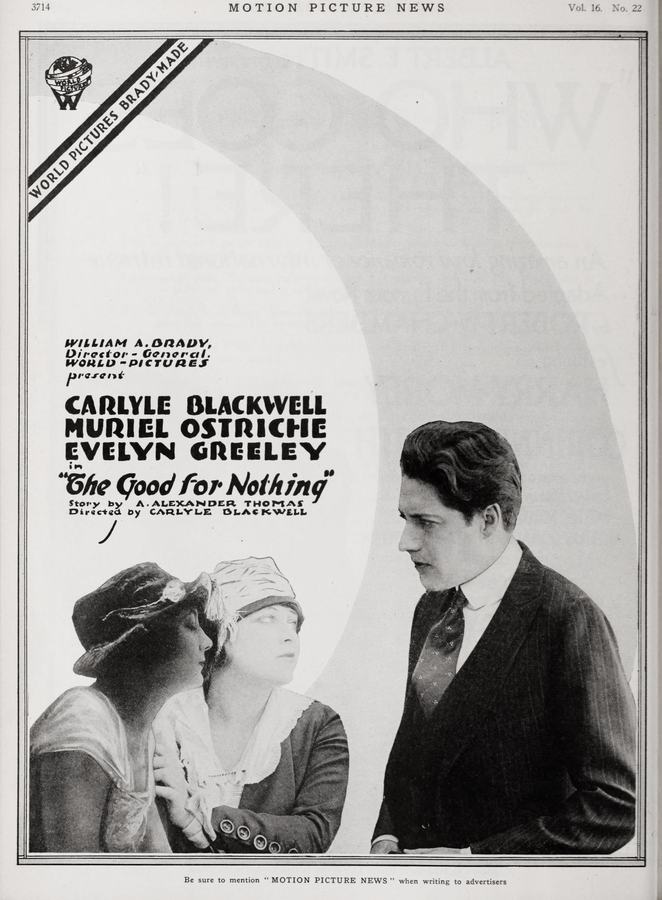
For those who were mesmerized by The Good for Nothing, a true cult masterpiece from 1917, the quest for comparable cinema becomes a journey through the fringes of film history. Our curated selection of recommendations echoes the very essence of The Good for Nothing.
The legacy of The Good for Nothing is built upon its ability to create a hauntingly beautiful cinematic landscape.
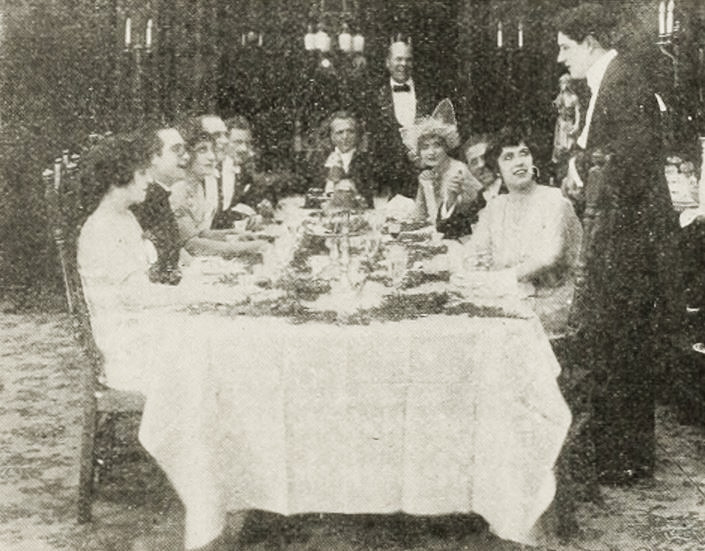
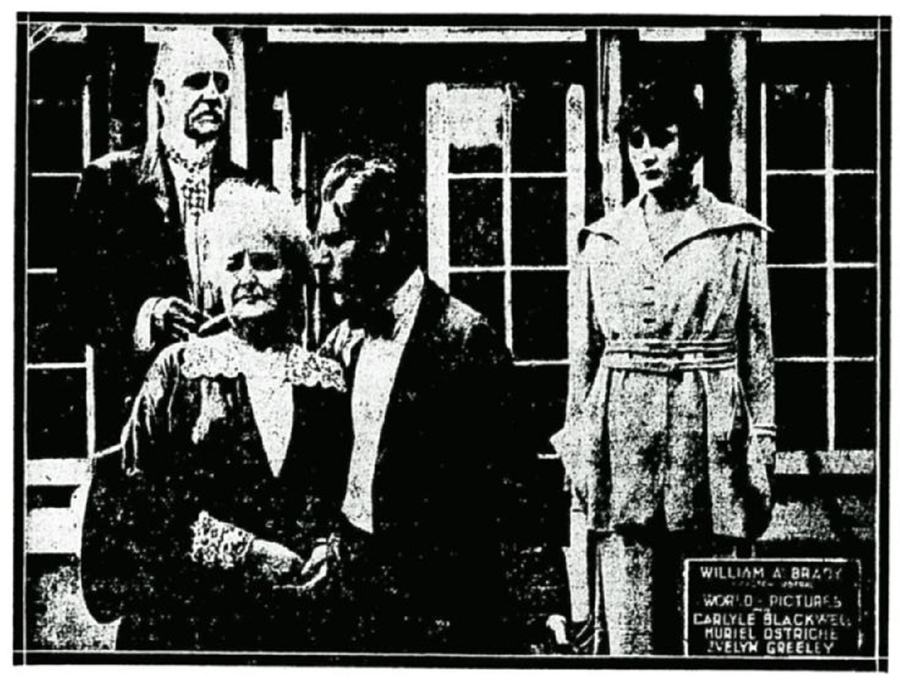
Ne'er-do-well Jack Burkshaw returns home after a 10-year absence to find his widowed mother remarried to wealthy Eugene Alston. Finding himself out-of-place among his newly-acquired relatives, Jack accepts the position as manager of a stock farm owned by his stepfather. Under Jack's management, the farm prospers, winning him the respect of his stepsister Marion. When stepbrother Jerry refuses to marry stenographer Barbara Manning, who is pregnant by him, and instead becomes engaged to socialite Laurel Baxter, Jack, outraged, kidnaps Jerry and forces him to perform manual labor on the farm. Jerry finally comes to his senses and agrees to marry Barbara, and the Alston family accepts Jack as a valuable family member.
The Good for Nothing was a significant production in United States, bringing a unique perspective to the global stage. It continues to be a top recommendation for anyone studying cult history.
Based on the unique stylistic flair of The Good for Nothing, our vault has identified these titles as the most compelling follow-up experiences for fans of cult cinema:
Dir: Carlyle Blackwell
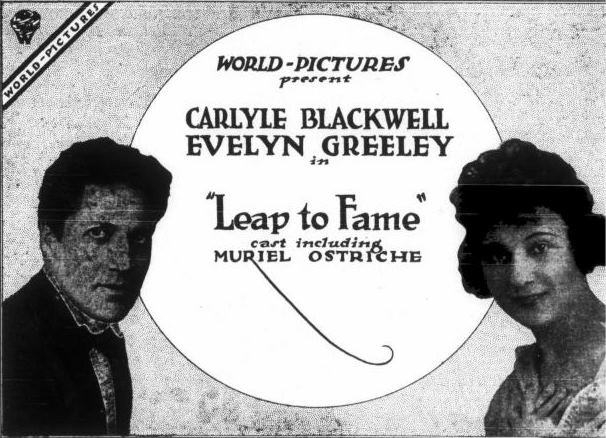
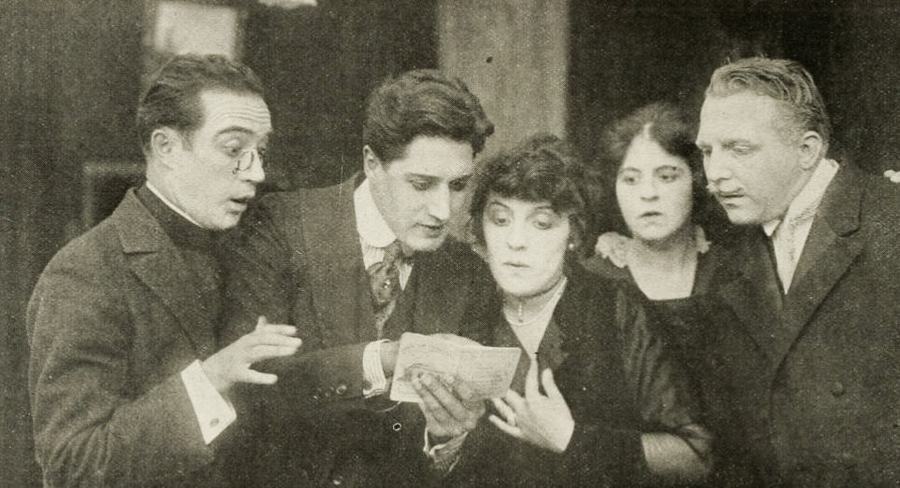
Champney Carter, a writer, late one night receives a telegram from his publishers stating that he must deliver on the following morning the manuscript of the novel he has contracted to write for them. Not one word of the story has been written yet. Putting a piece of paper in his typewriter, he begins his tale, "The Man Who Could Not Lose." Through the long hours of the night he writes with frenzied haste. The Story: Jackson Carter, an elderly man, through gambling on the races, finds himself penniless and in debt to Sol Burbank, a bookmaker, for a large amount. The bookmaker makes repeated demands for the money and at last, after a stormy interview, threatens Carter with exposure. From the shock the unfortunate man is stricken with heart failure and falls dead at Burbank's feet. Champney Carter, the gambler's son, leaves college and makes a vow to sooner or later wreak vengeance upon the man who caused his father's death. Young Carter becomes a writer and earns a precarious livelihood as an author. His first novel, the "Dead Heat," is a failure. At this time he meets Dolly Ingram, the daughter of a wealthy banker, falls in love with her, but his attentions meet with the objection of her father, who wishes her to marry a nobleman. Carter elopes with Dolly and for a while they live near poverty, when, in a dream, he sees a horse named Dromedary win the Suburban handicap. The next day he places all his money upon the horse and wins at 40 to 1. Time and time he picks the winning horse, and finally drives Sol Burbank from the track, a bankrupt. Owing to his marvelous luck he is called "The Man Who Could Not Lose." When his winnings total half a million dollars he stops gambling. A reconciliation is affected between his wife and her father and all ends happily. End of story. The next morning bright and early the girl from the publishers comes for the story. He is amazed to find that she is the exact counterpart of the heroine of the story, which is a great success. Six months later he wins her heart and she becomes Mrs. Champney Carter.
View Details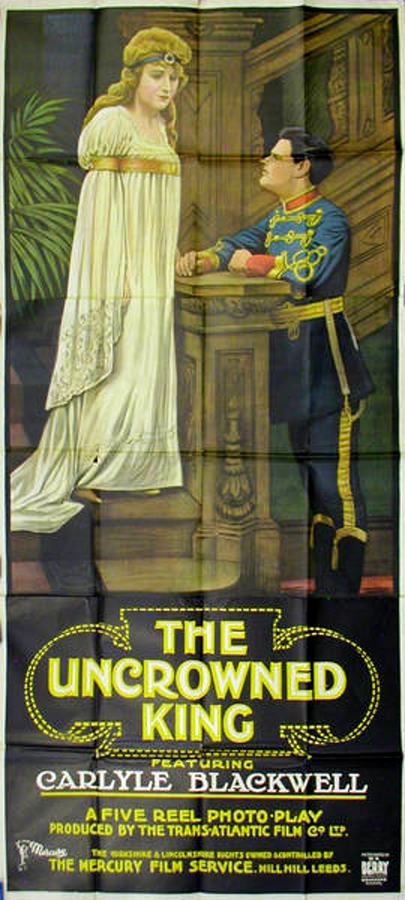
Dir: Carlyle Blackwell
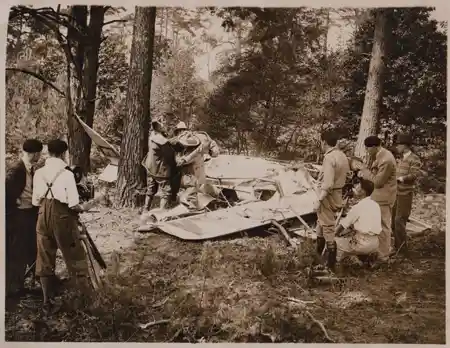
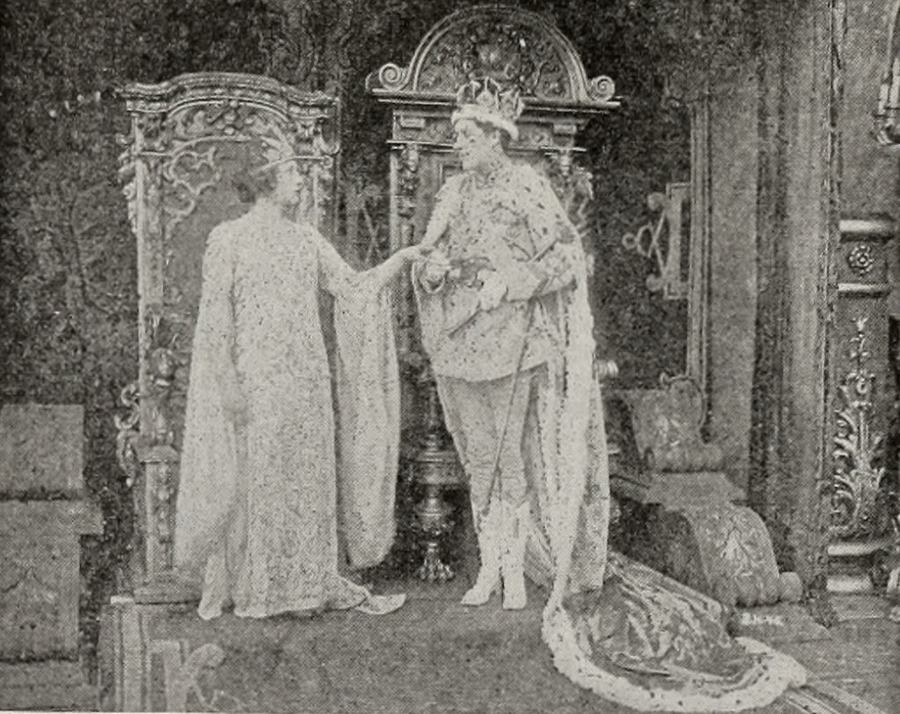
Football star Jack Christie accompanies his college roommate Victor Borden to France, where the latter becomes attached to gangster's daughter Lisette. He is injured trying to save her from a forced marriage, and while he is confined in a hospital, he reveals to Jack that he is actually Prince of Wallarya, a small country in the Balkans. Because Prince Ferdinand, who wishes to seize the throne, has convinced the King of Terresta to declare war on Wallarya, Jack agrees to take Victor's place temporarily at the head of the army. Posing as the prince, Jack foils Ferdinand's attempts to assassinate him and then prevents war by agreeing to marry the king of Terresta's daughter Diana. Victor wires Jack that he plans to settle permanently in America with Lisette, leaving the football hero to rule Wallarya with his bride.
View Details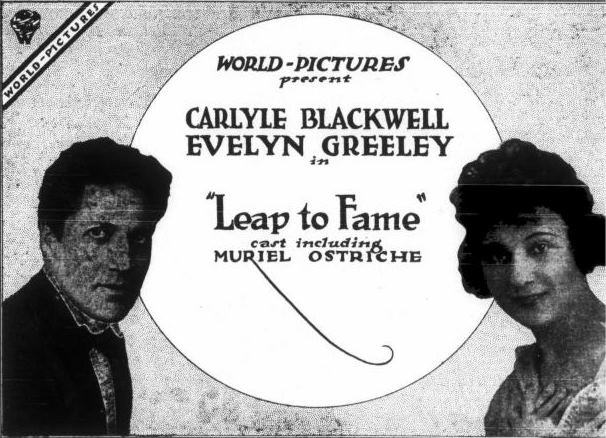
Dir: Carlyle Blackwell
Charles Trevor, a young chap just out of college, is put to work on a daily newspaper and at once starts to lead a life of adventure and romance. A German spy and a maiden in distress cross his path the first day, and before the end of the story he has landed a big scoop for his paper, put the German in jail. and married the girl. There are chases in automobiles, on motorcycles, on horseback, and in motorboats, and the entire picture has the bustle and atmosphere of a melodramatic serial. As the hero, Carlyle Blackwell is always consistent to the type of all-conquering young gentlemen drawn by the author, He plays the part as if he's enjoying himself, and gives an unaccustomed glow of romance to the otherwise-humdrum newspaper office where he is employed.
View Details
Dir: Carlyle Blackwell
"A wealthy young man, through losing the bulk of his fortune, goes to Canada, where he encounters and loves the daughter of the scoundrel lawyer who has robbed him." (Synopsis from BIOSCOPE, November, 1930.
View DetailsAnalysis relative to The Good for Nothing
| Film Title | Atmosphere | Complexity | Similarity |
|---|---|---|---|
| The Man Who Could Not Lose | Ethereal | High | 89% Match |
| His Royal Highness | Gothic | Dense | 94% Match |
| Leap to Fame | Ethereal | Abstract | 96% Match |
| Beyond the Cities | Surreal | High | 97% Match |
This guide was algorithmically generated using the cinematic metadata of Carlyle Blackwell's archive. Last updated: 8/16/2026.
Back to The Good for Nothing Details →