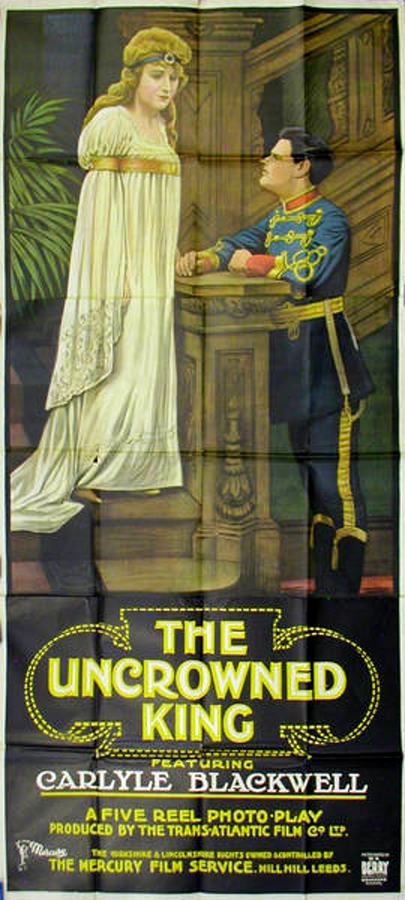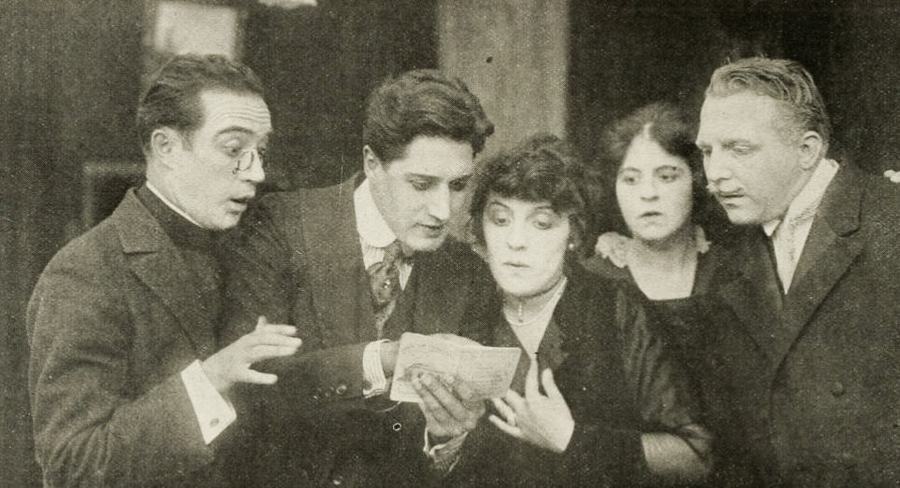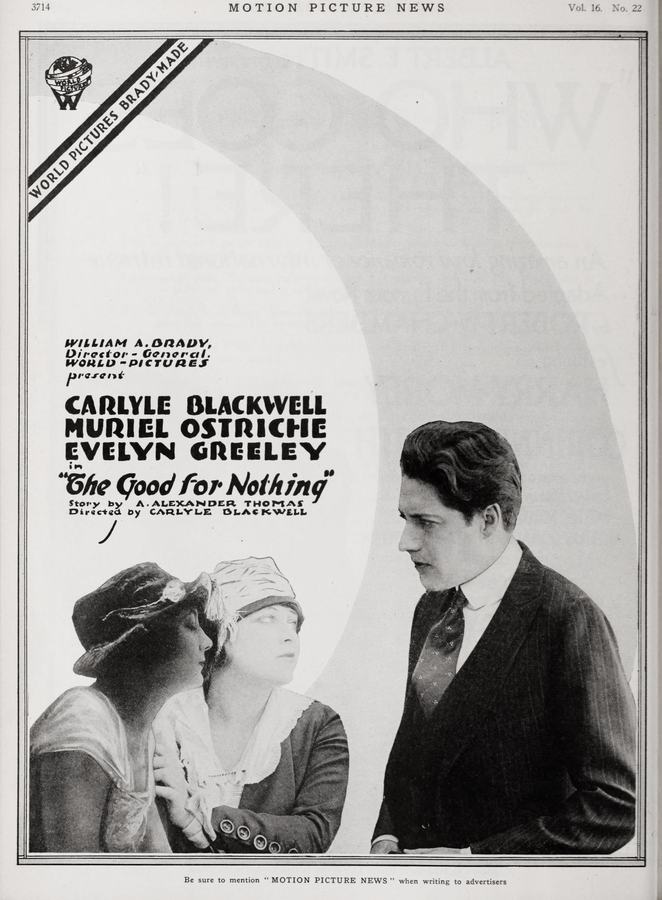
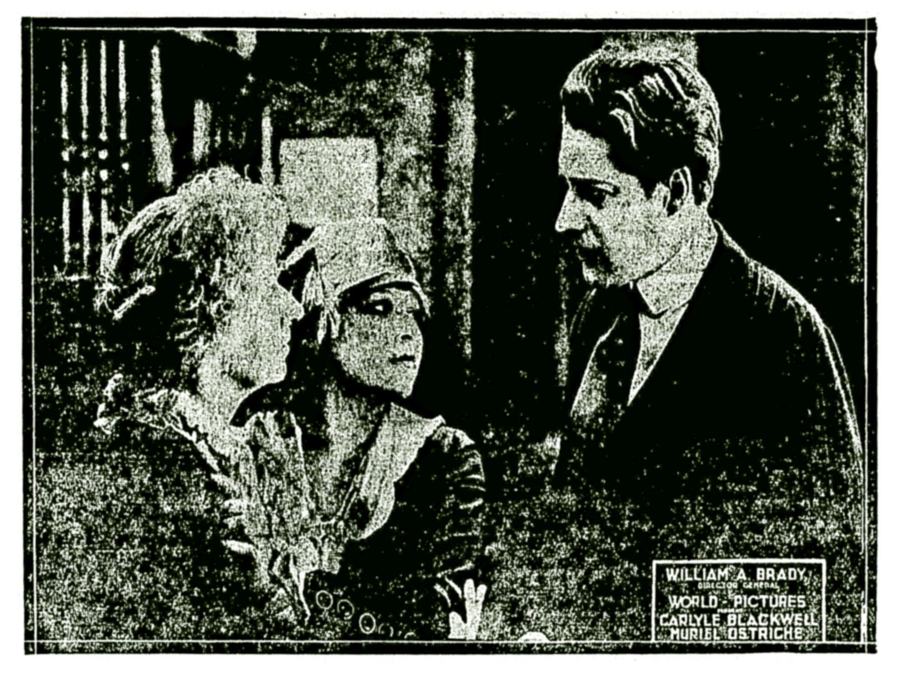
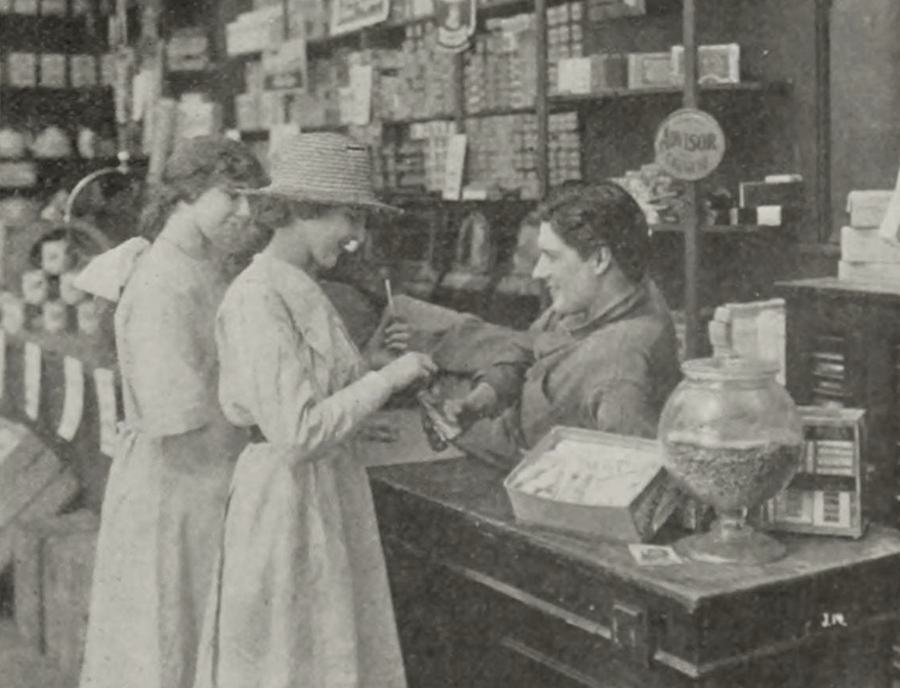
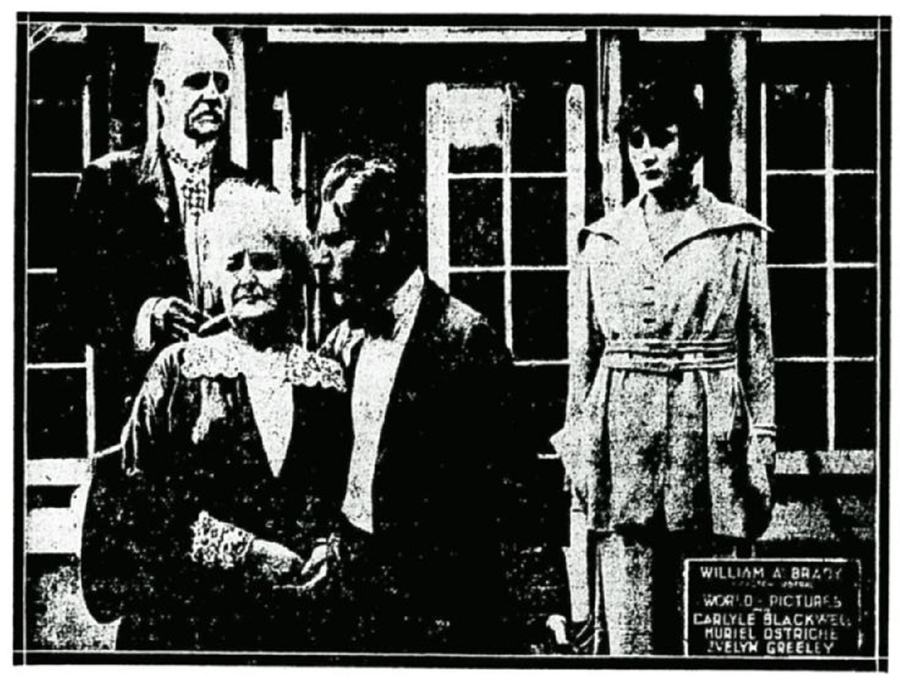
Ne'er-do-well Jack Burkshaw returns home after a 10-year absence to find his widowed mother remarried to wealthy Eugene Alston. Finding himself out-of-place among his newly-acquired relatives, Jack accepts the position as manager of a stock farm owned by his stepfather.
United States
In the pantheon of early silent cinema, few archetypes resonate with as much enduring vigor as the prodigal son. However, in the 1917 production The Good for Nothing, directed with a keen eye for social stratification, this trope is not merely revisited; it is dismantled and reconstructed through the lens of agrarian...
publicity
still_frame
publicity
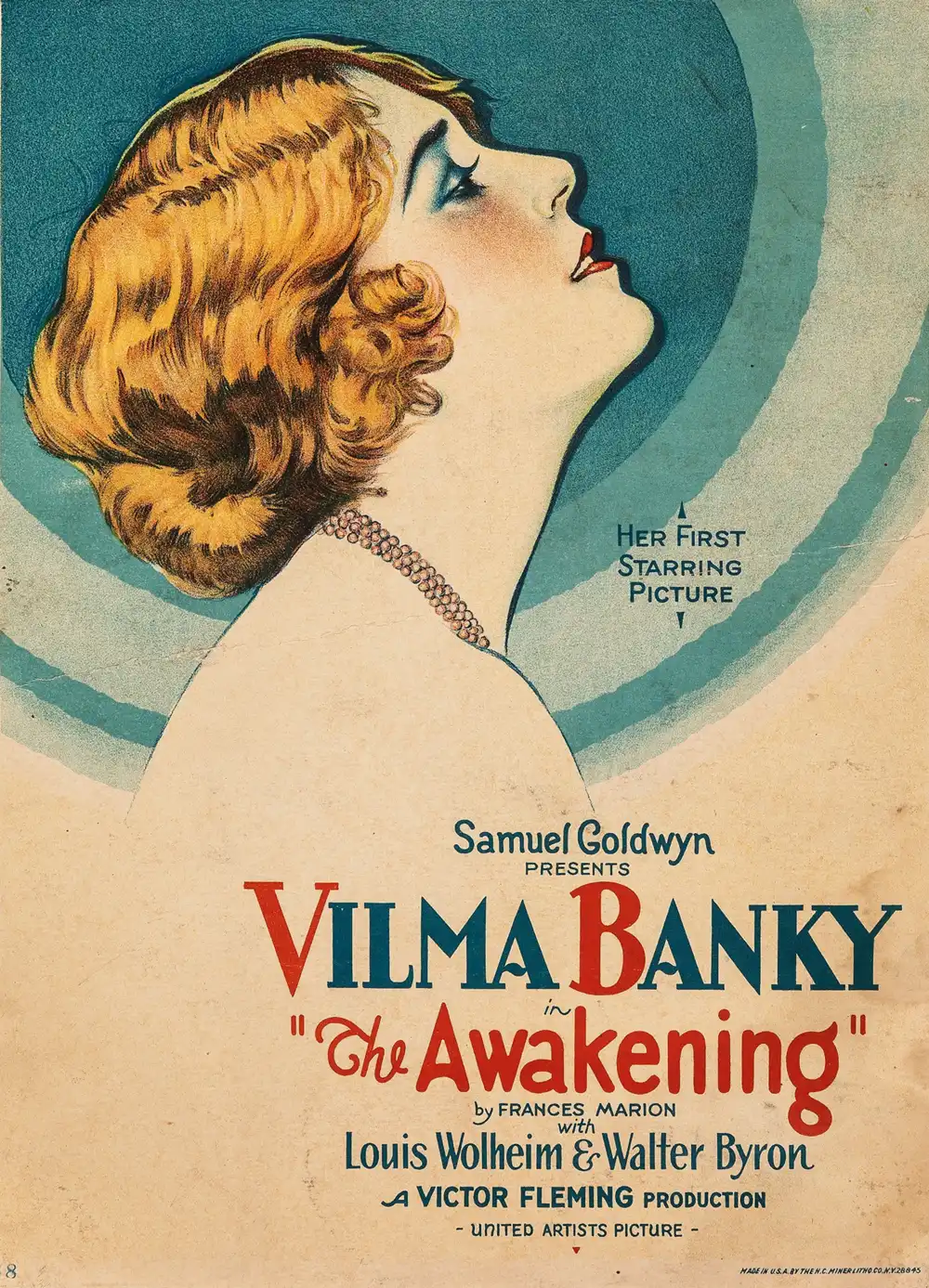
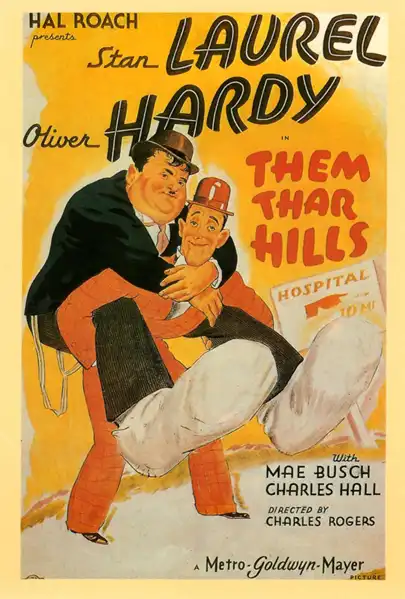
Comparing the cinematic DNA and archive impact of two defining moments in cult history.
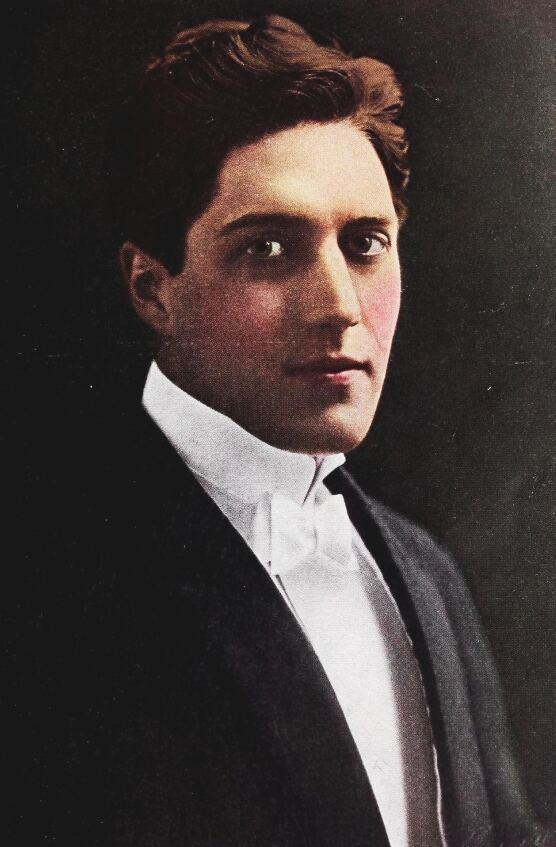
Carlyle Blackwell
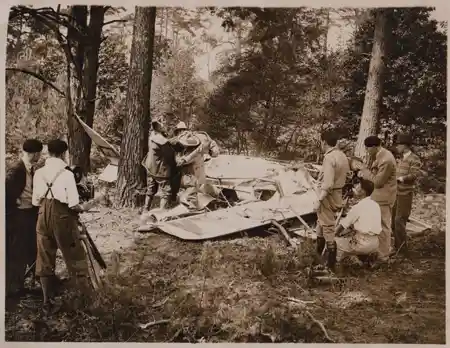
Carlyle Blackwell
Community
Log in to comment.
" In the pantheon of early silent cinema, few archetypes resonate with as much enduring vigor as the prodigal son. However, in the 1917 production The Good for Nothing, directed with a keen eye for social stratification, this trope is not merely revisited; it is dismantled and reconstructed through the lens of agrarian virtue. Carlyle Blackwell portrays Jack Burkshaw not as a broken man seeking penance, but as a misunderstood force of nature returning to a world that has traded its soul for the ..."
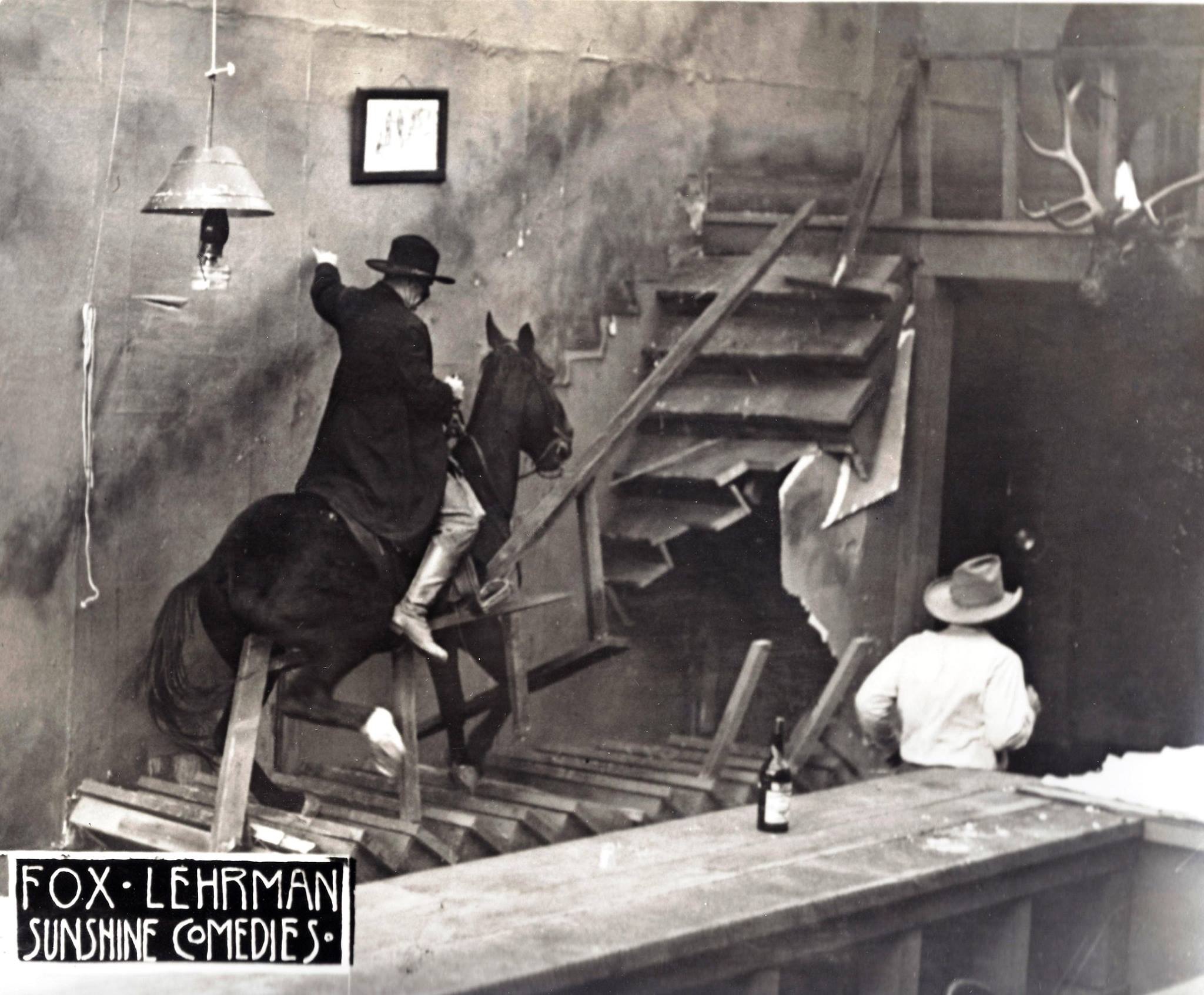
Deep dive into the cult classic
Discover similar cinematic experiences
A Directorial Spotlight on Carlyle Blackwell