
DbcultAccessing Vault...
Recommendations
Senior Film Conservator
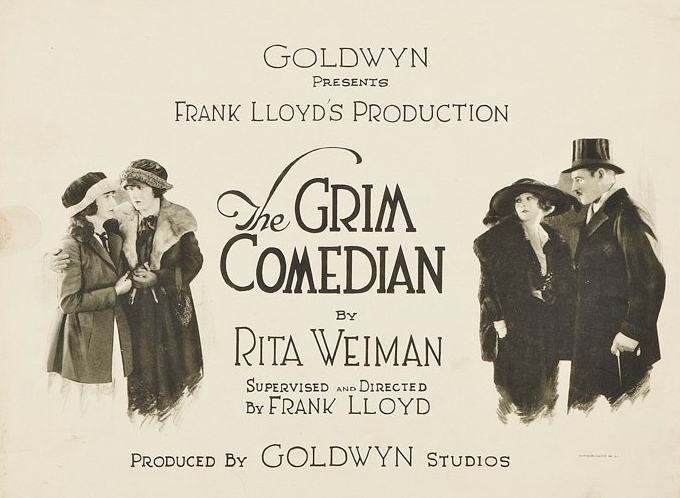
In the vast archive of Drama cinema, The Grim Comedian stands as a poignant storytelling beacon, it's essential to look at the contemporaries that shared this poignant storytelling. Our cinematic experts have identified several titles that reflect the spirit of 1921.
Few films from 1921 manage to capture to leave an indelible mark on the history of United States film.
Musical comedy star Marie Lamonte, the mistress of Harvey Martin, has her daughter, Dorothy, reared in a convent school. Realizing that the daughter is about to come home, Marie gives up her luxurious life with Martin and in maternal devotion retires to humble lodgings. There she is happy with Dorothy, who is in love with young artist Geoffrey Hutchins. Martin, however, lavishes Dorothy with gifts and persuades her to elope with him; learning that Martin has fascinated Dorothy, Marie goes to his apartment to plead with him to give up the girl, who meanwhile is concealed in an adjoining room. Martin refuses, and in desperation Marie shoots at him. In admiration of her courage, Martin changes his mind, telling Dorothy that he never intended to marry her; and when the girl is united with Geoffrey, Marie is at last happy.
Critics widely regard The Grim Comedian as a cult-favorite piece of Drama cinema. Its poignant storytelling is frequently cited as its strongest asset, solidifying its place in United States's film legacy.
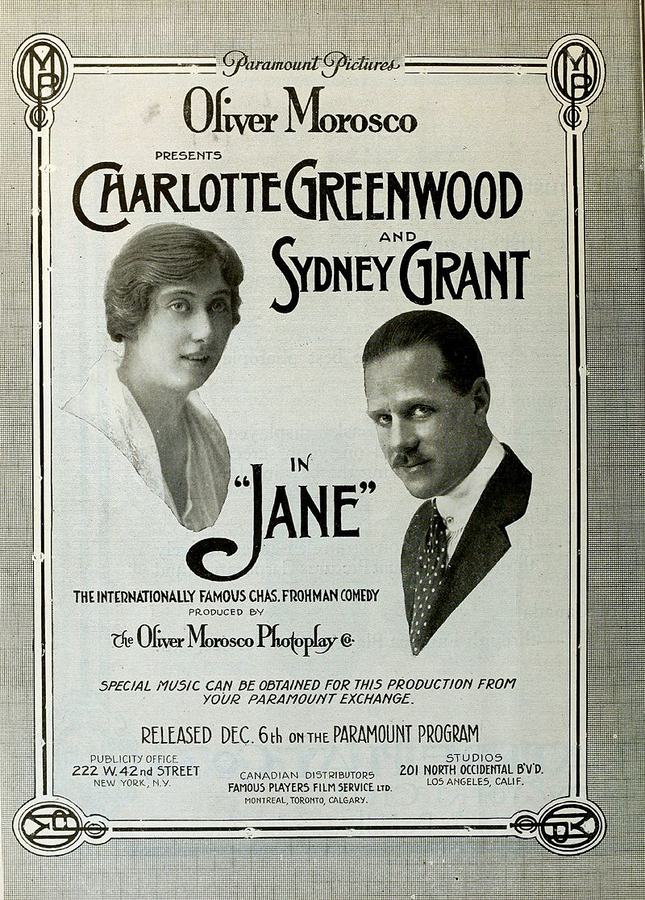
Based on the unique poignant storytelling of The Grim Comedian, our vault has identified these titles as the most compelling follow-up experiences for fans of Drama cinema:
Dir: Frank Lloyd
To obtain an increase in his income from his wealthy uncle, Charles Shackleton must stop his wild bachelor ways and marry. Charles proposes to Lucy Norton, but her father refuses his permission. Undaunted, Charles tells his uncle he has married and receives his increased allowance. A year later the uncle announces an upcoming visit, and Charles begins a frantic search for a temporary wife, offering Jane, the maid, five hundred dollars to play the part of Mrs. Shackleton. Secretly married to William, the butler, Jane undertakes the role without her husband's knowledge, causing him much confusion and jealousy. When the uncle demands to see "the baby," Jane snatches one from an unsuspecting washerwoman, who later catches the uncle with her child and calls the police on him. Further complications lead to Charles' pleading proposal to Lucy and then finally to the truth, which leaves everyone satisfied.
View Details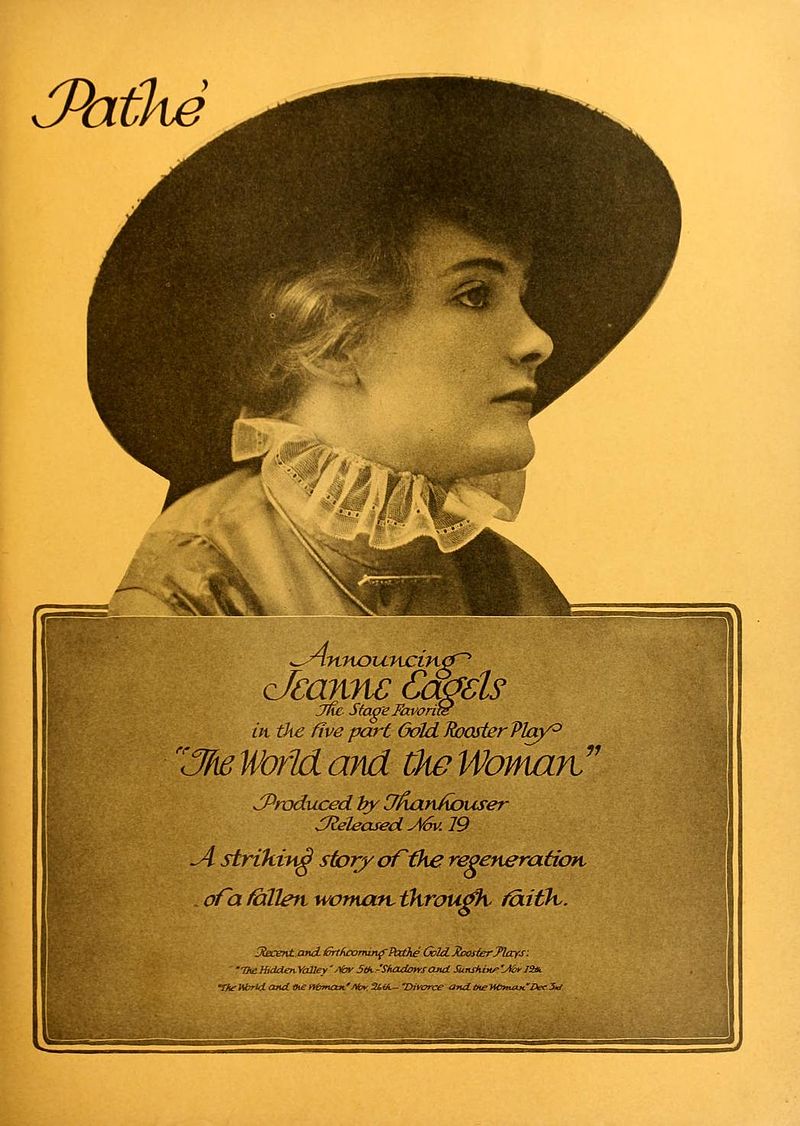
Dir: Frank Lloyd
A gay dinner party took place in one of Broadway's showiest restaurants. The host was a bachelor of wealth, and his guests included men of his own station in life, and young girls caught in the whirl of gaiety. The bachelor told the young girls that the keeper of his mountain lodge had advised him by letter that she requires the services of a maid, and he offered the proposition to the girls, but they refused. A face then appeared at the window of the restaurant. It was the face of a woman who had been cast aside. The girls told their host to offer the job to her. Being in a mood to take the advice, he hurried from the restaurant, overtook the derelict, and brought her back with him. The woman was starving and accepted the position in the mountain. Her past life was recalled to her that very night, for one of the guests in the restaurant was the man who had made her what she was. In the Adirondack Mountains the woman found life quiet, but a chance acquaintanceship with a family in the valley marked another change in her life. The family (a man, his wife, and their little daughter) took a liking to the maid and induced her to attend services at the village church. The weeks passed, and then the owner of the lodge arrived from the city with a number of his friends. instead of the forlorn outcast whom he had sent to the mountains he found an attractive woman, but one who would not listen to his advances. Angered by her attitude, her employer tried to force his intentions upon her. She then left the lodge and went to the home of the little family, where she was welcomed. Some days later the little daughter was accidentally injured. The doctor declared that her spine was broken, and despite all his efforts, the child steadily sank. The outcast prayed for Divine help, and as she prayed it seemed to her that she was told to heal the child. Strengthened and transfigured by her religious devotion, she accomplished what the doctor had failed to do. The woman's power soon became known and was as effective with other invalids as it was with her first patient, while at the mountain lodge its worldly owner laughed cynically as he thought how these respectable, narrow-minded people reverenced a woman whom they would despise if they knew her past. From the city the man came who had blighted her life. His friend at the mountain lodge had written him about the woman's new career. He came to sneer, but soon learned to respect and honor her. But one day the woman failed for the first time. A mountaineer brought his wife, a cripple for several years, to be cured. Th« owner of the lodge threatened that he would reveal the outcast's past life. Realizing that he would keep his word, the woman's great faith disappeared. While the assembled people were still discussing the failure of their idol, her former employer told them what this woman had been before she came among them, and they recoiled from her in horror, all of them except the man who had been her first enemy and had now become her friend. He asked her to marry him and she refused, going out into the world alone. The old bitterness did not return to her and she prayed for guidance. It seemed to her that she was told to make the cure which she had failed to achieve, and she set out for the mountaineer's cabin. The mountaineer's wife had been crippled by a racing automobile and that day the owner of the mountain lodge told her husband the name of the man who had driven the car. It was the man who had asked the outcast to marry him. The mountaineer decoyed the guilty man into the mountains, and there a fight took place between the two men. The man from the City was no match for the mountaineer and he was about to be hurled into the chasm when he beheld a sight which caused him to forget his vengeance forever. His wife was walking down the mountain path towards him. And with her was the healer, the woman who had failed. Realization came to him as his wife told him of the great cure, and he thanked the woman whom he had misjudged. Happiness has come to the outcast as the wife of the man who made an outcast.
View Details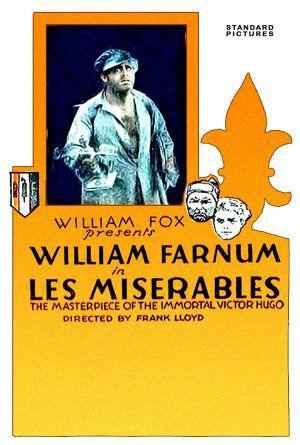
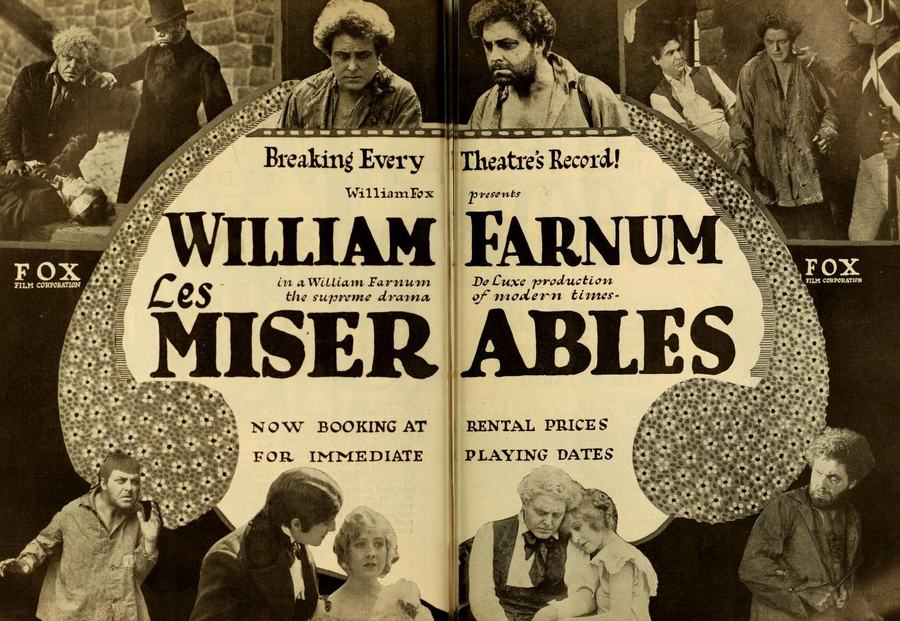
Dir: Frank Lloyd
Jean Valjean, a good and decent man who has committed a minor crime, is imprisoned but escapes. He is pursued thereafter for years by Javert, the cruel and implacable arm of the law.
View Details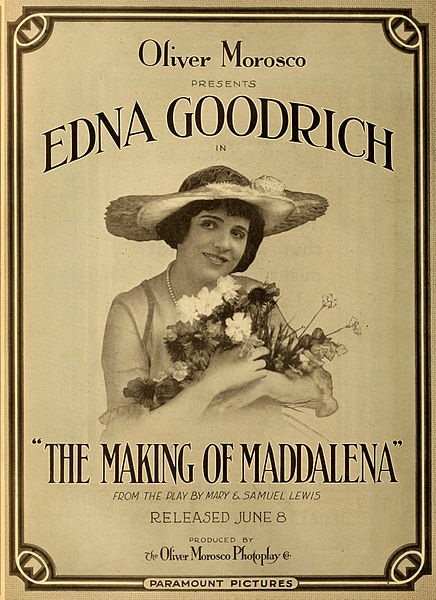
Dir: Frank Lloyd
George Hale, a rather good-for-nothing son of wealthy parents, is engaged to marry Marie, a young society girl. She refuses to marry him until he has made good. Young Hale's chum, Augustus Foster, an art student, induces Hale to join him in his studio in Rome. To win the admiration of his sweetheart, Hale accepts his chum's offer and starts his career as an artist. Being of a carefree, happy disposition, he dallies with his work. Here he meets Maddalena, a very beautiful young Italian girl, who poses as his model. Her father, a rough and muchly-dissipated Italian of the poorer class, has abused his daughter most shamefully, using the money she earned selling flowers to buy his drink. Young Hale is greatly attracted to the beautiful Maddalena. One night at the studio, where a number of his friends were celebrating the Fourth of July, in true American fashion, the studio gaily decorated with American flags, bunting of red, white and blue, a letter is received by Hale from the American sweetheart denouncing him and announcing her engagement to Signor Pastorelli, a great artist, who was then living in America. Leaving her home because of her father's abuses, Maddalena seeks refuge in the studio of Hale. In a fit of rage over the news of his sweetheart's betrothal to Sig. Pastorelli, Hale announces to his friends his intentions of marrying his beautiful model, Maddalena. He marries her, a son is born to them. Hale finds the struggle for existence a very difficult one and seeks employment. He becomes ill, loses his position. Hale's father, who has learned of his marriage and illness, decides to go to his son and bring him to America, to his mother, who is grieving for him. This he does, takes his son away until he is well enough to go to America. He would like to take the child, but the mother will not give him up. Maddalena's brutal father, seeing an opportunity to get a few dollars from the elder Hale if he should bring him the child, kidnaps the baby. Grandfather Hale, with his son and grandson, leave for America. Months later, Hale's chum, Augustus Foster and his aunt, Mrs. Wright, go to find young Hale, only to learn from poor little broken-hearted Maddalena of her desertion. Mrs. Wright takes the girl as her companion to Paris. Here she is educated. They finally come to America. Here Maddalena becomes interested in settlement work, meets Dr. Comstock and interests him in her great work among the poor. She becomes a trained nurse, nursing in the homes of these poor people. An epidemic breaks out in the city, a most dreaded disease and one day she learns through the newspaper that her child has been stricken with this disease. She goes to the home of the child's grandfather, acts as nurse to her child. The child becomes very ill, the elder Hale does not recognize the young nurse as his daughter-in-law, and thinking the child is dying, says: "Oh, if the child's mother was only here." Hale, who has been out of the city, has been called home because of the seriousness of his child's illness, comes into the room and recognizes his wife. A reconciliation takes place, the elder Hale recognizes the great change in the girl, sees the noble character, and takes her into his home.
View Details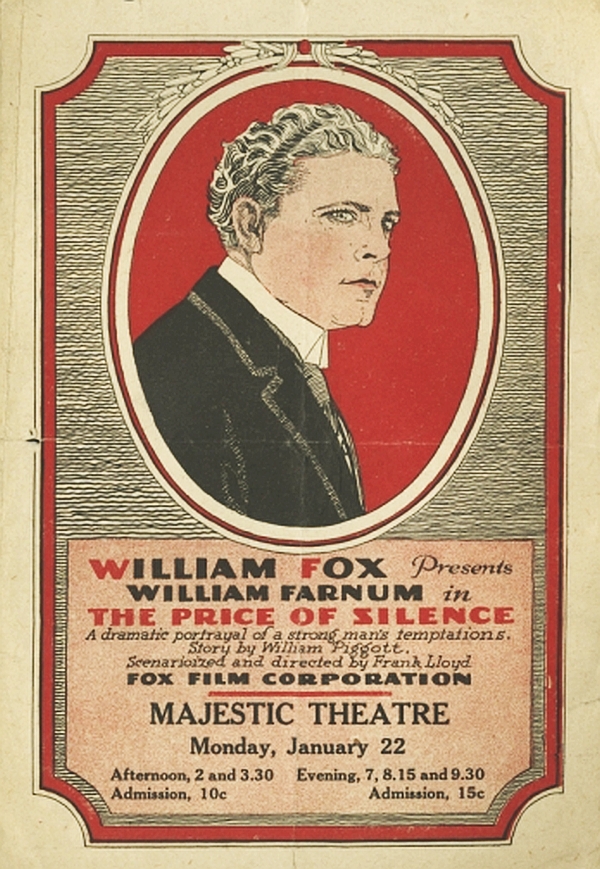
Dir: Frank Lloyd
U. S. Senator Frank Deering has spent his life trying to alleviate the misery of child labor. Judge Vernon, his closest friend, aids him in this struggle. Unexpected circumstances force Judge Vernon to borrow money from Henry McCarthy, one of the factory owners most responsible for the harsh and inhumane working conditions. Judge Vernon is unable to pay off the loan, and is reduced to accepting a bride from McCarthy. Later, the Judge is stricken with a heart-condition but, on his dying bed, he confesses the shameful act he committed to Deering. To keep his friend's name unsullied, Deering makes a deal with McCarthy and votes against the child-labor-act he sponsored. His colleagues and the world, unaware of his sacrifice, mock and jeer him.
View Details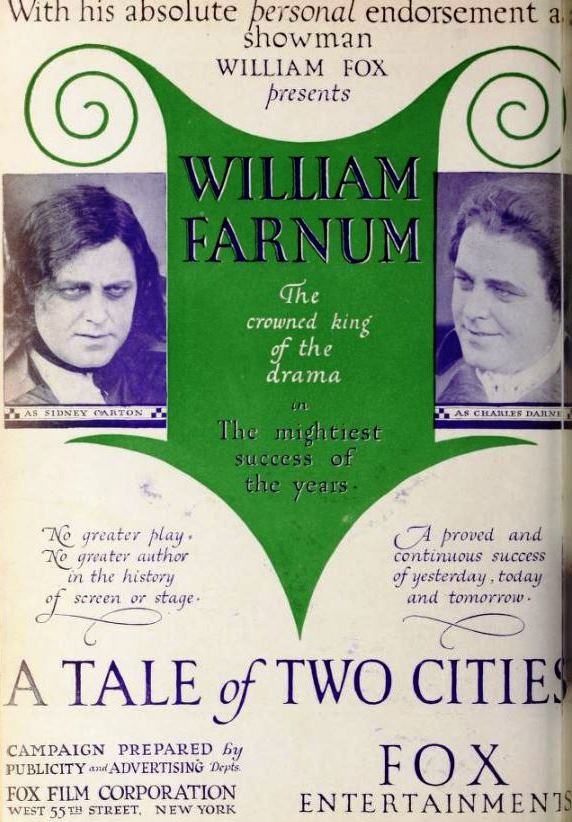
Dir: Frank Lloyd
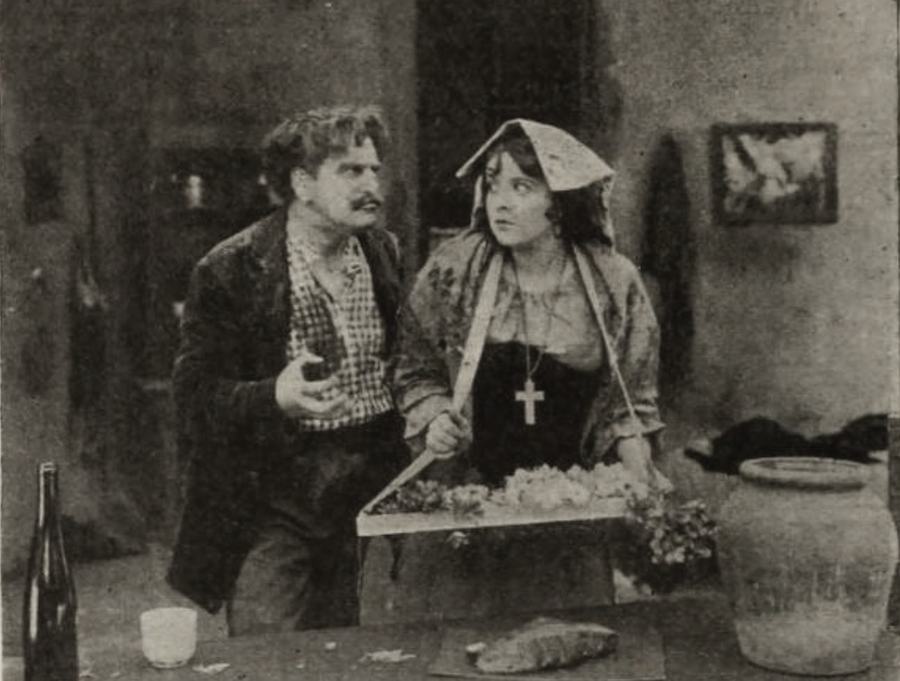
Alcoholic lawyer Sydney Carton travels to Paris during the Reign of Terror to rescue French aristocrat Charles Darnay, husband of the woman he loves.
View Details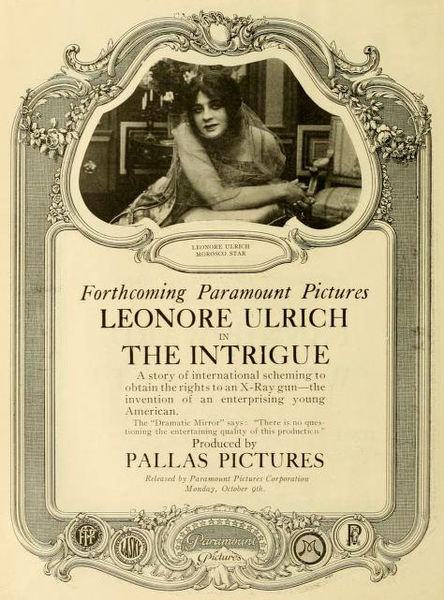
Dir: Frank Lloyd
A sci-fi/espionage film in which world powers vie for control of a death ray during World War I.
View Details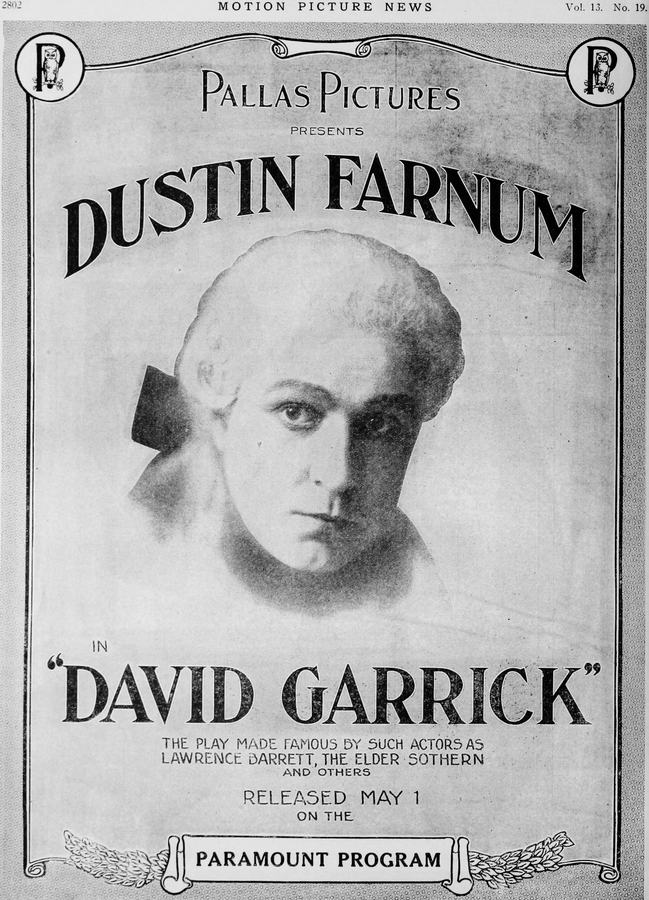
Dir: Frank Lloyd
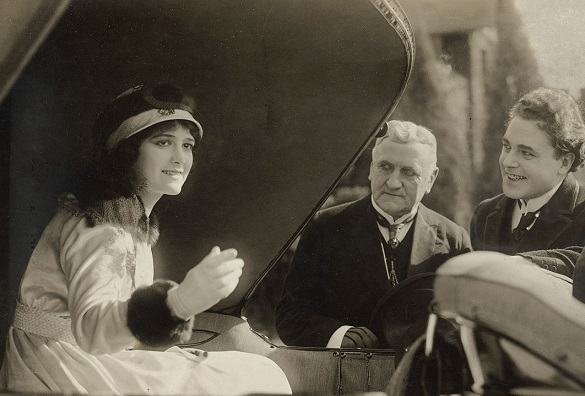
The true story of the famed British actor David Garrick and his love for Ada Ingot.
View Details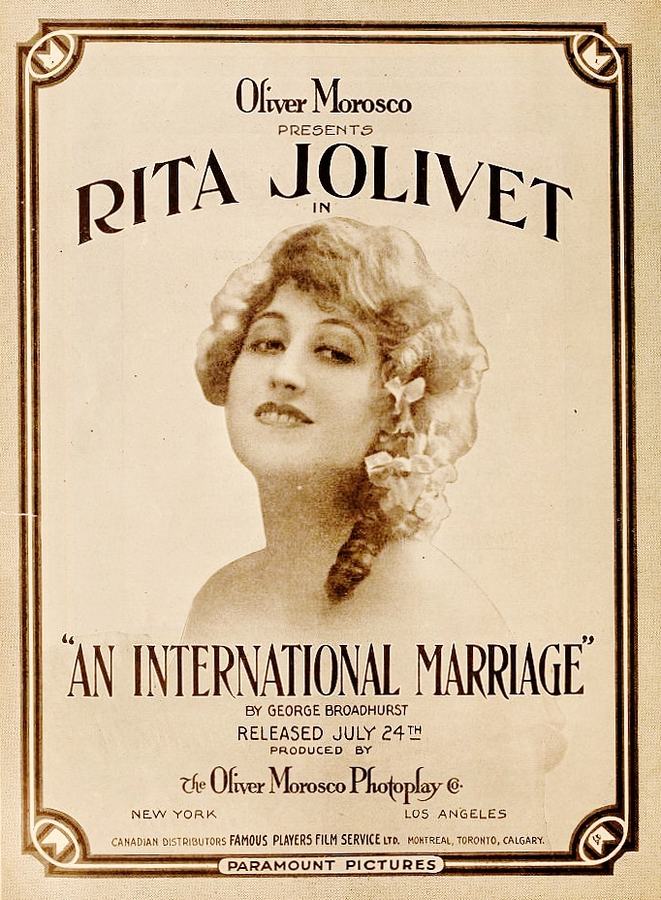
Dir: Frank Lloyd
Florence Brent is the daughter of Bennington Brent, who runs a successful laundry business. Florence's childhood friend, John Oglesby, is a Congressman. When Florence visits her friend, Eleanor Williamson, in Washington D.C., she meets Eleanor's fiancé, who is a Count. The Duke of Buritz, a countryman of the Count, tries to corrupt Oglesby for political reasons. Meanwhile, the Count breaks his engagement to Eleanor, having become enamored of Florence. Oglesby eventually exposes the duplicity of the Count and Duke.
View Details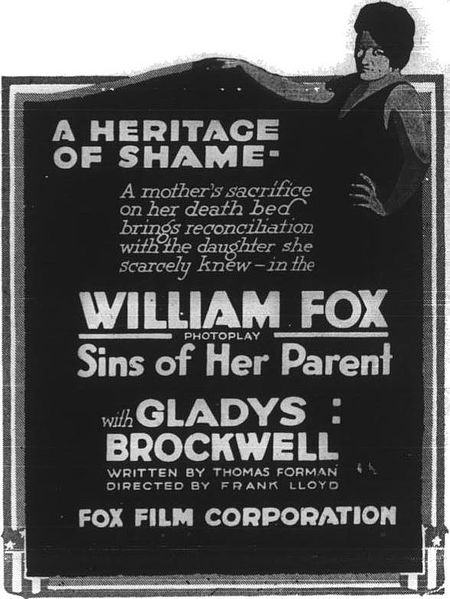
Dir: Frank Lloyd
Unhappy with her shotgun marriage to Southern aristocrat Arthur Heatherway, Valerie Marchmont leaves her new husband and, after giving her infant daughter to a Virginia family, goes to Alaska to work in a dance hall. Years later, the daughter, Adrian Gardiner, wants to marry Richard Carver. Richard's father Robert, refuses them to marry because Adrian cannot provide any information about her parents. Following a hunch, Richard goes to Alaska to find the mother Adrian never knew, but just after locating Valerie, he is shot by saloon owner Jim McNeil. When Adrian and Robert go to Alaska to be with Richard during his recuperation, Robert recognizes Valerie as the wife of his old friend Arthur. As a result, he approves of the marriage, but the celebration accompanying the news is cut short when Valerie and Jim kill each other in a fight.
View DetailsAnalysis relative to The Grim Comedian
| Film Title | Atmosphere | Complexity | Similarity |
|---|---|---|---|
| Jane | Gritty | Dense | 92% Match |
| The World and the Woman | Gritty | Linear | 87% Match |
| Les Misérables | Surreal | Abstract | 95% Match |
| The Making of Maddalena | Gothic | High | 97% Match |
| The Price of Silence | Surreal | Dense | 88% Match |
This guide was algorithmically generated using the cinematic metadata of Frank Lloyd's archive. Last updated: 6/26/2026.
Back to The Grim Comedian Details →