
DbcultAccessing Vault...
Recommendations
Senior Film Conservator

The cinematic DNA of The Hand of Peril (1916) is truly one of a kind, finding other movies that capture that same lightning in a bottle is a top priority. We have meticulously scanned our vault to find hidden gems that resonate with this work.
As a pivotal work in United States cinema, The Hand of Peril to challenge the status quo through its avant-garde structure.
James Kestner is a government secret agent on the trail of a band of counterfeiters and particularly anxious to locate the head of the gang, Frank Lambert, who, in addition to his skill as a counterfeiter, is known to the underworld as the only man who can fill in the perforations of a used bank check. Kestner locates the band in their underground work shop near the river front. He cleverly maneuvers his way into the headquarters of the band when it is empty, but is caught in the act of searching for incriminating evidence by "Bull's Eye" Cherry, a clever girl crook, and one of the mainstays of Lambert's crowd. Lambert and his daughter, who has been educated in crime by her father, return to find Kestner held at the point of Cherry's revolver. Lambert is for killing the detective outright. Impressed by Kestner's brave demeanor, Maura intercedes in his behalf, but finding her father determined in his intention to kill the government agent, she pretends that the police are outside. The counterfeiters make their escape without settling accounts with Kestner. Kestner locates the criminals in their new quarters. One of his assistants trails "Bull's Eye," who has the new counterfeit plates in her possession, but she cleverly evades capture and returns the plates to Lambert's headquarters. Kestner forces his way into the gang's rooms, arriving just in time to witness a desperate battle between Lambert and Tony Morello, one of his accomplices, whose passion for Maura has led him to attempt to force his advances upon her. Lambert kills Morello with a knife, but before dying the man acquaints Maura with the fact that Lambert is not her real father, but that he stole her when a baby and reared her to this life of crime. Kestner places Lambert under arrest, but the crook evades capture a second time by a ruse. Kestner's assistant arrives with the police, but Kestner permits Maura to go free on account of her having saved his life on the occasion of their first meeting. Kestner is determined to capture Lambert single-handed. He trails him to a midnight rendezvous on a wharf, where he and Lambert fight it out to a finish. The revolver battle between the two men in the dark culminates in a hand-to-hand encounter in which Kestner ultimately proves victor, but has barely strength enough to handcuff himself to his unconscious opponent before collapsing. In the end Kestner induces Maura to return to the straight road, and she takes up her home with his mother. The story closes with the intimation that the romance so strangely begun will lead, as time passes, to a life of happiness for them, together.
Critics widely regard The Hand of Peril as a cult-favorite piece of cult cinema. Its artistic bravery is frequently cited as its strongest asset, solidifying its place in United States's film legacy.
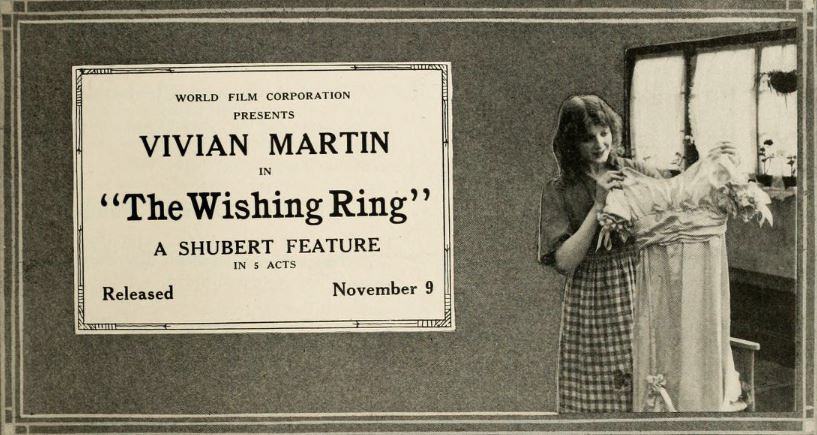
Based on the unique artistic bravery of The Hand of Peril, our vault has identified these titles as the most compelling follow-up experiences for fans of cult cinema:
Dir: Maurice Tourneur
After being expelled from college, Giles runs away from home and meets and falls for a young lady.
View Details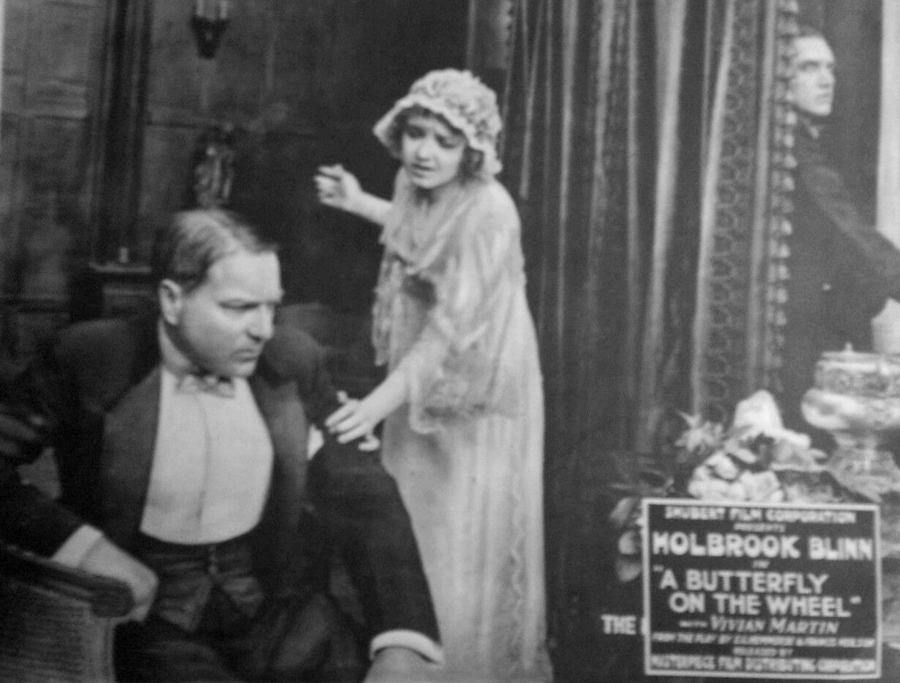
Dir: Maurice Tourneur
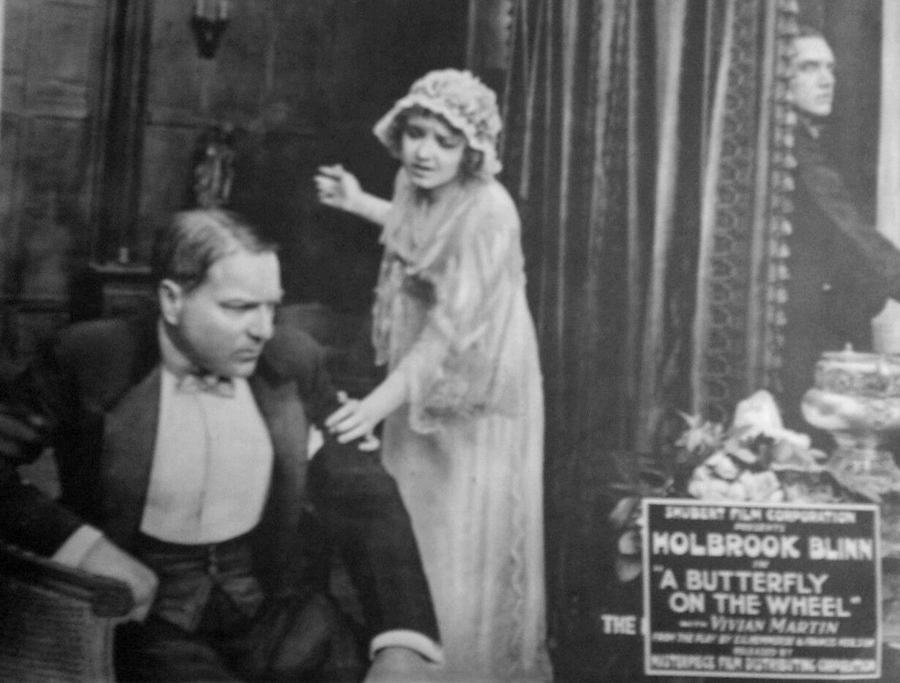
Peggy Admaston and her husband are socialites whose happy marriage quickly deteriorates as Admaston neglects his young wife for business matters, and is unaware of her loneliness and vulnerability. When Peggy is wooed by Admaston's friend Collingwood, who acts on his feelings without regard to consequences, she grows fond of him, but remains faithful to Admaston. After socialite Lady Attwill causes Admaston to doubt his wife's fidelity, his suspicions are furthered when a fire erupts one evening at the theater, and Admaston returns home unexpectedly to find that Peggy, who refused to accompany him because she said that she did not feel well, entertained a male visitor that evening. Admaston arranges to trap Peggy and Collingwood together at a country roadhouse, and begins divorce proceedings based on the resulting strong circumstantial evidence. Later, Lady Attwill convinces Admaston that Peggy's friendship with Collingwood was innocent and the couple is reunited.
View Details
Dir: Maurice Tourneur
The wealthy but selfish parents of a lonely young girl begin to rethink what is important to them after a servant's irresponsibility results in a crisis.
View Details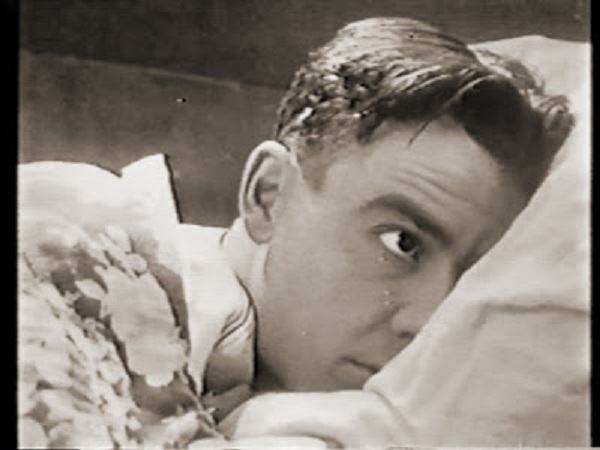
Dir: Maurice Tourneur
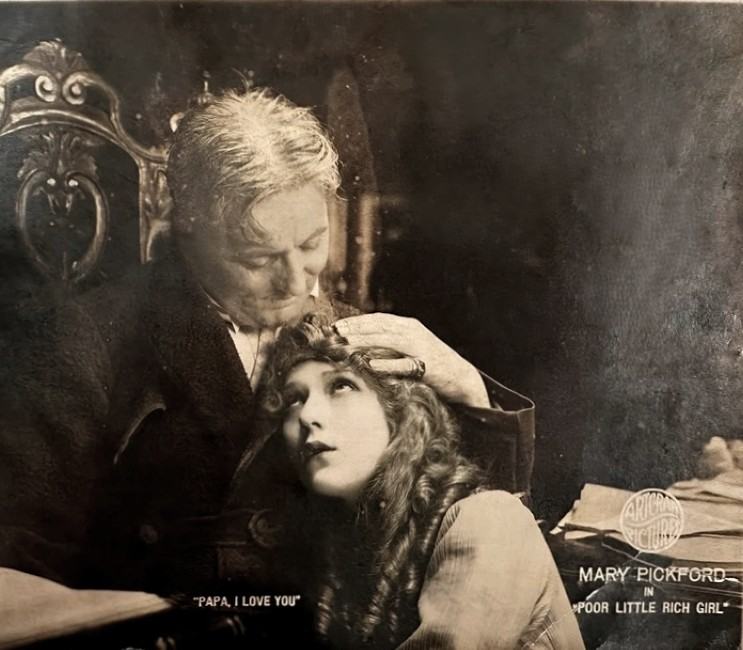
Editor of the Louisville Gazette sends happy-go-lucky cub reporter Steve Oldham to cover a feud in the hills that began when Jim Renlow's pig was caught eating Bill White's turnips. Although Steve tries to remain impartial, he falls in love with schoolteacher Alice Renlow. At a "Truce Dance" given to raise money for Alice's salary, Steve drinks too much and innocently kisses Peggy White, who then tells her relatives that they are engaged. Later, when Steve is seen kissing Alice's hand, the Whites take Steve captive and plan to shoot him at sunrise. Alice pleads with Tilden White, who loves her, to allow Steve to escape, but he agrees only if Steve will leave alone. When Steve refuses, Alice confesses her love. They fight until the house which they are occupying is destroyed and the cavalry, notified by Steve's newspaper, arrives. The two sides are now reconciled as Steve and Alice prepare to marry.
View Details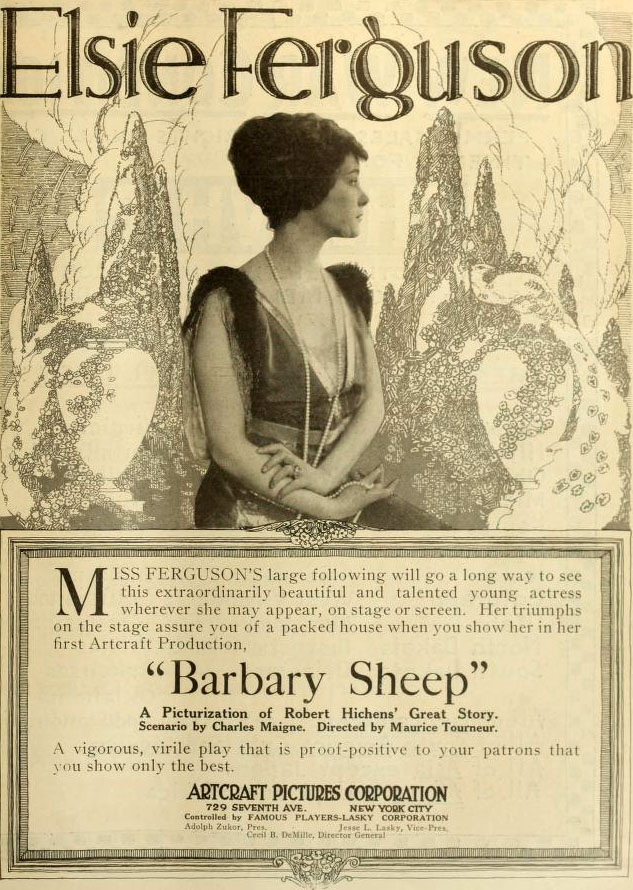
Dir: Maurice Tourneur
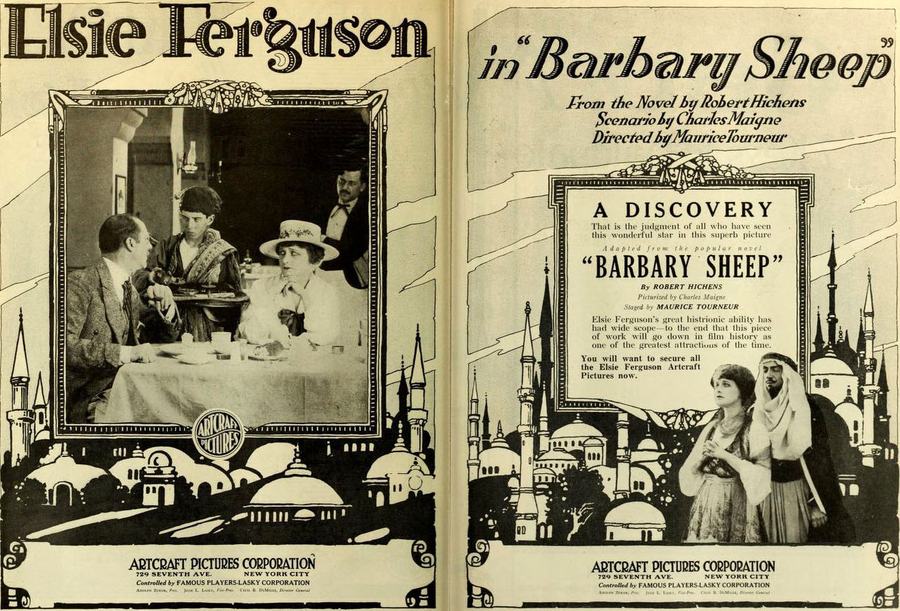
Arriving with her husband in Arabia, Katherine Wyvrne is ready for romantic times in the exotic Middle East, but her aristocratic husband prefers to be out hunting "Barbara sheep" than fulfilling his wife's desires. She soon meets up with the dashing Arab chief Benchaalai and falls for his charms, but he has a much more sinister goal in mind for her than romance.
View Details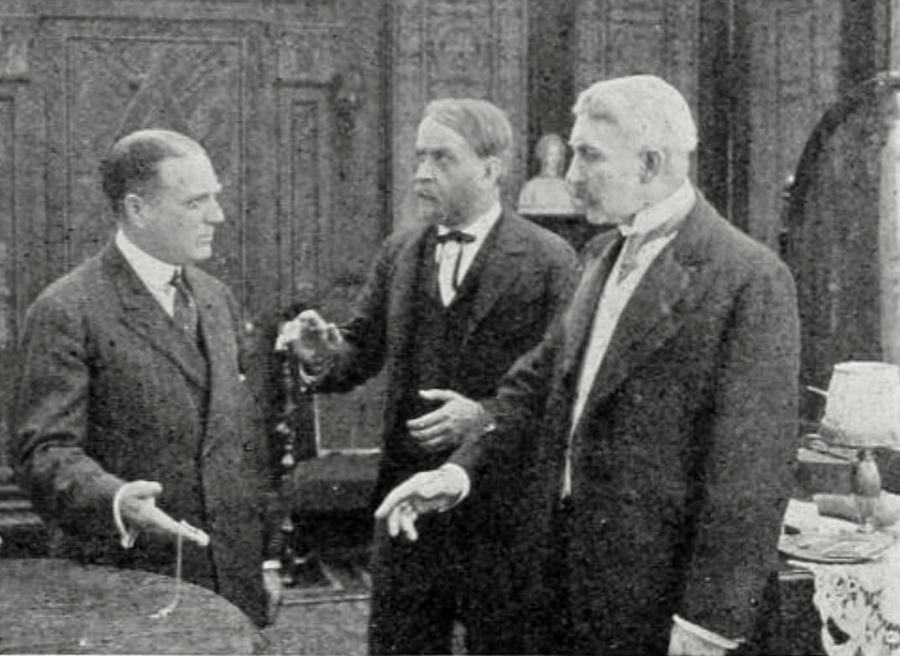
Dir: Maurice Tourneur
Richard Duvall is a young American detective in the employ of the French Secret Police. While in Paris he meets Grace Ellicot, also an American, with whom he falls in love. He marries her and is about to start on his honeymoon when he is called on by Mons. Lefevre, chief of the secret police. The French Ambassador to England, Monsieur De Grissac, has lost an ivory snuff box which must be found. They depart for London to interview the Ambassador. In London they go to the Embassy. There the Ambassador tells them that he was robbed of the snuff box while he was dressing and suspecting his valet, Noel, he locked him in his room. When Duvall goes to interview the valet, he finds that he has been murdered. Meanwhile, in Paris, Lefevre has broken the news to Duvall's wife of his departure to London. She, wishing to follow Duvall, asks Lefevre where she can find him. Lefevre tells her that if she will help in the recovery of the snuff box she will find Duvall. She consents, and Lefevre tells her to go to Brussels and try to place herself in the sanitarium run by Dr. Hartmann. who is supposed to be a German spy and whom Lefevre believes to be instrumental in the theft of the snuff box, which box, Lefevre hints, is of diplomatic importance. Richard Duvall, aboard the boat for Antwerp, finds the man whom he is following, asleep in a saloon, and during the night he opens the stranger's suitcase. He finds the package given the stranger in the barber shop, and on opening it, discovers the contents to be rice powder. By this time Duvall has learned that Grace is in the sanitarium, and that she furnished the news to Lefevre's agents. He feels that Grace should leave the sanitarium as soon as possible. He goes to Mr. Phelps, the American Ambassador, and has him invite Grace to dinner, planning to escape after dinner. During dinner that night, Dr. Hartmann, who is beginning to suspect Grace and Duvall, turns up at Mr. Phelps' house as an unexpected guest. When Richard and Grace leave on the pretext of Duvall's escorting Grace back to the sanitarium, Hartmann asks if he might ride with them. Because of no plausible reason, Duvall is forced to consent. On arriving at the sanitarium, Duvall is taken prisoner by two of Dr. Hartmann's attendants. His failure to discover the snuff box angers Dr. Hartmann. He knows that Duvall must have it with him, as his luggage has been searched and his friends imprisoned on various trumped-up charges. He gives Duvall until the next evening to confess the whereabouts of the box. The time allotted him is up, and Duvall refuses to confess. Hartmann resorts to torture. Finally Richard, at night, finds his opera hat behind a packing case and secures the box from the hat. Experimenting with several ornaments on the top of the box, he discovers that it has a double top. Inside the box is a piece of tissue paper, on which a series of numbers are written. Duvall substitutes another set of numbers, and conceals the set found in the box. In order to make Grace confess where the box is, as Dr. Hartmann believes she knows, he lets her see Duvall being tortured. She is almost crazed by watching his pain, so gets the box and delivers it to Hartmann. They are at once released, and proceed to Paris. They are not able to deliver the box to Lefevre, but they give him the series of numbers. Duvall and Grace at last start on their delayed honeymoon.
View Details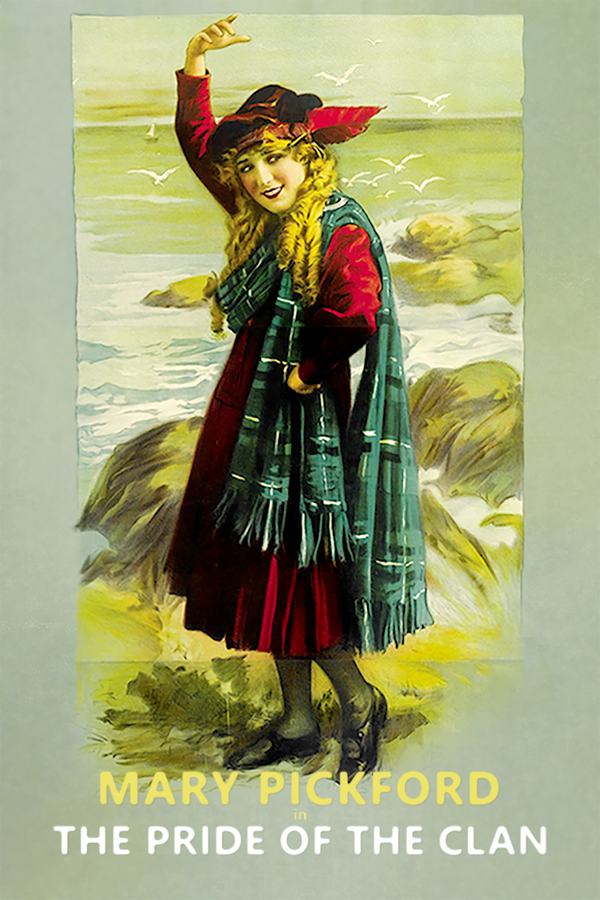
Dir: Maurice Tourneur
Among the simple fisher-folk of a little island off the west coast of Scotland lives MacTavish, head of a clan. Here he rules as a chieftain, and his word is law. One day a hurricane sweeps across the Hebrides and the fishermen turn their boats to the inlet for shelter. On the shore the women and children watch the fight of their men with the waves. Among those who wait is Margaret MacTavish, who sees her father's boat dashed to pieces in the roaring surf. A party of men headed by Jamie Campbell tries to rescue the old chieftain but the waves close over him before they can reach the battling craft. With MacTavish lost, according to the law of the island the succession of authority passes to his daughter Marget, just 18. She, with a spirit of kindness and in a tender, sweet and girlish way, rules the fishermen and their families. Her disposition wins them. Jamie Campbell, a young fisherman, has won Marget's heart. Jamie has always been regarded as the son of Mrs. Campbell, one of the clan. The old lady, realizing that Jamie is reaching his 21st birthday, feels that she cannot keep her secret longer. So she writes to the Countess of Dunstable that the baby of her first marriage, which she left with the old woman of the island, did not die but grew to be a fine young man, and is now known as Jamie Campbell. The Countess, accompanied by her husband, starts out to seek her son. It is on the eve of Jamie's betrothal to Marget that, the Countess finds the young man and tells him of his real identity. She swears him to secrecy even from his own sweetheart. The Countess goes to watch the quaint betrothal ceremony of her son and Marget. Meeting him they are seen by those who do not know the relation to embrace and this fact is told to Marget. The disappearance of the Countess has aroused the suspicions of the Earl, and he, having learned of her secret meeting with, Jamie and not knowing the relation, confronts her. The wife breaks down and confesses that the young man is her son. There having been no children by the second marriage the Earl is delighted with the news and at once starts to plan for Jamie's future. The Earl, however, means that Jamie shall cut loose from all of his former associates. He persuades Marget to believe that she is an obstacle to Jamie's future and she reluctantly decides to make the sacrifice and give up her sweetheart. As chief of the clan, Marget commands him to leave. Jamie with heart torn asunder departs for his mother's yacht. Marget decides to sail out to somewhere in the west where her father and his father were wont to sail with the fishing boats. Before she cuts the ropes that hold the frail old hulk in which she lives to the island shore she sets ashore her pets and writes a note, places it on the strap collar of her favored little goat, and sends it abroad. Grouchy, gloomy Pitcairn, the village atheist who feared no one and hated himself, has always refused to obey the rulings of Marget. Pitcairn is in a troubled sleep the night Marget cuts loose in her unseaworthy craft, and in a wakeful moment he hears the bleating of the goat at his door. He is about to drive the animal away when he finds the note Marget has written. Looking seaward he sees the old craft tossing in the sea and he realizes what has happened. The village is aroused and the church bell set to ringing. Down to the surf line rush the people. Pitcairn sends a messenger to the yacht to get Jamie. Lowering a boat he rushes to the hulk and just as the waters are closing in on the cabin he rescues his sweetheart and the atheist falls to his knees and utters a prayer for the first time in his life. Jamie takes Marget back to the yacht, a reconciliation between the girl and the Earl follows and the dreams of the courtship begin all over again but they are real dreams because they have come true.
View Details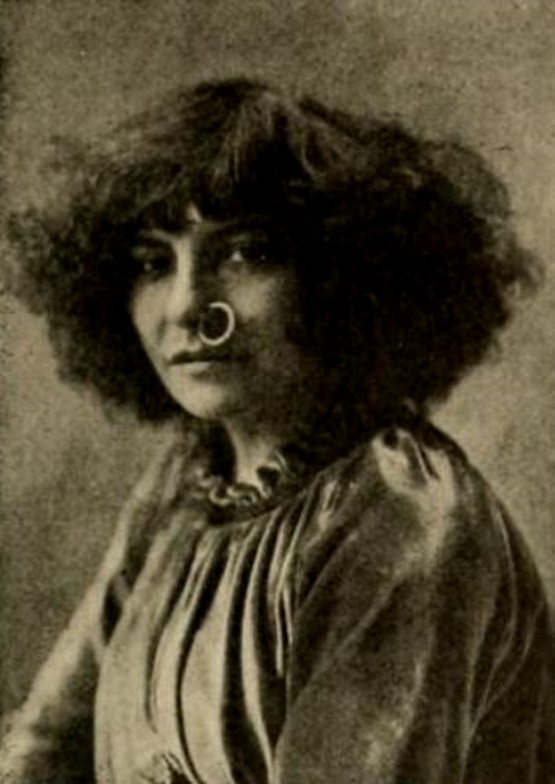
Dir: Maurice Tourneur
Mafflu, the old clown, out walking is greatly surprised to see a baby girl, fast asleep, holding in her hand a chunk of bread, at which a large number of sparrows are pecking. Mafflu decides to take the child away with him and care for it. He does this, but upon arriving at the circus where he is employed, the owner and the rest of the company have but a cold greeting for the little newcomer. However, Mafflu clings to the child. The Sparrow, as she is called, grows up and becomes the drudge of the circus. One evening, though worn out by fatigue and hunger, she must still prepare for the evening show. Scarcely has she mounted her horse and made a few rounds of the arena, when she falls and lies unconscious in the center of the arena. Romarin is in a rage and strikes the girl. Mafflu is disgusted and sends an official to the mayor. M. de Ganges, who that night happened to be a spectator. M. de Ganges takes the Sparrow with him to his home and she bids farewell to the only two beings she has ever loved, her adopted father and a poodle. Next morning, on awaking, she can hardly believe that all the beautiful things about her are a reality. The dream is indeed but a fleeting one. The Sparrow is received with jeers and mockery when she puts in an appearance in the servants' dining-room for her meals. A few days later a horse runs away in the park and the Sparrow cleverly manages to master it. This makes the groom, Charley, madly jealous. Charley abuses the Sparrow and a free fight ensues. M. de Ganges intervenes, and, disgusted with the groom's impudence, discharges him. The Sparrow is now received into the intimacy of the Mayor's family. She has fine clothes and jewels. A friend of the family, the banker Schlemmer, spends a few days at the mansion and is strangely attracted to the Sparrow. The attraction is not reciprocated, for, by degrees, the Sparrow falls in love with M. de Ganges. Alas, one day, she surprises him in a close embrace with his cousin. She is jealous. Schlemmer still persecutes the Sparrow to the extent of doing her violence. She decides to leave the house. In a few lines she thanks her benefactors for their goodness and announces her departure without, however, revealing its real cause. The Sparrow signs a very profitable contract with a new circus and she forgets, to a certain extent, her former disappointments. However, her troubles are not over yet. Charley, engaged as groom at the circus, finds occasion to exercise his hatred. After a first performance, the Sparrow goes to her dressing-room to change her costume for a second appearance. When, on hearing a noise, she turns around, and is horrified to see Schlemmer, introduced there by the groom, and who endeavors to abuse the girl, who defends herself energetically. Fortunately for her, Mafflu and the stage manager, wondering why she does not appear, enter her room and put an end to the trouble. Although not quite recovered from the shock, the Sparrow, nevertheless, takes her place on the central platform, where she is to perform her aerial act. M. de Ganges and his young wife are also spectators. In seeing the one she loves and who is forever lost to her, the Sparrow is painfully affected and, without ceasing to look at him, she makes a sudden leap, misses the rope along which she was to glide to earth, and crashes to the ground. Mafflu, in tears, picks up the girl, whose back is broken, and carries her away. M. de Ganges, deeply moved, comes to her and the Sparrow has, at least, the consolation of beholding before her death the dear face of the loved one.
View Details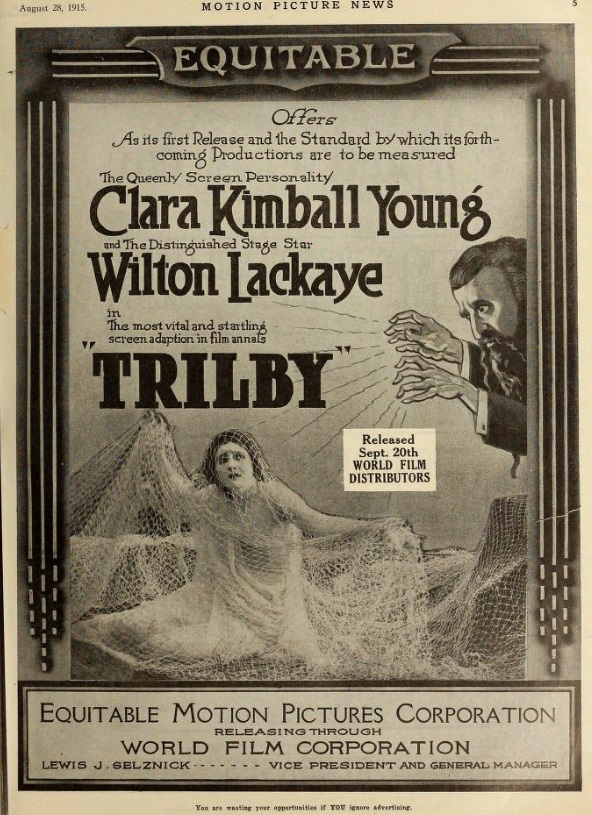
Dir: Maurice Tourneur
A hypnotic Svengali controls the singing voice of a young starlet, but he cannot control her heart.
View Details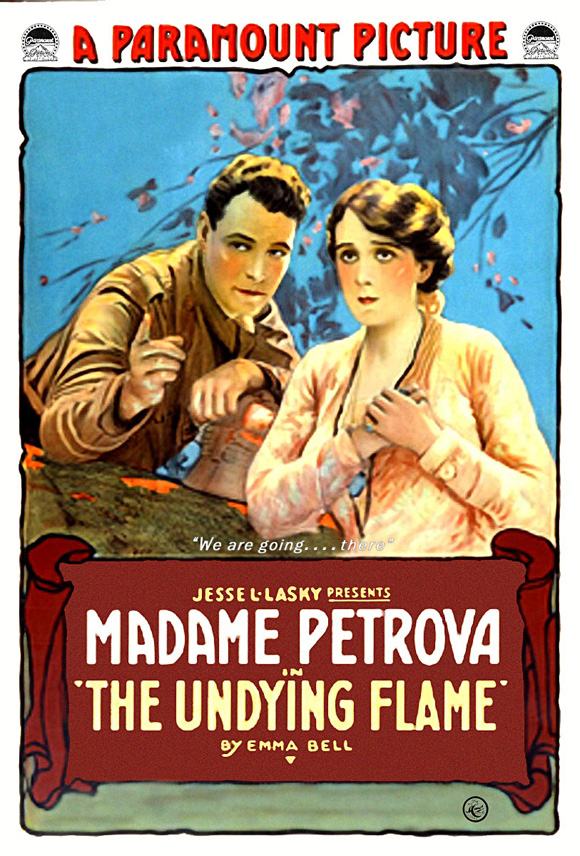
Dir: Maurice Tourneur
In ancient Egypt a Princess is loved by a simple Shepherd, to the great displeasure of the King, who orders the offending lover be buried alive, for he had promised his daughter to the builder of the Temple. Breaking a double scarab in two, the shepherd and the Princess each keep a broken half and pledge that their souls will be reunited in death. Centuries later Capt. Harry Paget of the English garrison at the Sudan is enchanted by Grace Leslie, the daughter of Sir Hector Leslie, commander of the garrison. Mrs. Harvey, the wife of another officer, is also in love with the captain, and lures him to a meeting on the desert, causing him to miss a surprise drill. Grace, learning of the drill, rushes to inform Paget in time, thus interrupting the illicit meeting. Because of his disgrace, Paget volunteers for duty in a desert outpost and Grace, after learning the truth from Mrs. Harvey, falls into the captain's arms and announces that she will go to the desert with him, when it is discovered that each possesses a piece of the broken scarab.
View DetailsAnalysis relative to The Hand of Peril
| Film Title | Atmosphere | Complexity | Similarity |
|---|---|---|---|
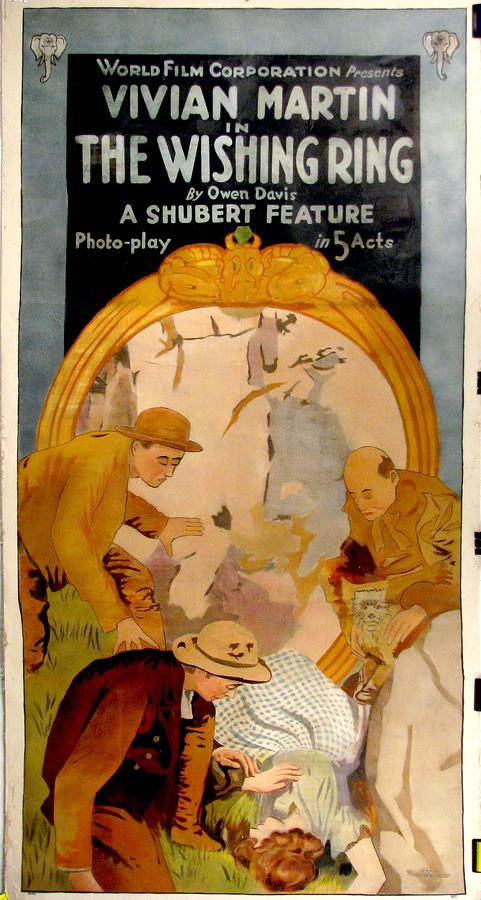
| The Wishing Ring: An Idyll of Old England | Ethereal | Abstract | 97% Match |
| A Butterfly on the Wheel | Gothic | Layered | 95% Match |
| The Poor Little Rich Girl | Gritty | Linear | 87% Match |
| The Cub | Ethereal | High | 98% Match |
| Barbary Sheep | Tense | Abstract | 91% Match |
This guide was algorithmically generated using the cinematic metadata of Maurice Tourneur's archive. Last updated: 8/17/2026.
Back to The Hand of Peril Details →