
DbcultAccessing Vault...
Recommendations
Senior Film Conservator
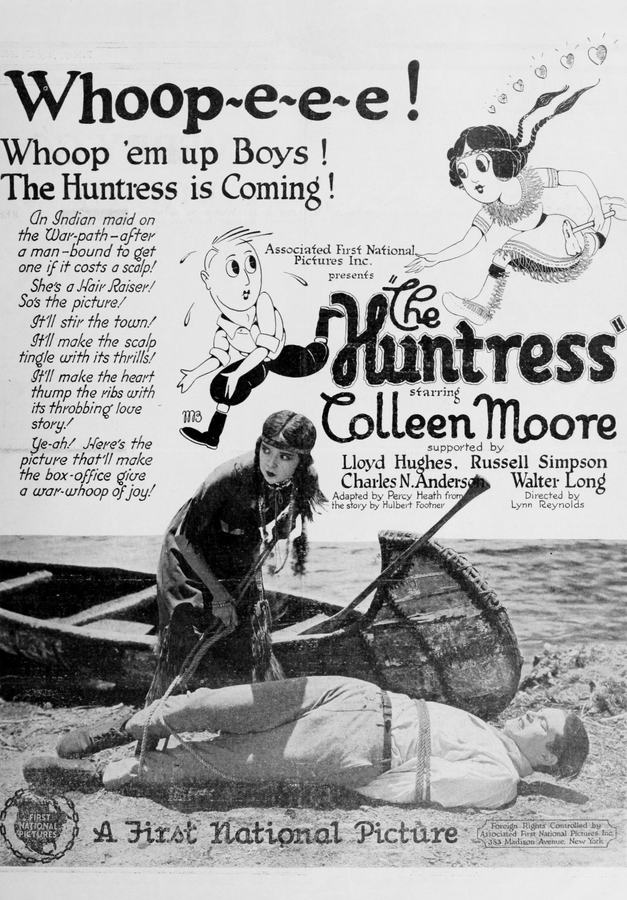
Delving into the atmospheric depths of The Huntress reveals a master at work, the visual language established by John Francis Dillon is something many try to emulate. From hidden underground hits to established classics, these are our top picks.
The enduring power of The Huntress lies in to synthesize diverse influences into a singular artistic statement.
Bela (Colleen Moore), reared by Indians, learns that she is a white orphan and runs away from the Indian village to avoid marrying a brave from the tribe. She determines to marry land prospector Sam Gladding (Lloyd Hughes), who resists her advances but later falls in love with Bela when an Indian sage gives him some advice.
Critics widely regard The Huntress as a cult-favorite piece of Western cinema. Its nuanced performance is frequently cited as its strongest asset, solidifying its place in United States's film legacy.
Based on the unique nuanced performance of The Huntress, our vault has identified these titles as the most compelling follow-up experiences for fans of Western cinema:
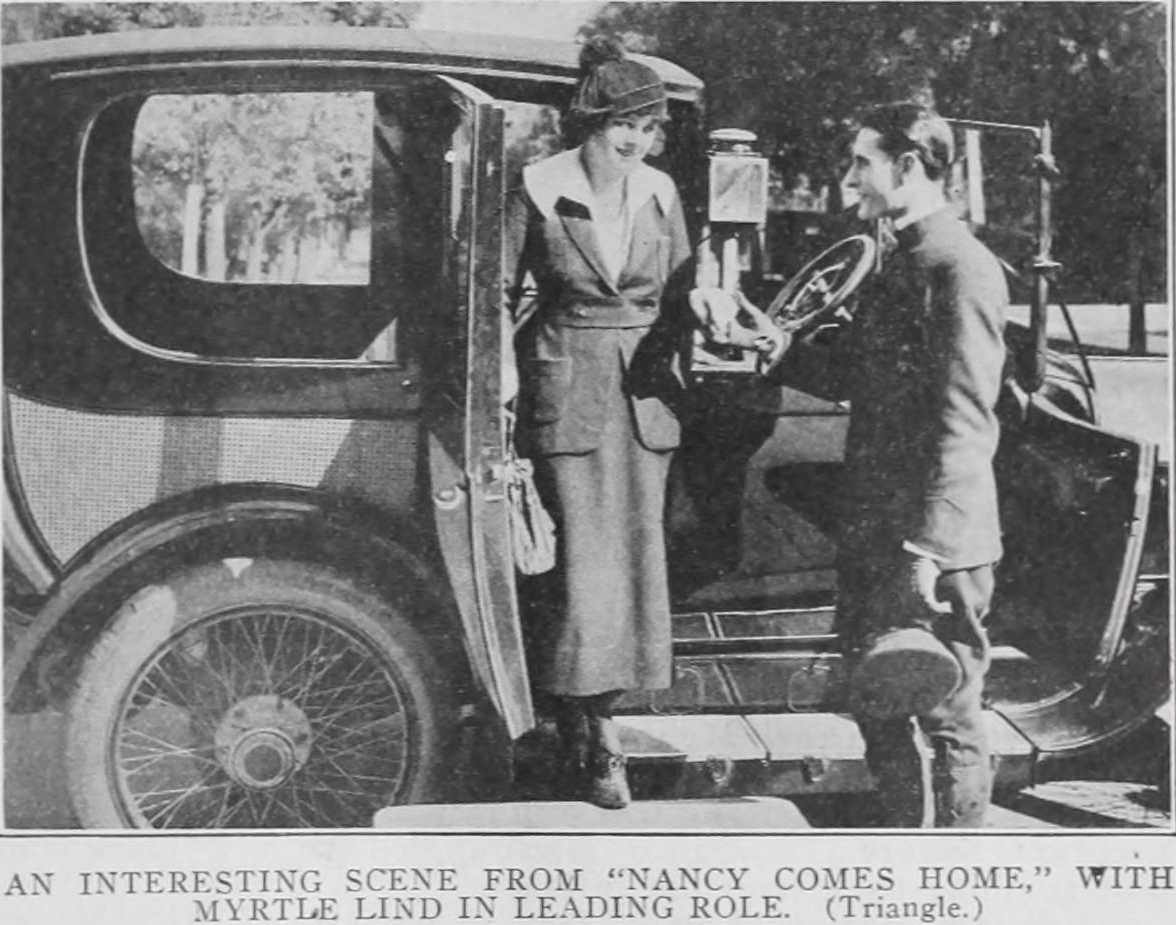
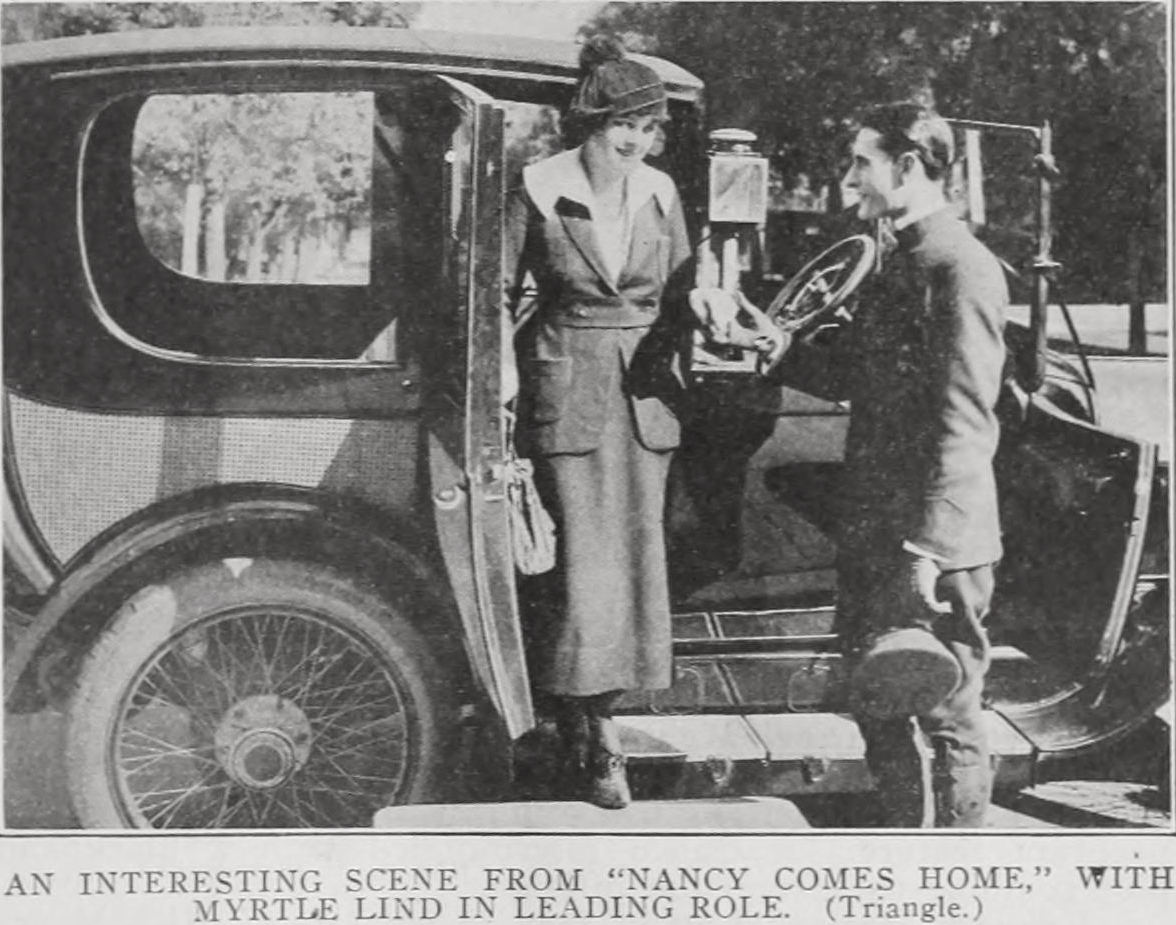
Dir: John Francis Dillon
Nancy Worthing, who comes home from boarding school to find that her parents have no time for her, pawns some of her mother's jewels to buy the clothes necessary for entering society. She persuades her father's chauffeur, Phil Ballou, to take her to a notorious cabaret, where a shooting occurs. In the confusion, Phil is arrested as the assailant, and when Nancy's parents learn of the missing jewels, they bring further charges against him. At the trial, Phil reveals that he is the son of wealthy parents who simply wished to earn his own living, and Nancy clears his name by confessing all. Phil and Nancy, united by their ordeals, begin a romance.
View Details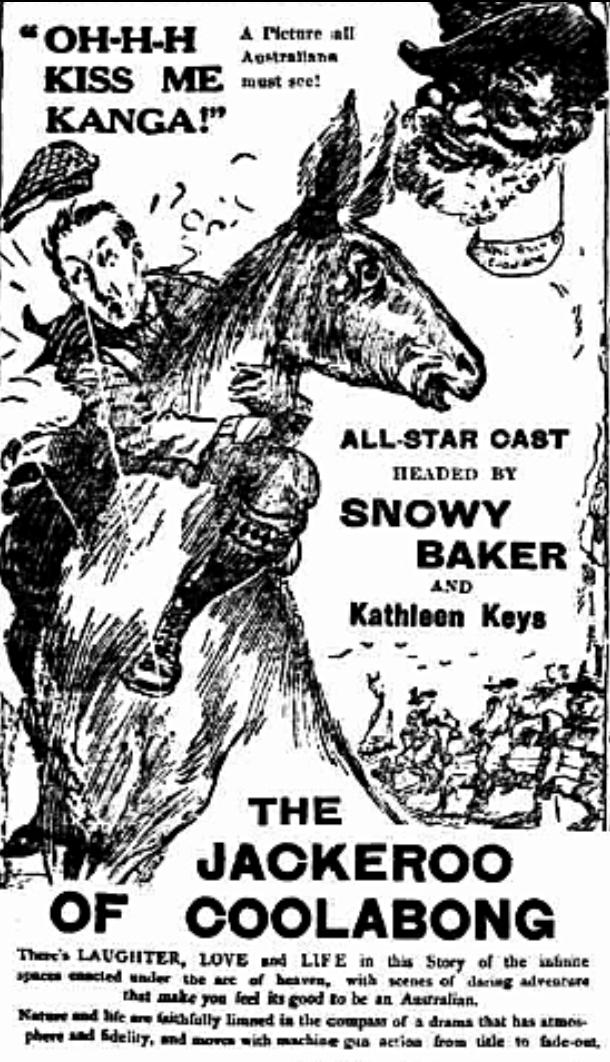
Dir: Wilfred Lucas
Brian O'Farrell (Snowy Baker), is an English 'new chum' who takes a job at an Australian cattle station. He is teased by station hands because of his appearance (including spats and a monocle) but he soon impresses them with his skills at riding and boxing. The station manager, John MacDonald (Wilfred Lucas), takes O'Farrell to Sydney to meet his daughter Edith (Kathleen Key) who is working in the slums. Edith is kidnapped by criminals after witnessing a crime but O'Farrell rescues her. It is later revealed he is the owner of the station.
View Details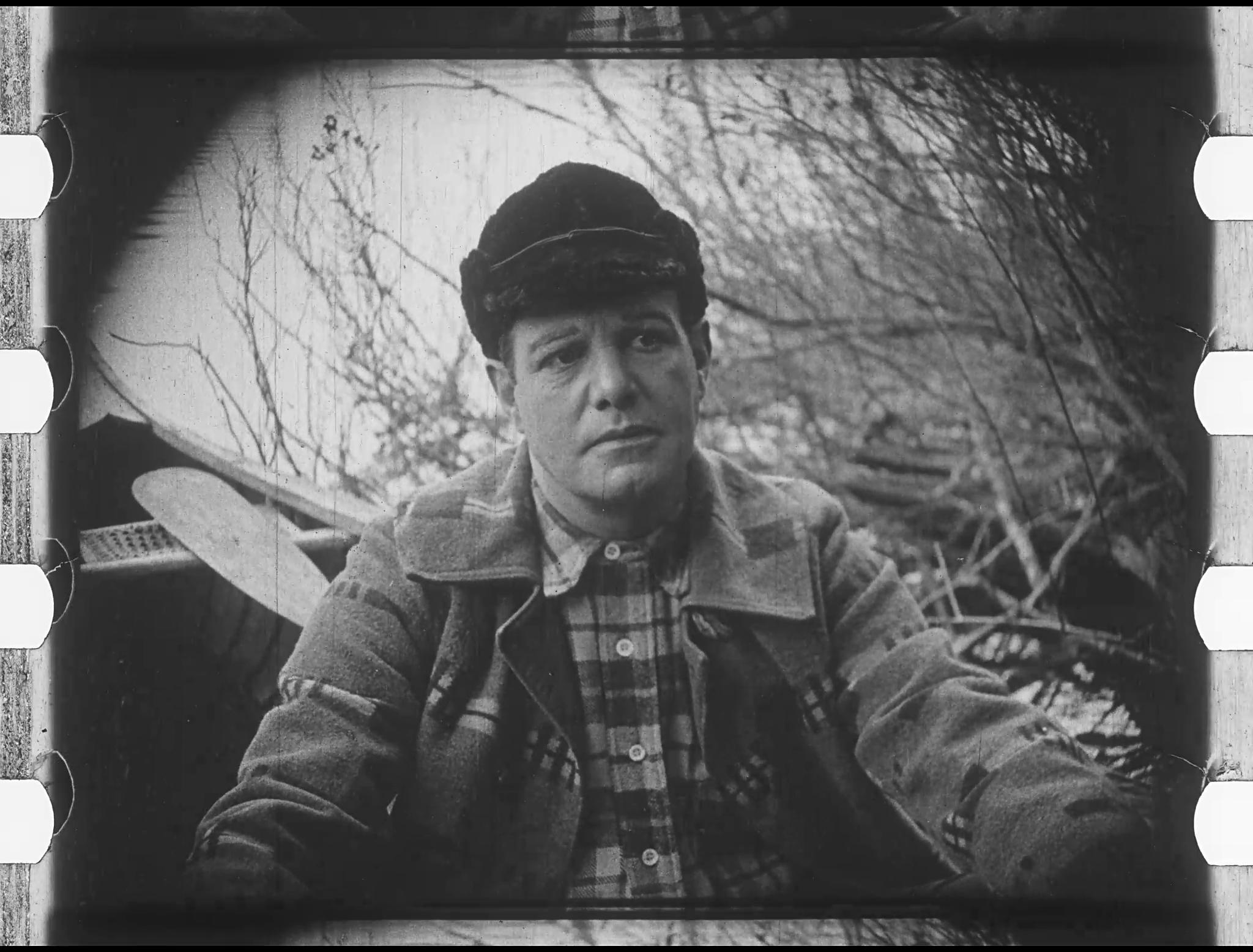
Dir: Edgar Jones
A mail-order bride arrives at a Maine lumber camp but doesn't like her prospective husband.
View Details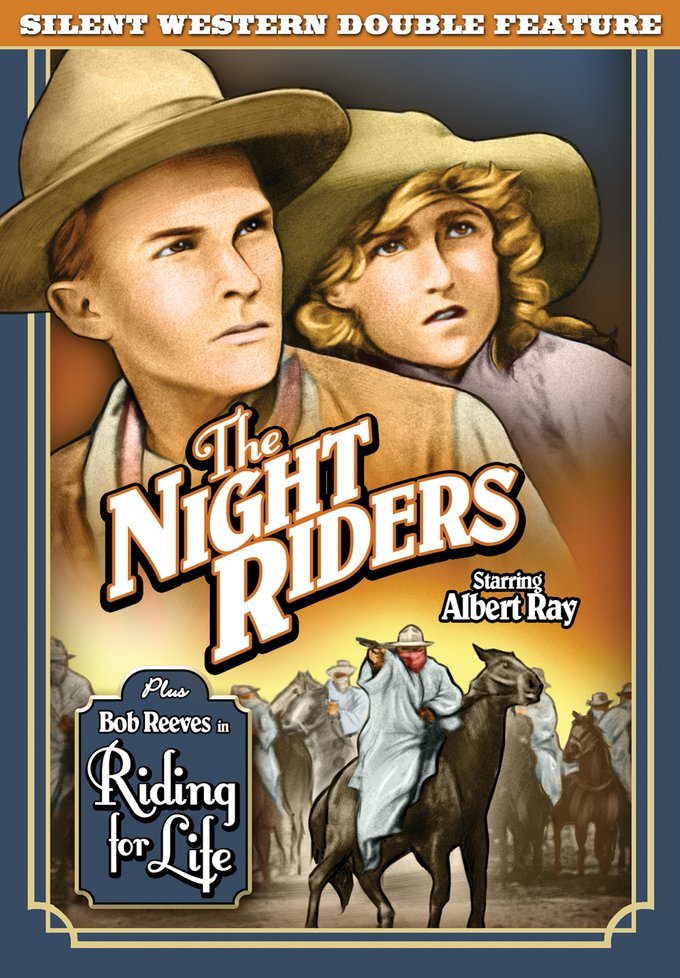
Dir: Alexander Butler
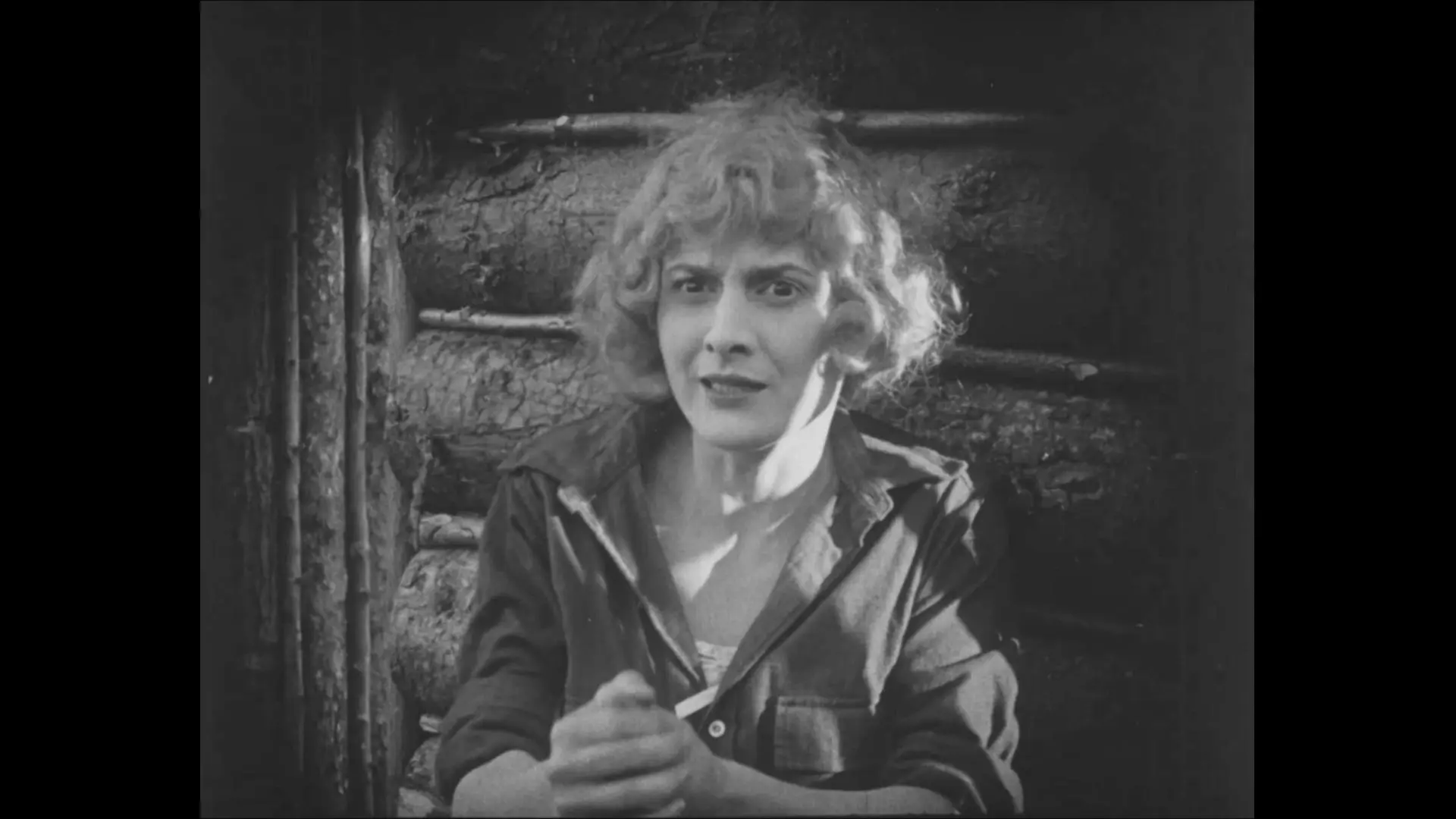
In Alberta, Canada, a Cornish emigrant unmasks a rustler posing as the girl's "blind" father.
View Details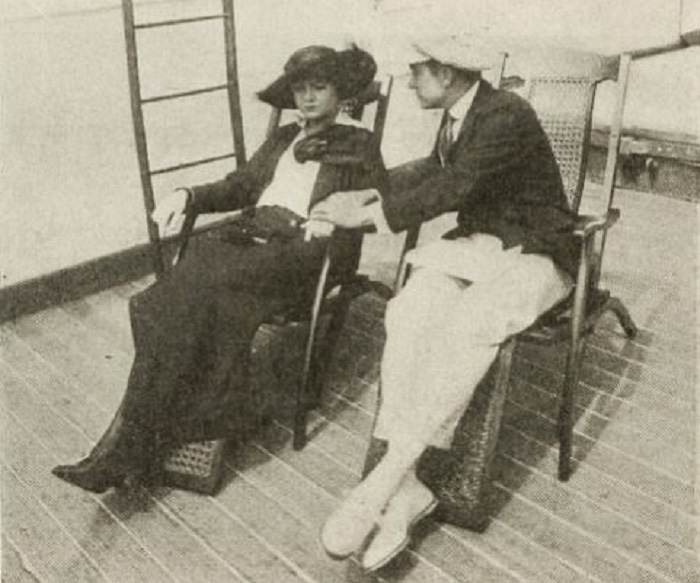
Dir: John Francis Dillon
George Carter, a revolutionist in South America, is the exact double of Frederick Marston, a famous artist in Paris. Carter is betrayed by a comrade and is sentenced to be shot. He takes a desperate chance and escapes on board a vessel bound for London. In Paris Marston is stabbed by a model because he does not return her love. The wound incapacitates him from painting, and leaves an ugly scar, and he goes to America on a vacation. Highwaymen attack him, inflicting injuries which cause a total loss of memory. The robbers leave nothing in his pockets but the key to his Paris studio, and Marston adopts the name of Robert Anglo-Saxon. Five years later he falls in love with Duska Filson, a noted beauty, and at a dinner given by her he meets Gen. Robero, a South American ambassador, the man who condemned Carter to death. Robero believes Saxon is Carter and writes Saxon a letter warning him that if he marries Duska he will have Saxon extradited to South America and shot. Robero convinces him that he is Carter and Saxon goes to South America to pay the penalty of the crimes he believes himself guilty of. On the boat he meets Rodman, Carter's betrayer. Duska follows Saxon to South America and learns that Saxon has proven his innocence and departed two days before. She sends him a wireless and he has the ship stopped and lands at Puerto Frio, and learns that the revolution has broken out. In fighting his way through the lines he is shot and is placed on board a vessel bound for France by Rodman. Rodman tells Duska what has occurred and she follows Saxon to France. Saxon's mind clears and through the medium of the key which fits the lock of his house his identity is clearly established. Duska learns that Saxon is the world-renowned artist and his a wife who is very ill. When Saxon reaches his home he finds Duska at the bedside of his wife, who has just died. Duska respects Saxon's grief and departs, with her dream of happiness shattered.
View Details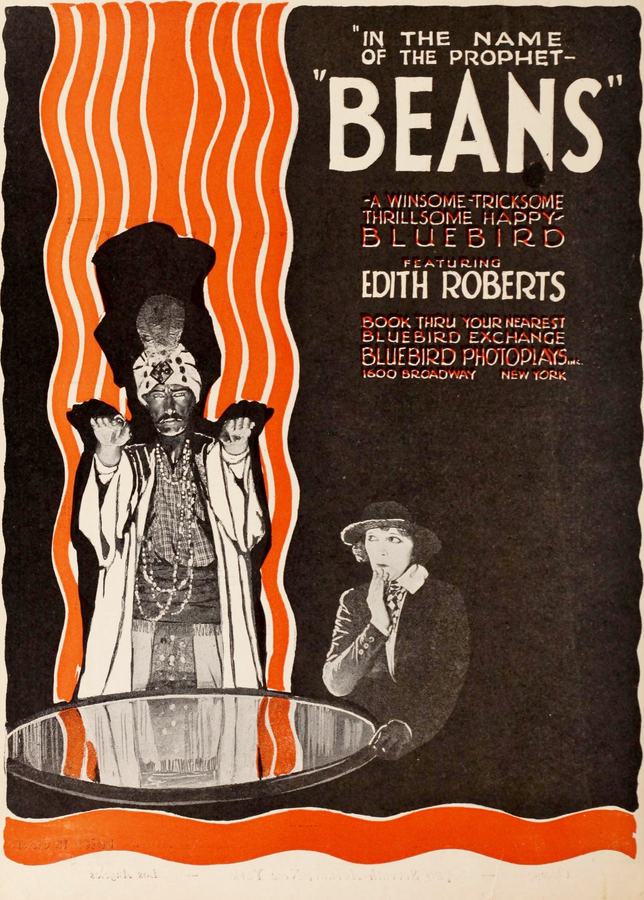
Dir: John Francis Dillon
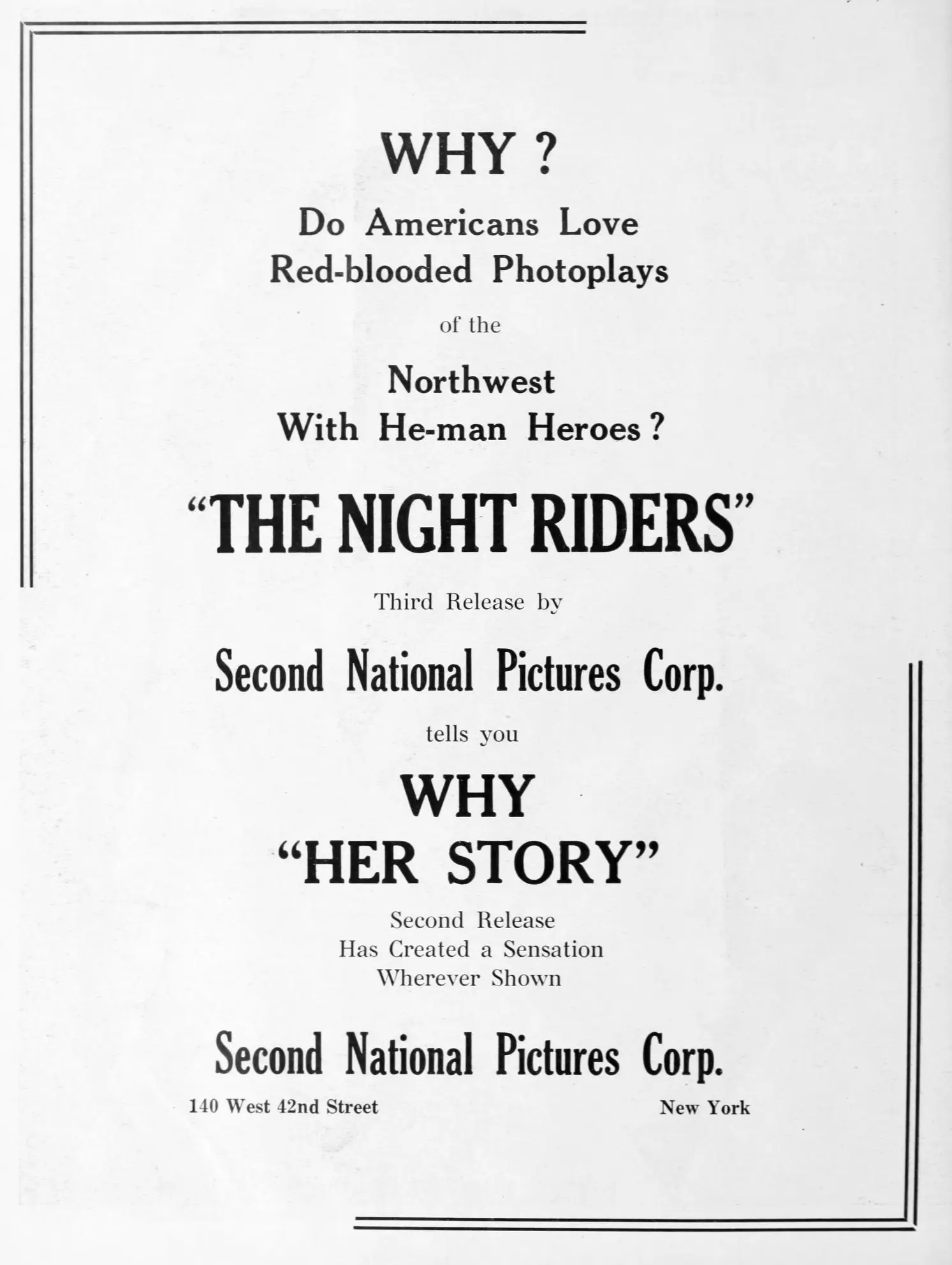
Brewster, the bean king, has an option of renewal on a certain bean canning plant owned by Ellis. Ellis does not desire to renew and hires Wingate, a shyster lawyer, to help him. Brewster has to send Betty to renew the contract. Later he sends his lawyer to help her and Ellis' man persuades her that he is a plotter. There follows plot and counter-plot, but all-innocently Betty carries the day.
View Details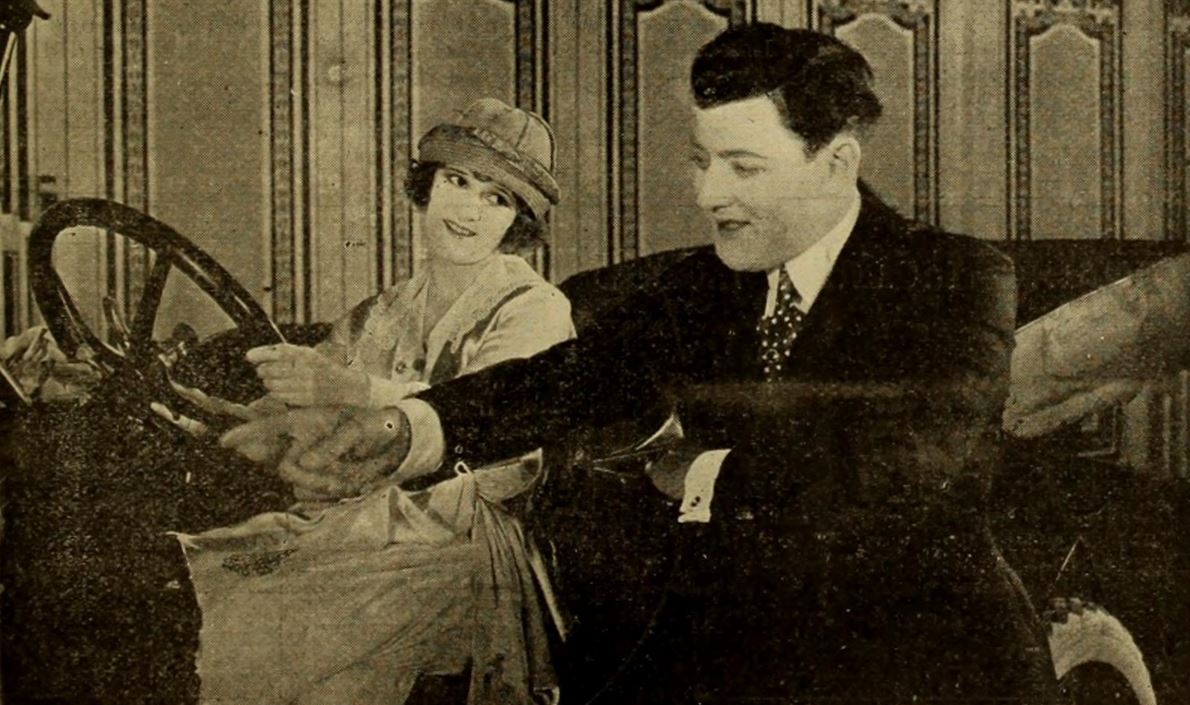
Dir: John Francis Dillon
Diana Rosson, a wealthy and beautiful woman, drives to her country home to escape the unwelcome attentions of her many suitors, particularly Trotwell, her guardian's favorite. Arriving in the middle of a raging storm, Diana rushes into the house only to be attacked by robbers. Passing by the house, Dick Webster hears her cries and rescues her, and the two quickly become friends. Diana falls in love with Dick, but his hatred of the rich prevents him from returning her affections. Anxious to win him, Diana tells Dick that she has a twin sister who insists on earning her own living. Dick agrees to deliver a message to the sister and promptly falls in love with the demure young woman, unaware that she actually is Diana. They marry, but when Horace Sciven falsely accuses Diana of stealing a violin, she is taken to the police station, where her husband discovers her true identity. Realizing that her deception was prompted by love, Dick forgives his young wife.
View Details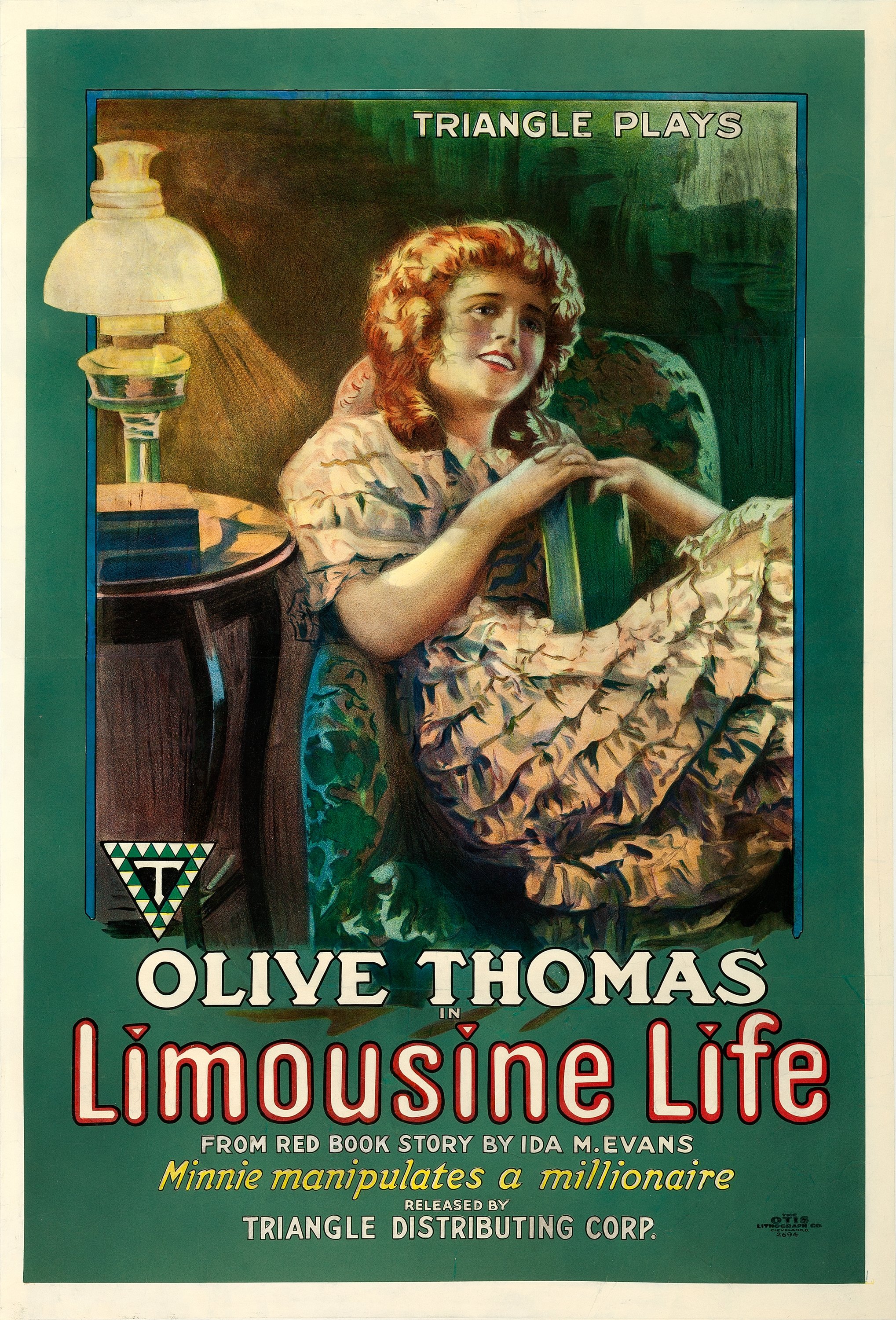
Dir: John Francis Dillon
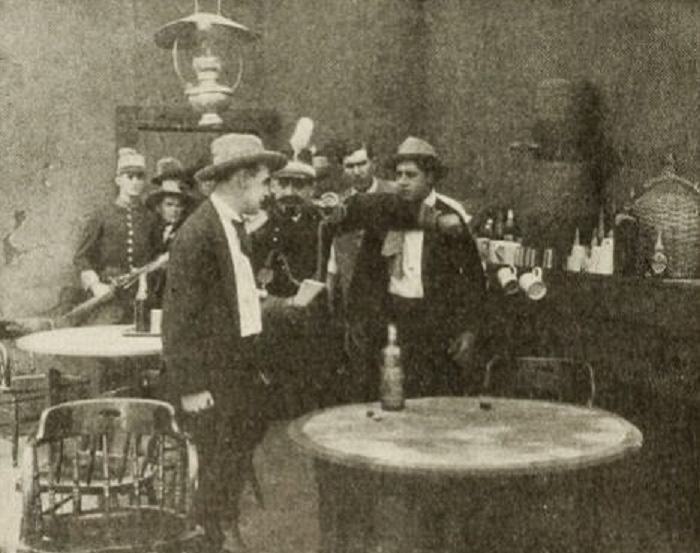
An amusing satire on the simple village maiden who comes to the great city and falls a victim to its alluring temptations.
View Details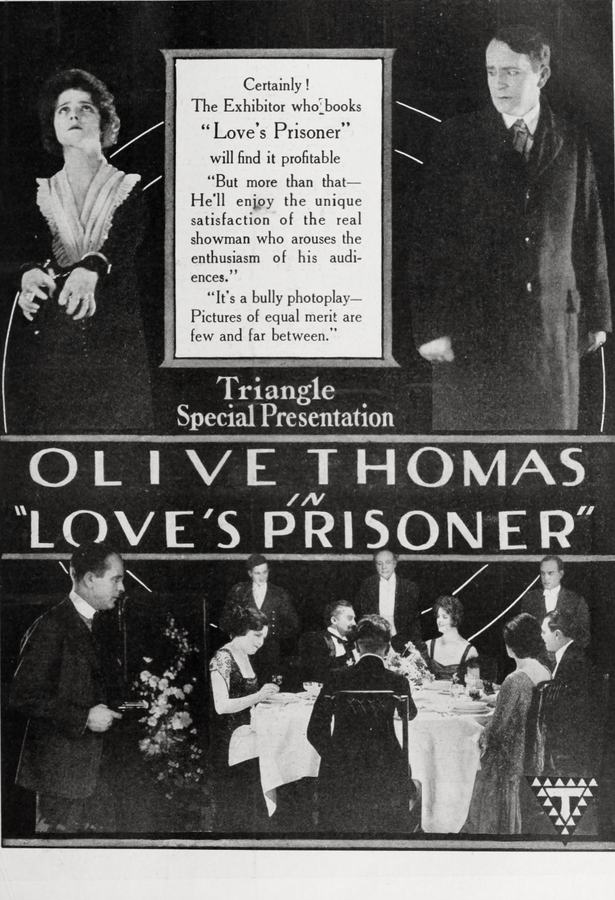
Dir: John Francis Dillon
A young lady, who "hates the law" rises from the tenements to society. Financial reverses lead her to commit a series of burglaries as "The Bird". She becomes involved with the detective investigating the burglaries. After she confesses and pays for her crimes, they marry.
View Details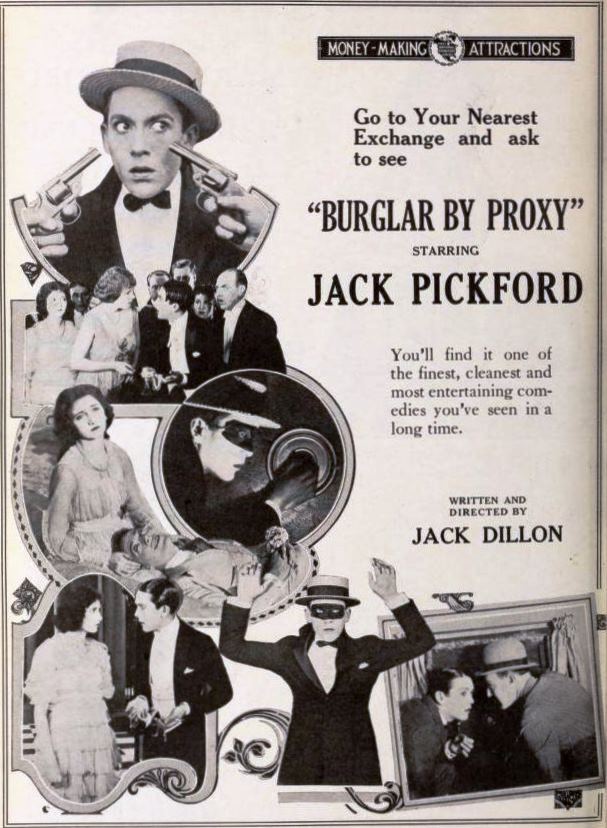
Dir: John Francis Dillon
A terrible toothache causes Jack Robin to stop his automobile in front of the home of Dorothy Mason. Noticing a flat tire, Jack attaches his automatic pump and forgets about it as he listens enthralled to Dorothy's singing. When the sound of the burst tire brings Dorothy running out, Jack feigns injury so he can be nursed by her. After he leaves the house, and Dorothy's father discovers some important invention plans missing, Harlan Graves, Dorothy's suitor, suggests that Jack stole them. Jack, suspecting Graves, breaks into Graves' home to clear himself and meets a real burglar, "Spider" Kelly, who adopts Jack as his guide. They blow up a safe at a house party where Jack suspects the plans to be hidden. The papers are found, Graves is arrested and Spider, disappointed that Jack made such a mess in blowing the safe, goes off, leaving Dorothy and Jack happily alone.
View DetailsAnalysis relative to The Huntress
| Film Title | Atmosphere | Complexity | Similarity |
|---|---|---|---|
| Nancy Comes Home | Ethereal | Dense | 89% Match |
| The Jackeroo of Coolabong | Ethereal | High | 85% Match |
| In the River | Gritty | High | 92% Match |
| The Night Riders | Ethereal | High | 96% Match |
| The Key to Yesterday | Gothic | High | 94% Match |
This guide was algorithmically generated using the cinematic metadata of John Francis Dillon's archive. Last updated: 8/16/2026.
Back to The Huntress Details →