
DbcultAccessing Vault...
Recommendations
Senior Film Conservator

Witnessing the stylistic evolution of William C. de Mille through The Idle Rich is profound, this Comedy landmark continues to dictate the rules of its category. If Paul Kruger, Leila Hyams, Bessie Love impressed you, these next recommendations will too.
The synthesis of form and function in The Idle Rich to maintain its cult relevance across several decades.
Millionaire William van Luyn falls in love with his secretary Joan Thayer and marries her. Her family, part of "the great middle class" (as blowhard nephew Henry keeps reminding us), is happy for Joan, but reluctant to take charity from Will. He moves in with them, and they keep resisting, until one day he takes drastic action.
Based on the unique stylistic flair of The Idle Rich, our vault has identified these titles as the most compelling follow-up experiences for fans of Comedy cinema:
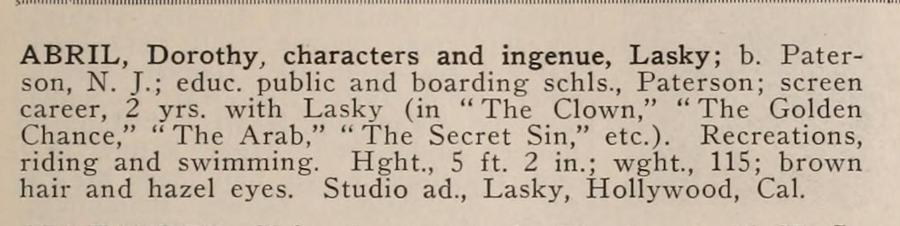
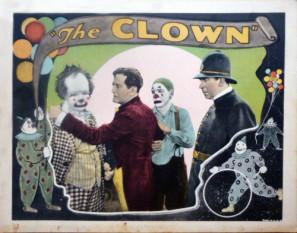
Dir: William C. de Mille
Piffle, a circus clown, is badly injured after saving the son of Judge Jonathan Le Roy from a team of runaway horses. During his convalescence at the Le Roy home, Piffle falls in love with Millicent, the judge's daughter. When she learns that Dick Ordway, the father of her unborn child, has died while prospecting in the desert, Millicent tries to drown herself. Piffle comes to the rescue once again, proposing to marry Millicent and be a father to her child. Although she does not love Piffle, Millicent agrees. At the judge's insistence, Piffle leaves the circus to become a banker. Some time later, Dick reappears, but decides not to pursue Millicent, focusing instead on selling shares in his mine. The mine becomes a bonanza, and Dick tries to buy back all of the shares, but Piffle refuses to sell. Dick visits Piffle's home, hoping to negotiate a sale, and has an unexpected reunion with Millicent. Realizing that Millicent and Dick are still in love, Piffle returns to the circus, where he finds fulfillment bringing joy to children.
View Details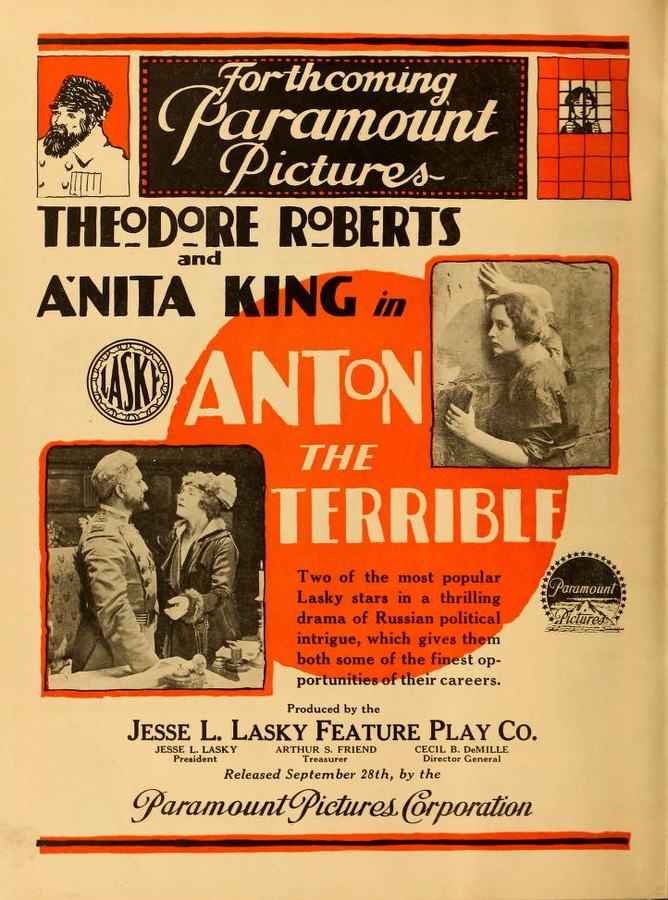
Dir: William C. de Mille
A fascinating piece of cinema that shares thematic elements.
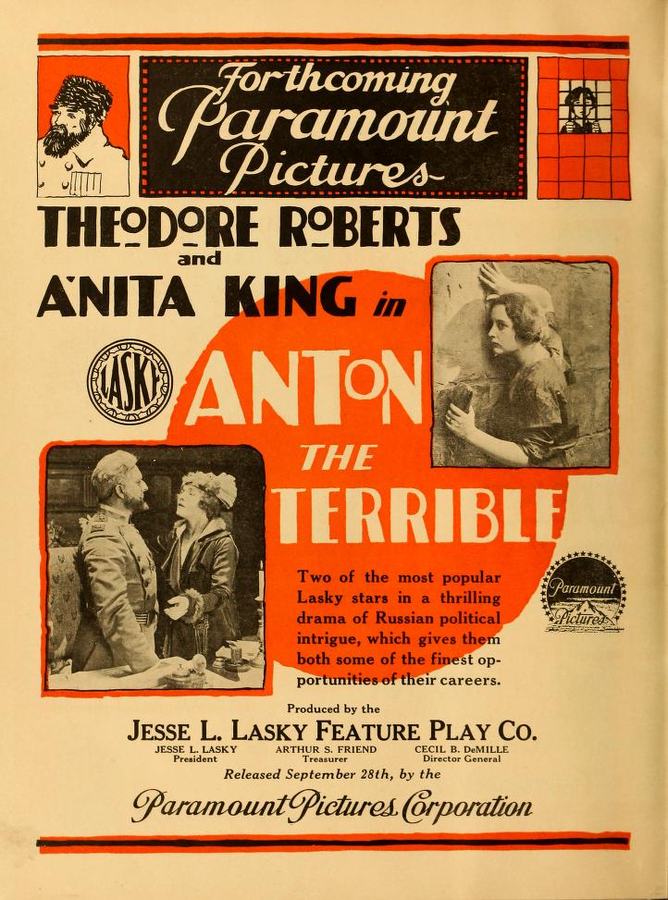
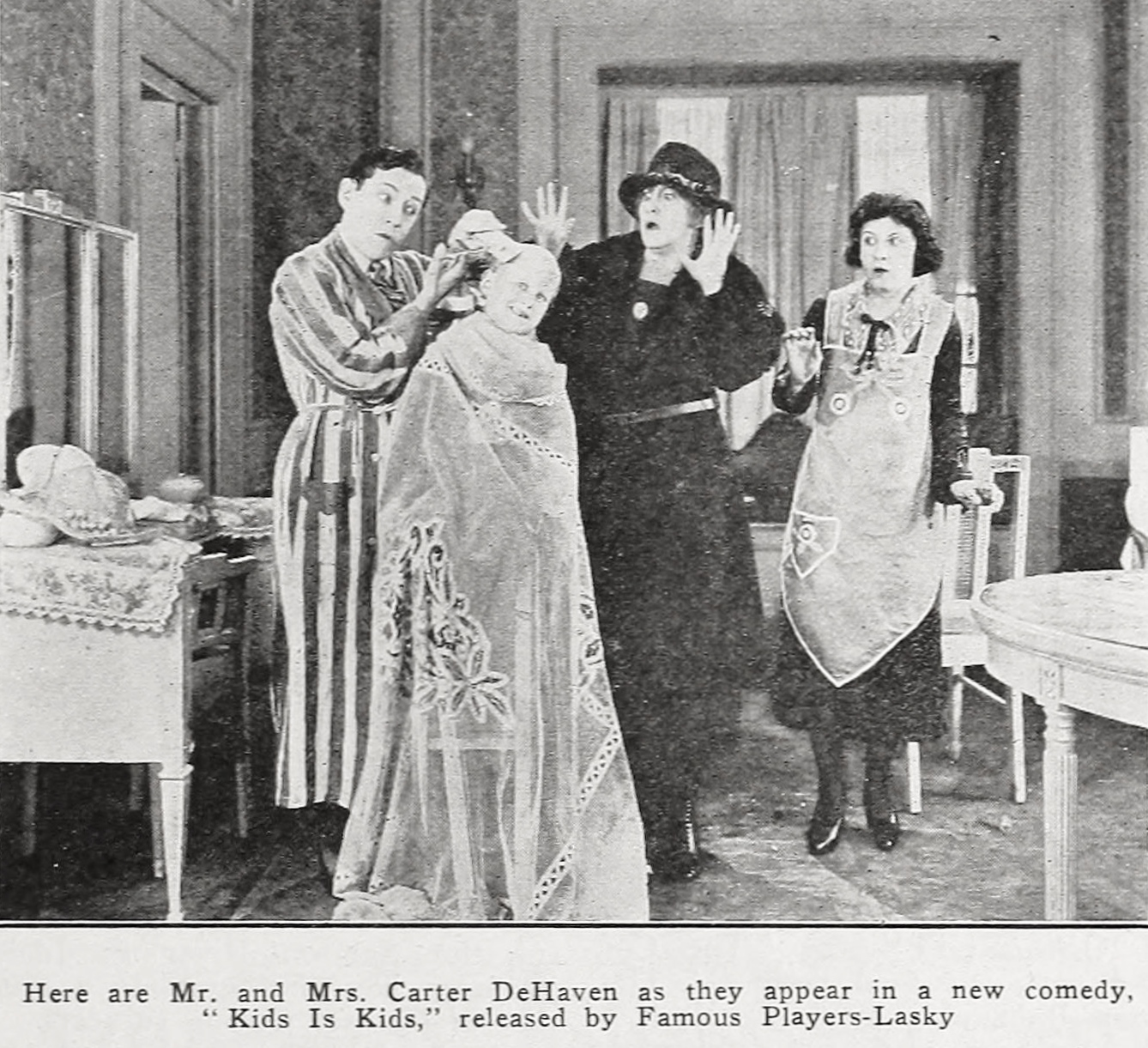
Dir: Charley Chase
A young married couple volunteer to take charge of several orphans after the asylum has burned down. Of course they find their hands full with their troublesome charges.
View Details
Dir: William C. de Mille
We start with the birth of two children "the whole wide world apart," one in a swell house in Washington Square, the other in the slums of New York. We see them on their third birthday; Bob, the rich little boy, surrounded by the presence of love and care ; Jenny, the poor little girl, stealing an apple from a fruit stand. We see them getting their education^ Bob, under the care of a private tutor and Jenny learning to read through stolen glances at the Police Gazette. When they are grown up, Bob Van Dyke and his sister, Beth, now orphaned, are caught in the whirl of a gay social life and are spending the fortune left them by their parents. Jenny, left alone in the world, has been adopted by Dugan, an old crook, who stands in the place of a father to her, and who makes use of her in his illegal calling. The young cracks-man, Kelly, suggests to Dugan that they burglarize a house in Washington Square by putting Jenny through the basement window and have her open the front door for them. Jenny is captured by Bob and is about to turn her over to the police but in questioning her, sees through her girlish beauty, a soul struggling for expression and he determines to try to save her. Jenny, never having heard of right and wrong, is fascinated by the rich young man and when he leaves his money on the table and says that he will go upstairs "until he hears the front door close behind her", she realizes that she has found someone in the world who will trust her. She is about to go when she sees Bob's photograph on the table. She is tempted to steal it but hesitates and leaves fifty cents, her whole fortune, in place of the picture. She then goes out and shuts the door and facing her crook companions, announces that she is going to live straight. Back in the tenement home, she packs her small bundle of clothes and leaves. Two years pass, during which time Jenny has succeeded in making herself an expert dressmaker. She lives alone in a little room and, inspired by Bob's photograph and the memories it recalls, has grown to worship the young man who trusted her, although she has not seen him since. A strike is called in the dress factory and Jenny is let out of work. She saves a little newsboy who has stolen money and who is being pursued by the police and is able to reform him. Penniless, Jenny is finally thrown into the street with her goods and chattels. In the meantime, Bob and Beth have speculated with what is left of their fortune and while down town to pawn some of his sister's jewels, Bob finds Jenny and takes her to his home to have her make clothes for his sister. While there the love of the two young people grows and the difference in their stations is apparently insurmountable. Bob's speculations go wrong and he is tempted to use money belonging to their old nurse. Jenny overhears their plan to use the money and pleads with Bob^not to do this thing for if the speculation goes wrong, he will be a thief. Bob is deaf to her entreaties and puts the money in the safe. Jenny sees her ideal tottering and induces Kelly to enter the house and open the safe for her. She then takes the money and hides it. The next morning the loss is discovered. Detectives find Jenny's finger-prints on the safe and she is arrested but will not tell where the money is, preferring to go to jail rather than let Bob do anything dishonest. Bob realizes this and promises to go straight. Jenny steals away as Bob awaits the impending smash. Bob and Beth are forced to live in a small Harlem flat and Beth marries her wealthy young lover from the smart set . Bob realizes that he had happiness in his hand and let it go and hunts up Jenny. He sees that class does not count and, in spite of Jenny's protests, takes her in his arms.
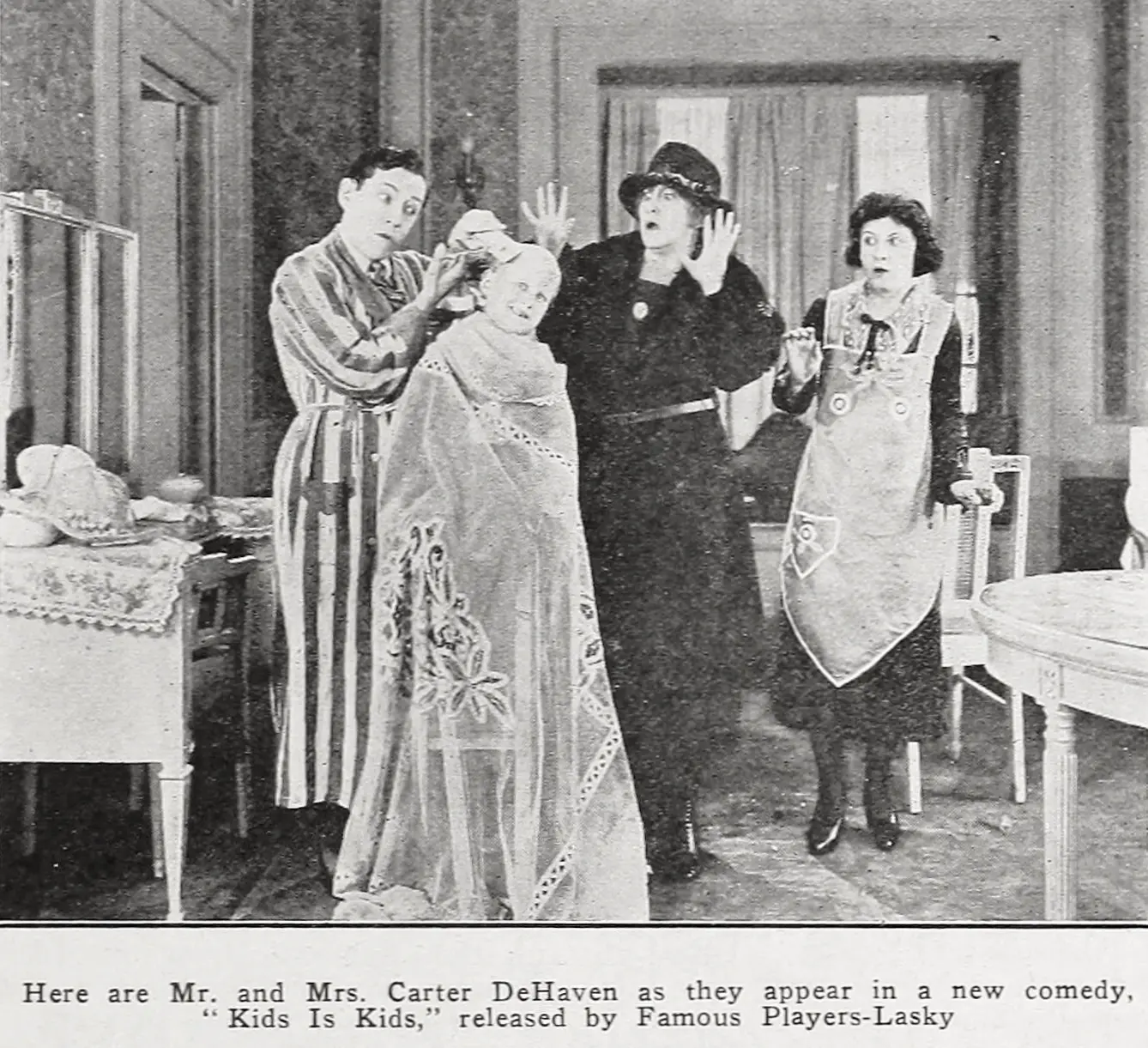
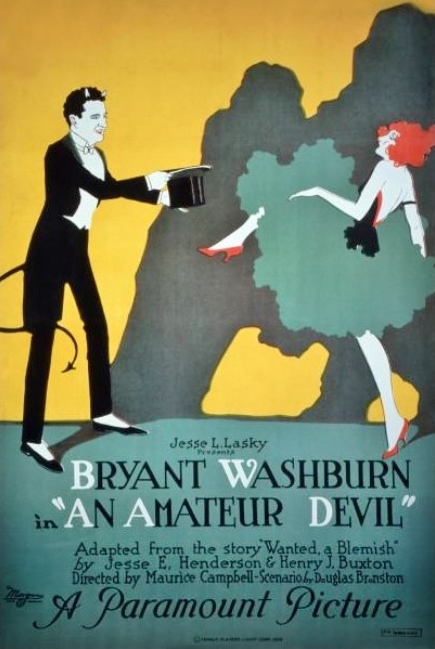
Dir: Maurice Campbell
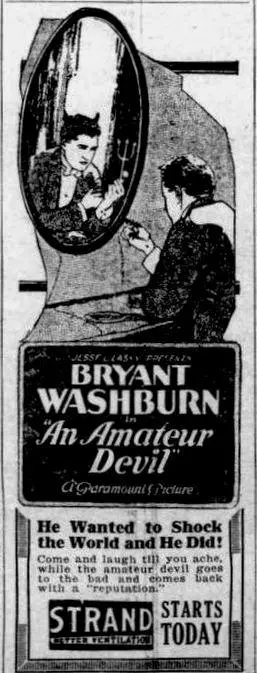
Carver Endicott, a young sophisticate, is rejected by his fiancée for being too foppish and dull. When she feigns an interest in his father, Carver attempts to disgrace his family name by working as a farmhand and later as a busboy in a hotel. However, the newspapers only praise him for his self-sacrificing principles; and finding that he cannot bring shame to the family through menial labor, he takes up with a notorious actress. But when this maneuver also fails, he returns to his former fiancée, who has no further complaint about his being an inexperienced dullard.
View Details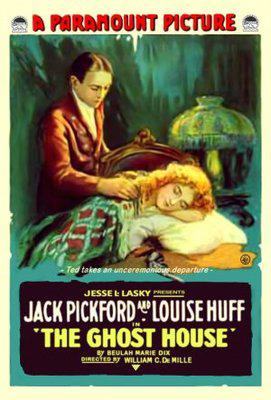
Dir: William C. de Mille
The old Atwell home is said to be haunted, and Jeremy Foster, the gardener--who is actually the head of a band of thieves that use the house for a hideout--does his best to keep the superstition alive. Despite the rumors, impoverished sisters Lois and Alice Atwell decide to move into the empty family home. They take possession the same night that Ted Rawson is ordered to explore the place as an initiation rite by his fraternity. That same night, Spud Foster, a member of his uncle's gang, hides there with his stolen loot. In the middle of the night, Lois apprehends Ted and takes him captive, believing that he's a burglar. The noise awakens Spud who, mistaking Lois for a ghost, flees the house. After much confusion, Lois' fears about Ted's character are allayed when he helps fight off the thieves; relieved, she confesses her love to the fraternity man.
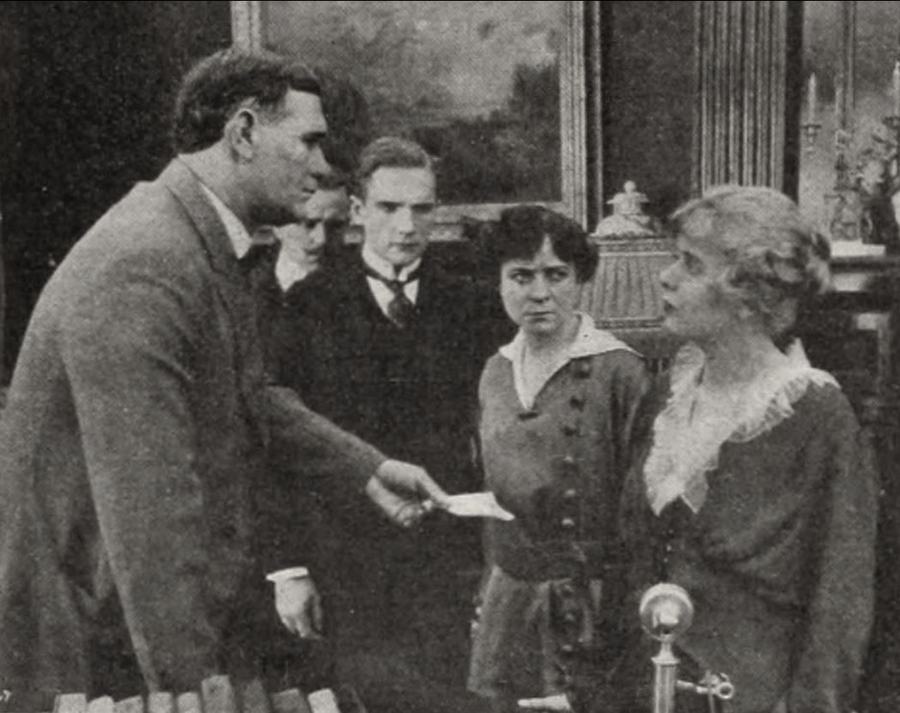
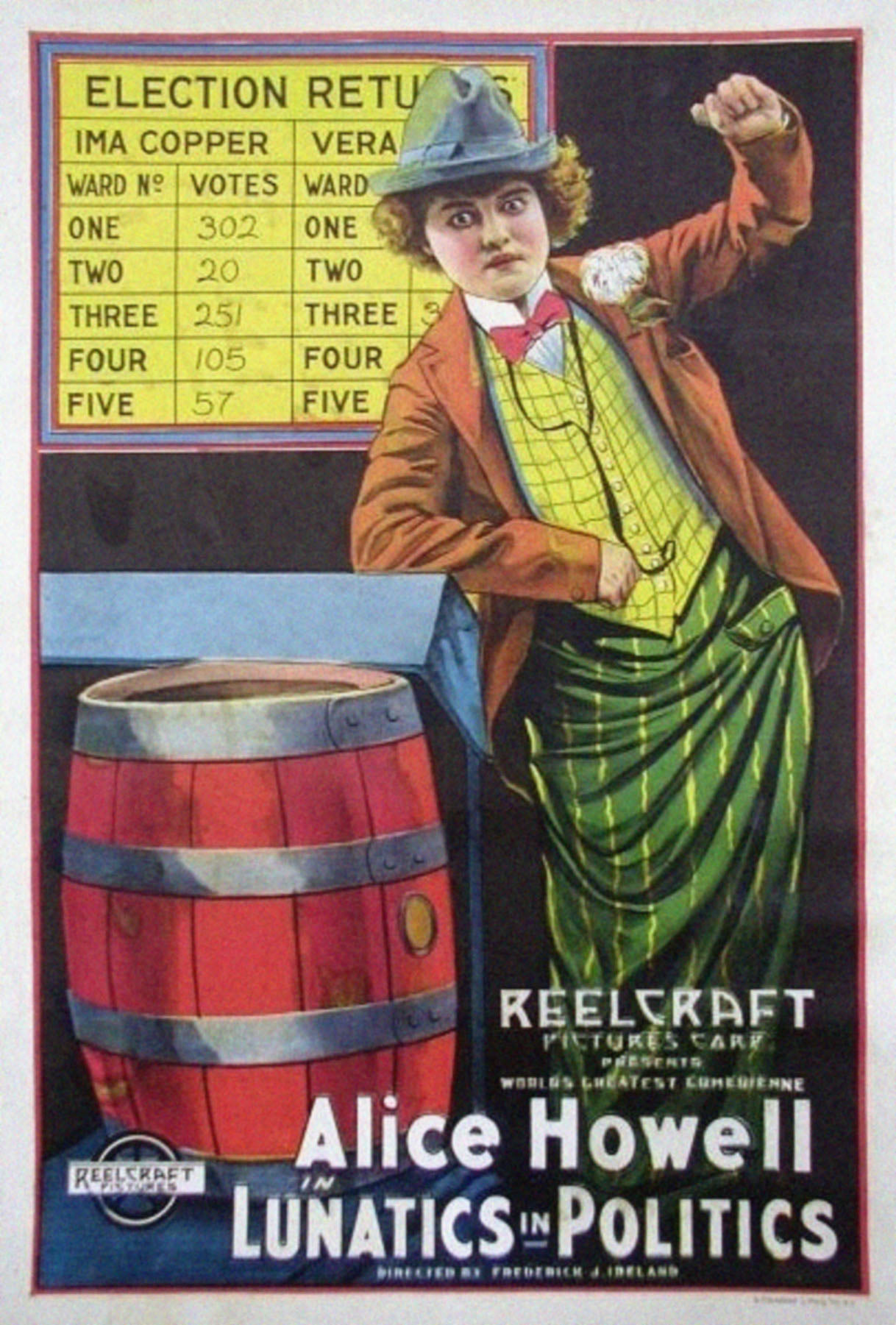
Dir: Richard Smith
Two female candidates for Chief of Police live across the hall from each other, and their political rivalry follows them home, leading to plenty of hi-jinks.
View Details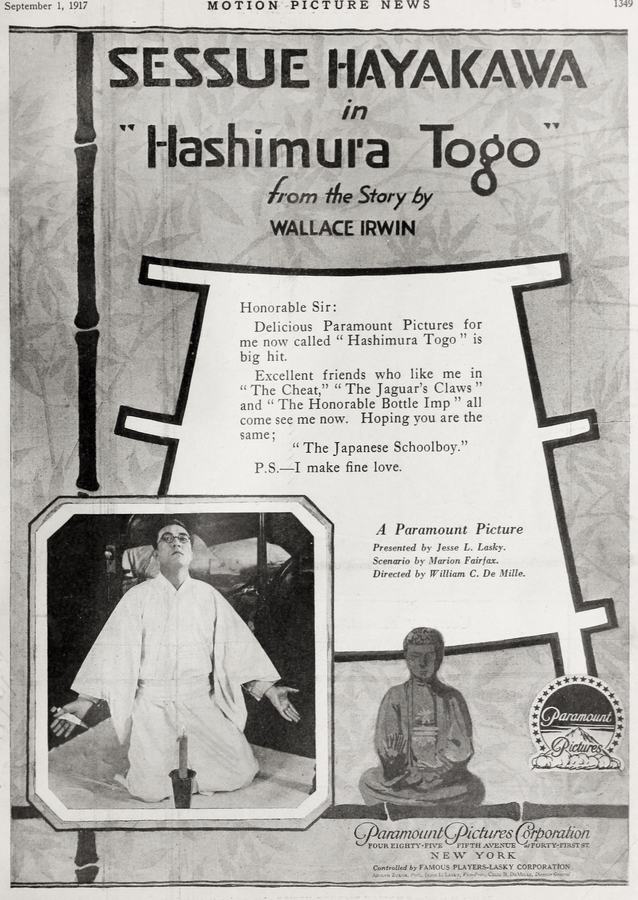
Dir: William C. de Mille
After an accusation of a breach of diplomacy committed by his brother, Hashimura Togo bears the burden and leaves Japan in disgrace for the United States where he enters the employ of Mrs. Reynolds as a butler. Togo discovers that Mrs. Reynolds' daughter Corinne is in love with Dr. Garland but is being coerced into marrying Carlos Anthony who, having seized all of her deceased father's funds, now promises to save the family from financial ruin in return for Corinne's hand in marriage. Enlisting the aid of a reporter, Hashimura succeeds in proving Anthony's deception in time to stop the marriage, freeing Corinne to marry Garland. After a series of misadventures, his name is cleared and Hashimura returns to his sweetheart in Japan.

Dir: William C. de Mille
During the Great War, German and Japanese spies face off in the United States.
View Details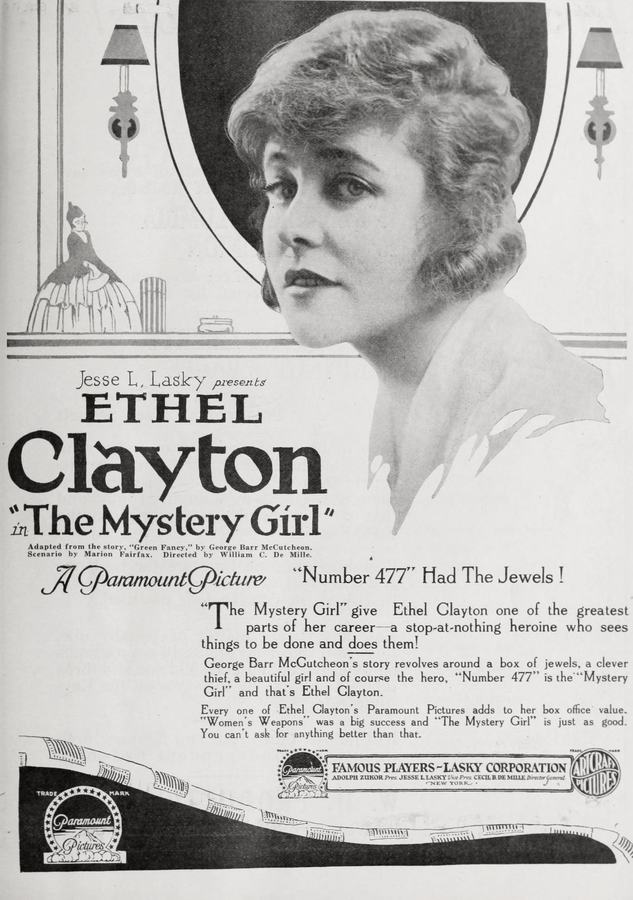
Dir: William C. de Mille
Prince Sebastian of Lurania is forced to go into hiding when German forces invade his country. His niece, Countess Therese, is an ambulance driver with the French army, and one day she hears from her uncle, who requests that she meet him in a small town in Maine and bring the crown jewels with her. Unfortunately, a jewel thief finds out about the meeting and makes a deal with the Luranian pretender to the throne: he will steal the jewels and he can keep them if he kidnaps and turns over the Countess to the usurper.
View DetailsAnalysis relative to The Idle Rich
| Film Title | Atmosphere | Complexity | Similarity |
|---|---|---|---|
| The Clown | Gritty | High | 91% Match |
| Anton the Terrible | Gritty | Dense | 88% Match |
| Kids Is Kids | Tense | Layered | 94% Match |
| The Ragamuffin | Gothic | Linear | 94% Match |
| An Amateur Devil | Tense | Linear | 98% Match |
This guide was algorithmically generated using the cinematic metadata of William C. de Mille's archive. Last updated: 6/20/2026.
Back to The Idle Rich Details →