Summary
The Heir to the Hoorah" unfurls a fascinating tableau of early 20th-century American ambition and romantic entanglement, set against the backdrop of the burgeoning Californian mining industry. Our narrative commences with the Hoorah mine, a veritable fount of prosperity that has elevated its three bachelor proprietors—Joe, Bud, and Dill—to millionaire status. Driven by a pragmatic, almost dynastic concern for the perpetuation of their hard-won legacy, Bud and Dill concoct a scheme: Joe, the most matrimonially viable of the trio, must secure a wife and, by extension, an heir, thereby safeguarding their collective fortune from reversion to unknown hands. Joe, however, proves recalcitrant, spurning their matrimonial machinations and, ultimately, absconding from their well-intentioned but suffocating designs.
Enter Geraldine Kent, a young woman of genteel poverty, whose aspirations are inextricably linked to her socially ambitious mother. A Western sojourn, ostensibly a leisurely escape, becomes a calculated maneuver orchestrated by the matriarch. Upon their arrival, the Kents encounter Joe in a rather undignified, yet endearingly human, tableau—engrossed in play with a child. Initially scandalized, Mrs. Kent's judgment swiftly pivots upon the revelation of Joe's considerable wealth. With a keen eye for advantageous unions, she orchestrates Geraldine's acceptance of Joe's proposal, binding the two in a marriage born of financial imperative rather than genuine affection.
The ensuing marital discord stems from Joe's perceived lack of social refinement, a constant mortification for Geraldine. His suggestion to flee their societal constraints is met with eager assent, a desperate bid for authenticity. Yet, their escape is thwarted by Mrs. Kent, whose inadvertently overheard lamentation—revealing her manipulation of Geraldine into a loveless union for monetary salvation—shatters Joe's nascent happiness. Heartbroken and disillusioned, he provides them with the desired funds and retreats.
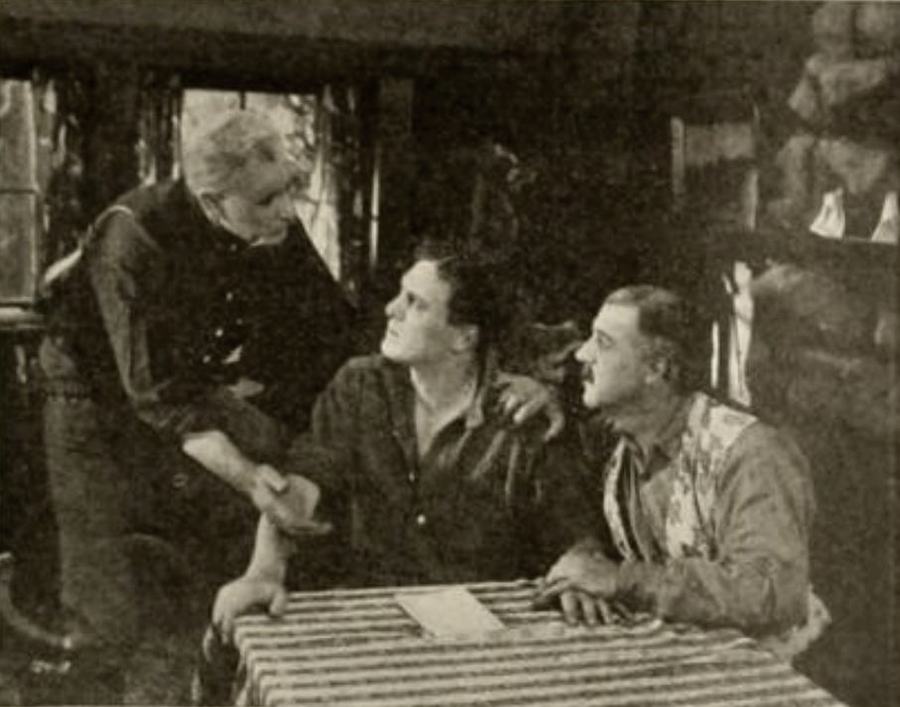
A year later, the specter of divorce looms, prompting Bud and Dill to embark on a journey to meet Joe's purported heir. Concurrently, Joe, apprised of the divorce proceedings through a newspaper, discovers the existence of his son. The three men converge, only for Bud and Dill's boisterous claims of "partnership baby" namesake rights to dissolve into effusive delight upon discovering the infant is, in fact, a girl. This revelation galvanizes Joe, who, now understanding his mother-in-law's culpability, dispatches her eastward. The climactic confrontation between Joe and Geraldine unravels the layers of their miscommunication: Joe's accusation of mercenary motives is countered by Geraldine's assertion that he married her for a child. A fraught exchange over custody and finances culminates in a moment of shared vulnerability over their crying daughter, leading to a poignant reconciliation, as they embrace their child and each other, finally recognizing the superficiality of their past grievances.
Synopsis
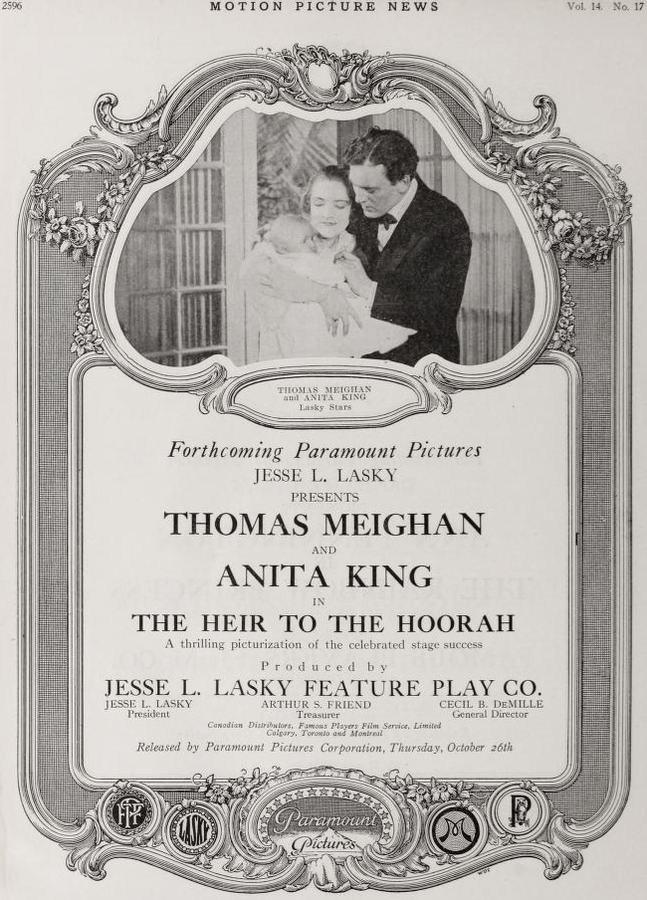
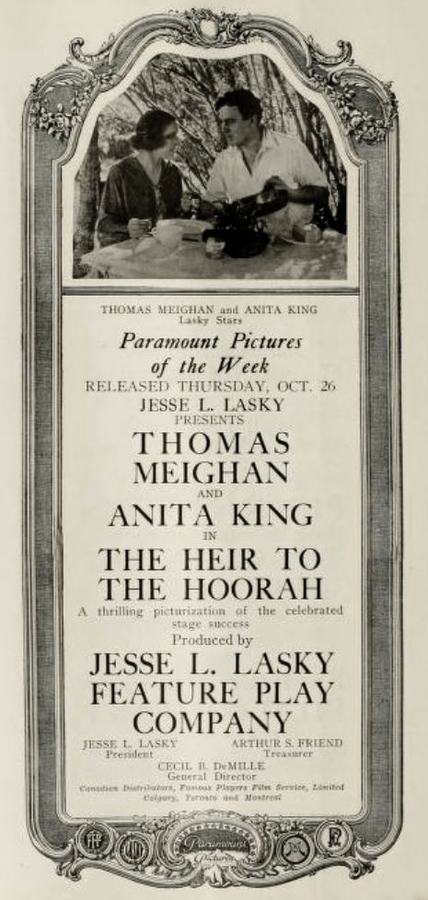
The Hoorah, richest mine in California, has made millionaires of its three bachelor owners, Joe, Bud, and Dill. It occurs to the two latter men that this wealth, representing the labor and sacrifices of many long years, must, in the event of their death, revert to strangers. They decide that Joe, the most eligible partner, should marry and give them an heir. This Joe refuses to do. However, Bud and Bill set about to find a suitable wife for him. Their efforts are unrewarded, and Joe, in disgust, leaves town. Geraldine Kent, daughter of a poor but aspiring society woman, accepts the invitation of a friend to take a western trip. The mother, of her own invitation, accompanies them. Arriving at the hotel, they discover Joe in an undignified position on the floor playing with a youngster of five. The mother is shocked, but when she learns that Joe is wealthy, she is attentive to him, and persuades Geraldine to accept his proposal of marriage. Joe's lack of polish is such a source of constant embarrassment to him and his wife that his suggestion to Geraldine that they run away from it all is gladly accepted. Discovered by her mother just as they are about to leave, Joe is enlightened by Mrs. Kent's expression of her sorrow at forcing Geraldine to marry such a boor because they were so sadly in need of money. Heartbroken, Joe gives them the money and departs. At the end of a year, Geraldine sues for divorce. Bud and Bill leave Hoorah City for a trip to see Joe's baby. Not until Joe reads in the paper an account of the divorce proceedings does he know that he has a son. He also starts out to see the baby, and the three men meet. Both Bud and Bill claim the right to be the namesake of what they consider a "partnership baby," but learning the little one is a girl, they order at once baby wardrobes by the carload. Joe realizes the mother-in-law's responsibility for his unhappiness and sends her east by the first train. Geraldine has learned that Joe's greatest desire was for a child, and when he accuses her of marrying him for his money, she meets it with a statement that he married her for the baby. He suggests that she take the money and he the baby, but as the little one starts to cry, he is frightened, and hands it to the mother. As they look at the baby, and then at each other, they realize how foolish they have been, and Joe takes both mother and child into his arms.
Review Excerpt
"
Unearthing the Riches of 'The Heir to the Hoorah': A Silent Film Gem
In the grand tapestry of early American cinema, where narratives often mirrored the burgeoning nation's own aspirations and anxieties, few films capture the intricate dance between wealth, societal expectation, and genuine affection quite like 1917's 'The Heir to the Hoorah'. This silent era drama, penned by the collaborative talents of Beatrice DeMille, Paul Armstrong, and Leighton Osmun, offers more than just a glimp..."