
DbcultAccessing Vault...
Recommendations
Senior Film Conservator
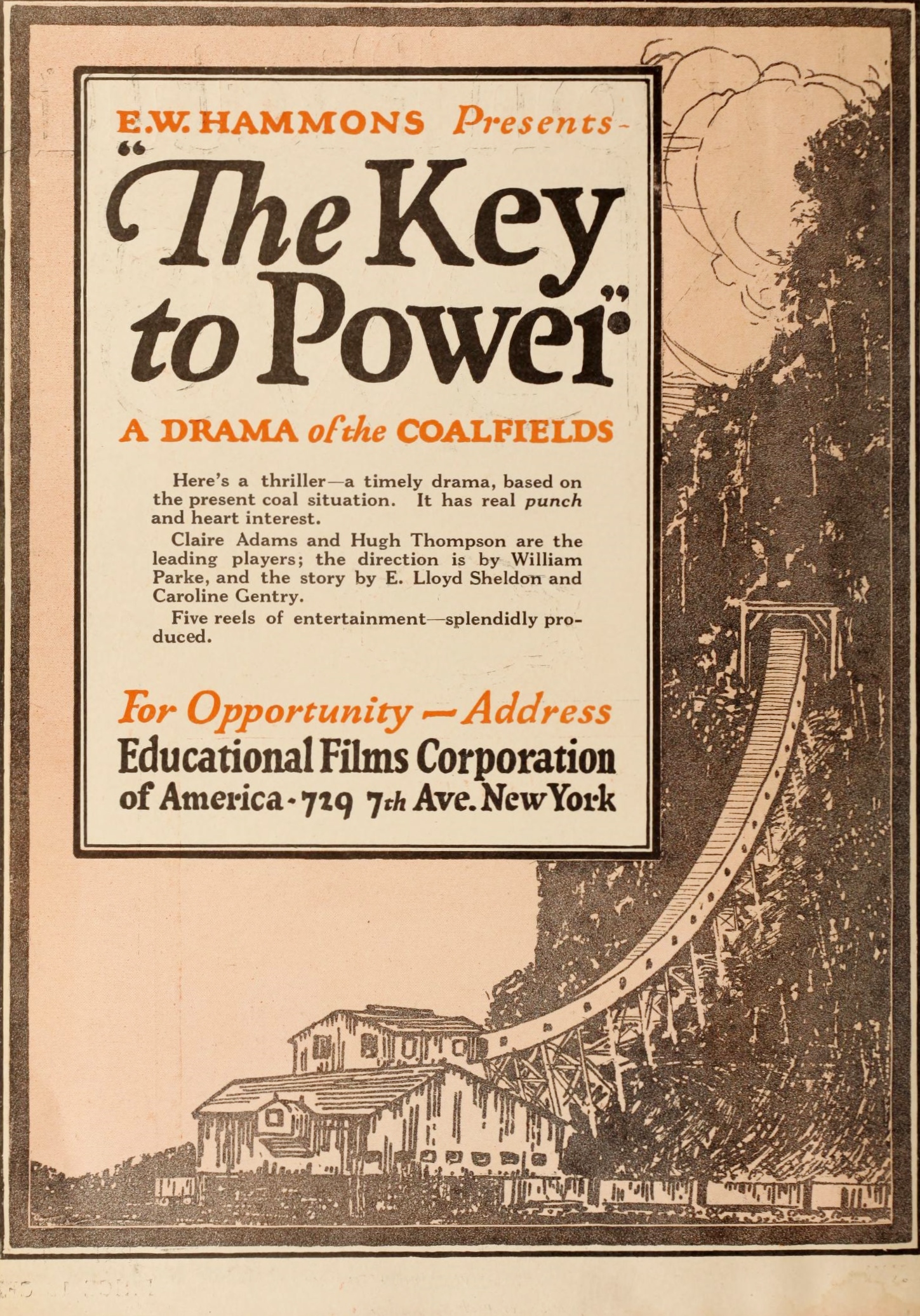
As a cultural touchstone of United States, The Key to Power resonates with its thematic gravity, audiences who connected with its message often look for similar thematic gravity. We've assembled a sequence of films that complement the tone of The Key to Power perfectly.
For many, the first encounter with The Key to Power is to establish William Parke as a true visionary of the 1920s.
Bruce Wendell, the son of West Virginia coal mine owner James Wendell, graduates from West Point and prepares to lead a fighting unit to the front during World War I. As his father lies dying, however, he convinces Bruce to remain at home and guard the mine. Bruce's fiancée Ann Blair assumes that he is a coward and breaks off their engagement, but her brother Bobbie remains Bruce's loyal friend. Meyer, a German agent, persuades railroad president Parrish to refuse to transport Wendell's coal, but when Bruce adamantly refuses to close the mine, the spy's men decide to blow it up. While Ann is being abducted by Meyer, Bobbie is buried in an explosion at the mine. Bruce rescues Bobbie and then sends a plea to Lieutenant Parrish to rescue Ann. Meyer and his gang are captured and Ann renews her vow of love to Bruce.
The Key to Power was a significant production in United States, showcasing the immense talent of George Pauncefort, Stephen Grattan, Frazier Nounnan. It continues to be a top recommendation for anyone studying Drama history.
Based on the unique thematic gravity of The Key to Power, our vault has identified these titles as the most compelling follow-up experiences for fans of Drama cinema:
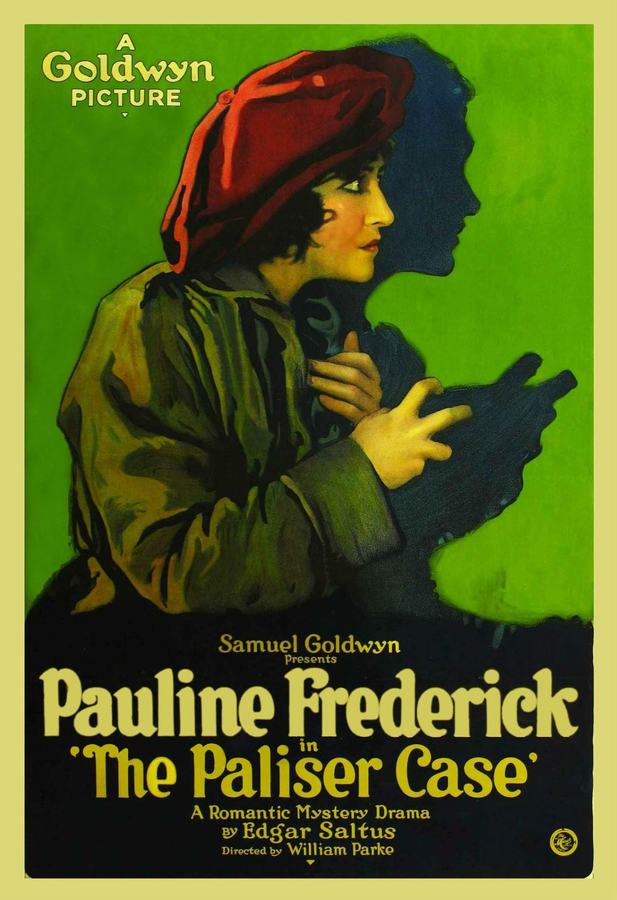
Dir: William Parke
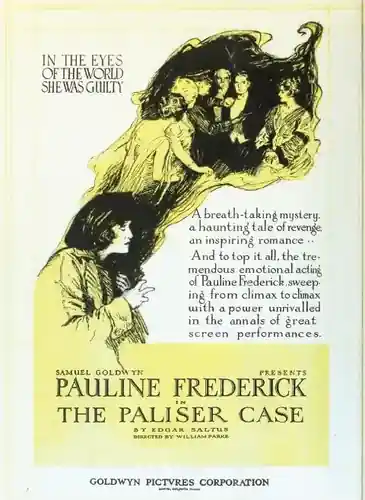
A young woman consents to a bad marriage to an unscrupulous man in order to save her father from ruin. When her marriage is disrupted by a murder, three different people confess to it.
View Details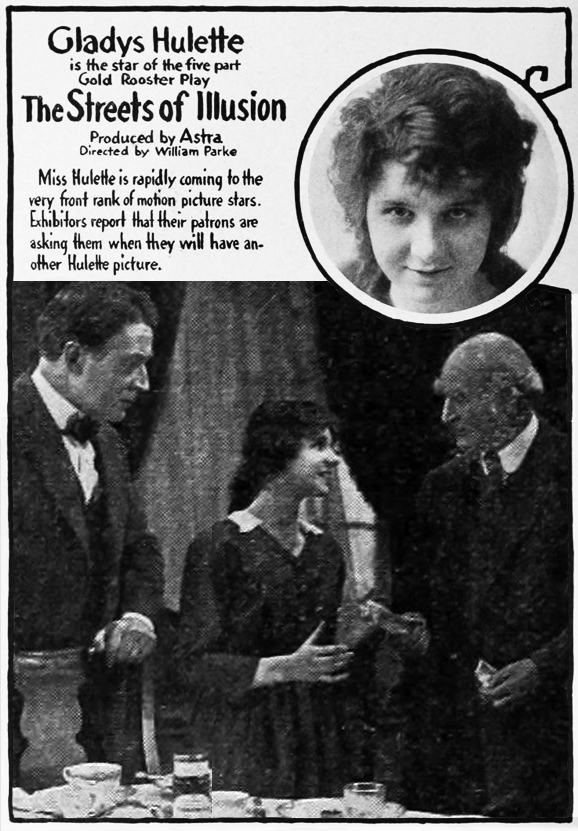
Dir: William Parke
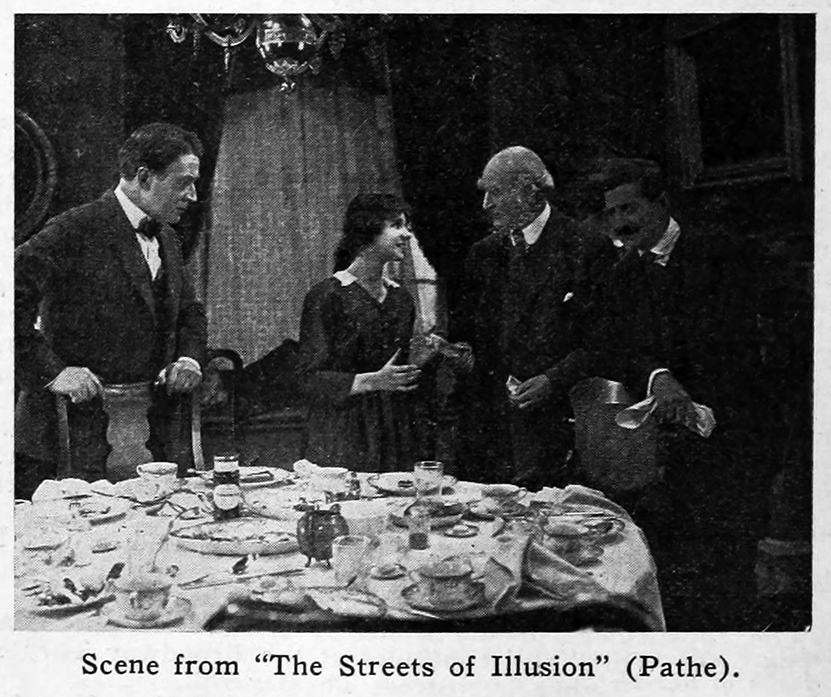
Beam opens a boarding house and many interesting characters are introduced. She spreads her optimism to their lives. Also to her blind father by telling him army stories about her brother when in actuality, he's deserted.
View Details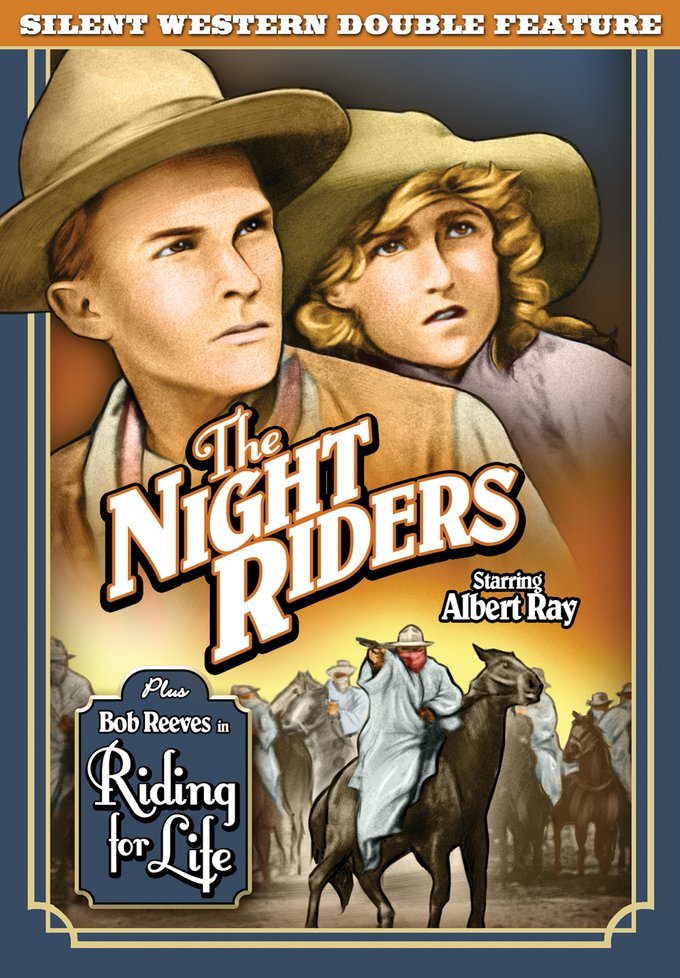
Dir: Alexander Butler
In Alberta, Canada, a Cornish emigrant unmasks a rustler posing as the girl's "blind" father.
View Details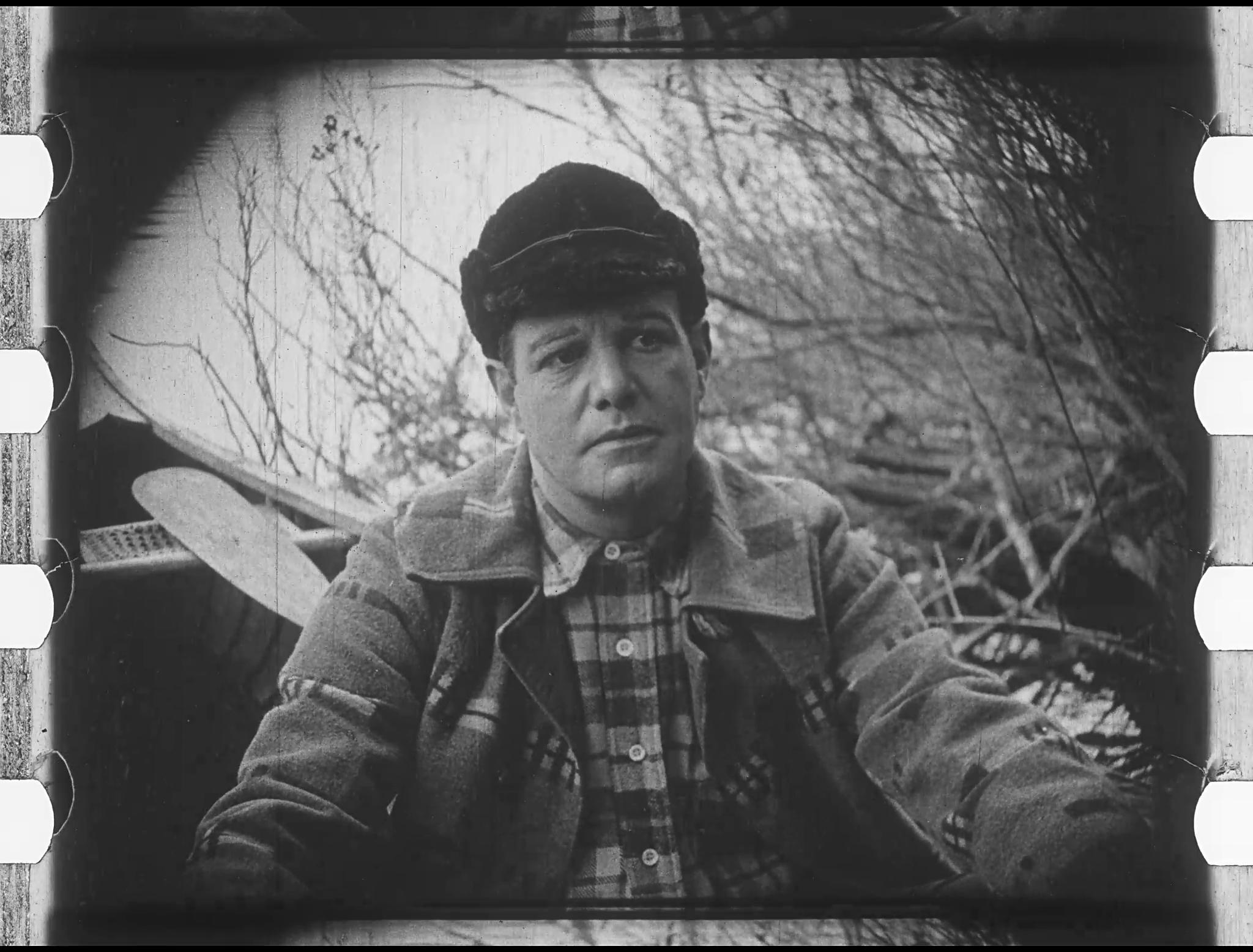
Dir: Edgar Jones
A mail-order bride arrives at a Maine lumber camp but doesn't like her prospective husband.
View Details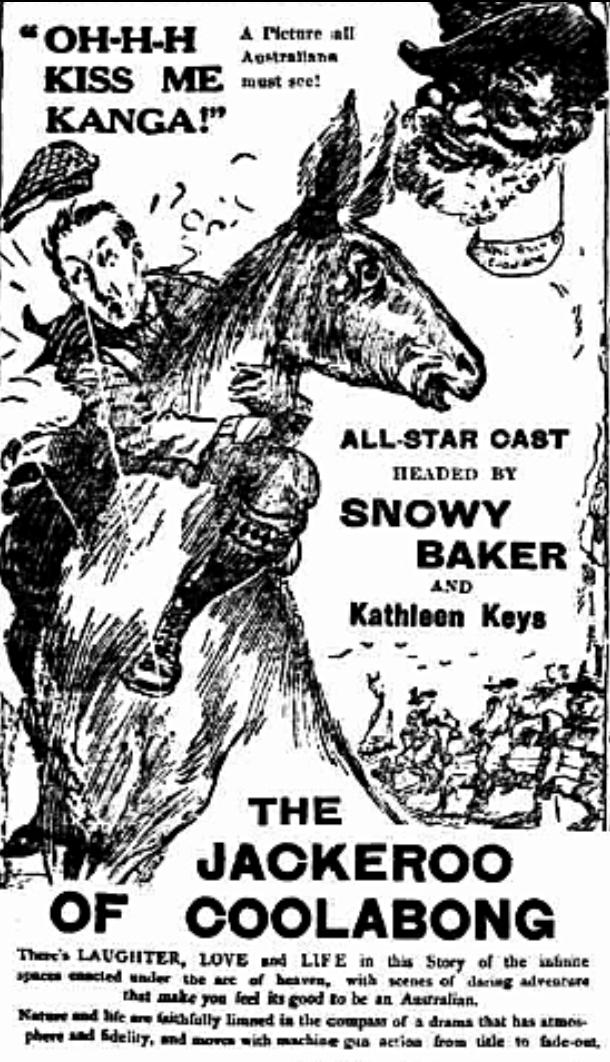
Dir: Wilfred Lucas
Brian O'Farrell (Snowy Baker), is an English 'new chum' who takes a job at an Australian cattle station. He is teased by station hands because of his appearance (including spats and a monocle) but he soon impresses them with his skills at riding and boxing. The station manager, John MacDonald (Wilfred Lucas), takes O'Farrell to Sydney to meet his daughter Edith (Kathleen Key) who is working in the slums. Edith is kidnapped by criminals after witnessing a crime but O'Farrell rescues her. It is later revealed he is the owner of the station.
View Details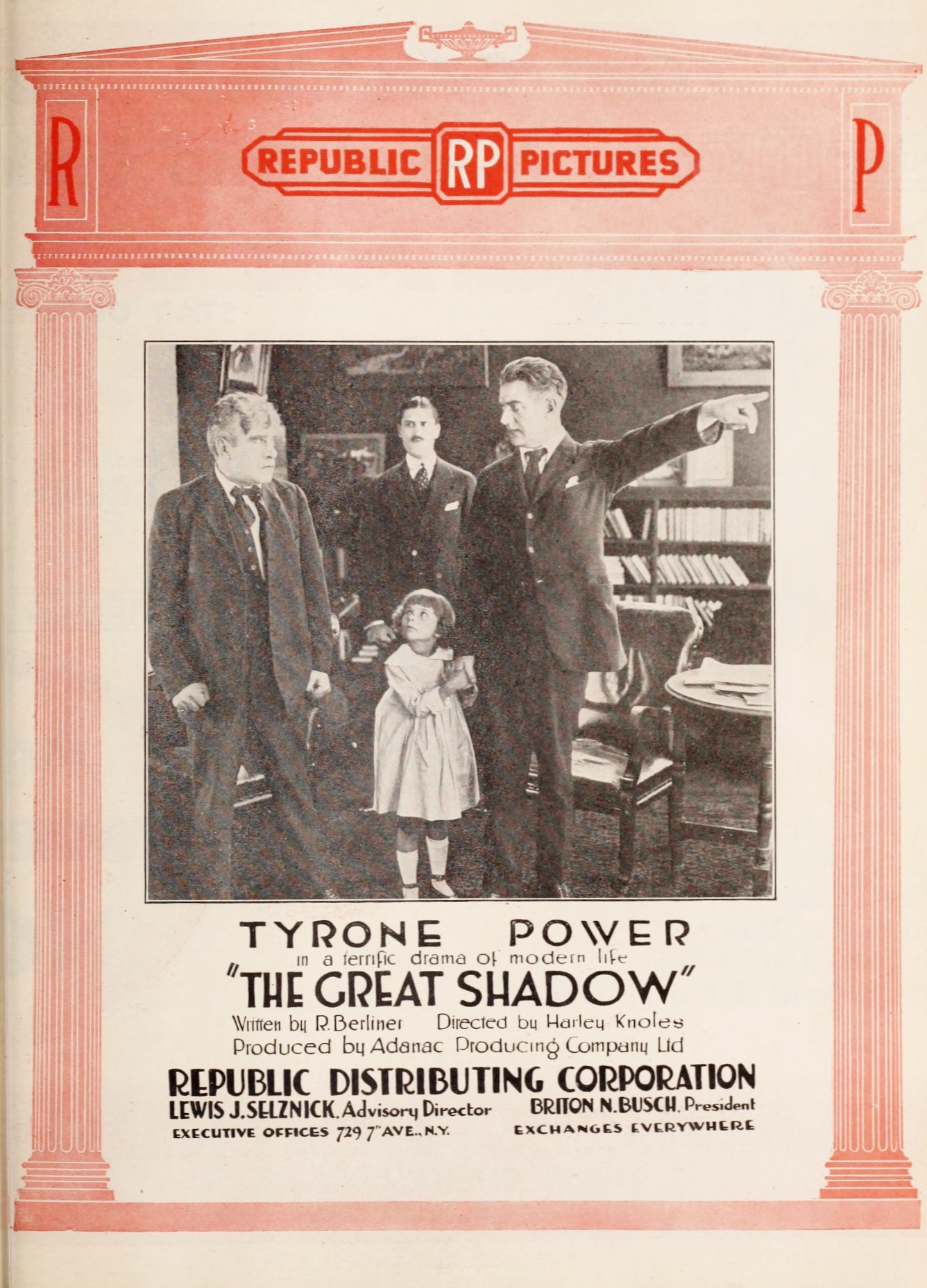
Dir: Harley Knoles
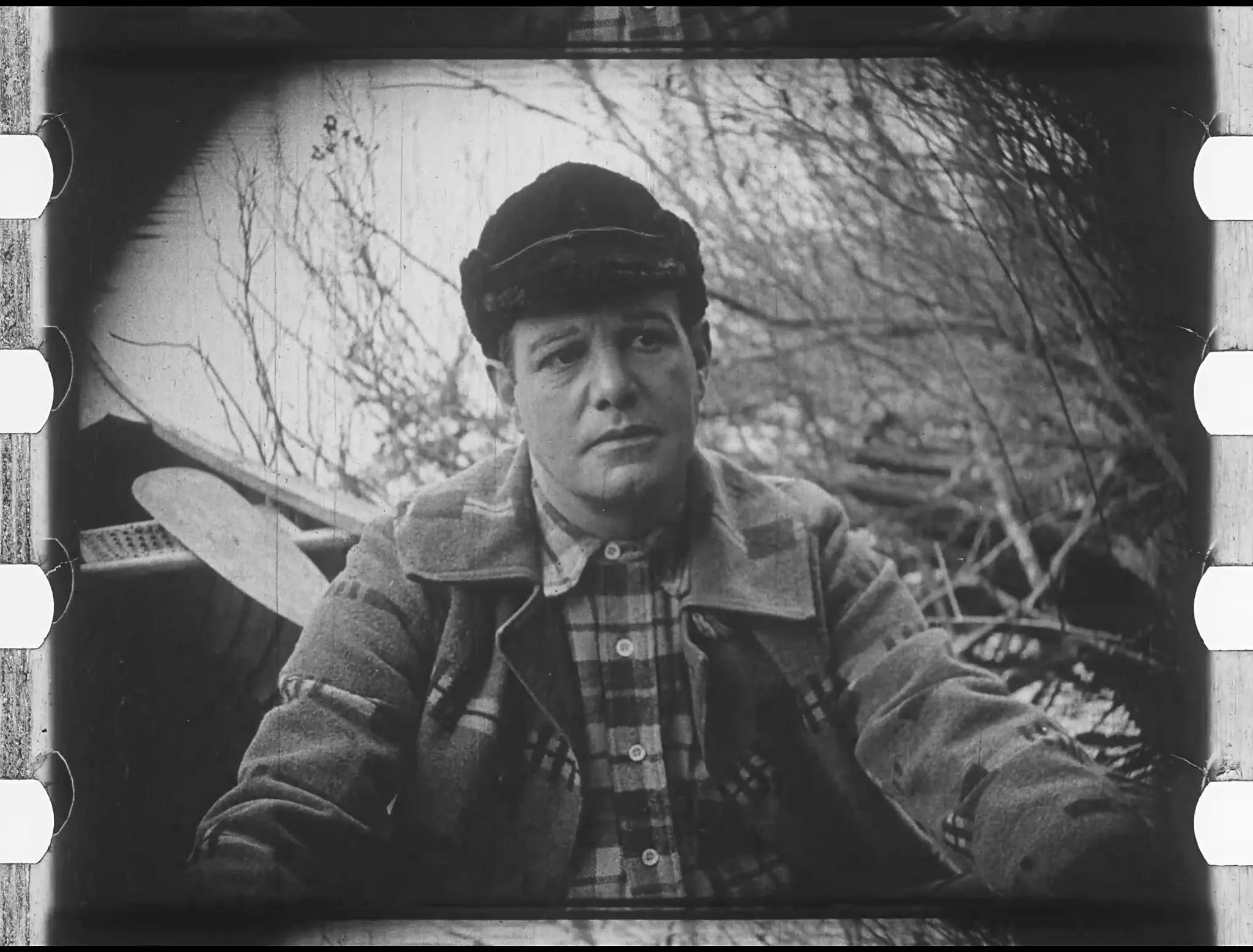
Jim McDonald, the foreman of a shipbuilding plant and head of the labor union, strives to combat the anarchistic propaganda being put forth by Klimoff, the leader of a Bolshevik gang whose goal is to disrupt the country with strikes and anarchy. Despite McDonald's efforts, a strike is called, resulting in chaos. McDonald's child is knocked down by runaway horses abandoned by their striking driver, and dies. Mob scenes take place in America, as well as in Russia. Eventually, the unrest is quelled with an armistice called between Capital and Labor for a year, during which time wages are to be increased to reflect the cost of living, and leaders are to work out a common plan for their mutual advantage. The strikers now realize that they have been pawns of the Bolsheviks and call off the strike, agreeing to the plan.
View Details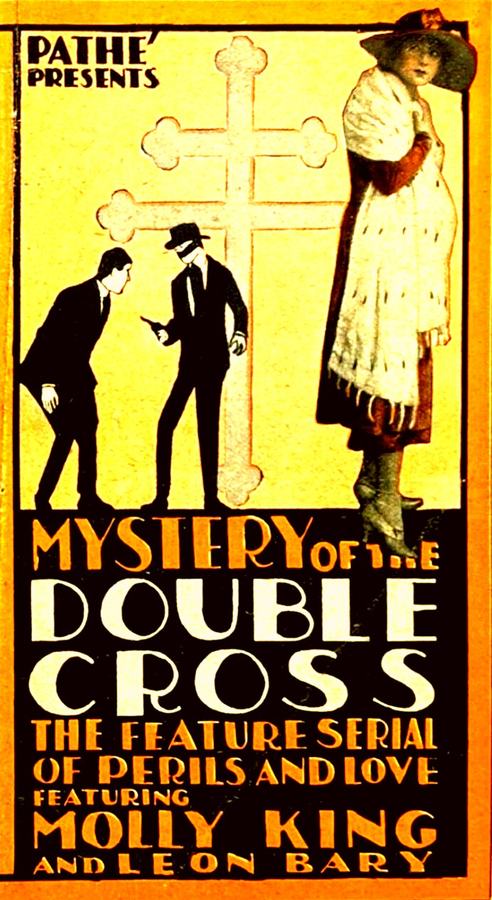
Dir: William Parke
As the S. S. Huron returns from her summer trip to Europe laden with many passengers, a mysterious lady in room 7 is never seen, and the whole boat starts to gossip about her. In the meantime, a puzzling telegram arrives for Peter Hale, the passenger in the room across hers, about a sign of the Double Cross and his father's will.
View Details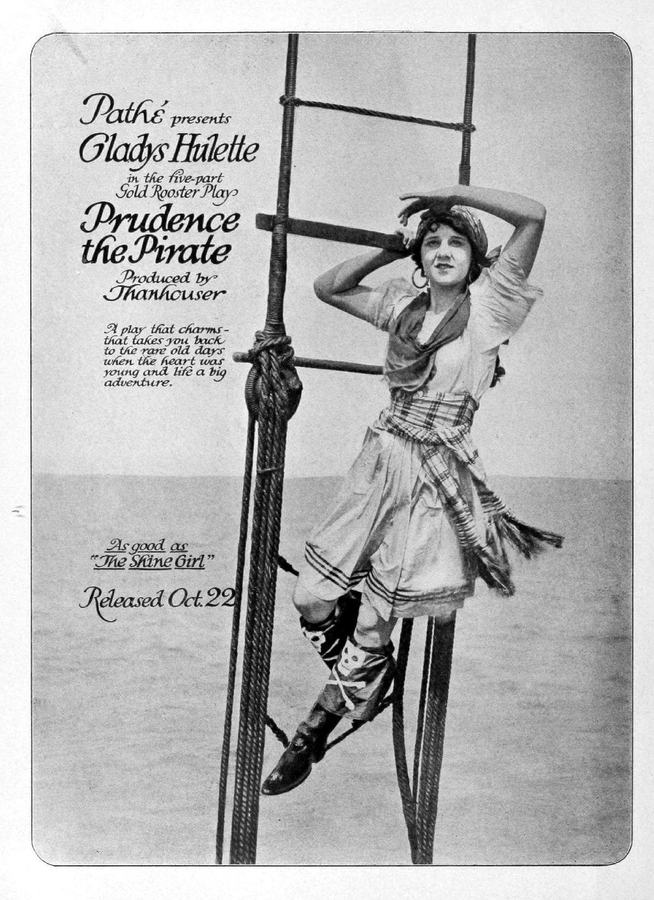
Dir: William Parke
To her aunt's dismay, Prudence isn't interested in society life. She'd rather listen to the butler's tall tales of being a pirate. Nixed from a boat trip, she rents a schooner, recruits a crew and raises the jolly roger.
View Details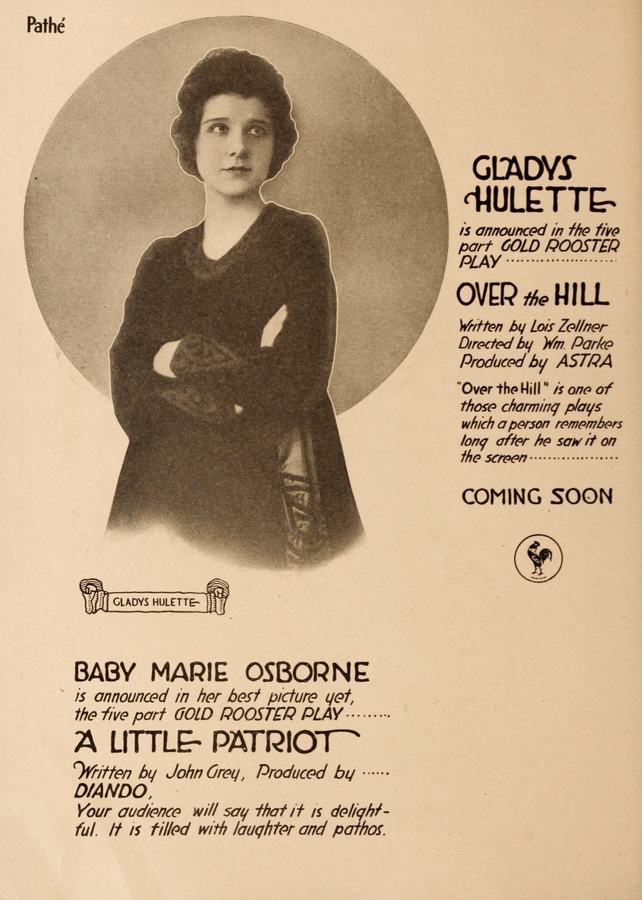
Dir: William Parke
Amos Winthrop, owner of the Winthrop newspaper syndicate of "yellow" journals, delights in posing as the patron of ambitious youth, and he appoints Allan Stone as business manager of the "Daily Pioneer" at Columbia. The Rev. Timothy Neal, compelled to resign his pastorate because of advancing years, arrives with his granddaughter Esther in Columbia, where the minister hopes to make a living selling books. The one failure in Amos Winthrop's life is his pampered son Roy; he sends him to Columbia to work as a reporter on the "Daily Pioneer" staff. Rev. Neal takes many and varied lessons in the gentle art of book-agenting but success does not come to him and Esther is at her wits' end trying to instruct her grandfather how to approach strangers. Their little store of savings dwindles. Jim Barnes is editor of the "Daily Pioneer" and he delights in applying big-city methods to a small-town paper. He prints sensational stories and is supported in his methods by young Winthrop. Stone, on the other hand, asserts that scandal about people kills advertising prospects. The owner of Columbia's largest department store is Henry Lawlor, and the Daily Pioneer advertising staff longs to secure Lawlor to an advertising contract. Pneumonia attacks Rev. Neal and he passes away, leaving Esther alone in the world. She has met both Allan Stone and Roy Winthrop. The time comes when the only hope of the "Daily Pioneer" is the Lawlor advertising contract. There is an agreement that if the paper fails to make a stipulated showing before a specified date, Allan Stone and Jim Barnes shall forfeit all claim to their respective shares of stock in said paper. Young Winthrop antagonizes Lawlor and it seems that the contract is lost. He prepares a story dealing with the purported elopement of Lawlor's daughter and the same is set in type. Esther, considering it a "spite story," burns the entire edition of the "Daily Pioneer," thus preventing the story from being read; she thus earns the gratitude of Lawlor, who gives the paper the advertising patronage. Amos Winthrop, summoned to Columbia, appreciates his son's foolishness and orders him to leave Columbia and return home where the father can keep an eye on the boy. Stone wins an allotment of stock in the "Daily Pioneer" and wins Esther for his bride.
View Details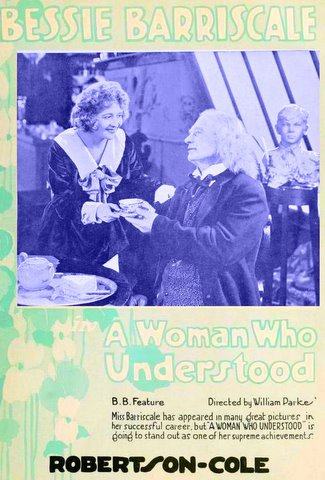
Dir: William Parke
Sculptress Madge Graham sacrifices her art career to nurture violinist Robert Knight whom she marries and with whom she has two children. Gradually Knight becomes infatuated with Mrs. Alden, the wife of a wealthy man. Madge discovers her husband's treachery at the Alden home when she encounters the two embracing. In their surprise, a lamp is overturned and the house catches fire. Knight attempts to stop the blaze, but his hands are badly burned and he is taken to the hospital for treatment. When it becomes apparent that he will require skin grafting to save his hands, Mrs. Alden refuses, but Madge bravely sacrifices her skin, finally forcing Knight to realize the deep love of his wife.
View DetailsAnalysis relative to The Key to Power
| Film Title | Atmosphere | Complexity | Similarity |
|---|---|---|---|
| The Paliser Case | Tense | Dense | 89% Match |
| The Streets of Illusion | Tense | High | 96% Match |
| The Night Riders | Ethereal | High | 96% Match |
| In the River | Gritty | High | 92% Match |
| The Jackeroo of Coolabong | Ethereal | High | 85% Match |
This guide was algorithmically generated using the cinematic metadata of William Parke's archive. Last updated: 8/17/2026.
Back to The Key to Power Details →