
DbcultAccessing Vault...
Recommendations
Senior Film Conservator
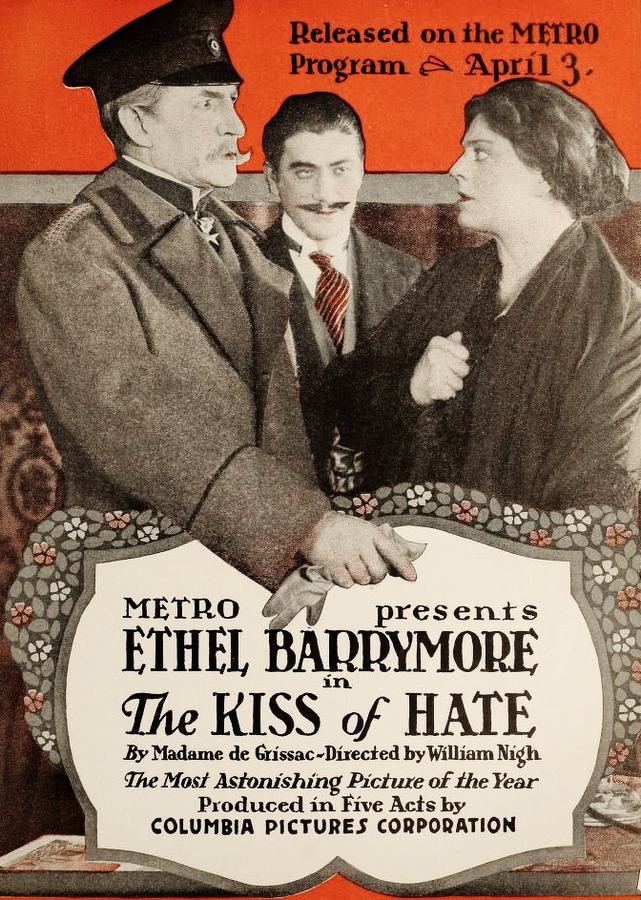
The artistic legacy of William Nigh was forever changed by The Kiss of Hate, this cult landmark continues to dictate the rules of its category. We've assembled a sequence of films that complement the tone of The Kiss of Hate perfectly.
The vintage appeal of The Kiss of Hate to maintain its cult relevance across several decades.
When Count Peter Turgeneff, his daughter Nadia, and his generous-hearted son Paul came to live in the Governor's palace in the Russian province of Valogda, there was rejoicing among the oppressed race whose home was in the Ghetto. Turgeneff was known as a just and merciful man who had done much to make the hard lot of the Jews bearable in the districts under his charge. Hence his coming was hailed with joy by Isaac, prophet of Israel, and his people. Quite other feelings did his arrival create in the breast of Michael Orzoff, the grim Prefect of Police of Valogda, who sat in his office in the fortress and received the reports of the secret agents of the Czar. It was known that Orzoff was the secret power behind the dreaded "Yellow Jackets," the dire organization whose avowed object was the extermination of the people of Israel. There seemed no help. The Prefect's influence reached far, even into the high places in far-off Petrograd. Even women, provided they were fair to look upon, found their sex no protection from his infamy. For all these reasons the coming of Count Turgeneff to Valogda was not at all to Orzoff's liking. Soon after his coming Orzoff learned two things: one was that the new governor had pledged his help to the Jews, and the other that his daughter Nadia was one of the most beautiful women he had ever seen and quite as ardent as her father in her support of the oppressed race. To think was to act with Orzoff. The governor was strong, but not more strong than he. In the high places in Petrograd, whence both received authority, the Prefect held the more power. In Russia the police are all powerful. The Count menaced Orzoff, for already word had been brought to the Governor, as Orzoff well knew, that the Prefect was the secret driving force behind the evil "Yellow Jackets." So Orzoff laid his plan. With his countless agents provocateurs and secret minions in the "Yellow Jackets," daring as that plan was, he felt it could not fail. On the night of the grand ball at the Governor's palace, the plan was consummated. Thither had come, at Nadia's urging. Isaac, chief of the Jews of the Ghetto, and Leah, the lovely daughter of old Samuels the cobbler, whose honor had been stained by the rude lust of Orzoff, with many others, there to accuse the Prefect face to face of the wrongs with which he had burdened them. But they did not reckon with the Prefect's plan. Suddenly there had been a cry without a rush of many feet and a frenzied mob had burst in among the guests of the Governor. "Death to the Jews," was their rallying cry. Then came Orzoff's own uniformed men and dispersed the rioters, but not before an assassin's bullet had found a resting place in the heart of Count Turgeneff. Nor did Orzoff stop there. Secure in his influence at Petrograd, he directed his men to seize the weeping Nadia, her brother Paul, and Isaac the Jew, and imprison them in the fortress under a charge of treason. And there on the day following he found a way to wreak his evil will upon the girl. The Prefect came to her in the cell, where she passed the night. He bent over her menacingly as she sat on the stone seat that had formed her couch. "You will give yourself to me," he said abruptly, "or your brother shall suffer the torture by fire ere he goes to Siberia." The as Nadia, in contempt and loathing, struck at him in the half-darkness he added, "Listen, and you shall hear for yourself; only your promised work can stop this pain."
The Kiss of Hate was a significant production in United States, bringing a unique perspective to the global stage. It continues to be a top recommendation for anyone studying cult history.
Based on the unique cult status of The Kiss of Hate, our vault has identified these titles as the most compelling follow-up experiences for fans of cult cinema:
Dir: William Nigh
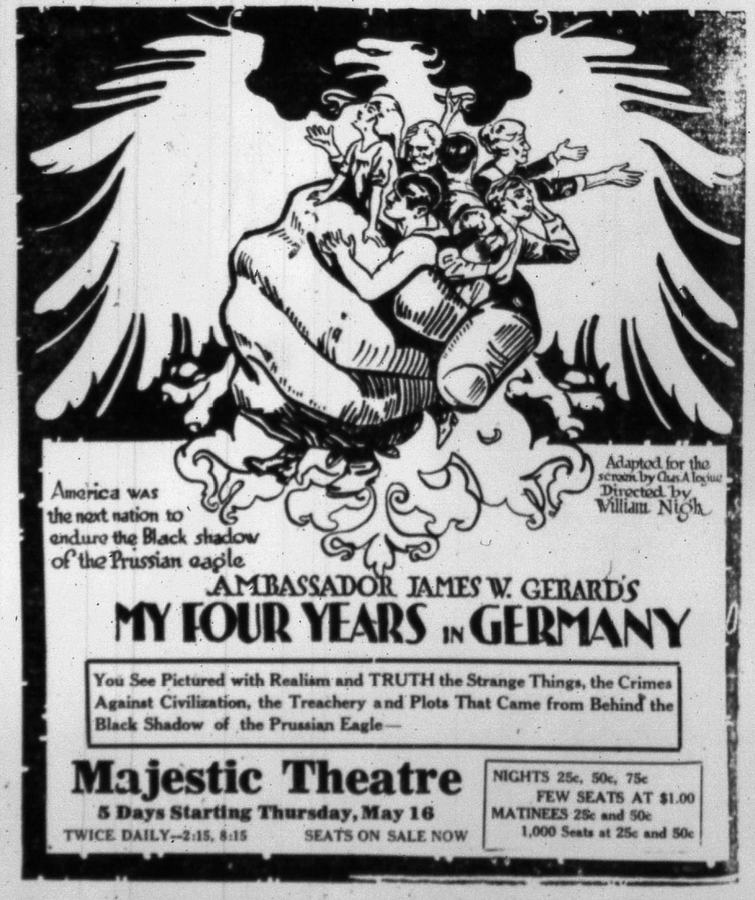
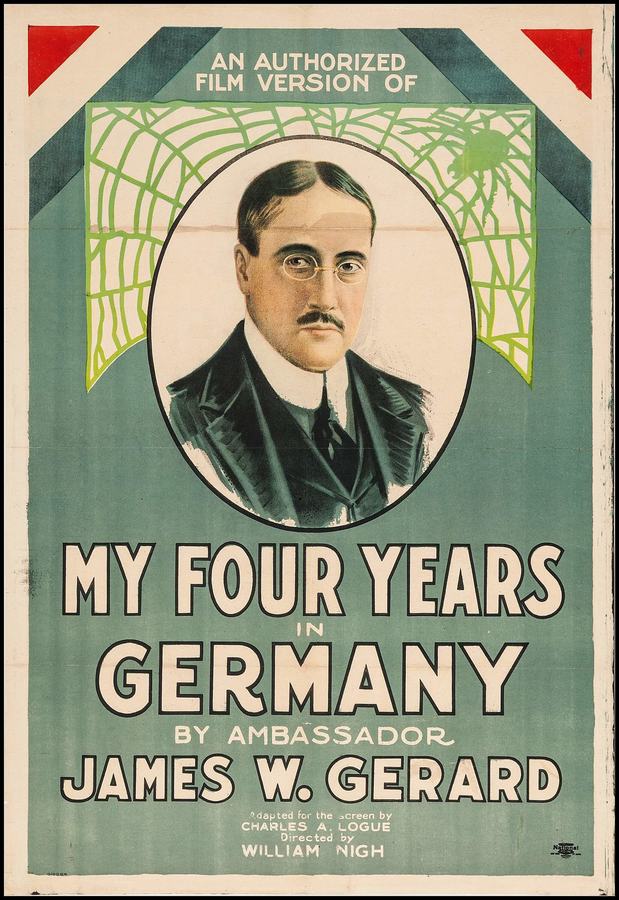
The experiences of the American ambassador to Germany, James Gerard, are recounted in this semi-documentary.
View Details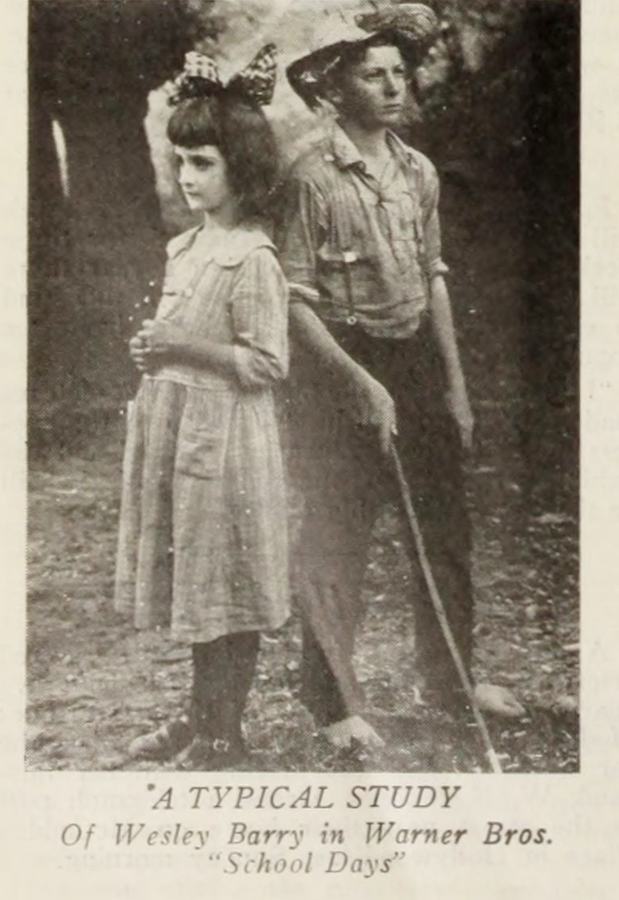
Dir: William Nigh
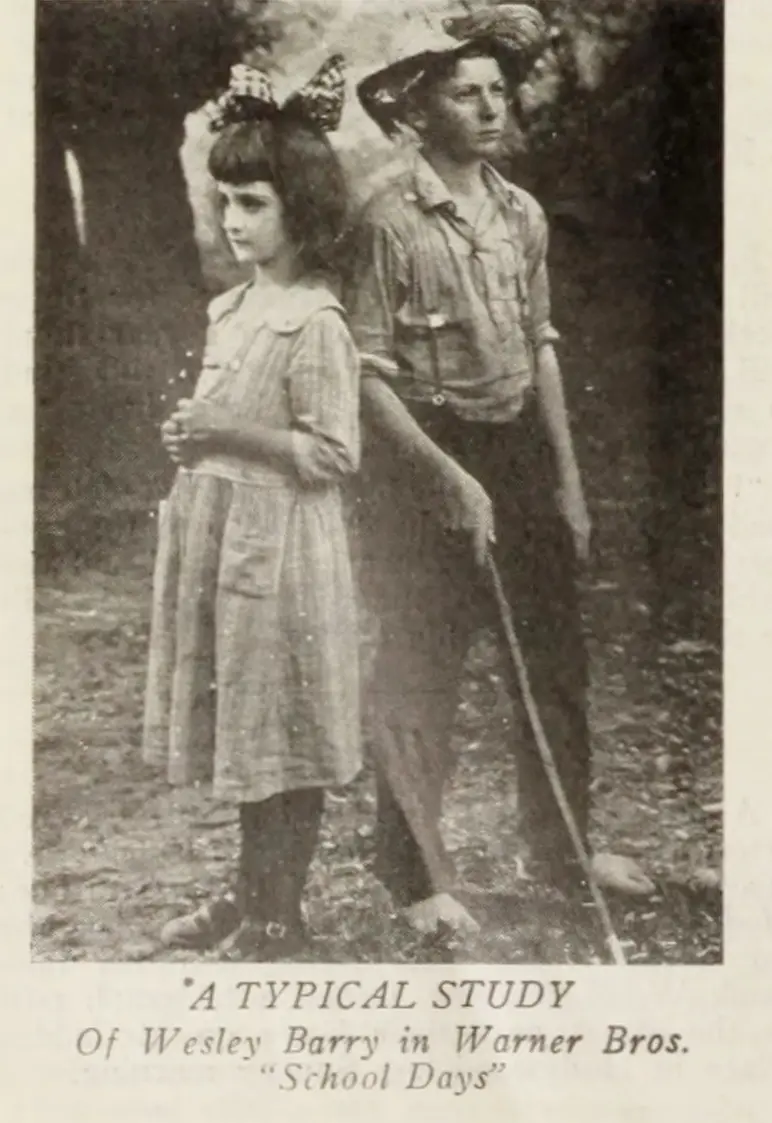
A naive young man, raised poor in a small town, comes to New York City to make his fortune. Overwhelmed by the city's hustle and bustle, and entranced by the rich and sophisticated high-society types he comes into contact with, he eventually finds himself caught up in the city's seedy underworld.
View Details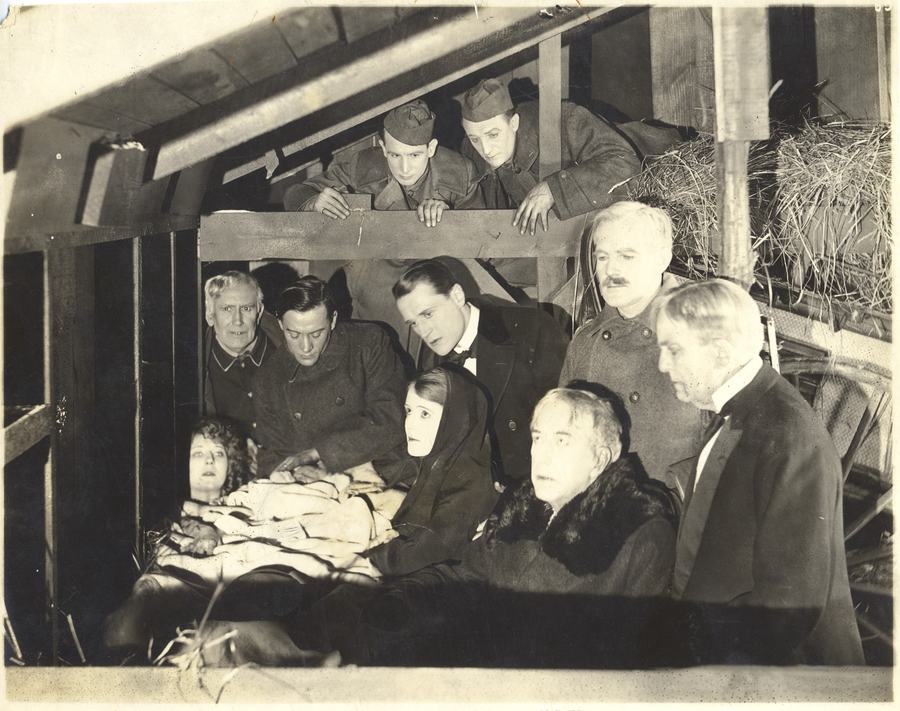
Dir: William Nigh
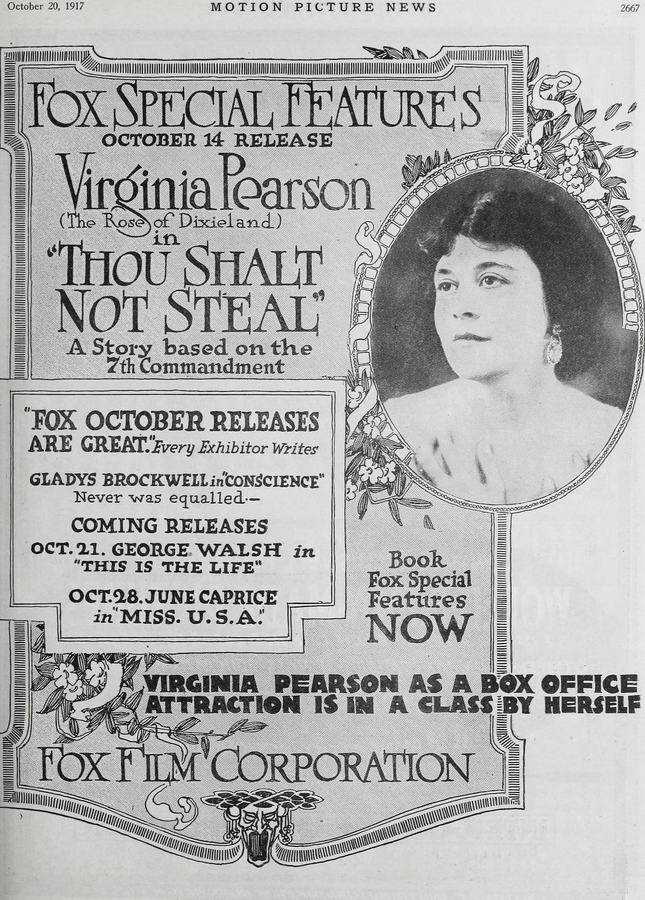
Mary Bruce is wooed by Lord Haverford but loves Roger Benton, her father's secretary. To finalize his marriage proposal, Lord Haverford offers her father a large sum of money and, being low on funds, Mr. Bruce accepts it, then places it in a safe. Horrified by her father's actions, Mary steals the cash from the safe that night, but on her way out is overcome by another thief whose wrist she bites in the ensuing tussle. When the theft is discovered, Mary, Benton and Mr. Bruce are suspected, but Dr. Steele, a detective, convinces Mary that Haverford, or the man who calls himself Haverford, is the actual thief. Steele tells how the phony Haverford attempted to kill the real one, stole his money, assumed his identity and is now extorting cash from Bruce. With the bitten wrist as proof, Steele exposes the impostor, then reveals himself to be the real Lord Haverford, whose sweetheart has been posing as the Bruces' maid. The mystery resolved, Mary and Benton happily reunite.
View Details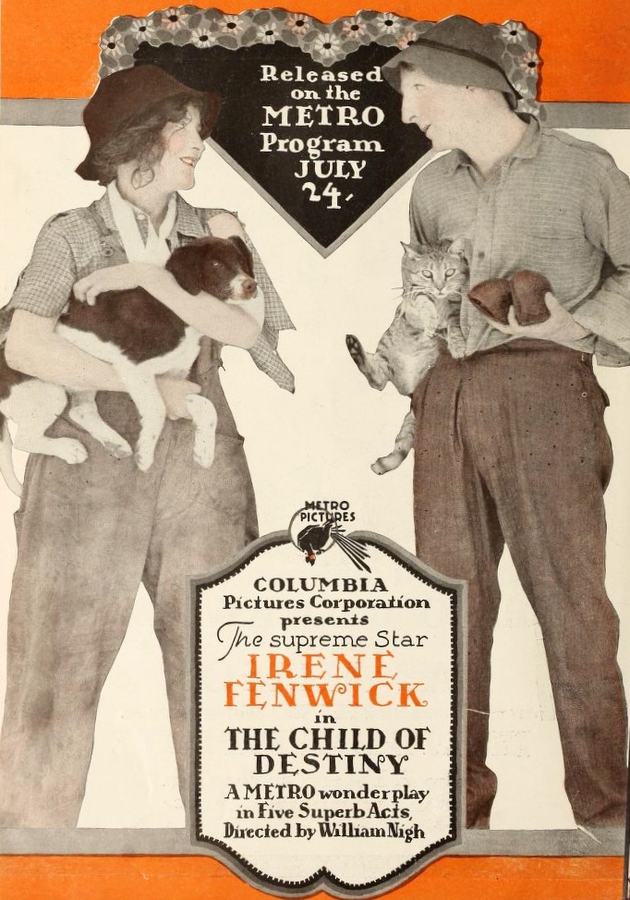
Dir: William Nigh
Alita, a child who has been left in the care of Mr. and Mrs. Putnam in a desolate swamp country, reaches the age when she is to be prepared for the world, and the Putnams send word to Judge Gates, her guardian, to come for her. Her life has been spent in the swamps with a half-witted boy, "Weird Willie," and many animals and birds of that country, as her only playmates. Judge Gates receives the letter at his bachelor apartment, which he shares with a younger friend and companion, Bob Stange. Through the accidental dropping of a marriage license the Judge discovers that Bob is about to become a benedict, despite the fact that they had a compact never to marry, on the theory that all women are deceitful. The Judge recounts a story about one ill-fated marriage that ended in the divorce courts, in which the real tragedy was the little baby which no one seemed to want. Bob turns a deaf ear to this and leaves in anger. Constance, the one woman Bob has idealized, is older than he. She plays upon his sympathies by telling of her hard work as a dressmaker, when, in reality, she is leading a dual life, and only wants Bob for his money. She is carrying on a liaison with a Calvin Baker, a man about town, and he is calling on her when Bob arrives and tells her a minister is on the way to marry them. Baker hides behind the screen and listens. Bob tells Constance that he has invited his best friend, Judge Gates, to the ceremony. When Constance hears this name she is startled and insists on the ceremony being hurried. The marriage is performed as the Judge arrives. He recognizes Constance as the one who has ruined his own and his best friend's life. He denounces her, and Bob realizes her perfidy when he finds Baker hidden in the room. Bob and the Judge leave, and go away for a fishing trip, hoping to forget. In the country Bob comes upon Alita, and through a strange chain of circumstances, she is slightly wounded by a shot which her constant protector, "Weird Willie," intended for Bob. Alita falls in love with Bob, for he is the first man she has come in contact with. The Judge decides to take Alita away. Judge Gates puts Alita in charge of a professor to educate her, but she proves, through her hoydenish ways, a source of annoyance to the teacher. Bob receives a letter from his sister, telling him she has found the right girl for him at a summer hotel, where she is stopping. The Judge buys an extensive wardrobe for Alita, and by chance, they go to the same hotel for which Bob is bound. Bob is startled when his sister leads him into the presence of Constance. Alita meets Constance and the girl is attracted to her. The Judge finds them together and afterwards upbraids Constance. Alita and Bob meet again. Bob goes to Constance, begs her to release him, and to grant him a divorce. The Judge sees Bob enter her room and follows. Alita waits until they leave. She goes to Constance and asks her if she knew Bob before. Constance tells her the truth. Alita leaves all, and goes back to the swamp country. She cannot face the Putnams, so she runs into the fields instead, where she wishes to die. After Alita leaves Judge Gates tells Constance that Alita is her child. Constance's better nature is aroused and she goes in search of her daughter. Bob and the Judge follow. Constance agrees with the Judge that it is best not to tell Alita the truth, and when Bob and "Weird Willie" find Alita in the swamps, Constance wanders away to her death that Bob may be free to marry the child she has wronged.
View Details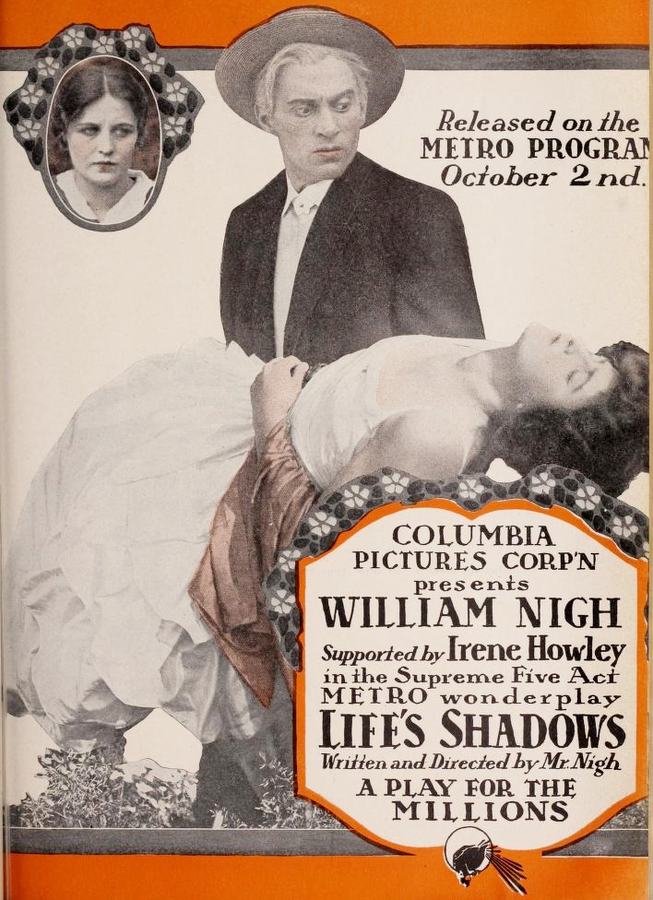
Dir: William Nigh
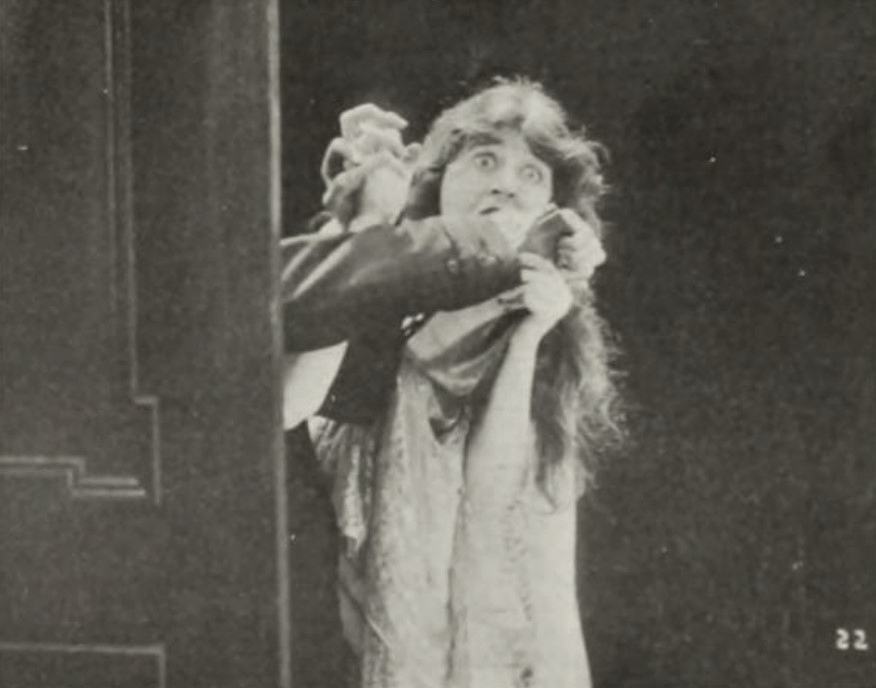
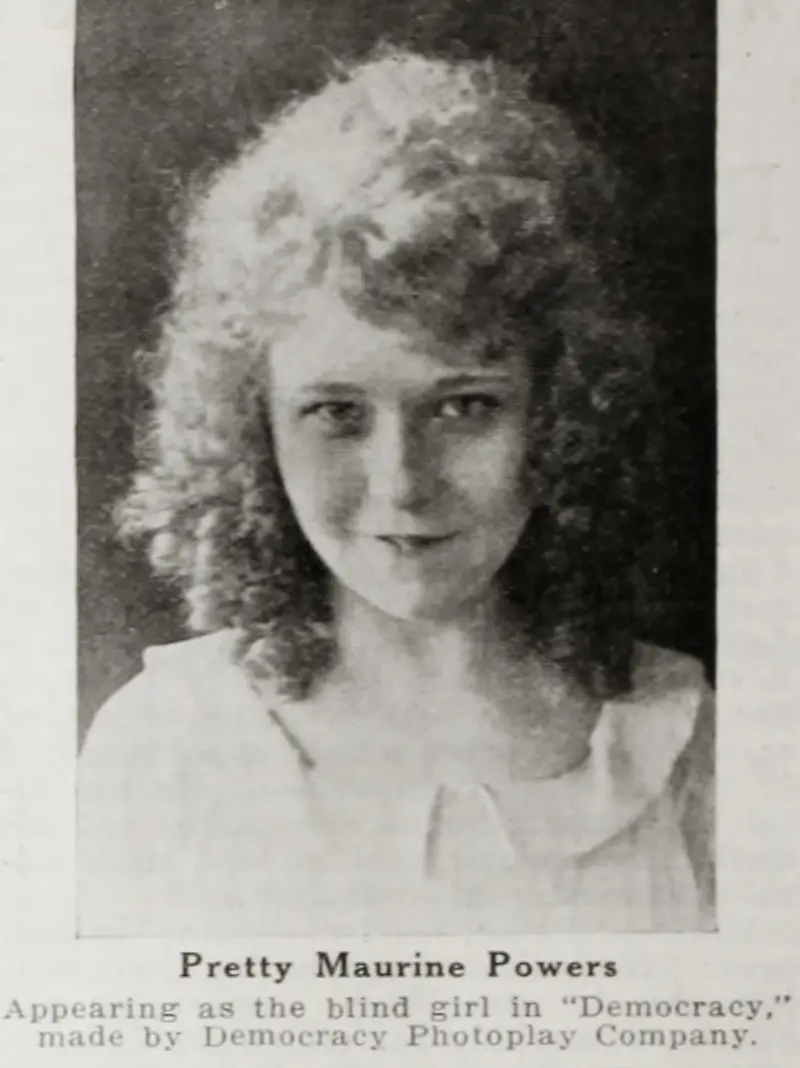
The townspeople of Purity despise Martin Bradley because of his heavy drinking, but he still does his best to make life better for the town. He helps to support two women who have been socially ostracized by the townspeople, and during the election campaign for mayor, exposes the corruption and dirty tricks of candidate James Durkel, resulting in the election of his opponent Chester Thorndyke. However, the voters of Purity insist that Thorndyake disavow his ties to Bradley, whom they regard as disreputable.
View Details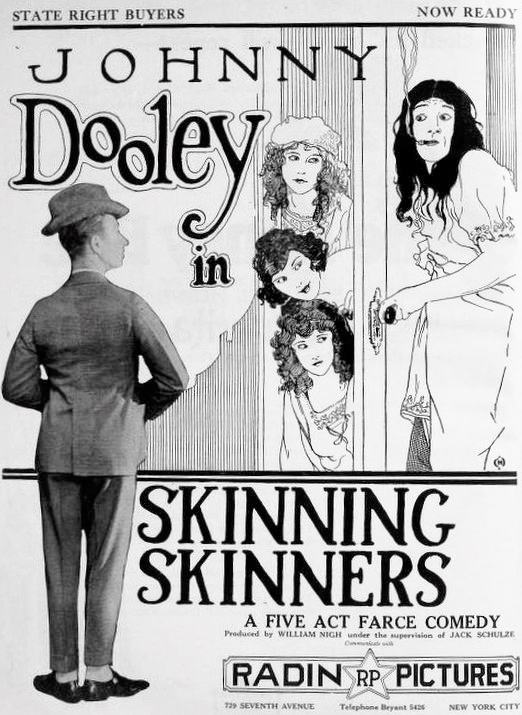
Dir: William Nigh
A fascinating piece of cinema that shares thematic elements.
View Details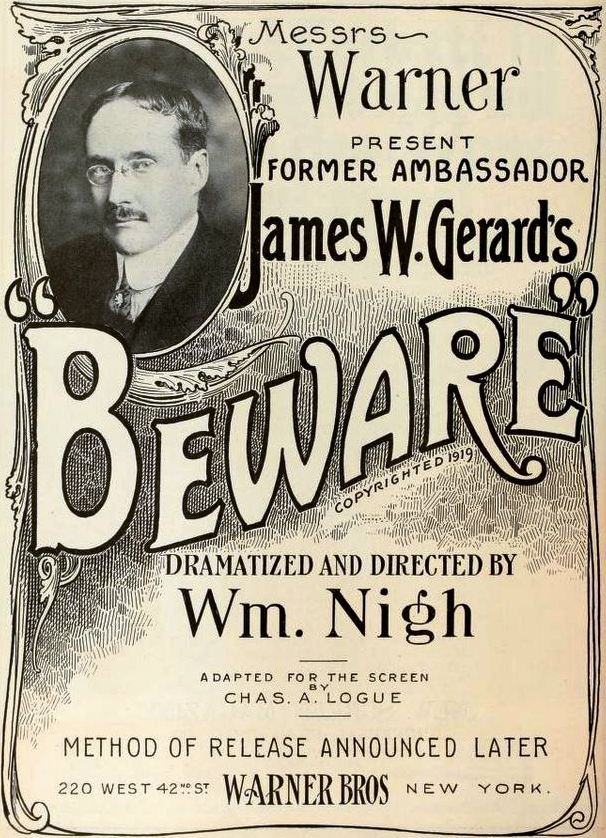
Dir: William Nigh
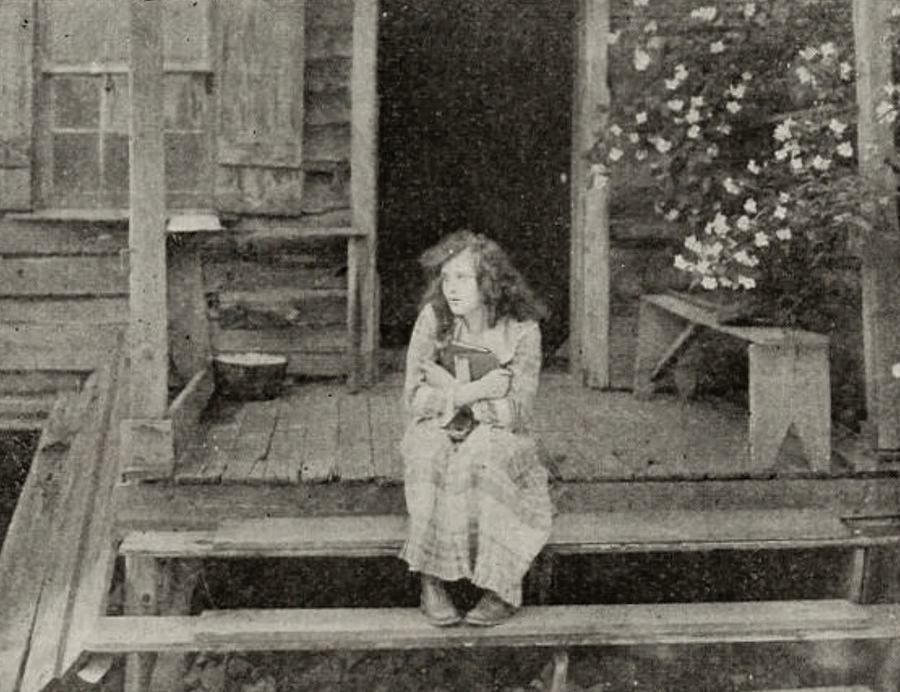
American ambassador to Germany James W. Gerard warns that Germany will rise again to power and an attempt at world domination unless safeguards are taken, in this documentary-style propaganda drama.
View Details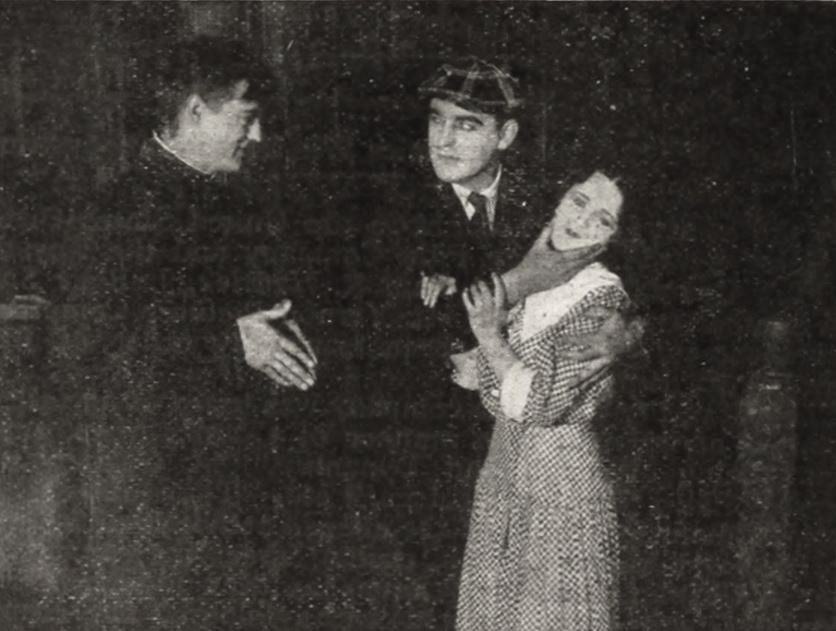
Dir: William Nigh
Barry Dale, the atom, a Wall Street broker, is financially ruined by his perfidious and faithless wife, and her companion, Richard Marvin, another broker, who has posed as Dale's best friend. Disheartened and depressed, Dale goes to his apartment expecting comfort and solace from his wife. Instead he finds her there in the embraces of Marvin. They laugh at him, and Marvin, the stronger of the two men, literally throws Dale out of his own home. He gives him a pistol and tells him the whole affair can best be settled, to every one's satisfaction, if Dale will kill himself. Dale walks aimlessly through the streets with this end in view. Long after midnight he finds himself on the Brooklyn Bridge, where he observes a girl about to leap into the river. A shout from Dale causes her to turn back and flee. They are mere silhouettes in the dim light, and do not see each other's faces. The girl, another atom in the swirl of human life, is Mary Austin, a child of the tenements, who had planned suicide to escape marrying Jack Rader, a gambler, to satisfy a debt her father owed to Rader. After the incident on the bridge Barry indifferently wanders to a railroad station and buys a ticket west, as far as his money will carry him. In the far west Barry brings up in a little mining town. There he falls in with an outlaw, who is being sought by a sheriff's posse. A few days later, in a lonely mountain trail, the posse closes in on the outlaw. He directs Barry to safety, but is killed by the sheriff. A sky-pilot, who had joined them a few hours before, is likewise killed by the posse's bullets. Barry buries them both, and decides to impersonate first one and then the other. Tom Austin, Mary's brother, is addicted to drink, and Mary succeeds in inducing his employers in New York to send him west. Subsequently, arrangements are made for Mary and her father to join Tom in the west. Disguised as the outlaw, Barry holds up the coach that Mary and her father are riding in. Struck by the girl's beauty, and her plea not to rob them, Barry grants the request for a kiss. Afterward, as the sky-pilot, Barry and Mary become well acquainted in the mining town, where she and her father have taken over a small hotel. Jack Rader, the gambler, turns up and compromises Tom Austin in a hold-up. He offers to clear him if Mary will consent to marry him. Mary tells the sky-pilot of her predicament. Barry, disguised as the outlaw, saves Tom and shoots the gambler in a pistol battle. When the sheriff's posse arrives he is disguised as the minister. With renewed strength and ample funds, Barry returns to New York and seeks out Marvin and his wife. He throws Marvin into the street and returns the revolver to him, with the same advice he received a year before. Back west Mary waits for the sky-pilot's return, standing every night on a little bridge that spans a mountain stream. She is about to despair of his return, when she hears his voice. She turns and sees the same silhouette she saw on the Brooklyn Bridge, and for the first time both know they met that night.
View Details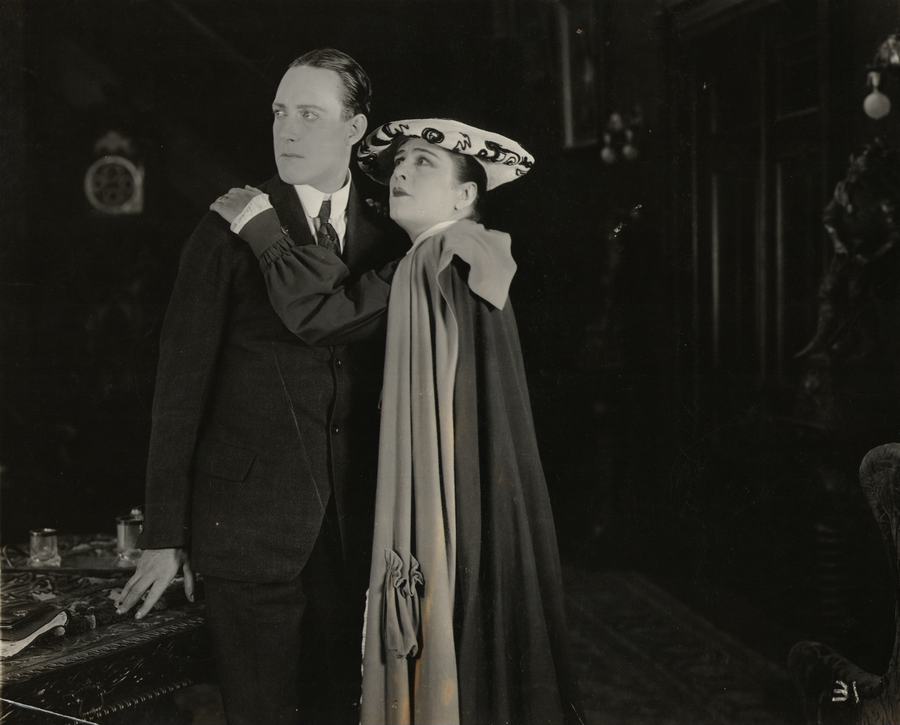
Dir: William Nigh
Bored by her country life and misunderstood by her parents, Emma Rolfe marries Dr. Charles Bovar, an older man whose dedication to his medical practice results in wifely neglect. To alleviate her growing loneliness, Emma enjoys the company of many of the young men from the village and eventually begins an affair with Rudolph Bulwer. Despite his proclaimed love for her, Rudolph deserts Emma on the night of their arranged elopement, and in her despair she steals some acid from her husband's medicine cabinet and goes to the river to commit suicide. While standing by the water, Emma changes her mind and resolves to confess to Charles and beg his forgiveness, but the river bank gives way under her feet and she drowns in the swift current. Although he has discovered Emma's love letters from Rudolph, Charles stoutly defends her honor in front of the townspeople and forgives her in his heart.
View DetailsAnalysis relative to The Kiss of Hate
| Film Title | Atmosphere | Complexity | Similarity |
|---|---|---|---|
| My Four Years in Germany | Ethereal | Linear | 88% Match |
| School Days | Gothic | Layered | 88% Match |
| Democracy: The Vision Restored | Gothic | High | 87% Match |
| Thou Shalt Not Steal | Gothic | Layered | 91% Match |
| The Child of Destiny | Surreal | Linear | 93% Match |
This guide was algorithmically generated using the cinematic metadata of William Nigh's archive. Last updated: 6/24/2026.
Back to The Kiss of Hate Details →