
DbcultAccessing Vault...
Recommendations
Senior Film Conservator
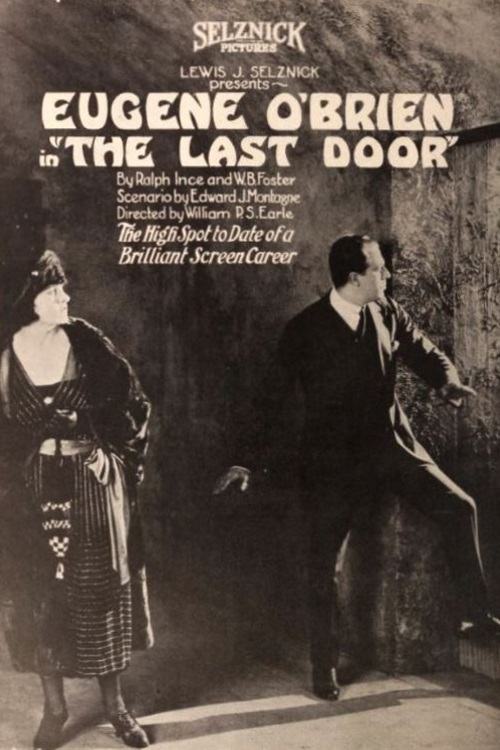
If the thematic gravity of William P.S. Earle's work in The Last Door left an impression, the cinematic shorthand used by William P.S. Earle is both ancient and revolutionary. We've prioritized films that capture the 1921 aesthetic with similar precision.
By merging thematic gravity with Crime tropes, it to articulate the unspoken anxieties of United States's 1921 era.
At a reception given at the Rogers mansion in his honor, Somerset Carroll surprises the guests by averring that he would give aid to a female convict reported to have escaped. Later, alone in the library, he is appealed to by a young girl who confesses to being pursued by the police, and he takes her to his own house. There she reveals herself to be Helen Rogers, playing a game with him on the advice of her guests. He then declares himself a crook, holding the real Carroll prisoner, with the intention of robbing the Rogers mansion. She follows and shields "The Magnet" from the police, the real Carroll having escaped and notified them, and through her interference he eludes his would-be captors.
Based on the unique thematic gravity of The Last Door, our vault has identified these titles as the most compelling follow-up experiences for fans of Crime cinema:
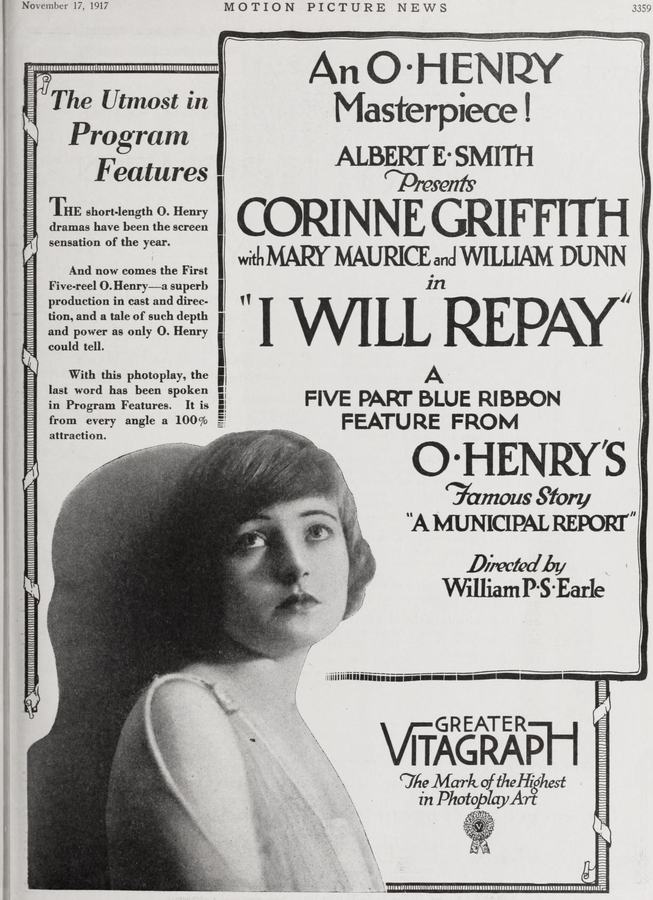
Dir: William P.S. Earle
Roger Kendall is sent to Nashville by the editor of his magazine to sign a contract for two cents a word with a woman writer named Azalea Adair. Once there, Kendall realizes that Azalea is very poor and is also the abused wife of Major Caswell, a drunkard who takes from Azalea every cent she earns. Kendall is able to piece their story together by following the movements of a torn dollar bill, which he gives to Azalea's former slave Caesar and which eventually winds up in Caswell's hands. In order to help Azalea, Kendall convinces his editor to increase her stipend to eight cents a word and also to advance her $30. At his hotel, Kendall meets Virginia Rodney, the semi-invalid daughter of a local judge and a good friend of Azalea. Later, Caesar, seeing Caswell violently take Azalea's advance from her, strangles the major. His part in the crime is covered up by Kendall and Virginia's father, however. Now free, Azalea goes to live with Virginia, who becomes engaged to Kendall.
View Details
Dir: Bruno Ziener
A fascinating piece of cinema that shares thematic elements.
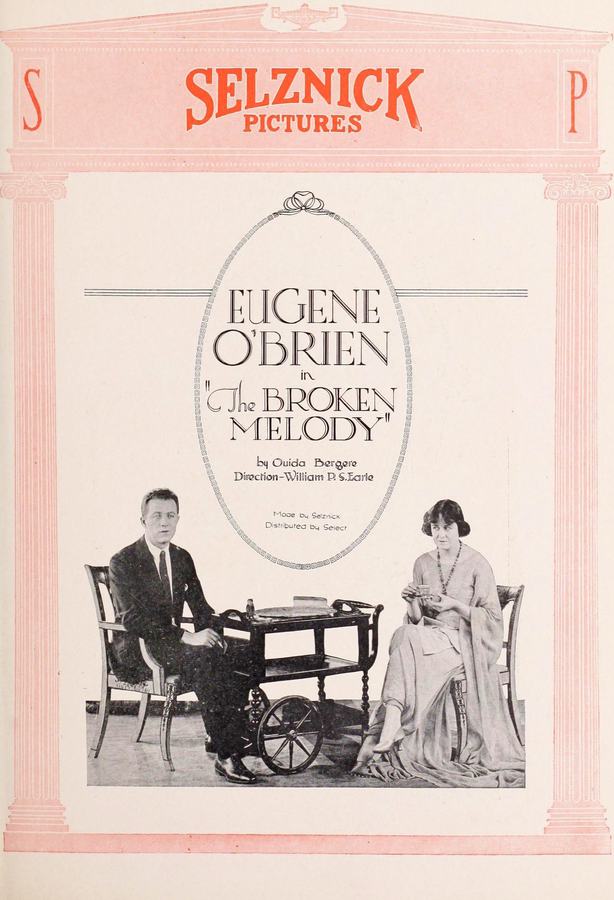
Dir: William P.S. Earle
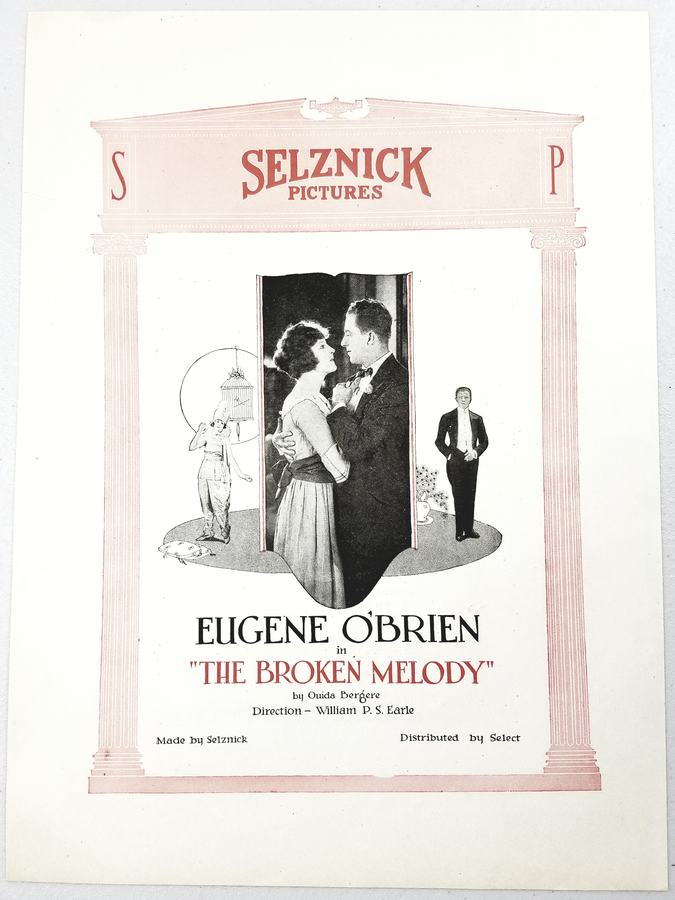
Stewart, an art student in New York City's "bohemian" Greenwich Village, lives next door to his girlfriend Hedda, who wants to be a singer. One night while they are dining at their favorite cafe', wealthy Mrs. Trask comes up to them with a proposition: she knows he is an artist and wants to go to Paris to study and develop his talent, and she will pay all his expenses. He refuses because he doesn't want to leave Hedda, but she eventually persuades him to agree. It turns out that she has an ulterior motive--as does Mrs. Trask.
View Details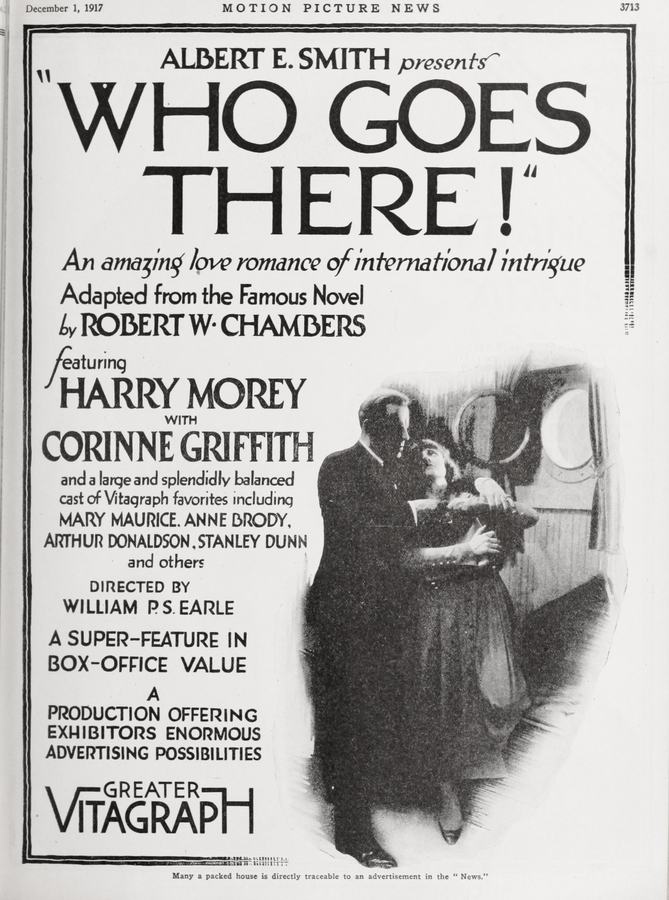
Dir: William P.S. Earle
During World War I, Kervyn Guild, an American citizen who was born in Belgium, is captured with other Belgian refugees by the Germans. Brought before the commanding officer, General Von Reiter, Guild is offered his own freedom as well as that of the other refugees if he goes to London and returns with the officer's daughter, Karen Girard, who actually is his mistress. In the hope of saving lives, Guild consents and is sent to London where he locates Karen. Guild's suspicions are aroused when he notices that they are being protected by the German agents and hunted by the British. His instincts prove correct when he learns that Karen is carrying dispatches to the general. On their journey back, Karen falls in love with Guild and agrees to join the Belgian cause. Before they can escape, the general arrives and demands both Karen and the papers. Guild duels to defend both and fatally wounds the general. In a breach of military ethics, the dying general then gives the lovers his blessings, and grants them a pass to go through the German lines.
Dir: William P.S. Earle
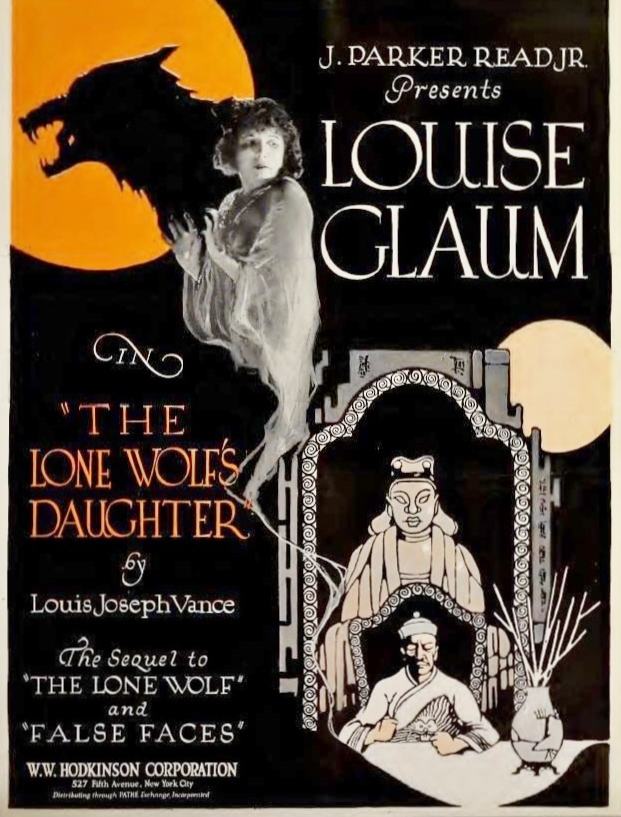
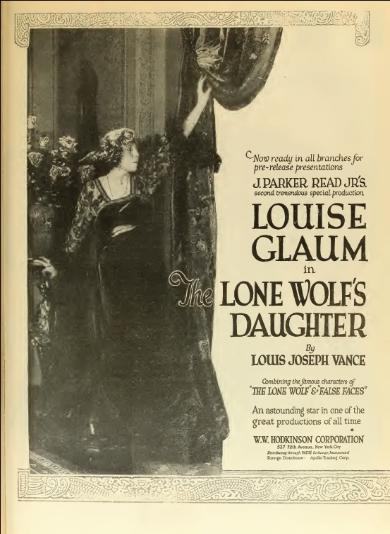
At a London auction, Princess Sonia bids against her husband, exiled Prince Victor, for a Corot landscape in which incriminating letters Sonia wrote are hidden, but it is bought by Michael Lanyard, who is suspected of being the mysterious, international thief "The Lone Wolf." After Lanyard gives Sonia the letters, she divorces Victor, marries Lanyard, and dies after bearing their daughter Sonia. Years later, Sonia, who thinks she is the daughter of the Princess' maid, is found by Victor, now the leader of an underworld gang of Asian crooks and Bolsheviks. Saying he is her father, Victor brings her to his home, hoping to entice Lanyard to make an appearance. When Sonia discovers the gang's plan to pump poisonous gas into Buckingham Palace and the homes of the wealthy so that Victor would be England's dictator, she tells Roger Karslake, Victor's secretary, whom she loves. Lanyard, who has been posing as Victor's Asian butler, and Karslake, both Scotland Yard agents, capture the gang amid fire and fights.
View Details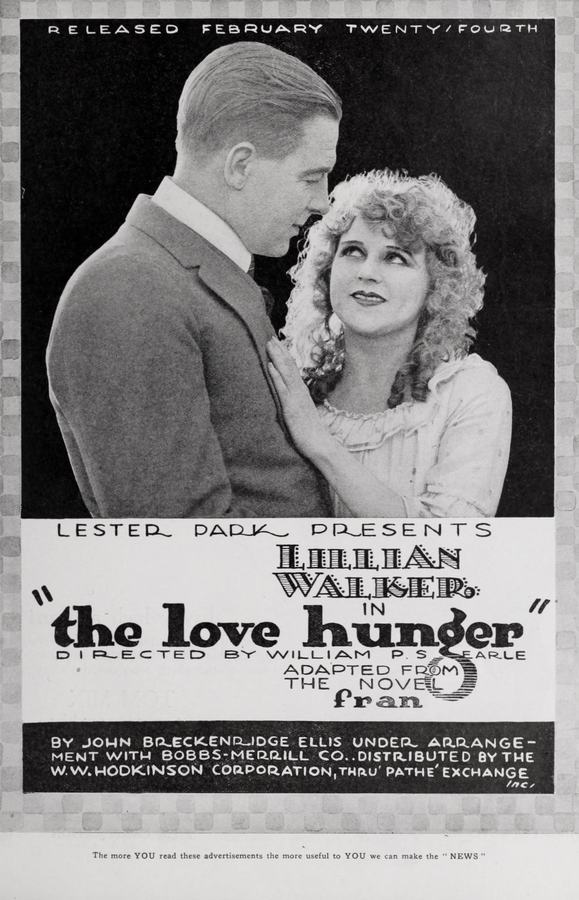
Dir: William P.S. Earle
After preaching at a camp revival meeting that charity begins in the home, Littleton minister Hamilton Gregory finds a girl calling herself only Fran on his doorstep and takes her into his home. Fran soon finds that Mrs. Gregory is unhappy because Gregory has no affection for her, preferring instead his secretary Grace Noir. When Fran admits to Gregory that she is his daughter by an abandoned woman, and attempts to have him get rid of Grace, Grace has Bob Clinton make inquiries concerning Fran's past. When the circus comes to town, Fran, in disguise, substitutes for an ill lion tamer, because the circus is her hidden background. Seeing her in danger, Gregory realizes his familial responsibilities and refuses Grace. Fran then marries the superintendent of her school.
Dir: William P.S. Earle
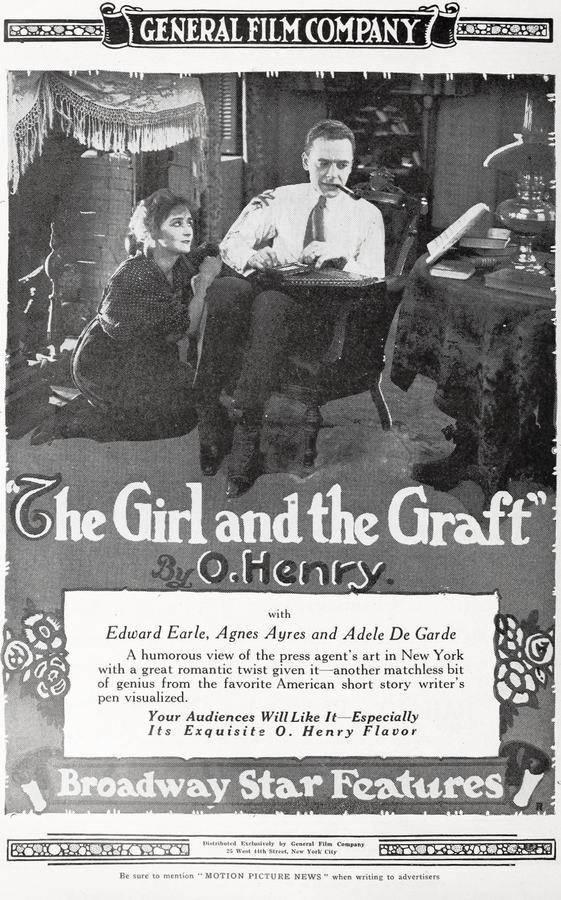
Quiet, unassuming dreamer Poque wanders over the country propagating various grades of graft so he can spend his first vacation in the great metropolis, New York. During his ramble he encounters millionaire businessman Vancross, who longs for fame (notoriety). After talking with Poque he decides that he is just the right sort to act as publicity man for him. Poque balks at the idea of making such an unpretentious figure famous, but finally accepts his proposition. He arranges with a girlfriend to strike up an acquaintance with his employer, leading him on for a time, then suing him for jilting her. But things pan out quite differently from the way Poque intended. Instead of trying to get away from his employer, the girlfriend decides to marry him. But Poque gets a good sum of money, so he should worry.
View Details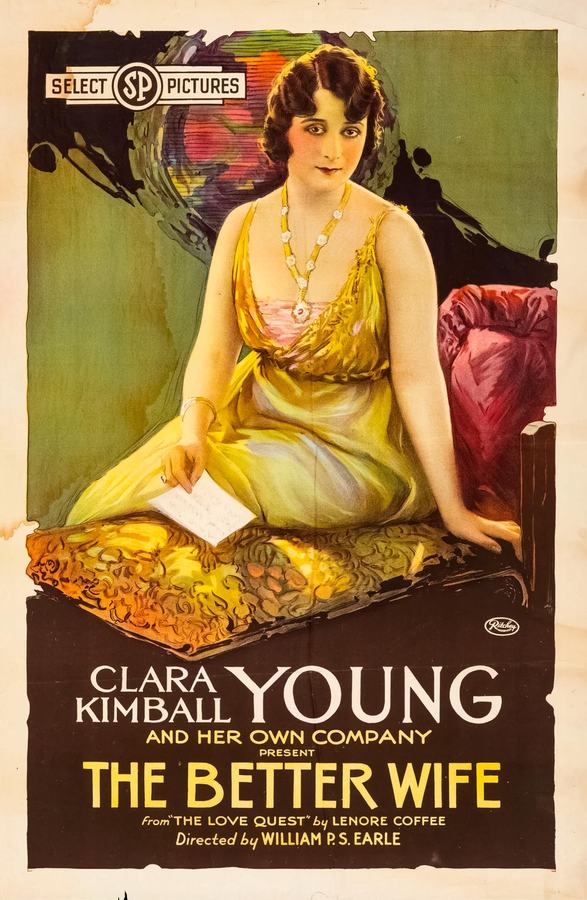
Dir: William P.S. Earle
Charmian Page has developed a great affection for the child of Sir Richard. When the child is seriously hurt in a car crash that has killed his mother Lady Beverly, who was on her way to see her lover, Charmian persuades her wealthy father to pay for the operation that saves the child. Sir Richard marries Charmian for his child's sake, but remains aloof towards her for the memory of Beverly. When he learns the truth about his late wife's infidelity, he begs for Charmian's forgiveness, realizing she is the better wife.
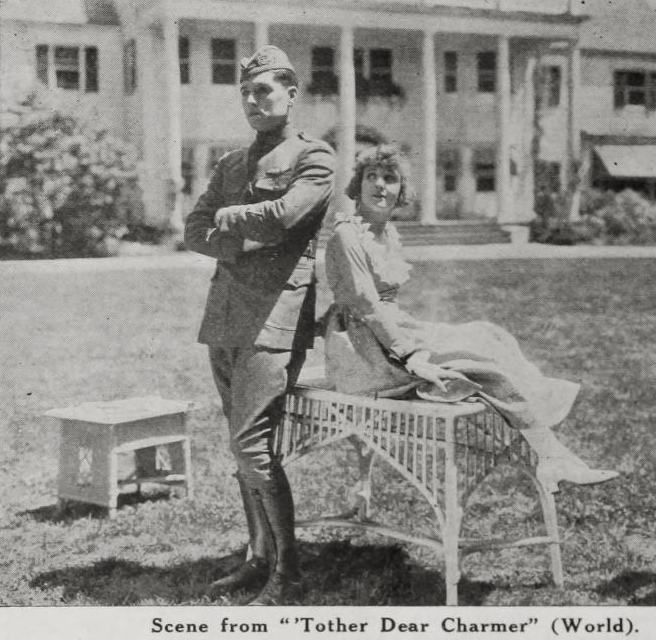
Dir: William P.S. Earle
When heiress Betty Hallowell organizes a Red Cross bazaar to raise money for the American effort in The Great War, she is disappointed that the event is not a success, so she decides to lease her beautiful country house to Mrs. Wentworth, a wealthy widow whose son Tom is recuperating from injuries received overseas. When Mrs. Wentworth suddenly demands the services of a maid for the summer, Betty, unable to secure a servant on such short notice, dons a dark wig and poses as "French maid Bettina." Much to his mother's embarrassment, Tom and "Bettina" fall madly in love, but necessity forces Betty to temporarily drop her disguise and reappear as the mistress of the house. Confused, Tom falls just as madly in love with Betty. Finally, he decides that he prefers Bettina to Betty, but Betty's uncle arrives and her deception is revealed. Tom explains his infidelity by stating that Betty's sweetness caused him to love her in both of her identities, and she is satisfied.
View Details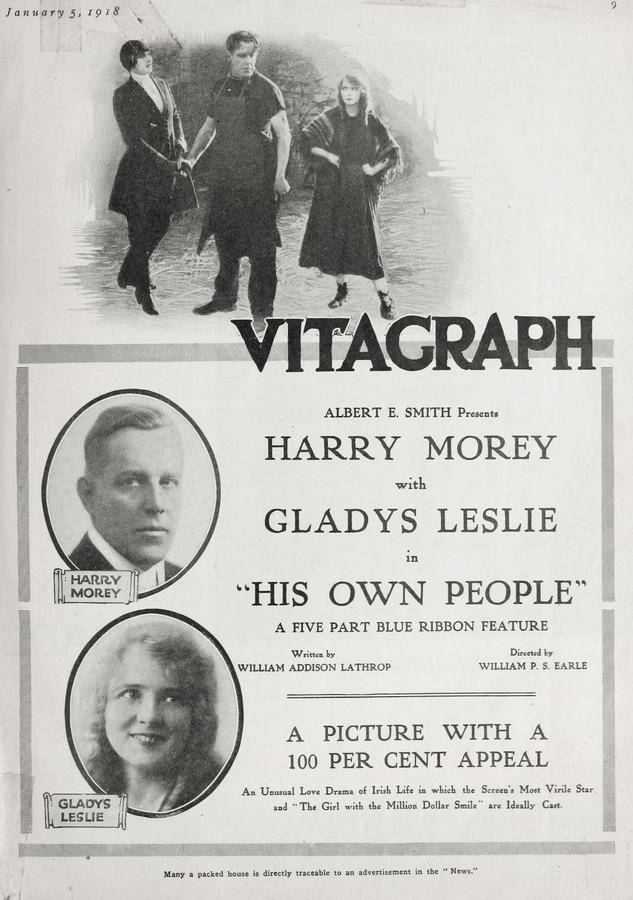
Dir: William P.S. Earle
Hugh O'Donnell, the town blacksmith and leader among the people, is in love with Molly Conway, who shows her love for Hugh in mischievous pranks at his expense. Lord Percival Cheltenham owns most of the village and is hated for his war on poachers. One day, Lady Mary Thorne, who is visiting Cheltenham, stops at the blacksmith shop to have her horse shod and, impressed by Hugh's rugged manliness, invites him to visit. Molly, overhearing the conversation, follows Hugh to the manor, where she is seen by Cheltenham, who has been drinking, and dragged inside. That night, Cheltenham's gamekeeper shoots a poacher, and the peasants storm the manor in revenge. Hugh holds them at bay and promises to turn the culprit over to the law. Searching the manor for its master, Hugh breaks into the library and finds Cheltenham with Molly. Believing that they are having an affair, the blacksmith attempts to choke the lord until Molly explains that she had flirted with Cheltenham in order to arouse Hugh's jealousy, and all is forgiven.
View DetailsAnalysis relative to The Last Door
| Film Title | Atmosphere | Complexity | Similarity |
|---|---|---|---|
| I Will Repay | Ethereal | Linear | 94% Match |
| Eva, wo bist du? | Gothic | Dense | 86% Match |
| The Broken Melody | Ethereal | Abstract | 92% Match |
| Who Goes There? | Ethereal | Linear | 92% Match |
| The Lone Wolf's Daughter | Gritty | Dense | 87% Match |
This guide was algorithmically generated using the cinematic metadata of William P.S. Earle's archive. Last updated: 8/17/2026.
Back to The Last Door Details →