
DbcultAccessing Vault...
Recommendations
Senior Film Conservator
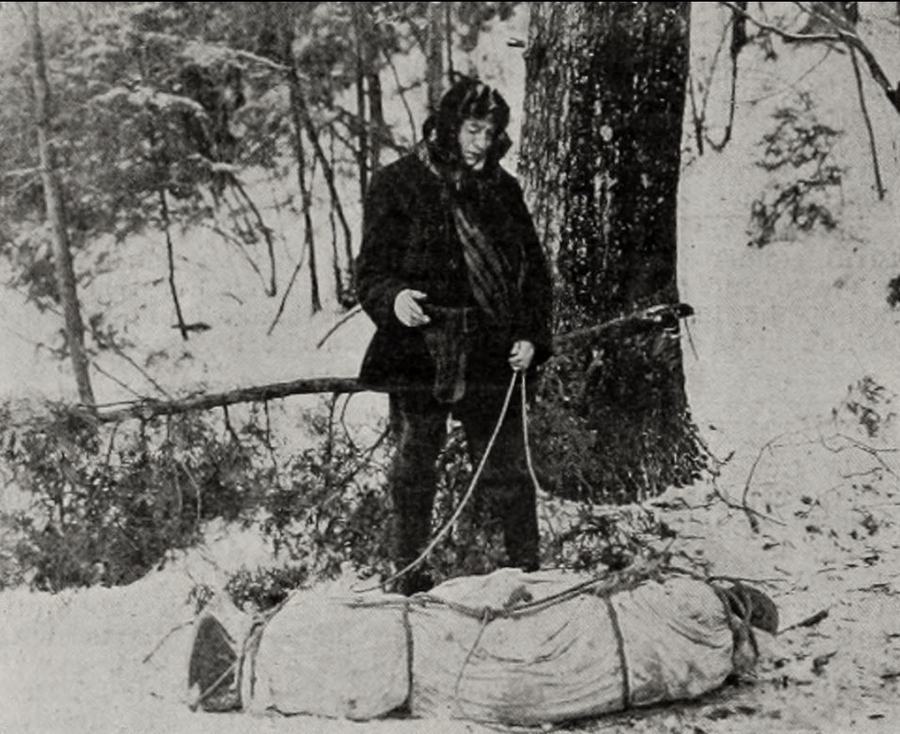
If you found yourself captivated by the artistic bravery of The Lure of Heart's Desire (1916), the quest for comparable cinema becomes a journey through the fringes of film history. Below, we've gathered a list of films that every fan of Francis J. Grandon's work should explore.
The Lure of Heart's Desire remains a monumental achievement to create a hauntingly beautiful cinematic landscape.
When socialite Ethel Wyndham turns down his marriage proposal because of his working-class status, Jim Carew leaves civilization and goes prospecting in the Yukon. While striking it rich in Alaska, he begins a romance with Little Snowbird, but before settling down with her, he decides to take one last look at life in the big city, and so he goes to New York. At a restaurant there, he sees Ethel, and immediately tells her of his success and proposes once again. Ethel is tempted to accept him until Thomas Martin, who has involved her in a blackmail operation, threatens to expose her if she marries Jim. Once again broken-hearted, Jim returns to Little Snowbird, only to find that, believing that he would never return, she committed suicide. Before dying, however, she gave birth to their daughter, to whom Jim devotes the rest of his life.
Based on the unique artistic bravery of The Lure of Heart's Desire, our vault has identified these titles as the most compelling follow-up experiences for fans of cult cinema:
Dir: Francis J. Grandon
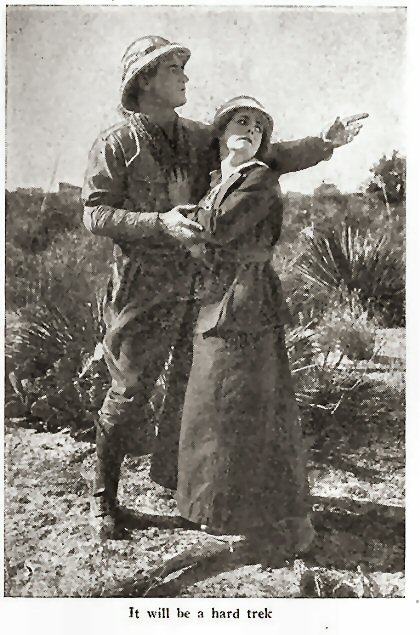
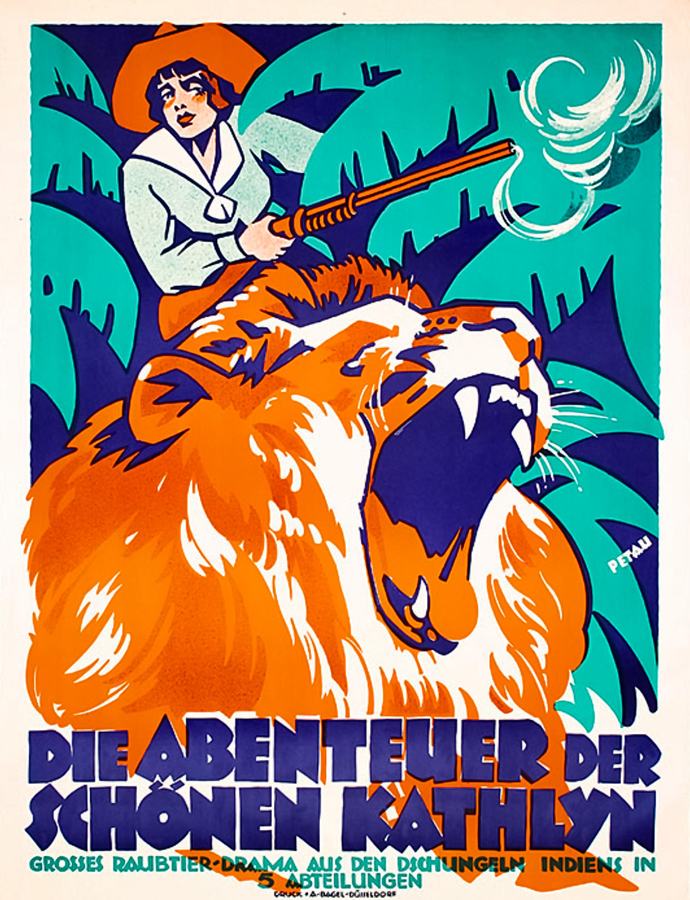
Feature version of the thirteen episode serial, _Adventures of Kathlyn, The (1913)_, released three years earlier.
View Details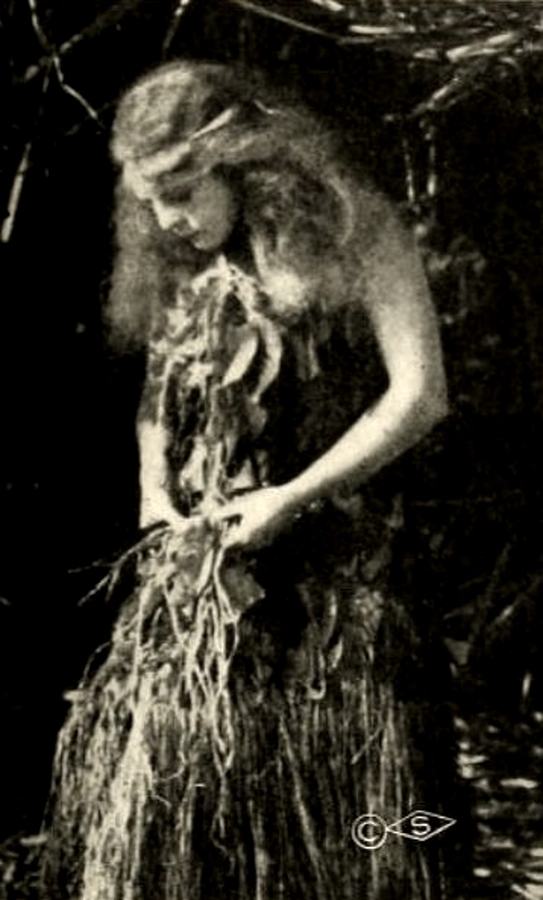
Dir: Francis J. Grandon
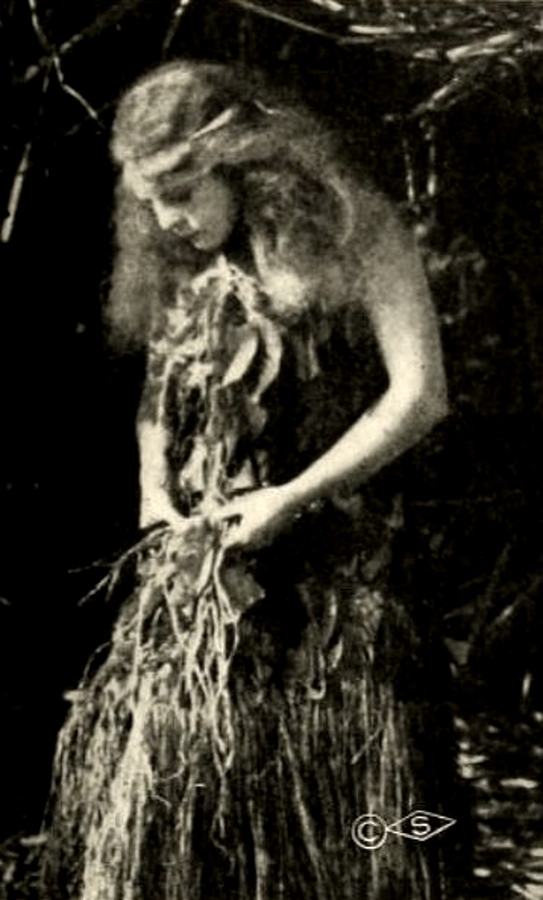
After Kathlyn's seemingly marvelous escape from the Temple of the Lion, where she almost became a victim of fanatical men, not to remark the hungry and marauding lion, she is still followed by the wild beasts that rove in that vicinity in search of prey. She realizes her peril through some keen second sense, and eventually makes her way by woodcraft to a tree, at the base of which is an idol. This being in the nature of a votive shrine. It is frequently visited by the Pilgrims and pious Parsees, who offer prayers for protection from the beasts of the jungle and also leave peace offerings in the form of food. Above in the branches of this spreading tree is propped a rude hunting booth, where the native hunters have been accustomed to watch in security for the stalking game that prey upon one another in the depths of the jungle. This umbrageous tree seems to have kindly shadows, and Kathlyn takes refuge among its branches, exhausted after her terrible flight through the tangled woodlands. Unarmed, she realizes that she must now depend upon her woodcraft and fleetness of foot to avoid the dangerous inhabitants of that neighborhood. With this idea in view, she weaves for herself a dress of fibrous grass that blends with the flora and the branches of the trees, just as the markings of many wild animals does, comporting with their environment, giving them unconscious security. She completes this garment none too soon, when the carnivora which has been upon her trail, rounds up at the base of the tree and settles down with fearful roars and snarling, warning her that it is time for her to look to her safety. She is so surprised that in her haste to get away she drops her tattered and discolored temple gown, fleeing further into the depths of the everglades in her new garb blending so well with the surroundings that it helps to conceal her whereabouts. Bruce, the American hunter, who accomplished Kathlyn's rescue in the amphitheater from the forty hungry lions, has been hot upon her trail since the stampede of elephants drew them far apart. Undeterred, however, he has penetrated the depths of the jungle, followed her from the Burning Gat to the ruined temple, and now to the base of the tree, where he finds her torn and discarded garment. He is encouraged to continue his search with greater zeal. In the interim, some passing traders lose an elephant that has strayed far afield to feed and give chase. The elephant becomes panicky and in its flight almost knocks down the tree that shelters Kathlyn. In her fright, she tries to run away, but the traders who have come upon the scene, capture her, believing her to have been an escaped slave. The chief of this band, after taking counsel, concludes to take his captive to a nearby city, place her in a slave market and sell her. Then follow a series of interesting scenic events, showing the method of caring for captives that have more than ordinary value in the eyes of their owners, for the fair Kathlyn at once excites the cupidity and admiration of the leader of the band, who naturally concludes he has a pearl of great price in her. (Incidental to this is the caste-mark on the forehead of the human chattel.) A few days after Kathlyn emerges from the jungle, she is put upon the auction block in the slave market of Allaha. Disguised in her wild garb of woven grass, bearing her caste-mark, and deprived of all the finery that once marked her as a queen, she is so heavily veiled she is not recognized by any of the dusky magnates who frequent the market of Allaha. Eventually she is sold, curiously enough to Umballah, who does not recognize her on account of the Saree over her face. Kathlyn, who has been successful in outwitting Umballah, concludes to reveal to him her identity, and when she does he is furious and indignant beyond words. While she was in the slave market, she managed to learn the whereabouts of Bruce, and conveyed a message to him through the caste-marker of Allaha. Bruce is again close, but is a few minutes too late to save her, as Umballah, in his fury, has ordered Kathlyn to be incarcerated in the same prison that confines her father. She had believed her sire dead, but when she is placed into the dungeon she recognizes the ragged and emaciated lost one and a joyous meeting drives melancholy from the inhospitable place. This, however, is short-lived, for the malignant Umballah appears and tells Col. Hare that his daughter Kathlyn is now his slave, his chattel, and that he will do with her as he likes. Instead of having the effect he hoped, in humbling the prisoner in chains at his feet, it inspires him with fury, and Hare, now possessed of maniacal strength, springs upon Umballah like a wild beast and bears him down, grinding him against the rocky floor of the dungeon.
Dir: Francis J. Grandon
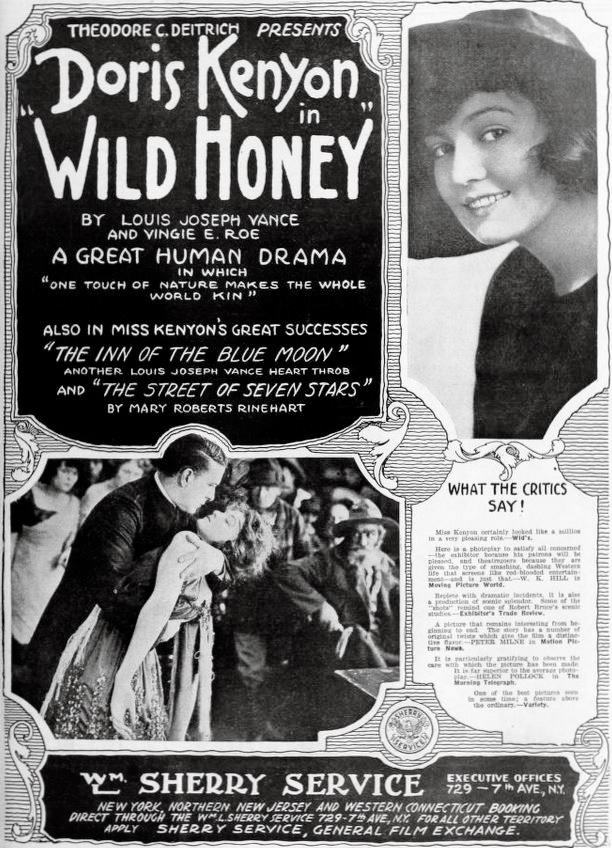
Concerned that she will ruin the Rev. David Warwick's career by marrying him, actress Letty Noon accompanies her fiancé to the home of Pastor and Mrs. Holbrook to seek advice. In answer to their question, the old parson narrates the story of young Jim Brown, a minister who resolves to reform the rough miners in a small Western town. His strength and dedication deeply impress the townspeople, but his sermons seem to have little effect on "Wild Honey," a dance hall girl who resents his constant admonitions. Wild Honey secretly loves Rev. Brown, however, and after she impulsively kisses him, he forgets his preaching and thinks only of her. One of Wild Honey's jealous suitors frames the reverend for murder, but she clears his name and, later that night, tells the parson of her love. Hearing her declaration, another rejected suitor attempts to shoot Rev. Brown, but Wild Honey shields him and is seriously wounded. The reverend then takes her to another town, where they happily grow old together.
View Details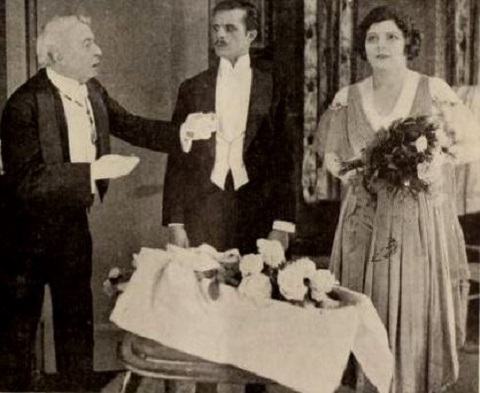
Dir: Francis J. Grandon
Young Polish American Sonia, whose deceased parents were famous musicians, exasperates her poverty-stricken guardian, Ivan Jandoroff, with her dreams of becoming a great violinist. When his employer, Andrew Hamilton, threatens to lower the wages at his steel mill, Ivan orders Sonia to work in the mill and then pawns her violin. Infuriated, Sonia soon learns that Andrew has purchased the instrument and visits the millionaire's home to demand its return. Upon hearing her play, Andrew offers to finance Sonia's musical education, but following her successful debut, he suggests that she offer herself to him to cancel the debt. Sonia tearfully smashes the violin and then returns to the factory, where she nurses the sick laborers through an epidemic and prevents a strike that would have ruined Andrew. Realizing his injustices to his workers and the woman he loves, Andrew promises to improve conditions at the mill and later proposes to Sonia.
Dir: Francis J. Grandon
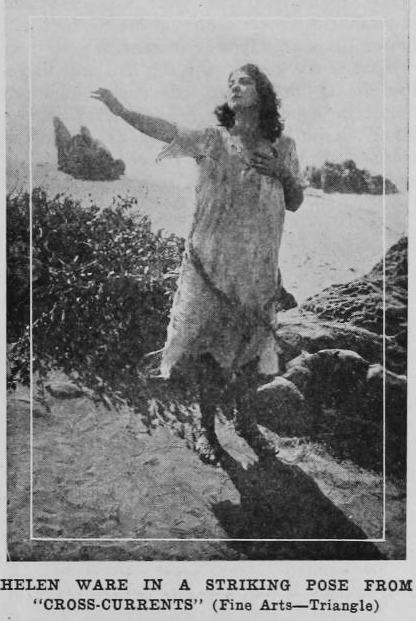
Washington, D.C. society belle Elizabeth Crane gives up her fiance, young diplomat Paul Beale, when she learns that her foster sister Flavia also loves him. After Flavia and Paul marry, they join Elizabeth on a yacht belonging to millionaire Silas Randolph, who wants to marry Elizabeth. The yacht catches fire and Elizabeth and Paul swim to a desert isle. Randolph arrives later and fights Paul to get to Elizabeth, but she stabs him to death. As the months pass, Paul and Elizabeth, believing Flavia dead, rediscover their love and live as if they were married; but Flavia, who was saved by a freight steamer, sees a vision of Elizabeth and organizes a search party. When Elizabeth sees Flavia's boat approach, she tells Paul, who says he wants to remain with her. After she convinces Paul that his child has a right to him, Elizabeth walks into the sea and drowns herself so that Flavia will not know of the island romance.
View Details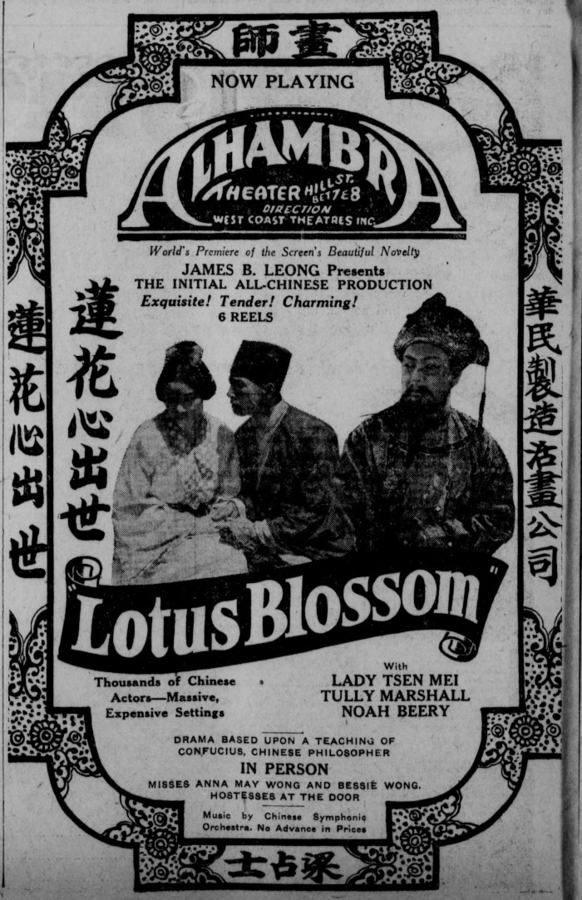
Dir: Francis J. Grandon
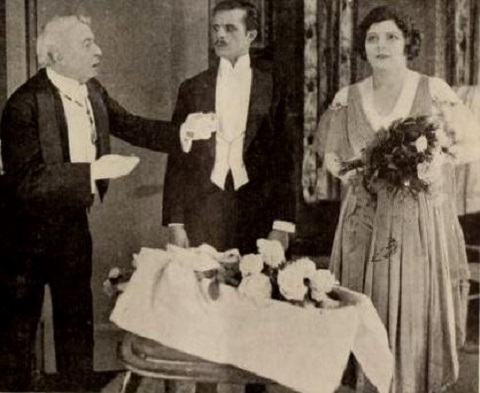
The inventor of the first clock, which would eliminate the use of the village's sacred bell, is sentenced to life imprisonment by the Emperor, but escapes his fate by hiding with a father and his daughter.
Dir: Francis J. Grandon
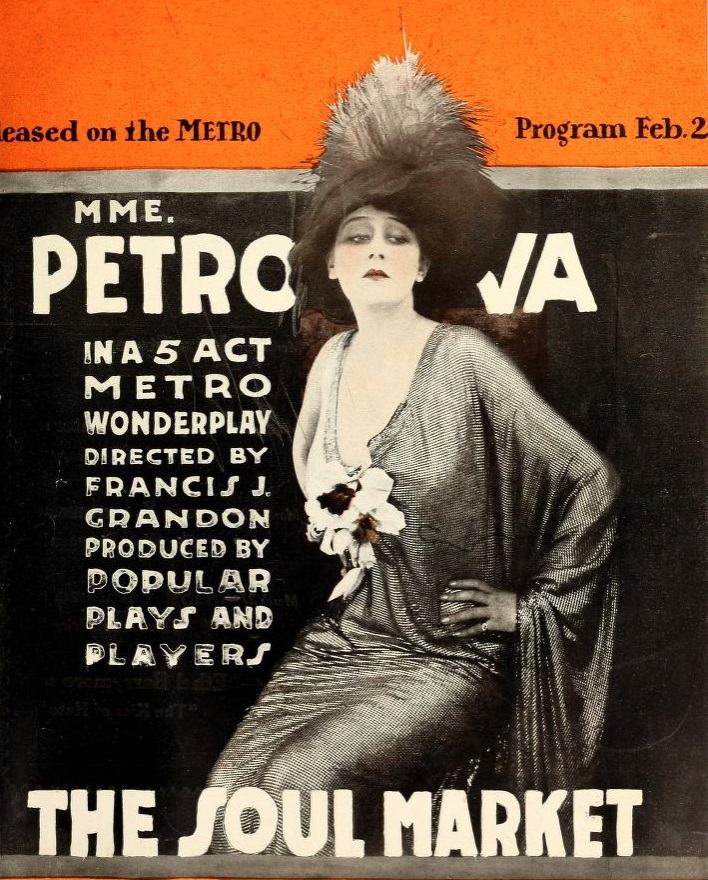
Two passionate suitors pursue actress Elaine Elton Oscar Billings, the head of several large theaters, and millionaire Jack Dexter, whom she has never met. To force her to spend time with him, Jack pretends to be a chauffeur and gets a job with Elaine, who soon feels quite attracted to him. Then, Oscar combines a marriage proposal with a threat, and tells Elaine that she will never work again if she refuses to become his wife. Elaine gives in and marries Oscar, but then murders him because of his numerous affairs, after which she herself dies while trying to escape from the police. Elaine then wakes up, and after realizing that her marriage and the events that followed it were a bad dream, decides that the nightmare may have foretold the future. As a result, she ignores Oscar's threat to her career, and marries her millionaire chauffeur.
View Details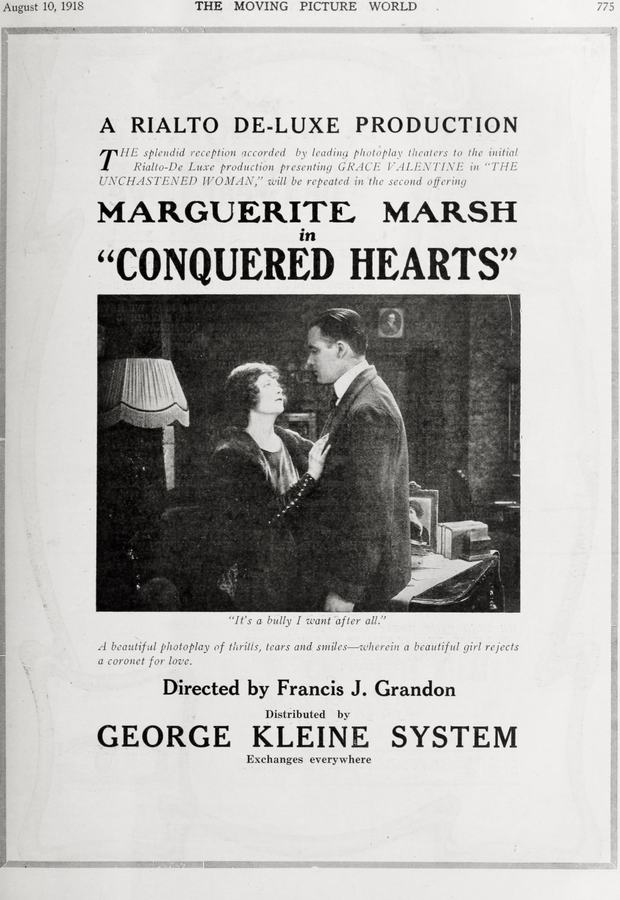
Dir: Francis J. Grandon
Nora, a girl of the lower East Side of New York City, marries a rising ward politician. A child is born. They are happy, but the young politician is running for office against the old ward boss and has to be out every night. The wife becomes jealous of a certain woman. Nora's child dies. Things get worse for her as jealousy and the seeming neglect of her husband increase. She finally leaves him and becomes a model for a noted painter. The husband finds where she is, but makes no attempt to force her to return to him, though he still loves her. One of the artist's friends, a magnate in the motion picture business, promises her a chance. Her rise to stardom is quick. The climax of the story is a struggle between the old love and the new fame. She does not know that the politician has become a first-class lawyer. Finding that the old love and the new fame are not incompatible, she is reunited with her husband.
Dir: Francis J. Grandon
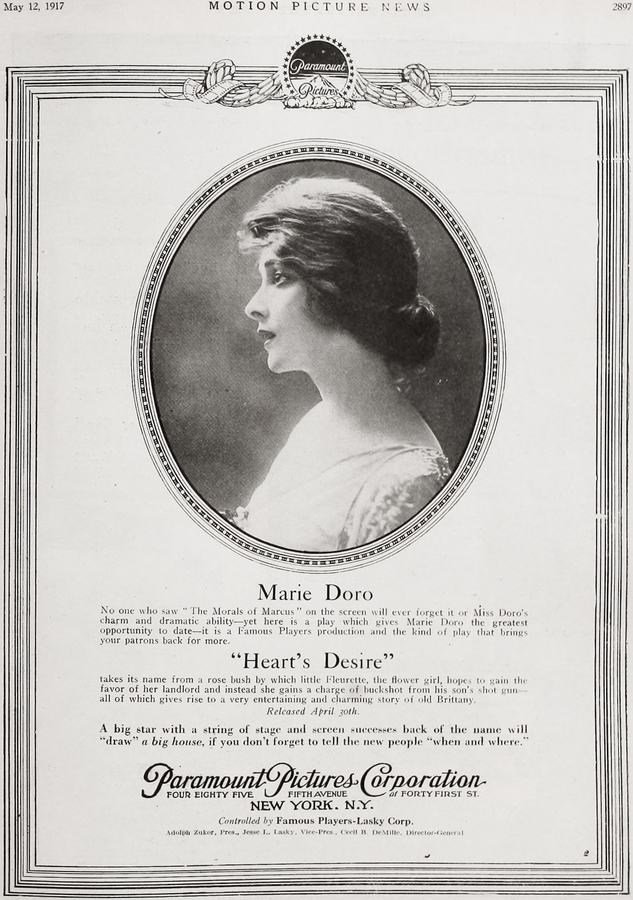
Henri Le Rocque's arrival to an island village causes much consternation when he insists upon advanced rental for the land he owns. Accompanying Le Rocque is his nephew Paul, recovering from the effects of an unfortunate love affair. One day, little flower girl Fleurette visits the Le Rocque estate to make a present of a rare flower and is shot as a trespasser. She is nursed back to health at the mansion, and Paul falls in love with her. However, her former sweetheart, Jacques, appears and persuades Fleurette to run away. As Fleurette returns to the village, she learns that the villagers are planning to storm the mansion and, realizing that she loves Paul, rushes back to warn him. This endears her to Henri, who urges Fleurette to marry his nephew and bring happiness into their lives.
View Details
Dir: Francis J. Grandon
Jean Servian's eyesight is failing and is desperate for money, marries wealthy widower Geoffrey Vane after telling him that he must be satisfied with her gratitude rather than her love. Then, following an affair with artist Philip Derblay, who finally leaves her, Jean settles down to a quiet, boring life with Geoffrey, who knows nothing about her failed romance. Years later, however, after Lucille, Geoffrey's daughter by his first wife, becomes engaged to Philip, Jean feels compelled to tell the story of her own affair with him. The disclosure has little effect as Lucille makes no change in her wedding plans, but then, when she breaks in on a violent argument between Philip and Lucille, Jean accidentally shoots and kills her former lover. A trial results in her acquittal, however, after which Jean realizes that she really does love Geoffrey, who easily forgives his wife for her past indiscretion.
View DetailsAnalysis relative to The Lure of Heart's Desire
| Film Title | Atmosphere | Complexity | Similarity |
|---|---|---|---|
| The Adventures of Kathlyn | Surreal | Dense | 89% Match |
| The Royal Slave | Surreal | Dense | 97% Match |
| Wild Honey | Ethereal | Linear | 92% Match |
| Love's Law | Ethereal | Linear | 88% Match |
| Cross Currents | Gothic | Dense | 95% Match |
This guide was algorithmically generated using the cinematic metadata of Francis J. Grandon's archive. Last updated: 8/16/2026.
Back to The Lure of Heart's Desire Details →