
DbcultAccessing Vault...
Recommendations
Senior Film Conservator
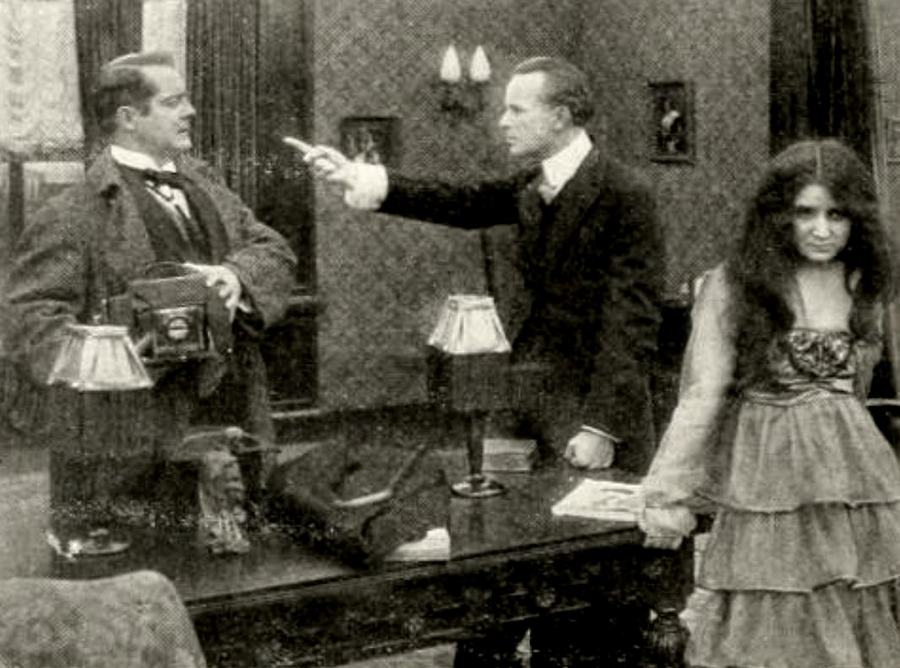
Delving into the atmospheric depths of The Man from Oregon reveals a master at work, the visual language established by Reginald Barker is something many try to emulate. From hidden underground hits to established classics, these are our top picks.
The enduring power of The Man from Oregon lies in to synthesize diverse influences into a singular artistic statement.
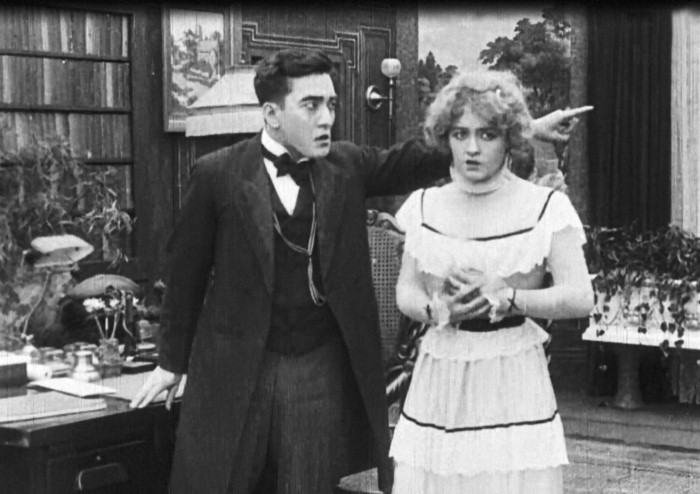
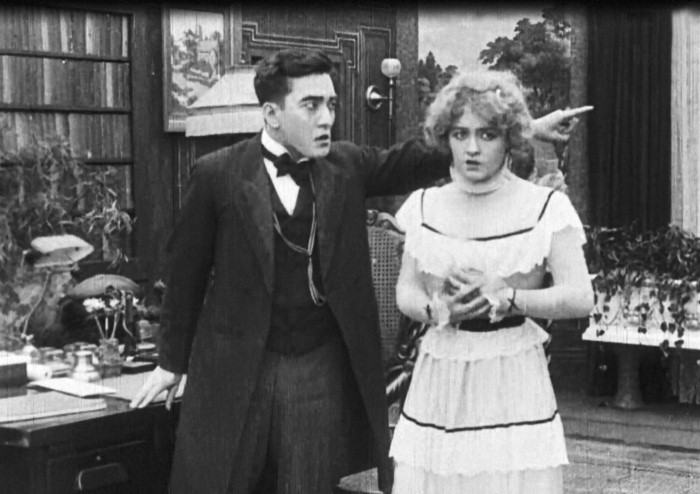
"Honest Jim" Martin is elected by popular vote to the U.S. Senate in the fight against the Railway Land-Grab Bill. When Jim goes to Washington his mother accompanies him. At the first reception of the season, Jim is introduced to Harriet Lane, the most dangerous woman in the Capital, by Wm. Landers, chief of the secret railway lobby. Harriet is a lobbyist and is supposed to win the votes of the senators for the Land-Grab Bill. Jim becomes fascinated by Harriet's wit and beauty and she and Landers set a snare for him. Harriet writes him that she is in great trouble and asks him to call at her hotel. In his sympathy for her he places his arm about her and she leans against him, burying her face against his shoulders. As she does this she manages to loosen her hair, which falls in a tangled mass over her shoulders. She also disarranged her waist, giving evidence of a struggle having taken place between herself and Jim. While they are in this position Landers snaps their picture from a curtained doorway where he is concealed. He then confronts Jim and tells him that the negative will be given the newspapers if Jim doesn't give them his vote. Jim leaves the hotel in no pleasant frame of mind, first telling Harriet of his scorn for her. Harriet, who has become friendly with Jim's mother, is very unhappy because of the part she has been obliged to play and when Mother Martin calls on her that afternoon, bringing her a pie which she has baked herself for Harriet's birthday, Harriet determines to get the negatives from Landers and destroy them. To do this, she goes to Lander's office that night and unable to open the safe, because Landers has anticipated some such move on her part and changed the combination, she telephones to police headquarters and asks them to send up an expert to open the safe. This is done and while Harriet and the expert are still in the office (Harriet with the negatives in her hand) Landers enters and snatches the negatives from her. He has drawn his pistol and as he stands there talking with the safe expert, Harriet snatches the pistol from his hand and shoots the negatives to pieces as they lay on Lander's desk. The next day she sends them to Jim with a note telling him that all the evidence the lobby had against him is enclosed and asking him in future to try to live up to his mother's belief in him.
Critics widely regard The Man from Oregon as a cult-favorite piece of cult cinema. Its cult status is frequently cited as its strongest asset, solidifying its place in United States's film legacy.
Based on the unique cult status of The Man from Oregon, our vault has identified these titles as the most compelling follow-up experiences for fans of cult cinema:
Dir: Reginald Barker
Japanese diplomat Tokoramo ( Sessue Hayakawa ), on a mission to Paris, begins a love affair with chorus girl, Helene ( Gladys Brockwell ), who subsequently rejects her American fiance, Richard Bernisky. When the Japanese discover the affair, they try to force Tokoramo to end it, but Helene refuses to stop visiting him. One night, during one of her visits, Bernisky comes to Tokoramo's apartment and, while Helene hides, rebukes her to her lover. After Bernisky leaves, Tokoramo orders Helene out, but when he realizes his love for her, he calls her back. Suddenly, she rejects and insults him to the point that he strangles her. Tokoramo wants to confess his crime, but he must complete his work, and so his countrymen sacrifice a boy, Hironari, who pleads guilty to the murder and eventually is executed. In the end, Tokoramo also dies and his colleagues burn his valuable papers in order to protect Japan.
View Details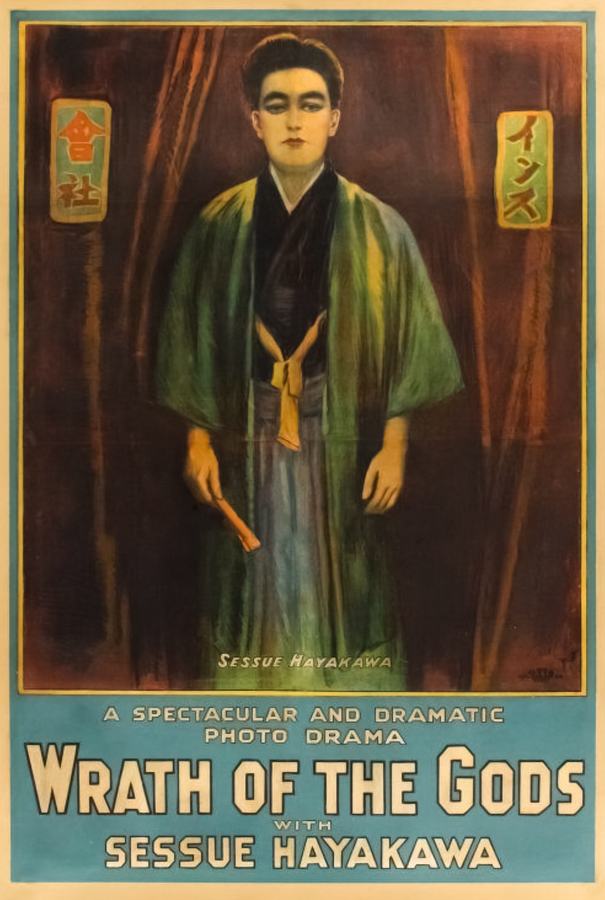
Dir: Reginald Barker
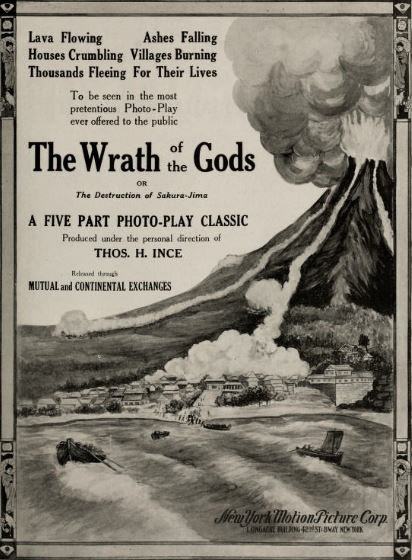
An American sailor falls in love with a fisherman's daughter and convinces her that Jesus is more powerful than the gods who have cursed her.
View Details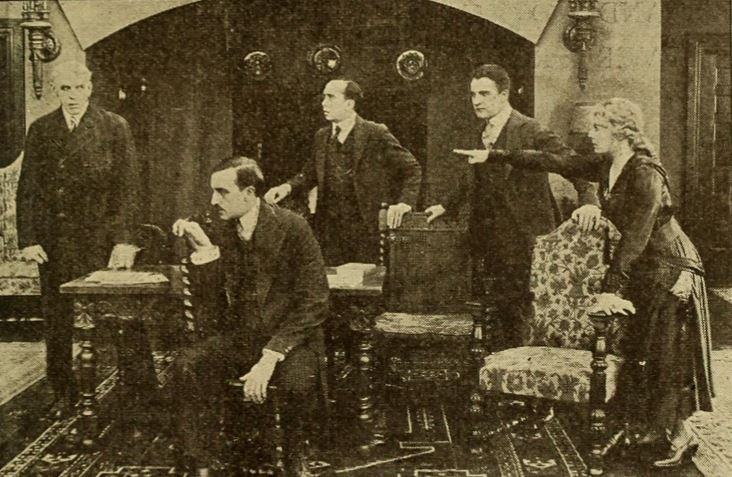
Dir: Reginald Barker
Richard Deering, a wealthy New Yorker, spends his holidays in a magnificent lodge in the heart of the Adirondacks. His daughter, Evelyn, Donald Greene, his ward, and Robert Ross, his confidential secretary, are his companions. On the eve of Thanksgiving, Greene is called to New York on business. He leaves reluctantly as he is deeply in love with Evelyn and jealous of Ross. The next morning, while at breakfast, Donald receives a telegram from Evelyn that her father has been shot and begging him to come at once, and bring a detective. Greene goes to Horace Lee, a crime specialist, and returns to Deer lodge accompanied by the detective and his assistant, Joe. They find Deering unconscious attended by the country doctor, and Dr. Adamson, a specialist from New York. The detective and his assistant set to work to unravel the mystery. Suspicion lights on the family butler, who was the last to see his master alive, and who had been acting strangely. Through adventures and deduction the detective unravels the mystery. The butler is exonerated as his worried demeanor is found to be the result of an effort to shield his son, an escaped convict, who had sought refuge in the lodge on the eve of the shooting, and the charge of attempted murder is brought against Donald Greene, who had brought in the aid of mechanical science to perform the deed in his absence. Donald Greene, who has inherited a trace of madness, becomes hopelessly insane. Evelyn gives her hand to the man of her choice, Horace Lee, who is completely restored to health.
View Details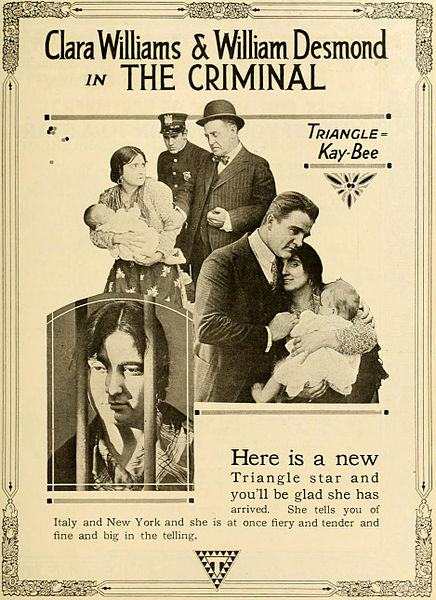
Dir: Reginald Barker
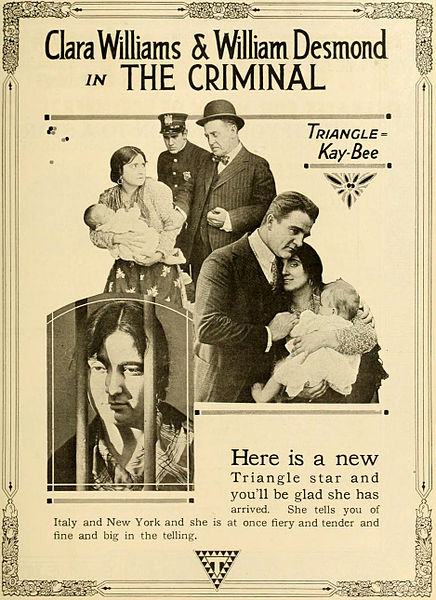
A young Italian immigrant girl, uneducated and superstitious, finds an abandoned baby on the stairs of her tenement, with a note attached explaining the baby is illegitimate. A young newspaper reporter, whom the girl knows from waiting on him at the restaurant where she works, reads the note for her. But the police arrest her, at no evidence whatsoever other than possession of the baby, for kidnapping. She refuses to tell them the baby was abandoned and fatherless, because she was herself, and confesses, in order to save the baby from being branded a bastard, that she stole it. The reporter goes to the jail and elicits the truth from her. And then proposes to her and adopts the baby.
View Details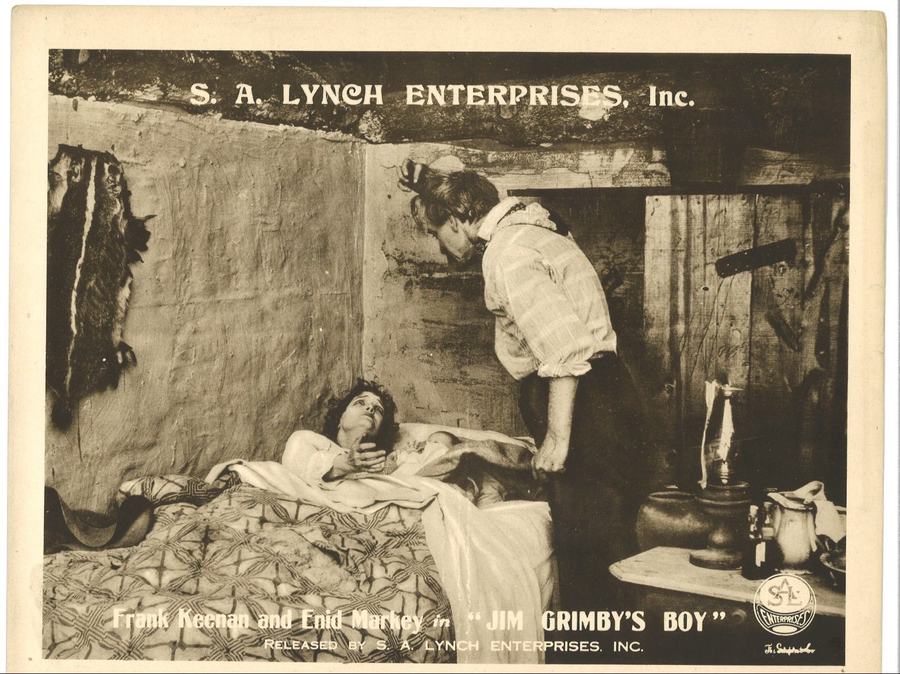
Dir: Reginald Barker
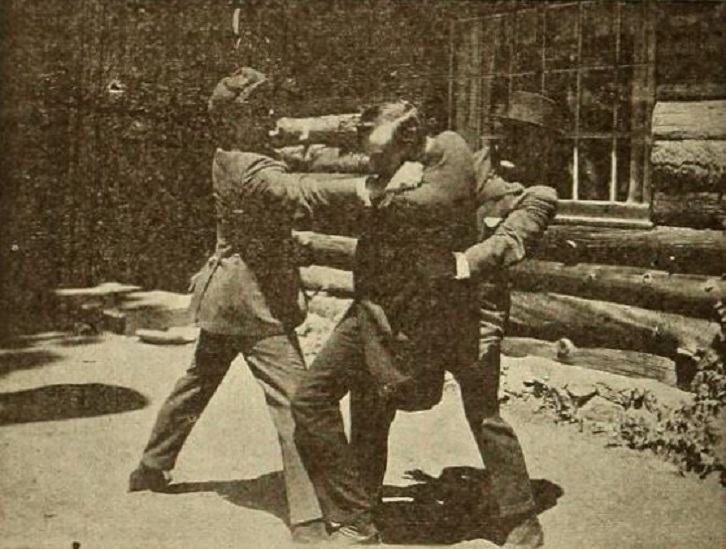
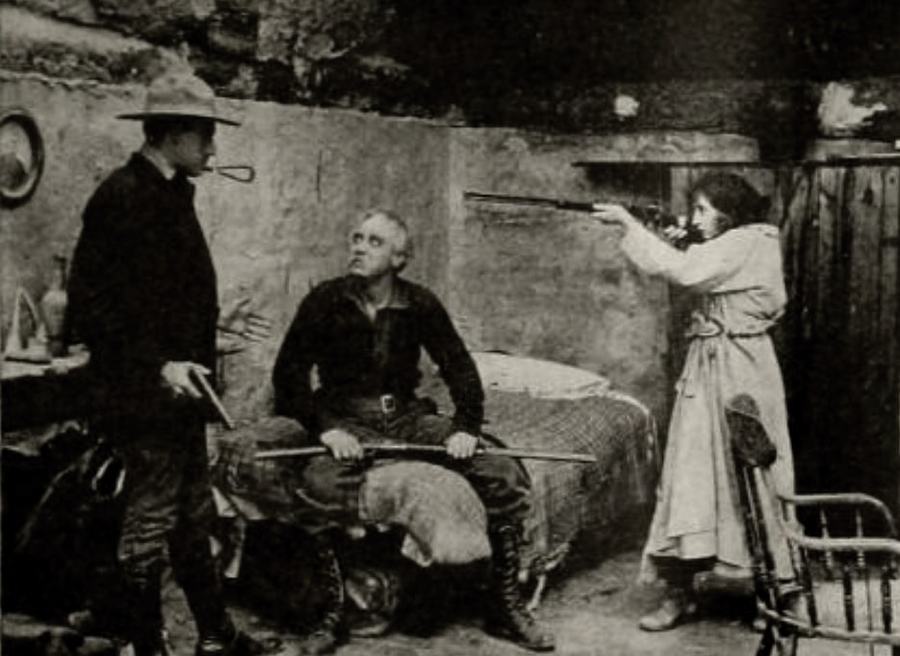
After his wife dies in childbirth, mountaineer Jim Grimsby names his newborn daughter Bill, and raises her as a boy. Remaining a boy in name only, however, Bill soon wants to style her hair and wear the latest fashions. She soon develops a crush on the new sheriff, Waldo Whittier. Appalled at the prospect of his "son" marrying Waldo, Jim decides to test the sheriff's grit, and so, believing that Waldo will be too frightened to come after him, he robs a casino. The sheriff does pursue, however, and, further impressing Jim, Bill pulls a rifle on Waldo to protect her father. Now certain of the sheriff's manliness, and convinced that his daughter has not forgotten how to act like a man, Jim returns the casino's money and agrees to let Bill and Waldo continue their courtship.
View Details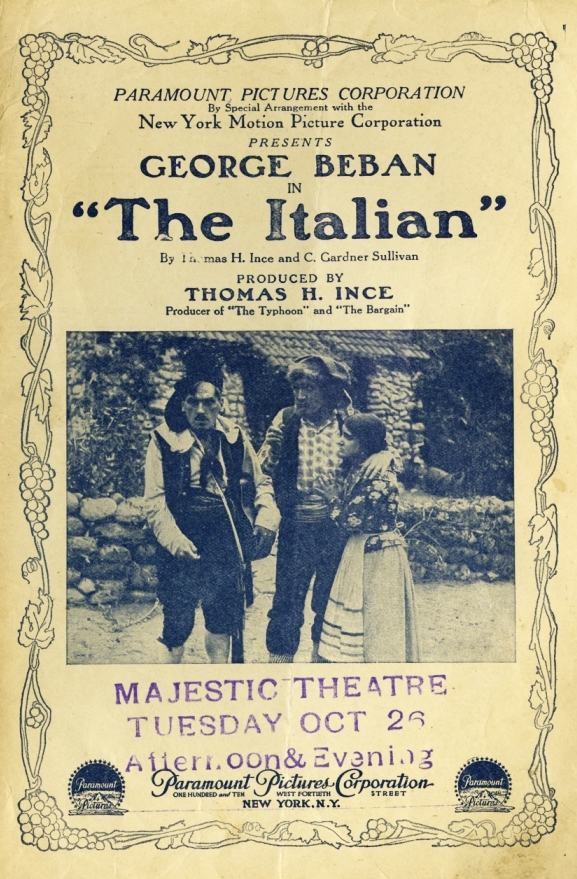
Dir: Reginald Barker
An Italian immigrant and his sweetheart search for a better life in America, but the harsh realities of life in the slums of New York City lay waste to their hopes and dreams.
View Details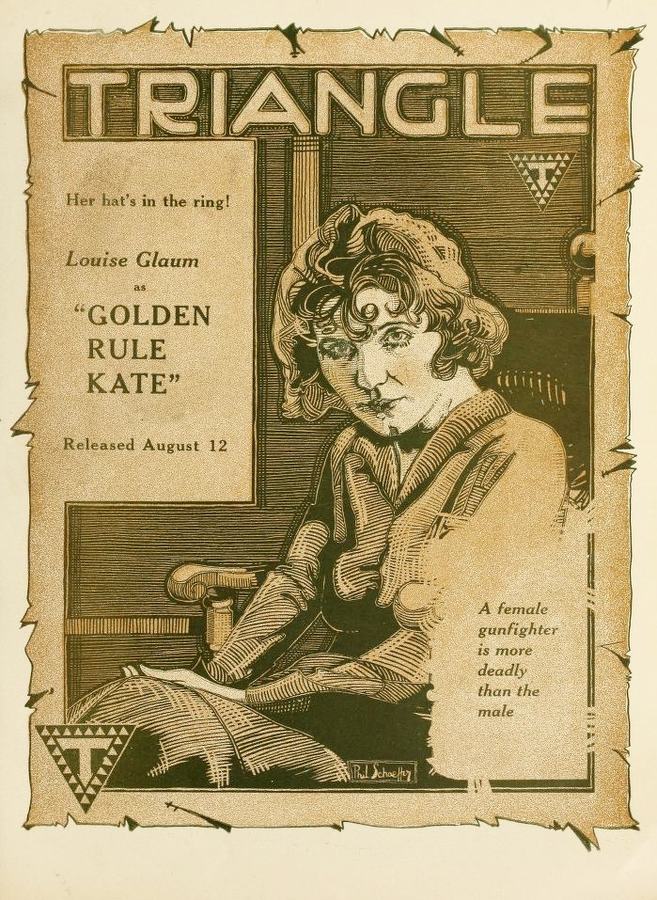
Dir: Reginald Barker
Mercedes Murphy and her partner, Slick Barney, run a saloon and dance hall in the tough town of Paradise, Nevada. While Mercedes is a hard-nosed businesswoman, she has a soft spot for her sister Olive, with whom she lives. One day a preacher, Rev. McGregor, who is determined to "reform" Paradise, sets up his church right next to the saloon. Mercedes is at first opposed to the reverend, but is eventually won over by his sermons and closes the dance hall. However, she soon discovers that Olive's "virtue" may no longer be so virtuous--and she suspects that the minister might be responsible for this.
View Details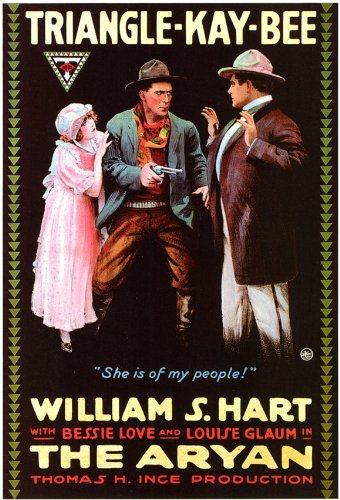
Dir: Reginald Barker
Denton rides into Yellow Ridge with a money-belt filled after years of toil in the mines beyond the desert. The local gamblers covet the fortune but fail to get Steve to try the roulette table until the enticer, Trixie, comes to exercise her charms on him. He blindly follows her lead and is watching the wheel with stern stare when a telegram is received. He asks the woman to read it. She lies when she says it contains good news, for it tells of his mother's critical illness. In the morning Steve awakes to find his belt is empty. In his feverish search through his pockets, he comes upon the telegram. As the truth dawns he goes to the telegraph office to send home a wire. The operator hands him the news that his mother has died. Wild with rage, he shoots up the town and drives away with Trixie lying limp over his horse before him. His heart is now filled with hate for all women and Trixie becomes his slave in a community where he tolerates only the scum of the section. Across the desert comes a pack train of Mississippi farmers who have left their fertile valleys to hunt for gold. Their water is all but gone and their stock is fagged. Their leaders plead with Steve for aid, but the white race may expect nothing from him. Back to the wailing women and children go the despondent leaders. Mary Jane, a waif among them, is not cowed by the story they tell, and by night she goes to repeat their please to the harsh white man. He looks upon her as another victim to share Trixie's lot, but her innocent, fearless attitude toward him makes him hesitate. Meanwhile, his men have carried off the women of the train. As the men pursue and bloodshed is in the air, Steve yields to the little girl and trades the safety of those people for his rich mine, leaves his wealth to his followers and guides the strangers out of the desert.
View Details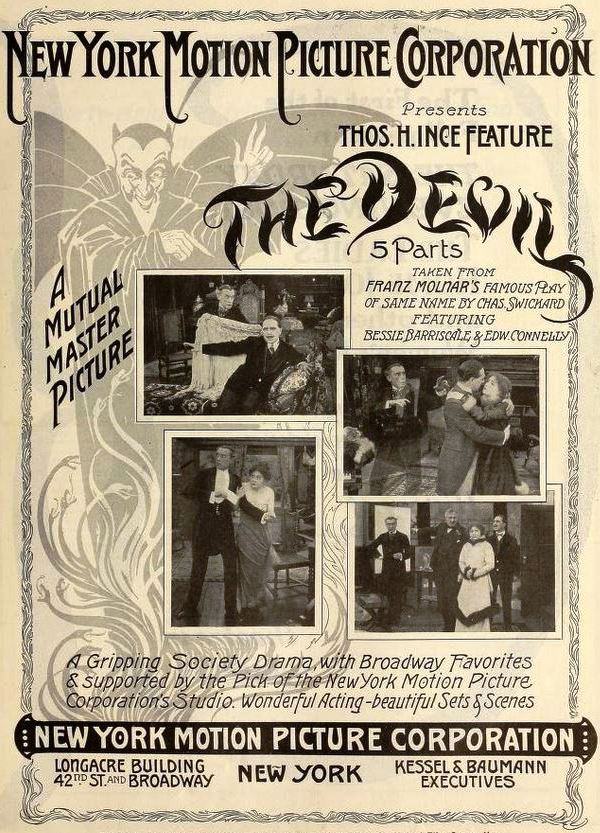
Dir: Reginald Barker
The Devil, in the guise of a human, meets a young couple who remark upon looking at a Renaissance painting of a martyr that Evil could never triumph over Good. The Devil, taking this as a challenge, decides to bring about the couple's downfall.
View Details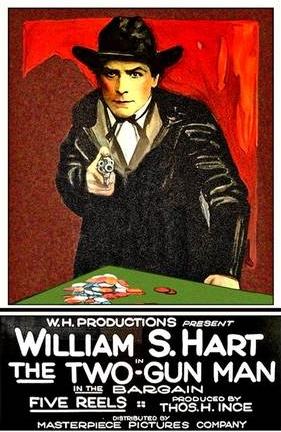
Dir: Reginald Barker
The bandit Jim Stokes, wanting to go straight and settle down with his new bride, strikes a bargain with the sheriff for his freedom.
View DetailsAnalysis relative to The Man from Oregon
| Film Title | Atmosphere | Complexity | Similarity |
|---|---|---|---|
| The Typhoon | Tense | Abstract | 87% Match |
| The Wrath of the Gods | Tense | Dense | 98% Match |
| The Iced Bullet | Tense | Abstract | 92% Match |
| The Criminal | Surreal | High | 91% Match |
| Jim Grimsby's Boy | Gritty | High | 86% Match |
This guide was algorithmically generated using the cinematic metadata of Reginald Barker's archive. Last updated: 6/20/2026.
Back to The Man from Oregon Details →