
DbcultAccessing Vault...
Recommendations
Senior Film Conservator
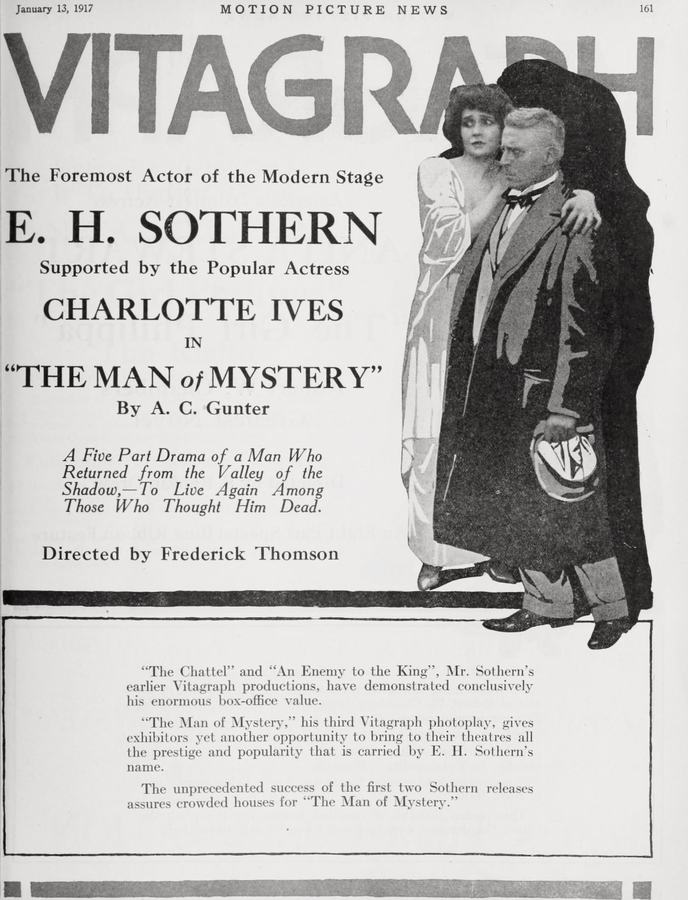
Delving into the atmospheric depths of The Man of Mystery reveals a master at work, the artistic provocations of The Man of Mystery demand a follow-up of equal intensity. These hand-selected movies are designed to satiate your craving for cult quality.
The enduring power of The Man of Mystery lies in to transcend the limitations of its 1917 budget and technology.
Clara Angelo does not really love her husband, David, a distinguished Roman banker, who is old, ugly and bent. Unknown to her husband, her mother, Mrs. Brunschaut, has involved her in a foreign conspiracy, in order that she may add to the extravagance of her living. David Angelo becomes aware of the intrigue, but before he can discover just what it is, he is called to Naples on business. He leaves his fortune in care of his partner, Stroggi, to be given to Mrs. Angelo in case anything happens to him. On his trip back home he stops to see Vesuvius, and is caught by a sudden eruption and smothered under the hot ashes. He is, however, rescued, and under the treatment of a great scientist, is restored to health; his physical disabilities have also been removed, and he is straight and rejuvenated in appearance, so much so that the doctor tells him he would not be believed if he declared himself to be David Angelo, and he decides to let the world believe that he is dead. He returns to Rome and startles the national treasurer by his brilliant suggestions in connection with finance, spies on the conspirators who are seeking to compromise his wife, is introduced in his own home without being recognized, and prevents his wife's fortune being stolen by his former partner. He also wins his wife's love, and, upon consenting to marry him, she rejoices to learn that he is really the supposedly dead David Angelo.
The influence of Frederick A. Thomson in The Man of Mystery can be felt in the way modern cult films handle cult status. From the specific lighting choices to the pacing, this 1917 release set a high bar for atmospheric immersion.
Based on the unique cult status of The Man of Mystery, our vault has identified these titles as the most compelling follow-up experiences for fans of cult cinema:
Dir: Frederick A. Thomson
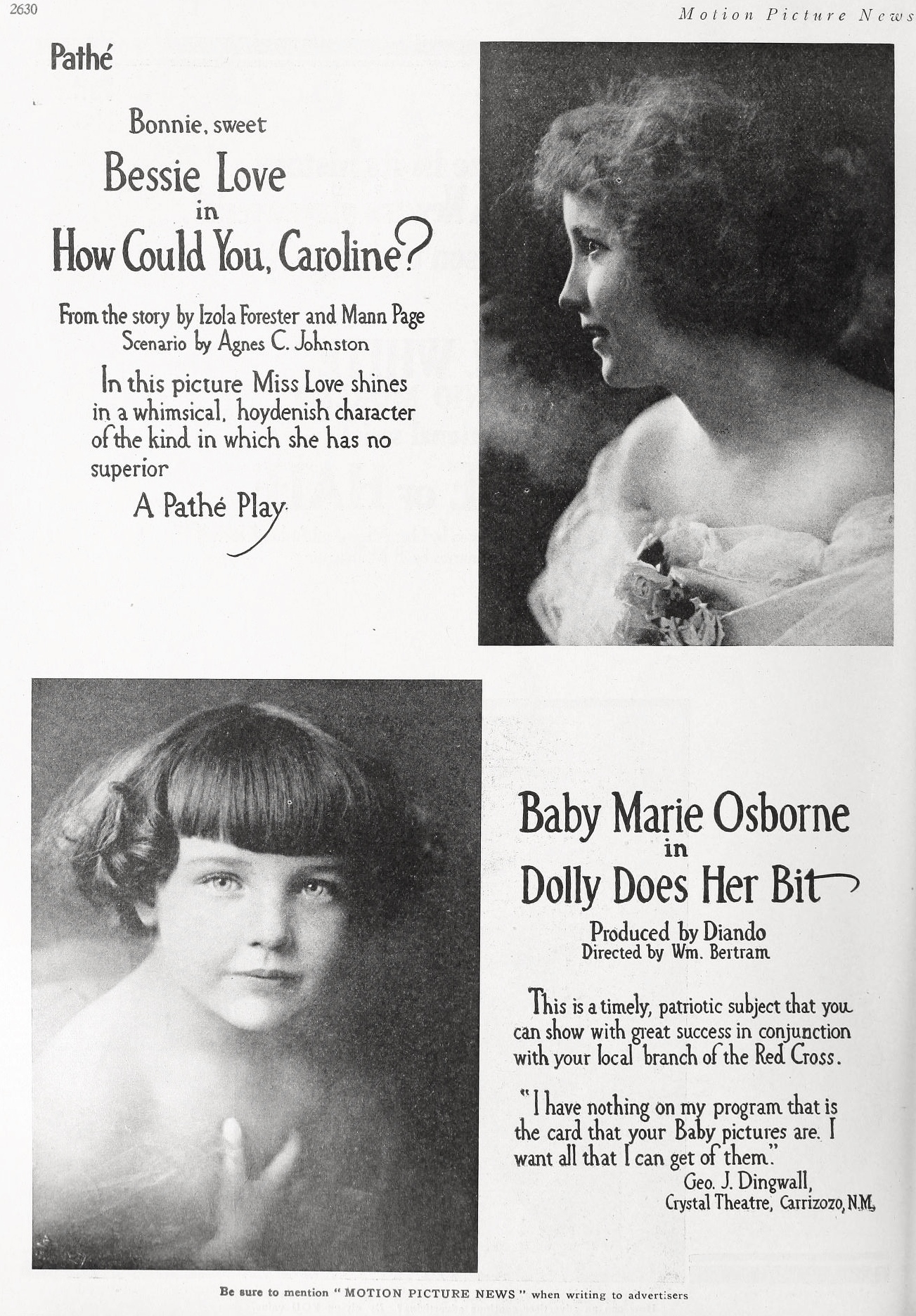
Caroline Rogers, a spirited young girl with a taste for highly romantic novels, comes home from boarding school to attend her sister Ethel's wedding. Having read a particularly lurid novel entitled Twin Souls recently, she arrives at the rehearsal wearing a daring gown in the hope of ensnaring a "soul mate." Because of his poetic name, Caroline becomes involved with Reginald Van Alden, a married fortune-seeker. On the morning of the wedding, she abandons her old sweetheart, Bob Worth, to take a ride with Reginald, but when he takes her to a disreputable roadhouse, she escapes and then tries to commit suicide by drinking cologne. Later she becomes engaged to Bob and attends his bachelor party disguised as a cabaret dancer. At the party, the two are married in a mock ceremony, but the next day Bob reveals that the friend who presided at the "wedding" is a real judge, and that he and Caroline are legally married.
View Details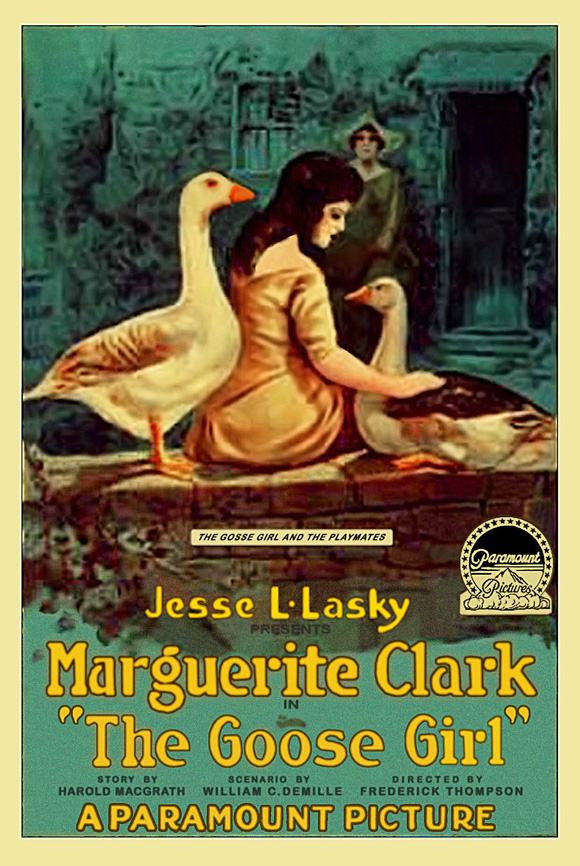
Dir: Frederick A. Thomson
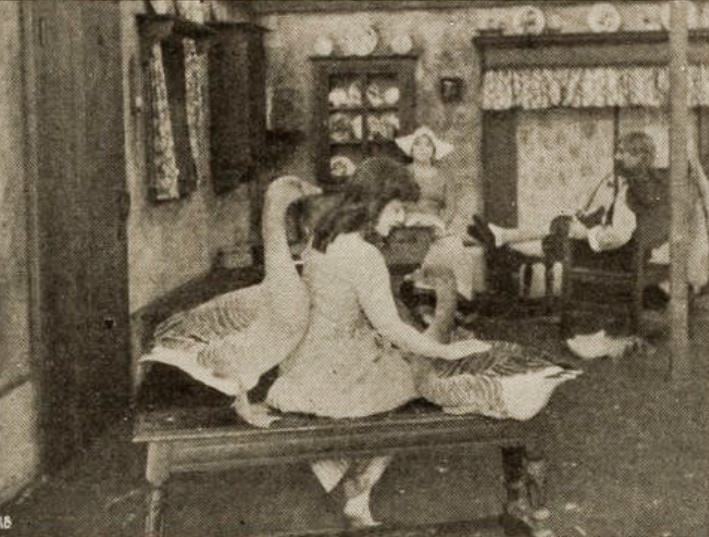
Count von Herbeck, chancellor to the Grand Duke of Ehrenstein, is married but keeps it a secret because of his high ambitions. His dying wife writes him a letter urging him to make their young daughter a great lady. To this end, he arranges to have Torpete, a gypsy, to kidnap Gretchen, the daughter of the GRand Duke. He takes the coat and locket belonging to the little Princess and then sends his own daughter, Hildegarde, away. During the abduction of Gretchen she is wounded in the shoulder by a bullet. Fifteen years later Von Herbeck tells the Grand Duke he has found the Princess, and produces the coat, locket and Hildegarde as proof. Meanwhile, the real Princess has been abandoned by the gypsies and adopted by peasants, and has grown up as a "Goose Girl." The young King Fredrick of Jugendheit is officially betrothed to the fake Princess but he does not wish to marry a woman he has never met. He disguises himself as a Vinter and travels around the countryside, meets the Goose Girl, and rescues her from the insulting attentions of a vicious Count, and longs to marry her. But since he can not marry a peasant, true love seems doomed. Or does it?
View Details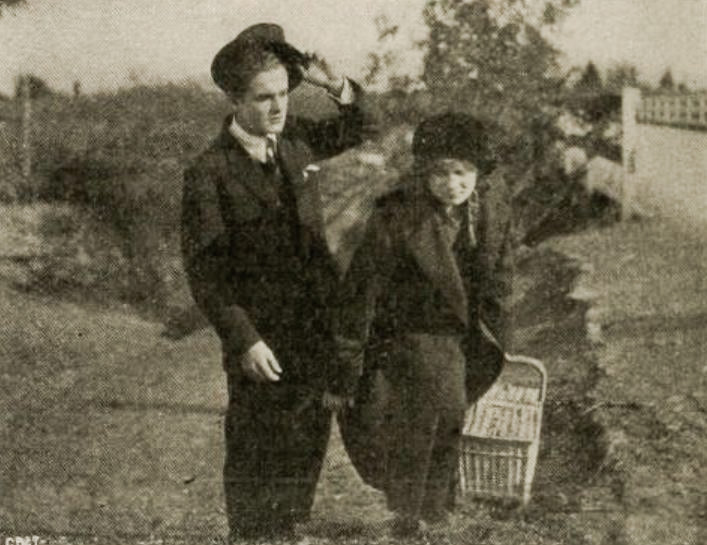
Dir: Frederick A. Thomson
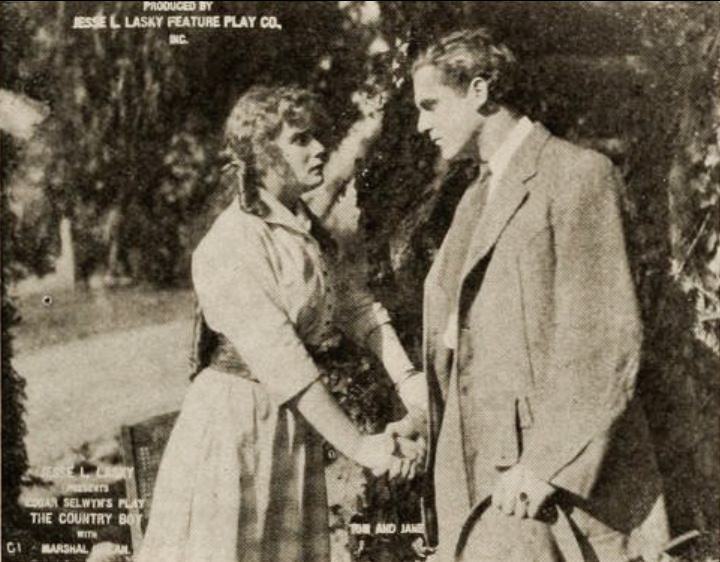
Tom, a young man in a small town, wants to marry his sweetheart Jane, but Jane's father won't allow it until Tom proves he can support her. Tom heads to New York City to make his fortune and prove to Jane's father that he has what it takes, but he meets and falls in love with Amy, a chorus girl who already has a wealthy suitor. Complications ensue.
View Details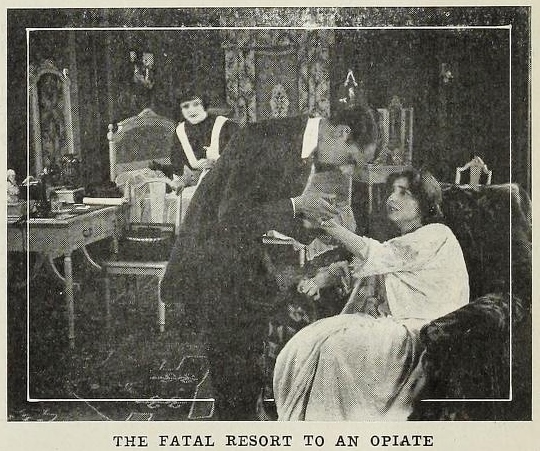
Dir: Frederick A. Thomson
A psychological study of the effects of drug addiction on humanity.
View Details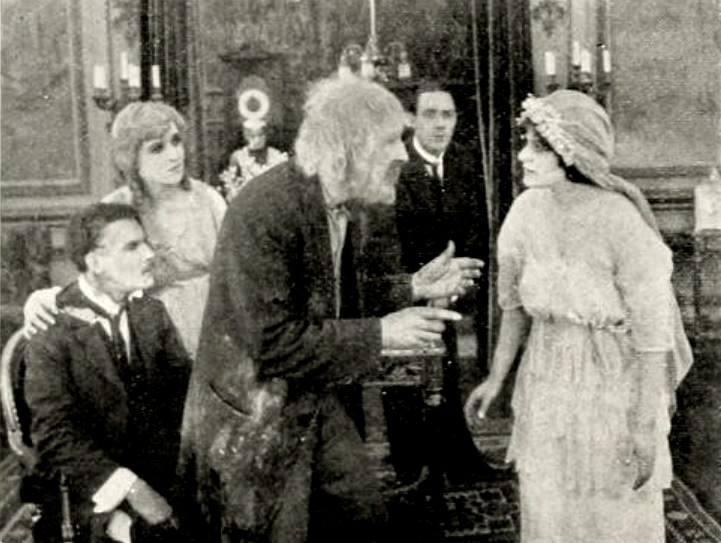
Dir: Frederick A. Thomson
A baronet's son marries a barmaid in order to qualify under the inheritance terms of a will.
View Details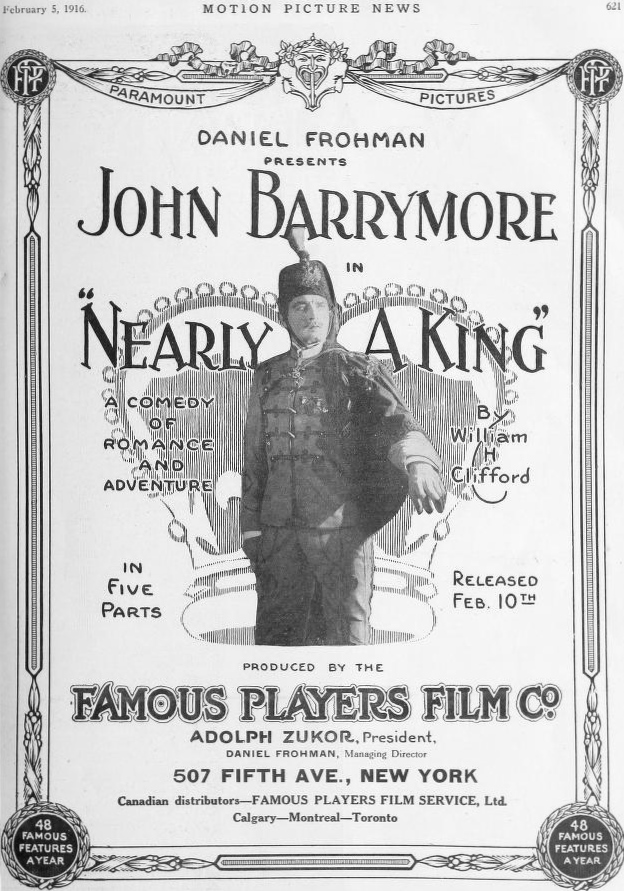
Dir: Frederick A. Thomson
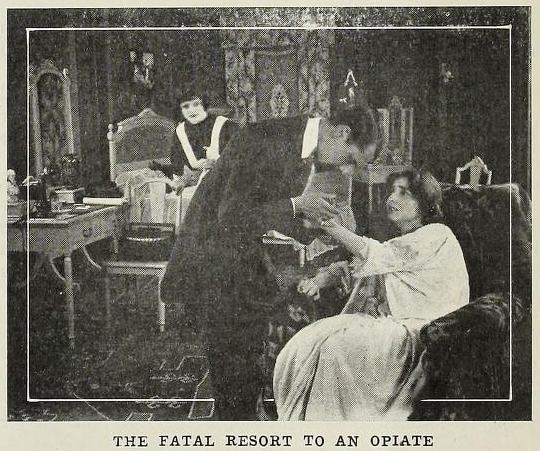
A crown prince doesn't want to marry a foreign princess, so he asks an actor to take his place.
View Details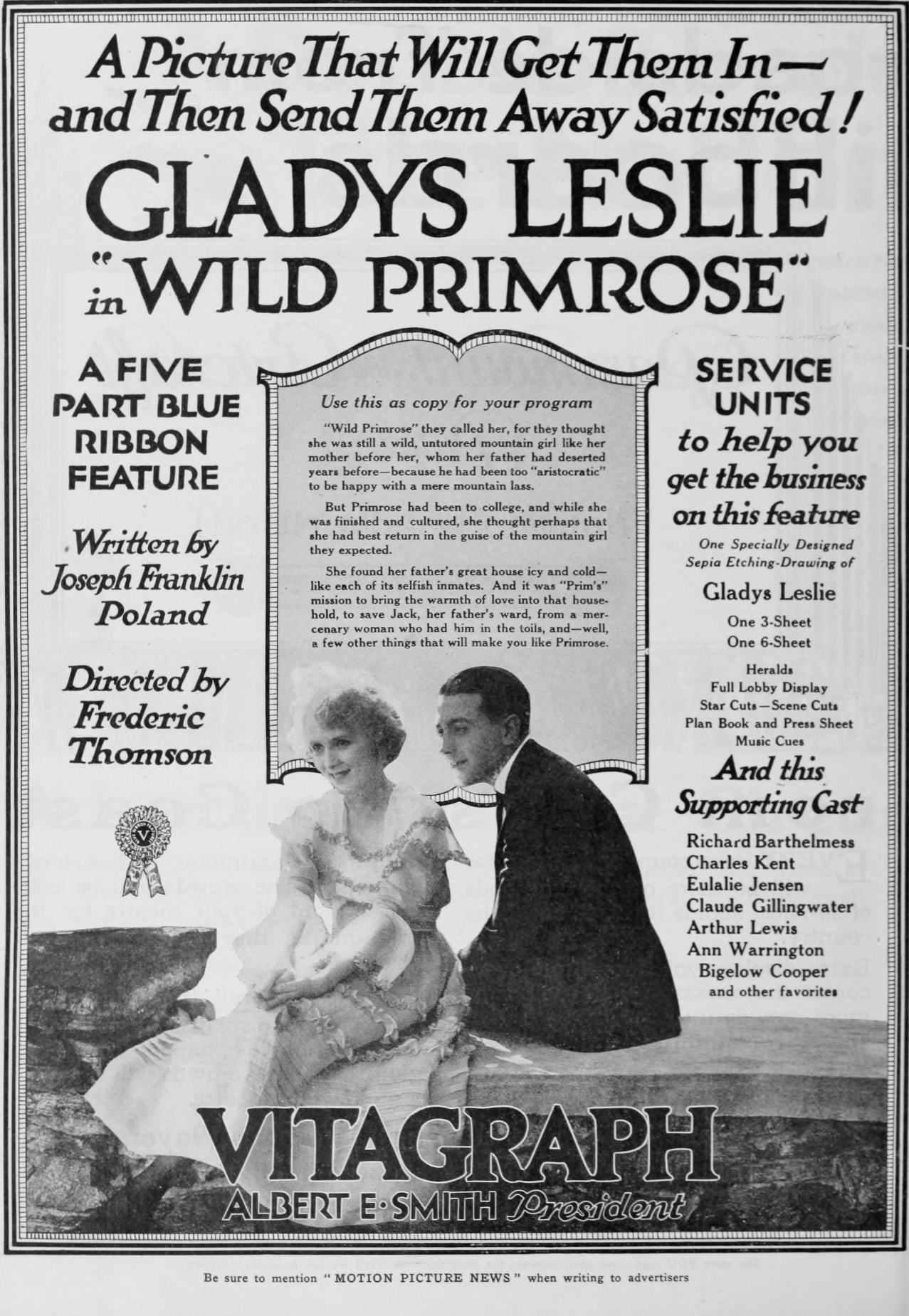
Dir: Frederick A. Thomson
Standish, a wealthy Northerner, deserts his untutored Southern wife shortly after their daughter Primrose's birth, preferring to wed the cultured but haughty Emily. After her mother's death, Primrose is placed in the care of her uncle, who rears her as a refined and educated young lady. Longing for his daughter, Standish sends for her, and although Primrose, deeply resentful of her father, exaggerates the role of the uncouth mountain girl, he and his ward, Jack Wilton, come to love her deeply. Jack, who secretly married a dancer named Marie in a moment of drunken infatuation, reforms under Primrose's influence, but Newton, a broker to whom Standish is deeply in debt, demands her hand in marriage as his repayment. Primrose rejects Newton, and at a ball, she appears as her true self and offers her father some of her oil rich lands. After Standish has repaid Newton, his secretary recognizes Marie as his long-lost wife, leaving Jack free to marry his "wild" Primrose.
View Details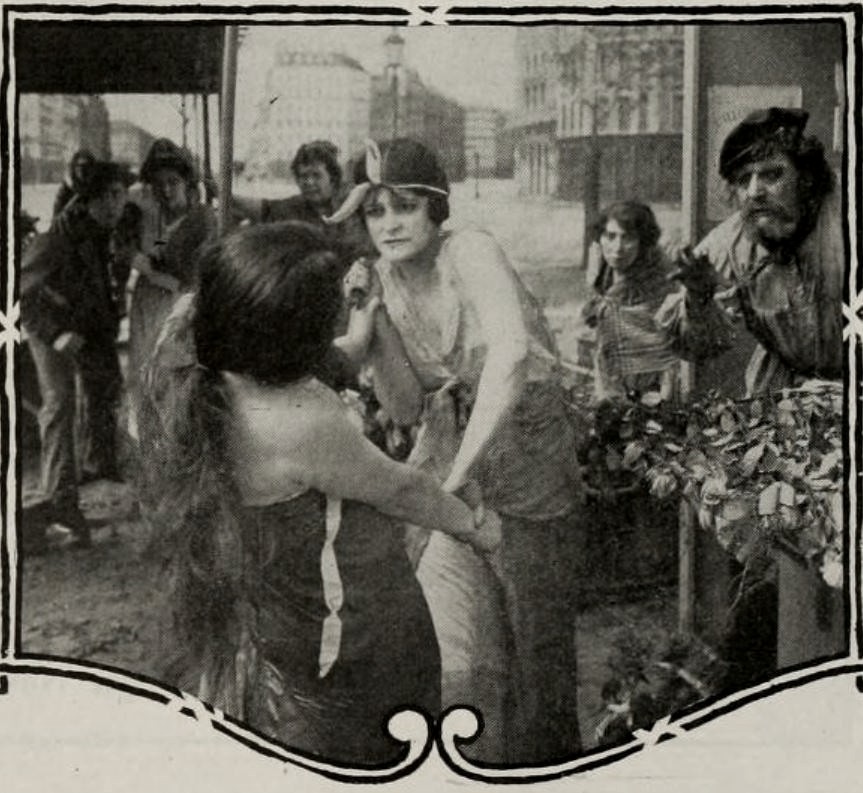
Dir: Frederick A. Thomson
Dick Seymour is fortunate in having a nice father and a nice girl as sweetheart. Money is coming to him. But, tempted by woman and wine on the great White Way of New York, he falls down badly. His money is in Paris. In that city he goes from bad to worse and is accused of murder. From jail and death there seems no escape. But his father and sweetheart have been loyal to him and he is proved innocent of the crime and saved. He finds happiness by shunning bad company and bad habits.
View Details
Dir: Frederick A. Thomson
The famous story of Heidi, a little girl of the Swiss Alps, who is taken from her beloved grandfather to live in anguish in the city below, and how her grandfather sacrifices to bring her home.
View Details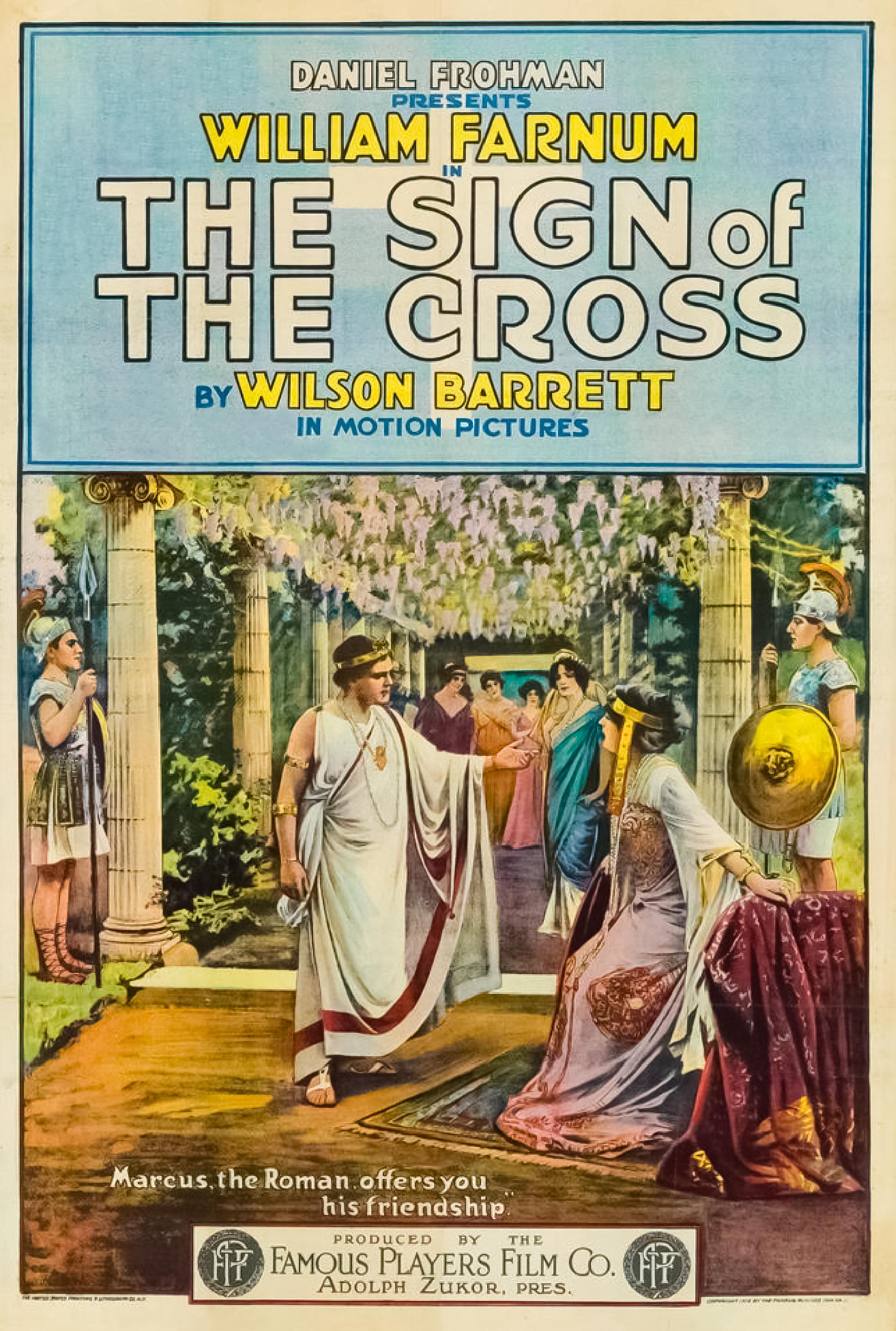
Dir: Frederick A. Thomson
Through the machinations of the Empress Poppaea and other women at court, Tigellinus, Nero's agent in the war against the Christians, convinces Nero to have Mercia arrested.
View DetailsAnalysis relative to The Man of Mystery
| Film Title | Atmosphere | Complexity | Similarity |
|---|---|---|---|
| How Could You, Caroline? | Ethereal | High | 94% Match |
| The Goose Girl | Surreal | Layered | 96% Match |
| The Country Boy | Gothic | Abstract | 85% Match |
| The Spirit of the Poppy | Surreal | Linear | 98% Match |
| After Dark | Gritty | Abstract | 95% Match |
This guide was algorithmically generated using the cinematic metadata of Frederick A. Thomson's archive. Last updated: 8/16/2026.
Back to The Man of Mystery Details →