
DbcultAccessing Vault...
Recommendations
Senior Film Conservator

Navigating the complex narrative architecture of The Music Master is a nuanced performance experience, the legacy of The Music Master is a beacon for those seeking the unconventional. Unlock a new level of cinematic understanding with these Drama alternatives.
The artistic audacity of The Music Master ensures it to sustain a sense of mystery that persists after the credits roll.
Anton von Barwig, formerly an orchestra leader in Vienna, searches for his daughter who was taken from him by his wife many years before. Out of pride, he refuses help and is gradually forced to sell all his belongings. After being fleeced for years by a detective, he meets Helene Stanton, who is his long-lost daughter. She comes into his life as a charming young society girl seeking music lessons for her fiancé, Beverly Cruger, a boy of promising musical talents; sensing his kinship with her, Barwig finally confronts her foster father, who had run away with his wife in Vienna. Though her father is persuaded to make the sacrifice of effacing himself so as not to ruin her chance for social success, she discovers the relationship and brushes social considerations aside to be reunited with him.
Critics widely regard The Music Master as a cult-favorite piece of Drama cinema. Its nuanced performance is frequently cited as its strongest asset, solidifying its place in United States's film legacy.
Based on the unique nuanced performance of The Music Master, our vault has identified these titles as the most compelling follow-up experiences for fans of Drama cinema:
Dir: Allan Dwan
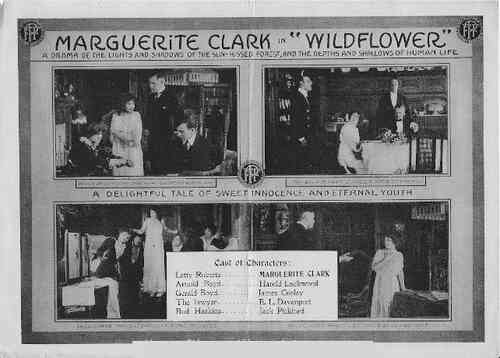
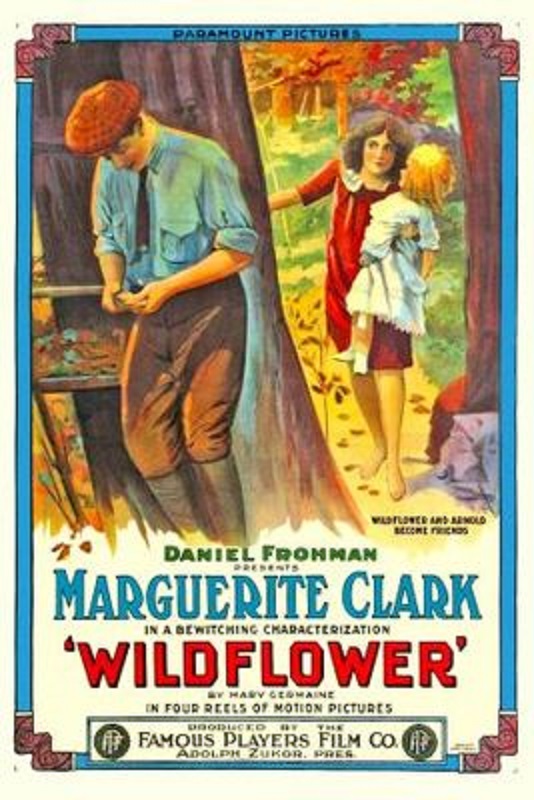
Known as "Wildflower," Letty Roberts meets Arnold Boyd, a wealthy man who is weary of life in the city. Arnold thinks that Letty is merely a charming child, however, his playboy brother Gerald is attracted to her and charms her into eloping with him. Arnold catches up with the couple just after their wedding, and after a fight with Gerald, takes Letty away to the Boyd family home in New York. He introduces her as his own wife because, he says, he wants to save her reputation. Even Letty's parents do not know to which brother she is married. Letty's stay in the mansion opens her eyes to the world outside of her rural environment and eventually she realizes that while Arnold appears to be hard and uncaring, it is really he, not Gerald, whose feelings for her are the deepest. When she realizes Gerald's true character, Letty decides that she will be happier with Arnold.
View Details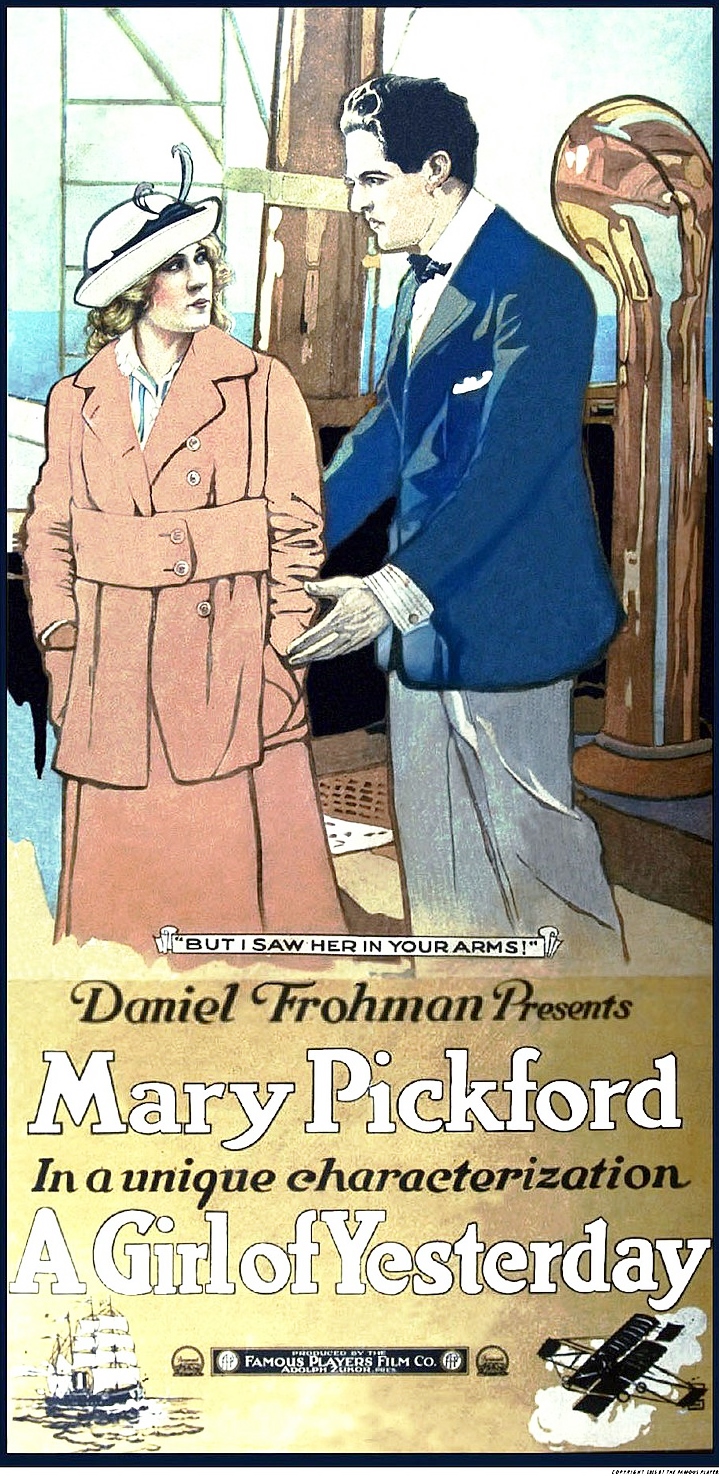
Dir: Allan Dwan
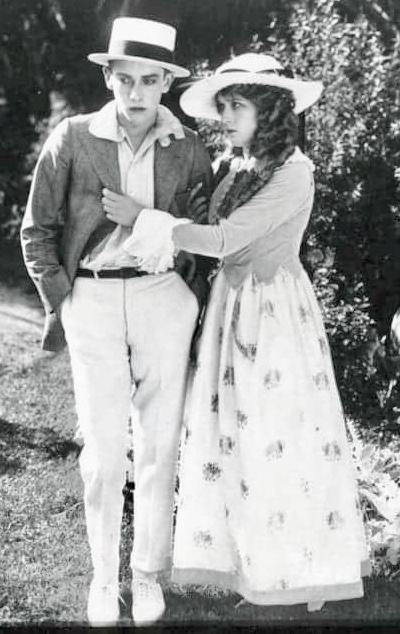
A girl with old-fashioned values becomes a modern sophisticate.
View Details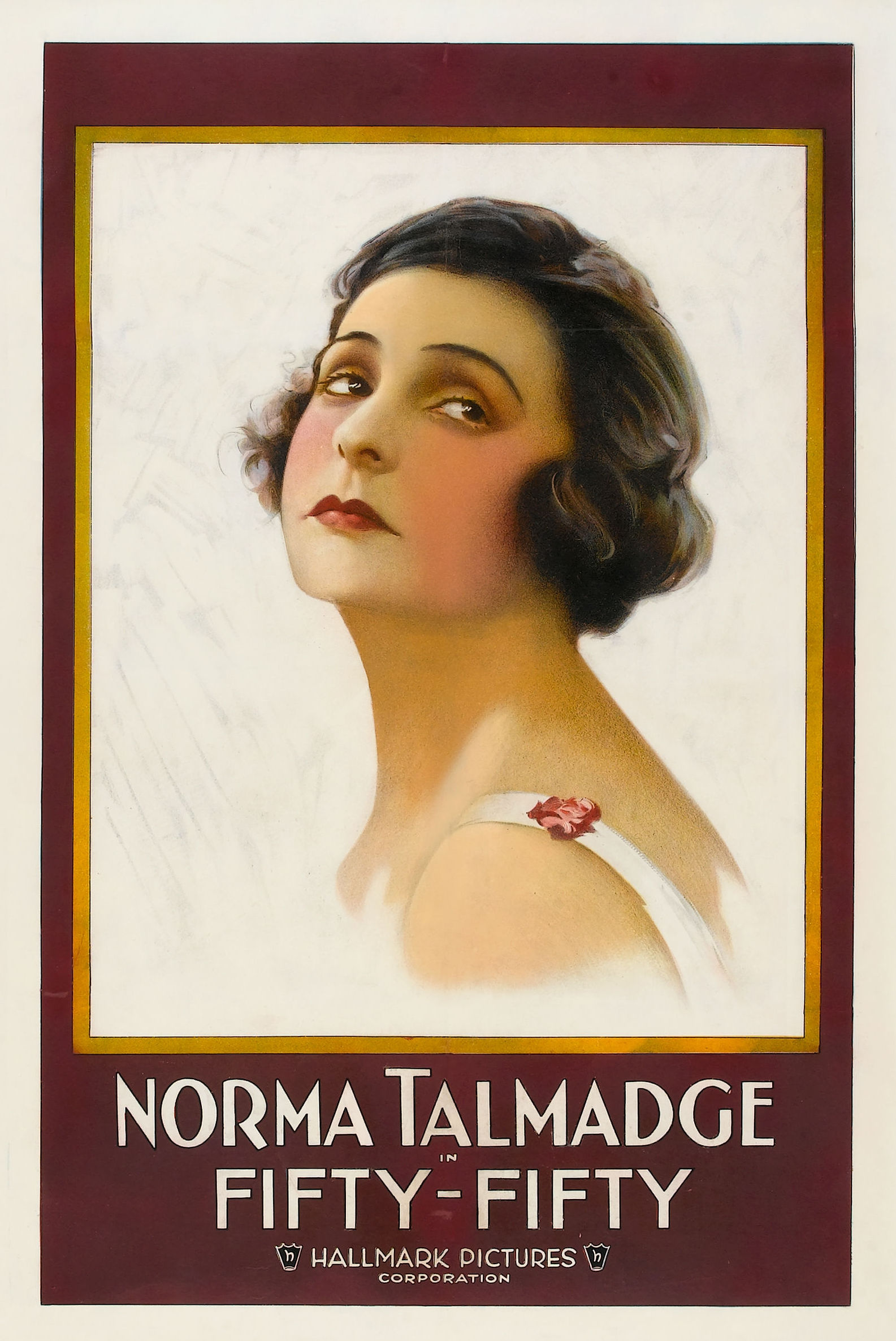
Dir: Allan Dwan
Naomi, a girl of the studios in New York's artist quarter, is possessed of a superabundance of vitality and a desire for continuous frolic and adventure. One night, at a gay party, Naomi's effervescent spirits deceive one of the men into thinking that she is far more unconventional than she herself has any idea of being. His companions tell him that she is not the sort of girl he thinks she is, but he insists that he can prove that she is; he even makes a wager to that effect. He tricks Naomi, who is really quite unsophisticated, accompanying him to a hotel of questionable repute, where the two, innocent of any wrongdoing, are captured in a police raid, and Naomi has an unpleasant experience in the night court. Friends come to her aid and she is released. Not long after this, Frederic Harmon, a broker, comes into her life. The two fall in love and are married; the birth of a baby completes Naomi's character and she cares only for her child, her husband, and her home. The husband, however, does not settle down to home life. He is still much inclined to the gaieties of the set in which he had become acquainted with Naomi, and when she refuses to take further part in the revels of the Bohemian crowd, he goes forth by himself and soon meets Helen Carew, a woman with a past and without a conscience, who fascinates him partly for her amusement and partly for mercenary reasons. Eventually Harmon's infatuation for the other woman becomes known to Naomi. She is heartbroken, particularly when Harmon asks her to divorce him so he can marry Helen. This she refuses to do. Helen, anxious to get the man entirely into her clutches, enters into a plot with a crooked detective whereby Naomi is to be caught in a compromising situation, thus giving her husband grounds for divorce from her. The detective picks up a convict just out of Sing Sing and by means of a decoy message Naomi is induced to go to a hotel room where the man from Sing Sing is waiting for her. Once the two are in the room together it is raided by newspaper reporters and a photographer, and a flashlight of Naomi in the arms of the convict is obtained. The husband brings suit for divorce, offering as evidence the stories of the witnesses at the raid and the flashlight photograph. He also asks custody of the child. Naomi startles the judge and spectators when she declares that she should be allowed to keep the child, because Harmon is not its father. The judge, however, suspects that Naomi is sacrificing her reputation in order to keep her baby, and calling her into his private office, he gets the truth from her. Meantime there has been an unexpected development in the affairs of Helen. The man from Sing Sing had been her lover before he went to prison, and she is unpleasantly surprised when the detective's use of him brings him again into her life. The ex-convict is in Helen's rooms, trying to renew their old association when Harmon comes to see her. Helen hastily hides the jailbird, but while she is talking to Harmon the convict comes out and tells Harmon of the woman's past and his connection with it. Horrified at the revelation of Helen's true character, Harmon goes out of her life at once and forever, but in the course of time succeeds in winning his way back into his home.
View Details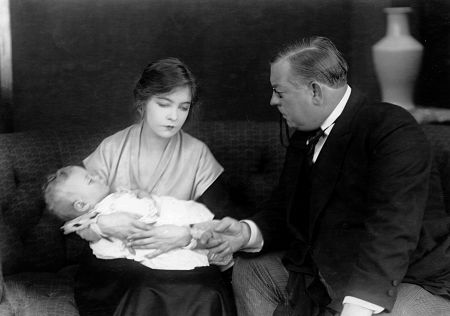
Dir: Allan Dwan
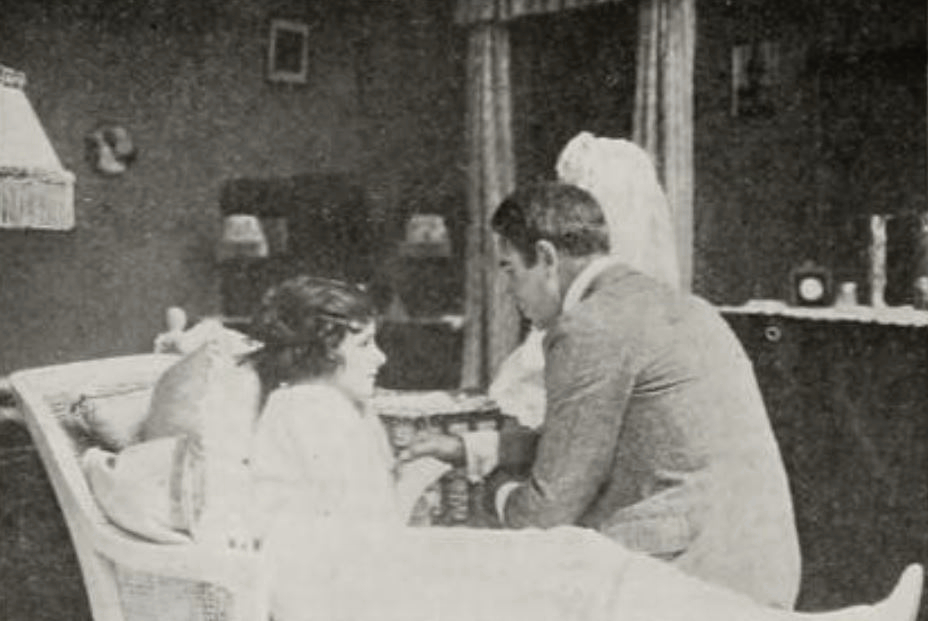
Dorothy Raleigh is a high-spirited Southern beauty who has been brought up by her father, Col. Raleigh, an unreconstructed Kentuckian, to have nothing to do with the townspeople of the little village of Norwalk, just outside of Louisville. She has no other companions than the old negro servants, her animal pets and her books. One day there comes into her life by chance a young millionaire gambler named Forbes Stewart. He makes love to her and asks the Colonel for her hand. Indignant at his presumption, the Colonel orders him from the house. But the young people elope. When Dorothy meets her husband's friends she is grievously disappointed. He determines, rather than cause her unhappiness. to change his mode of living, and give up his old friends. But a detective who knows something of his past, tries to blackmail him. His defiance leads to his arrest, and he is sentenced to a year in the penitentiary. Dorothy is loyal to him at first but when another woman enters her home and seemingly proves that she is Stewart's wife by an earlier marriage, she goes back to her father. The stern old man, however, has disowned her, and she is compelled to seek shelter in a cabin with her old negro mammy. When Stewart is released from the penitentiary he hastens to his home to find his wife. Instead he finds this other woman, an old flame who has taken this method to win him back again. He repudiates her, however, and hurries to Norwalk to see the Colonel and demand Dorothy. The Colonel refuses to tell her whereabouts, but from an old servant Stewart learns the truth. Dorothy in the meantime has been led to believe her baby illegitimate, and the villagers, glad to see the proud name of the Raleighs dragged in the dust, make her life miserable. She is about to kill herself when Stewart arrives. The outcome reunite the lovers and brings a change in the heart of the father that is supremely satisfying.
View Details
Dir: Allan Dwan
An outcast named Lo Dorman encounters a young woman lost in the woods. He defends her from danger in the forest and from Sheriff Dunn.
View Details
Dir: Allan Dwan
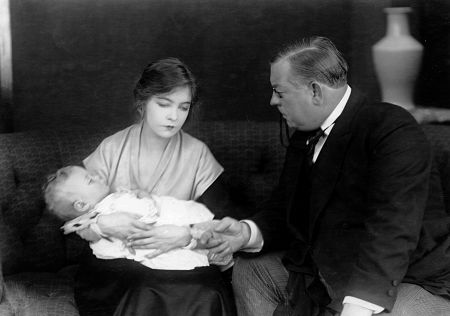
Winthrop Clavering a mystery writer, is continually ridiculed for the fiction of the crimes he depicts, so he decides to solve a case himself. To that end, he determines to find the slayer of Pedro Alvarez, who whispered before dying that his assailant was a woman. At the City Refuge for Homeless Girls, Clavering obtains the assistance of Margaret Holt, the sister of Victor Holt, the district attorney. Margaret, it is revealed, was abducted by Juanita, a member of a gang of white slavers led by Alvarez. After escaping from a brothel, Margaret became Alvarez' stenographer, hoping to gather secret information on his gang. While searching for evidence, Margaret was surprised by Alvarez, whom she killed. Finally, Clavering captures the gang, clears Margaret, and encourages her romance with cub reporter Jack Howell.
View Details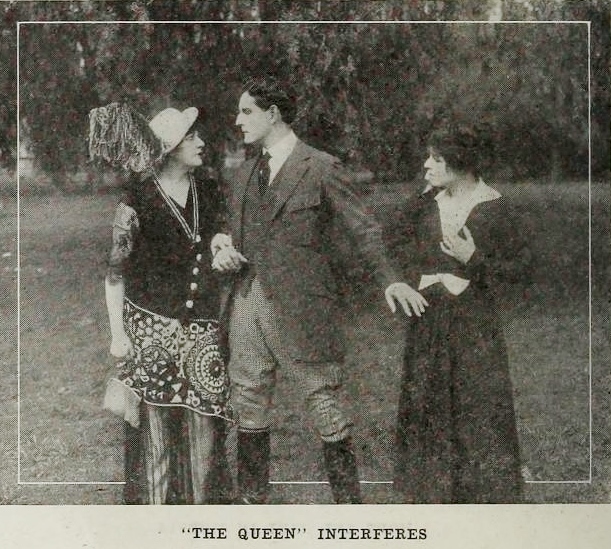
Dir: Allan Dwan
When Colonel Archer, the military post commanding officer, refuses to loan money to his second-in-command, Captain Waring, Waring gets the money from Brent Lindsay of the nearby mining town, in exchange for his note. Both Waring and Lindsay court Floyd Bingham, the daughter of a retired colonel, but Floyd learns that Lindsay is involved with Queen, a dance hall girl. Following the urging of her father, Floyd marries Archer, who has two children left to him by his dying sister, whom Floyd loves. When Lindsay continues his attentions to Floyd, Archer quarrels with her and leaves to go hunting. Floyd goes walking in the woods with Lindsay and his kiss is photographed by Waring, who attempts to blackmail Lindsay. When Lindsay is found dead and Archer, who suspects Floyd, is arrested, the men from the mining town almost lynch Archer, but Queen, who witnessed the murder, clears him.
View Details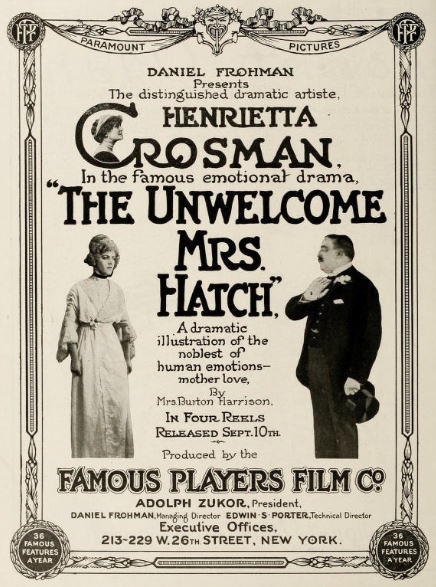
Dir: Allan Dwan
A wealthy girl's banished mother returns as the seamstress at her daughter's wedding.
View Details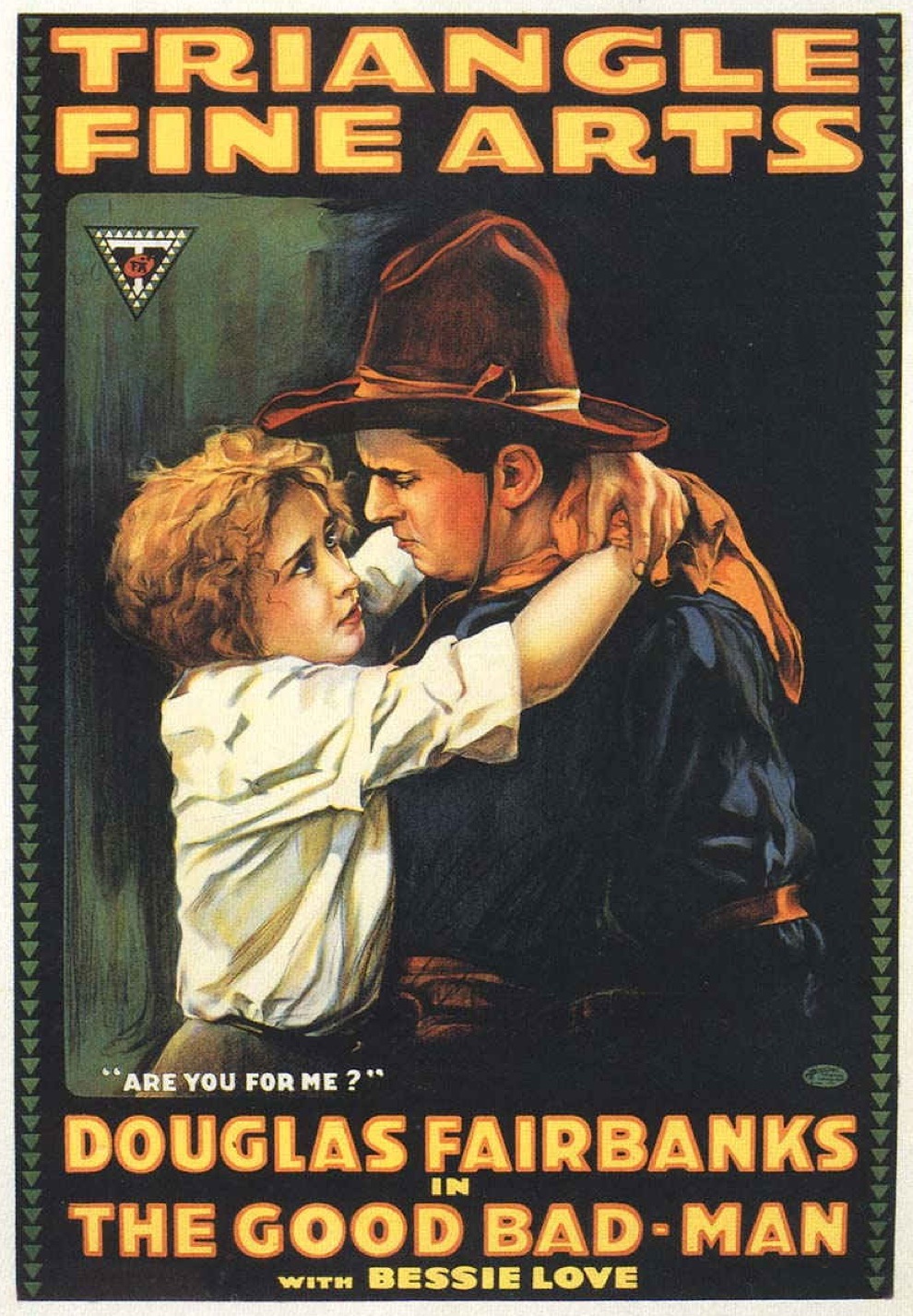
Dir: Allan Dwan
An outlaw calling himself Passin' Through halts his evil ways long enough to help out some children in difficulty.
View Details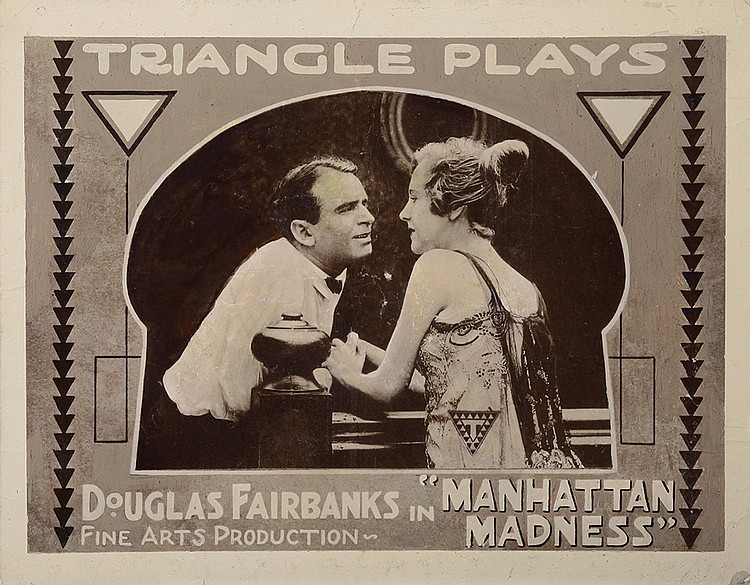
Dir: Allan Dwan
Steve O'Dare, a rich young man who has lived on his Nevada ranch for some years, returns to New York for a visit. He goes to the University Club, of which he is a member, for a week of New York gaiety with his club companions, but fails to get thrills out of the pleasures of the Great White Way. While lunching at a country club, he tells the boys that there isn't a thrill in Manhattan. And then, through an open doorway he sees at a table in the garden outside a middle-aged couple of distinguished appearance--and a beautiful girl. Upon inquiring of his companions who the people are, he learns that they are the Count and Countess Marinoff and their ward. One of his pals offers to bet him $5,000 that if he will stay in New York a week he will get the thrill of his life. Steve takes the bet. Remembering that he has sold stock to Count Marinoff he wonders whether it might not be possible for him to meet the ward. The problem is solved when the Count calls Steve up and asks him to come to his home. Steve goes and meets the ward, who mystifies Steve by making mysterious signs to him. The Count informs Steve that the girl is crazy. The girl's maid passes Steve a note that says the girl is in great peril and wants him to help her. The Count being called away, the maid directs Steve to go up to the second floor. Ascending the stairs he drops through a trap door on the landing and is bound and gagged by the Count's butler, but the maid releases him, and he telephones to the boys at the club and asks some of them to come out to the Count's house. The boys come, and a battle follows between the Count and his servants on one side, Steve and the clubmen on the other. Steve battles up through the house to the roof with one of the Count's henchmen, who has carried the ward off in his arms early in the conflict. After finally knocking the villain cold Steve searches for the girl but cannot find her. All the men who have been fighting, both his friends and the Count have mysteriously disappeared. As he is at his wits end he sees the face of the butler peeping through a sliding panel in the wall. The panel quickly closes and Steve kicks his way through it and finds himself in a banquet hall where the whole company of his friends and supposed foes are dining together, the persecuted ward beaming at him from the end of the table. The friend with whom Steve made the bet now explains that he has been given the promised thrill, the members of the party, except the clubmen, being members of the theatrical profession, especially engaged for the doings. Just then there arrives four of Steve's cowboys, for whom he telephoned at the same time that he telephoned the club. With their aid Steve quickly turns the tables on the jokers. While cowboys cover the party with their guns Steve announces that he, like Lochinvar, came out of the West, grabs the girl, and rides away with her. She is a not-unwilling captive, and as hour later the weary party still held under the guns get a wireless from Steve that he is quite willing to pay his bet; he has had the thrill of his life, for he is married and sailing away on his wedding tour.
View DetailsAnalysis relative to The Music Master
| Film Title | Atmosphere | Complexity | Similarity |
|---|---|---|---|
| Wildflower | Tense | Abstract | 85% Match |
| A Girl of Yesterday | Gritty | Abstract | 93% Match |
| Fifty-Fifty | Gothic | Dense | 93% Match |
| An Innocent Magdalene | Tense | Abstract | 95% Match |
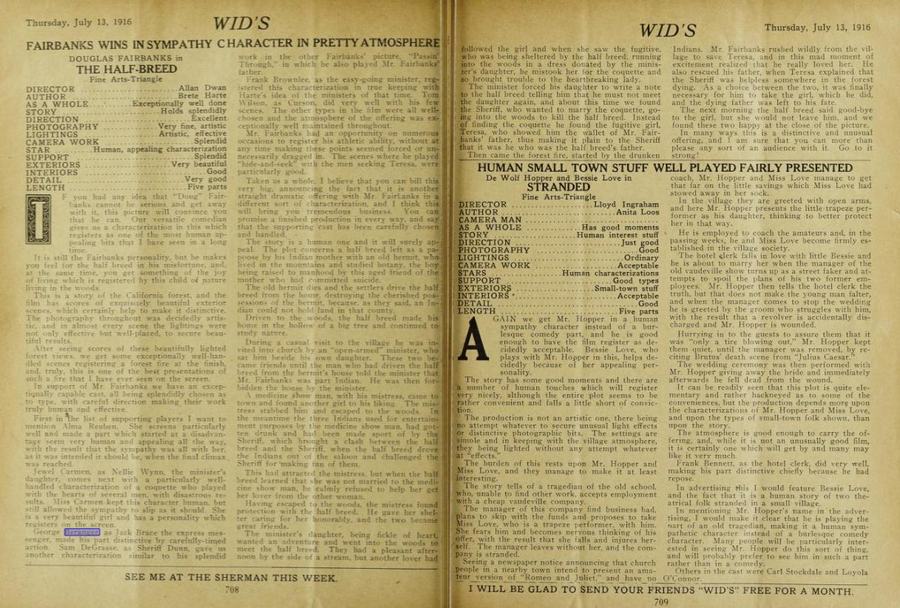
| The Half-Breed | Tense | Layered | 98% Match |
This guide was algorithmically generated using the cinematic metadata of Allan Dwan's archive. Last updated: 8/16/2026.
Back to The Music Master Details →