
DbcultAccessing Vault...
Recommendations
Senior Film Conservator
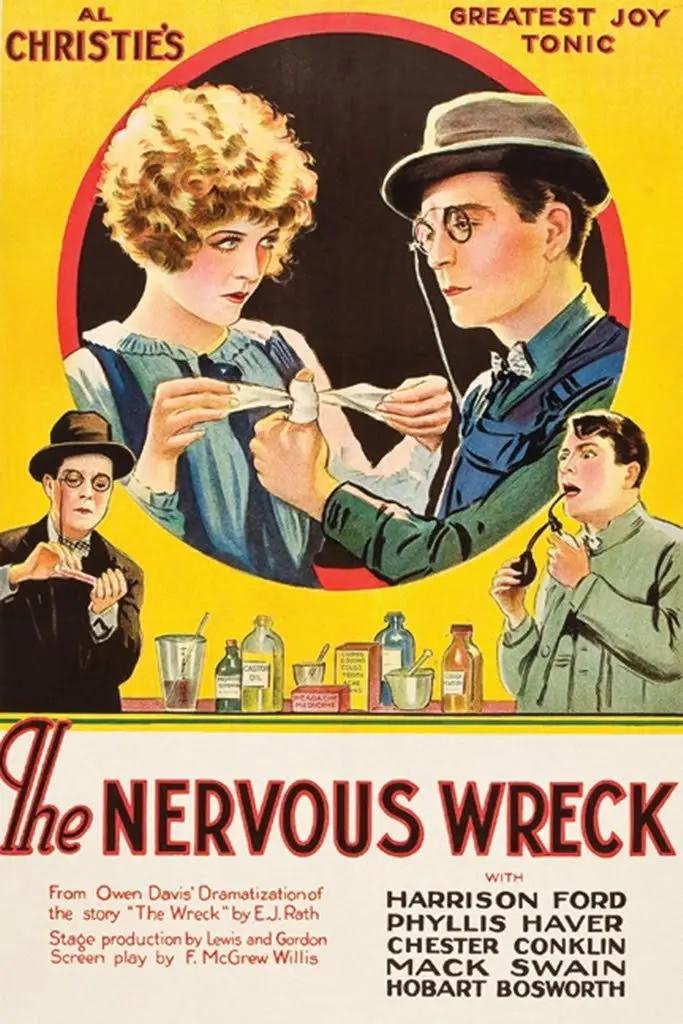
Looking back at the 1926 milestone that is The Nervous Wreck, the cinematic shorthand used by Scott Sidney is both ancient and revolutionary. Dive into this collection and find the spiritual successors to Scott Sidney's vision.
As Scott Sidney's most celebrated work, it defines to articulate the unspoken anxieties of United States's 1926 era.
Henry Williams, out in Arizona looking for a cure for his imaginary ills, stops at the ranch of Jud Morgan, and decides to stay. Jud's daughter, Sally, attracts his attention, although she is engaged to be married to Sheriff Bob Wells. Henry rides with her to town, where she wants to go shopping for her wedding clothes, but they run out of gas. No, problem' Henry holds up a passing motorist, with a monkey-wrench, and takes gasoline out of his car. They stop at a ranch where the foreman makes them become the cook and dishwasher. Then Jerome Underwood and his daughter, Harriet, arrive and they recognize Henry and Sally as the ones who held them up for gas. The jealous sheriff adds to the complications.
Based on the unique unique vision of The Nervous Wreck, our vault has identified these titles as the most compelling follow-up experiences for fans of Comedy cinema:
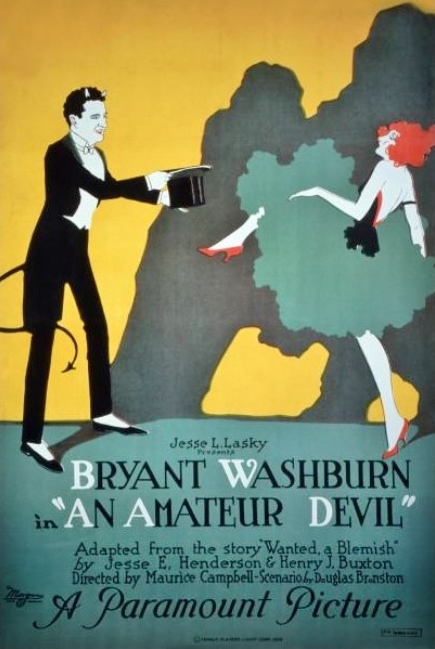
Dir: Maurice Campbell
Carver Endicott, a young sophisticate, is rejected by his fiancée for being too foppish and dull. When she feigns an interest in his father, Carver attempts to disgrace his family name by working as a farmhand and later as a busboy in a hotel. However, the newspapers only praise him for his self-sacrificing principles; and finding that he cannot bring shame to the family through menial labor, he takes up with a notorious actress. But when this maneuver also fails, he returns to his former fiancée, who has no further complaint about his being an inexperienced dullard.
View Details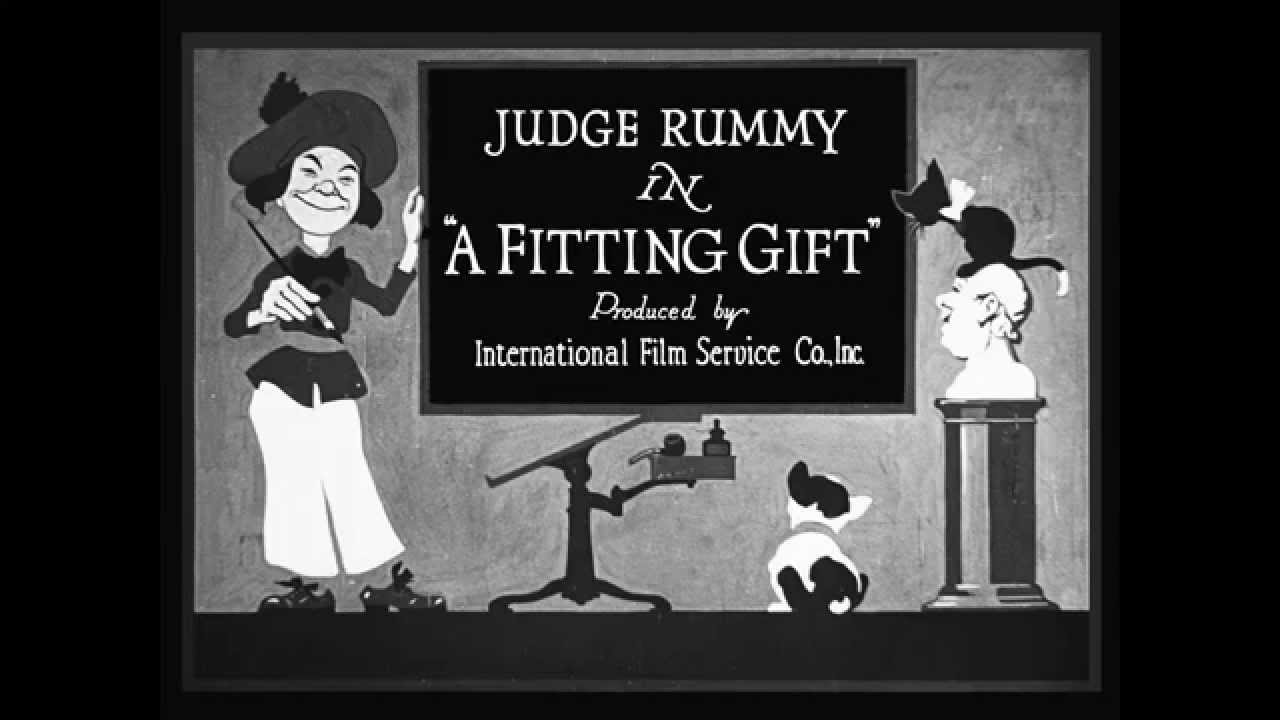
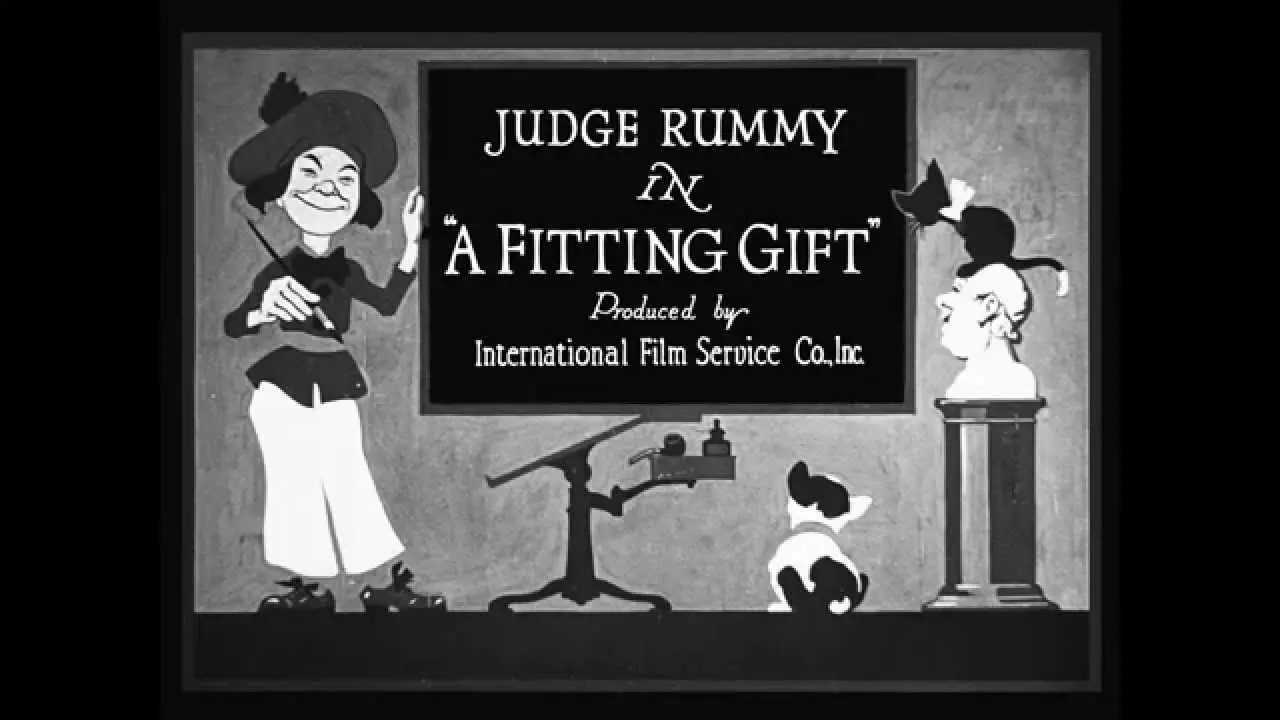
Dir: Unknown Director
The Judge needs a present for his wife's birthday, so Harry suggests a new corset. They go to the shop, but he's so embarrassed to ask the saleslady he hides in a phone booth.Harry goes in, but finds a GUY wearing one, and runs out.They both dress as women to get back in, but Mrs. Rummy gets there and chases him out.
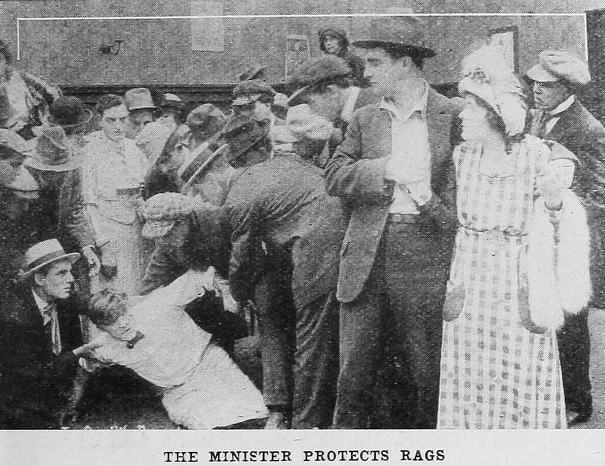
Dir: Scott Sidney
The story derives its plot from a practical joke perpetrated by underclassmen at the theological seminary from which Arthur Rayburn has just been graduated. At the reception following his ordination, these jokers put rum in the punch served and Rayburn becomes intoxicated. In this condition he is unfrocked by the bishop and the latter's daughter Rene breaks their engagement. Down into the slums goes Rayburn, where he falls under the influence of pretty piano player Rags in a saloon. Rags tries to redeem him, but makes little headway until she prevents the young preacher's attempt to commit suicide in the river. She loves him without reserve and under her guiding care be recovers from his degradation and opens a club for working men. He is so successful that the enterprise comes to the attention of the bishop of the diocese. The bishop visits the club, recognizes its leader, and promptly reinstates him in the ministry. With his future assured, Rayburn turns in gratitude to the girl of the slums who has saved him. He asks her to marry him but in spite of her love, knowing that he still loves Rene, Rags refuses him and returns to the life in which he found her.
View Details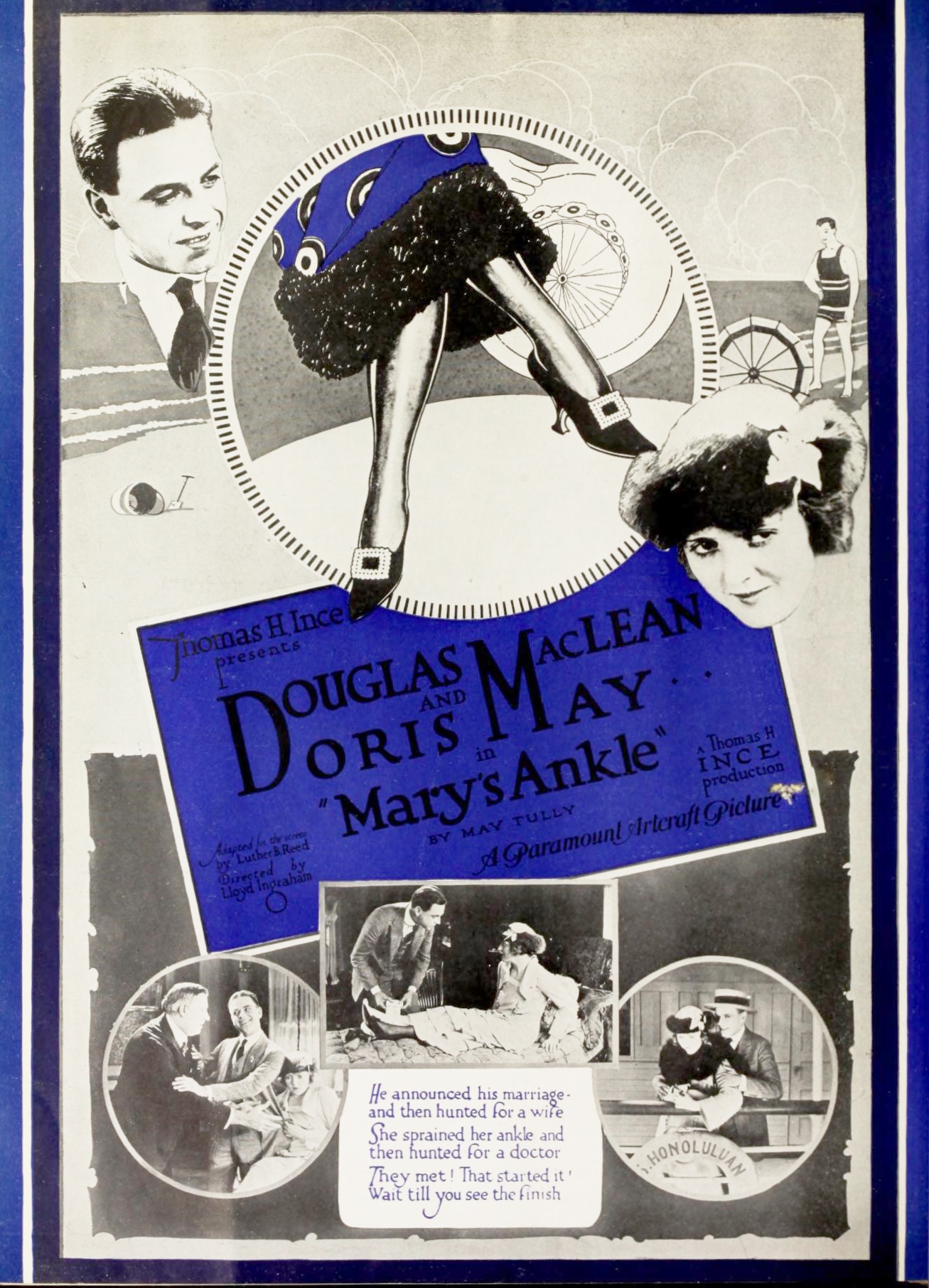
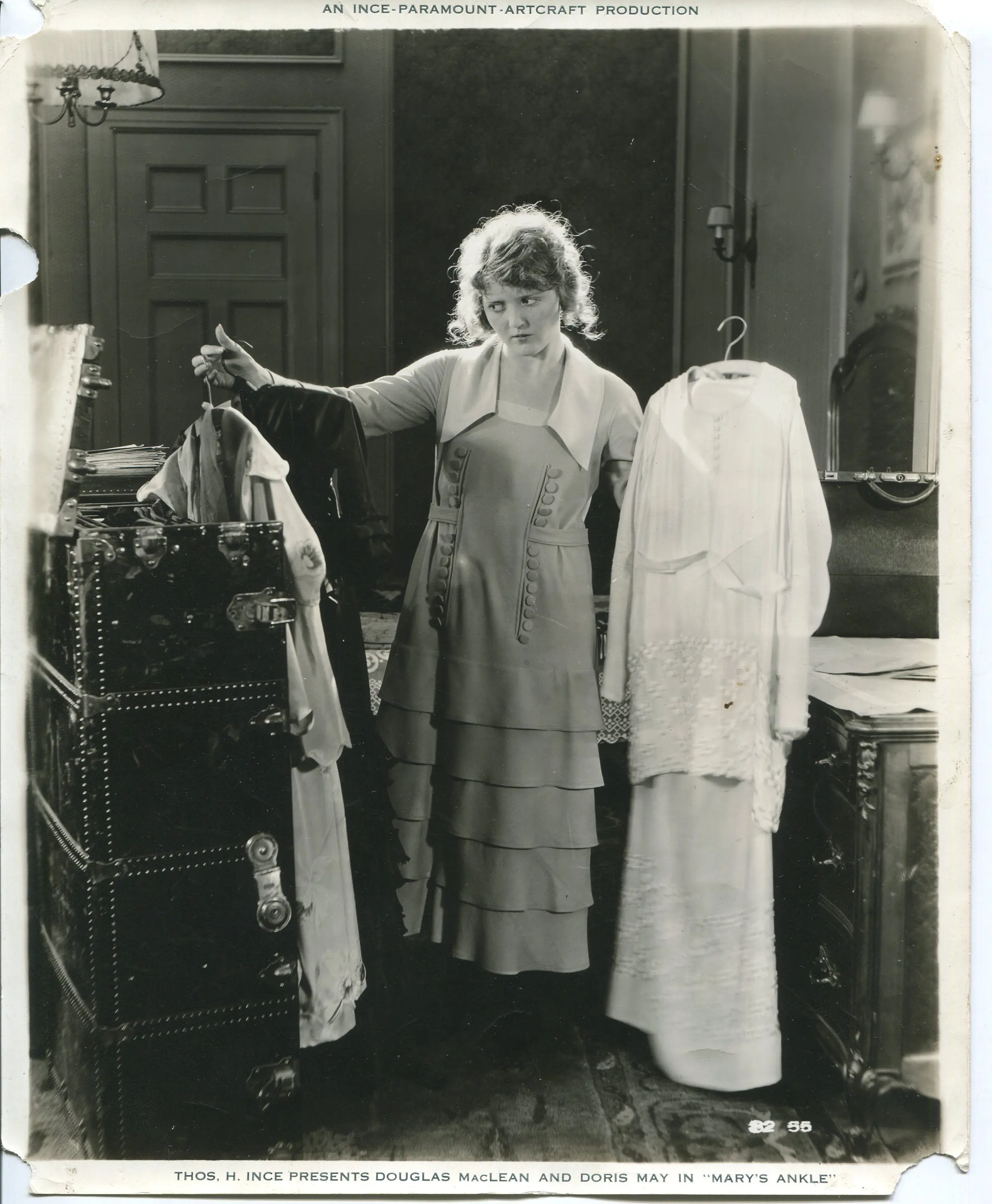
Dir: Lloyd Ingraham
While walking along the street one day, Arthur P. Hampton, an impoverished young doctor, and his chums, Stub Masters and Johnny Stokes, are persuaded to part with their last remaining funds by tag day solicitor Mary Jane Smith, with whom the doctor promptly falls in love. Doc's friends then hit upon a get-rich-quick scheme. Knowing that his Uncle George has promised a large sum of money upon his nephew's marriage, they persuade Doc to send out fake wedding invitations naming Mary Jane as the blushing bride. Uncle George, elated at the good news, writes to Mary Jane's aunt, Angelica Burns, an old sweetheart, to invite Mary Jane and Angelica to be his guests on an ocean voyage. Meanwhile, Mary Jane pays a visit to the doctor's office and, upon seeing the wedding invitations, becomes so flustered that she trips and sprains her ankle. Doc comes to her rescue and then begs her to pose as his wife. She agrees, but at ship-side, Stub and Johnnie confess all to Uncle George, who flies into a rage until Doc announces that he and Mary Jane have chosen a wedding at sea.
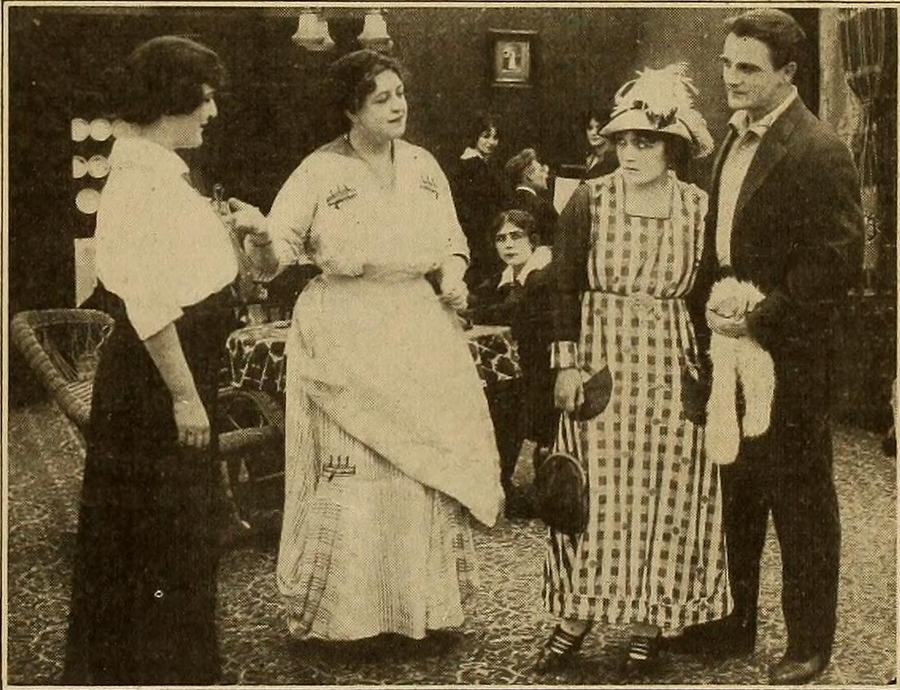
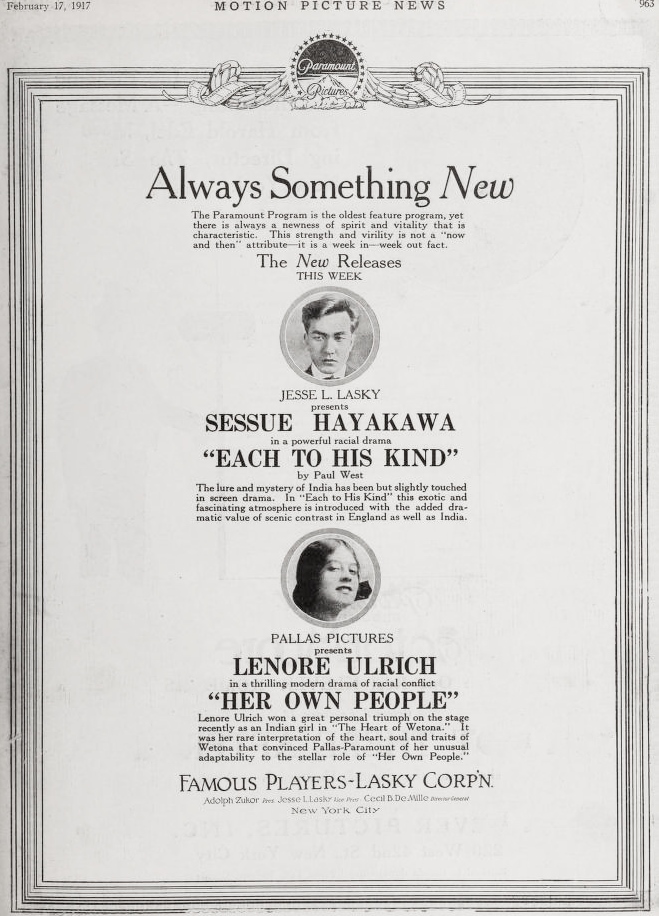
Dir: Scott Sidney
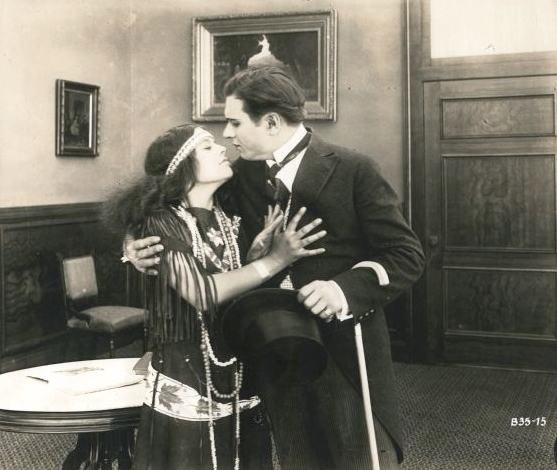
John Kemp, a wealthy man, after the announcement of his engagement to Eleanor Dutton, overhears her declare her love for another man, at the same time stating that she must marry Kemp for his money. Heartbroken, Kemp goes to the mountain wilderness. Eleanor marries the man she loves and Kemp marries The Morning Star, an Indian. They have a daughter, Alona, whom Kemp idolizes. She meets Frank Colvin, a poor young prospector, and they become attached to each other. Kemp feels it his duty to return to civilization in order to complete Alona's education. He places her in a fashionable boarding school. Upon learning that she is of Indian blood the girls snub her, only one, Myra Agnew, being kind. Myra takes Alona home with her at Christmas time, that she may meet her brother, Blinn, in the hopes that he will marry her. Alona, by accident, learns that Blinn cares only for her fortune, and upon the death of her father she returns to her people, embittered. She again meets Frank Colvin, who declares his love for her. She decides to test him and buys his mine through an unknown agent. He returns to the city, seeks out Alona, and promises to bring his mother and sister to see her. The mother and sister, however, having been informed that Frank intends to marry an Indian, call on Alona and, when they see her real beauty, tell her they do not wonder Frank loves her, and plan a big surprise for him. That night Alona sends her car for Frank and, accompanied by his mother and sister, they are driven to Alona's beautiful mansion. Here he finds her transformed from the simple Indian maiden he believes her to be into an heiress. Now that Alona is satisfied he loves her for herself alone, she reveals her real identity and their happiness is complete.
View Details
Dir: Scott Sidney
A fascinating piece of cinema that shares thematic elements.
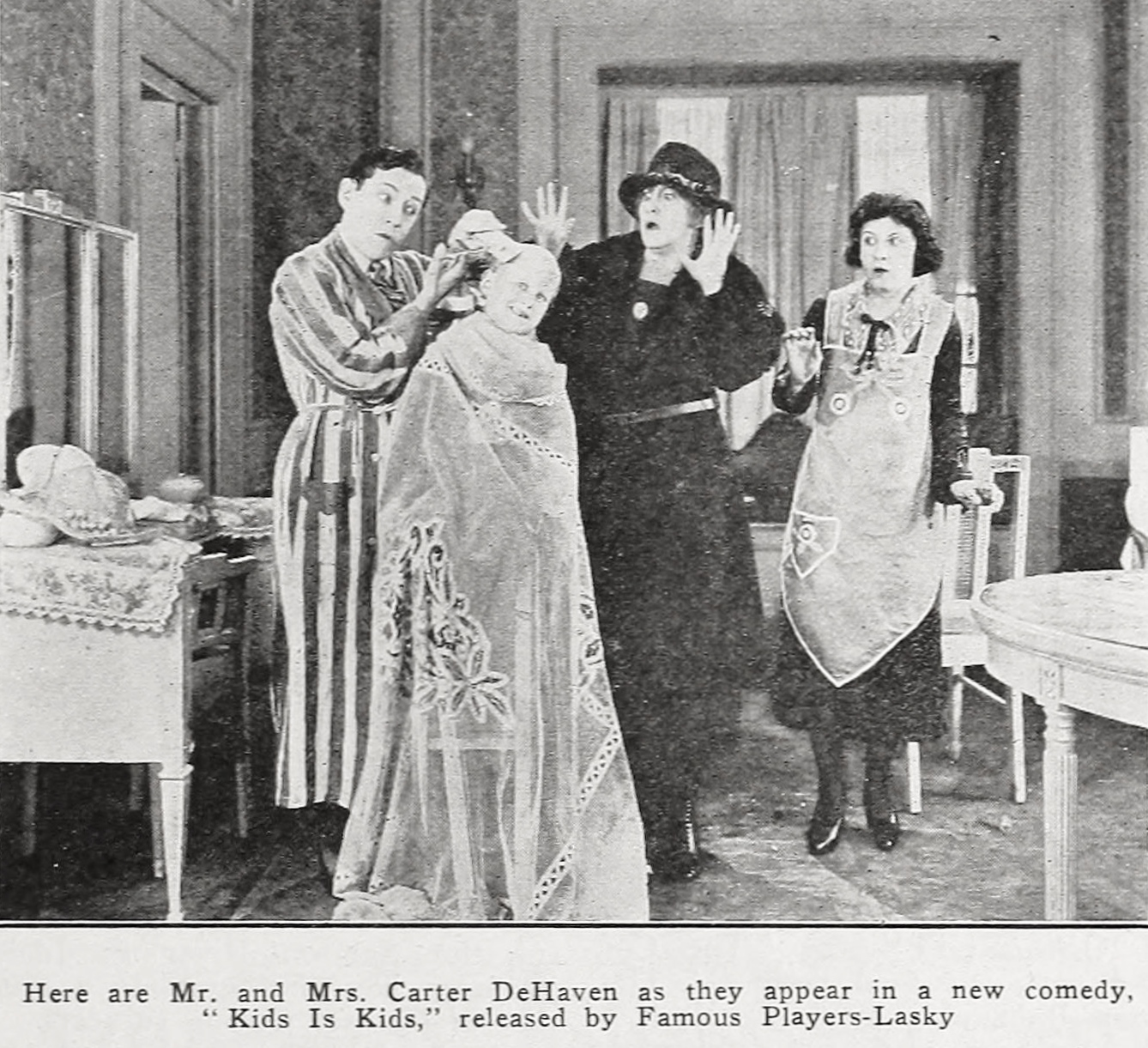
Dir: Charley Chase
A young married couple volunteer to take charge of several orphans after the asylum has burned down. Of course they find their hands full with their troublesome charges.
View Details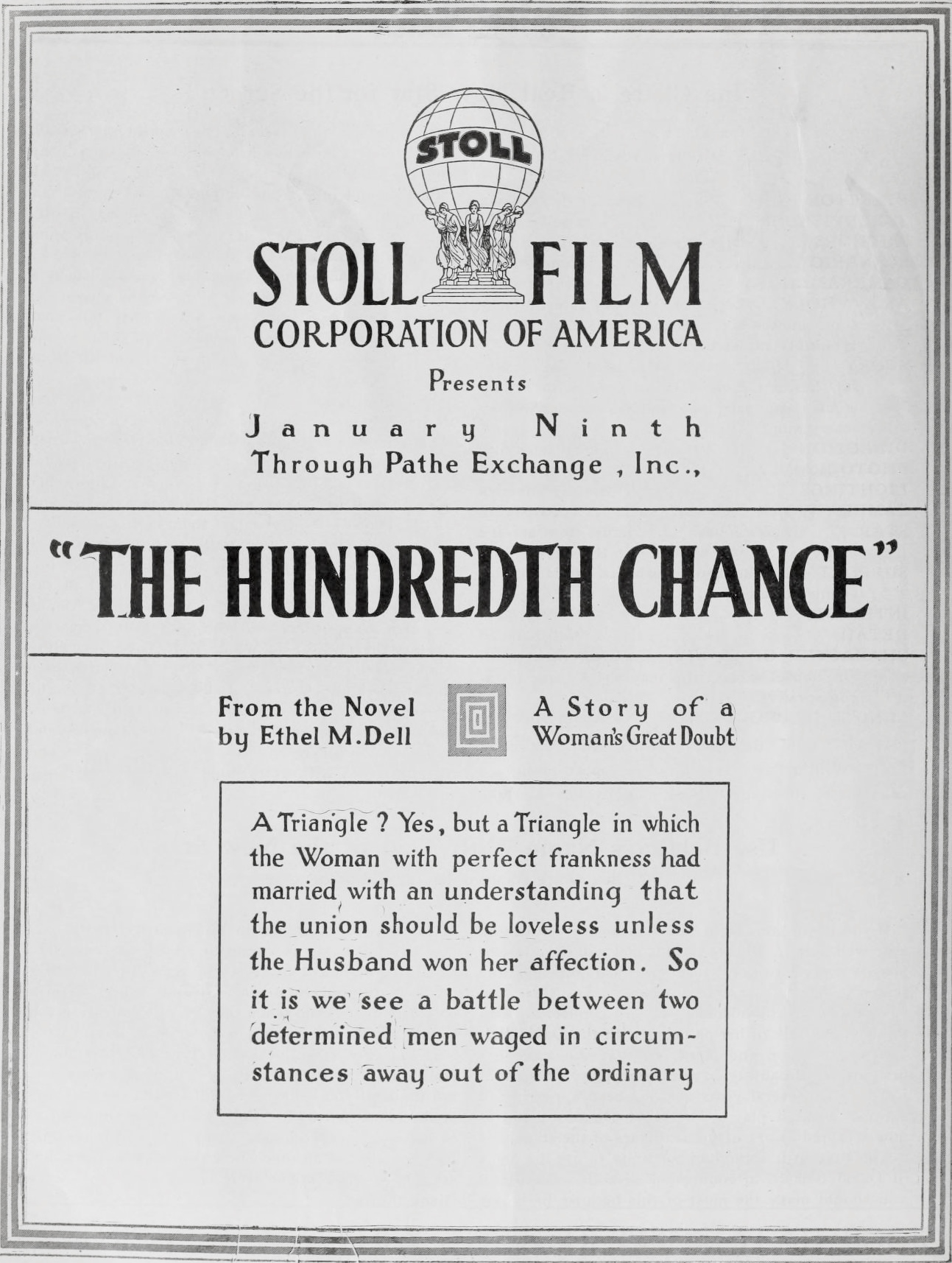
Dir: Maurice Elvey
A lady marries a horse trainer but withholds herself until her crippled brother is cured.
Dir: Scott Sidney
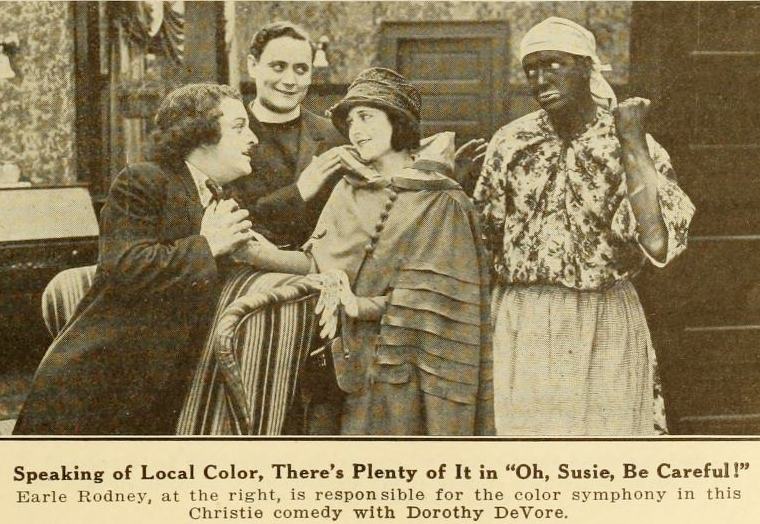
Dorothy is a girl who romantically fell in love with a long haired professor with whom she eloped. "The other fellow" is played by Earle, whose black face make-up at a critical situation almost loses him the girl of his choice.
View Details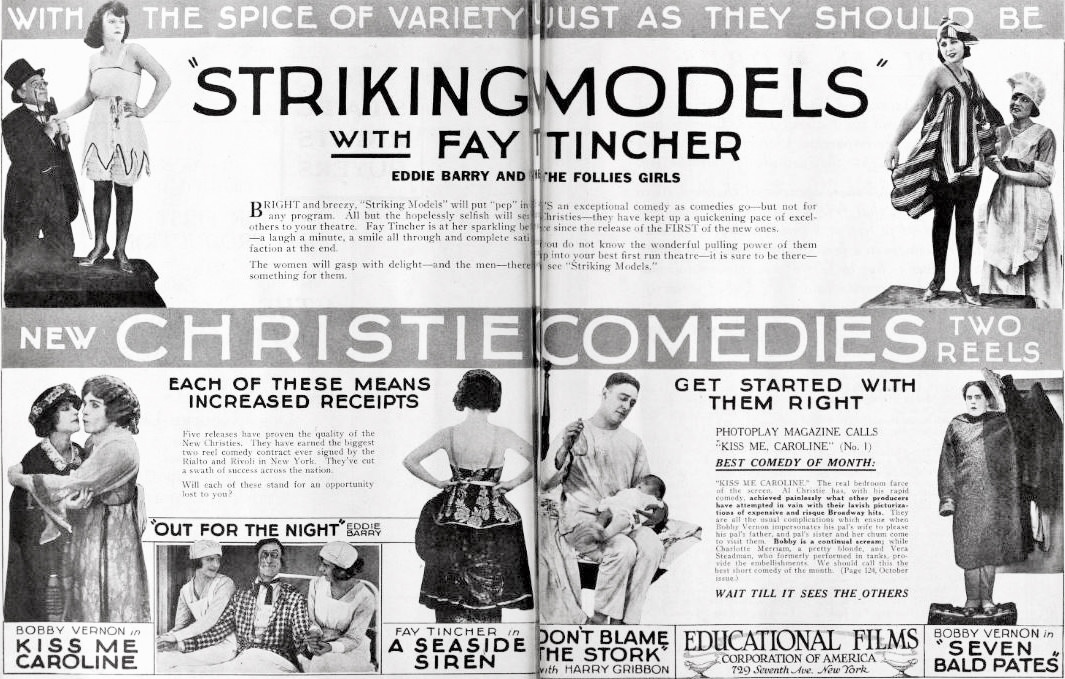
Dir: Reggie Morris
A fascinating piece of cinema that shares thematic elements.
View DetailsAnalysis relative to The Nervous Wreck
| Film Title | Atmosphere | Complexity | Similarity |
|---|---|---|---|
| An Amateur Devil | Tense | Linear | 98% Match |
| A Fitting Gift | Surreal | Layered | 96% Match |
| The Waifs | Tense | Dense | 92% Match |
| Mary's Ankle | Surreal | High | 86% Match |
| Her Own People | Gritty | Linear | 88% Match |
This guide was algorithmically generated using the cinematic metadata of Scott Sidney's archive. Last updated: 8/17/2026.
Back to The Nervous Wreck Details →