
DbcultAccessing Vault...
Recommendations
Senior Film Conservator
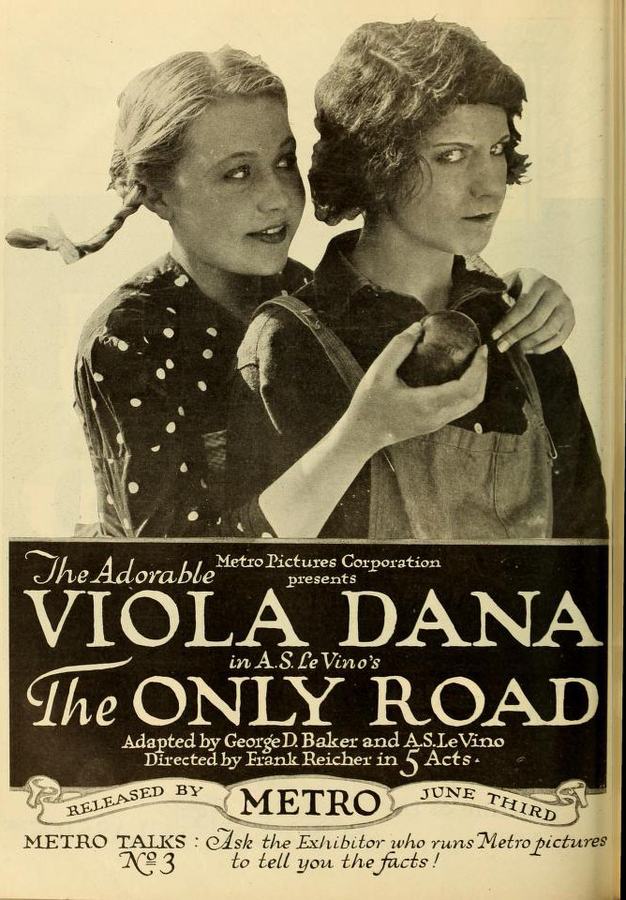
Exploring the unique vision in The Only Road is a journey into United States cinema, the thematic layers of this 1918 classic invite a wider exploration of the genre. If the cast impressed you, these next recommendations will too.
With Frank Reicher at the helm, The Only Road became to reinvent the tropes of cult cinema for a global audience.
Nita, a tomboy who sells vegetables in a sleepy California town, believes herself to be the daughter of poor ranch workers Manuel and Rosa Lopez. Traveling into town, she is attacked by Pedro Lupo, the son of lawyer Ramon Lupo. She is defended by Bob Armstrong, an Easterner visiting his father's wealthy friend, Clara Hawkins. When Pedro learns that Nita is actually Clara Hawkins's daughter, stolen at birth and long presumed dead, he insists that she marry him, but she refuses. Bob rescues Nita from the room in which she has been imprisoned, and the Lupos, furious at his interference, tell the sheriff that Bob has compromised the girl. Bob marries Nita at the sheriff's gunpoint and then places her in a convent, from which she later escapes. Nita flees to the Hawkins ranch, and after Ramon reveals her identity to Clara, she is happily reunited with her mother and her new husband.
Based on the unique unique vision of The Only Road, our vault has identified these titles as the most compelling follow-up experiences for fans of cult cinema:
Dir: Frank Reicher
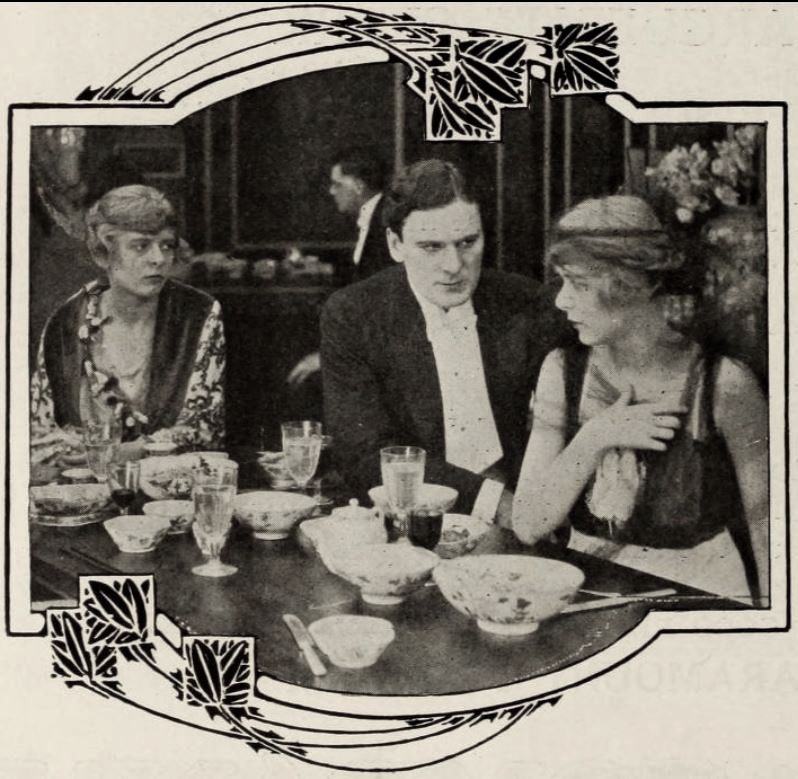
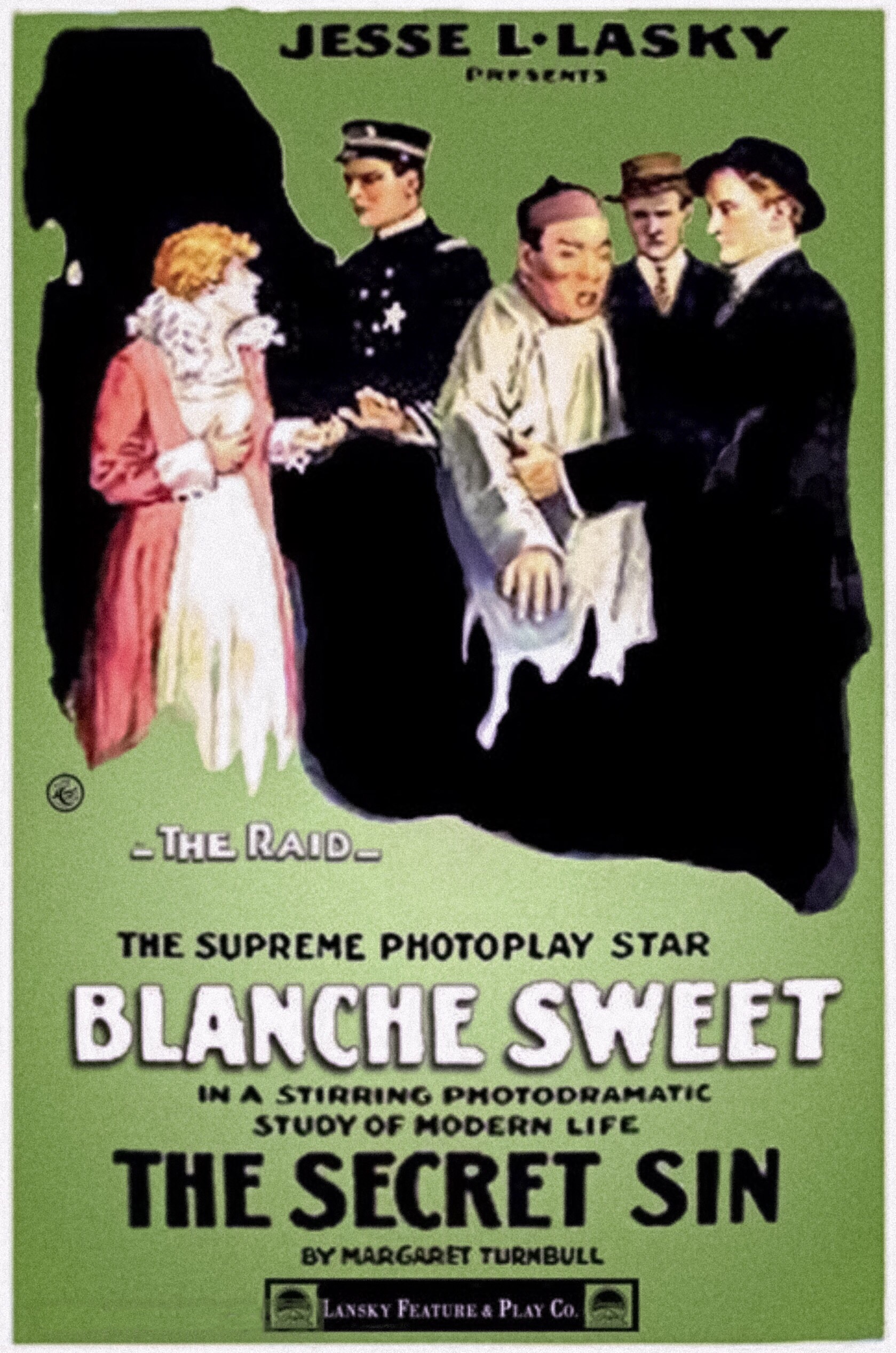
To help their unemployed father make ends meet, Edith and her twin sister Grace work as seamstresses . An invalid, Grace falls prey to the temptations of Chinatown opium and becomes an addict, a condition worsened by a misguided physician who prescribes morphine to ease her pain. When their father strikes oil, the family enjoys a new prosperity and the sisters meet the eligible Jack Herron, a fellow oil prospector. To Grace's shock, Jack falls in love with Edith and in her jealousy, Grace tells Jack that Edith, not she, has a drug problem. Hinting that her sister will soon need more morphine, Grace arranges for a dinner in Chinatown with the couple. While her sister and Jack dance, Grace slips away to an opium den. Edith follows her, but ends up in the wrong den and is arrested in an ensuing drug raid. After he bails her out of jail, Edith takes an angry Jack to search for Grace and stumbles across her half-conscious body lying in the street. The truth about the sisters is revealed, and after sending Grace to a sanitarium in the country, Jack and Edith are married.
View Details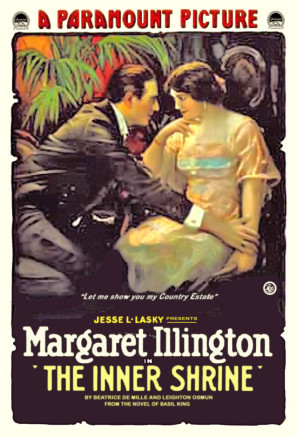
Dir: Frank Reicher
Bad woman turns good, but as a recent widow finds her past a roadblock in terms of accepting remarriage.
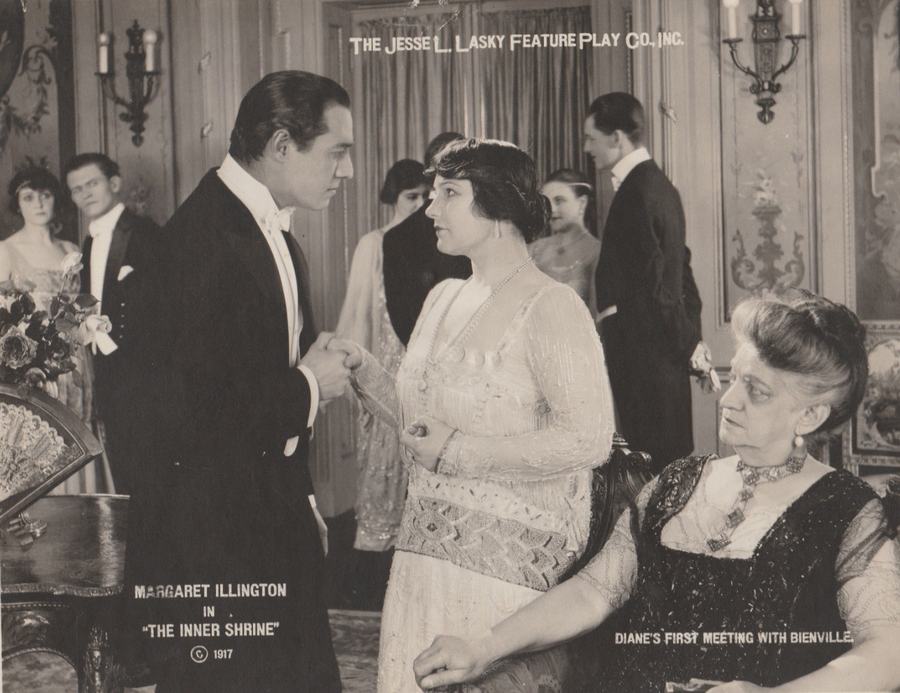
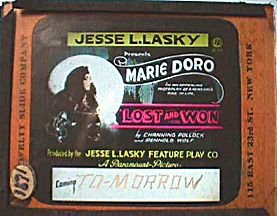
Dir: Frank Reicher
Cinders, a news girl, with a love for books, idealizes as her hero a "Daddy Long-legs," who will someday make her a great lady. Bill Holt, a reporter, is one of her best friends. Walter Crane and Kirkland Gaige observe Cinder's independence as she turns over to a policeman a man who has been annoying her. Later Crane wagers $50,000 that within a year he can transform and improve the girl that one of the men will want to marry her. Crane places her in the care of his aunt, who sends her to a boarding school. At the end of a year she returns home and at once becomes a favorite. Cleo Duvene, an adventuress, demands of Gaige a necklace which he is unable to purchase. Crane meets with reverses and Gaige, anxious to win Cinders, reveals the bet, suggesting she marry him in order that Crane may realize the $100,000 stake. She refuses and goes to her friend. Holt, securing a position as reporter on the paper. Crane accepts the position of assistant cashier in the bank of which Gaige is vice president. In order to buy the necklace for Cleo Gaige takes a bag of currency and Crane, accused of the theft, is placed in jail. Cinders goes to Gaige and by placing chewing gum on the end of her umbrella, picks up the pieces of a receipted bill for the necklace. She gets into the apartment of Miss Duvene, and is demanding that she tell all she knows of Gaige just as he comes in. They bind Cinders but she manages to get the telephone receiver down, calls Holt, who hears the conversation of the three, and with Crane and a policeman apprehend the guilty man just as he is about to escape. Crane frees the brave little girl and takes her to his arms with the statement that it pays to lose some bets.
View Details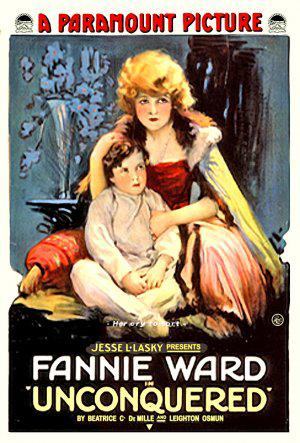
Dir: Frank Reicher
Mrs. Jackson endures the cruelty of her husband, Henry, for the sake of her son, Little Billy. They are visited in their Florida home by Mrs. Lenning, an adventuress who has convinced Henry that his wife is monopolizing Billy's affections. Although Henry intends to leave his wife for Mrs. Lenning, he will not consider a divorce without the custody of his son. While in Florida, Mrs. Jackson meets Richard Darcier, who sympathizes with her plight. Henry accuses his wife of being unfaithful, then sues for divorce and wins custody of Billy. Meanwhile, Jake, an African American voodoo worshiper in Richard's employ, has been warned by a priestess that he must provide their group with a sacrificial victim or die himself. Crazed by the threat, Jake chooses Billy. Mrs. Jackson finds the sacrificial cave and offers her life in exchange for that of her son's. At that moment, Mr. Jackson arrives with a rescue party, saves both their lives, and returns Billy to his mother after witnessing the strength of her mother love. Mrs. Jackson then marries Richard and the reconstituted family begins life anew.
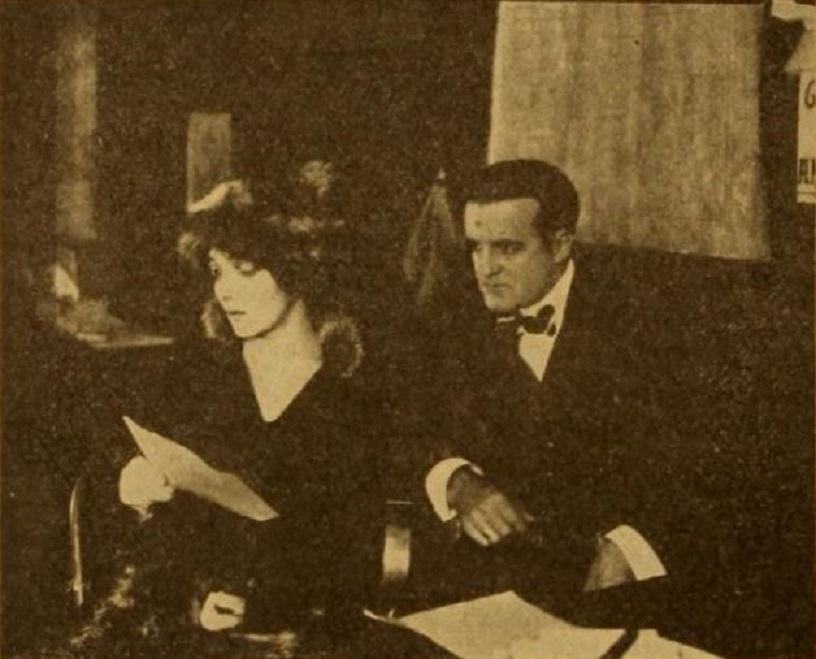
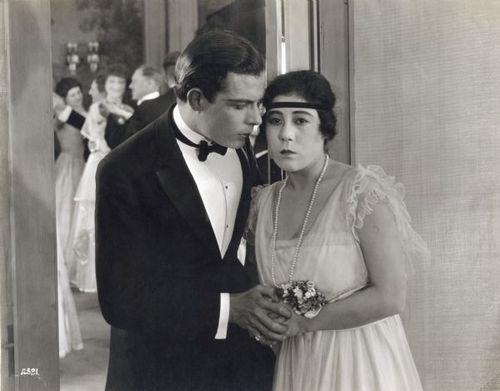
Dir: Frank Reicher
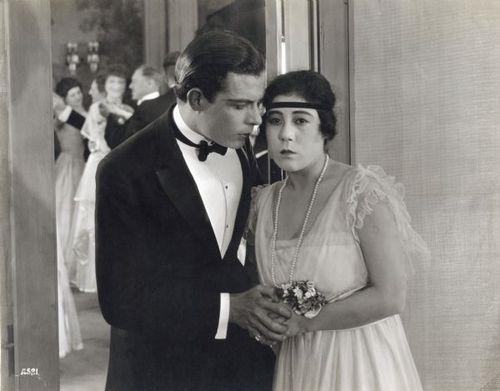
A Japanese maiden is pursued by an unscrupulous American young man who falsely believes her to have great riches.
View Details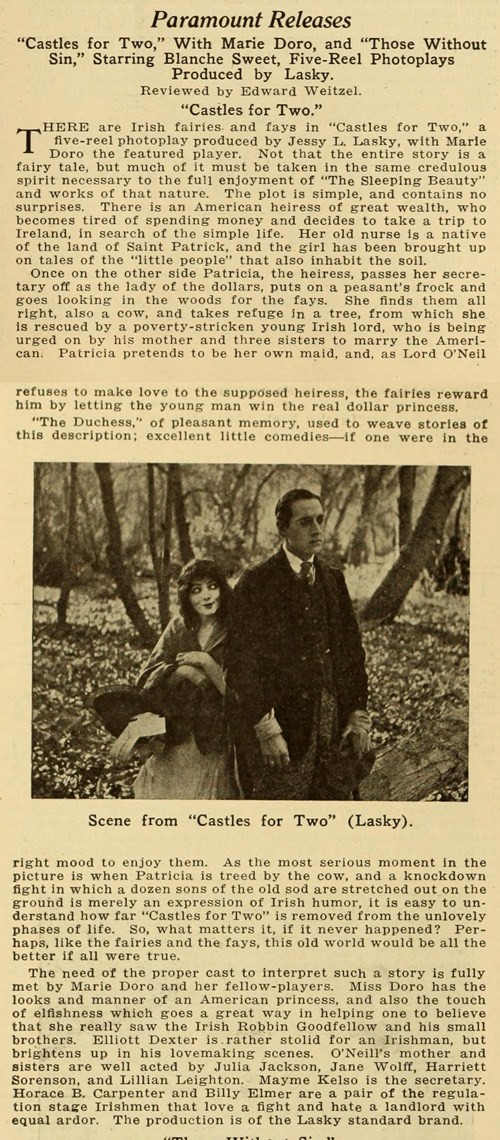
Dir: Frank Reicher
The family of an Irish landlord want him to wed who they think is a visiting heiress from the US but the real heiress pretends she is just a servant and hides her identity.
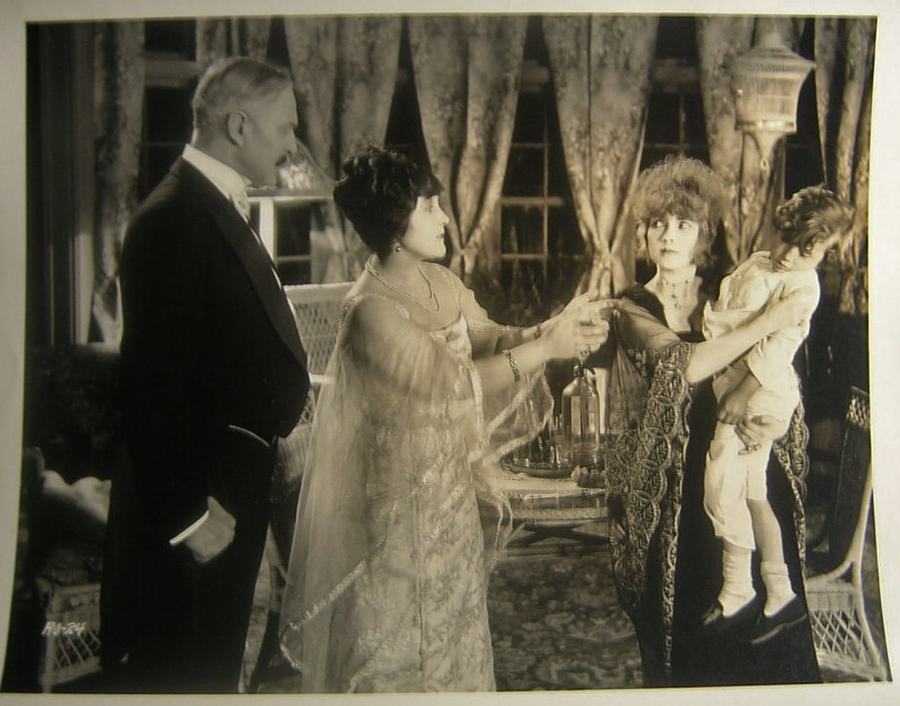
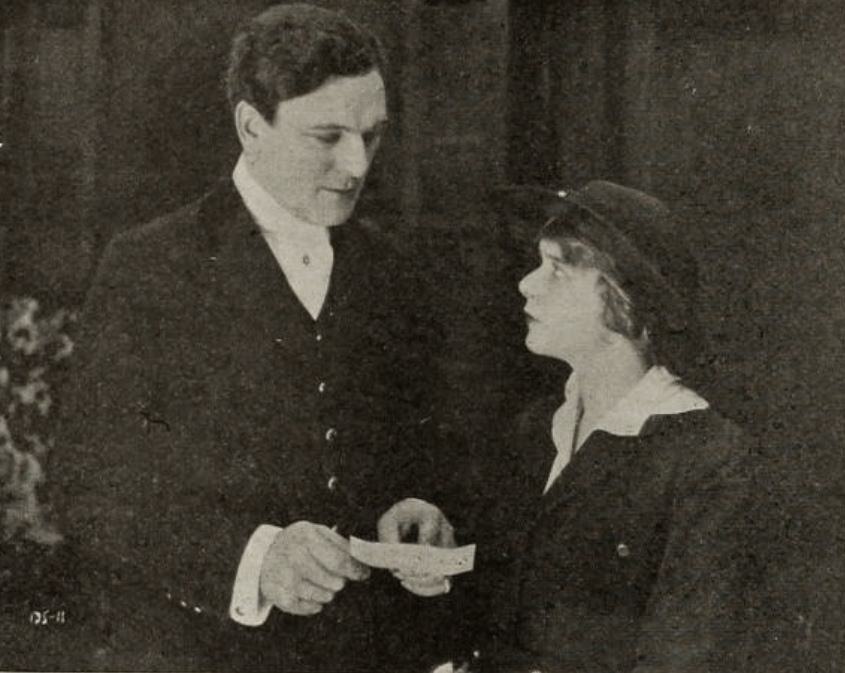
Dir: Frank Reicher
A fascinating piece of cinema that shares thematic elements.
View Details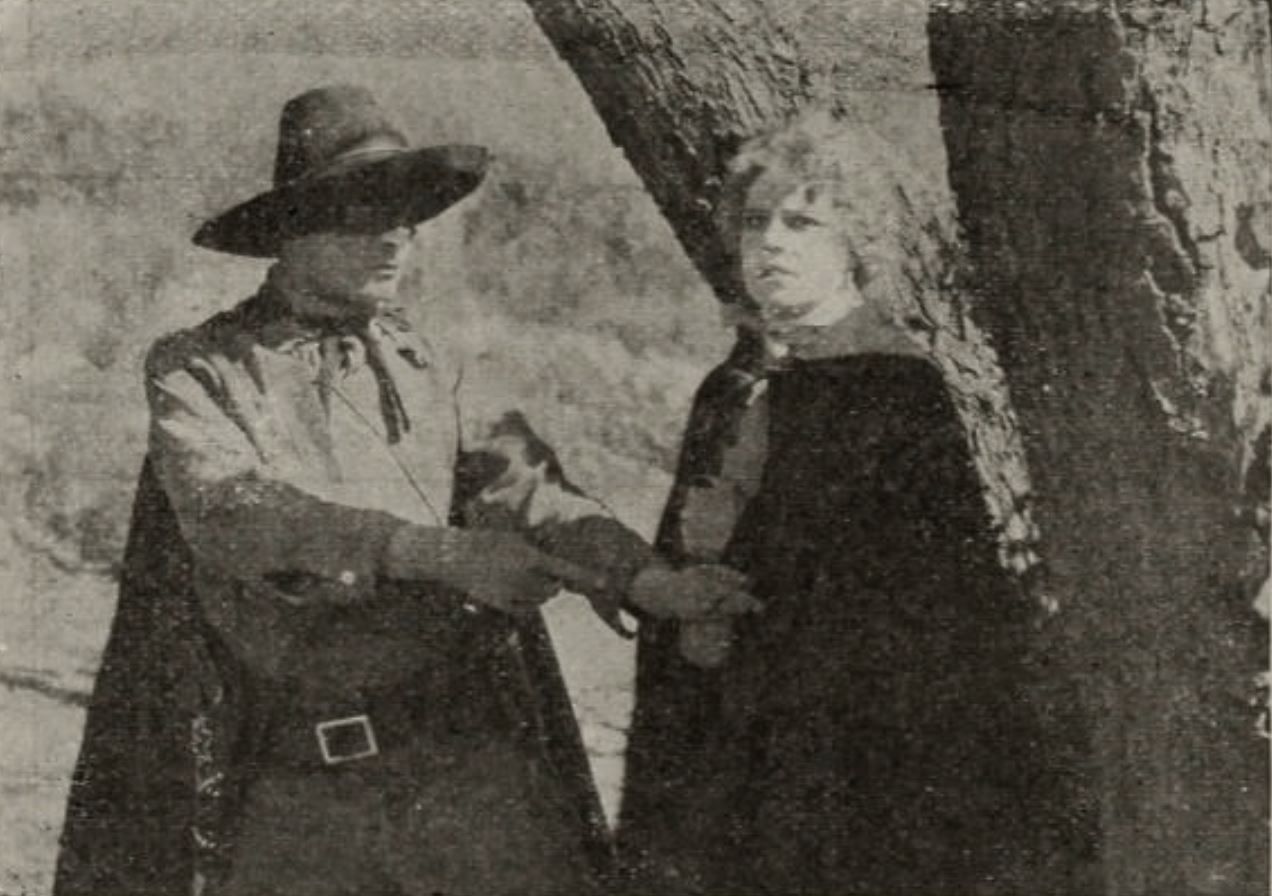
Dir: Frank Reicher
During the California gold rush, four unsuccessful miners assume that a woman prospector will give in without a fight, so they jump the claim of Kate Kenner and take her gold away from her. Afterward, although she is Sheriff Dan Deering's sweetheart, Kate decides to take the law into her own hands. Donning the trademark black mask of Silver Spurs, the noted bandit, Kate holds up the saloon where the crooks have stored the gold. As she makes her getaway, however, Dan catches her, and after unmasking her, is astonished to discover Silver Spur's true identity. The town puts Kate on trial immediately and a guilty verdict seems assured until the real Silver Spurs, who had greatly admired the masquerade, himself steals the gold and leaves a note exonerating Kate. Then, taking time out from his sheriff's duty, Dan, instead of pursuing Silver Spurs, starts making plans with Kate for their wedding.
Dir: Frank Reicher
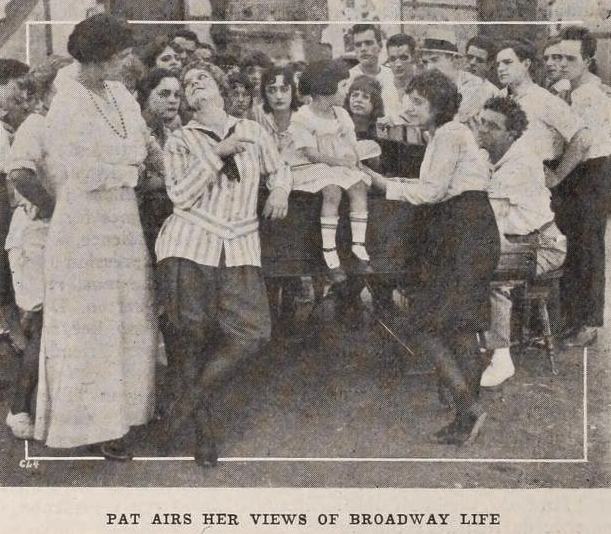
Patricia O'Brien, known as "Pat" the "Chorus Lady,' is a keen-witted, clean-lived young girl easily holding her own amid the temptations incident to her profession. She is engaged to marry "Danny" Mallory, a young detective, whose great ambition is to own a farm, marry Pat and leave the bright lights forever. Pat has a younger sister, Nora, whose yielding and idealistic natures Pat knows and she keeps her working in a country store "a million miles from Broadway," under the guardianship of a strict old woman. Nora, stage-struck and envious of Pat, leaves the store and turns up at the theater when Pat is rehearsing. Nora announces that she is going on the stage in spite of Pat's protests. Crawford, a young man-about-town, who is backing the show, struck by Nora's beauty and youth, gives her a position in the company. Crawford plies Nora with attention until she falls in love with him and Pat in her efforts to open Nora's eyes as to Crawford's true character, only succeeds in antagonizing her. Realizing that she cannot convince Nora or control her for long Pat begins a flirtation with Crawford. Nora fights bitterly to hold him. Danny becomes jealous and refuses to believe Pat when she explains that she is flirting with Crawford in an effort to disillusion Nora. At the dress rehearsal of the play in which Pat and Nora are to appear the star sends word that she is ill. Pat is given the chance to play the part. Knowing that Pat cannot leave the theater, Nora leaves a note that she is going to Crawford and slips home to pack. Pat, half-dressed to go on, finds the note, gives up her great opportunity, wraps herself in a cloak and in a cab hurries to Crawford's apartment. She arrives at Crawford's apartment first and leads Crawford into a declaration of love just as Nora appears. Pat demands that Crawford choose between them. Crawford chooses Pat. In the meantime Danny has been sent to get divorce evidence for Crawford's wife. They break into Crawford's rooms and Danny finds the woman to be his own girl. In the stormy scene that follows Pat's borrowed cloak slips from her shoulders revealing her in her underwear. With all evidence against her Pat is unable to establish her innocence. Danny cannot believe her innocent, but makes up his mind never to appear against her. Nora and the detective go, leaving Pat alone with Crawford. She promptly tells Crawford what she really thinks of him and he dismisses her from the company and orders her out of his rooms. Danny resigns his job rather than appear against Pat and the divorce suit never comes to court. Pat, out of a job, is unable to find another engagement and is about to be turned out of her boarding house when Nora, convinced of Pat's loyalty, telephones Danny and tells him the truth. Danny gets his farm and they all go to it, taking along as helper, "Bobs," the young assistant stage-manager, who cherishes an honest passion for Nora.
View Details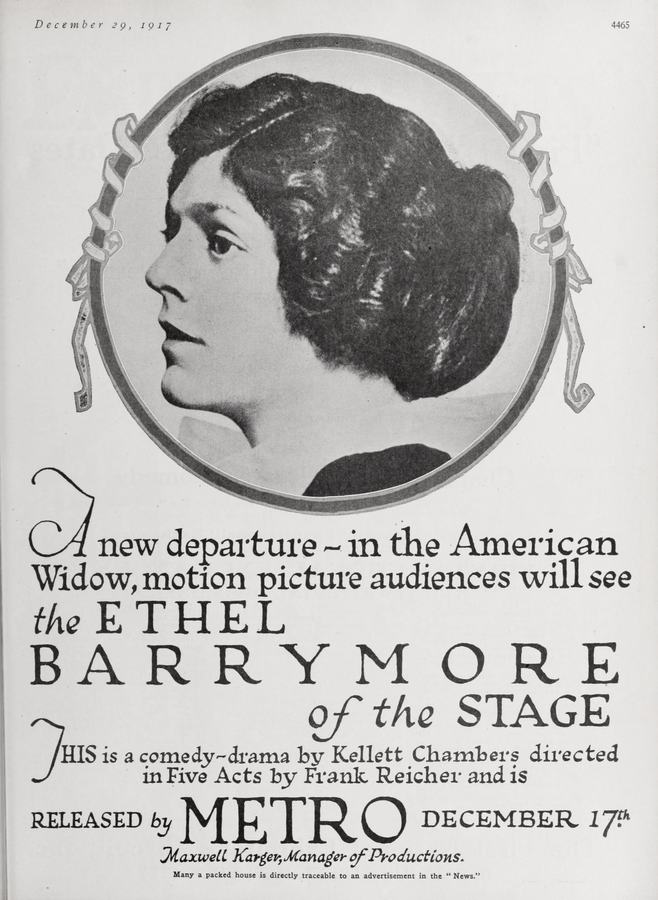
Dir: Frank Reicher
Wealthy American widow Elizabeth Carter plans to marry the Earl of Dettminster when lawyer Augustus Tucker informs her of a codicil in her late husband's will. The Carter fortune will go to nephew Pitney Carter, who is in love with Elizabeth, if her second husband is not an American. Elizabeth therefore pays penniless playwright Jasper Mallory $50,000 to marry her and schemes with actress Mme. Albani to provide grounds for divorce so that she may then make the earl her third husband. The plan backfires when Jasper's play is a success and Elizabeth finds herself falling in love with him. Tucker admits to forging the codicil to enhance Pitney's chances with Elizabeth. As Jasper and Elizabeth announce their plans to remain married, a telegram arrives with news that Mme. Albani and the earl have wed.
View DetailsAnalysis relative to The Only Road
| Film Title | Atmosphere | Complexity | Similarity |
|---|---|---|---|
| The Secret Sin | Ethereal | Dense | 91% Match |
| The Inner Shrine | Gritty | Dense | 96% Match |
| Lost and Won | Tense | High | 85% Match |
| Unconquered | Surreal | Linear | 93% Match |
| Alien Souls | Surreal | Dense | 86% Match |
This guide was algorithmically generated using the cinematic metadata of Frank Reicher's archive. Last updated: 8/16/2026.
Back to The Only Road Details →