Summary
The narrative unfurls in the opulent, yet morally ambiguous, demi-monde of Belle Époque Paris, where the precocious four-year-old Diane stumbles upon her mother, Cora May, amidst a cacophony of tipsy revelers. This initial, jarring tableau sets the stage for a life irrevocably bifurcated: an early exposure to unbridled hedonism swiftly followed by the cloistered serenity of a convent. Cora, haunted by a friend's chilling observation of a 'devil' lurking in Diane's innocent eyes, a reflection of her own tempestuous spirit, relinquishes her daughter to the care of nuns. Nineteen years later, Diane emerges, a vision of untarnished purity, only to encounter the charismatic, yet deceptive, 'Monsieur le Chevalier' – the Duke of Cluny – during a seaside sojourn. His worldly charm proves an irresistible, tragic snare, shattering her innocence. Meanwhile, Cora May's life, a tapestry of fleeting pleasures and profound loneliness, concludes in the arms of the Duchess of Cluny, who, unbeknownst to her, is the very mother of Diane's betrayer. The Duchess, moved by Cora's dying wish, vows to safeguard Diane, bringing her into her own home. A poignant irony thus binds victim and tormentor within the same aristocratic embrace, both Diane and the Duke burdened by their shared, unspeakable secret, united in their devotion to the benevolent Duchess. The intricate web tightens with the arrival of Lieutenant Dodd, a steadfast American whose unwavering affection compels Diane to confront her past. His relentless pursuit of truth ultimately unearths the deeply buried scandal, culminating in a fateful duel where the Duke, through his demise, offers a final, grim atonement. The film posits a future where Diane, finally unburdened, might at last find solace and happiness with Dodd, her journey from the shadows of a 'secret orchard' to the light of genuine connection complete.
Synopsis
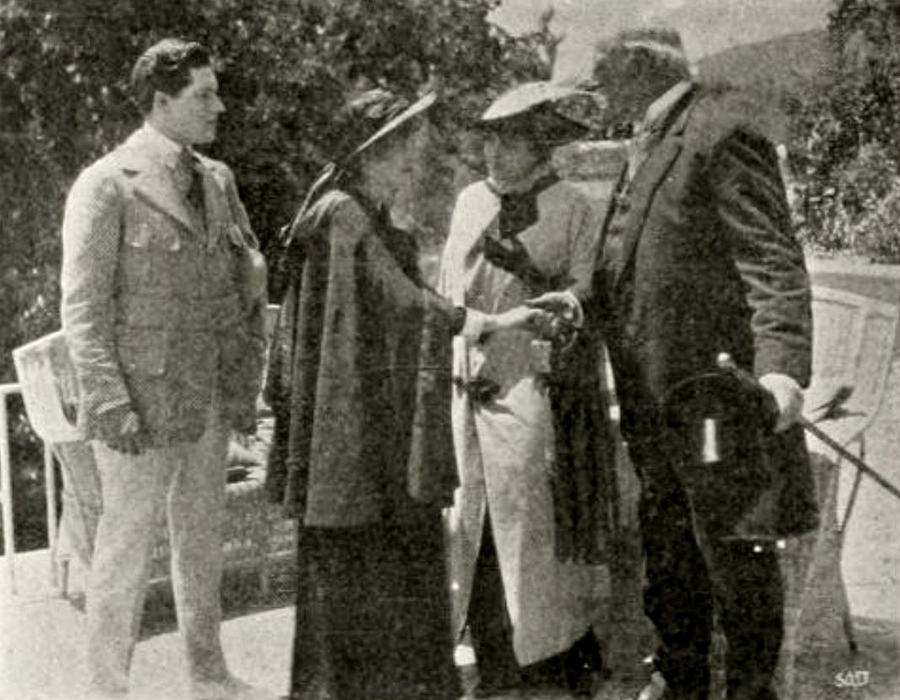
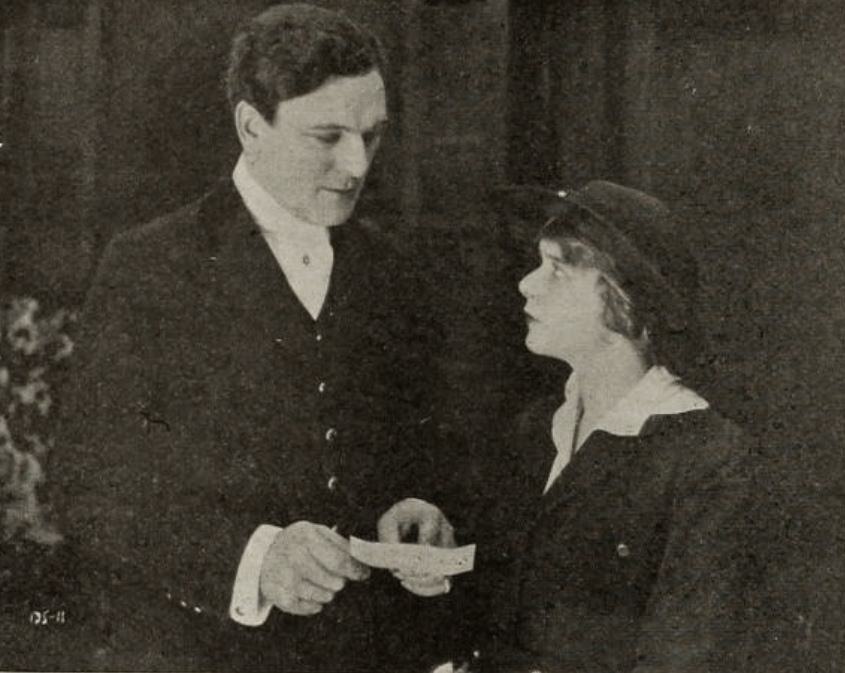
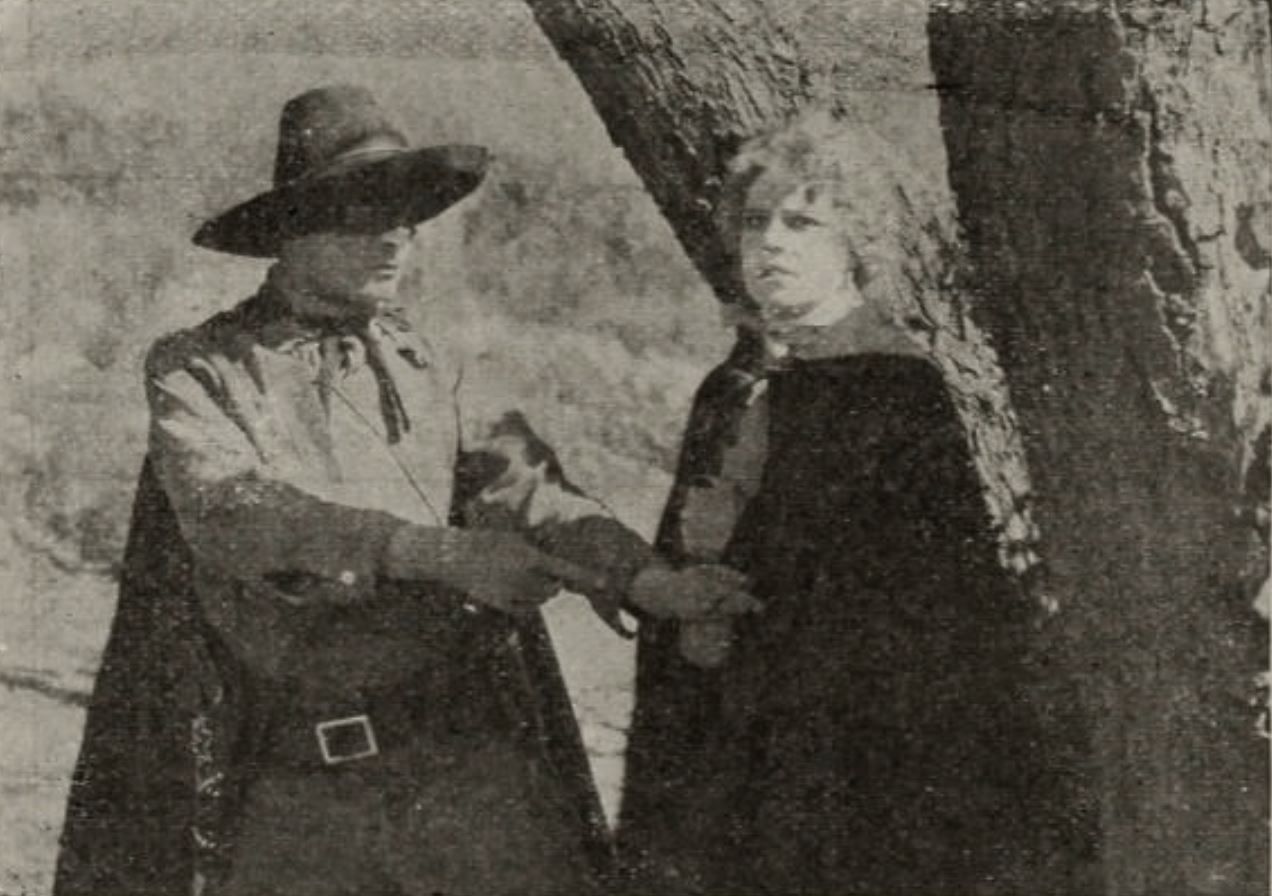
The sound of merry voices and the clinking of wine glasses came through the closed door of a child's room in an apartment situated in a quarter of Paris where night life predominates and where revelers know they may come and go as they please. It was late at night. The child had been asleep, but awakening, frightened, she stepped to the door a moment to listen and then fearlessly, having heard the musical laugh of her mother, she opened the door and entered a large room. It was filled with men and women, whose gaiety may have had some inspiration from the bottles which poked their heads above the rim of ice buckets, which formed an outer fortification around the banquet table. At the sight of the child the conversation ceased for a moment, then burst forth at some indiscreet remark. A woman arising from the head of the table hurried across the room, caught the child in her arms and carried her back into her room. The woman was Cora May, the child her daughter Diane, age four. Cora May was one of the stirs of the Parisian demimonde. The next morning Cora took the child to a convent, bade her a tearful farewell, and returned, sorrowful, to Paris. In her ears there still rang relentlessly the words spoken by a friend the previous evening when he saw the child, "She has the devil in her eyes, Cora, just like you." The little girl, Diane, grew up in the convent, learned to love the sisters and their sweet ways, blossomed into lovely girlhood and at 19 she left the convent to pass a vacation at a friend's home by the seashore at Narbonne. "Monsieur le Chevalier" saw her one day. Her beauty attracted him, her innocence kept him at a distance, but her eyes, those eyes wherein the "devil" was lurking, baffled and confused him. There followed a flirtation, innocent enough, a few words between them, a declaration of love and Diane had fallen a victim to the worldly wiles of "Monsieur le Chevalier," who was, in fact none other than the Duke of Cluny. Meanwhile Cora May, Diane's mother, had died, never having seen her child from the day she had taken her to the convent. Deserted by her care-free friends she found sympathy in a woman of rank, Duchess of Cluny, who sat at her bedside and watched an unhappy life ebb swiftly away. The Duchess made one promise: she would seek out the child, Diane, and take her into her home and guard her from temptation. Diane, still stunned by the experience of her betrayal, dedicates her life to the friendship for the kind Duchess, never associating her with "Monsieur le Chevalier." Subsequently Diane and the Duke, filled with remorse because of his indiscretion, recognize each other yet spare the Duchess, whom each loves from their secret. The past would have remained untold had Diane and not Lieutenant Dodd, U.S.N. fallen in love. The young woman refuses marriage but withholds her reasons, but the young American is obdurate and in time the truth dawns upon him. In a duel he kills the Duke of Cluny who by death atones for his sin, and we are left with the reasonable conclusion that in time Diane and Lieutenant Dodd find happiness together.
Review Excerpt
"
Ah, the silent era. A time when melodrama reigned supreme, when emotions were writ large across the screen, and the very air crackled with unspoken desires and hidden sorrows. The Secret Orchard, with its intricate tapestry of innocence, corruption, and the relentless pursuit of truth, stands as a quintessential example of this period's dramatic prowess. It’s a narrative that, even today, resonates with a potent blend of societal critique and deeply personal anguish, inviting us to ponder t..."